


Premier Mesh Manufacturers: Durable & Sustainable Mesh Solutions for Global Industries
Understanding Mesh Manufacturers: Why They Matter in Today's Global Industry
At first glance, the term mesh manufacturers might seem pretty niche — a sector buried deep inside construction or security products. But the reality is much broader. These are the companies that produce wire meshes, chain link fences, and similar net-like materials that underpin everything from secure perimeters around airports to makeshift shelters in disaster zones. Globally, the demand for such products is spiking, not just because infrastructure keeps expanding, but also due to humanitarian and industrial needs. Understanding mesh manufacturers gives you a peek into a fascinating world where durability meets design, and traditional materials evolve alongside cutting-edge technologies.
Why does this matter? Well, globally, industries and governments are continuously trying to balance safety, sustainability, and cost. Mesh products, often overlooked, play a surprisingly significant role — whether in mining, agriculture, city security, or refugee camp setups. Plus, with urbanization predicted to reach 68% worldwide by 2050 (UN DESA 2018), secure, scalable fencing solutions will be in higher demand than ever.
Mini takeaway: Mesh manufacturers don’t just make fences; they build the invisible frameworks that protect, define, and enable modern industry and society.
The Global Landscape of Mesh Manufacturing Today
It’s mind-boggling, but the mesh manufacturing industry moves billions of dollars annually, with hubs strategically positioned in Asia (China, India), Europe (Germany, Italy), and North America (US, Mexico). According to the ISO standards for wire mesh (ISO 8029), quality, consistency, and safety are becoming the industry benchmarks globally — no surprise given the stakes involved.
Yet, there’s a big challenge facing mesh manufacturers: the push for sustainability and eco-friendly materials. Consumers and governments alike are demanding greener alternatives without sacrificing durability or skyrocketing costs. Add to that the complexity of logistics in a post-pandemic world, plus geopolitical trade tensions, and, frankly, it’s a tough field to navigate.
Mini takeaway: Mesh manufacturers operate in a global balancing act — juggling quality, cost, sustainability, and supply-chain realities all at once.
What Exactly Are Mesh Manufacturers?
Simply put, mesh manufacturers create woven or welded grid-like materials typically made from metals such as steel, aluminum, or sometimes plastics. These products include chain link fences, welded wire mesh panels, gabions, and perforated sheets. Their applications stretch from securing premises to filtering liquids or reinforcing concrete.
Interestingly, many of these manufacturers lean heavily on advanced automated weaving machines and robotic welding to ensure precision and volume. And with growing needs in humanitarian aid — think border fencing or temporary housing compounds — there’s a humanitarian angle too. The work done by mesh manufacturers literally shapes how communities maintain safety and dignity in fragile environments.
Mini takeaway: Mesh manufacturers turn raw metal or polymers into versatile grids that serve multiple industries, including urgent humanitarian needs.
Durability: The Backbone of Mesh Manufacturing
Most buyers demand mesh that can withstand decades of weather exposure, intense physical impact, or corrosive environments without failing. Manufacturers invest heavily in galvanizing and powder-coating technologies to extend lifespan.
Scalability: Meeting Diverse Industry Needs
From a tiny 1x1 cm mesh for filtration to giant perimeter fences stretching miles, scalable manufacturing is crucial. Flexibility in production lines defines a manufacturer’s competitiveness.
Cost Efficiency: Balancing Price and Performance
Raw material prices fluctuate wildly, so manufacturers focus on optimizing processes to keep costs down — without cutting corners on strength or compliance with standards.
Customization & Innovation
Clients often require unique specifications. Whether it’s mesh thickness, wire gauge, or mesh size, manufacturers must offer tailored solutions without significant lead times.
Sustainability
Environmental responsibility is not optional anymore. Many mesh manufacturers utilize recycled steel and adopt clean energy in production facilities.
Quality Control & Compliance
Adherence to ISO and ASTM standards ensures product safety and reliability, plus eases international trade hurdles.
Mini takeaway: The interplay of durability, customization, cost, and sustainability frames how mesh manufacturers thrive and innovate.
How Mesh Manufacturers Serve Global Industries
The industries relying on these companies are as diverse as they come:
- Construction: Reinforcing concrete, safety barriers.
- Agriculture: Animal enclosures, crop protection.
- Mining & Oil: Screening and security fencing.
- Transportation: Airport, railway security meshes.
- Humanitarian Aid: Temporary fences and shelter structures.
In sub-Saharan Africa, for example, mesh manufacturers have been pivotal in building protective community gardens and livestock fencing, bolstering food security (World Bank reports 2021). Meanwhile, in Europe, advanced mesh products help reduce wildlife-vehicle collisions by fencing roadways.
Post-disaster relief efforts in Southeast Asia often rely on quickly deployable mesh fencing to secure aid distribution centers — a vital but sometimes overlooked aspect of emergency response.
Mini takeaway: Mesh manufacturers are silent enablers behind safety, infrastructure, and humanitarian efforts worldwide.
Typical Product Specifications from a Leading Mesh Manufacturer
| Specification | Details |
|---|---|
| Material | Galvanized Steel, Stainless Steel, PVC Coated Steel |
| Mesh Size | 12.5mm to 50mm |
| Wire Gauge | 14 to 22 gauge |
| Coating | Hot-dip Galvanized or PVC Coating |
| Panel Size | 1.2m x 2.4m standard sizes; custom sizes available |
| Tensile Strength | 350 - 550 MPa |
Comparing Leading Mesh Manufacturers
| Vendor | Product Range | Global Reach | Sustainability Initiatives | Typical Lead Time |
|---|---|---|---|---|
| Alpha Mesh Co. | Wide (security, construction) | Asia, EMEA | Recycling programs | 2-4 weeks |
| SecureNet Ltd. | Specialized (industrial) | North America, Europe | Carbon-neutral factories | 3-6 weeks |
| EcoMesh Systems | Eco-friendly materials | Global | Biodegradable coating tech | 4-5 weeks |
Advantages & Lasting Impact of Quality Mesh Products
Aside from the obvious physical barriers these mesh products provide, their impacts are multi-layered:
- Cost-Effectiveness: High durability means fewer replacements and repairs, translating to long-term savings.
- Sustainability: Using recycled materials and green coating processes reduces carbon footprint.
- Social Impact: In conflict or disaster zones, secure fencing supports safety, enabling humanitarian efforts without the risk of unauthorized access.
- Reliability: ISO compliance means fewer failures and better protection.
On a human level, reliable fencing creates peace of mind, and oddly enough, that feeling of security leads to better community cohesion.
Innovations and Future Trends in Mesh Manufacturing
Manufacturers are now integrating smart technologies — think sensor-embedded fencing for real-time security monitoring. The rise of green energy powers automated and robotic production lines, reducing waste and emissions. Plus, new composite materials are pushing beyond traditional metals, offering lightweight, rustproof alternatives ideal for coastal or humid environments.
Digitally, supply chains are getting streamlined via blockchain to assure product authenticity and traceability — a boon considering how often fakes or substandard “imports” undermine infrastructure projects worldwide.
Mini takeaway: The mesh industry may sound old-school, but it’s racing headfirst into the future with tech and eco-conscious strategies.
Challenges Mesh Manufacturers Face—and How They Adapt
Raw material price volatility, trade tariffs, and supply-chain disruptions continue to stress manufacturers. Plus, pushing sustainable materials often raises costs, risking competitive edge.
But many manufacturers innovate by:
- Investing in energy-efficient machinery.
- Forming strategic supplier partnerships to smooth raw material access.
- Designing modular mesh panels for faster installation and less wastage.
- Enhancing after-sales service for client confidence.
Of course, not all solutions are plug-and-play — it’s an ongoing, sometimes frustrating balancing act to reconcile bottom-line pressure with green agendas and quality demands.
Frequently Asked Questions About Mesh Manufacturers
Q1: How do mesh manufacturers ensure product durability in harsh environments?
A: Most manufacturers apply galvanization (zinc coating) or powder coatings to protect metal meshes from rust and corrosion. Some use stainless steel alloys for added resilience, especially in coastal or industrial areas. Regular testing under standards like ASTM A1058 ensures performance.
Q2: Can mesh manufacturers customize products for unique industrial needs?
A: Absolutely. Most reliable manufacturers offer custom wire gauge, mesh size, material choices, and panel dimensions to suit everything from mining filters to high-security fencing. Flexibility is often key to winning contracts.
Q3: Are eco-friendly mesh products more expensive than standard ones?
A: Initially, yes — recycled or biodegradable materials often cost more upfront. However, lifecycle savings and reputational benefits usually justify the investment, especially with rising environmental regulations globally.
Q4: How do mesh manufacturers support rapid deployment in disaster zones?
A: Many design modular, lightweight panels that can be quickly shipped and assembled onsite. Some cooperate with NGOs to stockpile inventory for emergencies, ensuring minimal delay when crises strike.
Q5: Is it possible to source mesh products internationally without hassle?
A: Yes, but it requires working with manufacturers compliant with international trade standards and understanding customs regulations. Partnering with vendors experienced in export logistics smooths the process considerably.
Wrapping It All Up: Why Mesh Manufacturers Are More Important Than You Think
From the sprawling factories in Asia to small customization shops in Europe, mesh manufacturers quietly build the physical grids we often take for granted but can't live without. Their products bolster security, assist humanitarian aid, and evolve alongside global sustainability efforts.
If you want to explore trusted suppliers or innovate your mesh requirements, I suggest checking out mesh manufacturers with a proven global footprint and commitment to quality.
Because, in the end, whether you’re securing a construction site or protecting a vulnerable community, the right mesh—and the right manufacturer—makes all the difference.
References:
1. United Nations Department of Economic and Social Affairs (UN DESA), World Urbanization Prospects 2018
2. ISO Standards for Wire Mesh, ISO 8029
3. World Bank Report on Sub-Saharan Agriculture, 2021
Latest News About CHENG CHUANG
-
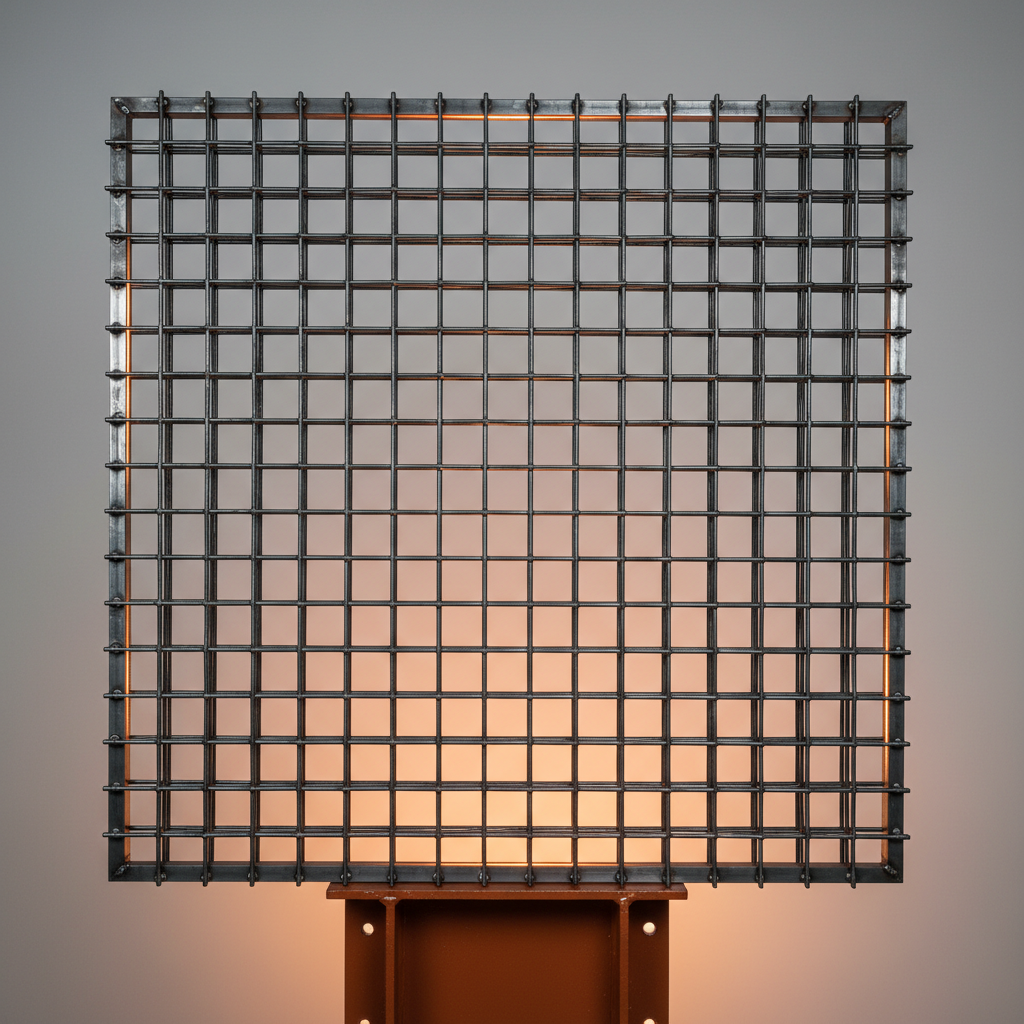 Heavy Duty 6 gauge welded wire mesh for Security and StrengthWhen it comes to heavy-duty containment, security, and structural reinforcement, choosing the right material is critical. The 6 gauge welded wire mesh stands as a premier choice for those requiring a balance of extreme rigidity and precise spacing. Whether you are securing a commercial perimeter, building industrial livestock panels, or creating reinforced concrete structures, this specific thickness provides the structural integrity needed to withstand significant pressure and impact. In this comprehensive guide, we will explore the technical specifications, primary applications, and why this mesh is the gold standard for high-security fencing solutions.Read more >
Apr 16 2026
-
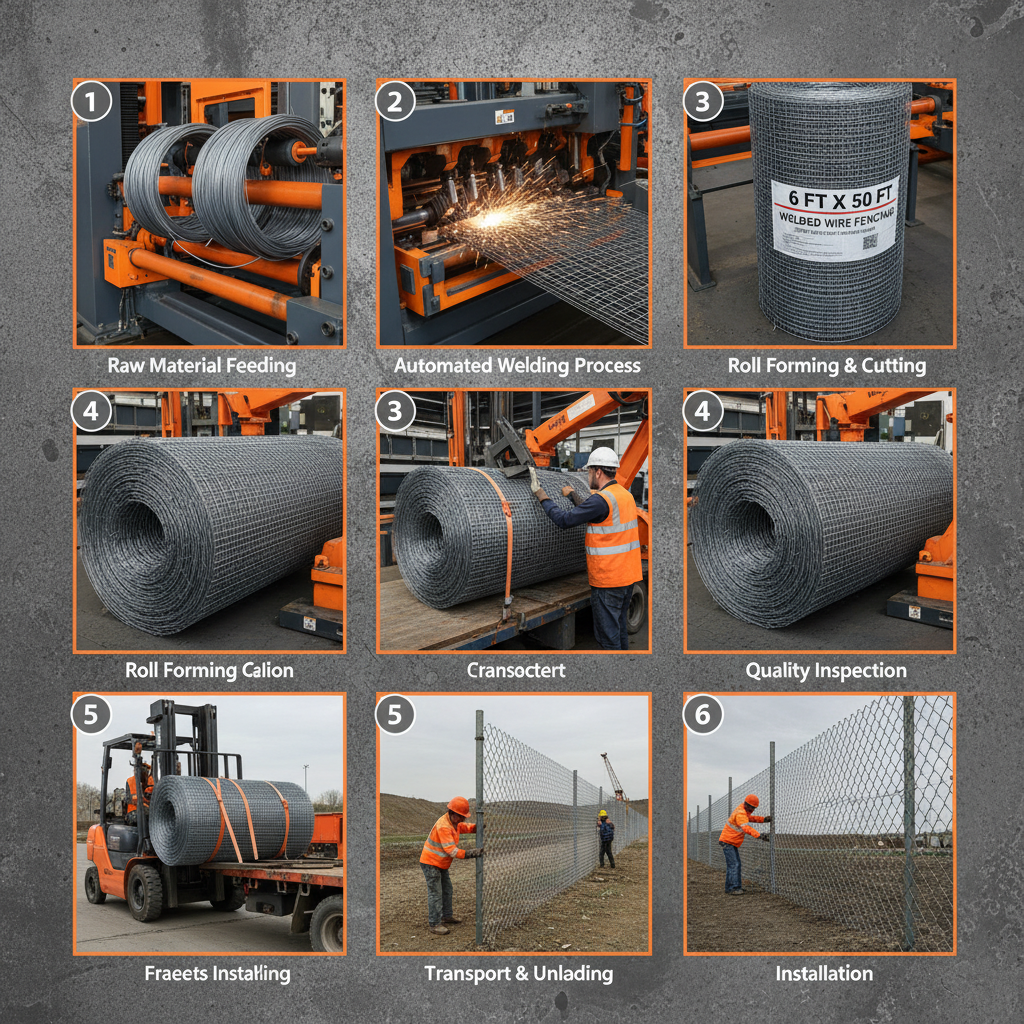 Durable 6 ft x 50 ft welded wire fencing for Security and GardensWhen it comes to securing a perimeter, whether for agricultural use, garden protection, or industrial boundaries, the dimensions and material of your fence matter. The 6 ft x 50 ft welded wire fencing offers an ideal balance of height and length, providing a robust barrier that is easy to install and maintain. Choosing a welded wire system ensures that the intersections are fused together, preventing the shifting and sagging often found in woven alternatives. In this guide, we will explore why this specific size is a preferred choice for property owners and how to maximize its effectiveness for your specific project.Read more >
Apr 09 2026
-
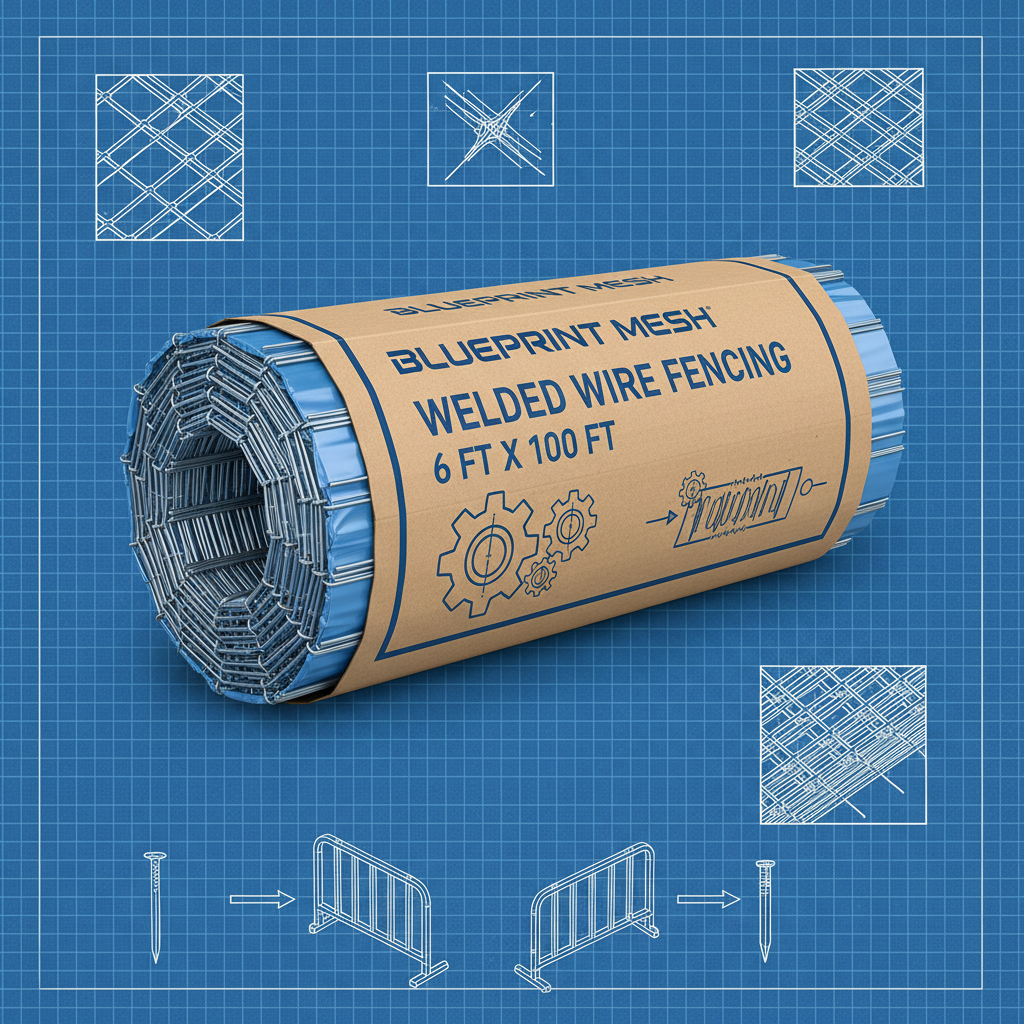 Comprehensive Guide to Choosing the Best 6 ft x 100 ft Welded Wire FencingWelded wire fencing is a versatile and cost-effective solution for a wide range of applications, from agricultural containment to residential security. Understanding the nuances of different types, especially when considering a size like 6 ft x 100 ft welded wire fencing, is crucial for making the right investment. This article will guide you through the essential factors to consider, helping you select the fencing that best suits your specific requirements.Read more >
Apr 07 2026
-
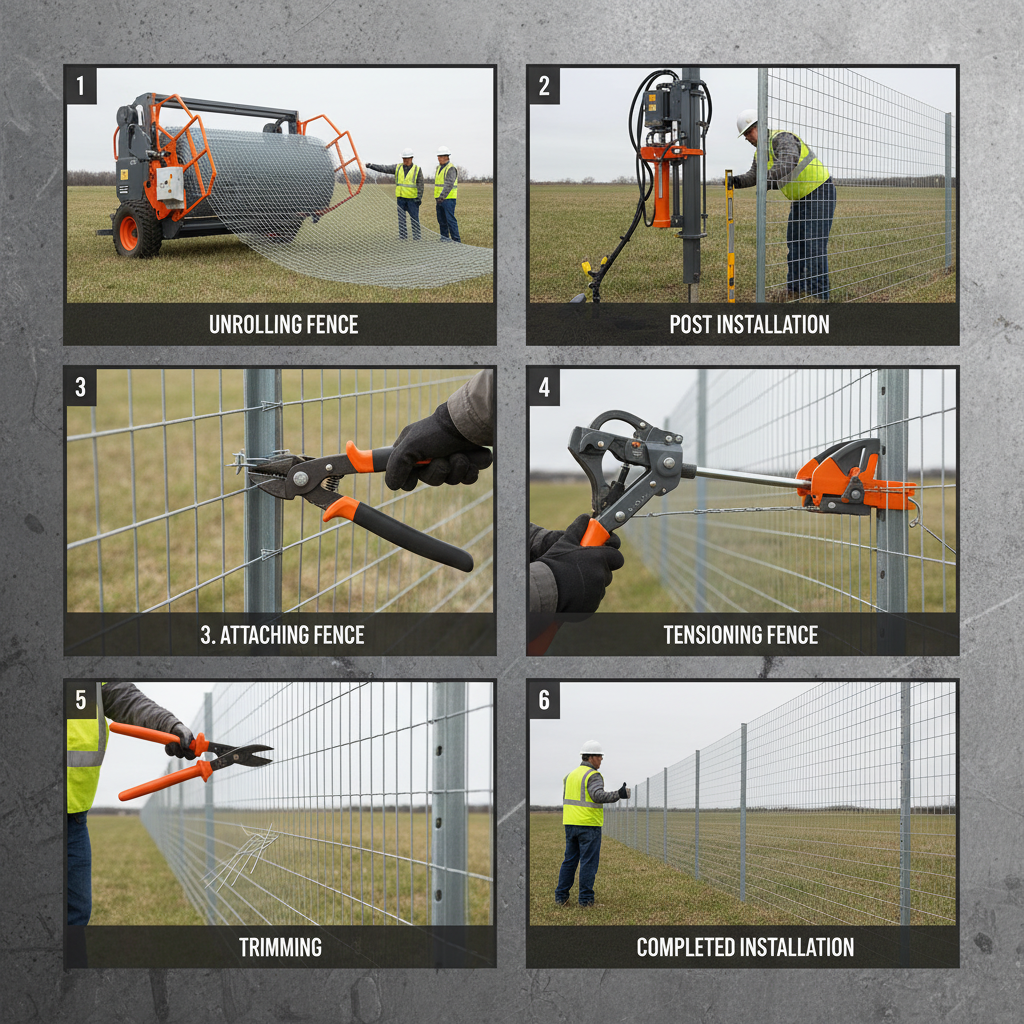 Comprehensive Guide to Choosing a 6 ft x 100 ft 12.5 Gauge Welded Wire FenceSelecting the appropriate fence for your property requires careful consideration. A 6 ft x 100 ft 12.5 gauge welded wire fence offers a robust and versatile solution for a variety of applications, from pet containment to garden protection and security. This guide will explore the benefits, applications, installation tips, and considerations when choosing this type of fencing. Understanding its construction and comparing it to other fencing options will help you make an informed decision.Read more >
Apr 04 2026
-
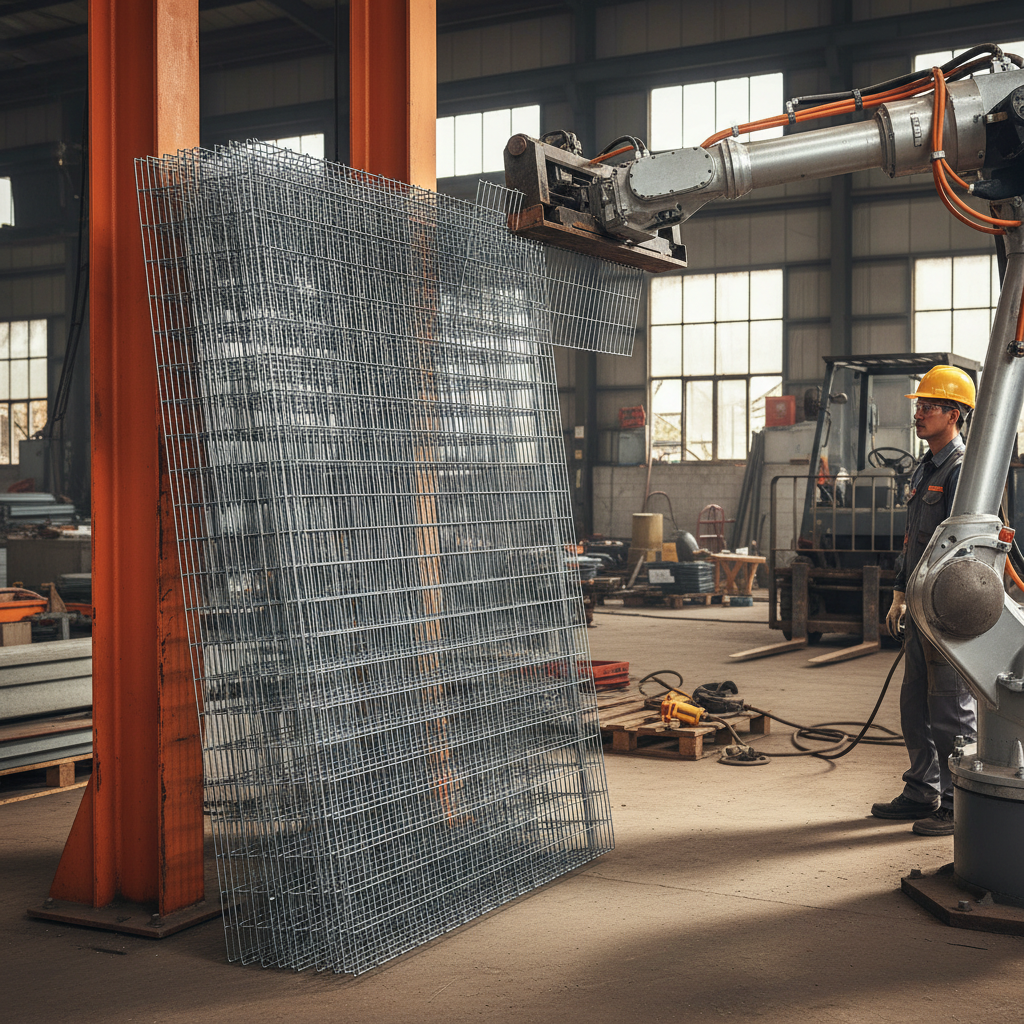 Comprehensive Guide to Durable 6 ft Welded Wire Fencing Panels and ApplicationsWhen selecting fencing for your property, 6 ft welded wire fencing panels offer a robust and versatile solution. These panels combine strength, security, and ease of installation, making them a popular choice for both residential and commercial applications. This article delves into the benefits, applications, installation, and maintenance of these panels, helping you make an informed decision.Read more >
Mar 31 2026