


Durable & Versatile Mesh Iron Fence Solutions for Global Security Needs
Understanding the Role of Mesh Iron Fence in Modern Security and Infrastructure
Ever walked by a construction site, public park, or industrial complex and noticed the sturdy, woven metal panels keeping things safe? That’s a mesh iron fence at work—a deceptively simple yet incredibly important component of property security worldwide. These fences don’t just block off areas; they balance visibility with strength, cost with durability, and accessibility with control.
Why does it matter beyond just looking like a barrier? Because globally, as urban spaces tighten and security priorities rise, the demand for reliable fencing solutions has surged. From containing livestock in rural Australia to securing warehouses in Europe or supporting humanitarian aid zones in Asia, mesh iron fencing is surprisingly versatile. Understanding what makes these fences tick, their strengths, and where they excel can influence projects that range from infrastructure to emergency relief.
Mini takeaway: Mesh iron fences are more than simple barriers; they are integral to global security, safety, and land management strategies.
Setting the Stage: Mesh Iron Fence in a Global Context
According to ISO standards on fencing materials and installation, about 60% of urban infrastructure projects worldwide now incorporate mesh paneling solutions for perimeter security. It feels like a practical answer to growing complexity — after all, the UN reports that over 56% of the world’s population currently lives in urban areas, a number expected to reach 68% by 2050. Naturally, secure fencing becomes non-negotiable. But this is more than just keeping things in or out — it’s about adaptive solutions that suit industries from agriculture, where livestock must be safely penned, to post-conflict peacekeeping zones where boundary control is delicate yet critical.
Yet, the challenge remains: how to balance affordability, longevity, and ease of deployment in diverse environments, from scorching deserts to humid tropical zones? Mesh iron fencing — with its relative simplicity and versatility — addresses many of these pain points. Even amid rising material costs and supply chain glitches, its modular nature offers a bit of a silver lining.
Mini takeaway: Mesh iron fences are increasingly essential in an expanding urban world, balancing cost and durability under global pressures.
So… What Exactly Is a Mesh Iron Fence?
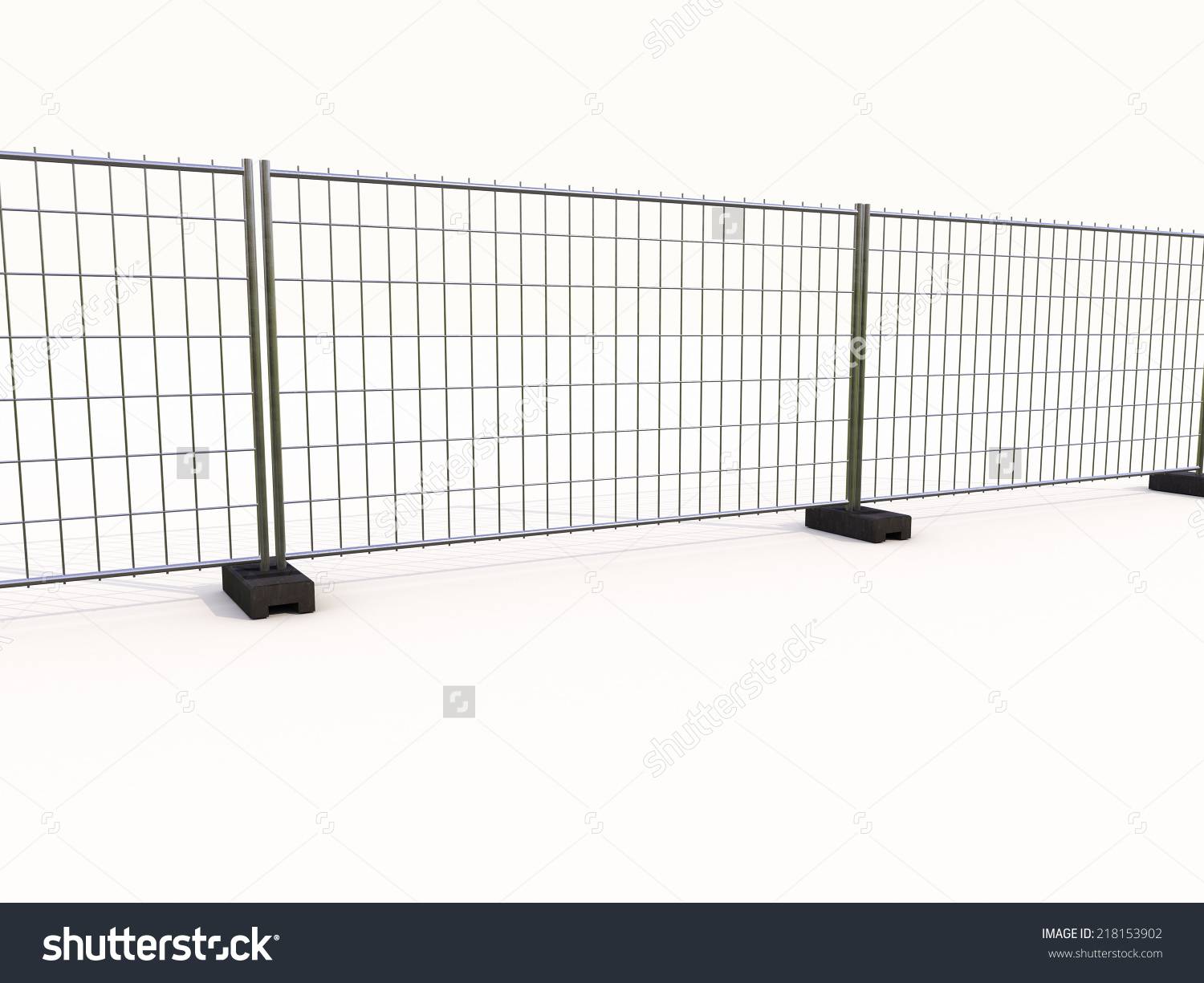
Simply put, a mesh iron fence consists of metal strands woven or welded into a grid or lattice pattern, creating a semi-transparent barrier that’s both sturdy and breathes a little.
- Mesh: The mesh is the network of metal wires, often carbon or galvanized steel, arranged to allow visibility and airflow.
- Iron: The primary material, sometimes in alloy or treated form, ensuring strength and resistance.
- Fence: The assembled panels or rolls secured by posts and fasteners to encircle a designated area.
This combination makes mesh iron fences practical in modern industries like construction, agriculture, logistics, and even humanitarian sectors. Think: refugee camps using these fences to demarcate safe zones quickly, or factories needing flexible but secure boundaries that can be shifted or expanded without heavy machinery.
mesh iron fence technology is surprisingly adaptable, striking a balance between physical security and keeping things visible enough for monitoring—a bit like security cameras for physical spaces.
Mini takeaway: A mesh iron fence is a cleverly simple yet effective woven metal solution offering visibility, ventilation, and security.
Key Factors that Make Mesh Iron Fences Stand Out
Durability and Corrosion Resistance
The real backbone of any fence is how well it withstands weather, time, and abuse. Most mesh iron fences are galvanized or powder-coated, which means they don’t just rust away the moment a season changes. This is a big selling point, especially in humid or coastal regions.
Scalability and Modularity
These fences come in panels or rolls that are easy to transport and install. Whether you need to fence off a few hundred feet or several kilometers, mesh iron fences scale without prohibitive costs. It’s a bit like Legos for property boundaries.
Cost Efficiency
Compared to solid metal or concrete barriers, mesh fencing offers significant savings. Plus, it requires less maintenance and repairs rarely involve specialized labor.
Security Without Obstruction
Unlike solid walls, mesh fencing maintains sight lines so security personnel or cameras can monitor areas without blind spots. This makes it ideal for airports, warehouses, and urban parks.
Environmental Compatibility
Allowing airflow and light, it poses less negative impact on flora and fauna nearby. And since it’s often recyclable, it fits into sustainability goals better than plastic or concrete alternatives.
Mini takeaway: Mesh iron fences blend durability, cost, and functional design to effectively secure spaces across various environments.
Global Applications & Real-World Use Cases
From rural farms in Argentina to sprawling factories in Germany, mesh iron fences serve a critical function. In post-disaster relief zones in Southeast Asia, temporary fencing controls access to sensitive aid areas, helping NGOs maintain order while ensuring aid reaches those in need.
In the mining sectors of Africa, rugged mesh iron fencing protects machinery and hazardous sites from trespassers and wildlife. Urban planners in Scandinavian countries prefer these fences around parks, coupling security with aesthetics.
And it’s not just about security; mesh iron fencing is an essential part of sustainable agriculture in New Zealand, where fencing segregates grazed areas without excessively interrupting natural air and light flow, promoting healthier ecosystems.
Mini takeaway: Mesh iron fences prove their adaptability from humanitarian aid to heavy industry and eco-friendly farming globally.
Advantages and Long-Term Value
- Cost Savings: Upfront affordability plus minimal upkeep.
- Longevity: Weather-resistant coatings extend life to 15+ years in many cases.
- Safety & Dignity: Maintains clear boundaries while respecting visibility, deterring unauthorized entry without feeling oppressive.
- Environmental Benefits: Compatibility with green policies due to recyclable materials and minimal landscape disruption.
- Versatility: Works in temporary or permanent roles across diverse climates and sectors.
Frankly, when it comes to property protection that also respects aesthetic and environmental concerns, mesh iron fencing delivers a rare triple win. It’s no wonder engineers and urban planners continue to lean on it.
Mesh Iron Fence Product Specifications
| Specification | Details |
|---|---|
| Material | Galvanized Steel / Powder Coated Iron |
| Mesh Size | 50mm x 50mm to 100mm x 100mm |
| Panel Dimensions | Standard: 2m height x 3m width |
| Coating Thickness | > 80 microns (galvanization) |
| Weight | 8–10 kg per panel (varies by mesh gauge) |
| Expected Lifespan | 15+ years with proper maintenance |
Comparing Leading Mesh Iron Fence Vendors
| Vendor | Material Quality | Customization Options | Price Range | Warranty |
|---|---|---|---|---|
| ChCH Fence Co. | Premium galvanized steel | Panels, rolls, custom sizes | $$ | 10 years |
| SteelGuard Inc. | Standard galvanized coating | Limited customization | $ | 5 years |
| Global Metal Fences | High-grade powder coated iron | Wide range, including colors | $$$ | 15 years |
What Does the Future Hold for Mesh Iron Fences?
As sustainability becomes a buzzword with teeth, manufacturers are looking into eco-friendlier coatings and recycled metals to create mesh fences with minimum carbon footprint. Digitally, embedded IoT sensors for intrusion detection might become the norm, transforming a humble physical barrier into a smart security asset.
Interestingly, 3D printing for metal has also started to pique interest for bespoke fencing panels that combine strength with aesthetic complexity — ideal for public spaces that want to blend utility and design.
Meanwhile, policies encouraging modular, reusable infrastructure components hint that mesh iron fences will evolve to be even more adaptable in emergency and fast-changing environments.
Mini takeaway: Innovation will pivot mesh iron fencing toward smart, sustainable, and customizable solutions.
Challenges in Mesh Iron Fence Deployment — And How to Tackle Them
One persistent issue is environmental wear in extreme climates: salt air corrosion, UV degradation, and mechanical stresses can reduce lifespan unexpectedly. Solutions involve better coatings, regular maintenance plans, and combining mesh fencing with other barriers for critical applications.
Another challenge is installation in uneven or soft terrain. Here, flexible mounting systems and modular posts help keep fences stable without expensive groundwork.
Plus, the balance of security and visibility occasionally conflicts with privacy needs. Hybrid fences—mesh combined with privacy slats—are a growing trend, although they raise costs.
Mini takeaway: Overcoming environment and installation hurdles requires smarter materials and mixed-design approaches.
Frequently Asked Questions About Mesh Iron Fence
Q1: How long does a typical mesh iron fence last in harsh weather?
A1: With proper galvanization and powder coating, a mesh iron fence can last 15 years or more, even in challenging climates like coastal areas. Routine inspections and cleaning extend its lifespan.
Q2: Can mesh iron fences be customized for different security levels?
A2: Absolutely. Mesh size, wire thickness, and additional reinforcing elements can be tailored to suit anything from basic boundary marking to high-security installations.
Q3: Are mesh iron fences suitable for quick deployment in emergency settings?
A3: Yes. Their modular panels can be quickly installed and relocated, making them ideal for temporary zones like construction sites or refugee camps.
Q4: How eco-friendly are mesh iron fences compared to alternatives?
A4: Because they are often made from recyclable metals and require less material than solid walls, mesh iron fences generally have a lower environmental impact. Emerging green coatings push this further.
Q5: Can these fences be combined with technology for smarter security?
A5: Increasingly, yes. Integrated cameras, motion sensors, and IoT devices are being used alongside mesh fences to enhance monitoring without sacrificing visibility.
Wrapping It Up: Why Mesh Iron Fences Make Sense Long-Term
It’s tempting to overlook fences as mundane, but reflect for a moment: in many scenarios, these wire grids represent the thin line between chaos and order, safety and risk. Mesh iron fences combine pragmatism with durability, affordability with adaptability. They protect assets, support critical industries, and adapt well enough to meet diverse global challenges. If you’re considering fence solutions — whether for industrial, agricultural, or humanitarian needs — mesh iron fence options reliably deliver value without fuss.
For tailored advice and product options that fit your project, visit our website or get in touch. It might be the simplest call you make today.
References
Latest News About CHENG CHUANG
-
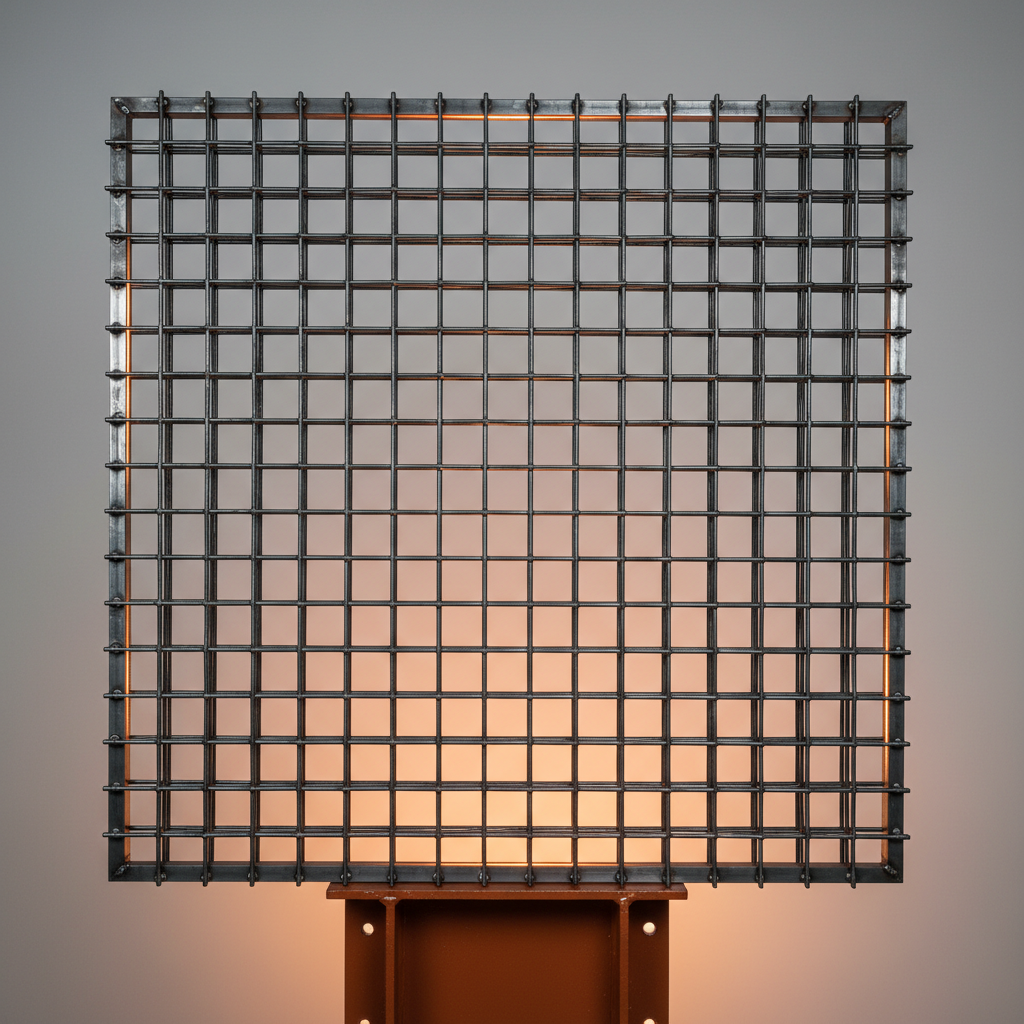 Heavy Duty 6 gauge welded wire mesh for Security and StrengthWhen it comes to heavy-duty containment, security, and structural reinforcement, choosing the right material is critical. The 6 gauge welded wire mesh stands as a premier choice for those requiring a balance of extreme rigidity and precise spacing. Whether you are securing a commercial perimeter, building industrial livestock panels, or creating reinforced concrete structures, this specific thickness provides the structural integrity needed to withstand significant pressure and impact. In this comprehensive guide, we will explore the technical specifications, primary applications, and why this mesh is the gold standard for high-security fencing solutions.Read more >
Apr 16 2026
-
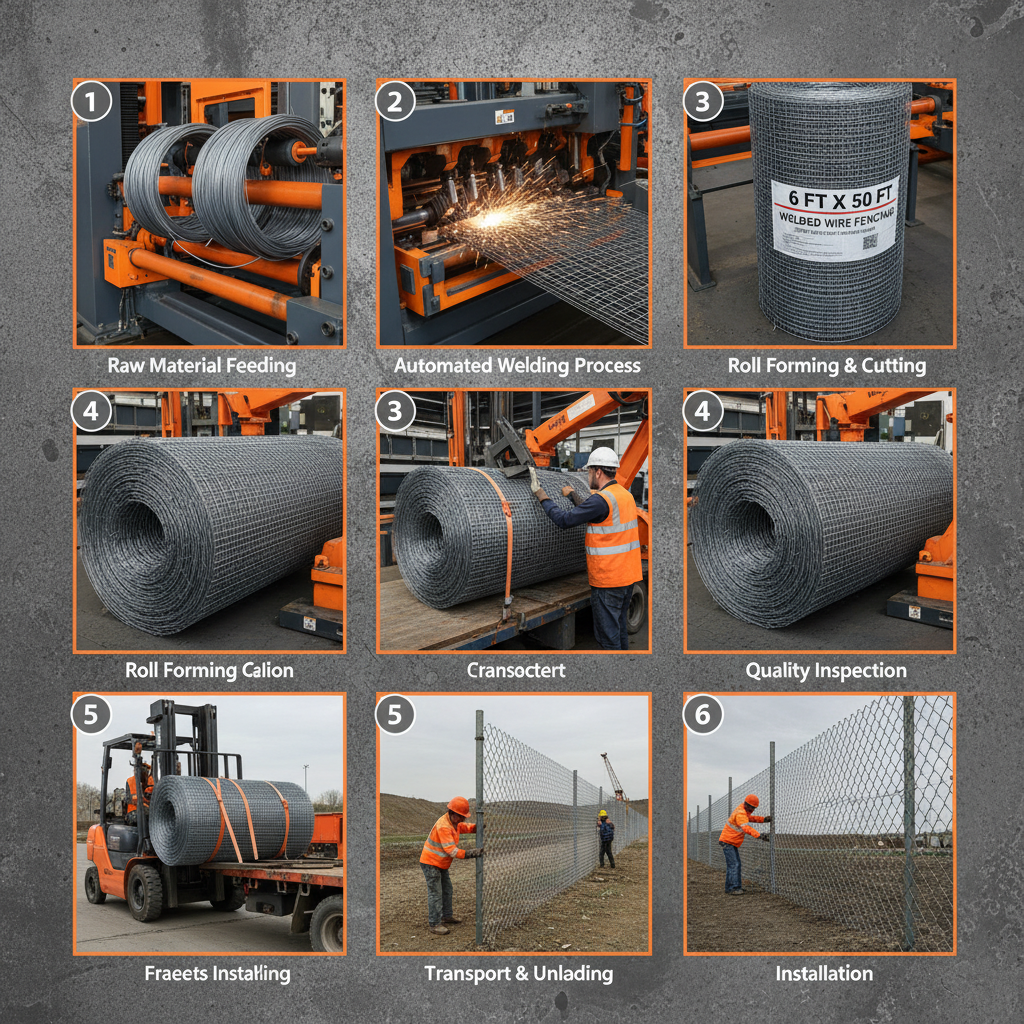 Durable 6 ft x 50 ft welded wire fencing for Security and GardensWhen it comes to securing a perimeter, whether for agricultural use, garden protection, or industrial boundaries, the dimensions and material of your fence matter. The 6 ft x 50 ft welded wire fencing offers an ideal balance of height and length, providing a robust barrier that is easy to install and maintain. Choosing a welded wire system ensures that the intersections are fused together, preventing the shifting and sagging often found in woven alternatives. In this guide, we will explore why this specific size is a preferred choice for property owners and how to maximize its effectiveness for your specific project.Read more >
Apr 09 2026
-
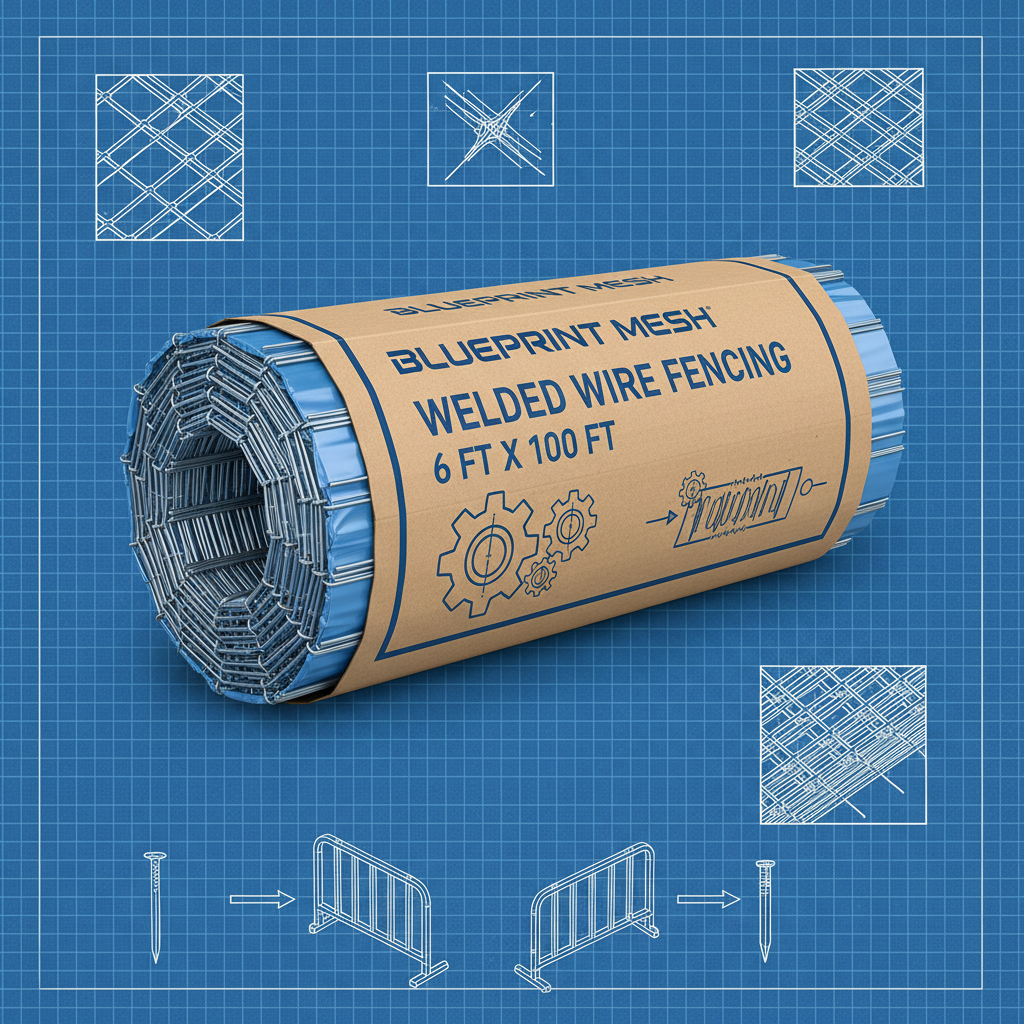 Comprehensive Guide to Choosing the Best 6 ft x 100 ft Welded Wire FencingWelded wire fencing is a versatile and cost-effective solution for a wide range of applications, from agricultural containment to residential security. Understanding the nuances of different types, especially when considering a size like 6 ft x 100 ft welded wire fencing, is crucial for making the right investment. This article will guide you through the essential factors to consider, helping you select the fencing that best suits your specific requirements.Read more >
Apr 07 2026
-
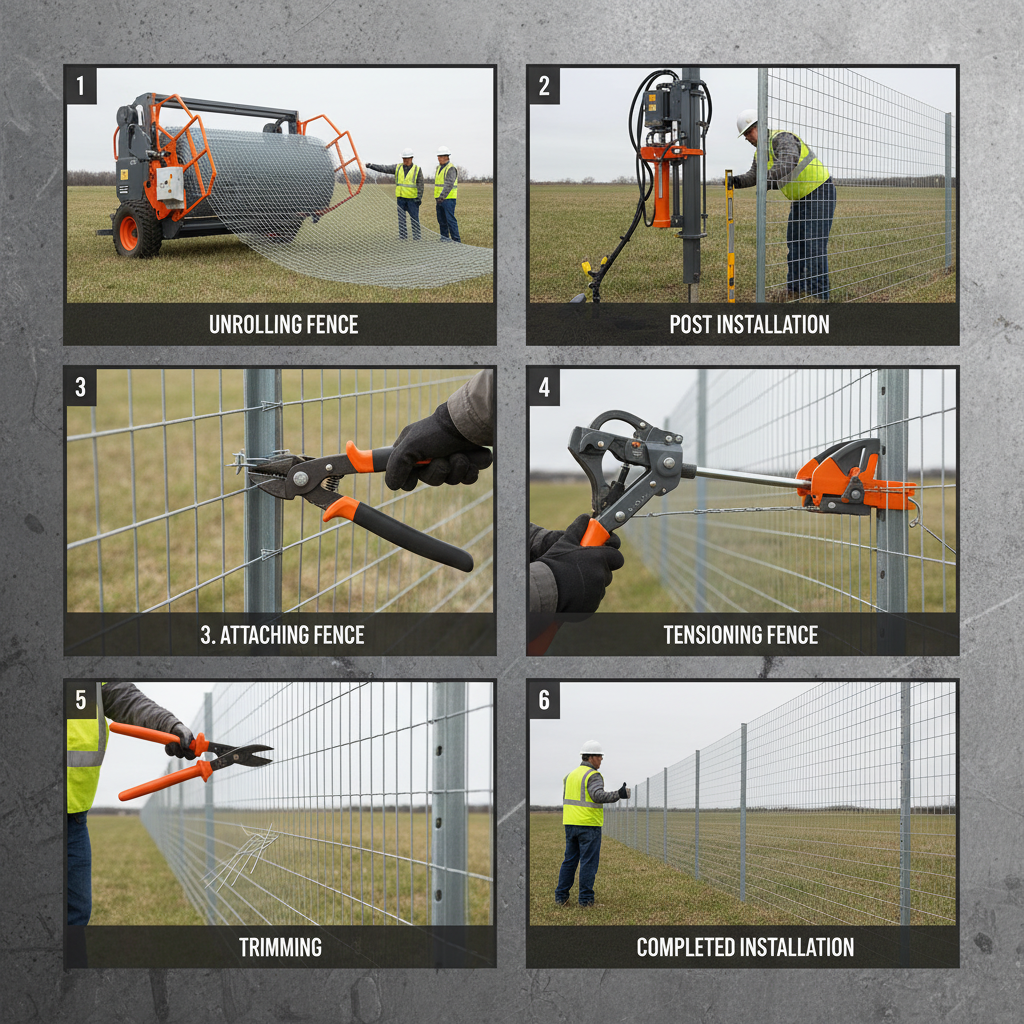 Comprehensive Guide to Choosing a 6 ft x 100 ft 12.5 Gauge Welded Wire FenceSelecting the appropriate fence for your property requires careful consideration. A 6 ft x 100 ft 12.5 gauge welded wire fence offers a robust and versatile solution for a variety of applications, from pet containment to garden protection and security. This guide will explore the benefits, applications, installation tips, and considerations when choosing this type of fencing. Understanding its construction and comparing it to other fencing options will help you make an informed decision.Read more >
Apr 04 2026
-
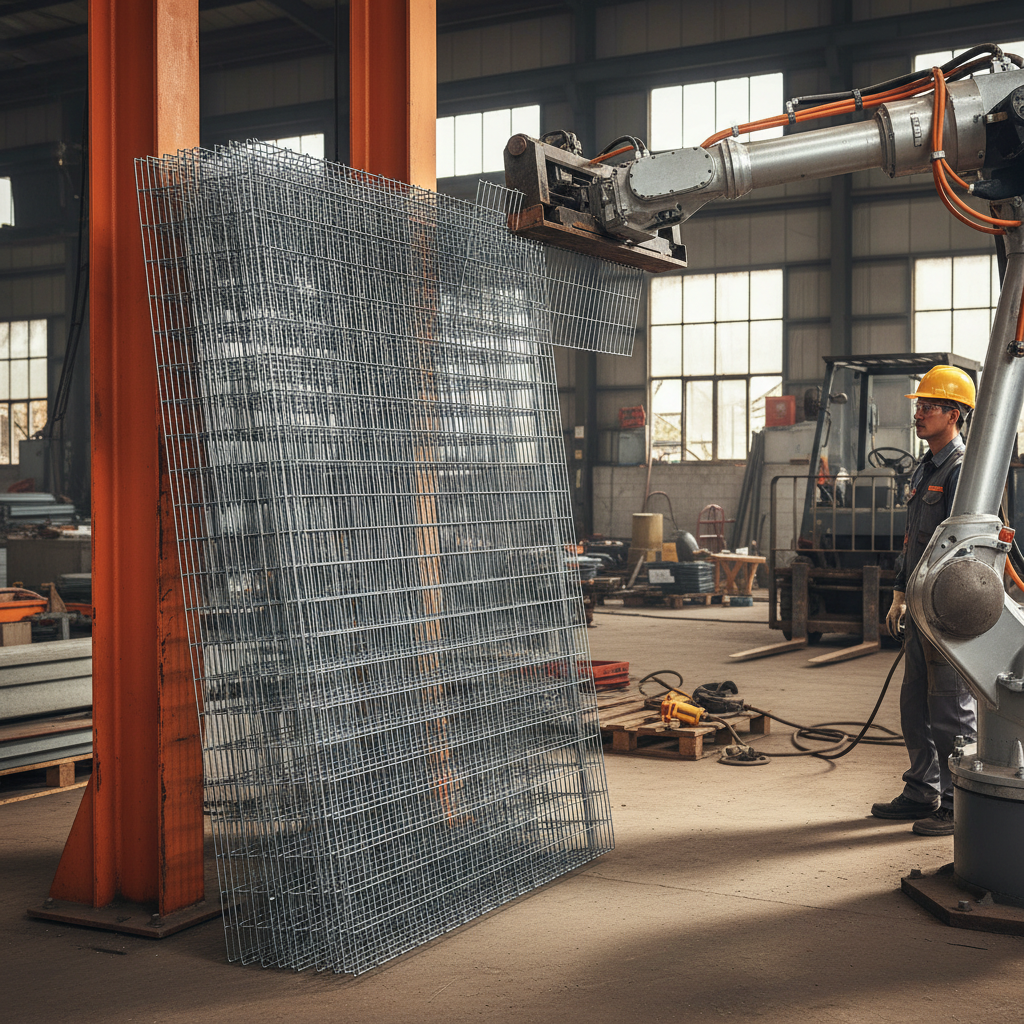 Comprehensive Guide to Durable 6 ft Welded Wire Fencing Panels and ApplicationsWhen selecting fencing for your property, 6 ft welded wire fencing panels offer a robust and versatile solution. These panels combine strength, security, and ease of installation, making them a popular choice for both residential and commercial applications. This article delves into the benefits, applications, installation, and maintenance of these panels, helping you make an informed decision.Read more >
Mar 31 2026