


Heavy Duty 6 gauge welded wire mesh for Security and Strength
Ultimate Guide to 6 Gauge Welded Wire Mesh: Strength and Versatility
When it comes to heavy-duty containment, security, and structural reinforcement, choosing the right material is critical. The 6 gauge welded wire mesh stands as a premier choice for those requiring a balance of extreme rigidity and precise spacing. Whether you are securing a commercial perimeter, building industrial livestock panels, or creating reinforced concrete structures, this specific thickness provides the structural integrity needed to withstand significant pressure and impact. In this comprehensive guide, we will explore the technical specifications, primary applications, and why this mesh is the gold standard for high-security fencing solutions.
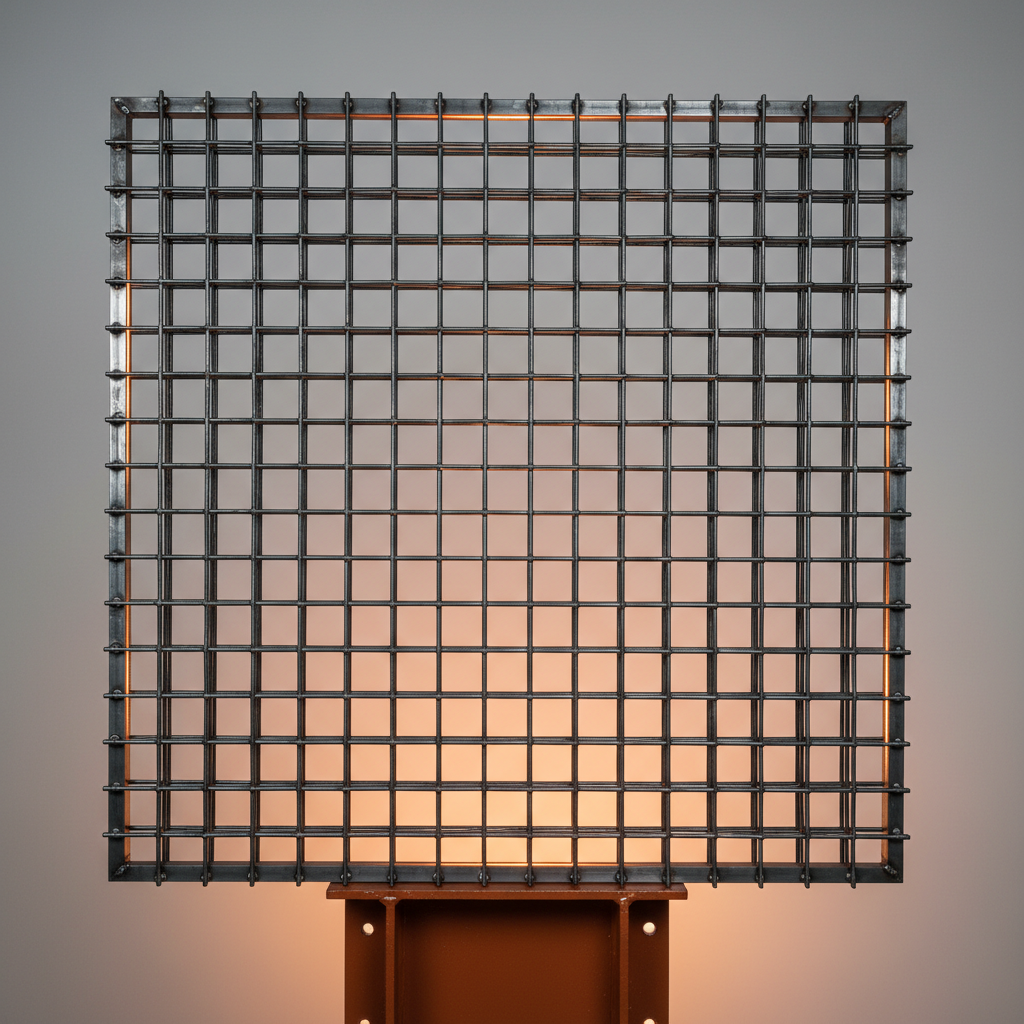
What Exactly is 6 Gauge Welded Wire Mesh?
At its core, 6 gauge welded wire mesh is a grid of heavy-duty steel wires that are joined together by electric welding at every intersection. The "6 gauge" refers to the diameter of the wire, which is approximately 4.88mm—significantly thicker than standard residential fencing. This thickness ensures that the mesh does not bend or warp under stress, making it ideal for environments where security is the top priority. Unlike woven wire, where the wires simply cross over each other, the welded joints create a rigid, stable panel that maintains its shape even when subjected to external force.
Pro Tip: Always verify the coating of your mesh. While the 6 gauge thickness provides the strength, a galvanized or PVC coating is essential to prevent rust and corrosion in outdoor environments.
Key Advantages of Using 6 Gauge Welded Wire Mesh
The primary appeal of 6 gauge welded wire mesh lies in its unmatched durability. Because the wires are welded, the mesh offers superior stability and prevents the "sagging" often seen in lower-gauge woven options. It provides a formidable physical barrier that is difficult to cut or breach without heavy machinery. Furthermore, its uniformity makes installation predictable and efficient, allowing contractors to cover large areas with consistent security levels. From industrial warehouses to high-security animal enclosures, the reliability of 6 gauge steel ensures long-term performance with minimal maintenance.
Strength Highlights:
• Anti-Intrusion: High resistance to cutting and bending.
• Structural Rigidity: Welded joints eliminate sliding and shifting.
• Long Lifespan: Heavy gauge steel resists wear and tear over decades.
• Versatile Coatings: Compatible with Hot-Dip Galvanizing and Powder Coating.
Comparing 6 Gauge vs. Standard Mesh Options
When deciding on a wire mesh, the gauge is the most critical factor. While 10 or 12 gauge mesh is sufficient for light garden fencing, it lacks the impact resistance required for industrial use. The 6 gauge welded wire mesh provides a massive leap in load-bearing capacity. This makes it the preferred choice for heavy livestock, high-traffic industrial zones, and security cages where the risk of impact is high. The following comparison illustrates the stark difference in performance between heavy-duty 6 gauge and standard lightweight mesh.
Industrial Applications for 6 Gauge Welded Wire Mesh
The versatility of 6 gauge welded wire mesh makes it indispensable across various sectors. In agriculture, it is used for heavy-duty cattle panels and predator-proof enclosures. In the construction industry, it serves as a reinforcement layer for concrete slabs to prevent cracking under heavy loads. Additionally, it is frequently utilized in warehouse security cages, preventing theft of high-value equipment. Its ability to be cut and welded into custom shapes means it can be adapted for machine guards, industrial filters, and specialized storage racks.
Technical Specifications of 6 Gauge Welded Wire Mesh
Selecting the right product requires an understanding of the technical parameters. When ordering 6 gauge welded wire mesh, you must consider the aperture size (the size of the holes), the panel dimensions, and the finishing process. Most industrial-grade mesh is Hot-Dip Galvanized, which means it is submerged in molten zinc to create a thick, rust-resistant layer. Below is a typical specification table for high-performance 6 gauge mesh panels.
Installation Tips for Maximum Security
To fully leverage the strength of 6 gauge welded wire mesh, proper installation is key. First, ensure that your support posts are deeply anchored in concrete, as the weight and rigidity of 6 gauge wire put more tension on the posts than lighter mesh. Second, use heavy-duty galvanized ties or welding bolts to secure the mesh to the frame, preventing any gaps that could be exploited. Finally, for high-security areas, consider adding a tension wire along the top and bottom of the run to maintain a perfectly straight profile over long distances.
Conclusion: Choosing Quality for Long-Term Security
Investing in 6 gauge welded wire mesh is an investment in peace of mind. Its superior thickness, combined with the stability of welded joints, provides a level of protection that thinner gauges simply cannot match. Whether your goal is to secure a perimeter, reinforce a structure, or manage livestock, the 6 gauge standard ensures durability, safety, and structural integrity. For those who refuse to compromise on strength, this heavy-duty mesh is the definitive solution.
Frequently Asked Questions (FAQs)
Is 6 gauge welded wire mesh rust-proof?
Raw carbon steel is not rust-proof; however, almost all 6 gauge welded wire mesh products are treated to resist corrosion. The most common treatment is Hot-Dip Galvanizing, where the steel is coated in a layer of zinc. This creates a chemical barrier that prevents oxygen and moisture from reaching the steel. For extreme environments, such as coastal areas with salty air, a secondary PVC coating can be added to provide an additional layer of protection, virtually eliminating the risk of rust for many years.
Can I cut 6 gauge mesh with standard wire cutters?
Standard household wire cutters or small pliers will generally struggle or fail to cut 6 gauge wire due to its thickness (approx. 4.88mm). Cutting this material requires heavy-duty industrial bolt cutters or an angle grinder. This is precisely why 6 gauge mesh is chosen for security applications; it significantly increases the time and effort required for an intruder to breach the fence, serving as a powerful deterrent against opportunistic theft or trespassing.
What is the difference between "welded" and "woven" wire mesh?
The primary difference is the method of connection. Woven wire is made by interlacing two sets of wires over and under each other, similar to a fabric. While flexible, it can shift or "gape" over time. Welded wire, such as our 6 gauge welded wire mesh, is fused together at every crossing point using electric resistance welding. This creates a rigid, non-shifting grid that provides much higher structural strength and a cleaner, more professional appearance for industrial installations.
Is 6 gauge mesh too heavy for residential use?
It depends on the application. For a simple flower bed or a small rabbit hutch, 6 gauge is likely overkill and unnecessarily heavy. However, for residential users who own large dogs, need to keep out determined wildlife (like coyotes or deer), or want a secure perimeter for a workshop, 6 gauge is an excellent choice. The main consideration is the support structure; you will need sturdier posts than you would for lightweight mesh to prevent the fence from leaning under its own weight.
Latest News About CHENG CHUANG
-
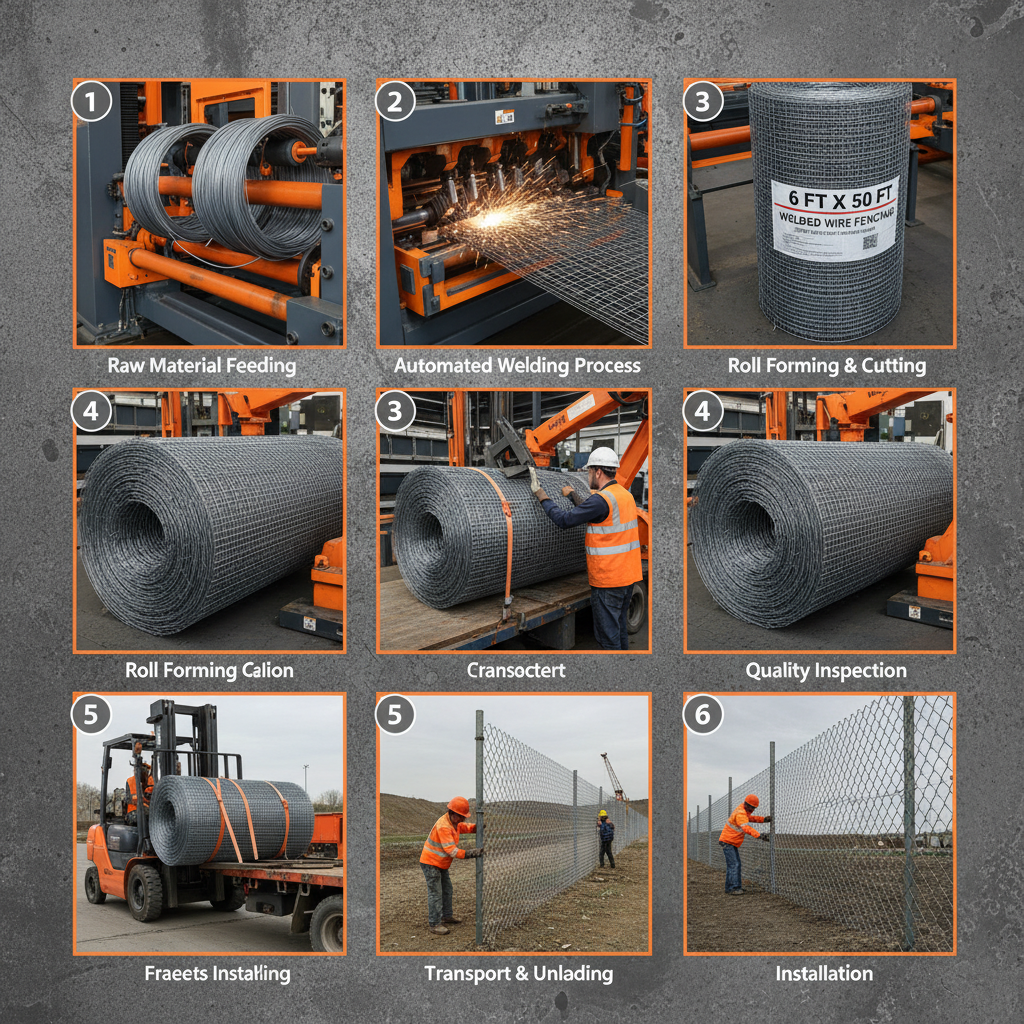 Durable 6 ft x 50 ft welded wire fencing for Security and GardensWhen it comes to securing a perimeter, whether for agricultural use, garden protection, or industrial boundaries, the dimensions and material of your fence matter. The 6 ft x 50 ft welded wire fencing offers an ideal balance of height and length, providing a robust barrier that is easy to install and maintain. Choosing a welded wire system ensures that the intersections are fused together, preventing the shifting and sagging often found in woven alternatives. In this guide, we will explore why this specific size is a preferred choice for property owners and how to maximize its effectiveness for your specific project.Read more >
Apr 09 2026
-
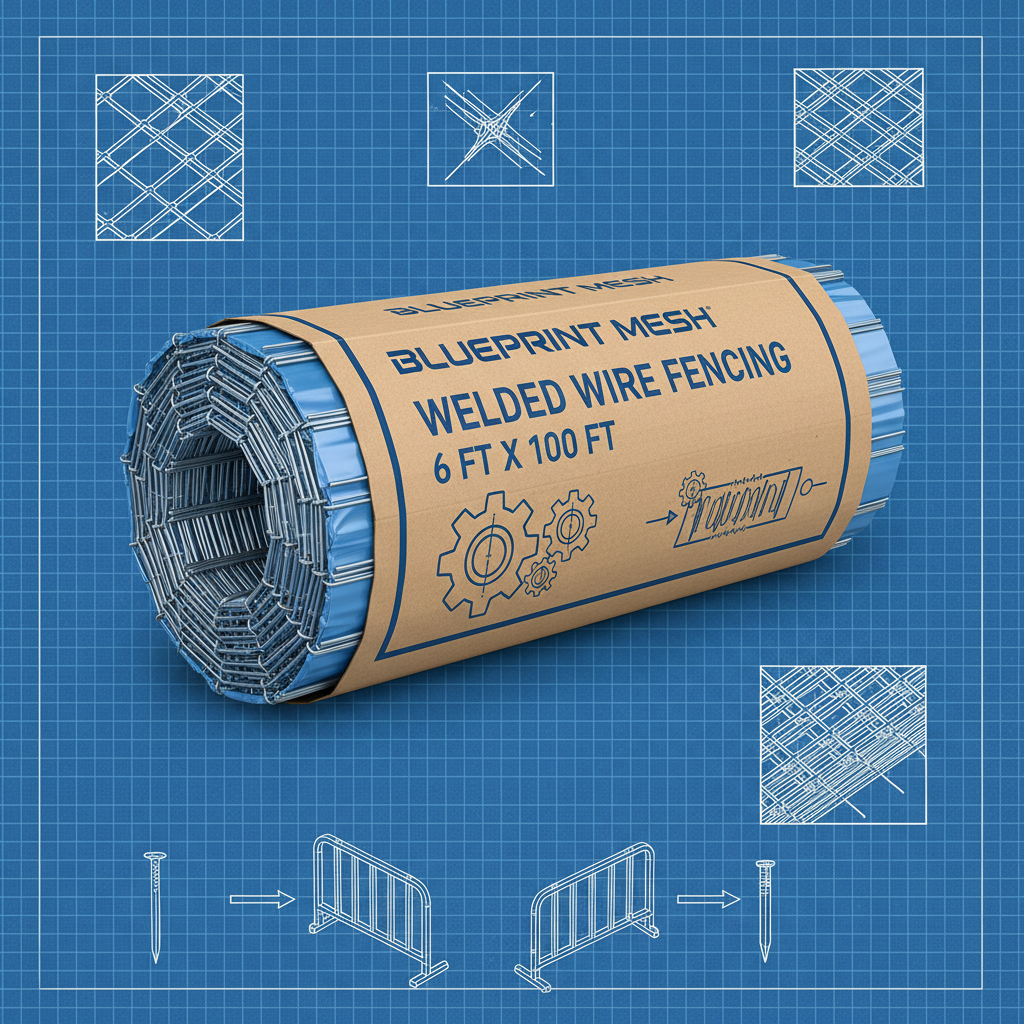 Comprehensive Guide to Choosing the Best 6 ft x 100 ft Welded Wire FencingWelded wire fencing is a versatile and cost-effective solution for a wide range of applications, from agricultural containment to residential security. Understanding the nuances of different types, especially when considering a size like 6 ft x 100 ft welded wire fencing, is crucial for making the right investment. This article will guide you through the essential factors to consider, helping you select the fencing that best suits your specific requirements.Read more >
Apr 07 2026
-
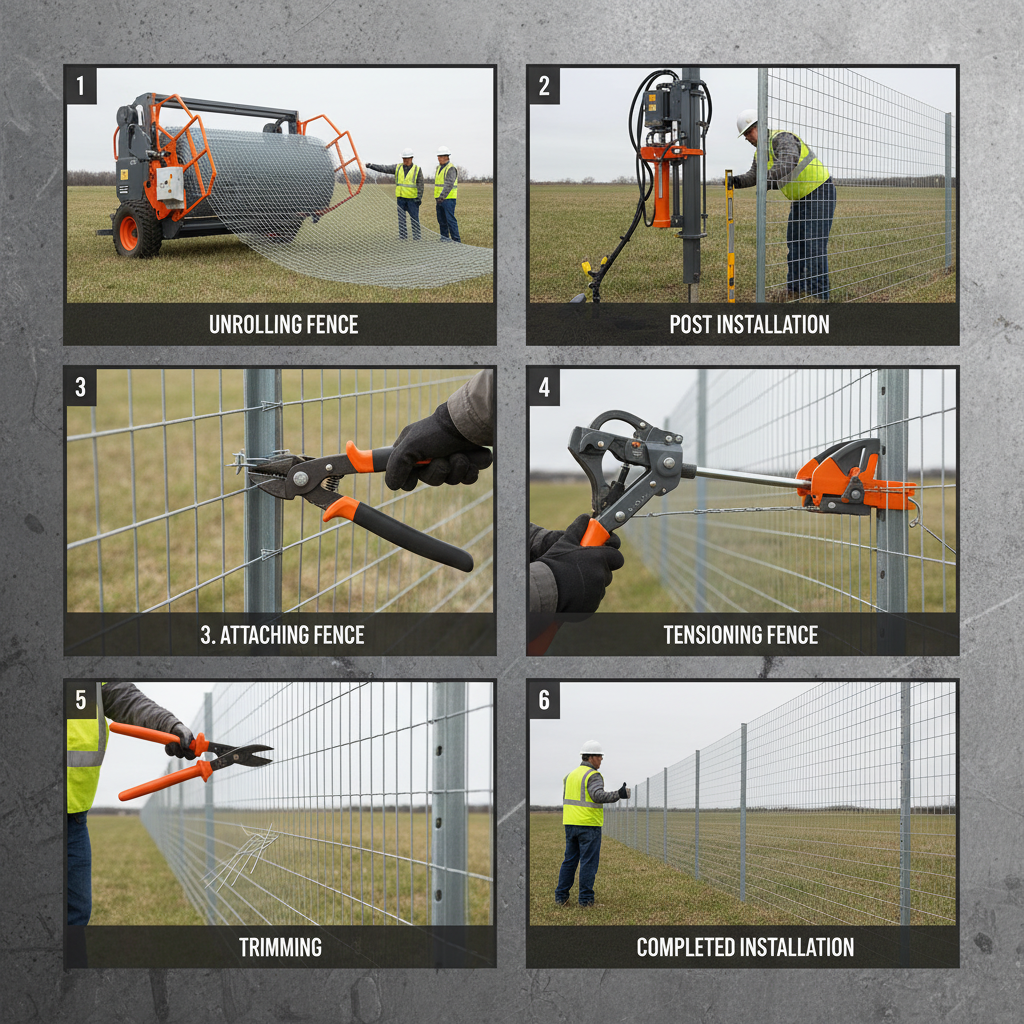 Comprehensive Guide to Choosing a 6 ft x 100 ft 12.5 Gauge Welded Wire FenceSelecting the appropriate fence for your property requires careful consideration. A 6 ft x 100 ft 12.5 gauge welded wire fence offers a robust and versatile solution for a variety of applications, from pet containment to garden protection and security. This guide will explore the benefits, applications, installation tips, and considerations when choosing this type of fencing. Understanding its construction and comparing it to other fencing options will help you make an informed decision.Read more >
Apr 04 2026
-
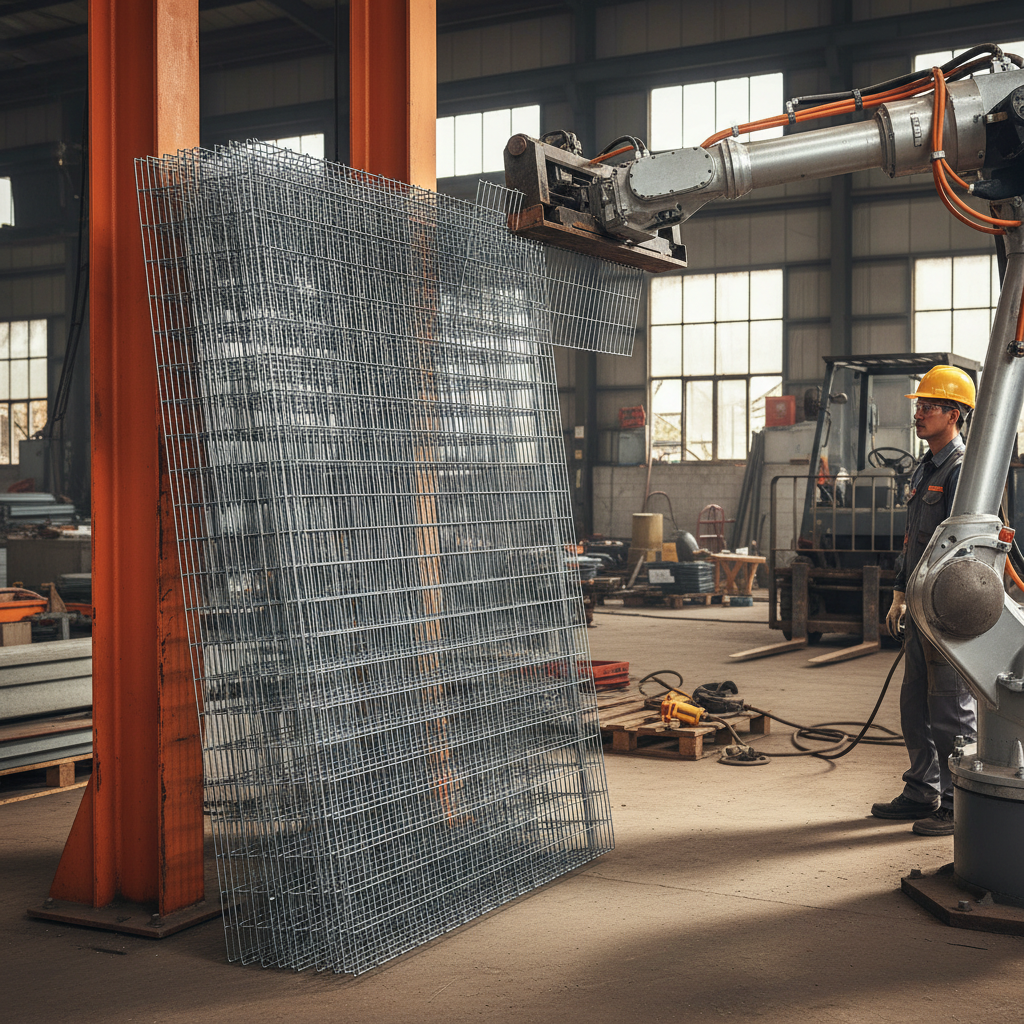 Comprehensive Guide to Durable 6 ft Welded Wire Fencing Panels and ApplicationsWhen selecting fencing for your property, 6 ft welded wire fencing panels offer a robust and versatile solution. These panels combine strength, security, and ease of installation, making them a popular choice for both residential and commercial applications. This article delves into the benefits, applications, installation, and maintenance of these panels, helping you make an informed decision.Read more >
Mar 31 2026