


Everything You Need to Know About Mesh Grating – Durable & Versatile Industrial Solutions
Mesh Grating: The Unsung Hero in Modern Infrastructure
When you walk across an industrial catwalk or step over a drainage cover, you’re probably crossing a mesh grating without even noticing it. Yet this humble material plays an outsized role worldwide—not only in construction and industry but in humanitarian relief and urban safety. Understanding mesh grating is more than just a niche topic. It’s about appreciating engineered solutions that combine strength, adaptability, and sustainability. So why does mesh grating matter? Because behind every safe pedestrian bridge, every ventilation shaft cover, and countless industrial platforms, it’s quietly making our environments safer and more efficient. Let’s dive deeper.
Global Relevance of Mesh Grating in Industry and Infrastructure
Across continents and industries, mesh grating is everywhere, from the sprawling oil fields in the Middle East to the high-tech factories of Germany, and even the makeshift shelters in disaster zones. According to recent ISO standards, the global industrial safety market, which heavily relies on mesh grating for walkways and access platforms, is expected to grow by nearly 5.4% annually over the next decade.1 Yet, challenges persist. Infrastructure renewal estimates by the World Bank reveal large maintenance backlogs partly due to aging grating materials that corrode or fail under pressure.2 That’s a ticking problem this simple product tries to solve by delivering durable, cost-effective solutions that have surprisingly broad impacts.
Mini takeaway: Mesh grating, though small and often overlooked, underpins global safety, efficiency, and sustainability in construction and beyond.
What Exactly Is Mesh Grating?
In plain terms, mesh grating is a framework of metal bars or wires welded, woven, or expanded to form a grid-like pattern. Think of it as a tough, permeable surface that offers strength, airflow, easy drainage, and slip resistance—all in one. More than just a metal sheet with holes, it’s engineered to withstand specific weights, resist environmental damage, and sometimes even provide aesthetic appeal.
Its uses span industries too—from factories requiring safe catwalks, to civil projects such as bridge flooring, and even humanitarian aid, where lightweight mesh flooring has been adopted for rapid shelter assembly to improve hygiene and ventilation.
Mini takeaway: Mesh grating blends engineering principles with practical needs, bridging industry with humanitarian purpose.
Key Factors in Choosing the Right Mesh Grating
Durability and Material Quality
Depending on use, mesh grating materials include carbon steel, stainless steel, aluminum, and sometimes galvanized steel for added corrosion resistance. Engineers must balance upfront cost with lifespan and maintenance. Stainless steel, while expensive, offers unbeatable corrosion resistance—ideal for marine or chemical exposure.
Load Capacity and Safety
A critical factor is how much load the grating can bear—whether foot traffic, vehicles, or heavy machinery. Standards like ISO 14122 help ensure grating is designed with adequate safety margins. This directly impacts user safety and regulatory compliance.
Customization and Scalability
Mesh grating can be cut, shaped, and finished in various ways to suit unique project specs. Some suppliers now offer modular kits for rapid deployment, a huge plus in emergency or remote settings.
Cost Efficiency
In rough terms, mesh grating provides a balance of initial investment versus maintenance costs. Choosing cheaper materials may backfire in highly corrosive environments, causing early replacement.
Environmental and Social Impact
Modern grating solutions increasingly emphasize sustainable production and recyclability. Using recycled steel or designing for end-of-life disassembly is becoming a norm, aligning with broader environmental goals.
| Specification | Description | Typical Values |
|---|---|---|
| Material | Common metals used | Carbon steel, stainless steel, aluminum |
| Load Capacity | Maximum supported load per m² | 500 - 2000 kg/m² (varies by design) |
| Corrosion Protection | Surface treatments | Galvanized, powder-coated, stainless steel |
| Open Area Percentage | Allowing airflow and drainage | 40% - 75% |
| Standard Sizes | Common panel dimensions | 1m x 2m, 1m x 3m |
Where Mesh Grating Makes an Impact Worldwide
Mesh grating touches so many industries and regions. In the energy sector, offshore oil platforms rely on galvanized or stainless steel grating to provide slip-resistant walkways that endure harsh ocean climates. In manufacturing, conveyor lines and heavy machinery platforms require reliable mesh flooring for both safety and ventilation.
Oddly enough, humanitarian aid organizations have adopted mesh grating for rapidly deployable shelters in post-disaster zones—think Haiti or Nepal—where airflow and drainage mean a lot when you’re rebuilding from scratch.3 It’s also common in urban environments for drainage covers, stair treads, and even modern architectural details.
Mini takeaway: This product’s global footprint spans energy, manufacturing, disaster relief, and urban infrastructure—so many essential applications.
Advantages That Keep Mesh Grating In Demand
- Safety & Reliability: Excellent traction and strength reduce accidents in industrial workplaces.
- Cost-Effective Longevity: Compared to solid plates, mesh grating is lightweight, often reducing installation costs and structural strain.
- Environmental Benefits: Galvanized or stainless options minimize corrosion, decreasing replacement frequency and waste.
- Social Impact: Improved infrastructure means safer workspaces and dignified living conditions in disaster response.
- Innovation Friendly: Easily customized to adapt to new technologies or site requirements.
Future Innovations in Mesh Grating
Technology never rests, and mesh grating is no exception. Some manufacturers are now experimenting with composite materials combining fiberglass or polymers for ultra-lightweight yet strong gratings. These products offer non-conductive, chemical-resistant benefits perfect for certain industrial zones. Meanwhile, digital fabrication techniques are enabling more precise, customizable mesh patterns that optimize airflow and strength simultaneously.
Green manufacturing processes promise to lower the carbon footprint of steel production, while automation in installation—like robotics-assisted fitting—could cut labor time dramatically. The whole sector is moving towards sustainability and efficiency, aligning well with global climate goals.
Common Challenges & How Experts Overcome Them
Despite all its positives, mesh grating isn’t perfect. Corrosion in aggressive environments remains a headache, particularly in coastal or chemical plants. Solutions like advanced coatings or stainless steel use help but increase costs. Installation in tight or uneven spaces can also be tricky, requiring custom cuts or mounting hardware.
Fortunately, many manufacturers are addressing these hurdles by offering pre-fabricated modular solutions, corrosion-tested coatings, and even embedding sensors to monitor structural integrity. It’s a fascinating mix of traditional engineering meeting new smart technologies.
| Vendor | Material Options | Customization Level | Sustainability Focus | Price Range |
|---|---|---|---|---|
| Alpha Grate Co. | Carbon steel, galvanized | Standard options, some custom cuts | Mid-level recycling practices | $-$$ |
| EcoGrid Solutions | Stainless steel, composites | High customization, modular kits | Strong focus on green manufacturing | $$$ |
| MeshPro Industries | Aluminum, galvanized steel | Moderate customization, fast delivery | Basic eco-compliance | $$ |
FAQ: Your Questions About Mesh Grating, Answered
What are the main differences between carbon steel and stainless steel mesh grating?
Carbon steel is generally less expensive and strong, but it’s prone to corrosion unless coated, making it unsuitable for wet or chemical environments. Stainless steel offers superior corrosion resistance and longevity at a higher price, ideal for harsh or hygienic settings.
How do I choose the right mesh grating for my industrial facility?
Focus on expected load capacity, environmental exposure, and maintenance capability. Consult standards like ISO 14122 and work with manufacturers who provide detailed specs. Customization based on your specific installation is often key.
Can mesh grating help improve safety in hazardous areas?
Absolutely. Its slip-resistant surface and strong load-bearing qualities reduce falls and accidents. Using galvanized or stainless steel also minimizes rust, which can cause failures. Many industries consider grating essential safety equipment.
Is mesh grating recyclable or eco-friendly?
Yes. Steel-based gratings are highly recyclable, and many manufacturers incorporate recycled steel into production. Advances in green coating technologies also reduce environmental impacts during manufacturing.
How quickly can mesh grating be installed in emergency relief projects?
With modular and pre-cut systems, installation can be rapid—sometimes within hours to days depending on size. This agility makes mesh grating popular in post-disaster operations for infrastructure repair and shelter creation.
Conclusion: Why Mesh Grating Still Matters Tomorrow
After all is said and done, mesh grating remains a quietly indispensable part of global infrastructure, safety, and even humanitarian effort. It’s not flashy, but its unmatched combination of strength, airflow, and cost-effectiveness means it’ll stick around—and innovate—as needs evolve. For anyone in construction, manufacturing, or emergency response, understanding the nuances of mesh grating is a small investment that pays off big.
Curious to see top-quality mesh grating options? Visit our website: mesh grating.
References
- ISO - International Organization for Standardization. ISO 14122 Safety of machinery - Permanent means of access to machinery.
- World Bank Infrastructure Reports, 2022.
- United Nations Office for the Coordination of Humanitarian Affairs (OCHA), Shelter Cluster Guidelines, 2021.
Latest News About CHENG CHUANG
-
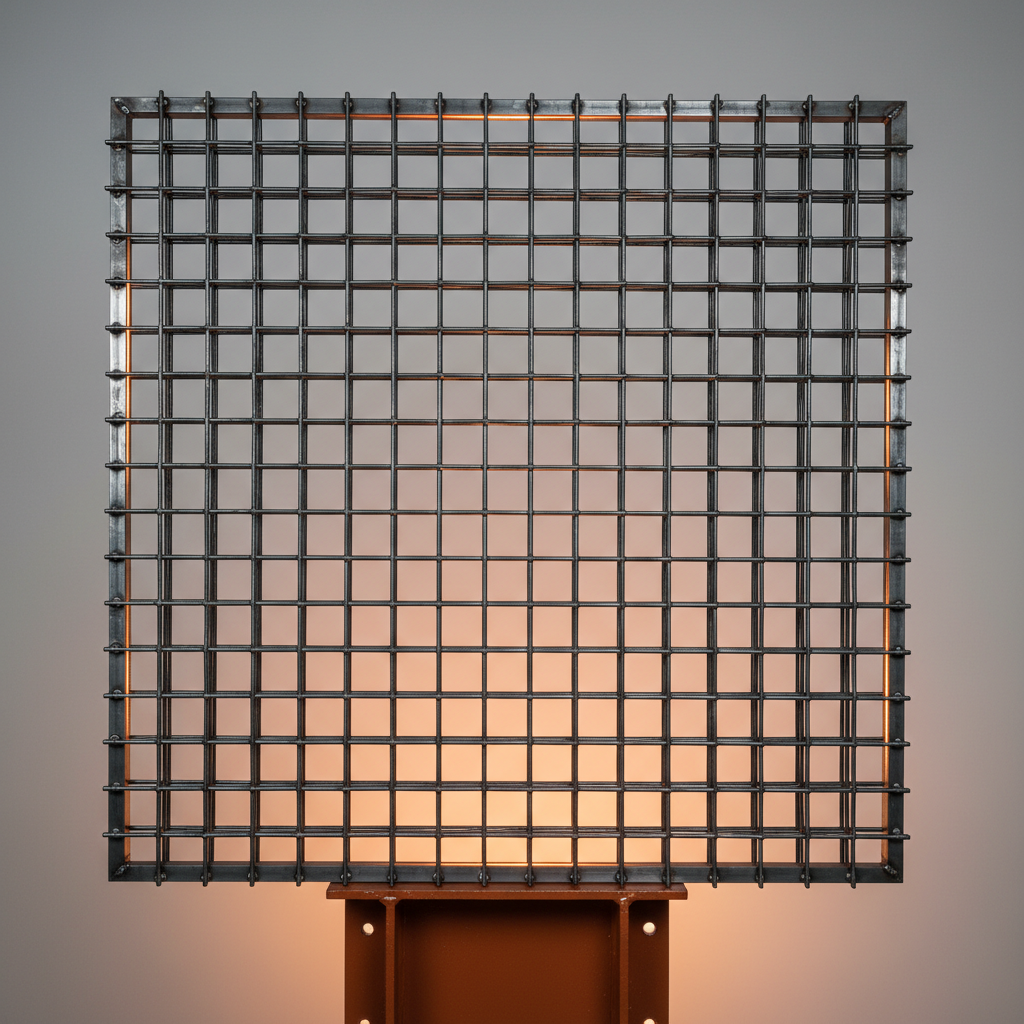 Heavy Duty 6 gauge welded wire mesh for Security and StrengthWhen it comes to heavy-duty containment, security, and structural reinforcement, choosing the right material is critical. The 6 gauge welded wire mesh stands as a premier choice for those requiring a balance of extreme rigidity and precise spacing. Whether you are securing a commercial perimeter, building industrial livestock panels, or creating reinforced concrete structures, this specific thickness provides the structural integrity needed to withstand significant pressure and impact. In this comprehensive guide, we will explore the technical specifications, primary applications, and why this mesh is the gold standard for high-security fencing solutions.Read more >
Apr 16 2026
-
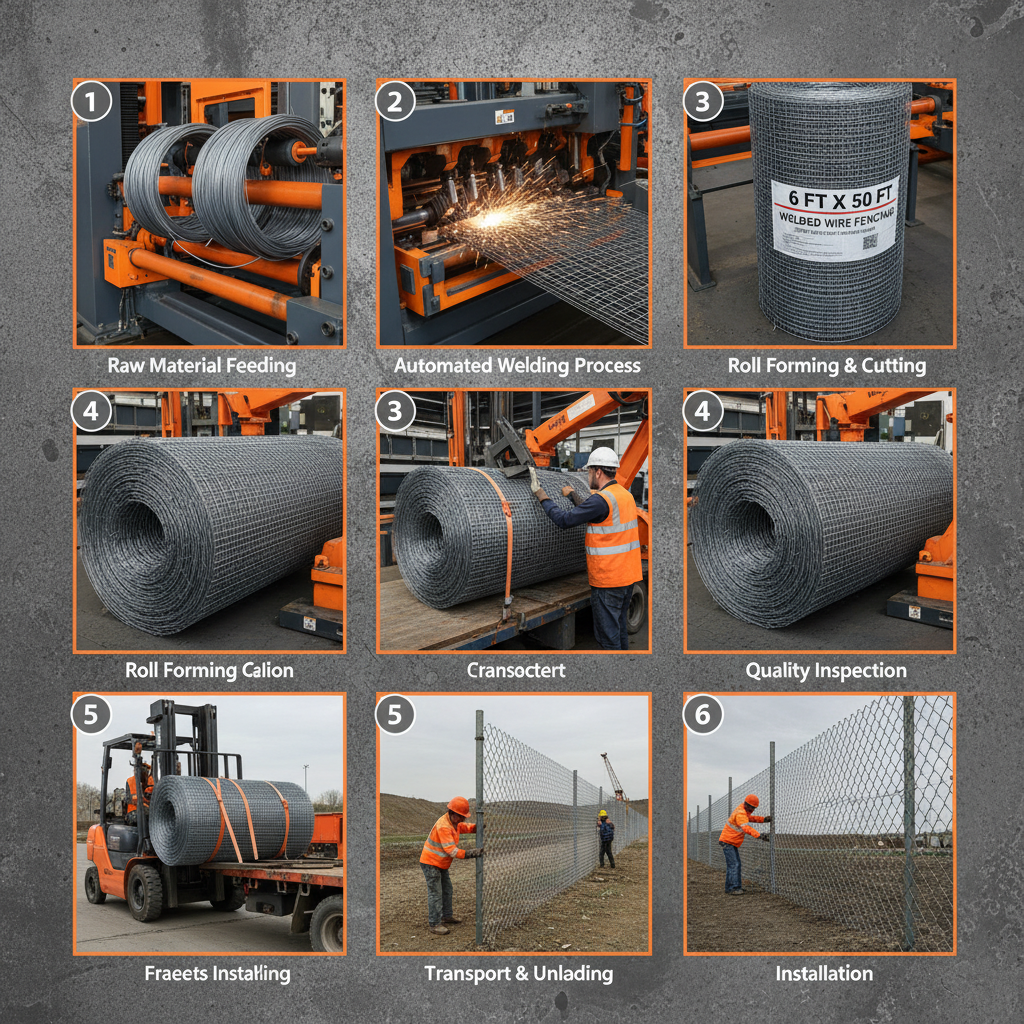 Durable 6 ft x 50 ft welded wire fencing for Security and GardensWhen it comes to securing a perimeter, whether for agricultural use, garden protection, or industrial boundaries, the dimensions and material of your fence matter. The 6 ft x 50 ft welded wire fencing offers an ideal balance of height and length, providing a robust barrier that is easy to install and maintain. Choosing a welded wire system ensures that the intersections are fused together, preventing the shifting and sagging often found in woven alternatives. In this guide, we will explore why this specific size is a preferred choice for property owners and how to maximize its effectiveness for your specific project.Read more >
Apr 09 2026
-
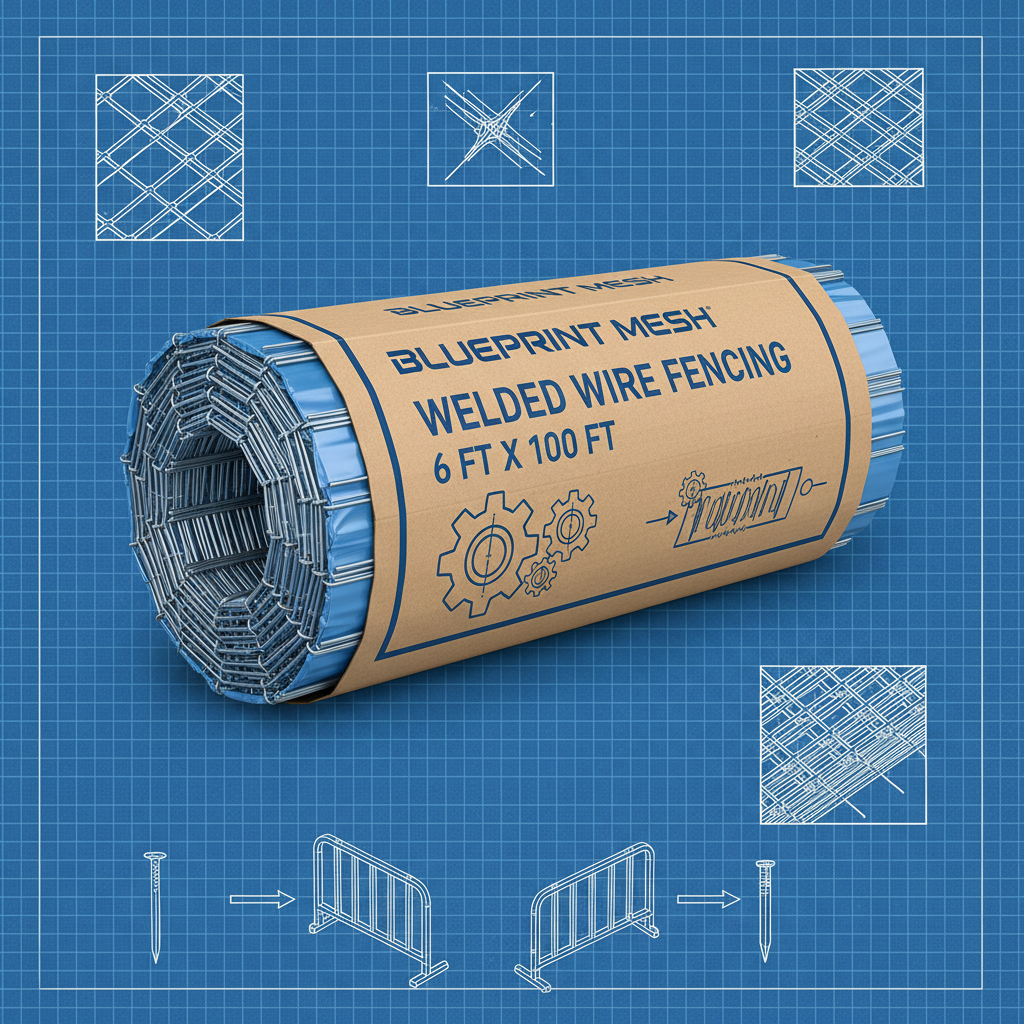 Comprehensive Guide to Choosing the Best 6 ft x 100 ft Welded Wire FencingWelded wire fencing is a versatile and cost-effective solution for a wide range of applications, from agricultural containment to residential security. Understanding the nuances of different types, especially when considering a size like 6 ft x 100 ft welded wire fencing, is crucial for making the right investment. This article will guide you through the essential factors to consider, helping you select the fencing that best suits your specific requirements.Read more >
Apr 07 2026
-
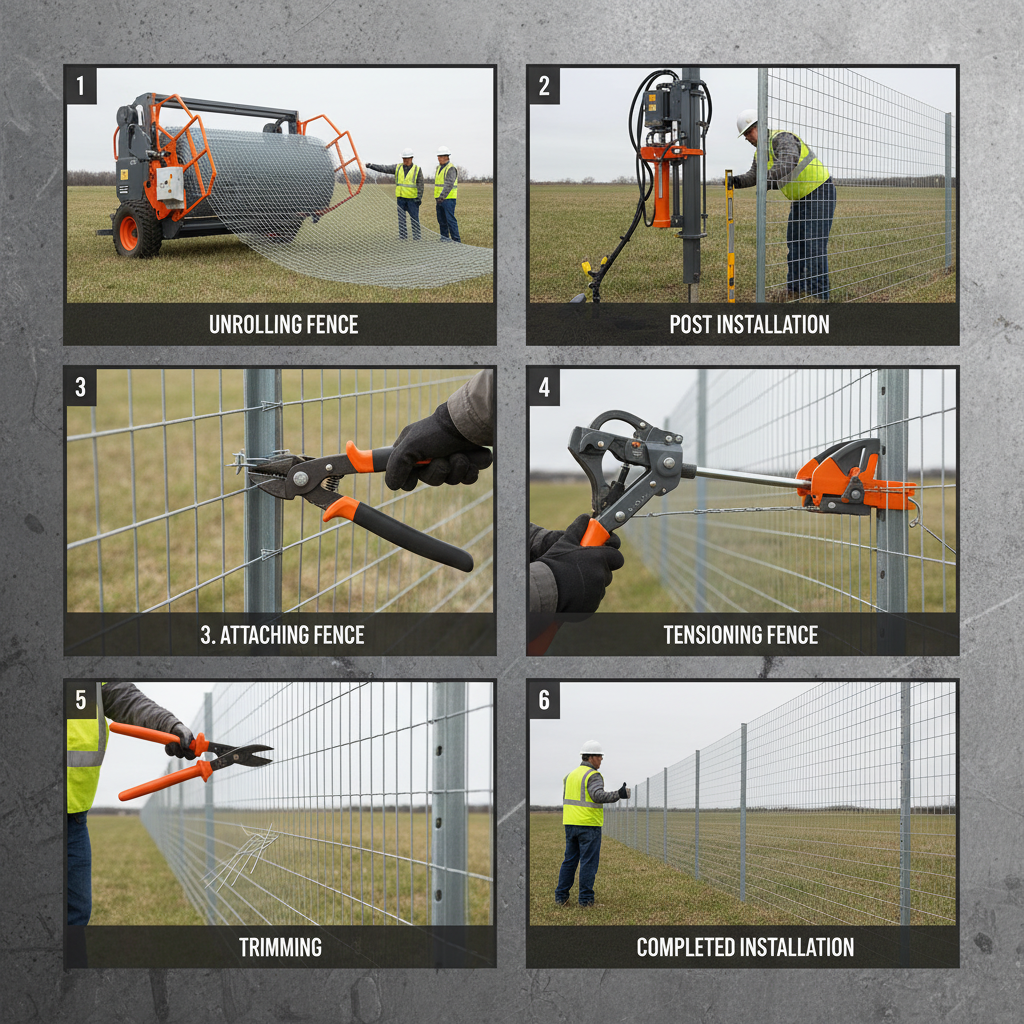 Comprehensive Guide to Choosing a 6 ft x 100 ft 12.5 Gauge Welded Wire FenceSelecting the appropriate fence for your property requires careful consideration. A 6 ft x 100 ft 12.5 gauge welded wire fence offers a robust and versatile solution for a variety of applications, from pet containment to garden protection and security. This guide will explore the benefits, applications, installation tips, and considerations when choosing this type of fencing. Understanding its construction and comparing it to other fencing options will help you make an informed decision.Read more >
Apr 04 2026
-
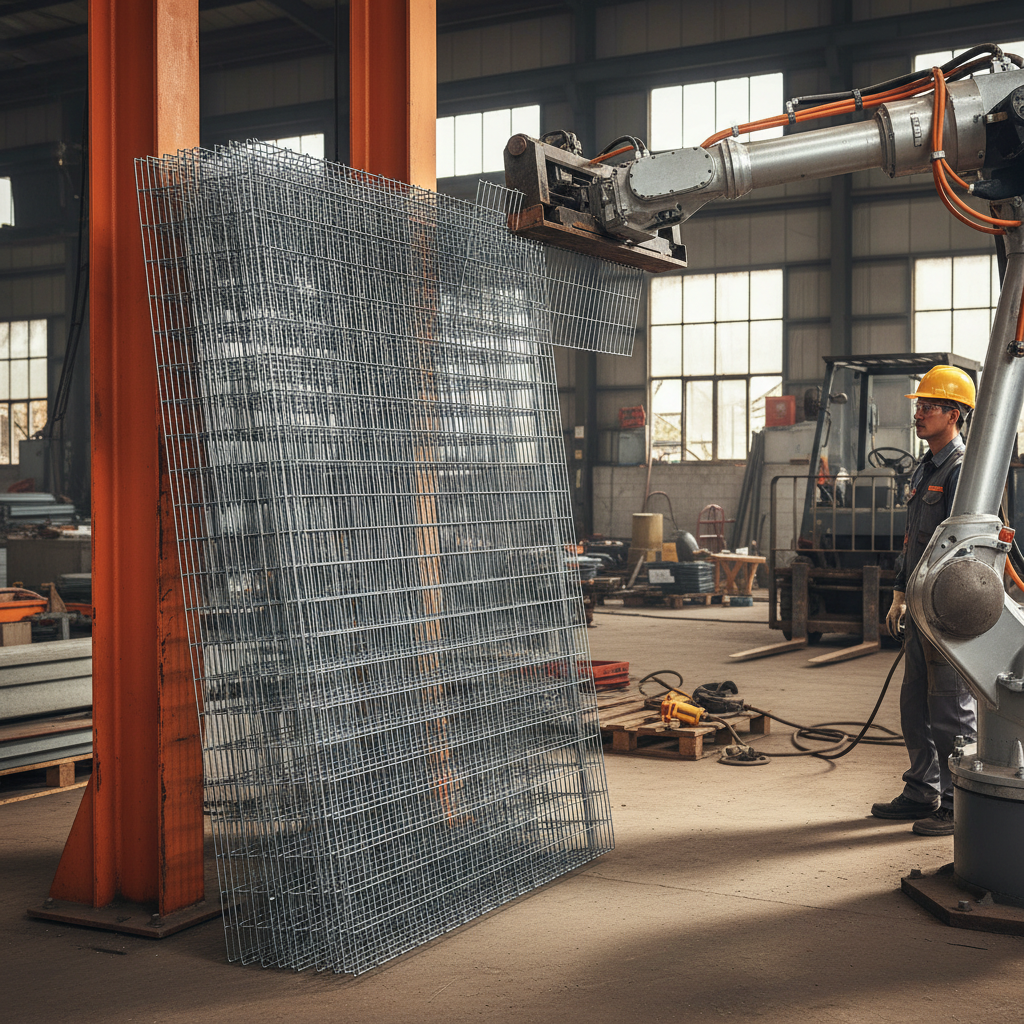 Comprehensive Guide to Durable 6 ft Welded Wire Fencing Panels and ApplicationsWhen selecting fencing for your property, 6 ft welded wire fencing panels offer a robust and versatile solution. These panels combine strength, security, and ease of installation, making them a popular choice for both residential and commercial applications. This article delves into the benefits, applications, installation, and maintenance of these panels, helping you make an informed decision.Read more >
Mar 31 2026