


Durable Mesh for Plastering | Reinforce Walls Globally
Nov . 18, 2025 04:30
Understanding Mesh for Plastering: A Global Perspective
If you’ve ever walked past a construction site or peeked inside a building under renovation, you might have noticed a fine wire mesh wrapped around walls before they get their finishing coat of plaster. That’s the humble but mighty mesh for plastering at work. It often goes unnoticed, yet it plays a crucial role in construction globally, ensuring walls stay intact against cracks, moisture, and general wear and tear. Why does this tiny grid matter so much around the world? Well, beyond aesthetics, plastering mesh contributes to building safety and longevity — especially important in regions struggling with harsh climates or rapid urbanization. UN Habitat statistics tell us that nearly 1 billion people live in substandard housing worldwide, many needing durable, affordable construction solutions. Mesh for plastering fits into this puzzle by reinforcing plaster, preventing early degradation, and supporting sustainable infrastructure. Mini takeaway: Mesh for plastering isn’t just about neat walls; it’s a small but mighty component shaping safer, stronger housing globally.Introduction: The Global Importance of Mesh in Construction
Globally, construction is booming. According to the World Bank, urban populations are growing faster than ever, pushing demand for resilient and efficient building materials. Mesh for plastering acts as a cost-effective reinforcement that keeps plaster from cracking — a frequent problem in climates subject to temperature swings or seismic activity. Yet, many areas face challenges in securing quality materials. This is especially true in developing or disaster-prone regions where quick, durable construction is not a luxury but a necessity. Mesh for plastering helps meet these needs by improving wall integrity without massive costs or delays. Moreover, ISO standards regarding construction materials continuously evolve, underscoring mesh’s role in meeting safety and environmental requirements. Frankly, it’s one of those unseen heroes in the battle for better living conditions. Mini takeaway: As urban demand grows, mesh for plastering stands out as an affordable, reliable tool to enhance building resilience worldwide.What Exactly Is Mesh for Plastering?
At its core, mesh for plastering is a network of thin metal or synthetic wires woven or welded into a grid pattern, designed to support plaster applications on walls and ceilings. It acts as a mechanical key, allowing plaster to adhere better while distributing any stress or movement evenly to prevent cracks and fractures. Historically, plaster was applied directly onto surfaces like brick or concrete, but as modern construction calls for speed, flexibility, and sustainability, mesh has become essential. Besides enhancing structural performance, it also connects to broader humanitarian efforts—for example, in refugee camps where temporary shelters use plaster reinforced by mesh to withstand adverse weather. In short, it bridges traditional craftsmanship and modern engineering to deliver practical, scalable solutions, whether in luxury hotels or emergency housing. Mini takeaway: Mesh for plastering is simple in concept but vital in function, marrying old-school plastering with modern demands.Core Components That Make Mesh Effective
1. Material Composition
Most plastering meshes are made from galvanized steel, stainless steel, or fiberglass. Galvanization protects against rust, crucial in humid or coastal areas. Fiberglass, on the other hand, offers corrosion resistance plus lighter weight — handy in prefab construction.2. Mesh Size and Thickness
The size of the openings and wire gauge affects how plaster holds. Smaller meshes provide finer support but can slow plaster drying, while coarser grids allow better airflow. Standard sizes range from 10x10 mm up to about 50x50 mm.3. Flexibility
Some meshes are rigid; others offer flexibility to accommodate curves or uneven surfaces. This is especially important in restoration projects where walls aren’t perfectly straight.4. Durability
Durability means the mesh remains stable under environmental stresses — heat, moisture, UV exposure. Long-lasting meshes reduce the need for repairs, saving time and money.5. Cost Efficiency
Quality mesh balances performance and budget — cheaper meshes might corrode fast, while premium options might push upfront costs.6. Ease of Installation
Lightweight, easy-to-cut meshes speed up construction. For large projects, this means fewer labor hours and less waste. Mini takeaway: Choosing the right mesh involves balancing material, size, durability, and cost — all geared toward the project’s unique needs.Where Is Mesh for Plastering Applied Around the World?
Mesh for plastering finds home in diverse corners of the world: - Post-disaster relief: After earthquakes or hurricanes, mesh-reinforced plaster helps rebuild homes quickly while improving long-term resilience. Agencies like the Red Cross often specify such materials for shelters. - Industrial zones: In remote factories where harsh chemicals or weather jeopardize walls, mesh prevents plaster delamination and moisture ingress. - Historic restorations: In Europe, mesh is used behind lime plaster on centuries-old buildings to maintain authenticity while enhancing strength. - Affordable housing projects: In Asia and Africa, governments rely on affordable plaster meshes combined with local labor to upskill communities and create durable homes. An example is the use of fiberglass mesh in refugee housing in Jordan’s Zaatari camp — boosting walls’ durability in desert conditions while being easy to ship and install. Mini takeaway: From deserts to cities, mesh for plastering adapts to meet regional challenges with practical, proven results.The Advantages and Long-Term Value of Using Mesh for Plastering
Using mesh does more than prevent cracks. It brings long-term benefits like: - Cost savings: Less plaster damage means fewer repairs, which costs money and disrupts residence. - Sustainability: Longer lifespans reduce resource waste and environmental footprint. - Safety: Better structural integrity can prevent minor damage from turning into major hazards. - Aesthetic retention: Walls stay looking fresh longer, preserving property value. - Social dignity: Having stable, intact shelter impacts mental well-being in profound ways — especially in vulnerable communities. Logic and emotion combine here: investing in good mesh translates into real trust in your walls’ resilience, and frankly, peace of mind.Looking Ahead: Emerging Trends in Mesh for Plastering
Innovation in this field is steadily ongoing: - Smart materials: Researchers are experimenting with meshes embedded with sensors that detect moisture or stress. - Eco-friendly coatings: New bio-based coatings protect metal mesh without toxic chemicals. - Automation: Prefabricated mesh panels are now cut and shaped by robots, improving precision. - Digital design: BIM (Building Information Modeling) software integrates mesh layouts early in design to optimize material use. - Recycling: Mesh from demolition is increasingly recycled to reduce waste streams. Sustainability is the thread connecting all these developments, echoing global pushes like the UN Sustainable Development Goals.Common Challenges and Their Solutions
Obstacles with mesh for plastering often include: - Corrosion: Poor-quality mesh rusts, compromising plaster adhesion. Best solution? Use galvanized or fiberglass mesh and proper surface treatments. - Installation errors: Incorrect fixing or overlap can cause weak spots. Training installers and holding QC checks help immensely. - Cost pressures: In budget-sensitive projects, temptation is to skimp. But durable mesh lowers lifetime expenses significantly. - Supply chain issues: Remote regions struggle getting consistent supplies. Partnering with reliable distributors smooths this. Many contractors now rely on training programs and supplier support to overcome these.FAQ: Common Questions About Mesh for Plastering
- Q: What types of mesh are best for humid climates?
A: Galvanized steel or fiberglass meshes are top choices since they resist rust and mold growth, protecting plaster layers longer. - Q: Can plastering mesh be used on both interior and exterior walls?
A: Yes, it’s suitable for both, but exterior applications often require thicker gauge meshes for added durability. - Q: How does mesh improve plaster crack resistance?
A: It distributes tension and substrate movement evenly, preventing small fissures from growing into major cracks. - Q: Is fiberglass mesh safe for people with metal allergies?
A: Fiberglass is hypoallergenic and a great alternative for sensitive environments. - Q: Where can I buy quality mesh for plastering internationally?
A: Many vendors now ship globally; check suppliers specializing in construction materials with ISO certifications for the best assurance.
Product Specification Table: Typical Plastering Mesh Options
| Feature | Galvanized Steel Mesh | Stainless Steel Mesh | Fiberglass Mesh |
|---|---|---|---|
| Material | Steel with zinc coating | High-grade steel alloy | Glass fiber with polymer resin |
| Typical Mesh Size | 10x10 to 25x25 mm | 10x10 to 50x50 mm | 5x5 to 20x20 mm |
| Corrosion Resistance | Good (with galvanization) | Excellent | Excellent |
| Flexibility | Moderate | Rigid | High |
| Typical Use | Standard exterior/interior plaster | High durability required projects | Lightweight, curved surfaces |
Vendor Comparison Table: Leading Mesh Suppliers
| Vendor | Material Range | Global Shipping | Certifications | Typical Pricing |
|---|---|---|---|---|
| Chch Fence Co. | Galvanized, Fiberglass | Yes | ISO 9001, ISO 14001 | $$ |
| Global Mesh Solutions | Stainless Steel, Galvanized | Yes | ISO 9001 | $$$ |
| EcoMesh Ltd. | Fiberglass only | Selective | ISO 14001 | $ |
Conclusion: Why Mesh for Plastering Matters Long Term
In the grand scheme, mesh for plastering might seem like a mere detail in the complex world of construction, but its impact is profound. It bolsters structures, promises durability, and supports societies rebuilding and growing everywhere from sprawling megacities to rural villages. Tackling challenges like corrosion or installation hurdles only fortifies its growing role. If you are involved in construction, renovation, or humanitarian projects, understanding and choosing the right plaster mesh can make all the difference over the wall's lifetime. For those wanting to explore reliable, certified mesh options, including innovative fiberglass or galvanized steel types, mesh for plastering suppliers like Chch Fence Co. offer a great place to start. --- ### Mini Takeaway Good mesh is more than a technical choice — it represents a commitment to quality, safety, and sustainability. ### References 1. UN-Habitat, "World Cities Report 2020" 2. World Bank Urban Development Statistics 3. ISO 9001 & 14001 Standards Documentation (www.iso.org)
Latest News About CHENG CHUANG
-
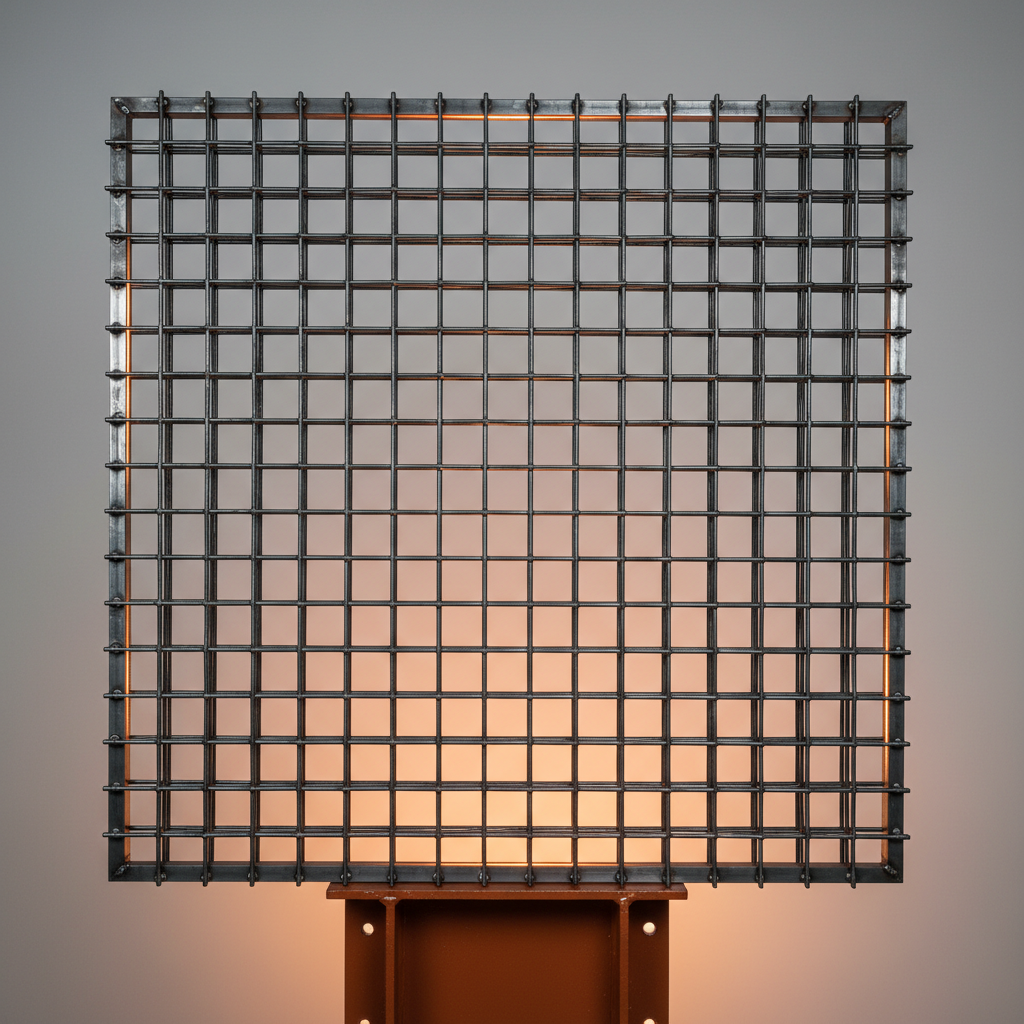 Heavy Duty 6 gauge welded wire mesh for Security and StrengthWhen it comes to heavy-duty containment, security, and structural reinforcement, choosing the right material is critical. The 6 gauge welded wire mesh stands as a premier choice for those requiring a balance of extreme rigidity and precise spacing. Whether you are securing a commercial perimeter, building industrial livestock panels, or creating reinforced concrete structures, this specific thickness provides the structural integrity needed to withstand significant pressure and impact. In this comprehensive guide, we will explore the technical specifications, primary applications, and why this mesh is the gold standard for high-security fencing solutions.Read more >
Apr 16 2026
-
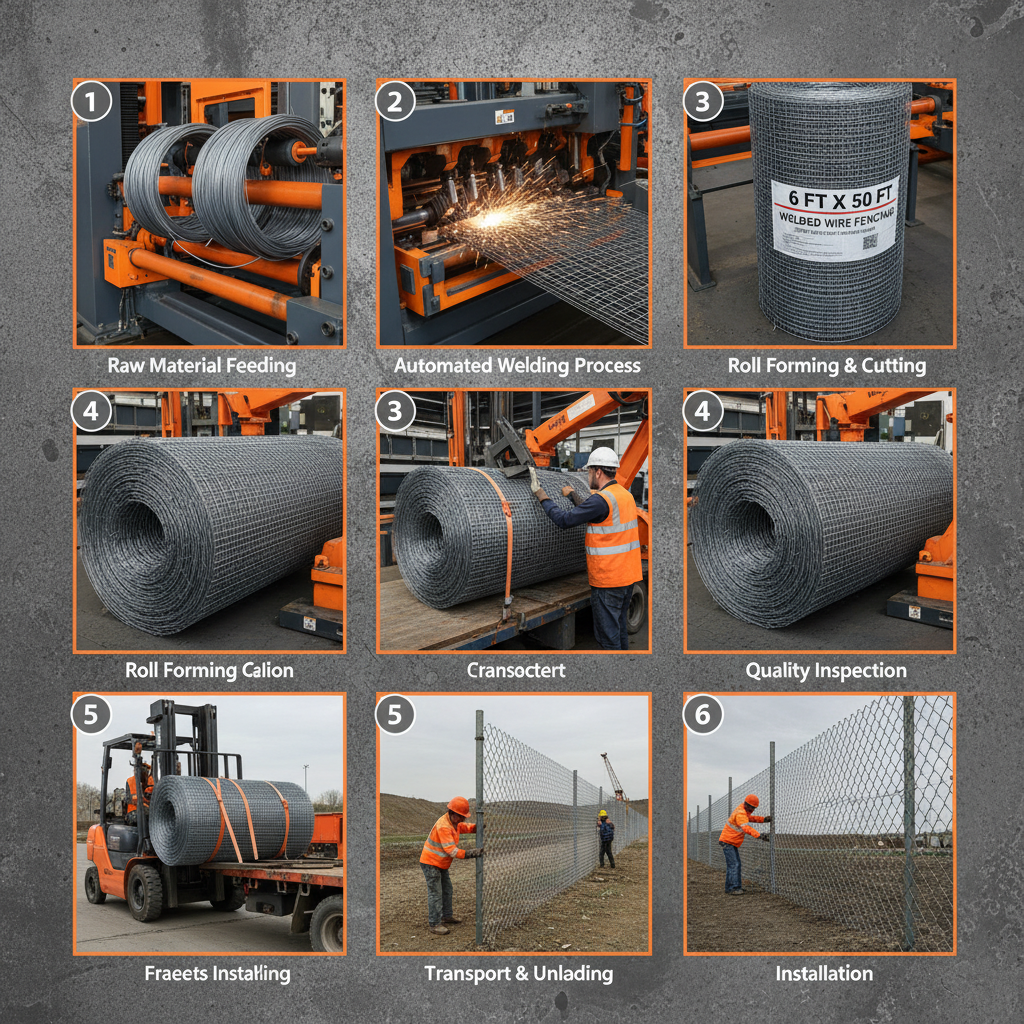 Durable 6 ft x 50 ft welded wire fencing for Security and GardensWhen it comes to securing a perimeter, whether for agricultural use, garden protection, or industrial boundaries, the dimensions and material of your fence matter. The 6 ft x 50 ft welded wire fencing offers an ideal balance of height and length, providing a robust barrier that is easy to install and maintain. Choosing a welded wire system ensures that the intersections are fused together, preventing the shifting and sagging often found in woven alternatives. In this guide, we will explore why this specific size is a preferred choice for property owners and how to maximize its effectiveness for your specific project.Read more >
Apr 09 2026
-
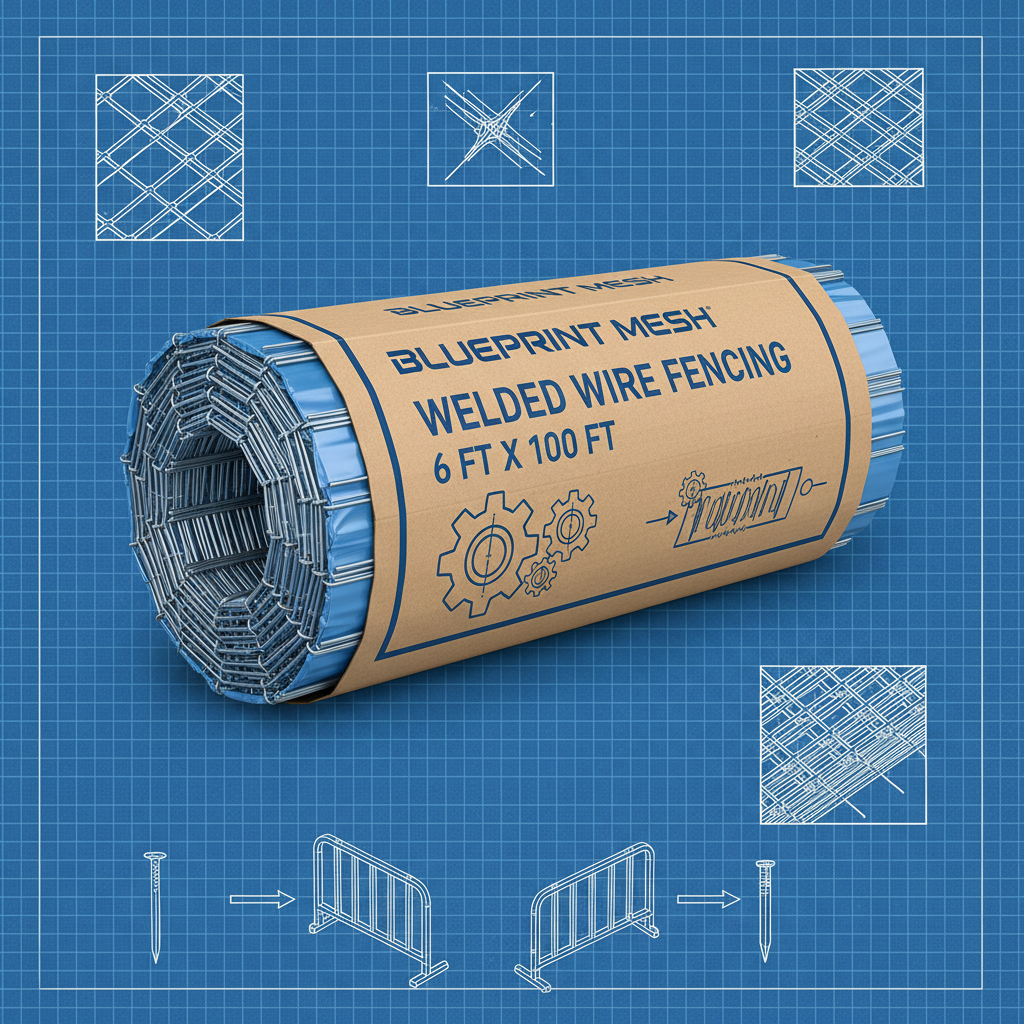 Comprehensive Guide to Choosing the Best 6 ft x 100 ft Welded Wire FencingWelded wire fencing is a versatile and cost-effective solution for a wide range of applications, from agricultural containment to residential security. Understanding the nuances of different types, especially when considering a size like 6 ft x 100 ft welded wire fencing, is crucial for making the right investment. This article will guide you through the essential factors to consider, helping you select the fencing that best suits your specific requirements.Read more >
Apr 07 2026
-
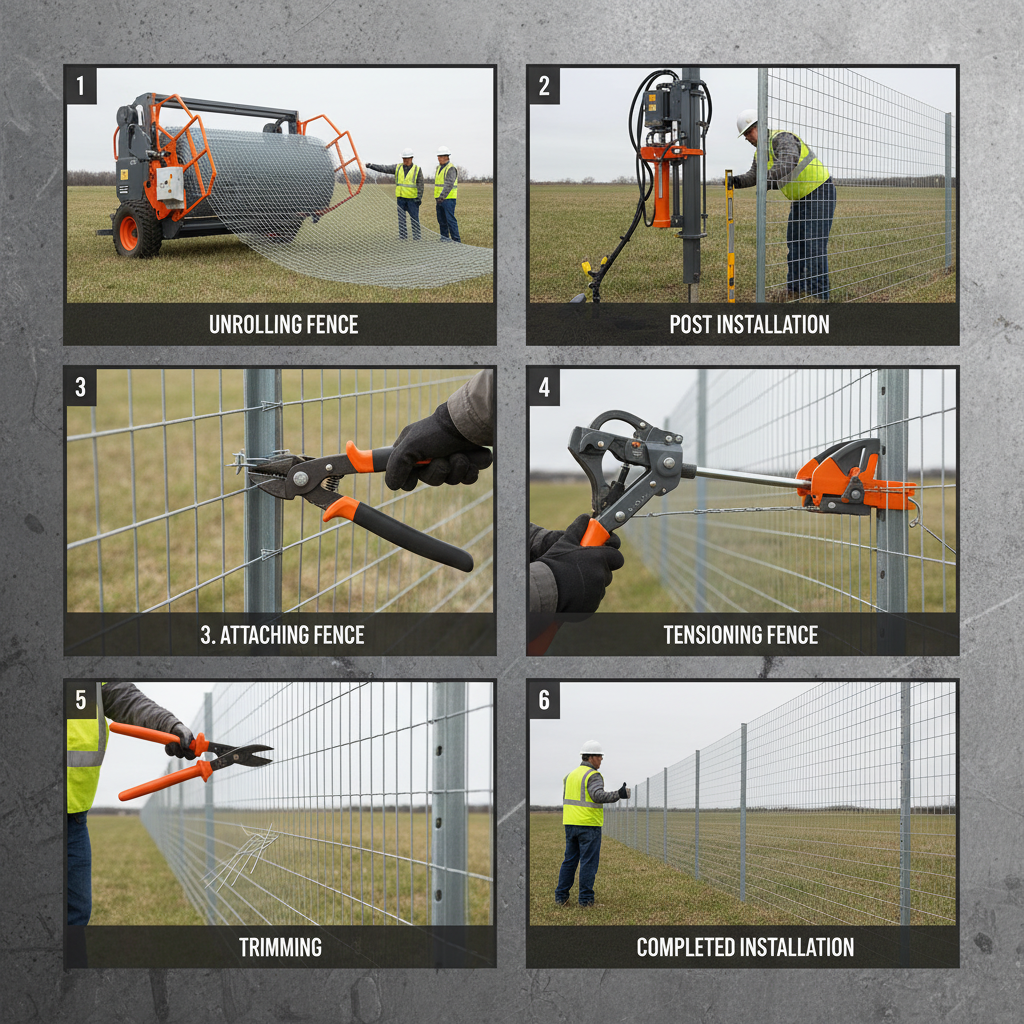 Comprehensive Guide to Choosing a 6 ft x 100 ft 12.5 Gauge Welded Wire FenceSelecting the appropriate fence for your property requires careful consideration. A 6 ft x 100 ft 12.5 gauge welded wire fence offers a robust and versatile solution for a variety of applications, from pet containment to garden protection and security. This guide will explore the benefits, applications, installation tips, and considerations when choosing this type of fencing. Understanding its construction and comparing it to other fencing options will help you make an informed decision.Read more >
Apr 04 2026
-
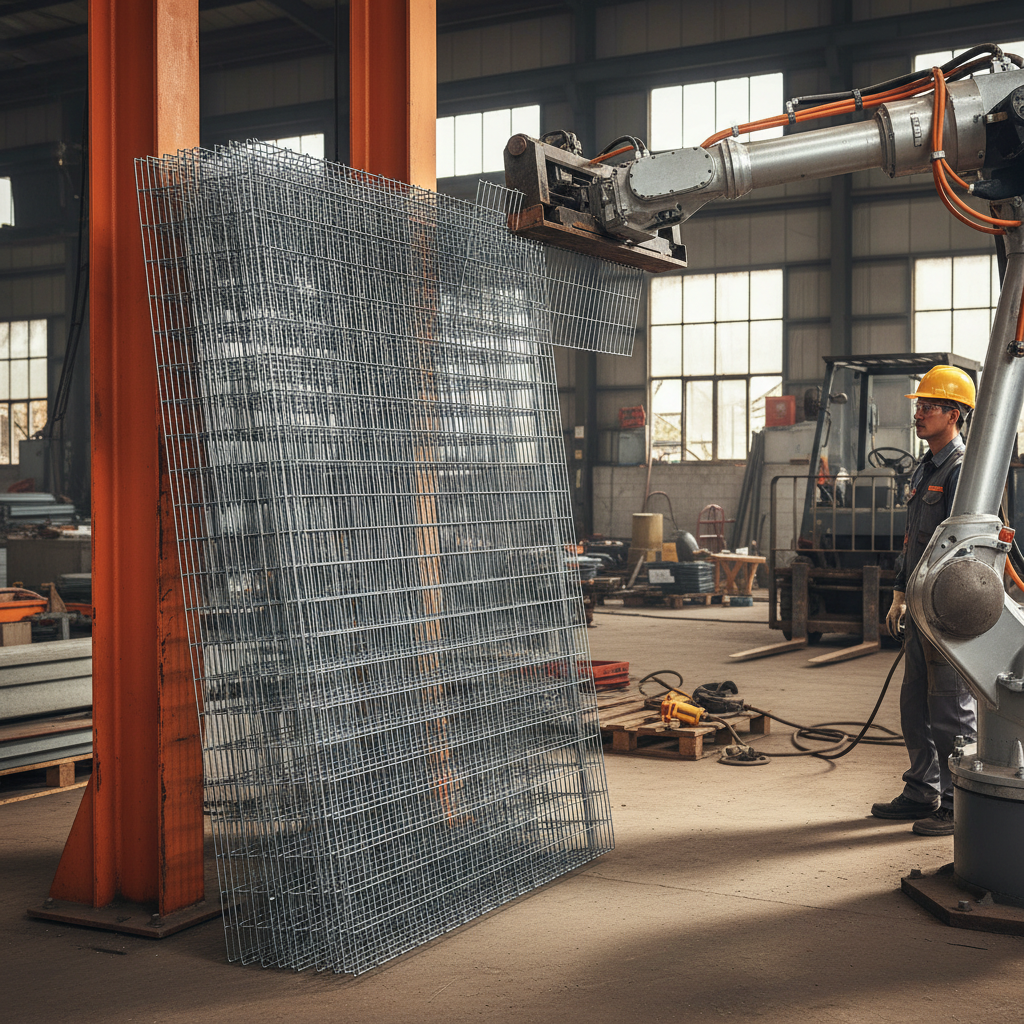 Comprehensive Guide to Durable 6 ft Welded Wire Fencing Panels and ApplicationsWhen selecting fencing for your property, 6 ft welded wire fencing panels offer a robust and versatile solution. These panels combine strength, security, and ease of installation, making them a popular choice for both residential and commercial applications. This article delves into the benefits, applications, installation, and maintenance of these panels, helping you make an informed decision.Read more >
Mar 31 2026