


Durable and Cost-Effective Mesh Panels for Fencing | Global Security Solutions
What Are Mesh Panels for Fencing and Why Do They Matter Worldwide?
Mesh panels for fencing might sound straightforward—after all, it’s just a metal grid, right? But their significance stretches well beyond backyard boundaries and construction sites. Globally, these panels form a critical solution in sectors ranging from industrial security to humanitarian relief. Understanding their value is key to recognizing how infrastructure adapts to safety, sustainability, and efficiency challenges. Whether it’s securing a remote mining operation or rapidly enclosing a disaster relief zone, mesh panels meet demands with flexibility and strength.
So, why all the fuss? Because mesh fencing balances cost, durability, and deployment agility in ways other traditional barriers can’t. Which means it’s a go-to solution worldwide—especially as urban spaces densify and global industries seek smarter, safer boundaries.
Mini takeaway: Mesh panels for fencing are a deceptively simple yet globally impactful tool supporting security, safety, and infrastructure needs across industries.
Global Context: The Growing Demand for Mesh Panel Fencing Solutions
According to the International Organization for Standardization (ISO) and several UN urban development reports, global infrastructure spending is on track to reach $94 trillion by 2040. A significant portion revolves around perimeter security and controlled access. Whether protecting critical assets or enabling community access while deterring intrusions, mesh fencing is increasingly favored for its scalability and modularity.
The World Bank highlights that post-disaster rebuilding efforts often rely on quick-to-install, reusable fencing systems to safeguard displaced populations and logistics hubs. The challenge many face is finding fencing that is both cost-effective and reliable under unpredictable conditions—exactly what mesh panels provide.
Mini takeaway: Mesh fencing plays a crucial role in modern infrastructure and humanitarian contexts, driven by global urban growth and disaster preparedness needs.
Defining Mesh Panels for Fencing
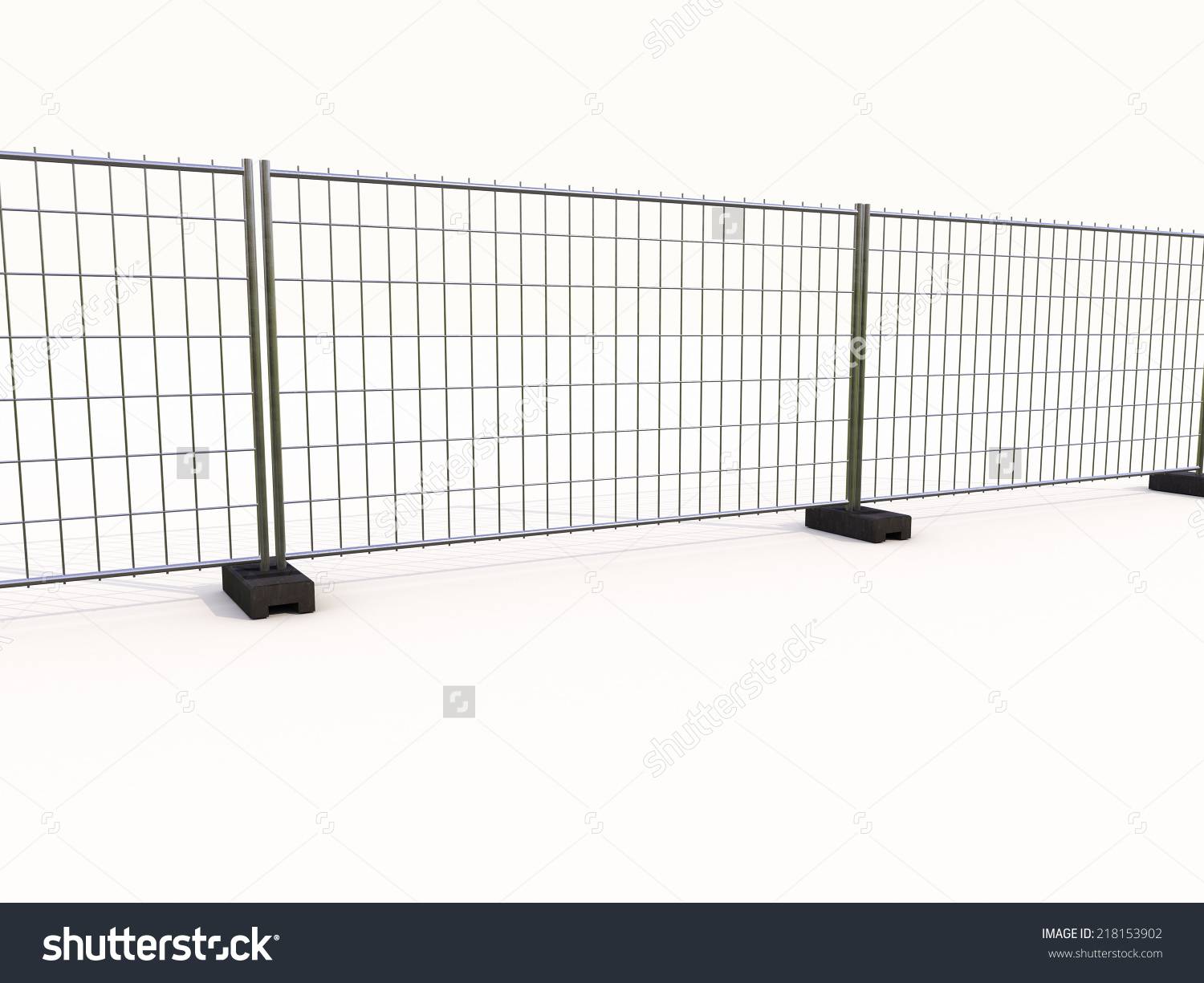
In simple terms, mesh panels for fencing are metal grids usually made from galvanized or coated steel wire, woven or welded into a mesh pattern and mounted on frames to form barriers. These panels let you secure an area while maintaining visibility and airflow—a key advantage for industrial sites, sports arenas, agricultural zones, and emergency setups.
Their design reflects a practical balance: sturdy yet lightweight, simple to customize, and quicker to install than poured concrete or brick walls. In humanitarian aid, especially, these panels help create safe zones for displaced people without isolating them entirely.
Mini takeaway: Mesh panel fencing combines metallurgy with smart design to deliver versatile, fence solutions tailored for modern security and logistical needs.
Core Components of Mesh Panels for Fencing
Durability
Most mesh panels are galvanized or powder-coated to resist rust and harsh weather. This means they can last for 10–20 years outdoors without significant corrosion—a huge plus in coastal or humid regions.
Scalability and Modularity
Panels often come in standard sizes (2 meters high, 2.5 to 3 meters wide) but can be customized quickly. The modular nature means you can expand or rearrange fencing quickly as site needs evolve.
Cost Efficiency
Compared to masonry walls or electronic security barriers, mesh panels are budget-friendly upfront and over time due to minimal maintenance and reusable components.
Visibility & Airflow
The open mesh pattern allows guards to monitor areas with ease, avoids creating blind spots, and ensures airflow—important when fencing livestock or industrial facilities.
Ease of Installation
Panels can be erected with minimal tools, sometimes even by two-person teams—very handy for remote or emergency contexts.
Product Specification Table
| Specification | Details |
|---|---|
| Material | Galvanized steel wire, powder-coated option |
| Panel Dimensions | 2.0 m H x 2.5 m W (standard; customizable) |
| Mesh Opening Size | 50 mm x 50 mm typical |
| Weight | Around 20 kg per panel |
| Lifespan | 10–20 years depending on environment |
| Installation Time | Approx. 10 minutes per panel |
Mini takeaway: Solid specs and flexible design make mesh panels an attractive fencing solution – balancing longevity and practicality.
Global Applications and Real-Life Use Cases
Around the world, mesh panels serve many purposes:
- Industrial Security: Mining companies in Australia use mesh fencing to control site access while withstanding harsh climate conditions.
- Disaster Relief: After Hurricane Maria in Puerto Rico, mesh panels enabled rapid setup of secure zones protecting relief supplies and displaced residents.
- Sports Facilities: In Europe, outdoor football pitches use mesh fencing for crowd control and visibility.
- Agriculture: Farmers deploy mesh panels for animal containment that doesn’t block air or light.
I noticed many NGOs prefer mesh fencing because it offers safety without feeling like a prison wall—creating dignified spaces rather than confining ones.
Mini takeaway: Mesh fencing’s versatility shines globally, adapting to industrial, humanitarian, recreational, and agricultural needs.
Vendor Comparison: Mesh Panel Fencing Suppliers
| Feature | Vendor A | Vendor B | Vendor C |
|---|---|---|---|
| Customization Options | High (sizes, coatings) | Medium (mostly standard sizes) | Basic (few options) |
| Lead Time | 2-3 weeks | 1-2 weeks | 4+ weeks |
| Warranty Period | 10 years | 5 years | 3 years |
| Installation Support | Yes, full | Limited | No |
| Price Range (per panel) | $$$ (Premium) | $$ | $ (Budget) |
Advantages and Long-Term Value of Mesh Panels
Honestly, durability mixed with cost efficiency is the biggest draw. Mesh panels reduce upfront expense and ongoing maintenance bills—a rare combo in fencing. The transparent design also helps build trust and openness, especially important in education campuses or communities striving for safer environments.
There’s a social angle too: quick-to-deploy mesh fence systems empower organizations to create protected spaces that feel safe yet humane. It contributes to both dignity and order, often an overlooked advantage.
Mini takeaway: Mesh panels offer cost-effective, durable fencing solutions with social and practical benefits for long-term site security.
Future Trends and Innovation in Mesh Panel Fencing
The future looks bright — or should I say greener? Some manufacturers explore integrating solar panels into mesh fencing frames, providing on-site power for lighting or sensors. Others develop smart fences embedded with IoT sensors for intrusion detection paired with AI monitoring.
Then we have recycled materials improving the sustainability profile—reusing steel scrap or coatings that are less toxic. Digital fabrication and modular automation mean sites can order customized panel designs online and get them precisely pre-cut or pre-treated.
Mini takeaway: Expect eco-friendly coatings, smart security features, and modular manufacturing to redefine mesh fencing in the next decade.
Challenges and Solutions
Not all is rosy. Mesh fencing can be vulnerable to cutting or climbing if not paired with security measures such as barbed wire or sensors. Installation in uneven terrain also requires additional work.
The good news? Solutions include hybrid designs combining mesh panels with electronic alarms, anti-climb coatings, or even drone surveillance. Customizable bases and quick-adjust brackets solve terrain issues effectively.
Mini takeaway: Combining mesh fencing with complementary security tech and engineering adaptations addresses vulnerabilities effectively.
FAQ: What People Ask About Mesh Panels for Fencing
- Q: How long do mesh panel fences generally last outdoors?
- A: With quality galvanization and proper coating, mesh fencing typically lasts between 10 to 20 years, depending mainly on environmental exposure.
- Q: Are mesh panels suitable for temporary fencing needs?
- A: Absolutely. Their modular design and ease of installation make them ideal for temporary setups like construction sites or emergency relief zones.
- Q: Can mesh fencing improve site security compared to traditional options?
- A: Yes. While open mesh allows visibility and airflow, pairing it with sensors and anti-climb accessories enhances overall security significantly.
- Q: Is custom sizing possible if my site has unique perimeter shapes?
- A: Most suppliers offer customization, including angled or irregular panel shapes, ensuring a fit for complex terrains or design specifications.
- Q: Where can I find reliable mesh panels for fencing?
- A: Leading vendors offer varied options; for a trusted source tailored to your needs, check out mesh panels for fencing.
Conclusion: Why Mesh Panels for Fencing Stand the Test of Time
In the end, mesh panels deliver a winning formula of strength, flexibility, and cost-effectiveness. Whether securing remote industrial zones or supporting emergency shelters, the choice reflects a balance of practical engineering and human-first considerations. If you're ready to upgrade your perimeter security or need a reliable fencing solution that won’t slow you down, exploring mesh panels is a no-brainer.
For more details or to discuss custom fencing solutions, visit our website at https://www.chchfence.com. Your secure boundary awaits.
References
Latest News About CHENG CHUANG
-
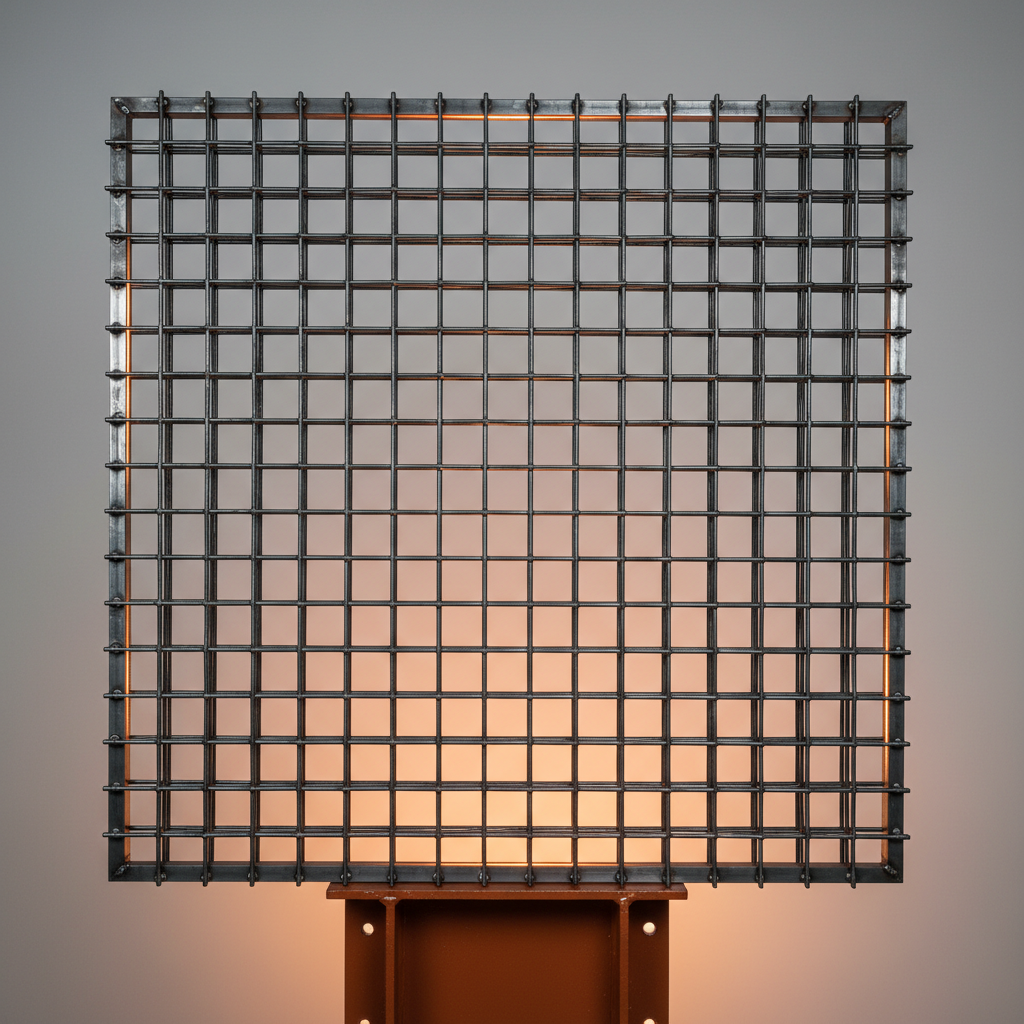 Heavy Duty 6 gauge welded wire mesh for Security and StrengthWhen it comes to heavy-duty containment, security, and structural reinforcement, choosing the right material is critical. The 6 gauge welded wire mesh stands as a premier choice for those requiring a balance of extreme rigidity and precise spacing. Whether you are securing a commercial perimeter, building industrial livestock panels, or creating reinforced concrete structures, this specific thickness provides the structural integrity needed to withstand significant pressure and impact. In this comprehensive guide, we will explore the technical specifications, primary applications, and why this mesh is the gold standard for high-security fencing solutions.Read more >
Apr 16 2026
-
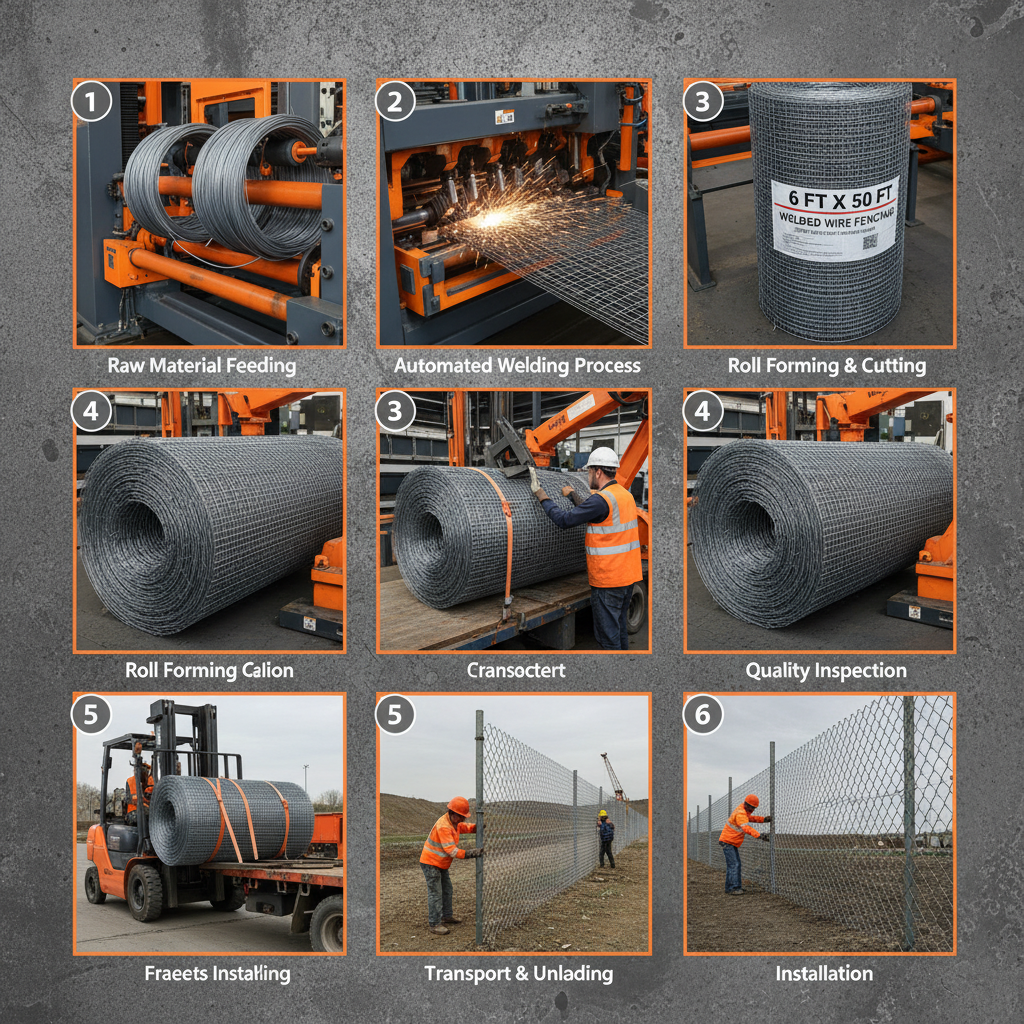 Durable 6 ft x 50 ft welded wire fencing for Security and GardensWhen it comes to securing a perimeter, whether for agricultural use, garden protection, or industrial boundaries, the dimensions and material of your fence matter. The 6 ft x 50 ft welded wire fencing offers an ideal balance of height and length, providing a robust barrier that is easy to install and maintain. Choosing a welded wire system ensures that the intersections are fused together, preventing the shifting and sagging often found in woven alternatives. In this guide, we will explore why this specific size is a preferred choice for property owners and how to maximize its effectiveness for your specific project.Read more >
Apr 09 2026
-
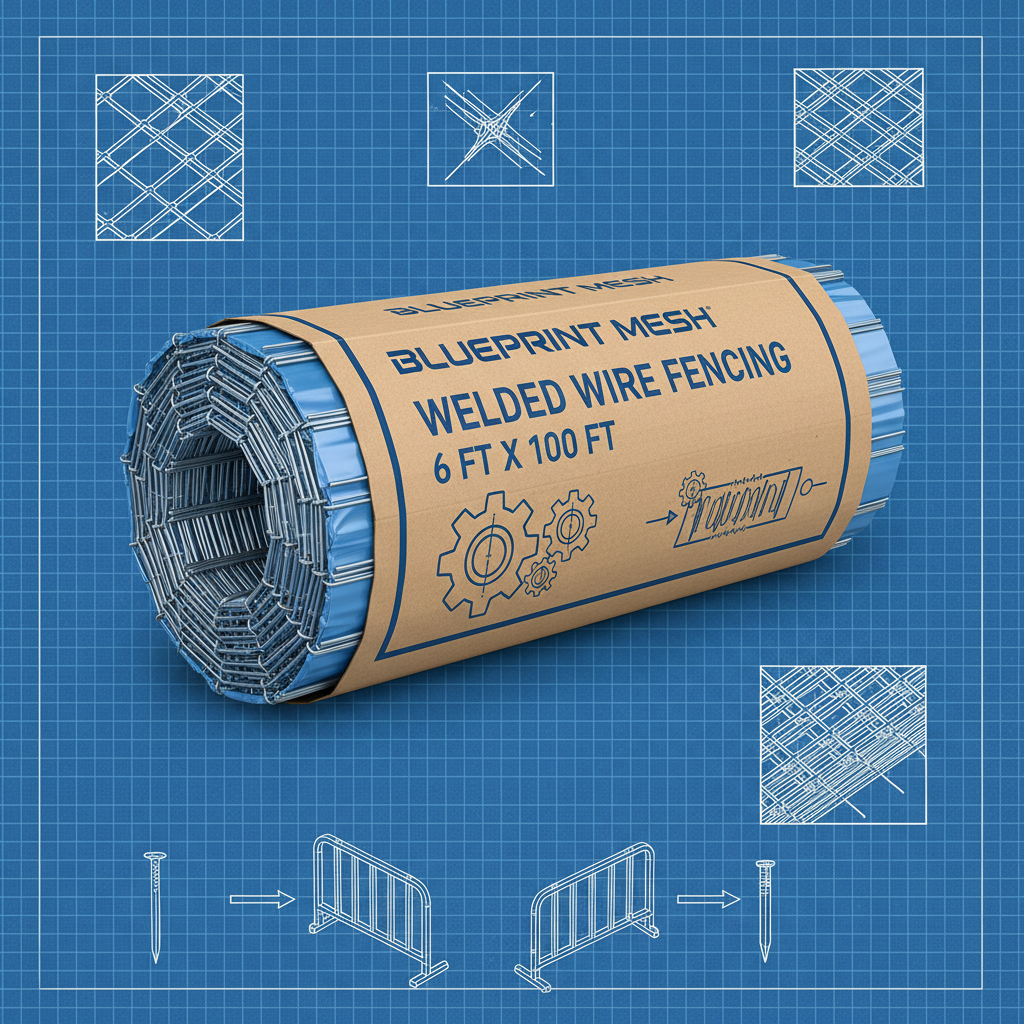 Comprehensive Guide to Choosing the Best 6 ft x 100 ft Welded Wire FencingWelded wire fencing is a versatile and cost-effective solution for a wide range of applications, from agricultural containment to residential security. Understanding the nuances of different types, especially when considering a size like 6 ft x 100 ft welded wire fencing, is crucial for making the right investment. This article will guide you through the essential factors to consider, helping you select the fencing that best suits your specific requirements.Read more >
Apr 07 2026
-
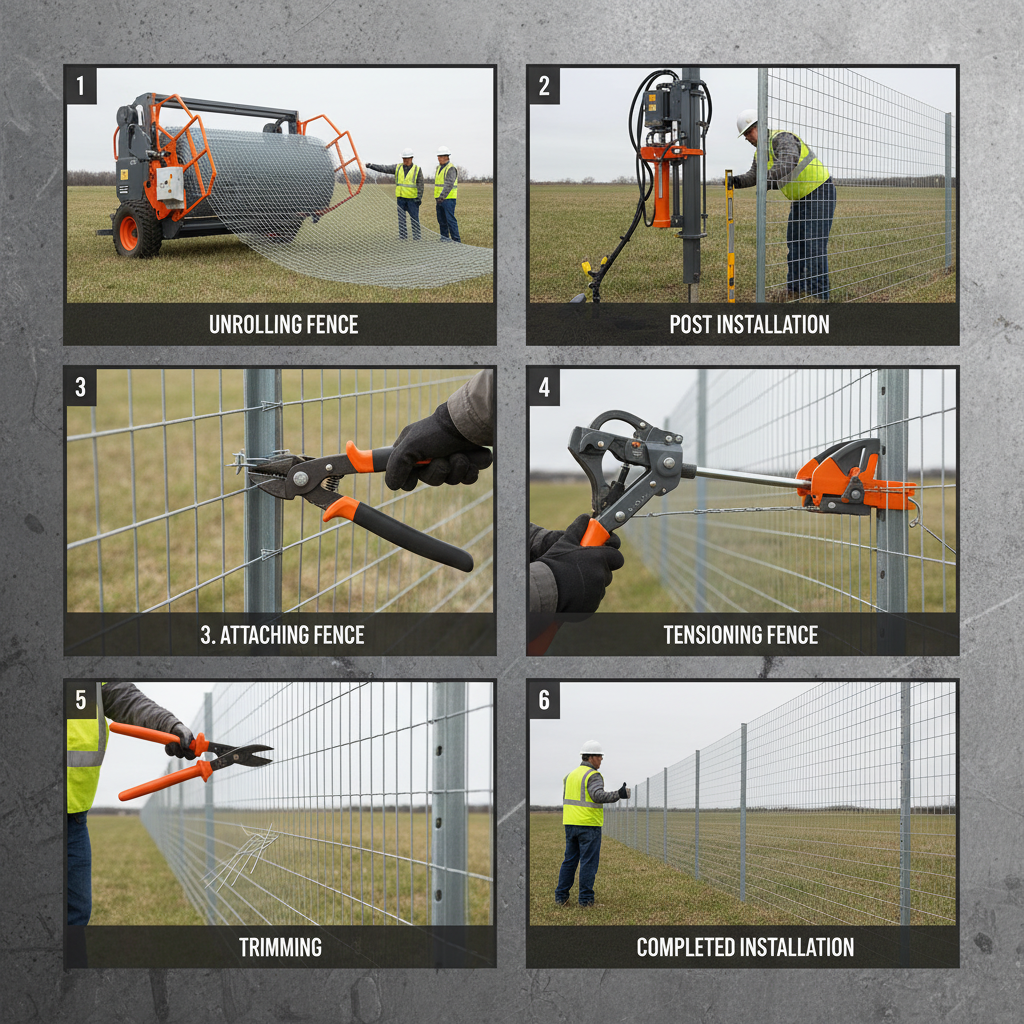 Comprehensive Guide to Choosing a 6 ft x 100 ft 12.5 Gauge Welded Wire FenceSelecting the appropriate fence for your property requires careful consideration. A 6 ft x 100 ft 12.5 gauge welded wire fence offers a robust and versatile solution for a variety of applications, from pet containment to garden protection and security. This guide will explore the benefits, applications, installation tips, and considerations when choosing this type of fencing. Understanding its construction and comparing it to other fencing options will help you make an informed decision.Read more >
Apr 04 2026
-
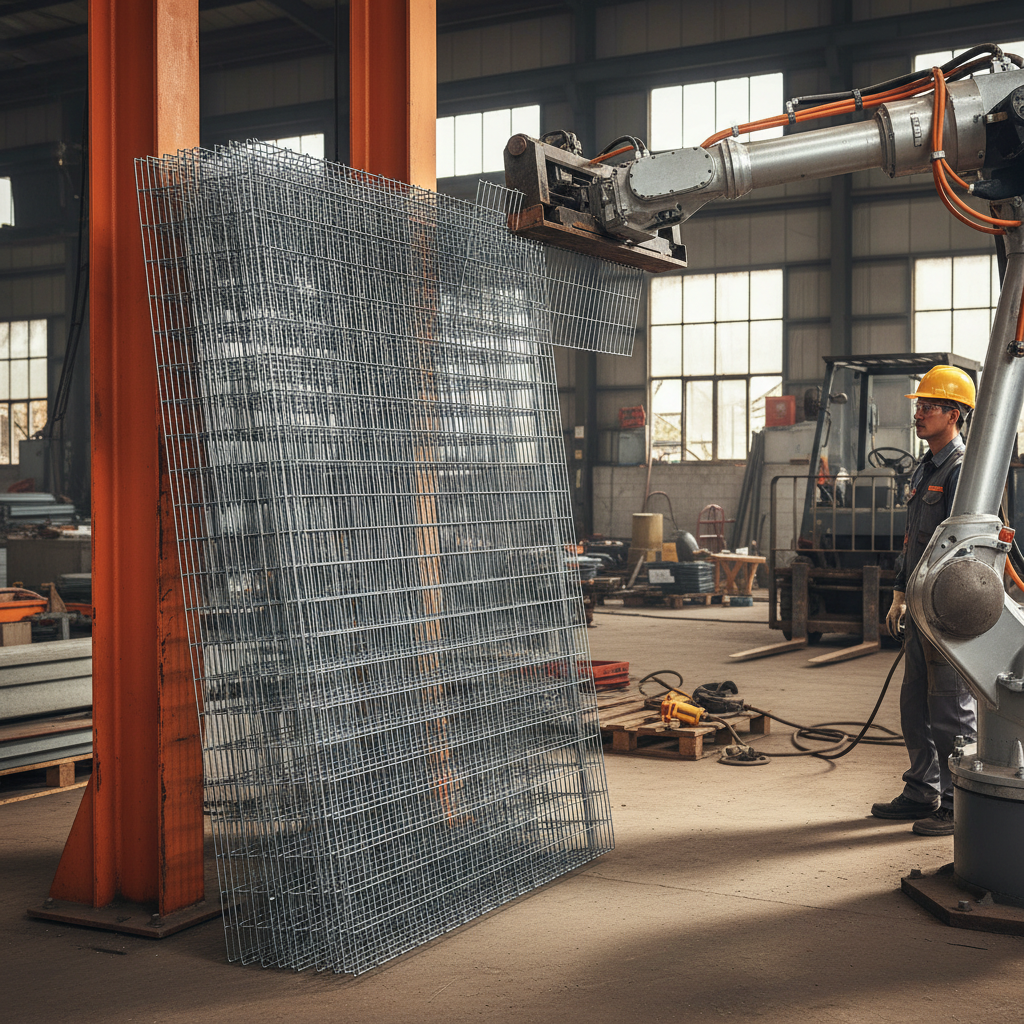 Comprehensive Guide to Durable 6 ft Welded Wire Fencing Panels and ApplicationsWhen selecting fencing for your property, 6 ft welded wire fencing panels offer a robust and versatile solution. These panels combine strength, security, and ease of installation, making them a popular choice for both residential and commercial applications. This article delves into the benefits, applications, installation, and maintenance of these panels, helping you make an informed decision.Read more >
Mar 31 2026