


Buy Quality Mesh Panels for Sale – Durable, Customizable, & Cost-Effective Solutions
Mesh Panels For Sale: Why They Matter Worldwide
If you’ve ever strolled through an industrial site, past a construction zone, or noticed the fencing around an event venue, chances are you’ve seen mesh panels in action. But what are these mesh panels for sale, and why does their significance ripple far beyond just fences or barriers? Well, understanding these panels isn’t just about gearing up your next build project; it’s about grasping a global tool — one that plays a crucial role in safety, infrastructure, and humanitarian efforts alike.
Global trends paint a clear picture: with urban populations booming, international trade routes expanding, and natural disasters occurring with alarming frequency, the demand for reliable, flexible, and cost-saving mesh panel solutions continues to grow. According to the World Bank, urban centers are expected to house nearly 70% of the global population by 2050, pushing the need for robust spatial security even further. Here’s where mesh panels fit — offering a versatile way to secure areas quickly without sacrificing visibility or airflow.
Mini takeaway: Mesh panels are more than just building site accessories — they’re integral to urban development, safety, and disaster response worldwide.
Understanding What Mesh Panels Are
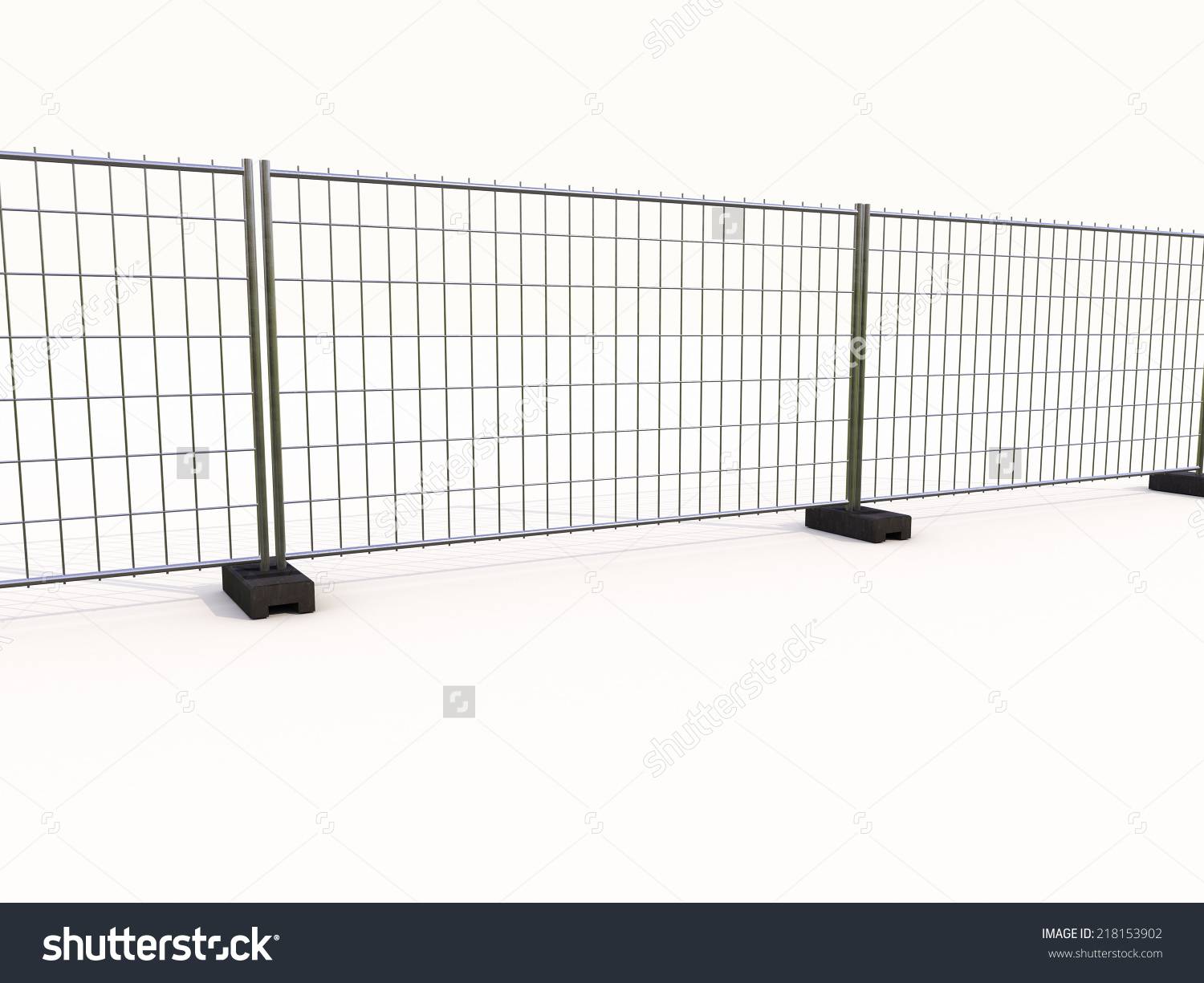
At its core, a mesh panel is a framework of metal or composite strands welded or woven to create a grid-like surface. These panels are designed to provide a barrier while letting light and air pass through — kind of like the open weave in a fishing net but way sturdier and built for industrial purposes.
They come in various forms: steel wire mesh panels, expanded metal sheets, or plastic composite grids. The main advantage? You get containment and protection without creating a solid wall, which is essential for both physical safety and environmental considerations.
In modern industries — think manufacturing, warehousing, and construction — these panels form temporary or permanent boundaries. But oddly enough, their significance extends into humanitarian and environmental fields too. For example, NGOs use them for camping perimeter fences post-disaster to control access while maintaining airflow and visibility, which is vital in hot climates.
Mini takeaway: Mesh panels combine protection and permeability, suiting them to a world that values both security and openness.
Key Factors That Define Mesh Panels
1. Durability and Material Strength
Most mesh panels for sale are crafted using galvanized steel or stainless steel, sometimes powder-coated to resist corrosion. This is crucial when they endure weather exposure, mechanical stress, or vandalism. In places with harsh winters or salty coastal air, panels without proper treatment crumble fast — so material quality remains a fundamental purchase consideration.
2. Scalability and Modular Design
The beauty of mesh panels? You can easily scale installations up or down, configuring fences or partitions in modular segments. This makes deployment quicker and budget-flexible, which is a lifesaver in large-scale projects or emergency settings.
3. Cost Efficiency
As compared to solid wall fencing or permanent barriers, mesh panels provide a balance of affordability and function. They’re generally easy to install (and remove!), making reuse possible. For firms watching their expenses closely, this reduces long-term costs significantly.
4. Visibility and Safety
Because they're see-through, mesh panels enable surveillance without obstructions. This reduces blind spots — important for sites requiring 24/7 monitoring and fast emergency responses.
5. Environmental Impact
Eco-conscious buyers now seek panels using recycled materials and powder coats instead of toxic paint. Some modern panels even incorporate lightweight composites to reduce carbon footprint during shipping and installation.
6. Customization and Compliance
Different areas impose various standards for fencing and barriers (think ISO or ASTM specs). Luckily, many producers customize mesh panel sizes, wire gauge, and coatings to meet these strict local or international demands, ensuring safety and regulatory compliance.
Product Specification Table
| Specification | Typical Value | Notes |
|---|---|---|
| Panel Dimensions | 2 m x 3 m (standard) | Custom sizes available |
| Mesh Opening Size | 50 mm x 50 mm | Can vary from 20 mm to 100 mm |
| Material | Galvanized Steel | With optional powder coating |
| Weight | 12–15 kg per panel | Depends on thickness |
| Corrosion Resistance | 10+ years (with coating) | Tested to ASTM B117 standard |
Global Applications of Mesh Panels
The versatility of mesh panels translates to a wide variety of applications around the world:
- Construction Sites: The obvious use. They mark boundaries, protect pedestrians from hazards, and organize workflow.
- Event Management: For festivals and sports arenas, mesh panels control crowds without sacrificing views or airflow.
- Disaster Relief Zones: NGOs set up rapid-response fencing to create safe zones in post-disaster camps, particularly in regions like Southeast Asia or the Caribbean.
- Industrial Facilities: Chemical plants and warehouses require persistent but transparent barriers to protect personnel and assets.
- Agricultural Uses: Securing livestock enclosures or protecting crops from wildlife without enclosing off sunlight.
For example, after Typhoon Haiyan in the Philippines (2013), rapid deployment of mesh fencing created safe living areas for displaced populations, enhancing both security and hygiene by keeping camp areas organized and ventilated.
Mini takeaway: Mesh panels meet both everyday and extraordinary needs — a testament to their adaptable design and global demand.
Why Invest in Mesh Panels For Sale?
The long-term value of these panels goes beyond the initial price tag. Cost-effectiveness aside, they offer:
- Safety and Security: Transparent yet tough, they prevent unauthorized access without feeling oppressive or closed off.
- Sustainability: Many vendors emphasize eco-friendly materials and processes, which aligns with global sustainability goals (ISO 14000 series).
- Low Maintenance: Resistant coatings mean fewer replacements or upkeep costs, especially important in remote or harsh environments.
- Social impact: In disaster zones, quality fencing creates dignified spaces. Not a minor detail when you’re thinking about human-centered design.
- Innovation and Trust: New modular locking systems and easy transport options improve adaptability and user confidence.
Vendor Comparisons: What to Look For
| Vendor | Material Quality | Customization Options | Delivery Speed | Price Range |
|---|---|---|---|---|
| Chch Fence Co. | Premium galvanized steel, powder-coated | Full-size, mesh styles, color options | 3–5 days | $$$ |
| GenericMesh Supplies | Standard galvanized steel | Limited sizes | 7–10 days | $ |
| EcoGrid Innovators | Recycled composite materials | Custom eco designs | 5–8 days | $$ |
Future Trends in Mesh Panels
We’re just beginning to see mesh panels evolve beyond basic steel wire frameworks. The future looks exciting, with trends including:
- Smart Mesh Panels: Integration of sensors to monitor structural integrity or detect breaches remotely.
- Eco-Friendly Materials: Biodegradable or fully recyclable composites that reduce environmental footprint.
- Digital Manufacturing: 3D printing and customized cutting allowing tailored panels for complex environments.
- Automation in Installation: Robotic assembly and deployment systems reducing labor time and errors.
All these advancements mean fewer headaches on the logistics end, less waste, and greater adaptability on site.
Challenges and How They’re Addressed
A common issue is corrosion, especially in coastal and industrial zones. Yet innovations in coatings have pushed durability forward substantially. Another pain point? Theft and vandalism of panels, especially in unsecured areas. New locking mechanisms and sensor alerts are mitigating these risks.
Environmental regulations are also increasing, which can hamper material choices or manufacturing processes. Collaboration between R&D, compliance officers, and vendors results in solutions that satisfy both legal and performance criteria — always a balancing act.
FAQ: Common Questions About Mesh Panels For Sale
Q1: How do mesh panels compare to traditional fencing in terms of installation speed?
Mesh panels are designed for quick assembly, often snapping or bolting together in modular units. This can cut installation time by up to 50% compared to traditional post-and-rail fencing, making them ideal for projects requiring fast turnaround.
Q2: What is the typical lifespan of a galvanized mesh panel?
With proper coatings and maintenance, galvanized mesh panels usually last 10 to 15 years. The lifespan depends on local environmental conditions and exposure to corrosive elements like salt.
Q3: Can mesh panels be customized to meet specific security needs?
Yes, sizes, mesh opening diameters, and thickness can be tailored. Additional treatments, like anti-climb finishes or alarms, are options many suppliers offer for enhanced security.
Q4: Are mesh panels eco-friendly?
Traditional steel panels are recyclable; newer options use recycled materials or low-impact coatings. Suppliers focused on sustainability increasingly dominate the market.
Q5: How do NGOs typically procure mesh panels for emergency setups?
NGOs often order from specialized vendors offering quick delivery and flexible contracts. Bulk purchases are common, supported by certifications enabling international shipping compliance.
In Closing
Mesh panels for sale are much more than a commodity; they’re tools that support safe, efficient, and sustainable development worldwide. Whether securing a construction site in a bustling city, protecting disaster relief spaces on remote islands, or innovating for the future, their flexible functionality is unmatched.
If you’re interested in exploring quality mesh panel options with customization and fast delivery, take a look at mesh panels for sale. You might be surprised how a simple panel can solve complex challenges.
References
Latest News About CHENG CHUANG
-
 Heavy Duty 6 gauge welded wire mesh for Security and StrengthWhen it comes to heavy-duty containment, security, and structural reinforcement, choosing the right material is critical. The 6 gauge welded wire mesh stands as a premier choice for those requiring a balance of extreme rigidity and precise spacing. Whether you are securing a commercial perimeter, building industrial livestock panels, or creating reinforced concrete structures, this specific thickness provides the structural integrity needed to withstand significant pressure and impact. In this comprehensive guide, we will explore the technical specifications, primary applications, and why this mesh is the gold standard for high-security fencing solutions.Read more >
Apr 16 2026
-
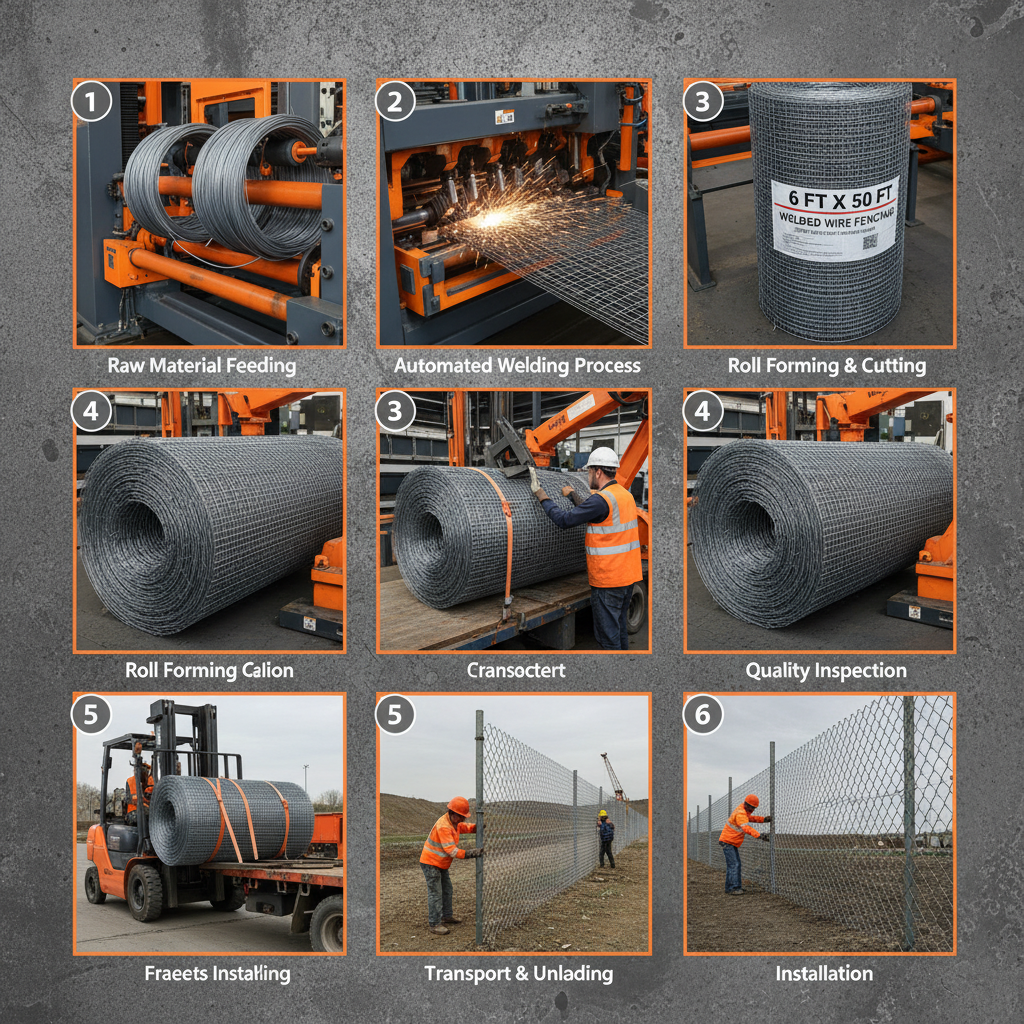 Durable 6 ft x 50 ft welded wire fencing for Security and GardensWhen it comes to securing a perimeter, whether for agricultural use, garden protection, or industrial boundaries, the dimensions and material of your fence matter. The 6 ft x 50 ft welded wire fencing offers an ideal balance of height and length, providing a robust barrier that is easy to install and maintain. Choosing a welded wire system ensures that the intersections are fused together, preventing the shifting and sagging often found in woven alternatives. In this guide, we will explore why this specific size is a preferred choice for property owners and how to maximize its effectiveness for your specific project.Read more >
Apr 09 2026
-
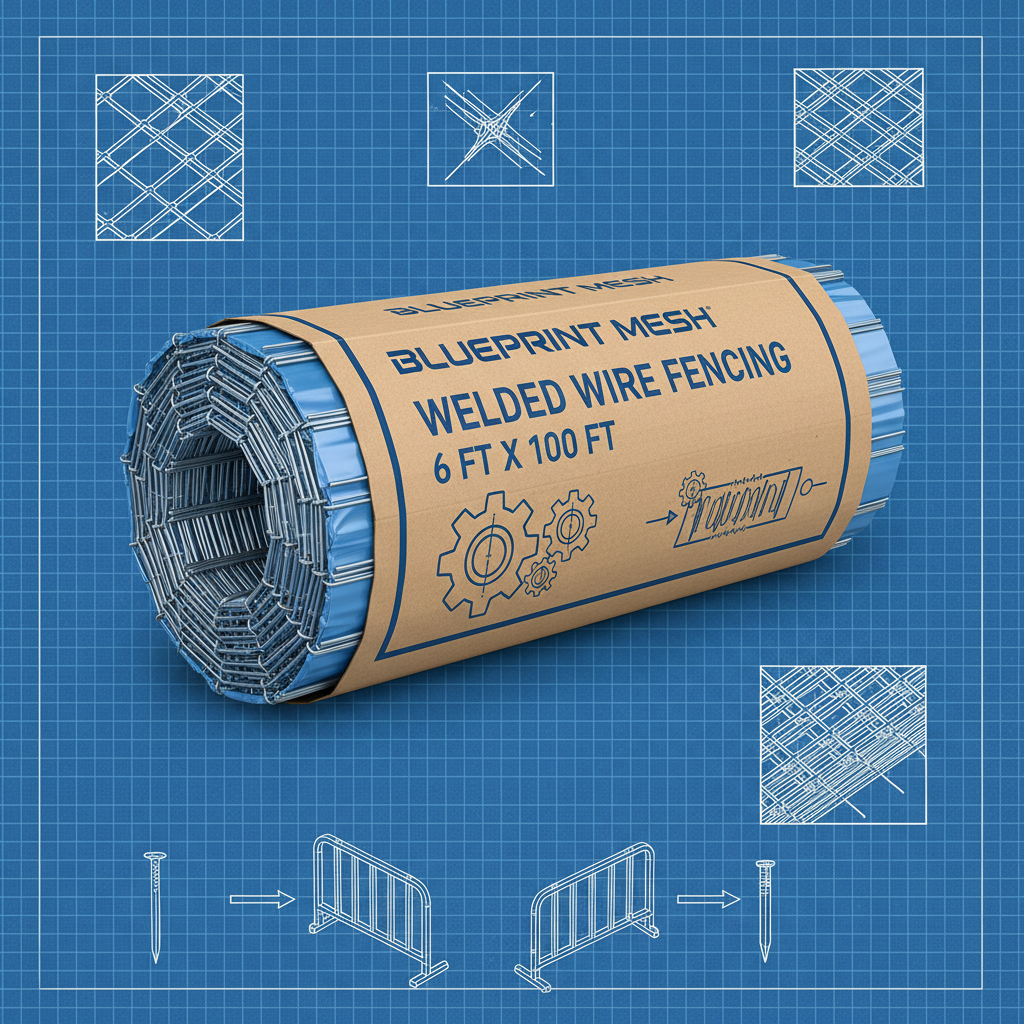 Comprehensive Guide to Choosing the Best 6 ft x 100 ft Welded Wire FencingWelded wire fencing is a versatile and cost-effective solution for a wide range of applications, from agricultural containment to residential security. Understanding the nuances of different types, especially when considering a size like 6 ft x 100 ft welded wire fencing, is crucial for making the right investment. This article will guide you through the essential factors to consider, helping you select the fencing that best suits your specific requirements.Read more >
Apr 07 2026
-
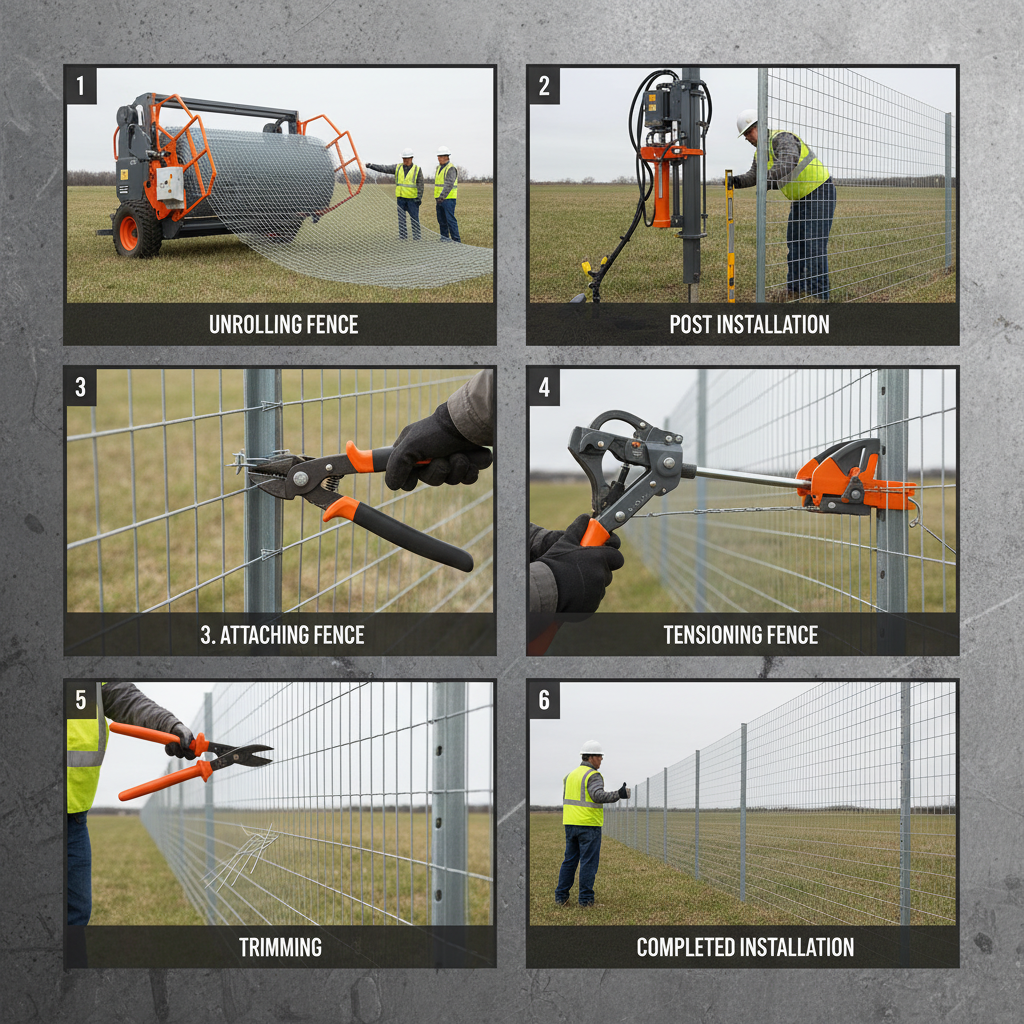 Comprehensive Guide to Choosing a 6 ft x 100 ft 12.5 Gauge Welded Wire FenceSelecting the appropriate fence for your property requires careful consideration. A 6 ft x 100 ft 12.5 gauge welded wire fence offers a robust and versatile solution for a variety of applications, from pet containment to garden protection and security. This guide will explore the benefits, applications, installation tips, and considerations when choosing this type of fencing. Understanding its construction and comparing it to other fencing options will help you make an informed decision.Read more >
Apr 04 2026
-
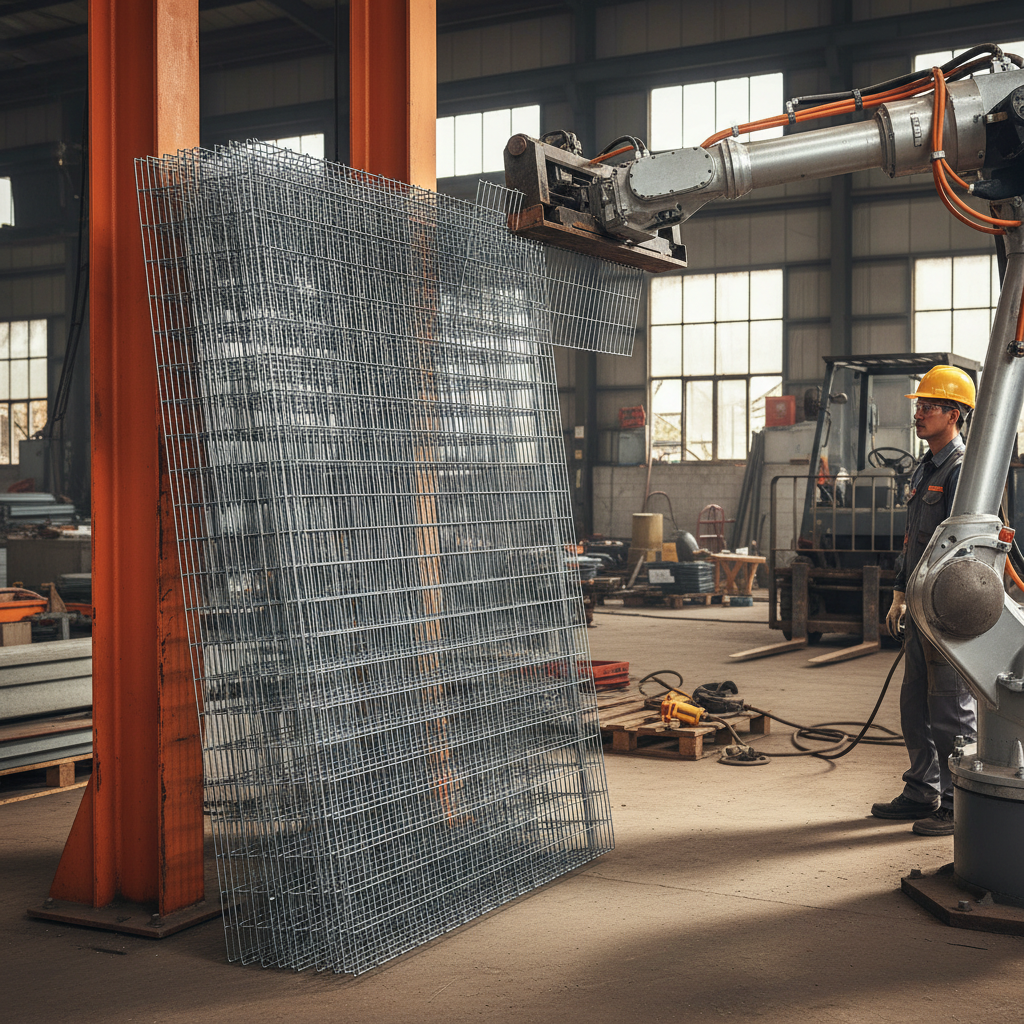 Comprehensive Guide to Durable 6 ft Welded Wire Fencing Panels and ApplicationsWhen selecting fencing for your property, 6 ft welded wire fencing panels offer a robust and versatile solution. These panels combine strength, security, and ease of installation, making them a popular choice for both residential and commercial applications. This article delves into the benefits, applications, installation, and maintenance of these panels, helping you make an informed decision.Read more >
Mar 31 2026