


Durable Mesh Poultry Netting Solutions for Global Farming Needs
Why Mesh Poultry Netting Matters in Today’s World
Mesh poultry netting might not be the first thing that pops into your mind when thinking about agriculture or global food security, but it’s quietly pivotal. Essentially, this specialized netting acts as a frontline defender for poultry farms worldwide—keeping predators out, protecting birds from disease vectors, and enabling sustainable farming practices. The global poultry industry, which according to FAO contributes over 35% of total meat production, relies heavily on efficient containment methods like mesh netting.
Understanding mesh poultry netting helps not only farmers and agricultural engineers but also humanitarian organizations and governments striving to ensure food safety, animal welfare, and economic stability—especially in developing regions.
A Global Look at Mesh Poultry Netting’s Role
It’s worthwhile to zoom out a bit here. Globally, poultry farming is expanding rapidly—driven by rising demand for affordable protein, especially in Asia and Africa. The World Bank estimates the poultry sector will grow by nearly 3% annually over the next decade. This growth faces a key hurdle: biosecurity and physical containment. Enter mesh poultry netting.
Across farms from Europe to smallholdings in East Africa, mesh netting addresses problems like avian flu transmission and predator intrusion (foxes, snakes, hawks—you name it). It’s also critical in disaster-relief scenarios, where temporary pens protect birds displaced by floods or conflicts.
Without such netting, farms risk outbreaks and economic losses; hence, the global demand for multifunctional, durable mesh is only increasing.
What Exactly Is Mesh Poultry Netting?
Plainly put, mesh poultry netting is a woven or welded fabric of wire, nylon, or polyethylene designed to create secure enclosures for poultry and other small livestock. The mesh size, material strength, and coating vary based on application. It’s essentially the “cage” hammered out in 2D—a protective barrier that’s breathable but tough.
In today’s farming landscape, mesh netting symbolizes the fusion of tradition and technology: simple enough to install affordably but engineered to last years in harsh outdoor conditions. Its role extends beyond agriculture too—used in wildlife conservation zones or even urban rooftop farms to shield birds.
Essential Features of Effective Mesh Poultry Netting
Durability
Farmers want netting that resists corrosion, UV degradation, and wear from animals scratching or pecking. Galvanized steel wire and UV-stabilized polyethylene mesh dominate here—lasting 5 to 10 years, depending on climate.
Mesh Size and Hole Shape
Too large, and predators squeeze through—too small, and ventilation suffers. The sweet spot usually ranges from 1/2 inch to 1 inch openings, balancing airflow with security.
Ease of Installation & Scalability
Modular netting rolls and prefabricated panels enable rapid setup or expansion. This flexibility suits small farms scaling up and emergency responders deploying swift protective shelters.
Cost Efficiency
Price-per-square-meter matters, naturally. Yet, many find investing slightly more upfront for longer-lasting, higher-quality mesh pays off over time versus frequent replacements.
Environmental Impact
Some manufacturers now favor recyclable or biodegradable polymers to reduce plastic waste tied to netting—an increasingly relevant factor given global sustainability goals.
Customization
Color coding, UV filters, and reinforced bands reflect growing trends for personalized solutions tuned to local environments or branding needs.
Worldwide Uses of Mesh Poultry Netting
Where don’t you find it? Perhaps a stable question. In Asia, countries like India and Vietnam integrate it extensively in family farms to protect laying hens. In South America, commercial producers in Brazil leverage advanced galvanized wire mesh for massive broiler houses. Meanwhile, NGOs working in East Africa’s drought-prone regions rely on mesh poultry netting to rebuild sustainable livelihoods post-crisis.
A few examples:
- Disaster Relief: After floods in Bangladesh, rapid-deploy mesh pens kept poultry safe from wild animals and disease, restoring food supply chains quickly.
- Urban Farming: Rooftop farms in European cities use fine mesh netting to shield birds from urban wildlife and pollution.
- Conservation Projects: Protected zones in Australia employ mesh fencing to separate endangered birds from invasive predators.
Advantages and Lasting Benefits
The benefits of quality mesh poultry netting unfold across multiple layers:
- Cost Savings: Less bird loss means higher yields and less feed waste.
- Sustainability: Longer-lasting netting reduces material waste and environmental footprint.
- Biosecurity & Safety: Limits exposure to disease vectors, improving animal welfare and public health.
- Social Impact: Enables small-scale farmers and NGOs to create stable income streams and food sources.
It’s also emotional, if you think about it—farmers sleeping easier knowing their flocks are safe, kids living better in regions reliant on poultry for nourishment. It’s simple technology, but profound trust and dignity flow from it.
Looking Ahead: Innovations in Mesh Poultry Netting
New materials and technologies are reshaping what this netting can do. Self-healing polymers are being researched to reduce tears, and embedded sensors might soon monitor flock health or detect breaches automatically. There’s growing interest in biodegradable meshes that degrade harmlessly after use, aligning with global sustainability pushes per ISO standards.
Automation in installation, such as using drones to set up netting in tough terrain, might sound futuristic but is already in pilot stages. Digital marketplaces are enabling farmers worldwide to order specialized mesh netting with custom specs—exactly what you need, when you need it.
Common Challenges & Expert Solutions
Of course, no solution is perfect. Challenges here include:
- Damage from Wildlife: Persistent animals can chew through cheaper meshes.
- Environmental Wear: UV rays and moisture cause degradation over time.
- Cost Barriers: High-quality mesh can be expensive upfront for cash-strapped farmers.
Experts advocate for thoughtful mesh selection tailored to local threats, plus community co-investment schemes to share costs. New hybrid materials combining steel strength with polymer flexibility are making netting harder to damage and longer-lasting. Plus, education on proper installation and maintenance goes a long way.
Product Specification Table
| Specification | Typical Value | Notes |
|---|---|---|
| Material | Galvanized Steel / UV-stabilized Polyethylene | Depends on outdoor exposure |
| Mesh Size | 1/2” to 1” (12-25 mm) | Balance between airflow and security |
| Coating | PVC / Galvanized | Corrosion resistance |
| Roll Length | 50 to 100 meters | For scalable installation |
| UV Resistance | >3000 hours (per ASTM G154) | Longevity under direct sunlight |
Vendor Comparison Table
| Feature | ClassicWireNet | EcoFarm Mesh | CHC Fence |
|---|---|---|---|
| Material Options | Galvanized steel | Recycled polyethylene | Galvanized steel + UV PE |
| UV Resistance | 2500 hrs | 4000 hrs | >3000 hrs |
| Roll Length (m) | 50 | 75 | 50-100 |
| Price Range | $0.80 - $1.20/m² | $1.10 - $1.50/m² | $0.95 - $1.30/m² |
| Customization | Limited | Yes (colors & sizes) | Full Custom |
Frequently Asked Questions About Mesh Poultry Netting
1. What mesh size is best to keep out common predators but allow ventilation?
Generally, a mesh size between 1/2 inch (12 mm) and 1 inch (25 mm) strikes the right balance. Smaller openings prevent small predators and pests but retain good airflow, which is vital for poultry health.
2. How long does typical mesh poultry netting last in outdoor environments?
Durability depends on material and coatings. Galvanized steel mesh often lasts 5 to 10 years outdoors, especially if PVC coated and UV resistant. Polyethylene meshes might vary but usually range similarly when UV-stabilized.
3. Can mesh poultry netting be reused or recycled?
Many types, especially polymer-based meshes, can be recycled, though availability varies. Metal mesh can typically be recycled. Reusing netting is common if it remains undamaged. Choosing recyclable or biodegradable options helps reduce environmental impact.
4. Is mesh poultry netting suitable for emergency or disaster relief use?
Absolutely. Its ease of transport, rapid installation, and effectiveness in protecting flocks make it ideal for emergency shelters, humanitarian projects, and temporary farms in crisis zones.
5. How to choose the right vendor for mesh poultry netting?
Look for quality certifications, durability guarantees, customization options, and supplier reputation. Local availability and after-sales support also matter, especially for international buyers.
Wrapping Up: The Long-Term Value of Mesh Poultry Netting
At first glance, mesh poultry netting might seem like just fencing. But as we've seen, it’s a foundational technology shaping modern poultry farming globally—enhancing productivity, safety, sustainability, and even social well-being. With ongoing innovations and greater global demand, its role won’t just stay stable—it will grow.
If you want to explore high-quality mesh poultry netting options tailored to your needs, consider visiting our website for comprehensive solutions and expert advice.
References
- FAO Statistics, Poultry Production: https://www.fao.org/poultry-production/en/
- World Bank Agriculture Overview: https://www.worldbank.org/en/topic/agriculture/overview
- ISO Environmental Standards: https://www.iso.org/standard/72463.html
Latest News About CHENG CHUANG
-
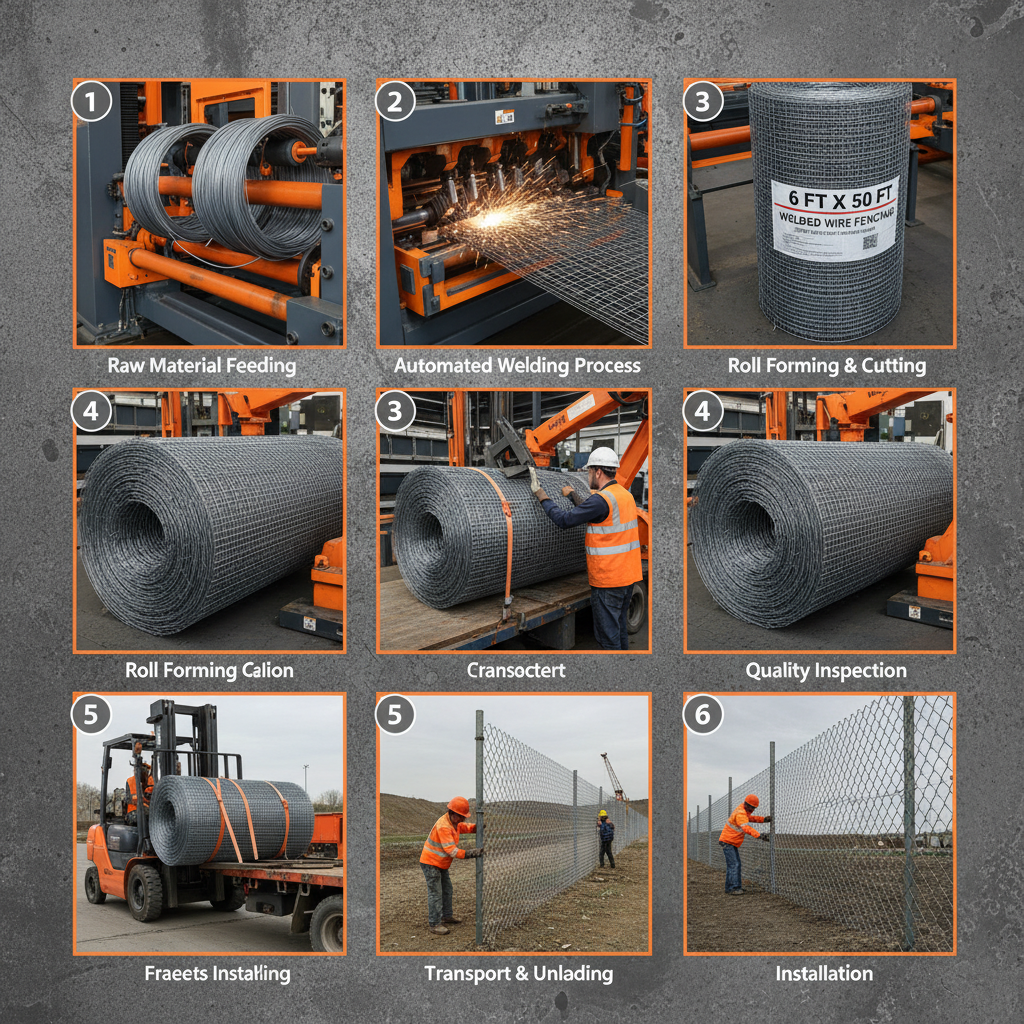 Durable 6 ft x 50 ft welded wire fencing for Security and GardensWhen it comes to securing a perimeter, whether for agricultural use, garden protection, or industrial boundaries, the dimensions and material of your fence matter. The 6 ft x 50 ft welded wire fencing offers an ideal balance of height and length, providing a robust barrier that is easy to install and maintain. Choosing a welded wire system ensures that the intersections are fused together, preventing the shifting and sagging often found in woven alternatives. In this guide, we will explore why this specific size is a preferred choice for property owners and how to maximize its effectiveness for your specific project.Read more >
Apr 09 2026
-
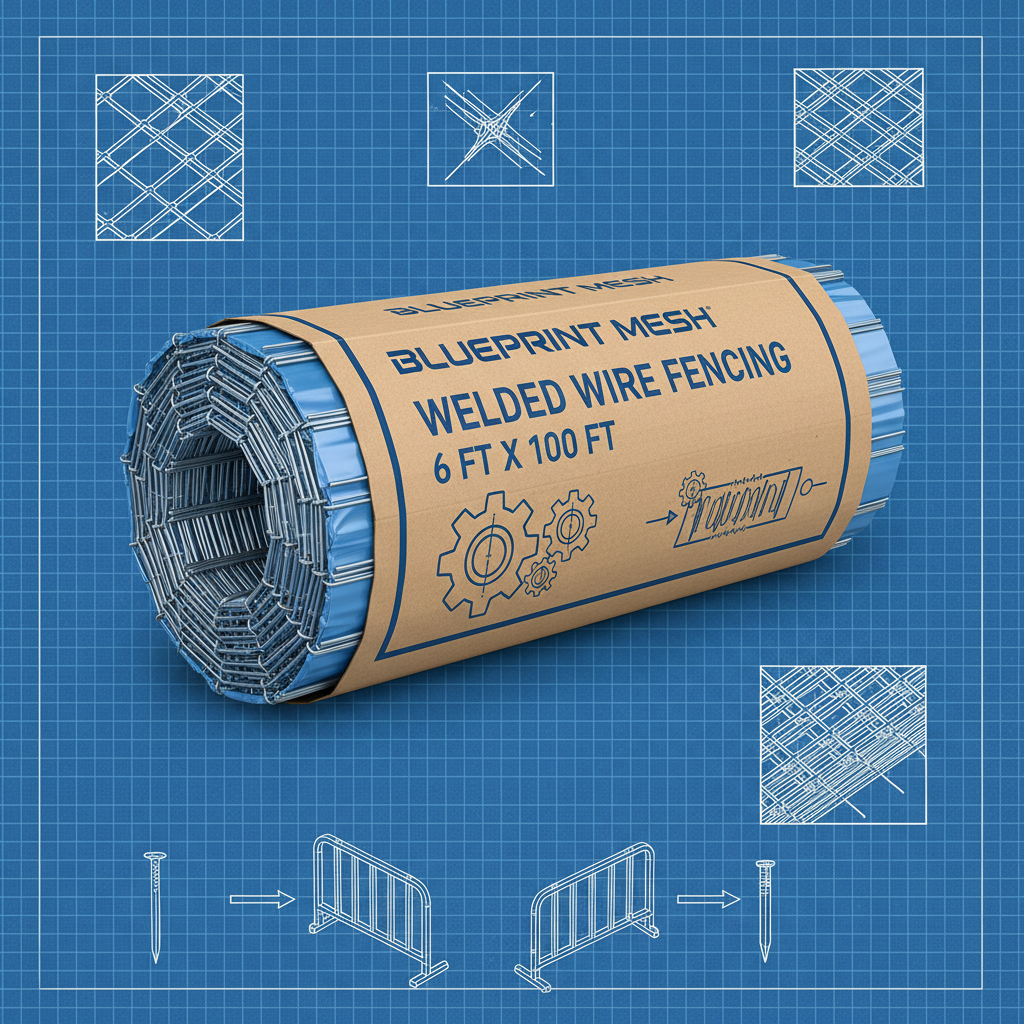 Comprehensive Guide to Choosing the Best 6 ft x 100 ft Welded Wire FencingWelded wire fencing is a versatile and cost-effective solution for a wide range of applications, from agricultural containment to residential security. Understanding the nuances of different types, especially when considering a size like 6 ft x 100 ft welded wire fencing, is crucial for making the right investment. This article will guide you through the essential factors to consider, helping you select the fencing that best suits your specific requirements.Read more >
Apr 07 2026
-
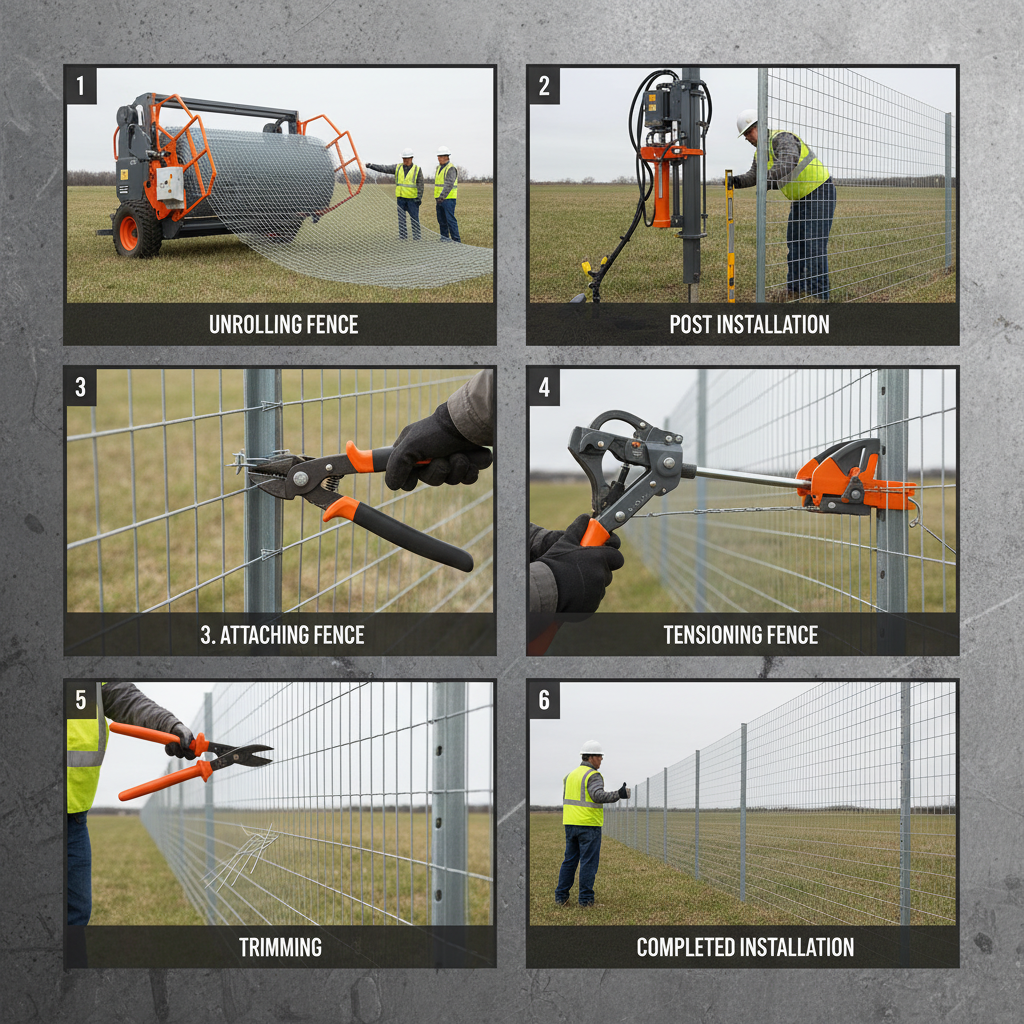 Comprehensive Guide to Choosing a 6 ft x 100 ft 12.5 Gauge Welded Wire FenceSelecting the appropriate fence for your property requires careful consideration. A 6 ft x 100 ft 12.5 gauge welded wire fence offers a robust and versatile solution for a variety of applications, from pet containment to garden protection and security. This guide will explore the benefits, applications, installation tips, and considerations when choosing this type of fencing. Understanding its construction and comparing it to other fencing options will help you make an informed decision.Read more >
Apr 04 2026
-
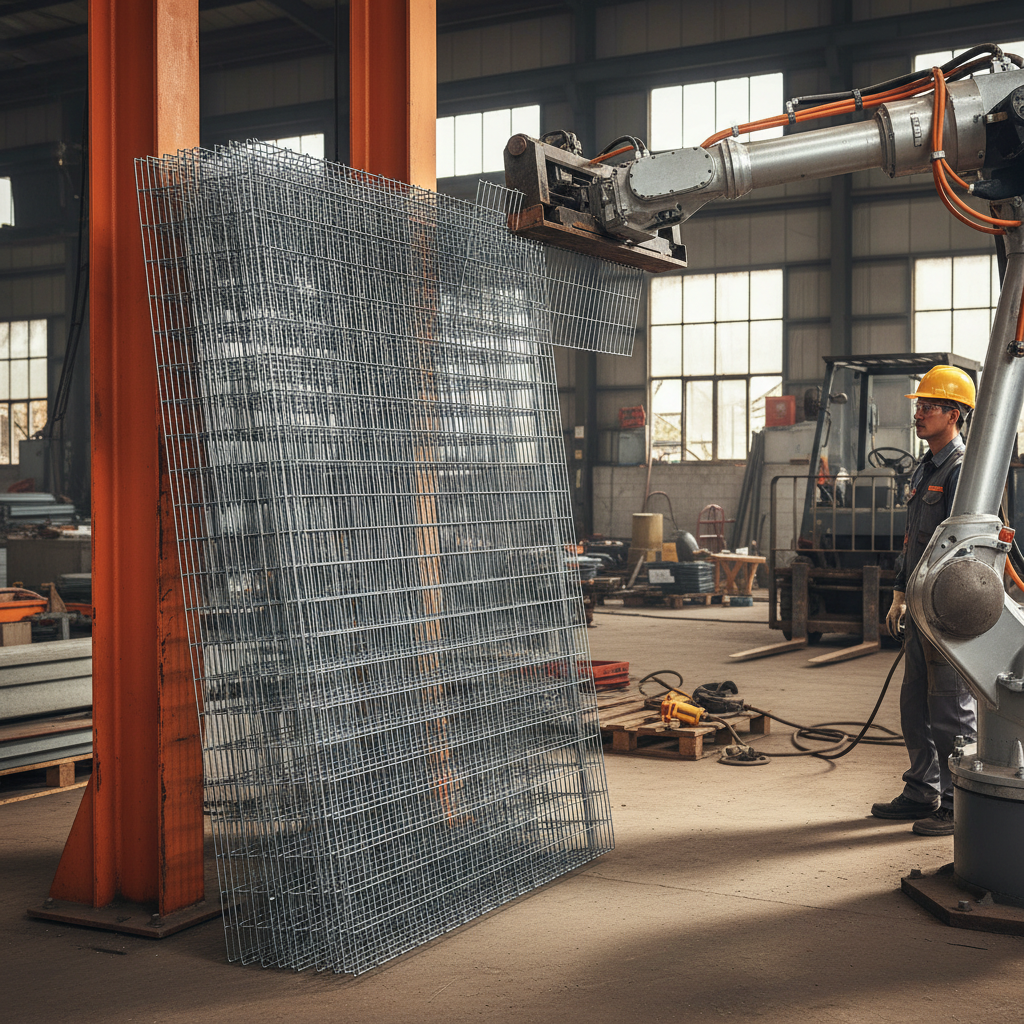 Comprehensive Guide to Durable 6 ft Welded Wire Fencing Panels and ApplicationsWhen selecting fencing for your property, 6 ft welded wire fencing panels offer a robust and versatile solution. These panels combine strength, security, and ease of installation, making them a popular choice for both residential and commercial applications. This article delves into the benefits, applications, installation, and maintenance of these panels, helping you make an informed decision.Read more >
Mar 31 2026
-
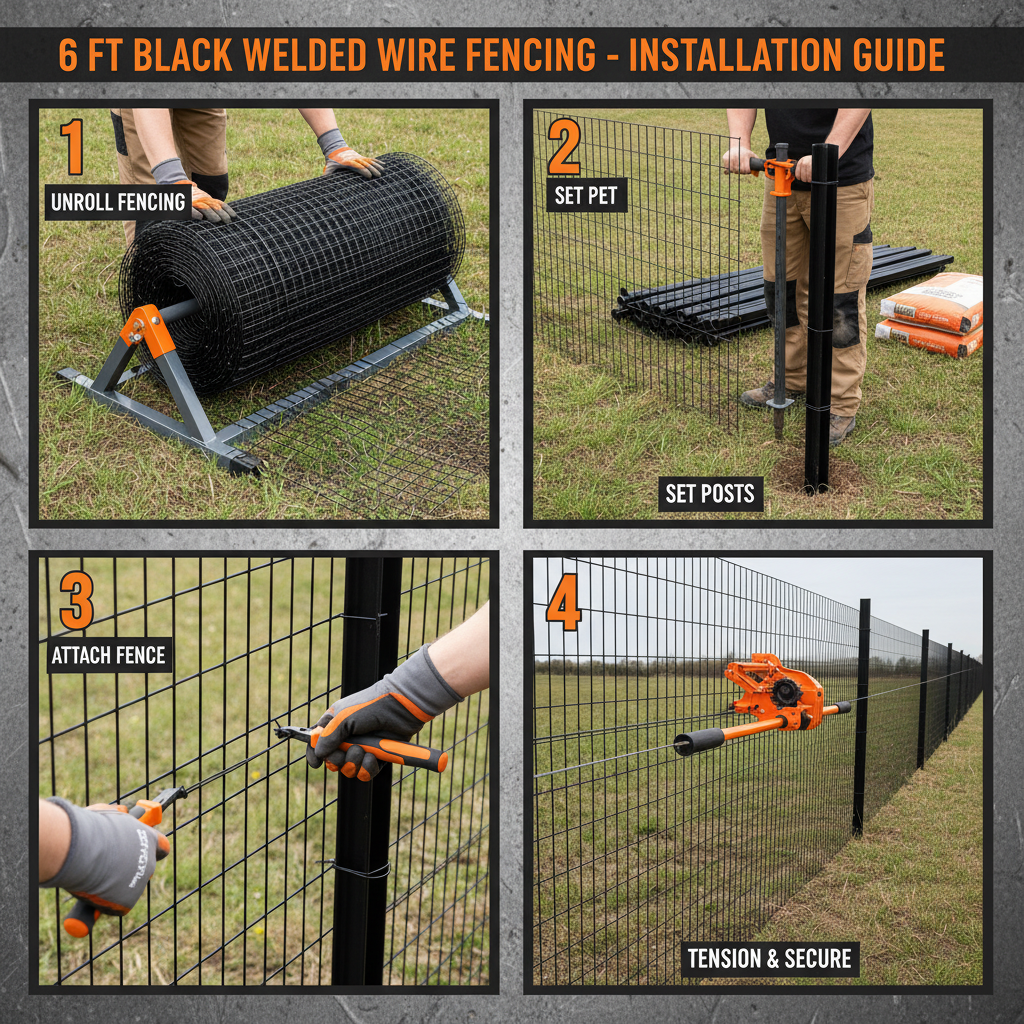 Choosing The Ideal 6 ft Welded Wire Fencing Black For Property SecurityWhen securing your property, selecting the right fencing is crucial. 6 ft welded wire fencing black offers a durable, cost-effective, and aesthetically pleasing solution for a variety of applications. This article will guide you through understanding the benefits, applications, installation considerations, and choosing the best black welded wire fence for your needs. Properly installed fencing adds security, defines boundaries, and enhances the overall appearance of your property. We'll delve into everything you need to know to make an informed decision.Read more >
Mar 28 2026