


Durable & Sustainable Mesh Steel Fence Solutions | Global Use & Benefits
What is a Mesh Steel Fence and Why Should You Care?
Briefly put, a mesh steel fence is a type of fencing structure made from interlinked steel wires creating a grid or mesh pattern. While it may sound straightforward, this fencing solution addresses key challenges faced worldwide — from securing critical infrastructure to supporting humanitarian projects like refugee camps or disaster relief zones. Understanding these fences isn’t just for engineers or construction pros; it’s for anyone interested in safer communities, more resilient supply chains, or sustainable industrial growth.
Globally, security and containment needs are growing, whether it's for industrial sites, agricultural zones, or urban boundaries. Mesh steel fences offer a cost-effective, durable, and adaptable solution. If you imagine a world where boundaries are clear yet environmentally respectful, mesh fencing plays a surprisingly big role.
Mini takeaway: Mesh steel fences combine practicality, safety, and adaptability, making them vital in both developed and emerging economies.
Why Mesh Steel Fence Matters on the Global Stage
When you look beyond your local neighborhood, a mesh steel fence starts making sense as part of a much bigger picture. The UN reports that urban populations are expanding rapidly — by 2050, nearly 70% of the world’s people will live in cities. This boom necessitates efficient, economical ways to secure infrastructure and divide spaces clearly without sacrificing too much land or resources.
According to the International Organization for Standardization (ISO), many mesh steel fencing standards now incorporate sustainability and manufacturing quality to ensure long life cycles and recyclability. And with increasing threats ranging from theft in remote mining operations to wildlife poaching in conservation zones, the demand for reliable fencing solutions grows.
But it’s not just industry: humanitarian NGOs faced with refugee crises often turn to fast-deployable mesh steel fences for safe, dignified camp setups. Their benefits are wide-ranging — affordability, rapid setup, and reusability. Yet, challenges remain in providing fencing that withstands harsh weather, third-party damage, and even political constraints.
Mini takeaway: Mesh steel fences answer a very real global push toward sustainable, secure, and scalable boundary solutions across sectors.
Defining Mesh Steel Fence in Simple Terms
At its heart, a mesh steel fence is exactly what it sounds like: a barrier constructed from steel wires arranged in a woven or welded mesh pattern. This design creates a strong yet visually ‘open’ barrier. It balances security with visibility — a key advantage over solid walls. Steel offers high tensile strength, making it resistant to force and weather alike.
These fences are connected to modern industry needs, such as industrial compounds, prisons, transit hubs, and agricultural enclosures. On the humanitarian side, they provide secure perimeters around camps, hospitals, and relief supply chain nodes, often linked with rapid modular shelter systems.
Mini takeaway: Mesh steel fences are straightforward but blend strength, visibility, and adaptability for a range of practical uses.
Key Characteristics That Make Mesh Steel Fence Stand Out
Durability
Steel's resistance to corrosion (especially when galvanized or powder coated) means these fences last decades with minimal maintenance, tackling even salty coastal climates or extreme desert heat.
Scalability & Customization
Mesh panels come in various heights, thicknesses, and mesh patterns. That means you can tailor a fence for low-rise gardens or towering perimeters, large or small industrial yards, or temporary setups that get relocated.
Cost Efficiency
Compared to concrete walls or wooden planks, mesh steel fences provide a great price-to-performance ratio. They also require less labor time — an important factor in urgent deployment situations such as disaster relief.
Security & Visibility
They prevent unauthorized access while still allowing surveillance cameras and guards to monitor easily, which can prevent incidents rather than just react to them.
Environmentally Friendly Traits
Many manufacturers now emphasize recyclable materials and finishings, helping reduce environmental footprint. Steel fences are often 100% recyclable, aligning with ISO sustainability guidelines.
Ease of Installation & Maintenance
Quick assembly with pre-formed panels is vital for many clients, especially NGOs and fast-changing industrial projects. Minimal maintenance also reduces long-term operating costs.
| Feature | Range/Value | Notes |
|---|---|---|
| Material Thickness | 2 mm – 5 mm | Thicker for high security applications |
| Mesh Size | 50 mm x 50 mm to 100 mm x 100 mm | Smaller mesh for higher security |
| Height | 1.2 m to 3 m | Custom panels available |
| Finish | Hot-dip galvanized, powder coating | Corrosion protection |
| Panel Width | 2 m to 3 m | Standard modular widths |
| Installation Type | Bolt-down or post-mounted | Versatile mounting options |
Mini takeaway: Mesh steel fences offer a wide variety of specifications suiting everything from simple garden fences to high-security industrial barriers.
Global Uses & Real-World Applications
From sprawling urban centers to remote mining sites, mesh steel fences have found their place worldwide. For instance, in Europe, these fences are common along rail lines and airports due to strict standards and easy surveillance. The UNHCR also often uses fences around refugee camps in the Middle East and Africa, balancing safety and dignity for displaced people.
In Asia’s industrial zones, rapid urbanization and factory expansion demand quick, reliable fencing to protect assets. Similarly, in Australia and Canada, wildlife preserves use mesh steel fences with specific mesh sizes designed to keep out predators while allowing native species free movement.
Oddly enough, some smart-city projects in the US integrate mesh fences equipped with sensors that detect tampering or environmental changes — making the fence “talk” to security systems in real time.
Mini takeaway: Mesh steel fences are incredibly versatile—whether securing industry, protecting ecosystems, or helping humanitarian efforts.
Advantages & The Long Game
When you think of cost, durability, and social impact all together, mesh steel fencing checks quite a few boxes. It’s affordable, lasts a long time (often 20+ years), and helps foster trust — literally by putting a secure but transparent boundary in place.
Not to forget, these fences also send a message of innovation and progress. They’re not just iron grids; they’re about creating safe spaces, enabling economic development, and protecting human dignity.
Beyond the logical benefits, there’s something emotional too: security breeds peace of mind, something increasingly precious in our complex world.
Mini takeaway: A mesh steel fence is a long-term ally in security, sustainability, and social responsibility.
Looking Ahead: Innovations & Emerging Trends
Future-ready mesh steel fences are getting smarter. Think integrated IoT sensors that monitor perimeter breaches or structural integrity, hybrid fences with solar-powered lighting, or coatings made from bio-based composites.
Another trend is increased attention to sustainability — manufacturers adopting zero-waste production and circular economy strategies, all aligned with ISO’s environmental standards. Digital tools also simplify customization and ordering, helping users find the right fence faster.
Automation in assembly and robotic welding techniques make the fences not just stronger but also cheaper and faster to produce, helping keep pace with global demand.
Mini takeaway: The mesh steel fence isn’t static: innovations continue making them greener, smarter, and more user-friendly.
Common Challenges and How to Overcome Them
It’s not all rosy. A mesh steel fence can face corrosion if poorly coated, damage from heavy impact, or theft of panels and hardware. Installation errors also weaken security.
Yet, experts suggest choosing pre-treated panels, using tamper-proof fasteners, and scheduling regular inspections can mitigate these issues. Some projects combine fences with video surveillance and alarm systems for multi-layered security.
Lastly, cost remains a factor in less developed regions. Here, NGOs and governments collaborate on subsidized purchases or recycled material fencing to keep expenses manageable.
Mini takeaway: With thorough planning, the usual pitfalls of mesh steel fencing can be effectively managed or prevented.
| Vendor | Product Range | Customization Options | Lead Time | Price Range (USD) |
|---|---|---|---|---|
| SteelMesh Pro | Industrial & Security Grade | High (Custom heights, coatings) | 2-4 weeks | $$$ |
| EcoFence International | Sustainable, Recycled Materials | Medium (Standard panels & colors) | 3-6 weeks | $$ |
| RapidFence Solutions | Temporary & Modular Mesh Fencing | High (Mobile, reconfigurable) | 1-2 weeks | $ |
Frequently Asked Questions About Mesh Steel Fence
1. How long does a typical mesh steel fence last outdoors?
When properly coated with galvanization or powder coating, a mesh steel fence can last 20 to 30 years even in harsh environments. Maintenance like occasional cleaning and inspections will further extend lifespan.
2. Can mesh steel fences be customized for high-security needs?
Absolutely. By reducing mesh size, increasing wire thickness, and adding deterrents like barbed wire or anti-climb features, mesh steel fencing adapts well for prisons, airports, and sensitive industrial zones.
3. Are mesh steel fences environmentally sustainable?
Yes. Steel is one of the most recycled materials worldwide. Further, many manufacturers comply with ISO environmental standards, using recycled steel and eco-friendly coatings.
4. How quickly can mesh steel fences be installed for emergency projects?
Modular panel designs enable faster installation. Some setups can be completed within days, which is why NGOs rely on mesh fences for emergency shelters and supply chain protection.
5. Can I order mesh steel fences internationally?
Yes, most reputable vendors offer shipping worldwide. Import duties and lead times vary, so it’s wise to check vendor terms. Many companies assist NGOs with logistics to streamline international delivery.
Final Thoughts & Next Steps
When you think about it, mesh steel fences aren’t just metal grids stuck in the ground. They’re part of a larger story about security, sustainability, and practical innovation. Whether it’s protecting industries, wildlife, or vulnerable populations, these fences form an indispensable line of defense — adaptable, durable, and smarter than ever.
Curious to explore your options or understand how mesh steel fences could fit your project? Visit our website mesh steel fence to find tailored solutions and expert advice.
Mini takeaway: Mesh steel fencing is a future-facing solution that blends strength with strategy — worth considering wherever you need boundaries that do more.
References
Latest News About CHENG CHUANG
-
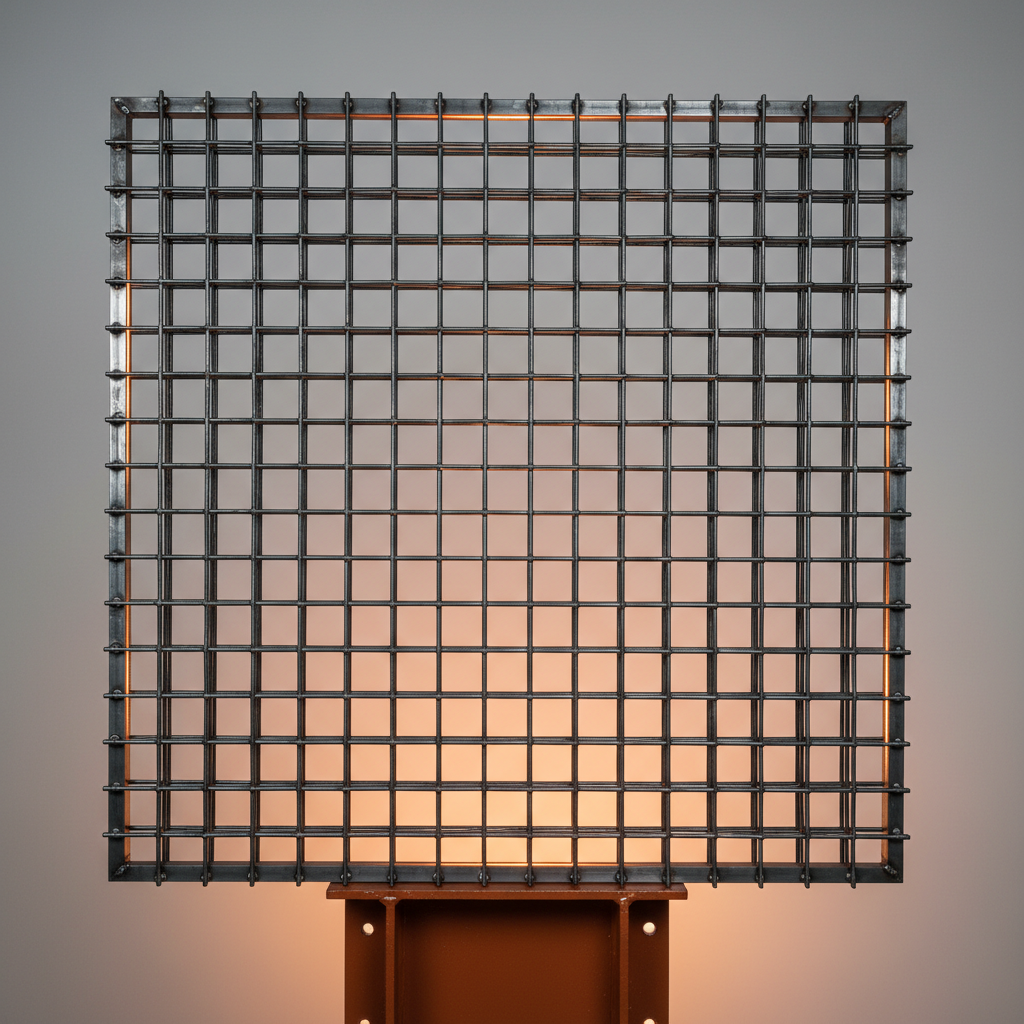 Heavy Duty 6 gauge welded wire mesh for Security and StrengthWhen it comes to heavy-duty containment, security, and structural reinforcement, choosing the right material is critical. The 6 gauge welded wire mesh stands as a premier choice for those requiring a balance of extreme rigidity and precise spacing. Whether you are securing a commercial perimeter, building industrial livestock panels, or creating reinforced concrete structures, this specific thickness provides the structural integrity needed to withstand significant pressure and impact. In this comprehensive guide, we will explore the technical specifications, primary applications, and why this mesh is the gold standard for high-security fencing solutions.Read more >
Apr 16 2026
-
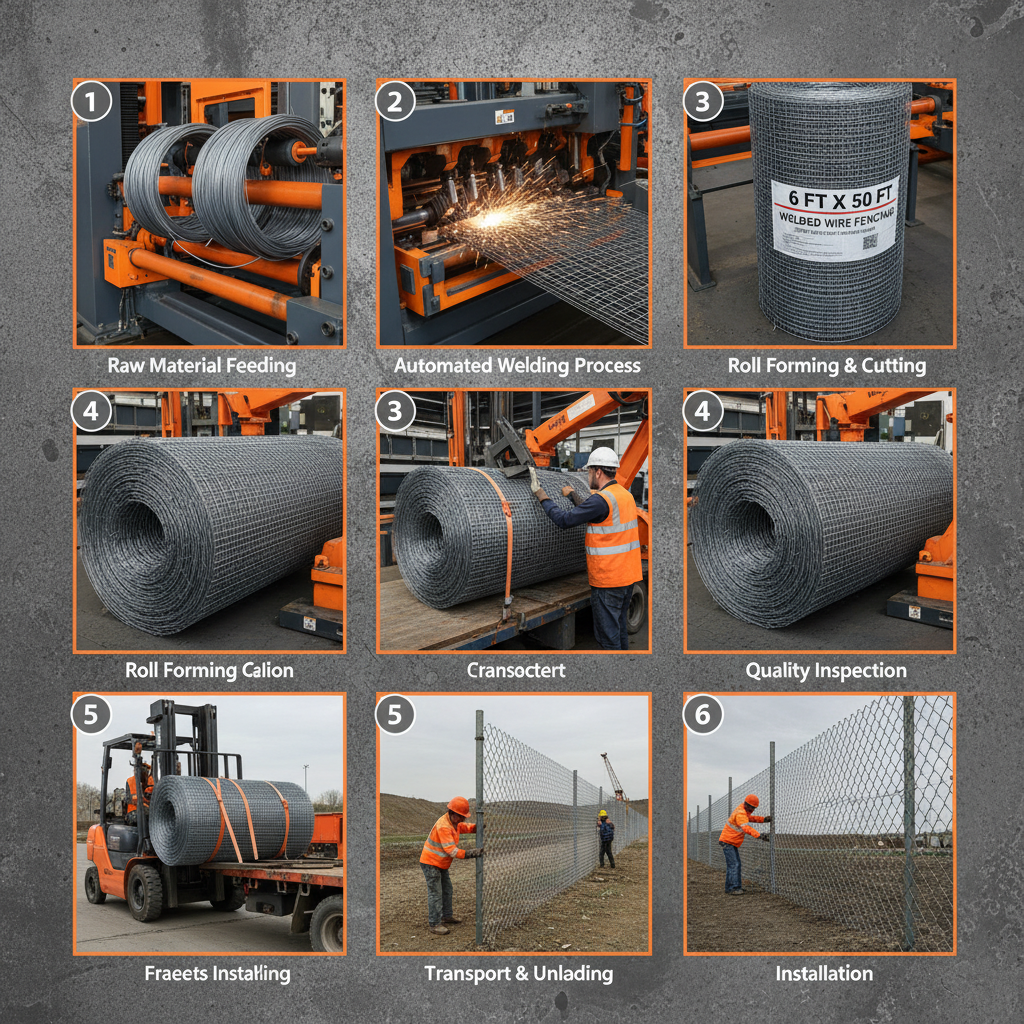 Durable 6 ft x 50 ft welded wire fencing for Security and GardensWhen it comes to securing a perimeter, whether for agricultural use, garden protection, or industrial boundaries, the dimensions and material of your fence matter. The 6 ft x 50 ft welded wire fencing offers an ideal balance of height and length, providing a robust barrier that is easy to install and maintain. Choosing a welded wire system ensures that the intersections are fused together, preventing the shifting and sagging often found in woven alternatives. In this guide, we will explore why this specific size is a preferred choice for property owners and how to maximize its effectiveness for your specific project.Read more >
Apr 09 2026
-
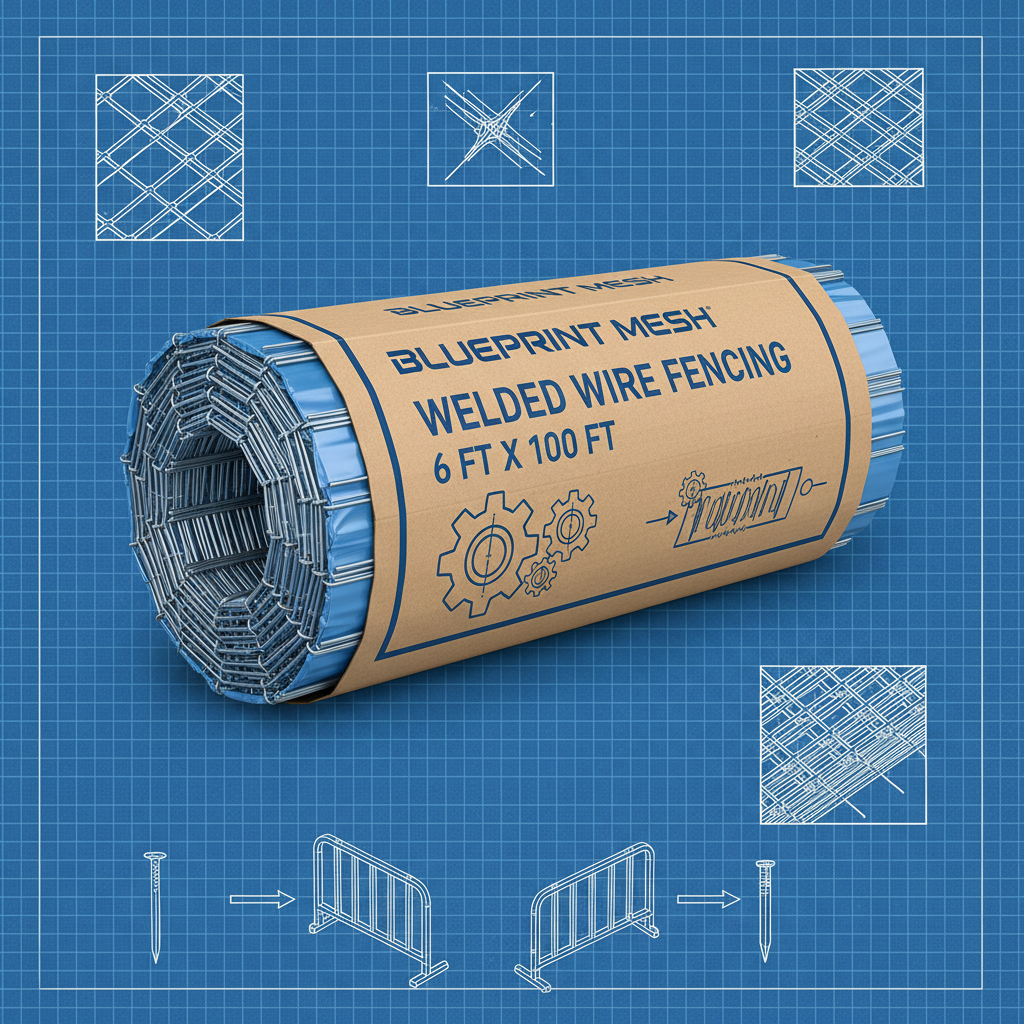 Comprehensive Guide to Choosing the Best 6 ft x 100 ft Welded Wire FencingWelded wire fencing is a versatile and cost-effective solution for a wide range of applications, from agricultural containment to residential security. Understanding the nuances of different types, especially when considering a size like 6 ft x 100 ft welded wire fencing, is crucial for making the right investment. This article will guide you through the essential factors to consider, helping you select the fencing that best suits your specific requirements.Read more >
Apr 07 2026
-
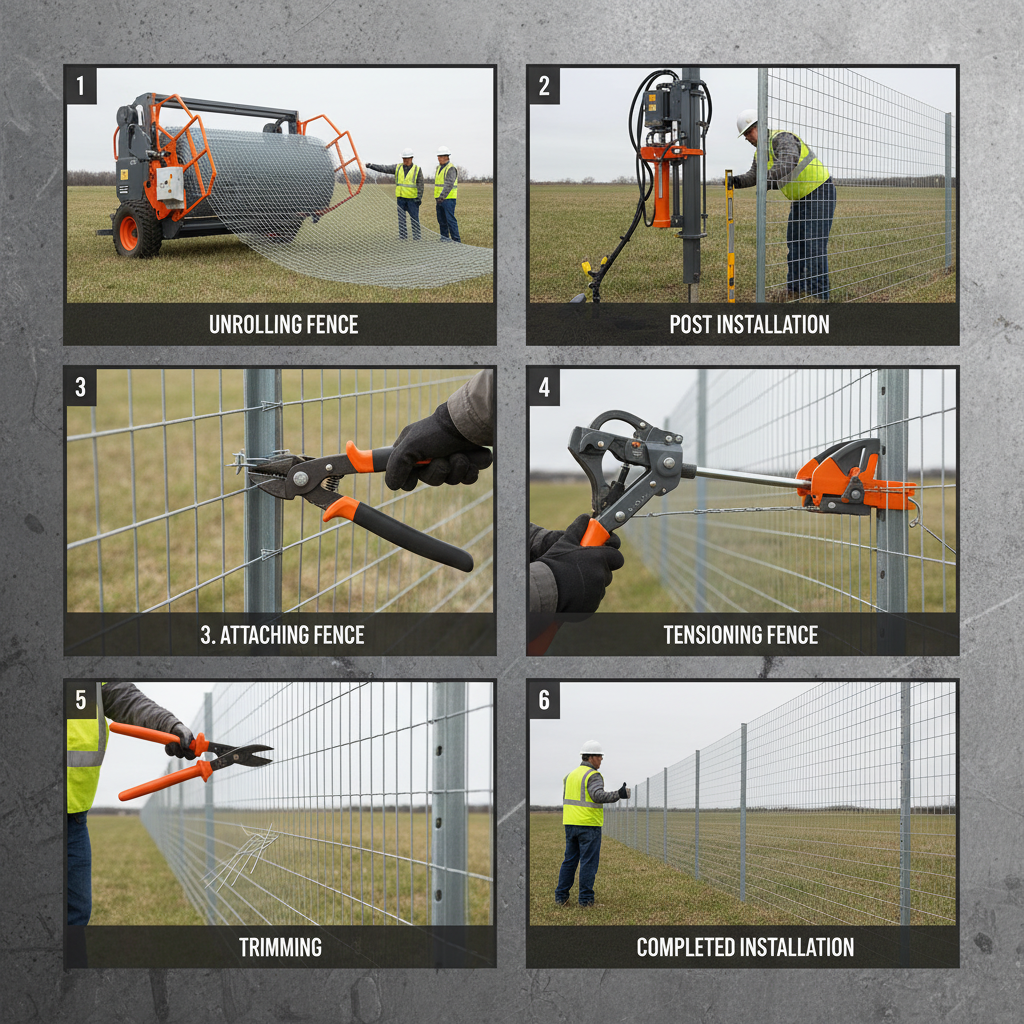 Comprehensive Guide to Choosing a 6 ft x 100 ft 12.5 Gauge Welded Wire FenceSelecting the appropriate fence for your property requires careful consideration. A 6 ft x 100 ft 12.5 gauge welded wire fence offers a robust and versatile solution for a variety of applications, from pet containment to garden protection and security. This guide will explore the benefits, applications, installation tips, and considerations when choosing this type of fencing. Understanding its construction and comparing it to other fencing options will help you make an informed decision.Read more >
Apr 04 2026
-
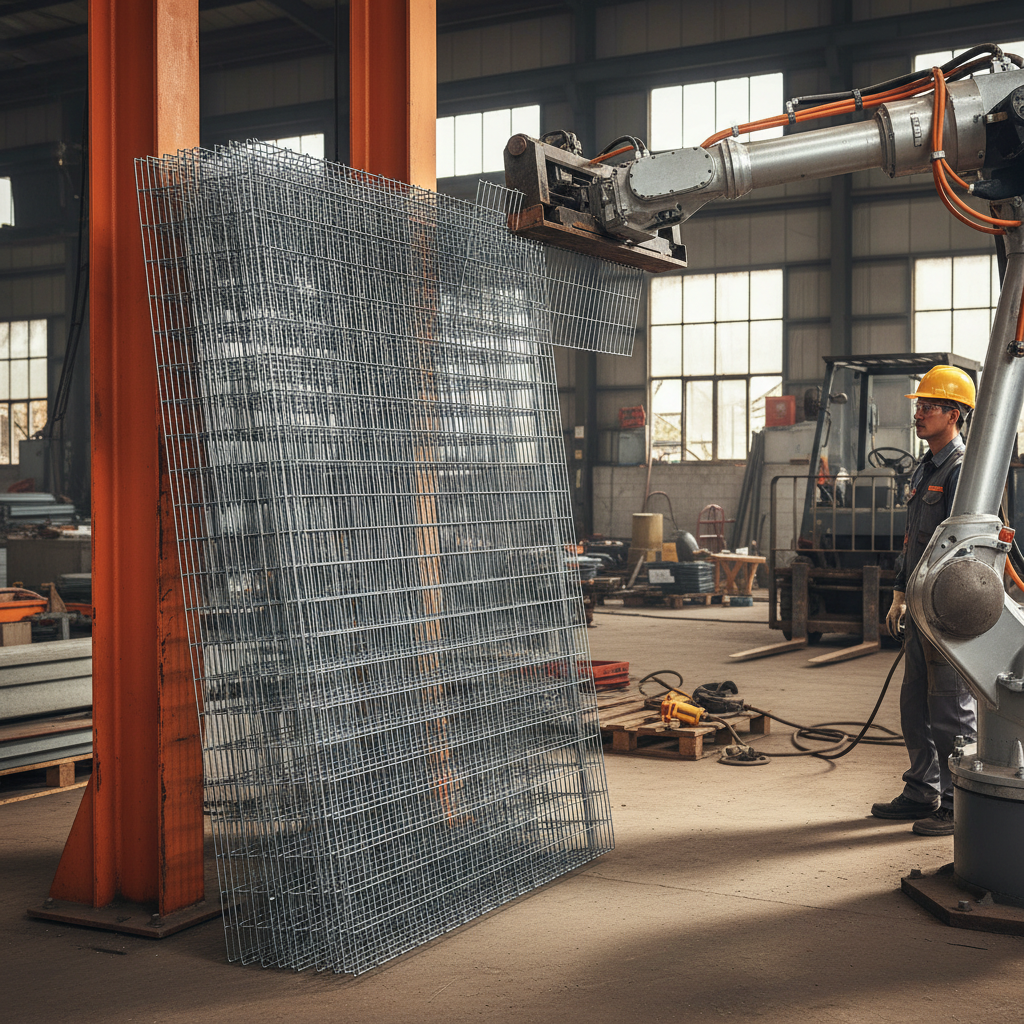 Comprehensive Guide to Durable 6 ft Welded Wire Fencing Panels and ApplicationsWhen selecting fencing for your property, 6 ft welded wire fencing panels offer a robust and versatile solution. These panels combine strength, security, and ease of installation, making them a popular choice for both residential and commercial applications. This article delves into the benefits, applications, installation, and maintenance of these panels, helping you make an informed decision.Read more >
Mar 31 2026