


Durable Metal Hardware Cloth for Industrial & Humanitarian Use | Chch Fence
Metal Hardware Cloth: An Unsung Hero of Modern Industry and Security
When you think of essential building materials, metal hardware cloth isn’t usually the flashy star of the show. Yet, it’s one of those quiet workhorses that keeps industries, communities, and infrastructure secure around the globe. Understanding metal hardware cloth — essentially a woven or welded wire mesh — and its many versatile applications can be a game changer. Why? Because it strikes a rare balance between durability, affordability, and adaptability. In an era where safety and sustainability often work hand-in-hand, this material quietly underpins a surprising number of challenges we face today.
Why Metal Hardware Cloth Matters on a Global Scale
Here's a quick reality check: the global demand for effective fencing and protective mesh solutions is rising steadily — by roughly 5% annually, according to industry reports from the International Organization for Standardization (ISO). Whether it's securing agricultural lands, protecting vulnerable urban spaces, or supporting humanitarian relief efforts, metal hardware cloth enables a wide range of operations. For instance, the United Nations has highlighted the role of durable fencing in protecting displaced populations and securing supply chains in conflict zones. Yet, securing borders or fragile ecosystems isn’t just about physical barriers — it’s about trust in materials that last and perform.
Challenges in these scenarios revolve around providing fencing solutions that don’t just break, rust, or fail inconveniently. Metal hardware cloth steps in with a practical, scalable answer that fits both high-tech industries and remote, resource-tight communities.
So, What Exactly is Metal Hardware Cloth?
Simply put, metal hardware cloth is a mesh material made by weaving or welding thin metal wires into a grid. Usually fabricated from galvanized steel, stainless steel, or sometimes aluminum, it’s designed to provide a tough barrier against intrusion, pests, or environmental impact. Unlike chain link fencing or plastic netting, metal hardware cloth offers a fine mesh with small openings that still allow air and light to pass—but effectively keep unwelcome visitors out.
Its connection to modern industry is profound—from construction sites needing temporary safety barriers, to industrial filtration systems, to agricultural projects securing crops and controlling pests. Humanitarian efforts use it too; think fencing for community centers, outdoor shelters, or even animal enclosures to support livelihoods in times of crisis.
Takeaway:
- Metal hardware cloth is tough, reliable, and extremely versatile.
- Its use spans from industrial applications to emergency relief efforts worldwide.
The Core Components That Make Metal Hardware Cloth Work
Durability and Corrosion Resistance
The backbone of any hardware cloth is its corrosion resistance. A lot of this relies on galvanization — coating steel wires with zinc to ward off rust. Stainless steel variations go even further in salty or high-moisture environments. For engineers working in coastal or humid zones, this is critical because premature rust disrupts both security and longevity.
Mesh Size and Wire Gauge
The wire diameter and the dimensions of each mesh opening are tailored to diverse needs. Agricultural use often calls for small openings to deter tiny pests, while industrial projects might require larger grids for visibility or ventilation. Generally, gauges range anywhere from 19 (thicker wires) to 35 (extremely fine), affecting strength and flexibility.
Ease of Installation
Frankly, something often overlooked but many professionals appreciate is how quickly and easily this cloth can be cut, shaped, and affixed. Not only does it speed up building schedules, but it also reduces labor costs. For NGOs deploying fencing in remote disaster zones, this is a genuine advantage.
Scalability and Customization
From mini fences inside industrial plants to large-scale perimeters around sensitive sites, metal hardware cloth scales well. Manufacturers usually offer customizable rolls, panel sizes, and even coatings to match specific project demands.
Affordability Versus Performance
While not the cheapest fencing option out there, metal hardware cloth balances initial cost with lifespan, cutting down on replacement and maintenance expenses. This balance is why many architects and planners specify it despite other alternatives.
Mini Takeaway:
- Durability and corrosion resistance are paramount, especially in harsh environments.
- Different mesh sizes and wire gauges cater to varied applications.
- Installation ease and scalability make it a go-to for both industrial and humanitarian use.
Global Applications & Use Cases of Metal Hardware Cloth
Metal hardware cloth’s usage reads like a world tour of practical solutions. In North America and Europe, it’s popular for everything from poultry farming to home security screens. In Africa and Asia, NGOs utilize it to create durable fencing for refugee camps or community gardens. Oddly enough, some remote industrial mining sites in Australia lean on it to cage equipment or wrap ventilation ducts safely.
In post-disaster relief operations — say after hurricanes or earthquakes — fencing made from metal hardware cloth restores security quickly, keeping unauthorized access to aid supplies and shelters out. It’s lightweight and transportable, unlike bulky concrete or steel panels, meaning relief teams can deploy it rapidly under tough logistics conditions.
| Specification | Details |
|---|---|
| Materials | Galvanized steel, Stainless steel, Aluminum |
| Mesh Sizes | From 1/8 inch to 1 inch openings |
| Wire Gauge | 19 to 35 gauge |
| Coatings | Zinc galvanization, PVC, Powder coated |
| Roll Lengths | 10 ft to 100 ft rolls |
| Environmental Suitability | Outdoor/Indoor, Coastal, High humidity |
Many engineers say it's a smart way to get reliable fencing without overspending or compromising protective features.
Advantages & Long-Term Value of Metal Hardware Cloth
One of metal hardware cloth’s biggest selling points is the clear return on investment. Its lifespan—if properly coated and maintained—can stretch easily beyond 15 years, withstanding weather and wear better than many synthetic alternatives. This improves sustainability by reducing waste tied to frequent replacements. Plus, it upholds safety and dignity in communities that rely on it for privacy, security, or animal husbandry.
Emotionally, this mesh conveys trust. Especially in humanitarian contexts, people need to feel protected—whether from wildlife, unauthorized entry, or environmental hazards. Metal hardware cloth doesn't just block gaps; it supports peace of mind.
From a logical perspective, the material’s cost efficiency, minimal maintenance, and adaptability make it invaluable across sectors.
Looking Toward the Future: Trends in Metal Hardware Cloth
Honestly, the evolution here is quietly impressive. New alloys and polymer coatings are increasing lifespan and flexibility, while embedded sensors and RFID tags are starting to be explored for asset tracking or security monitoring in sensitive sites. Some manufacturers experiment with greener production methods, using recycled steel or reducing chemical usage in galvanization.
Plus, automation in manufacturing means more precision, fewer defects, and better customization at scale. As digital transformations sweep industries, I wouldn’t be surprised to see “smart fencing” concepts integrating metal hardware cloth, mesh sensors, and data systems merging soon.
Challenges & Expert Solutions
Yet it’s not all sunshine. Issues with installation in uneven terrain, susceptibility to heavy impact damage, and the sometimes higher upfront cost compared to plastic alternatives remain challenges.
Experts recommend using modular panel systems for tricky landscapes and investing in higher-grade coatings where impact or corrosion risk is elevated. Some organizations also pair hardware cloth with complementary materials for enhanced longevity.
Vendor Comparison Table
| Vendor | Product Range | Pricing | Custom Options | Lead Times |
|---|---|---|---|---|
| Chch Fence Co. | Galvanized & Stainless Steel Mesh | Mid-range | Custom mesh sizes & coatings | 2-4 weeks |
| WireMesh Inc. | Heavy-duty & PVC Coated Mesh | Higher-end | Limited custom orders | 4-6 weeks |
| EcoMesh Solutions | Recycled Steel Mesh | Budget-friendly | Standard sizes only | 1-3 weeks |
FAQ: Common Questions About Metal Hardware Cloth
Q1: Is metal hardware cloth suitable for outdoor security fencing in coastal areas?
A1: Absolutely. Using galvanized or stainless steel versions ensures resistance to rust and corrosion caused by salty air. Specific coatings like PVC add extra protection, making it ideal for coastal security fencing.
Q2: Can metal hardware cloth be customized for unique project needs?
A2: Yes, many manufacturers offer custom mesh sizes, wire gauges, and coating options. This flexibility makes it adaptable to agricultural, industrial, or even architectural applications.
Q3: How long does metal hardware cloth typically last?
A3: With proper maintenance and quality coatings, it can last 15 to 20 years or more outdoors. Environmental factors affect longevity, so choosing the right material grade is crucial.
Q4: Is it easy to install metal hardware cloth for DIY projects?
A4: Generally, yes. It can be cut with wire cutters and attached using staples, ties, or clamps. However, for large projects or specialized installations, professional setup is recommended for safety and stability.
Q5: Where can I find reliable suppliers for metal hardware cloth?
A5: Trusted vendors like Chch Fence Co. offer a wide range of products with customization and reasonable lead times. Comparing options based on your needs is always wise.
Conclusion: Why Metal Hardware Cloth Is Worth Considering
In the grand scheme of building secure, sustainable, and cost-effective infrastructure, metal hardware cloth plays a surprisingly vital role. Whether protecting crops, securing urban zones, or supporting global humanitarian missions, it balances toughness with versatility in a way few materials do. The long-term savings, environmental benefits, and ease of use make it worth your time when planning fencing or security projects.
Curious to learn more or ready to upgrade your fencing game? Visit our website: https://www.chchfence.com — the right metal hardware cloth for your needs might just be a few clicks away.
References
Latest News About CHENG CHUANG
-
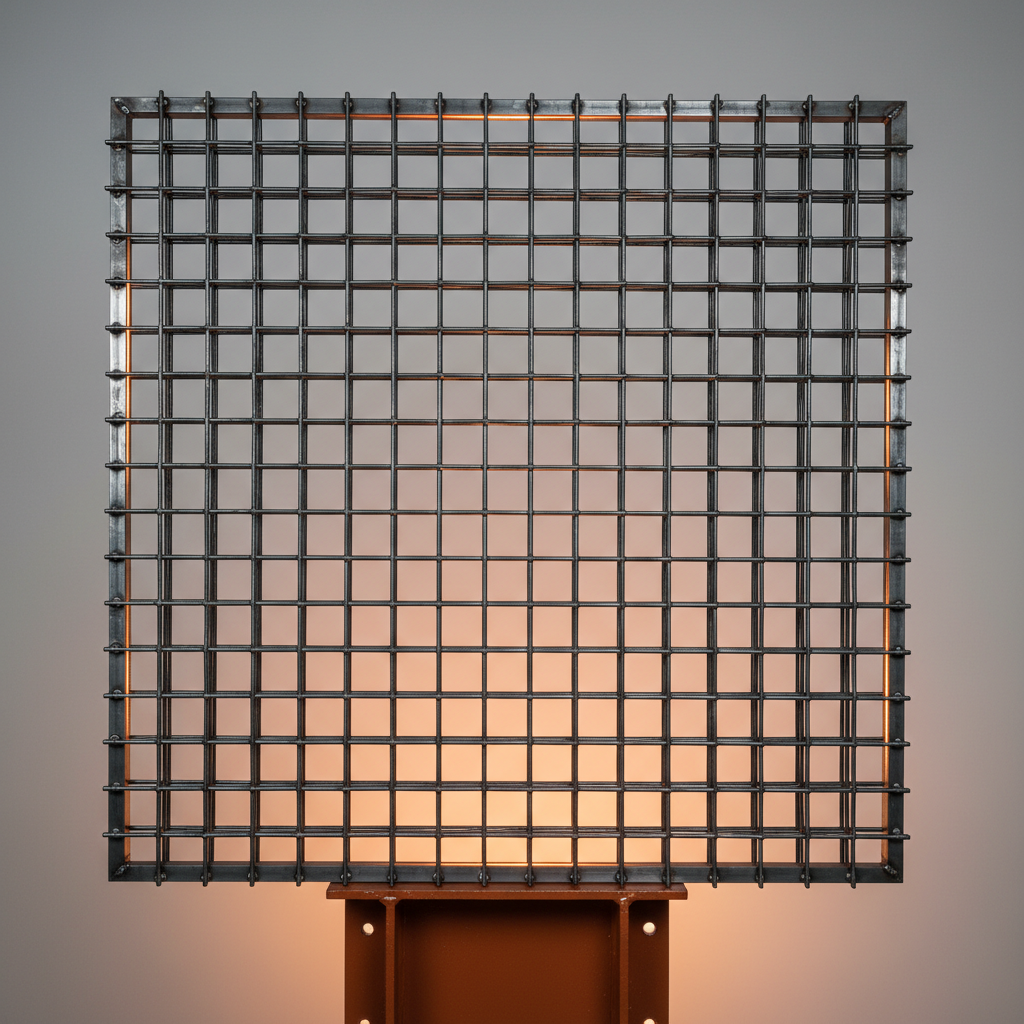 Heavy Duty 6 gauge welded wire mesh for Security and StrengthWhen it comes to heavy-duty containment, security, and structural reinforcement, choosing the right material is critical. The 6 gauge welded wire mesh stands as a premier choice for those requiring a balance of extreme rigidity and precise spacing. Whether you are securing a commercial perimeter, building industrial livestock panels, or creating reinforced concrete structures, this specific thickness provides the structural integrity needed to withstand significant pressure and impact. In this comprehensive guide, we will explore the technical specifications, primary applications, and why this mesh is the gold standard for high-security fencing solutions.Read more >
Apr 16 2026
-
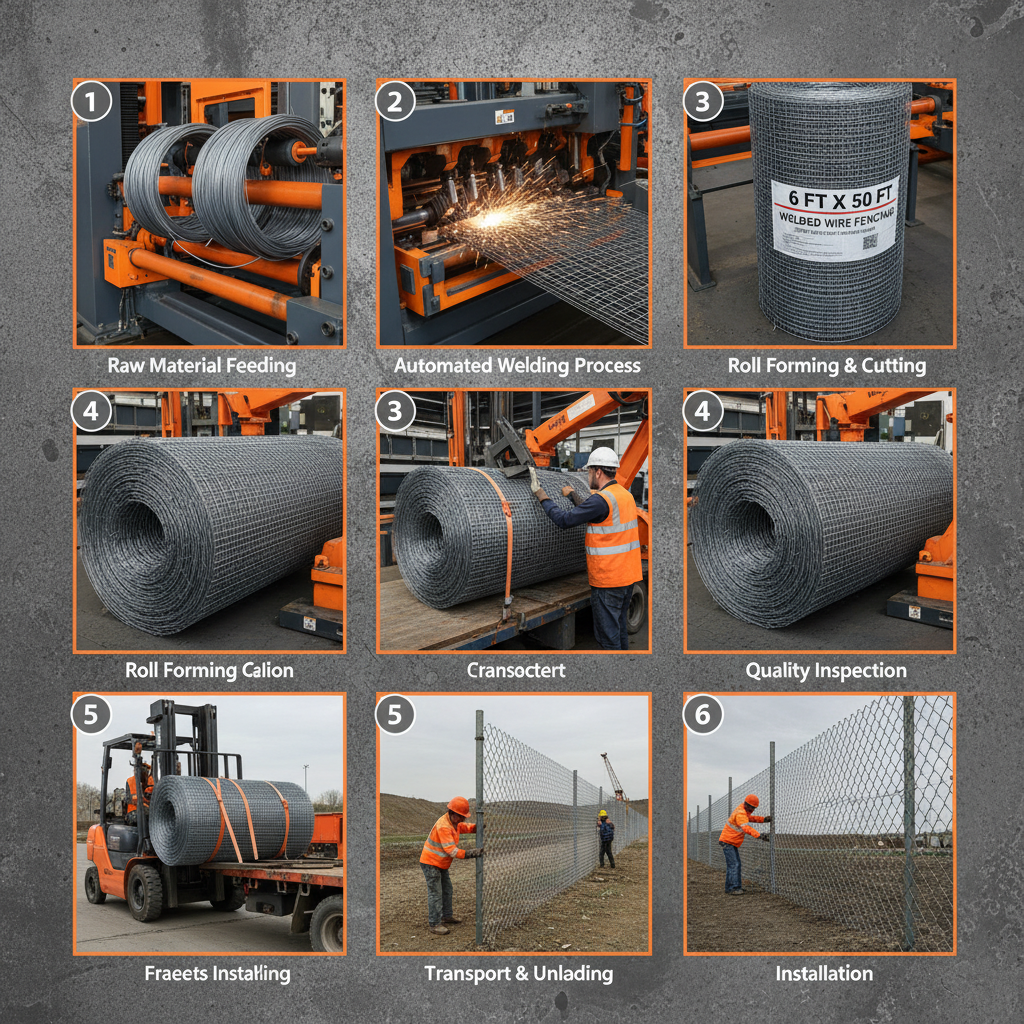 Durable 6 ft x 50 ft welded wire fencing for Security and GardensWhen it comes to securing a perimeter, whether for agricultural use, garden protection, or industrial boundaries, the dimensions and material of your fence matter. The 6 ft x 50 ft welded wire fencing offers an ideal balance of height and length, providing a robust barrier that is easy to install and maintain. Choosing a welded wire system ensures that the intersections are fused together, preventing the shifting and sagging often found in woven alternatives. In this guide, we will explore why this specific size is a preferred choice for property owners and how to maximize its effectiveness for your specific project.Read more >
Apr 09 2026
-
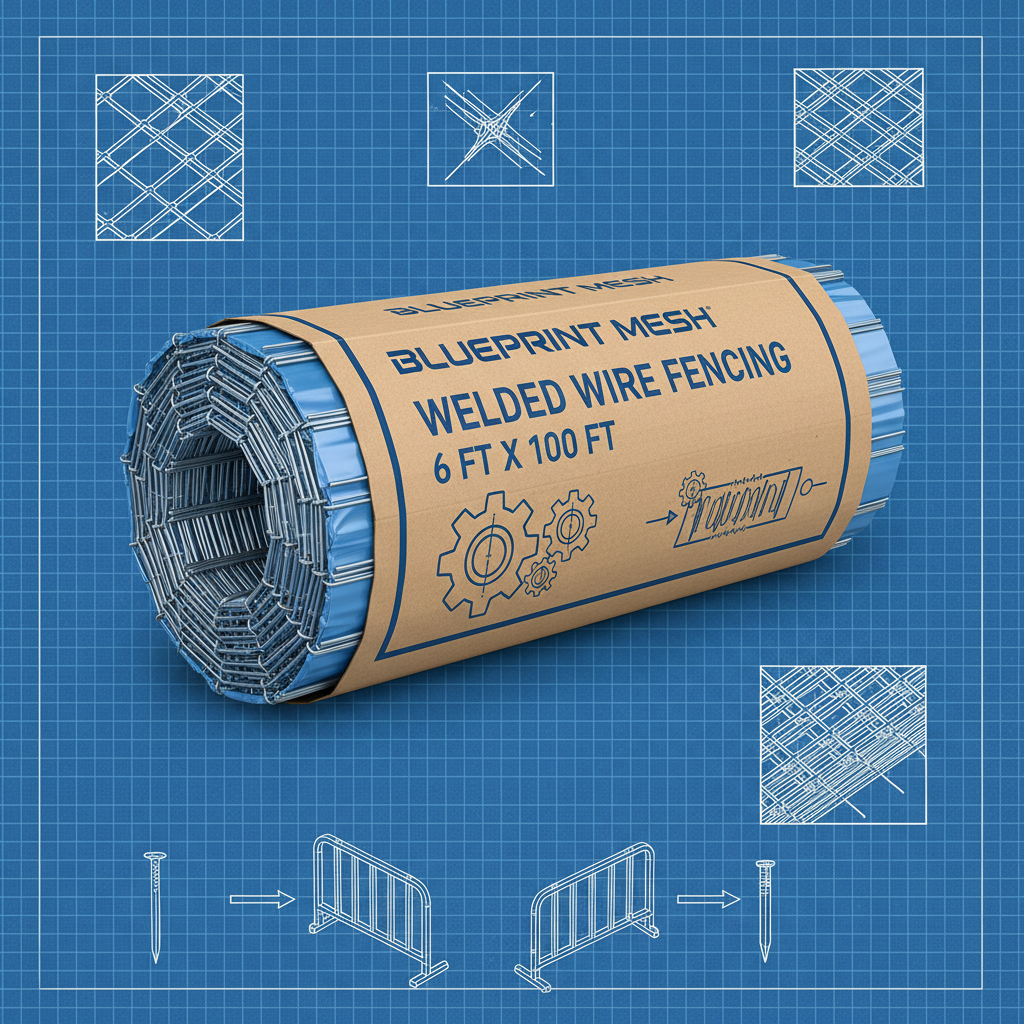 Comprehensive Guide to Choosing the Best 6 ft x 100 ft Welded Wire FencingWelded wire fencing is a versatile and cost-effective solution for a wide range of applications, from agricultural containment to residential security. Understanding the nuances of different types, especially when considering a size like 6 ft x 100 ft welded wire fencing, is crucial for making the right investment. This article will guide you through the essential factors to consider, helping you select the fencing that best suits your specific requirements.Read more >
Apr 07 2026
-
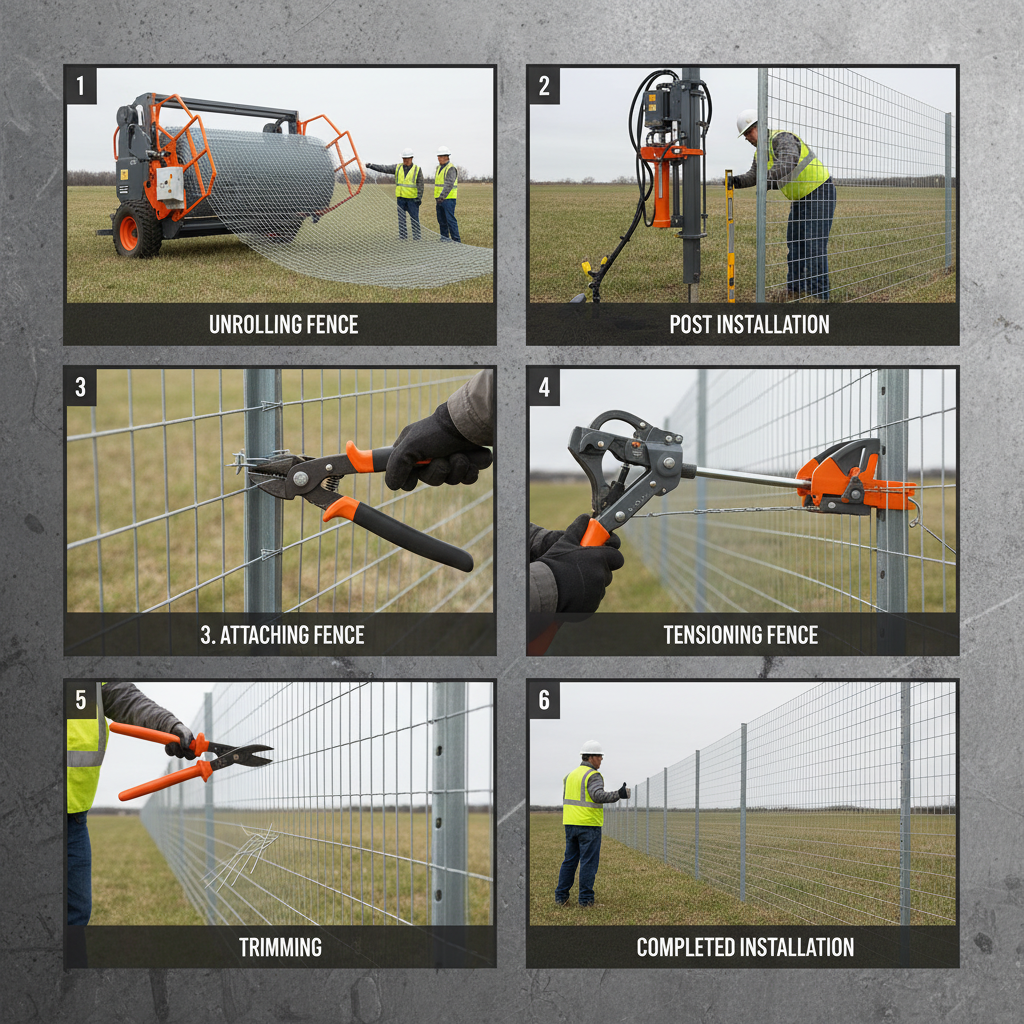 Comprehensive Guide to Choosing a 6 ft x 100 ft 12.5 Gauge Welded Wire FenceSelecting the appropriate fence for your property requires careful consideration. A 6 ft x 100 ft 12.5 gauge welded wire fence offers a robust and versatile solution for a variety of applications, from pet containment to garden protection and security. This guide will explore the benefits, applications, installation tips, and considerations when choosing this type of fencing. Understanding its construction and comparing it to other fencing options will help you make an informed decision.Read more >
Apr 04 2026
-
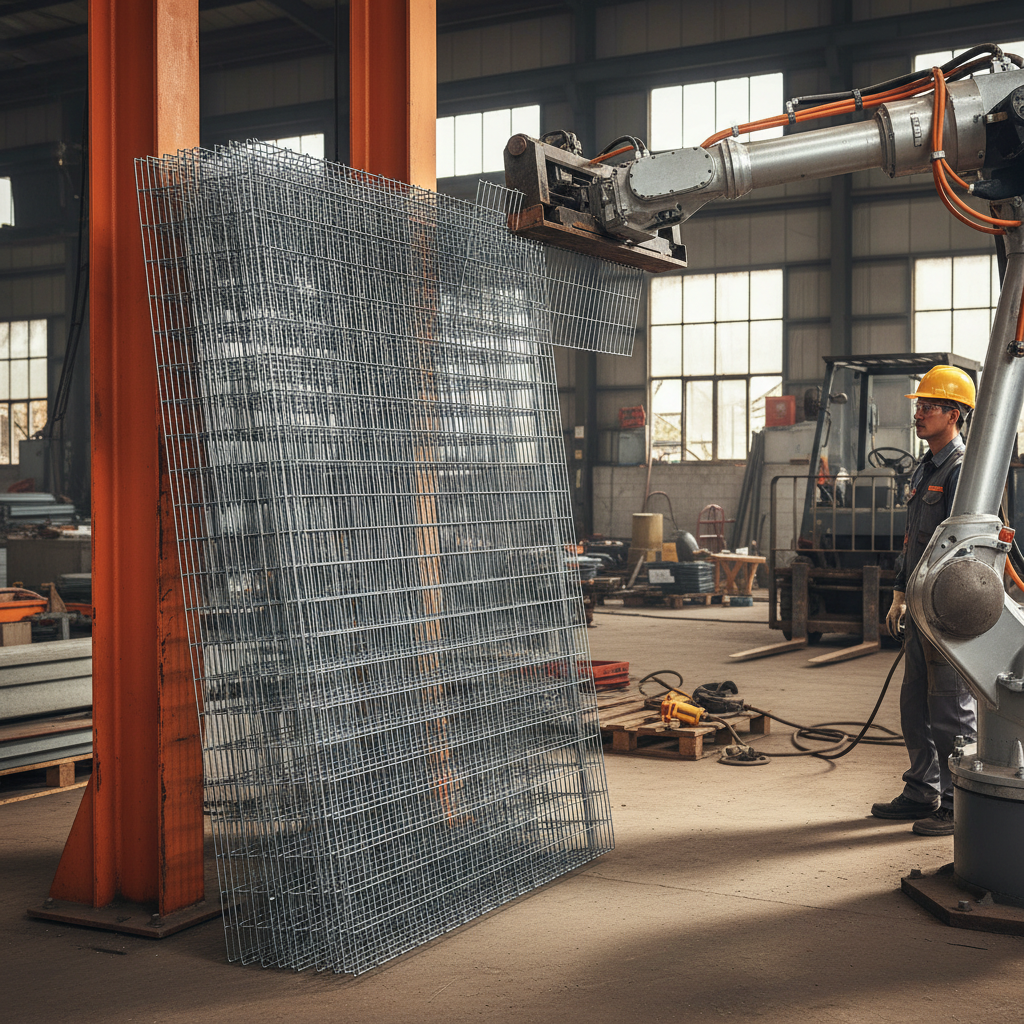 Comprehensive Guide to Durable 6 ft Welded Wire Fencing Panels and ApplicationsWhen selecting fencing for your property, 6 ft welded wire fencing panels offer a robust and versatile solution. These panels combine strength, security, and ease of installation, making them a popular choice for both residential and commercial applications. This article delves into the benefits, applications, installation, and maintenance of these panels, helping you make an informed decision.Read more >
Mar 31 2026