


Metal Hog Wire Fence: Durable, Versatile Fencing Solutions for Agriculture & Industry
The Metal Hog Wire Fence: A Global Solution with Deep Practical Roots
Metal hog wire fences might not be the most glamorous topic, but they quietly play an essential role in agriculture, security, and even humanitarian efforts worldwide. If you've ever wandered through rural landscapes or industrial zones, odds are you've seen these fences standing firm, corralling livestock or securing perimeters. Globally, understanding metal hog wire fence technology means appreciating a simple yet powerful tool that combines strength, cost-effectiveness, and adaptability. It's a bit like the unsung hero in the fencing world — sturdy, reliable, and surprisingly versatile.
Introduction: Why the Metal Hog Wire Fence Matters Globally
To put things in perspective, the World Bank reports that roughly 40% of the global population depends on livestock for livelihood and nutrition, especially in rural and developing regions. Protecting animals against predators, controlling grazing, and managing terrain are essential — and here, metal hog wire fence steps in as a practical hardscape solution. It's not just about farms: in areas prone to natural disasters, fenced perimeters help establish defined safe zones and temporary shelters, improving logistics and safety. As urban sprawl continues, these fences also provide security for industrial zones and restricted areas. The International Organization for Standardization (ISO) has even set guidelines for wire fence durability and corrosion resistance, showcasing the industrial importance of structures like these.
Yet, challenges arise. Traditional fencing materials may degrade faster under harsh weather, or require costly maintenance. And as demands grow — bigger farms, more secure sites — finding a scalable, affordable fencing solution becomes a bit of a balancing act. Enter the metal hog wire fence.
What Exactly Is a Metal Hog Wire Fence?
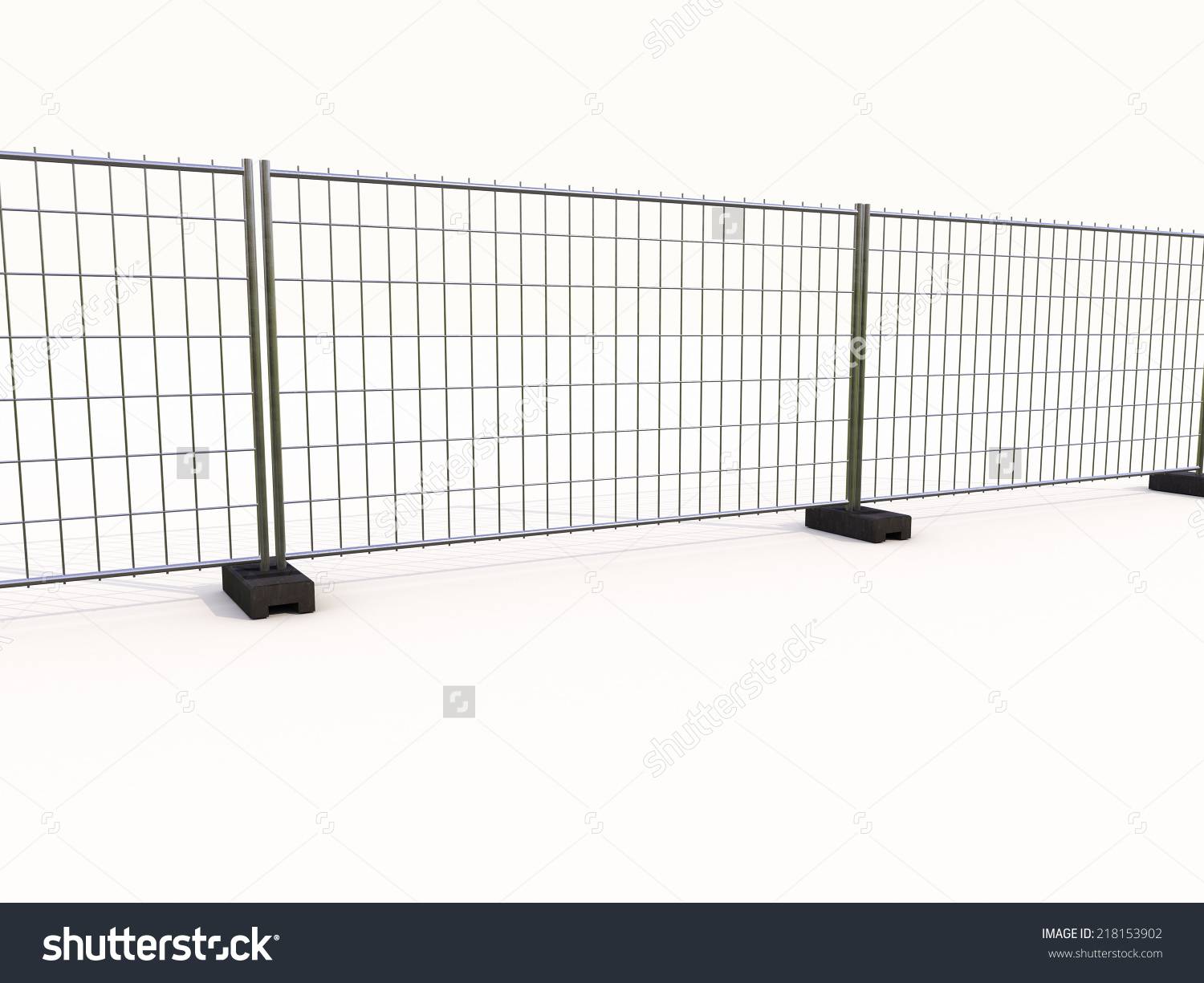
Simply put, a metal hog wire fence is a woven wire mesh fence, constructed from high-tensile steel wires, arranged in rectangular or square grids. Originally designed to contain hogs (hence the name), these fences are now widely used to enclose livestock or secure properties. Their sturdy mesh prevents animals from escaping while allowing visibility and airflow, which is crucial in animal welfare. The fence's metal weave is galvanized or coated to resist rust, extending its lifespan notably compared to basic wire fencing.
Beyond agriculture, these fences contribute to humanitarian operations — for example, by helping define perimeter boundaries in refugee camps or emergency sites, where quick yet reliable fencing setups are needed. It’s fascinating how this simple technology has melded into human comfort and safety in so many contexts.
Core Features of Metal Hog Wire Fence
1. Durability and Corrosion Resistance
Thanks to galvanization—often zinc-coated steel wires—the fence resists rust for years, even in humid or rainy climates. This means fewer replacements, which makes farmers and facility managers happy on the budget front.
2. Scalability and Flexibility
The modular nature of wire mesh allows for fencing small pens or sprawling acreage with equal ease. Plus, sections can be added or removed without tearing down entire structures — a kind of "grow as you need" benefit.
3. Cost Efficiency
Metal hog wire fences are generally cheaper than solid panel fences or barbed wire setups, particularly when factoring in maintenance and longevity. That’s a big plus in developing areas where budgets are tight but reliability remains essential.
4. Animal Safety and Visibility
The fence design minimizes injury risk to animals — no sharp edges here—while enabling caretakers to visually monitor livestock without added barriers.
5. Ease of Installation
Compared to concrete walls or chain-link fences, these wire fences go up quickly with basic tools, cutting labor costs and downtime.
6. Environmental Impact
Depending on materials and coatings used, some manufacturers now offer eco-friendly versions with recyclable steel and lower carbon footprints, increasingly important in modern sustainability standards.
Mini takeaway: The metal hog wire fence carves a niche by balancing toughness, cost, animal welfare, and adaptability—qualities that suit both high-tech industrial settings and grassroots farming.
How Metal Hog Wire Fence Finds Its Place Around the World
In the American Midwest, metal hog wire fences define thousands of acres devoted to pig farming and cattle grazing. Meanwhile, in parts of Africa, NGOs use these fences to protect livestock from predators and to organize temporary shelter zones during humanitarian crises. The UN Food and Agriculture Organization promotes fencing as a tool for "sustainable livestock management," highlighting its role in preventing overgrazing and maintaining soil health.
Industrial plants, mining sites, and remote telecommunication towers in Asia and Australia rely on sturdier wire fences to restrict unauthorized access. Oddly enough, sometimes these fences are combined with digital sensors or cameras, showing how traditional materials get integrated into smart security systems.
Example: During the 2019 Mozambique cyclone relief efforts, metal hog wire fences were quickly deployed around shelter compounds to create safe, controlled environments – essential to managing large displaced populations and aid distribution.
Advantages and Long-Term Value of Metal Hog Wire Fences
When you think about fencing options, metal hog wire fences offer a sweet spot of benefits:
- Cost-effective longevity: Initial investment might feel mid-range, but longevity and low maintenance drive down lifetime costs.
- Sustainability: Many products now use recyclable materials, reducing waste.
- Safety and dignity for livestock: Animals can stay secure without harm, improving welfare standards.
- Community trust: Fencing defines boundaries clearly, reducing conflicts and trespassing issues.
- Ease of relocation and modification: As needs evolve, fences can be adjusted or moved, unlike permanent structures.
These fences don't just protect; they support livelihoods, social order, and environmental balance — often all at once.
What’s Next? Trends and Innovations in Metal Hog Wire Fence
Looking ahead, manufacturers integrate smarter coatings that resist extreme climates longer, and some are experimenting with embedded sensors for real-time fence integrity monitoring. Sustainability drives innovation too, with novel alloys aimed at reducing environmental impact while enhancing strength.
Automation enters the picture as well. Imagine drones paired with smart fences, performing perimeter inspections autonomously. Such systems could transform agricultural monitoring or industrial security, making metal hog wire fences part of broader IoT solutions.
Common Challenges and Expert Solutions
Of course, these fences aren’t perfect. Vulnerabilities to vandalism, occasional wire breakage, and installation errors can diminish effectiveness. But with better training, quality assurance, and protective coatings, many of these issues become manageable.
In regions with heavy snowfall or wild animal populations, supplemental fencing (like wildlife deterrent wire) is often recommended alongside metal hog wire fences. Proper anchoring in uneven terrain is another known concern — something many fencing pros approach by customizing post foundations to local soil types.
Frequently Asked Questions About Metal Hog Wire Fence
- Q: How long does a typical metal hog wire fence last outdoors?
- A: With proper galvanization and maintenance, these fences typically last 15-20 years, sometimes even longer depending on climate and usage.
- Q: Can metal hog wire fences be used in areas with high predator activity?
- A: Absolutely. The robust wire gauge and small mesh openings limit predator access, and some farmers add electric wires for extra security.
- Q: Is installation DIY-friendly or do I need professional help?
- A: Basic installations can be managed by DIYers with proper tools, but for larger or security-sensitive projects, hiring professionals ensures better longevity and safety.
- Q: Are there eco-friendly options for metal hog wire fences?
- A: Yes. Several vendors now offer fences made from recycled steel with low-impact coatings, aligning with sustainable agriculture and green building practices.
- Q: How do metal hog wire fences compare cost-wise to barbed wire fences?
- A: Although barbed wire fences might be cheaper initially, metal hog wire fences often offer better value over time due to durability and lower animal injury rates.
Product Specification Table
| Specification | Detail |
|---|---|
| Wire Gauge | 12.5 - 14 AWG (varies by application) |
| Mesh Size | 2" x 4" to 4" x 6" rectangles |
| Material | Galvanized high-tensile steel |
| Height | 3 ft to 6 ft (common sizes) |
| Coating | Hot-dipped galvanized or PVC coated options |
| Installation | Post and wire fasteners or staple fastening |
Vendor Comparison: Metal Hog Wire Fence Suppliers
| Vendor | Price per Roll | Lead Time | Customization Options | Eco-Friendly Materials |
|---|---|---|---|---|
| FencePro Co. | $120 - $150 | 2 weeks | Height & Mesh size customization | No |
| GreenWire Solutions | $140 - $170 | 3 weeks | PVC coatings & product lengths | Yes |
| AgriSecure Markets | $100 - $130 | 1 week | Standard fencing only | No |
Bringing It All Together
It feels like metal hog wire fences are the quiet workhorses of fencing solutions. They offer a practical, reliable, and scalable answer to the challenges faced by farmers, industrialists, and humanitarian workers alike. Their balance of functionality and affordability has secured their place on a global stage, proving time and again that not every innovation is high-tech — sometimes, it’s just well-designed wire.
If you’re interested in learning more or sourcing durable, cost-effective fencing options, consider checking out metal hog wire fence products that combine tradition with modern engineering. Sometimes, the simplest tools give you the biggest peace of mind.
References
Latest News About CHENG CHUANG
-
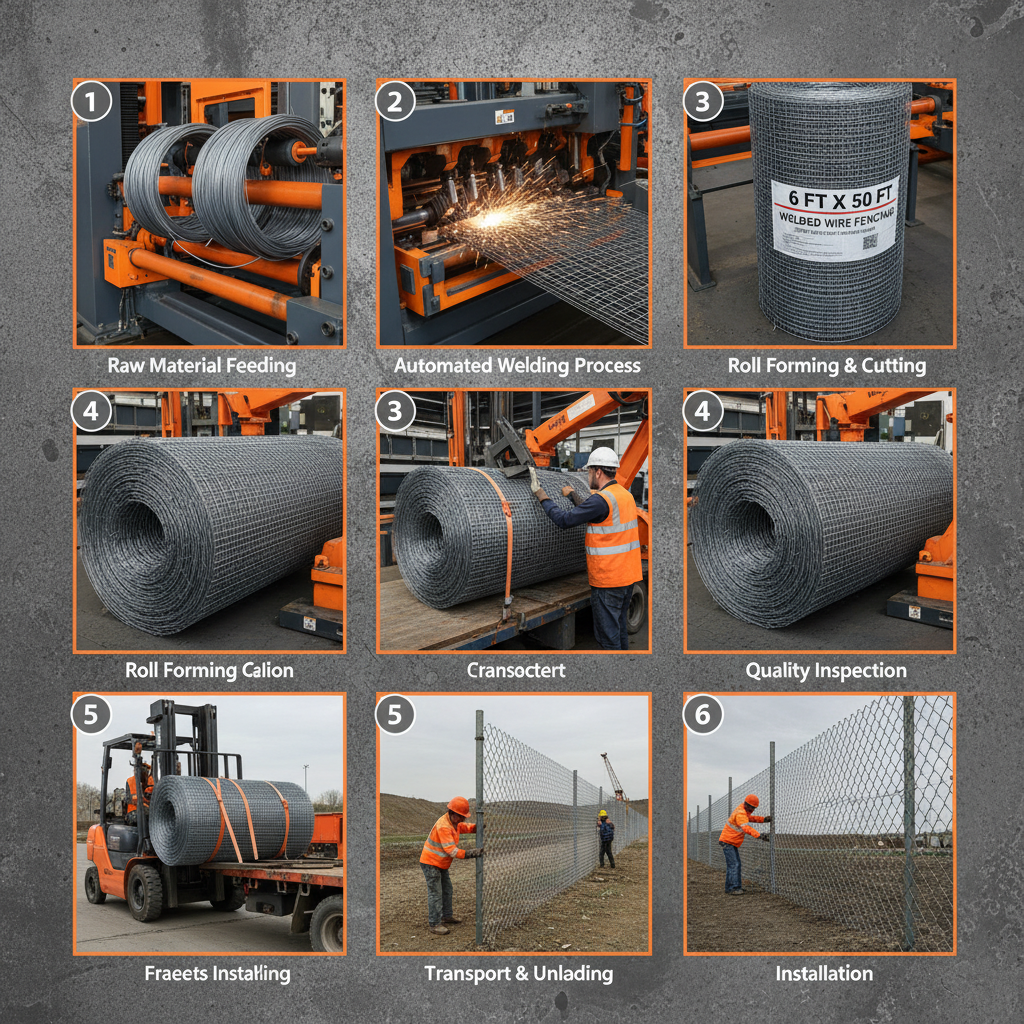 Durable 6 ft x 50 ft welded wire fencing for Security and GardensWhen it comes to securing a perimeter, whether for agricultural use, garden protection, or industrial boundaries, the dimensions and material of your fence matter. The 6 ft x 50 ft welded wire fencing offers an ideal balance of height and length, providing a robust barrier that is easy to install and maintain. Choosing a welded wire system ensures that the intersections are fused together, preventing the shifting and sagging often found in woven alternatives. In this guide, we will explore why this specific size is a preferred choice for property owners and how to maximize its effectiveness for your specific project.Read more >
Apr 09 2026
-
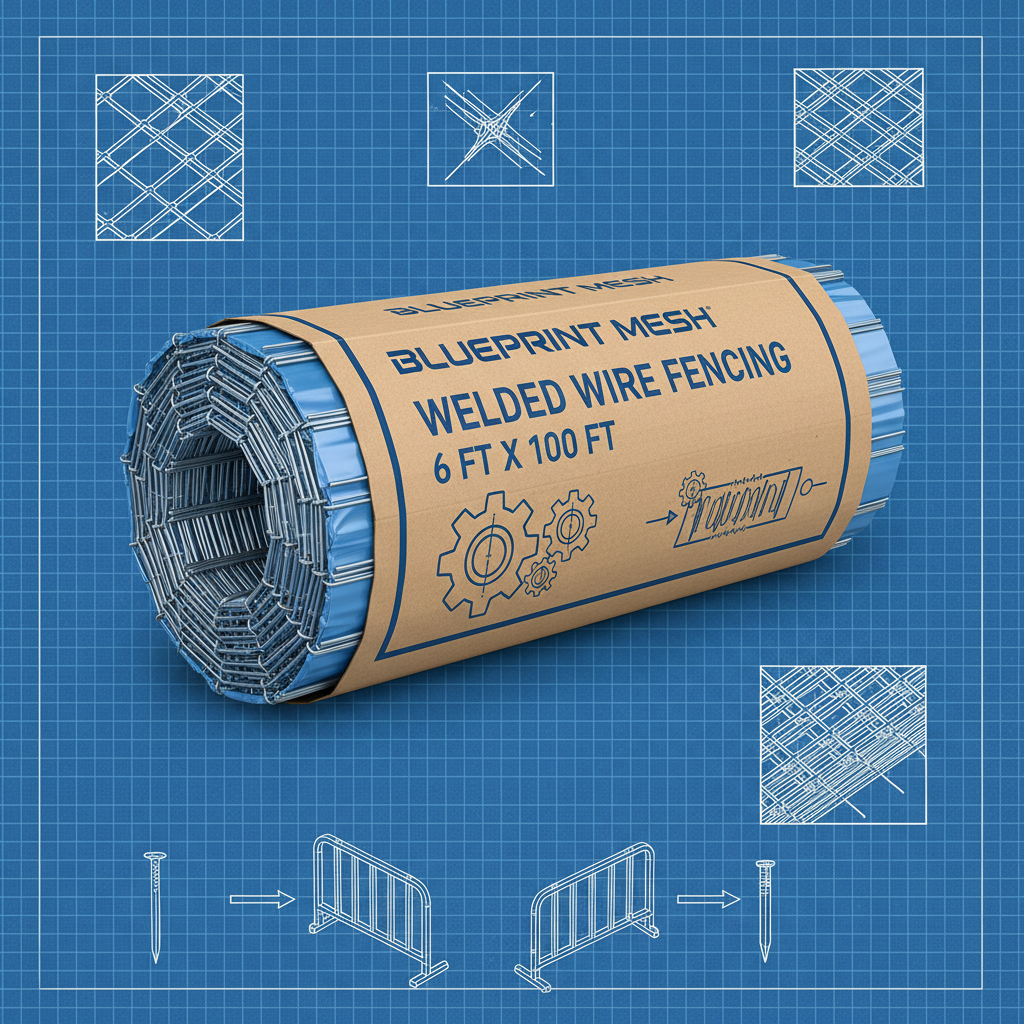 Comprehensive Guide to Choosing the Best 6 ft x 100 ft Welded Wire FencingWelded wire fencing is a versatile and cost-effective solution for a wide range of applications, from agricultural containment to residential security. Understanding the nuances of different types, especially when considering a size like 6 ft x 100 ft welded wire fencing, is crucial for making the right investment. This article will guide you through the essential factors to consider, helping you select the fencing that best suits your specific requirements.Read more >
Apr 07 2026
-
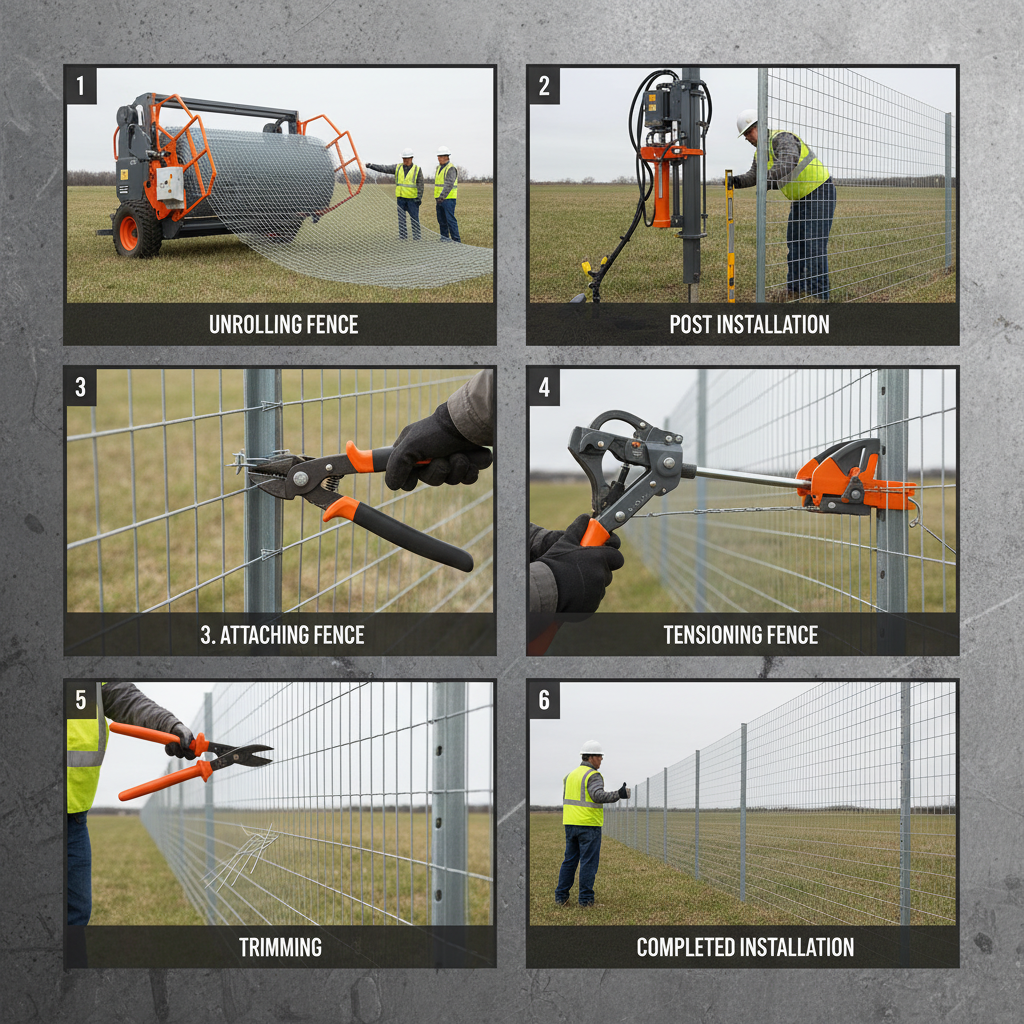 Comprehensive Guide to Choosing a 6 ft x 100 ft 12.5 Gauge Welded Wire FenceSelecting the appropriate fence for your property requires careful consideration. A 6 ft x 100 ft 12.5 gauge welded wire fence offers a robust and versatile solution for a variety of applications, from pet containment to garden protection and security. This guide will explore the benefits, applications, installation tips, and considerations when choosing this type of fencing. Understanding its construction and comparing it to other fencing options will help you make an informed decision.Read more >
Apr 04 2026
-
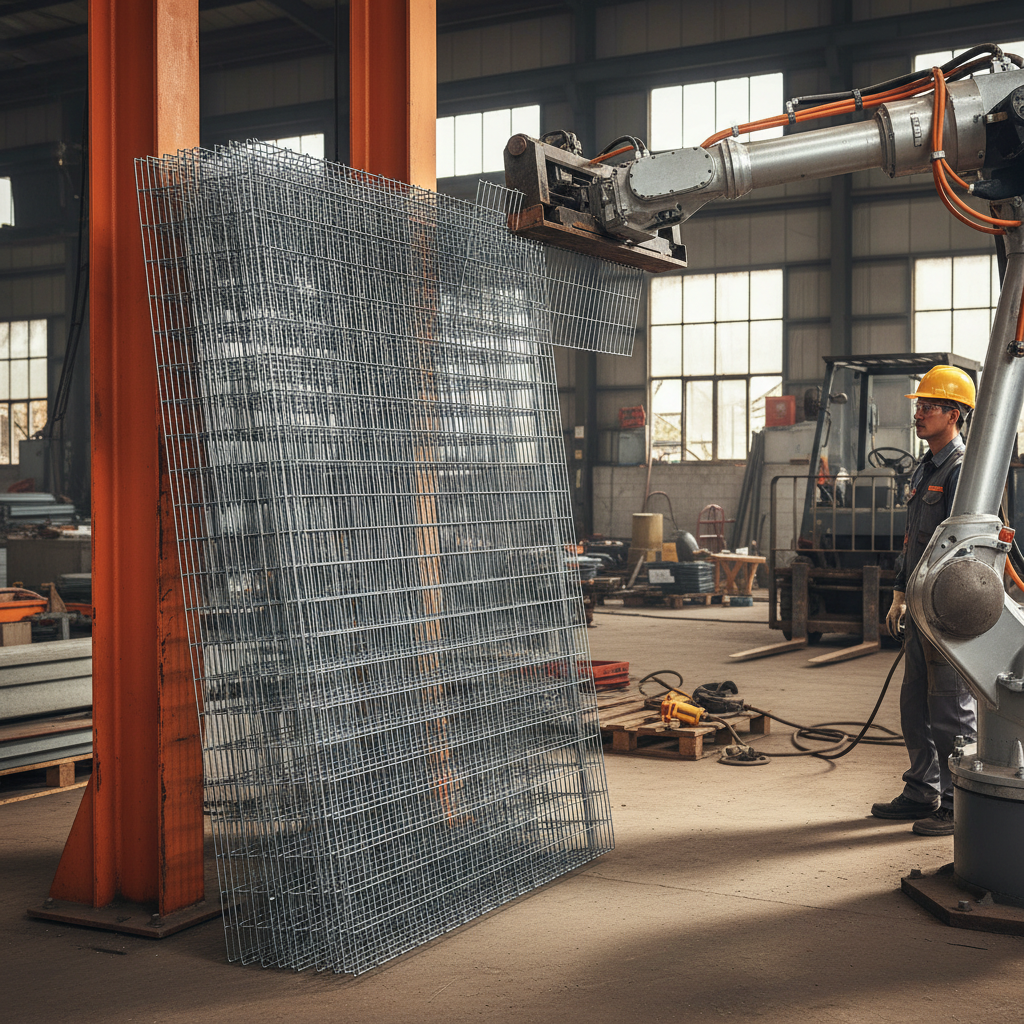 Comprehensive Guide to Durable 6 ft Welded Wire Fencing Panels and ApplicationsWhen selecting fencing for your property, 6 ft welded wire fencing panels offer a robust and versatile solution. These panels combine strength, security, and ease of installation, making them a popular choice for both residential and commercial applications. This article delves into the benefits, applications, installation, and maintenance of these panels, helping you make an informed decision.Read more >
Mar 31 2026
-
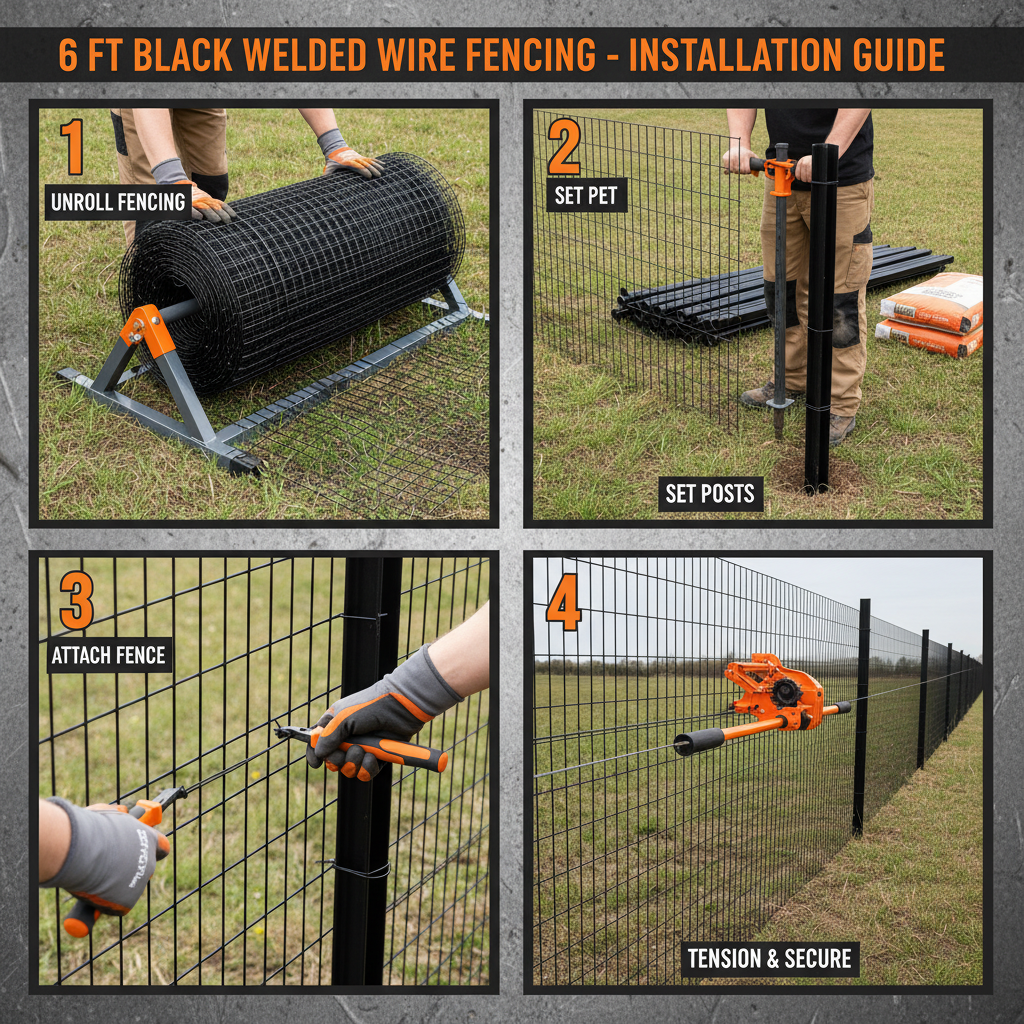 Choosing The Ideal 6 ft Welded Wire Fencing Black For Property SecurityWhen securing your property, selecting the right fencing is crucial. 6 ft welded wire fencing black offers a durable, cost-effective, and aesthetically pleasing solution for a variety of applications. This article will guide you through understanding the benefits, applications, installation considerations, and choosing the best black welded wire fence for your needs. Properly installed fencing adds security, defines boundaries, and enhances the overall appearance of your property. We'll delve into everything you need to know to make an informed decision.Read more >
Mar 28 2026