


Discover the Versatile Benefits of Metal Grille Mesh for Industry & Architecture
The Subtle Yet Pervasive World of Metal Grille Mesh: Why It Matters
To most, metal grille mesh might sound like a niche industrial product—some pattern of metal bars and wires mostly seen in fences or screens. But if you pause and think about the places where safety, durability, and airflow meet—city skylines, industrial plants, even humanitarian shelters—you’ll find this humble material plays a vital role. Globally, as urban centers grow and industries evolve, understanding metal grille mesh isn’t just about choosing the right fence; it’s about harnessing design to solve complex challenges like ventilation, security, and sustainability.
Today, metal grille mesh is far from just an afterthought. Its versatility intersects with global priorities such as environmental compliance, disaster relief infrastructure, and even architectural aesthetics. If you’ve ever wondered how a simple metallic grid could underpin so many operations from factory safety to ecological initiatives, well... you’re about to find out.
Global Context: Why Metal Grille Mesh Is More than Just a Screen
According to ISO standards and reports from the United Nations Environment Programme, industrial materials that manage airflow and security without compromising sustainability have become essential. The demand for materials like metal grille mesh is projected to grow by roughly 5-7% annually worldwide, notably fueled by expanding infrastructure in emerging markets across Asia and Africa.
But here’s the rub: industries often grapple with balancing cost, performance, and environmental impact when choosing such materials. Metal grille mesh, by offering durability combined with lightweight design and recyclability, addresses some critical bottlenecks — especially in airports, manufacturing plants, and urban development projects striving to meet green building certifications.
What Exactly Is Metal Grille Mesh?
In straightforward terms, metal grille mesh is a structured array of intersecting metal bars, wires, or strips, arranged in a grid or lattice pattern—think of it as the metal version of a waffle pattern, only sturdier. Unlike solid metal sheets, the mesh form allows for ventilation and visibility while still forming a barrier.
It connects tightly with modern industrial needs where safety barriers must also provide airflow or visibility—like in HVAC systems, security fencing, or even protective shielding for machinery. In humanitarian contexts too, from refugee camps to emergency shelters, metal grille mesh helps create durable yet breathable enclosures.
Durability: The Backbone of Its Popularity
Metal grille mesh is typically manufactured from stainless steel, galvanized steel, or aluminum, materials known for their corrosion resistance and tensile strength. This ensures they withstand harsh environments—think salty coastal air or chemical plants—without degrading quickly.
Scalability: From Small Screens to Massive Facades
One neat thing is how modular metal grille mesh products can be. Whether you need a tiny vent cover or a sprawling façade element for a stadium, the manufacturing process easily adapts to diverse sizes and shapes.
Cost Efficiency and Lifecycle
Initially, metal grille mesh may seem pricier than plastics or simple wire fencing, but its longevity and low maintenance often balance the scales. Plus, the ability to reuse or recycle it fits nicely into circular economy goals that many companies now have on their radar.
Customization & Aesthetics
It feels odd to think of “looks” when discussing mesh, but architects increasingly employ metal grille meshes for façade cladding or decorative partitions, exploiting their pattern choices and surface finishes—powder coating, anodizing, you name it.
Mini takeaway: The core attributes—durability, scalability, cost efficiency, and style—make metal grille mesh a surprisingly versatile solution that crosses industrial and aesthetic boundaries, lending it global appeal.
Real-World Applications: Where Metal Grille Mesh Is Making a Difference
Industries and regions worldwide leverage metal grille mesh in several smart ways worth noting:
- Construction & Architecture: In Europe and North America, it’s common as sunshades, safety balustrades, or ventilated cladding.
- Manufacturing & Industrial Facilities: Factories worldwide use grille mesh for protective guards on heavy machinery and cooling vents.
- Transportation Hubs & Security: Airports and train stations rely on it for barriers combining visibility with security, especially in Asia-Pacific.
- Humanitarian & Disaster Relief: In post-disaster zones like parts of Southeast Asia, metal grille mesh helps build rapidly deployable shelters offering ventilation and protection.
For example, a relief organization operating after the 2018 Sulawesi earthquake found that metal grille mesh sections could be combined to create ventilated, sturdy fencing around temporary camps, improving safety and adapting quickly to shifting needs.
Advantages and Long-Term Value of Metal Grille Mesh
The benefits stretch beyond its utilitarian function. Financially, it lowers maintenance costs and prolongs asset life. Environmentally, many suppliers use recycled metals, making it a friendlier option than plastics. Emotionally and socially, it helps secure spaces without feeling oppressive—an oddly important feature in humanitarian designs where dignity counts.
Ultimately, it fosters trust—between builders and users, engineers and occupants, manufacturers and clients—because it delivers consistent, reliable performance time and again.
Looking Ahead: Trends and Innovations Shaping Metal Grille Mesh
What’s really exciting is the ongoing innovation in this space:
- Smart Mesh: Embedded sensors for structural health monitoring—letting maintenance teams catch wear or damage early.
- Eco-Friendly Coatings: New biodegradable or ultra-durable coatings reducing chemical runoff and extending mesh life.
- Automated Manufacturing: Enhanced precision and speed are making customization cheaper and more accessible.
- Integration with Green Energy: Mesh panels doubling as solar panel mounts or windbreaks, combining structural and energy-generation functions.
Frankly, these advancements are shifting metal grille mesh from “just a building material” to a smart infrastructure component.
Challenges and How Industry Tackles Them
Of course, it’s not all smooth sailing. Some common challenges include installation complexity in tight spaces, potential theft due to metal value, and corrosion risks in extremely harsh environments.
Experts suggest solutions like modular quick-assembly frames, protective coatings specifically designed for salty air, and integrating RFID tagging to prevent or track theft. Innovations in alloy development also promise better corrosion resistance.
Frequently Asked Questions About Metal Grille Mesh
- What are the key differences between stainless steel and galvanized metal grille mesh?
- Stainless steel offers higher corrosion resistance and better durability but is usually more expensive. Galvanized steel costs less and provides good rust resistance via zinc coating, though it may degrade faster in aggressive environments.
- Can metal grille mesh be recycled after its service life?
- Absolutely. Since most mesh is made from steel or aluminum, it’s highly recyclable. Recycling metal grille mesh reduces environmental impact and supports sustainability initiatives within industries.
- How do I decide the right mesh size for ventilation versus security?
- It depends on airflow needs and security priorities: larger mesh openings enhance ventilation but reduce security. Usually, a balance is achieved by selecting mesh spacing that meets local regulatory standards and industry best practices.
- Is metal grille mesh suitable for outdoor use in coastal areas?
- Yes, especially if using stainless steel mesh or galvanized types with protective coatings designed for saltwater exposure. Regular maintenance also helps prolong life in those tough conditions.
- How can organizations source metal grille mesh internationally?
- Many suppliers specialize in export-grade metal grille mesh compliant with international standards. NGOs or companies can leverage logistical partnerships and inquire about certifications (ISO 9001, ASTM) to ease import procedures.
Vendor and Product Overview — A Snapshot Comparison
| Vendor | Core Material | Standard Mesh Sizes (mm) | Typical Thickness (mm) | Special Features |
|---|---|---|---|---|
| ChCh Fence Ltd. | Galvanized Steel | 10x10, 20x20, 30x30 | 1.2 - 2.0 | Powder-coated, customizable colors |
| Global Mesh Inc. | Stainless Steel | 15x15, 25x25, 50x50 | 0.8 - 1.5 | Anti-corrosion treated, high tensile strength |
| Metro Mesh Systems | Aluminum Alloy | 12x12, 18x18, 24x24 | 1.0 - 2.5 | Lightweight, corrosion resistant, anodized finish |
Product Specification: Typical Metal Grille Mesh Grades
| Specification | Typical Range | Notes |
|---|---|---|
| Mesh Opening Size | 5mm to 50mm | Varies with application (security vs airflow) |
| Material Thickness | 0.8mm - 3.0mm | Thicker mesh for heavy-duty protection |
| Tensile Strength | 350 – 750 MPa | Dependent on metal type and treatment |
| Surface Finish | Galvanized, powder-coated, anodized | Enhances corrosion resistance and aesthetics |
| Weight per sqm | 3–15 kg | Varies by thickness and metal alloy |
If you’re seeking metal grille mesh solutions that combine strength and adaptability, don’t hesitate to explore the options through trusted suppliers who know their field — and trust me, not all meshes are created equal.
For instance, metal grille mesh from specialized vendors often provides customizable finishes and meshes tested to international standards — essential when your project demands longevity and safety.
Conclusion: Metal Grille Mesh Is Here to Stay—and Evolve
From the factory floor to the façade of a green office tower, metal grille mesh quietly but reliably supports a world that demands safety, functionality, and sustainability all at once. The balance it strikes among strength, airflow, and style is crucial in meeting today’s high expectations.
As construction innovations and ecological imperatives grow side by side, metal grille mesh will only become more integral—offering not just a product but a promise of steady, dependable performance.
If this sounds like the practical yet forward-thinking solution you’ve been looking for, then do take a closer look at metal grille mesh options and get in touch with experts who can guide you through selection and implementation.
Mini takeaway: Consider metal grille mesh not just a material, but a foundation for safety, innovation, and sustainability in your projects.
References
Latest News About CHENG CHUANG
-
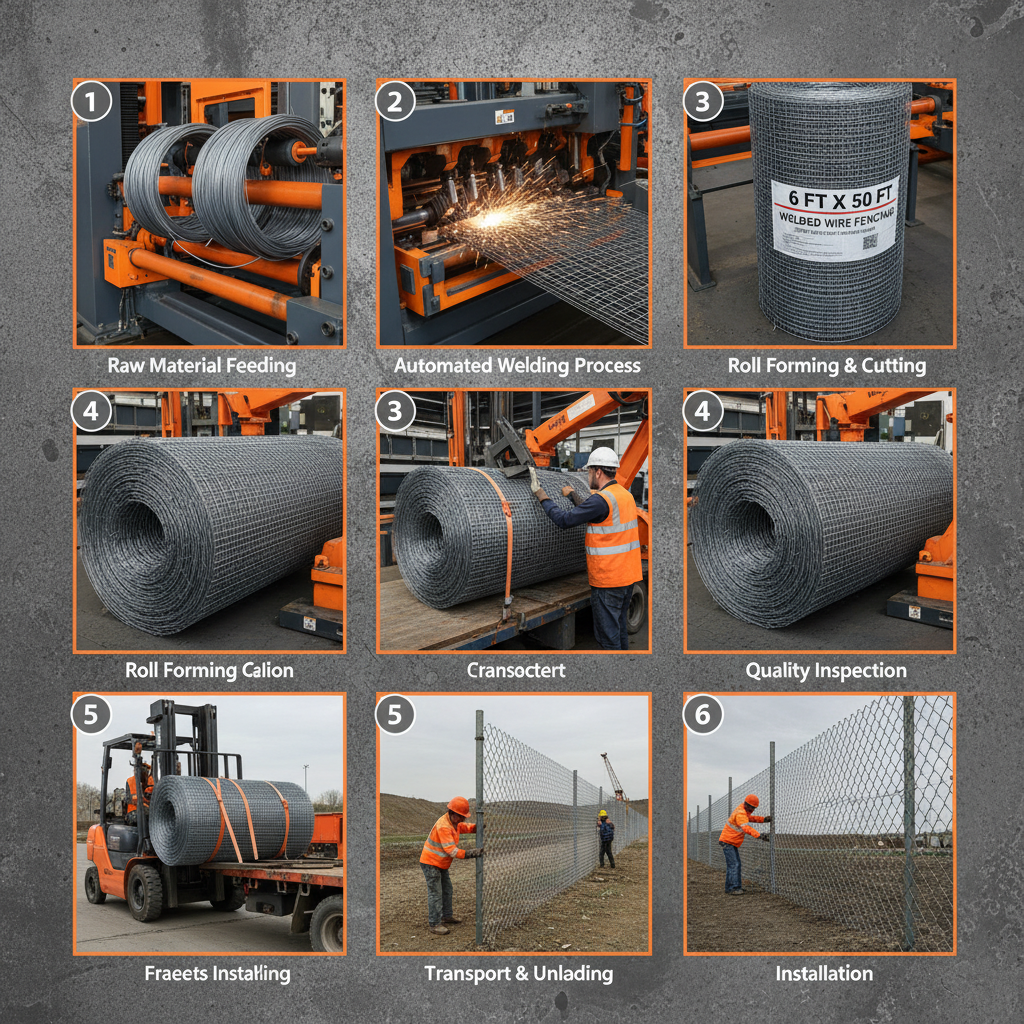 Durable 6 ft x 50 ft welded wire fencing for Security and GardensWhen it comes to securing a perimeter, whether for agricultural use, garden protection, or industrial boundaries, the dimensions and material of your fence matter. The 6 ft x 50 ft welded wire fencing offers an ideal balance of height and length, providing a robust barrier that is easy to install and maintain. Choosing a welded wire system ensures that the intersections are fused together, preventing the shifting and sagging often found in woven alternatives. In this guide, we will explore why this specific size is a preferred choice for property owners and how to maximize its effectiveness for your specific project.Read more >
Apr 09 2026
-
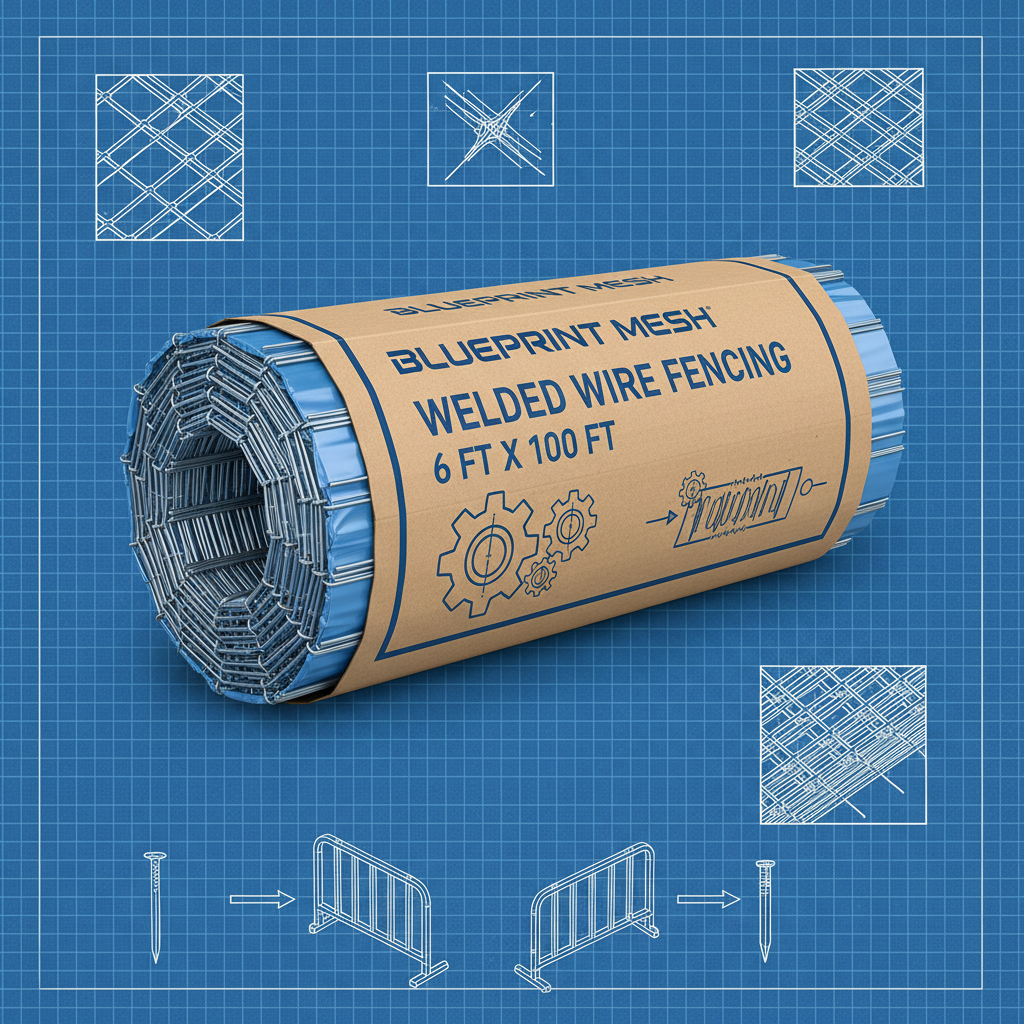 Comprehensive Guide to Choosing the Best 6 ft x 100 ft Welded Wire FencingWelded wire fencing is a versatile and cost-effective solution for a wide range of applications, from agricultural containment to residential security. Understanding the nuances of different types, especially when considering a size like 6 ft x 100 ft welded wire fencing, is crucial for making the right investment. This article will guide you through the essential factors to consider, helping you select the fencing that best suits your specific requirements.Read more >
Apr 07 2026
-
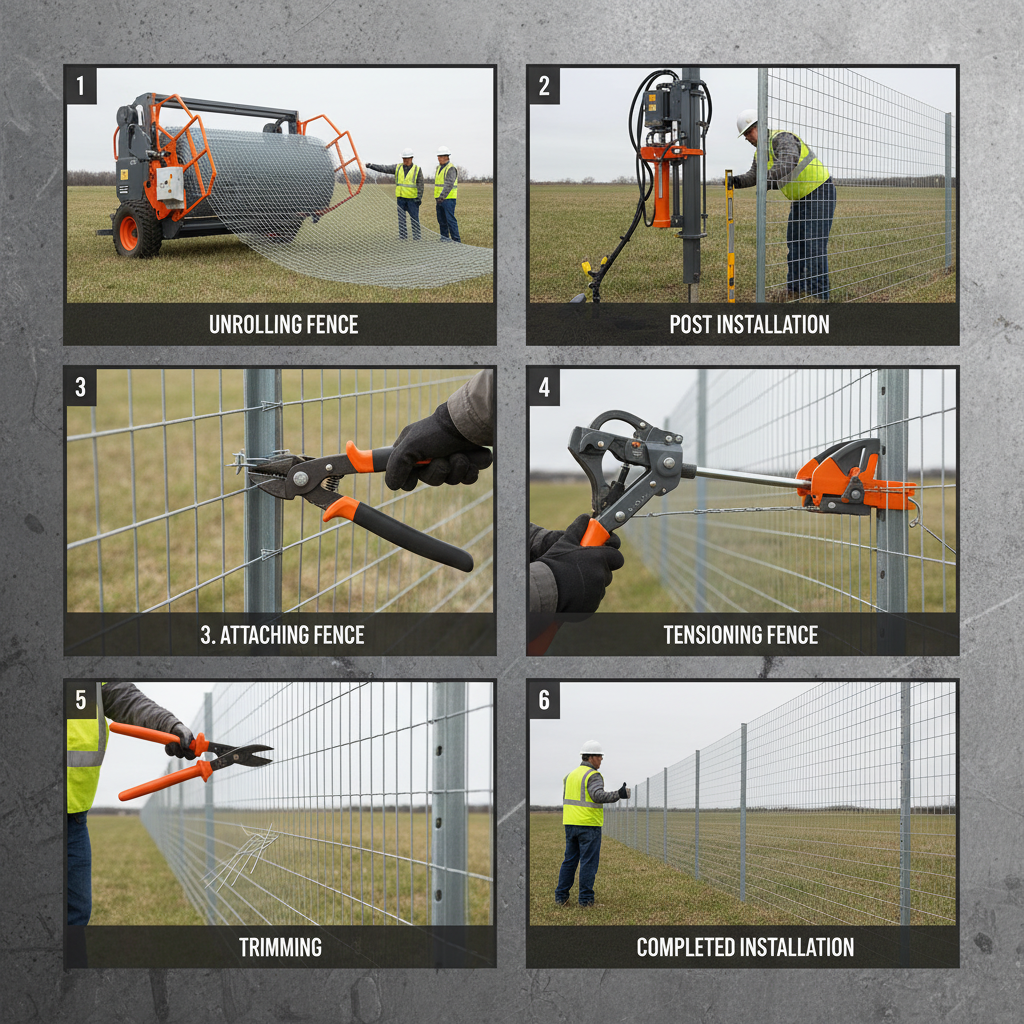 Comprehensive Guide to Choosing a 6 ft x 100 ft 12.5 Gauge Welded Wire FenceSelecting the appropriate fence for your property requires careful consideration. A 6 ft x 100 ft 12.5 gauge welded wire fence offers a robust and versatile solution for a variety of applications, from pet containment to garden protection and security. This guide will explore the benefits, applications, installation tips, and considerations when choosing this type of fencing. Understanding its construction and comparing it to other fencing options will help you make an informed decision.Read more >
Apr 04 2026
-
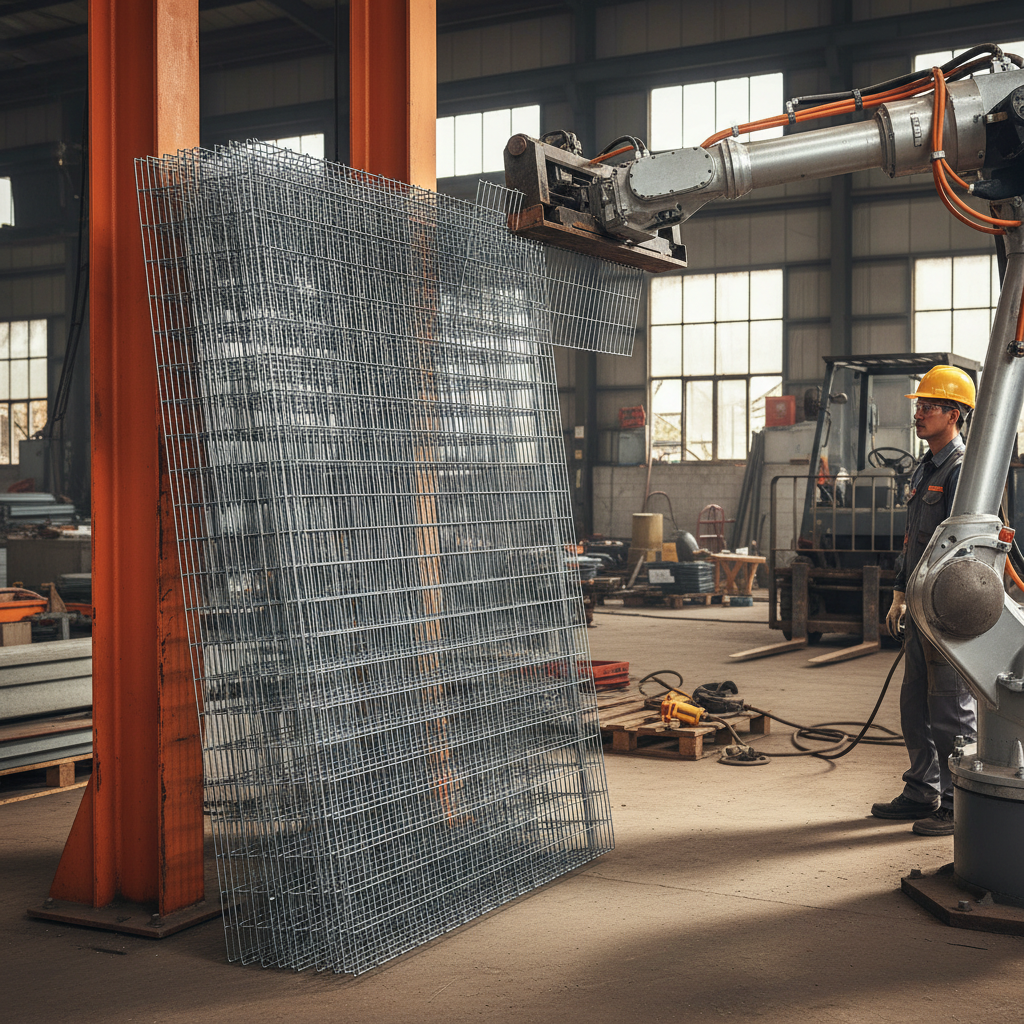 Comprehensive Guide to Durable 6 ft Welded Wire Fencing Panels and ApplicationsWhen selecting fencing for your property, 6 ft welded wire fencing panels offer a robust and versatile solution. These panels combine strength, security, and ease of installation, making them a popular choice for both residential and commercial applications. This article delves into the benefits, applications, installation, and maintenance of these panels, helping you make an informed decision.Read more >
Mar 31 2026
-
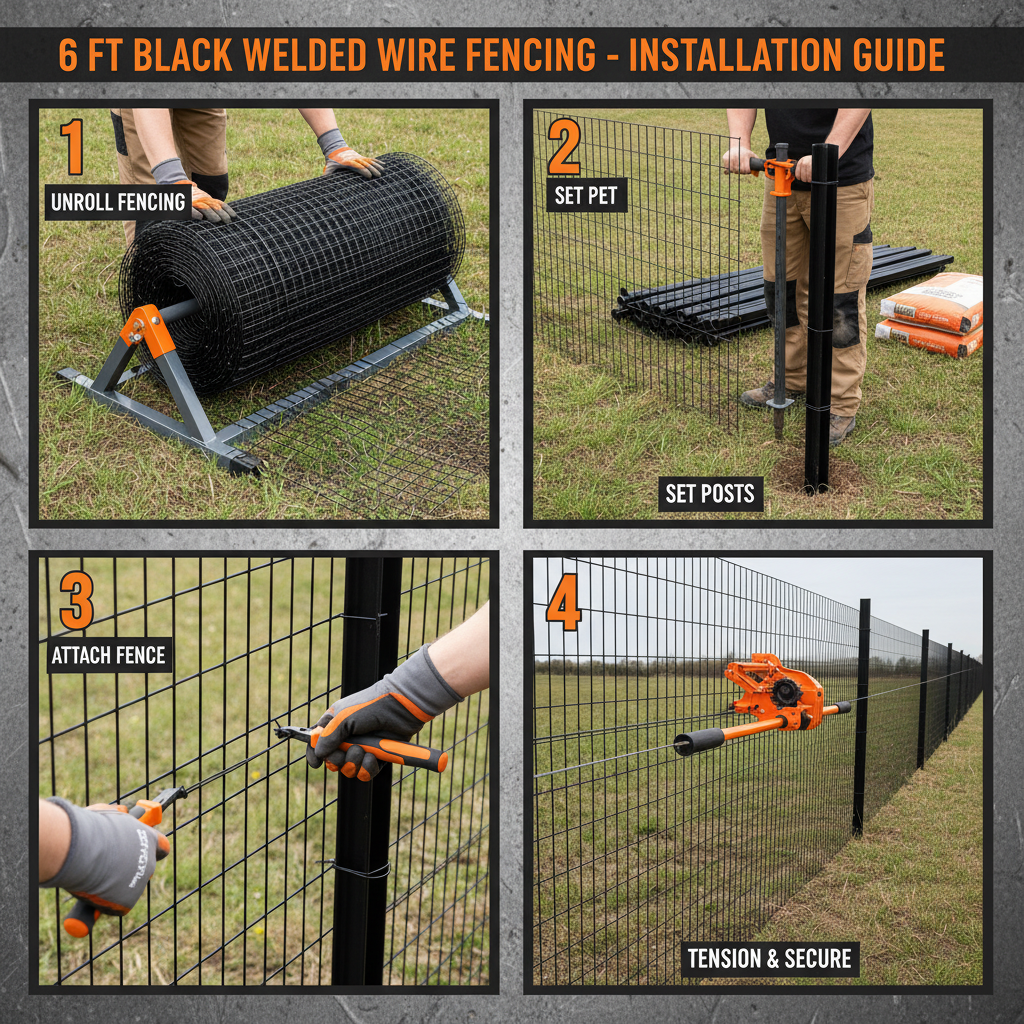 Choosing The Ideal 6 ft Welded Wire Fencing Black For Property SecurityWhen securing your property, selecting the right fencing is crucial. 6 ft welded wire fencing black offers a durable, cost-effective, and aesthetically pleasing solution for a variety of applications. This article will guide you through understanding the benefits, applications, installation considerations, and choosing the best black welded wire fence for your needs. Properly installed fencing adds security, defines boundaries, and enhances the overall appearance of your property. We'll delve into everything you need to know to make an informed decision.Read more >
Mar 28 2026