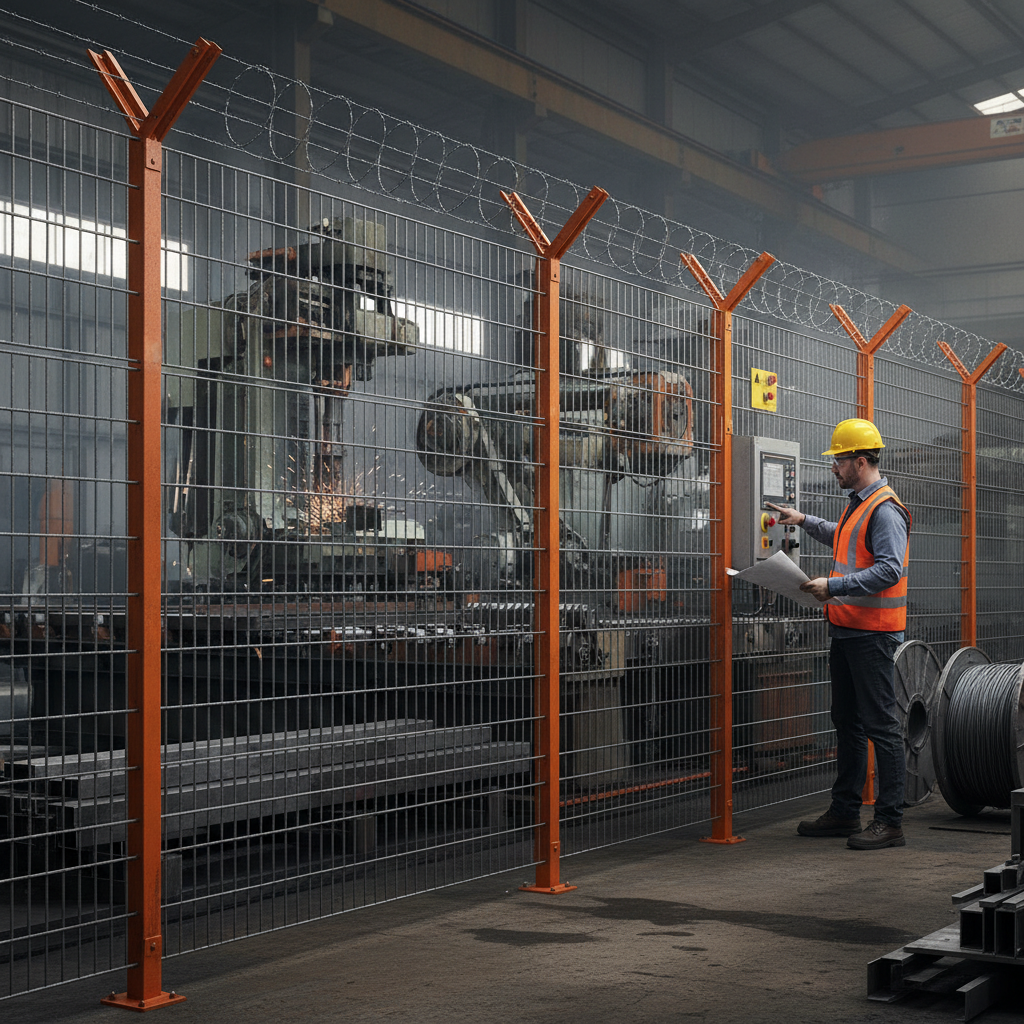
Across the globe, the demand for durable boundary solutions has surged as urban expansion and industrial zoning become more complex. From the rigorous standards of ISO certifications to the practical needs of large-scale infrastructure projects, the implementation of high-quality wire mesh systems ensures that assets are protected and restricted areas remain inaccessible to unauthorized personnel. The ability to customize gauge and coating makes it adaptable to virtually any climate or terrain.
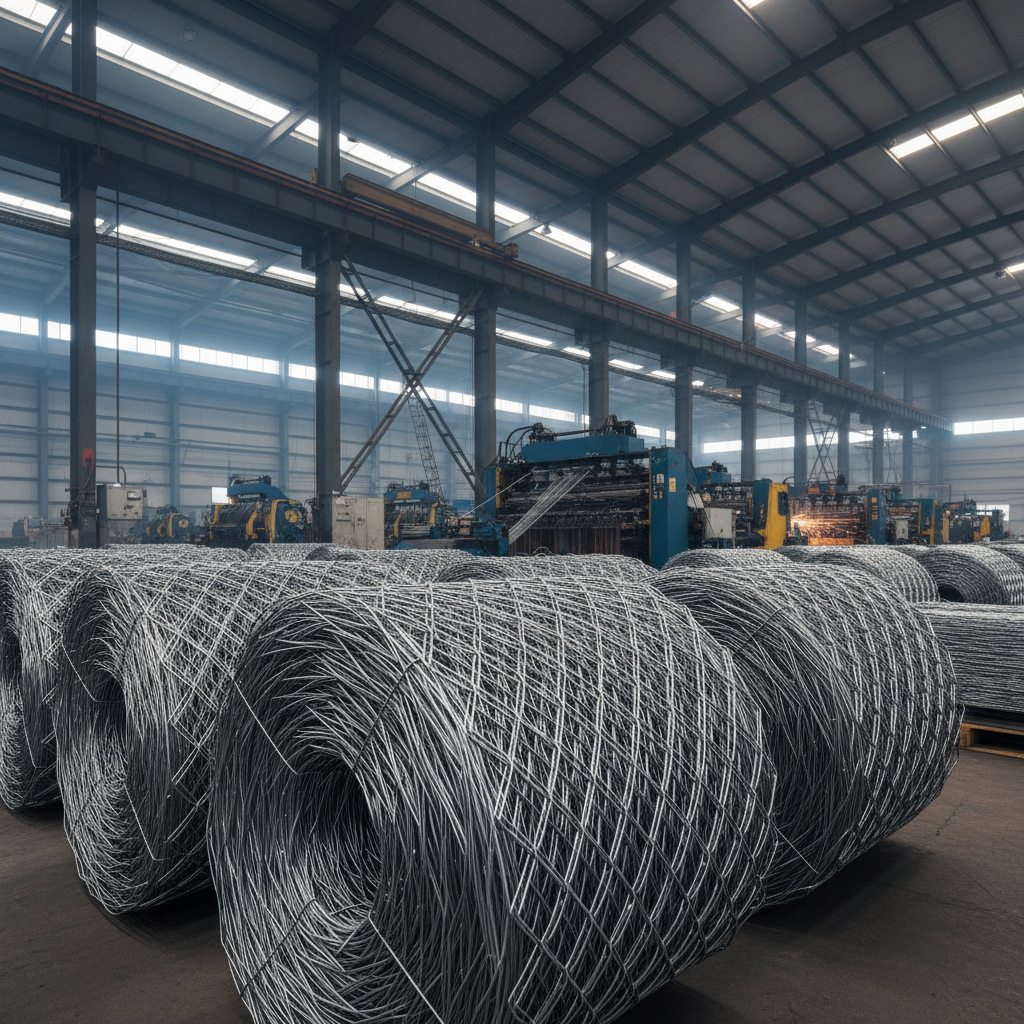
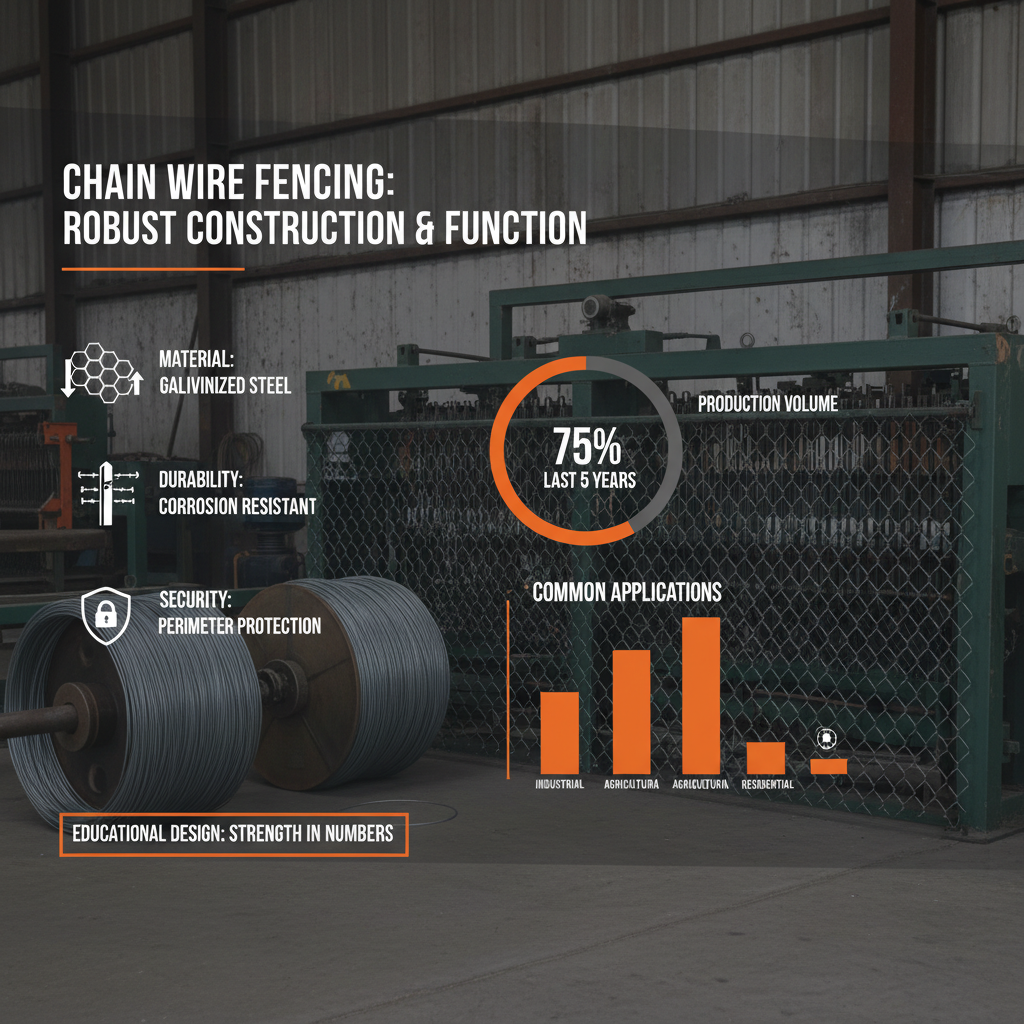
Moreover, the standardization of wire diameters and mesh sizes allows for seamless international procurement. This uniformity ensures that a project in Southeast Asia can utilize the same engineering specifications as one in North America, facilitating a global supply chain that prioritizes reliability and rapid scalability in the face of expanding urban footprints.
The choice depends on the security level required. For residential or garden use, a higher gauge (thinner wire) is usually sufficient. However, for industrial or high-security sites, a lower gauge (thicker wire, such as 9 or 11 gauge) is recommended to prevent cutting and increase the structural integrity of the barrier.
It is not necessary for every project, but it is highly recommended for coastal areas or chemical plants where salt and pollutants accelerate rust. PVC also provides an aesthetic advantage, allowing you to match the fence to your landscape while adding an extra layer of physical protection to the galvanized steel.
A high-quality, hot-dipped galvanized fence typically lasts between 15 to 25 years. If you opt for stainless steel or specialized duplex coatings, the lifespan can extend beyond 50 years, depending on the environmental conditions and the quality of the initial installation.
Yes, one of the greatest advantages of chain wire fencing is its flexibility. The mesh can be contoured to follow the slope of the ground, unlike rigid panel fences. By adjusting the post heights and utilizing a flexible tensioning system, a seamless secure boundary can be created on hilly or irregular landscapes.
Hot-dipped galvanizing involves immersing the wire in molten zinc, creating a thick, durable layer. Electro-galvanizing uses an electrical current to apply a thinner zinc layer. While electro-galvanized wire is smoother and cheaper, it has significantly less corrosion resistance and is best suited for indoor or temporary use.
To prevent digging, we recommend installing a bottom tension wire or embedding the bottom 6 inches of the mesh into a concrete footer. Alternatively, you can "flare" the bottom of the fence outward and pin it to the ground, creating an L-shaped barrier that animals cannot easily tunnel under.
As we move toward a future defined by smarter materials and greener manufacturing, the role of wire mesh will only expand. Embracing innovations such as recycled steel and IoT integration will allow us to maintain security without compromising environmental integrity. Whether you are securing a small residential plot or a massive industrial complex, investing in high-quality materials today ensures a safer and more secure tomorrow. For professional guidance and premium products, visit our website: www.chchfence.com