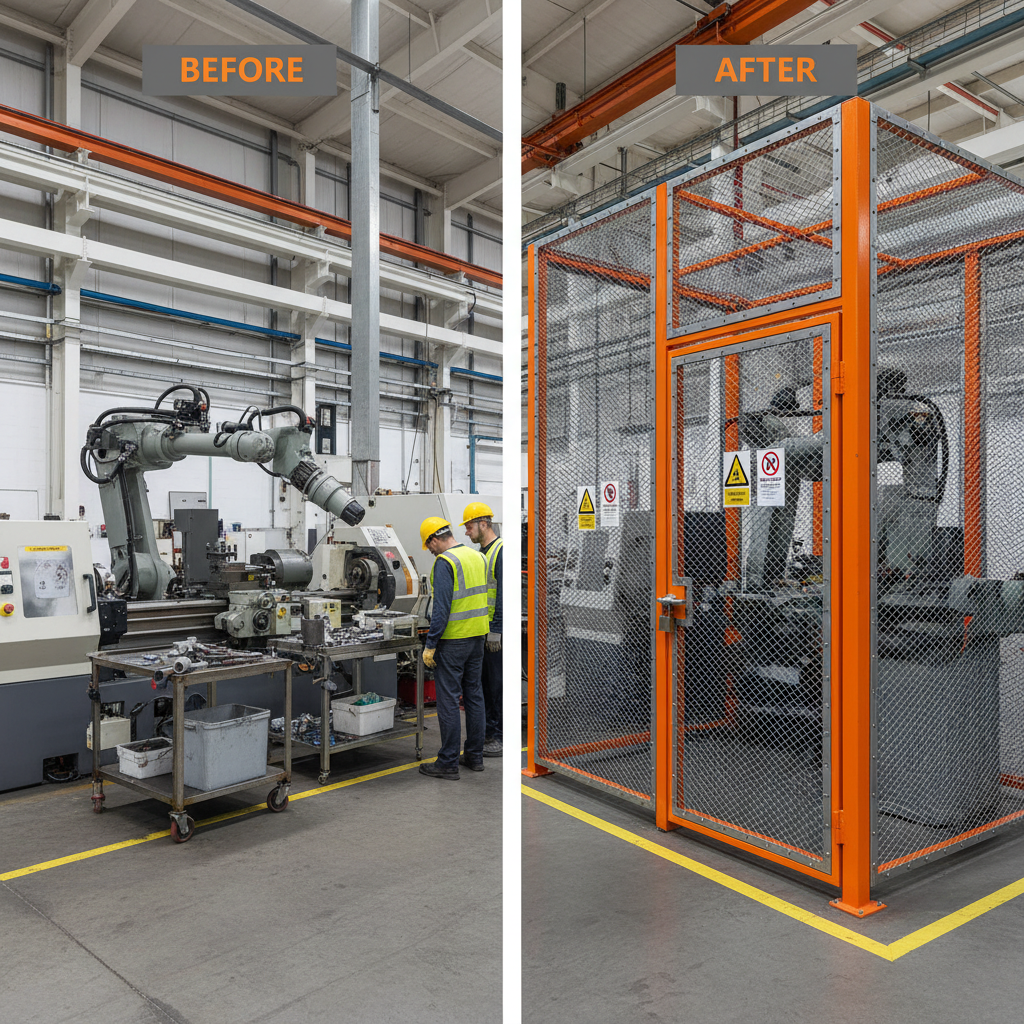
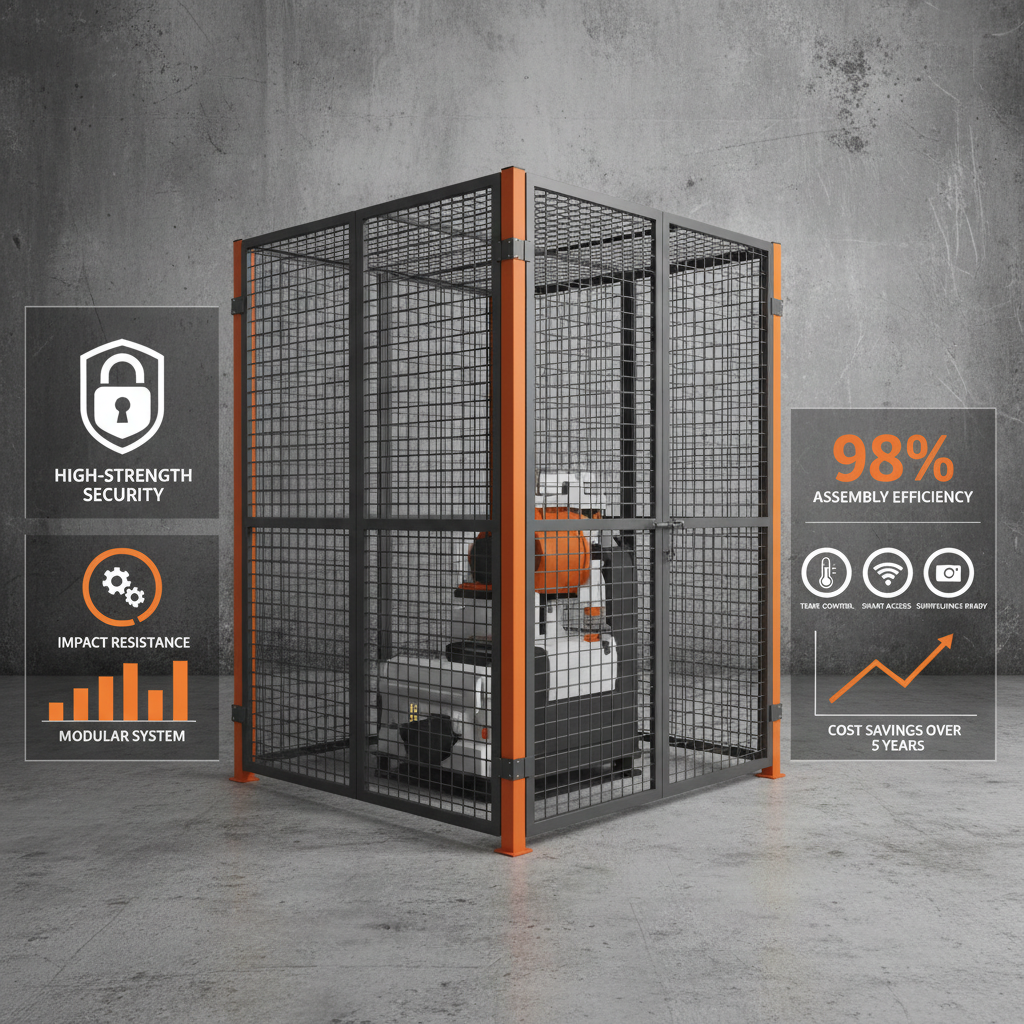
In the modern landscape of industrial security, the wire mesh security cage stands as a cornerstone for safeguarding high-value assets and controlling restricted access. Whether in a sprawling warehouse, a data center, or a retail environment, these specialized enclosures provide a physical barrier that balances visibility with formidable strength. Understanding the nuances of their construction and application is essential for any facility manager aiming to mitigate theft and operational risk.
Globally, the demand for modular security solutions has surged as businesses move toward more flexible warehouse configurations. The integration of a wire mesh security cage allows for the creation of "rooms within rooms," eliminating the need for permanent wall construction while maintaining strict security protocols. This adaptability makes them an indispensable tool for inventory management and hazardous material storage.
Ultimately, investing in high-quality mesh containment is not just about preventing unauthorized entry; it is about optimizing workflow and ensuring workplace safety. By utilizing a wire mesh security cage, organizations can achieve an ideal equilibrium between airflow, light penetration, and robust physical protection, ensuring that security does not come at the cost of operational efficiency.
Global Industry Context of Wire Mesh Security Cage
The global security infrastructure market has seen a significant shift toward modularity, with the wire mesh security cage becoming a primary choice for logistics hubs and industrial parks. According to ISO standards for physical security, the ability to isolate high-risk inventory without obstructing fire suppression systems (like sprinklers) is critical. This has led to a worldwide adoption of mesh-based systems over solid wall partitions.
In regions experiencing rapid industrialization, such as Southeast Asia and North America, the challenge of "shrinkage" (inventory loss) has driven the implementation of these cages. By creating a transparent yet impenetrable barrier, companies can monitor assets in real-time while preventing unauthorized access, effectively reducing losses by up to 30% in high-traffic warehouse environments.
Defining the Wire Mesh Security Cage Standard
At its core, a wire mesh security cage is a heavy-duty enclosure constructed from welded steel wire, designed to protect equipment, tools, or inventory from theft and tampering. Unlike standard fencing, these cages are engineered for structural rigidity and are often bolted directly to the floor or integrated into existing shelving units, creating a secure perimeter that is difficult to breach.
From a technical perspective, these systems are deeply connected to modern lean manufacturing and "Just-In-Time" (JIT) inventory needs. By utilizing a wire mesh security cage, facilities can organize their space into secure zones that allow for rapid auditing and movement of goods, ensuring that security protocols do not slow down the supply chain.
Beyond industrial use, the concept extends to humanitarian and public safety needs, where temporary secure storage is required for emergency medical supplies or communication equipment. This versatility ensures that whether the goal is commercial profit protection or life-saving resource management, the structural integrity of the mesh provides peace of mind.
Core Components for Maximum Durability
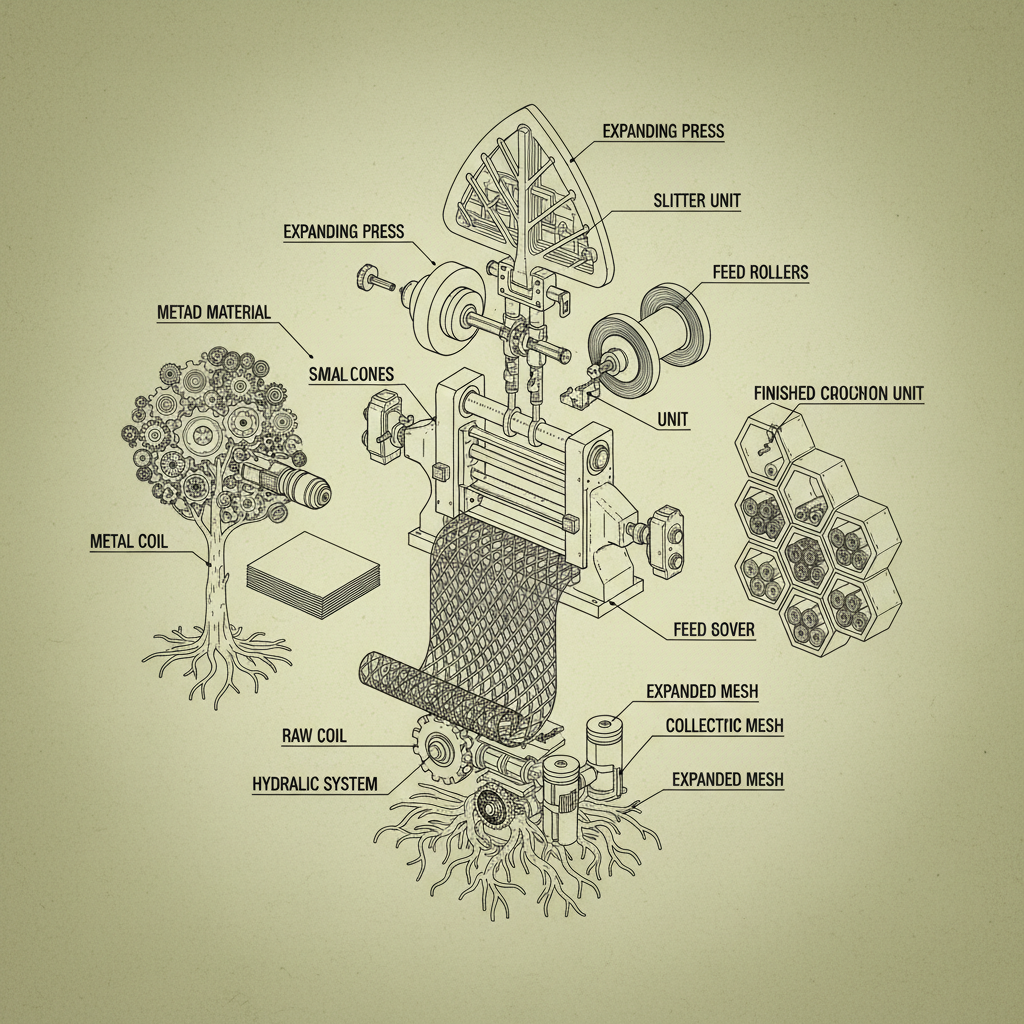
The strength of a wire mesh security cage begins with the gauge of the steel used. High-tensile welded wire provides the primary resistance against cutting and bending, ensuring that the cage maintains its shape even under significant external pressure.
A critical component often overlooked is the coating process. Whether using powder coating or hot-dip galvanization, the wire mesh security cage must be treated to withstand corrosion, especially in humid warehouse environments or cold-storage facilities where condensation is frequent.
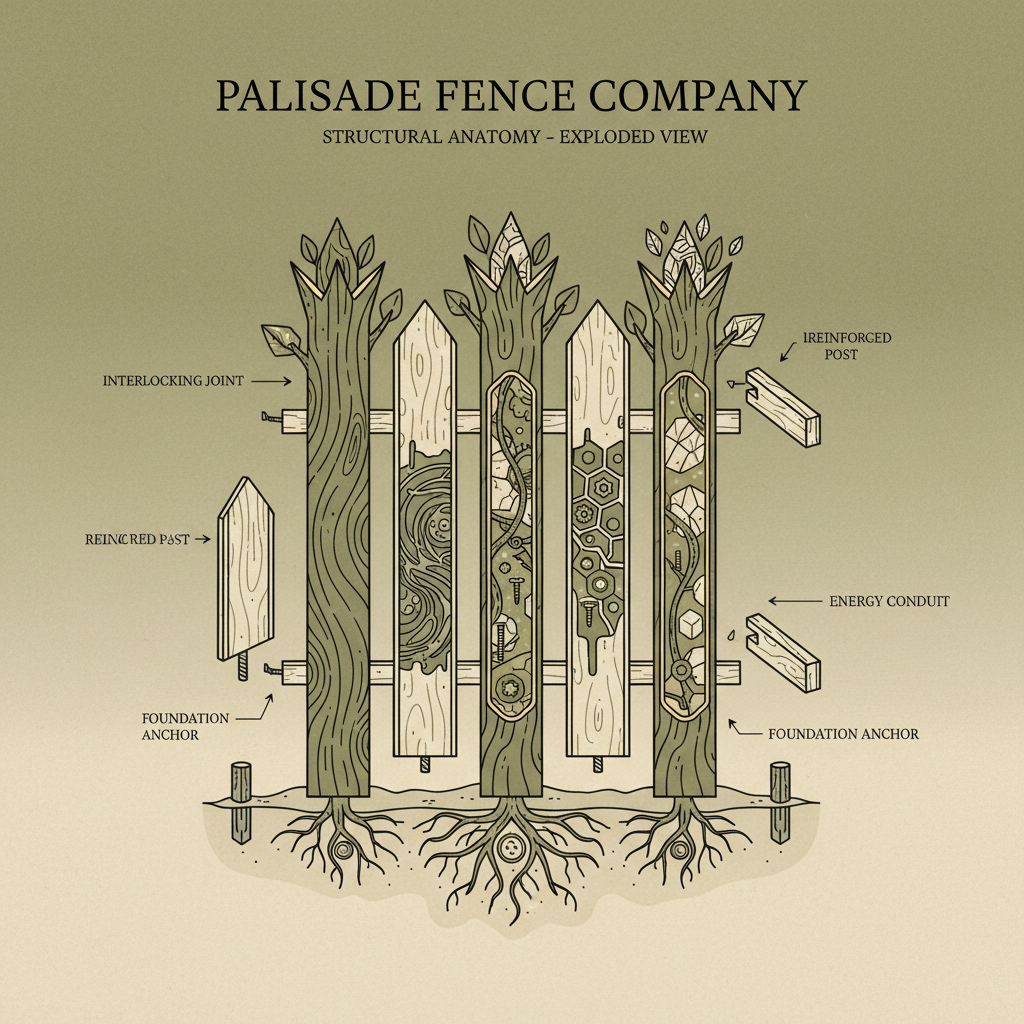
Finally, the locking mechanisms and joint connectors define the cage's scalability. Modular connectors allow a wire mesh security cage to be expanded or relocated as the business grows, providing a future-proof security investment.
Practical Performance Metrics of Security Caging
When evaluating the efficacy of different security solutions, the wire mesh security cage consistently outperforms solid partitions in terms of ventilation and visibility. These factors are not merely convenient; they are essential for maintaining air circulation around electronic equipment and ensuring that security personnel can see through the barrier to detect intruders.
To better understand the comparative value, we analyze various installation methods based on their security rating, ease of installation, and cost-effectiveness. The following data highlights how different configurations of the wire mesh security cage perform across these key dimensions.
Security Performance Analysis of Various Cage Configurations
Global Applications Across Diverse Industries
In the telecommunications sector, the wire mesh security cage is widely used to protect servers and networking hardware in co-location data centers. These "cages" ensure that technicians only access the specific equipment they are authorized to service, preventing accidental or intentional disruptions to critical digital infrastructure.
Similarly, in the pharmaceutical and chemical industries, secure containment is used for the storage of controlled substances. A wire mesh security cage provides the necessary security to meet strict regulatory compliance (such as DEA or FDA standards) while allowing ventilation to prevent the buildup of hazardous fumes.
Long-Term Value and Strategic Advantages
The primary long-term value of implementing a wire mesh security cage lies in its sustainability and low maintenance. Unlike drywall or permanent structures, mesh cages do not require painting or costly demolition when a warehouse layout changes. This flexibility significantly reduces long-term capital expenditure (CAPEX) and operational costs.
From a psychological perspective, the presence of these cages fosters a culture of accountability and trust. When employees see that high-value assets are systematically secured via a wire mesh security cage, it reinforces the company's commitment to security and professionalism, reducing internal theft and increasing operational discipline.
Furthermore, the reliability of steel-based security systems ensures that the protection remains constant over decades. With minimal wear and tear, a high-quality wire mesh security cage provides a consistent ROI by preventing a single catastrophic loss that could otherwise cripple a small-to-medium enterprise.
Future Trends and Material Innovations
The future of the wire mesh security cage is moving toward "smart security." We are seeing the integration of IoT sensors into the mesh framework, which can detect vibrations or cutting attempts in real-time, sending instant alerts to security teams. This transforms a passive physical barrier into an active monitoring system.
Sustainability is also driving material innovation. New eco-friendly powder coatings and recycled steel are being utilized to reduce the carbon footprint of wire mesh security cage production. These green initiatives align with global corporate ESG goals without compromising the structural integrity of the security solution.
Additionally, automation is influencing design. We are seeing the rise of cages with automated sliding doors and biometric access control, ensuring that the wire mesh security cage integrates seamlessly into the digital transformation of the modern smart warehouse.
Comparative Analysis of Wire Mesh Security Cage Material Specifications
| Material Grade |
Corrosion Resistance |
Security Level |
Installation Speed |
| Galvanized Steel |
High |
Medium-High |
Fast |
| Powder Coated Steel |
Medium-High |
Medium-High |
Medium |
| Stainless Steel 304 |
Very High |
High |
Slow |
| Heavy-Duty Welded Mesh |
Medium |
Extreme |
Medium |
| Lightweight Modular |
Medium |
Low-Medium |
Very Fast |
| Industrial Grade Alloy |
High |
Very High |
Medium |
FAQS
The primary advantages are visibility and ventilation. A wire mesh security cage allows security personnel and cameras to monitor the interior without blind spots, and it ensures that HVAC and fire sprinkler systems can function normally, which is often a legal requirement for industrial buildings.
Depending on the material and coating, a high-quality wire mesh security cage can last 20 to 30 years. Galvanized and powder-coated options are specifically designed to resist corrosion and physical impact, requiring almost zero maintenance over their lifespan.
Yes, most professional wire mesh security cages are designed with a modular system. You can simply purchase additional panels and connectors to extend the perimeter or change the layout as your inventory needs evolve, making it a highly scalable solution.
Absolutely. In fact, they are preferred for hazardous materials because the open mesh prevents the accumulation of dangerous vapors and allows for quick visual inspections to ensure there are no leaks or spills, all while keeping unauthorized personnel away.
Depending on the security level, you can use standard heavy-duty padlocks, keyed locks, or integrated electronic access systems (RFID/Biometric). For high-security zones, we recommend a combination of reinforced hinges and electronic logging systems.
Choose your gauge based on the value of the assets and the risk of intrusion. For low-value bulk items, a lightweight mesh is sufficient. For electronics or pharmaceuticals, a heavy-duty, small-aperture wire mesh security cage is necessary to prevent the use of specialized cutting tools.
Conclusion
The wire mesh security cage represents the perfect intersection of physical strength and operational flexibility. By providing a durable, transparent, and modular barrier, it addresses the most pressing challenges of modern industrial security—namely, the need to protect high-value assets without sacrificing visibility or airflow. From the strategic selection of steel gauges to the implementation of smart IoT integrations, these systems provide a comprehensive shield against inventory shrinkage and unauthorized access.
As we look toward the future of warehousing and facility management, the shift toward sustainable and intelligent security is inevitable. Investing in a high-quality wire mesh security cage today not only secures your current assets but also provides a scalable foundation for future growth. We encourage facility managers to audit their current security gaps and consider modular mesh solutions to optimize their operational safety. Visit our website: www.chchfence.com