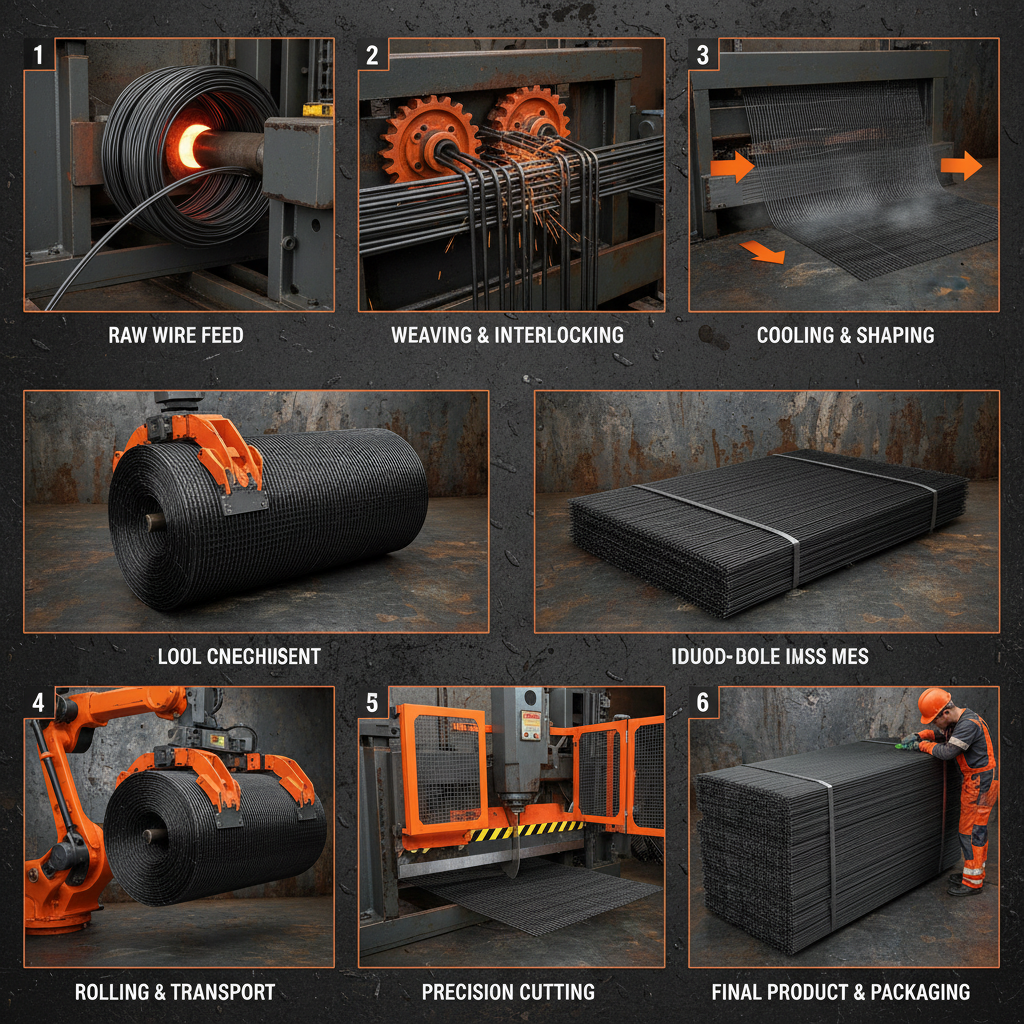
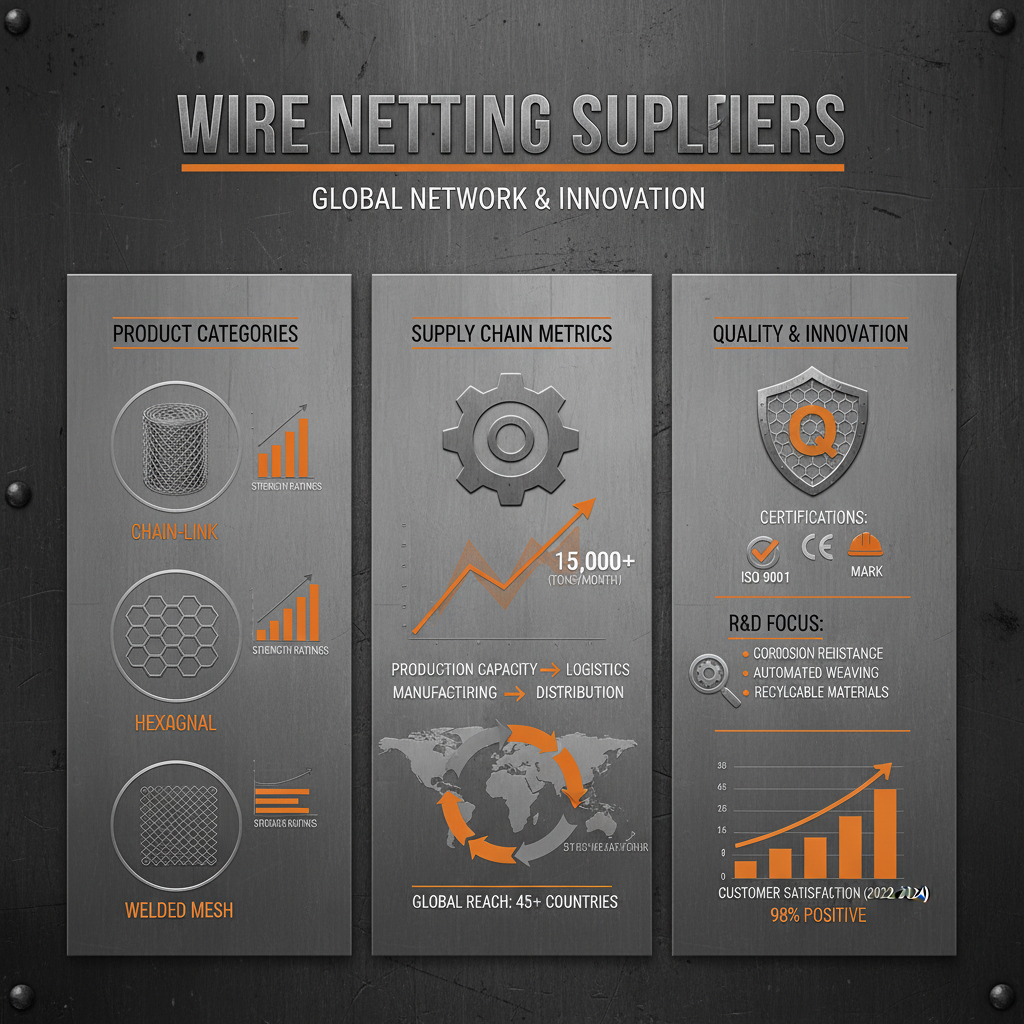
Metal grating is a fundamental component in modern infrastructure, offering versatile solutions across diverse industries. Its robust construction and open design provide essential safety, ventilation, and load-bearing capabilities, making it indispensable in numerous applications worldwide. Understanding the nuances of metal grating – from its manufacturing processes to its varied applications – is critical for engineers, architects, and procurement professionals alike.
The global demand for metal grating is steadily increasing, driven by expanding infrastructure projects, stringent safety regulations, and a growing need for durable and cost-effective flooring and safety barriers. According to market research, the metal grating industry is projected to experience significant growth in the coming years, particularly in emerging economies undergoing rapid industrialization. This expansion highlights the importance of understanding its properties and applications.
Ultimately, the prevalence of metal grating represents a commitment to safety, efficiency, and long-term sustainability in construction and industrial settings. Its enduring relevance stems from its adaptability and inherent strength, solidifying its position as a core material in building and maintaining modern society.
Introduction to Metal Grating
Metal grating, at its core, represents an engineered solution built for strength and safety. It isn’t simply a material; it’s a vital component in providing secure walkways, durable flooring, and reliable barriers across a spectrum of industrial and commercial settings. Its open grid design isn't merely aesthetic; it actively enhances drainage, ventilation, and light transmission, making it superior to solid surfaces in many applications.
The increasing adoption of metal grating stems from its ability to consistently deliver on performance expectations. Whether it's supporting heavy machinery in a manufacturing plant or ensuring pedestrian safety on elevated walkways, metal grating has proven its reliability over decades of use. This inherent durability, coupled with its relatively low maintenance requirements, makes it a smart long-term investment for any project.
Defining Metal Grating and its Relevance
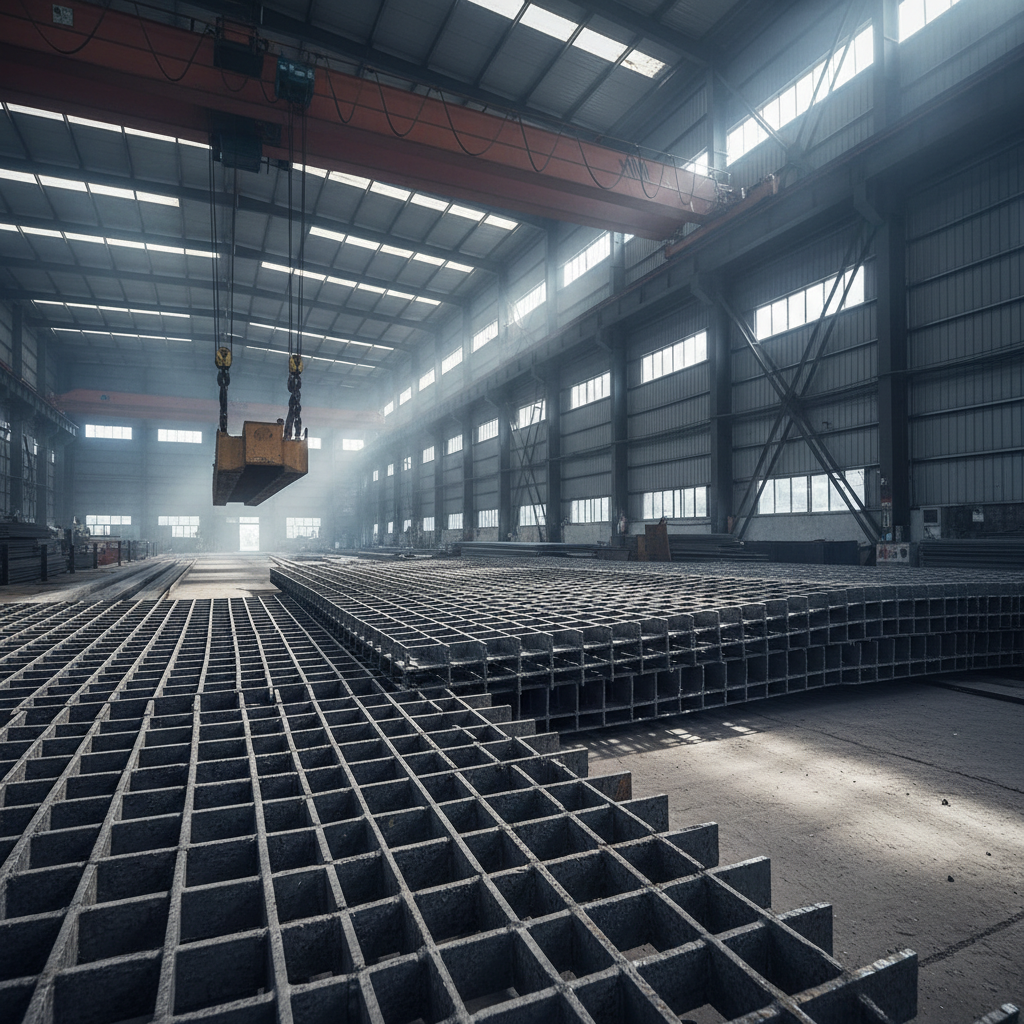
Metal grating is essentially an assembly of interlaced metal bars, typically forming a grid-like structure. These bars are commonly joined by welding, press-locking, or swaging, creating a strong and rigid surface. Different metals such as steel, stainless steel, and aluminum are employed, each offering unique characteristics regarding corrosion resistance, strength, and weight. The choice of material depends heavily on the intended application and environmental conditions.
Its relevance in modern industry is profound. Beyond its structural functions, metal grating contributes to workplace safety by minimizing slip and fall hazards, especially in wet or oily environments. It also facilitates the flow of air, light, and fluids, improving ventilation and reducing the buildup of potentially dangerous materials. This makes it essential in sectors like oil and gas, chemical processing, and power generation.
Furthermore, the growing demand for sustainable building practices bolsters the use of metal grating. Many varieties are manufactured from recycled materials and are themselves fully recyclable at the end of their lifespan, aligning with circular economy principles and reducing environmental impact.
Core Characteristics of Metal Grating
Metal grating distinguishes itself through a set of core characteristics that contribute to its widespread appeal. Perhaps the most crucial is its strength-to-weight ratio. Compared to solid metal plates, grating provides comparable load-bearing capacity with significantly less material, reducing overall costs and simplifying installation. This inherent efficiency makes it a highly practical material choice.
Another key characteristic is its inherent slip resistance. The open grid design allows for fluids and debris to fall through, minimizing the accumulation of potentially hazardous substances and providing a secure footing even in challenging conditions. This feature is particularly critical in industrial settings and public spaces where safety is paramount.
Finally, metal grating exhibits excellent corrosion resistance, especially when constructed from materials like stainless steel or galvanized steel. This durability ensures a long service life, reducing the need for frequent replacements and lowering lifecycle costs. The ability to withstand harsh environmental conditions further solidifies its suitability for a diverse range of applications.
Key Attributes and Practical Applications
The defining attributes of metal grating directly translate into a wide range of practical applications. Its exceptional durability and load-bearing capacity make it ideal for constructing walkways, platforms, and stair treads in industrial facilities, power plants, and warehouses. The robust construction can withstand constant foot traffic and heavy equipment loads.
Its open grid design plays a vital role in ventilation systems, drainage solutions, and security barriers. For instance, it's commonly used in wastewater treatment plants to support equipment while allowing for effective drainage and airflow. Similarly, in security applications, it provides visibility and ventilation while deterring unauthorized access.
Metal Grating Performance Metrics
Global Applications of Metal Grating
The versatility of metal grating manifests in its global adoption across numerous sectors. In North America and Europe, it’s a mainstay in industrial facilities, including manufacturing plants, oil refineries, and power generation stations, primarily for safety walkways, platforms, and drainage systems. Its consistent performance and regulatory compliance drive its continued use.
In rapidly developing economies across Asia, such as China and India, metal grating is experiencing heightened demand due to large-scale infrastructure projects. It’s frequently utilized in construction of bridges, pedestrian walkways, and industrial complexes. Similarly, in South America, metal grating contributes to improving safety and efficiency in mining operations and agricultural processing facilities.
Advantages and Long-Term Value Proposition
The advantages of employing metal grating extend far beyond its initial cost. Its inherent durability translates into reduced maintenance and replacement costs over the long term, making it a financially sound investment. The ability to withstand harsh conditions and resist corrosion minimizes downtime and ensures continued operational efficiency.
From a sustainability perspective, metal grating often incorporates recycled materials and is itself fully recyclable, contributing to a circular economy. Furthermore, the improved safety it provides – reducing slip-and-fall accidents – translates to fewer workplace injuries and associated costs. These combined benefits create a compelling value proposition.
Moreover, the aesthetic appeal of metal grating shouldn’t be overlooked. While primarily functional, its sleek and modern design can enhance the overall appearance of a facility, contributing to a more professional and efficient work environment. This subtle yet impactful benefit further strengthens its position as a preferred material choice.
Future Trends and Innovations in Metal Grating
Innovation in metal grating is focusing on enhancing performance, sustainability, and ease of installation. The development of lightweight, high-strength alloys, such as those incorporating titanium or advanced polymers, is pushing the boundaries of what’s possible. These advancements allow for larger spans and reduced material usage without compromising structural integrity.
Smart grating systems, incorporating sensors to monitor load distribution, structural integrity, and environmental conditions, are also emerging. These systems provide real-time data, enabling proactive maintenance and preventing potential failures. This integration of IoT technology adds a new dimension of safety and efficiency.
Furthermore, increased emphasis on sustainable manufacturing processes, including utilizing renewable energy sources and minimizing waste, is driving the adoption of environmentally friendly production methods within the metal grating industry. This commitment to sustainability will continue to shape the future of this essential material.
Summary of Metal Grating Challenges and Solutions
| Challenge |
Impact on Metal Grating Performance |
Proposed Solution |
Implementation Cost (1-10) |
| Corrosion in Harsh Environments |
Reduced lifespan and structural integrity |
Use of high-grade stainless steel or specialized coatings |
7 |
| High Installation Costs |
Increased project expenses and delays |
Modular grating systems with quick-connect fasteners |
5 |
| Limited Load Capacity for Specific Designs |
Restricted applications in heavy-duty scenarios |
Optimized grating designs and material selection |
6 |
| Difficulty in Custom Fabrication |
Long lead times for non-standard sizes and shapes |
Investment in advanced cutting and forming technologies |
8 |
| Maintenance Requirements (Cleaning & Inspection) |
Potential for debris buildup and corrosion |
Self-cleaning grating designs and regular inspection schedules |
4 |
| Environmental Impact of Manufacturing |
Carbon footprint and waste generation |
Use of recycled materials and sustainable manufacturing processes |
7 |
FAQS
Metal grating is predominantly constructed from carbon steel, stainless steel, and aluminum. Carbon steel is the most common due to its strength and cost-effectiveness, but it requires corrosion protection. Stainless steel offers superior corrosion resistance, making it ideal for harsh environments. Aluminum is lightweight and corrosion-resistant, suitable for applications where weight is a concern. The choice depends on the specific application's requirements for strength, durability, and resistance to environmental factors.
Bearing bar spacing directly impacts load-carrying capacity. Closer spacing generally leads to a higher load capacity, as the load is distributed across more bars. Wider spacing reduces the material used, lowering the cost but also decreasing the load capacity. The optimal spacing is determined by the intended application and the expected loads, and is calculated based on engineering standards and safety factors.
Several welding processes are employed, including Resistance Welding, Gas Metal Arc Welding (GMAW), and Submerged Arc Welding (SAW). Resistance welding is favored for its efficiency and speed in joining cross bars to bearing bars. GMAW offers versatility and precision for various metal types, while SAW is used for thicker materials and high-volume production, providing strong, consistent welds.
Stainless steel generally offers superior corrosion resistance compared to galvanized steel. While galvanizing provides a protective zinc coating, it can be scratched or damaged over time, exposing the underlying steel to corrosion. Stainless steel’s inherent alloy composition provides long-lasting corrosion resistance without requiring an external coating. However, galvanized steel is a cost-effective alternative for less aggressive environments.
Press-locked metal grating is widely used in applications where a secure, non-slip surface is required, such as walkways, platforms, stair treads, and drainage covers. Its press-locking method creates a tight, durable connection between the bearing bars and cross bars, eliminating the need for welding and providing a clean, finished look. It's often preferred in architectural and industrial settings.
Selecting the right metal grating requires careful consideration of several factors. Evaluate the load requirements, environmental conditions, desired lifespan, and budget constraints. Consulting with a qualified engineer or metal grating supplier is crucial to ensure the chosen grating meets all necessary safety and performance standards. Consider material type, bearing bar spacing, and welding method based on these factors.
Conclusion
Metal grating represents a cornerstone material in modern construction and industrial infrastructure. Its combination of strength, durability, safety, and cost-effectiveness makes it an indispensable component across numerous applications globally. From providing secure walkways in factories to ensuring efficient drainage in wastewater treatment plants, metal grating consistently delivers reliable performance and long-term value. The continued evolution of materials and manufacturing processes promises to further enhance its capabilities and expand its potential.
Looking ahead, the integration of smart technologies and a heightened focus on sustainability will drive innovation in the metal grating industry. By embracing advanced materials, optimized designs, and environmentally responsible manufacturing practices, we can unlock even greater benefits from this versatile material. Visit our website at www.chchfence.com to explore our comprehensive range of metal grating solutions and discover how we can meet your specific project needs.