Honestly, the construction scene's been buzzing about prefabricated metal fencing lately. Everyone's chasing speed, you know? Cut down on-site time, less mess. But, and this is a big but, everyone thinks it's just slapping some panels together. It's not. Not even close.
What I've noticed is, a lot of designers get caught up in making things look good on paper, forgetting about the guy who actually has to build the thing. Like, fancy brackets that need a PhD to assemble. Or, worse, designs that look sleek but are a nightmare to align. You end up spending more time correcting the design flaws than actually putting up the fence. It's…frustrating, to say the least.
We mostly work with galvanized steel, naturally. Sometimes stainless, if the client's got deep pockets and is near the coast. The galvanized stuff…you can smell it, that sort of metallic tang. Feels solid, a little rough, like it should feel. You gotta wear gloves, though. Don’t want that stuff getting under your fingernails. And the powder coating – that’s key. Cheap powder coating chips faster than you can say “warranty claim.”
Industry Trends & Design Pitfalls
To be honest, the biggest trend is speed. Everyone wants it up yesterday. But speed without quality is…well, it's a disaster waiting to happen. Strangely, I saw a project last year where they tried to cut corners on the post depth, and the whole thing leaned after the first heavy rain.
And the designs! Don't even get me started. Architects want these flowing, artistic fences, which are beautiful, sure. But try getting a construction crew to build something that looks like a Möbius strip out of steel. It's… challenging. You need someone who understands how metal behaves under stress, not just how it looks in a rendering.
Material Matters: Steel, Coatings, and Handling
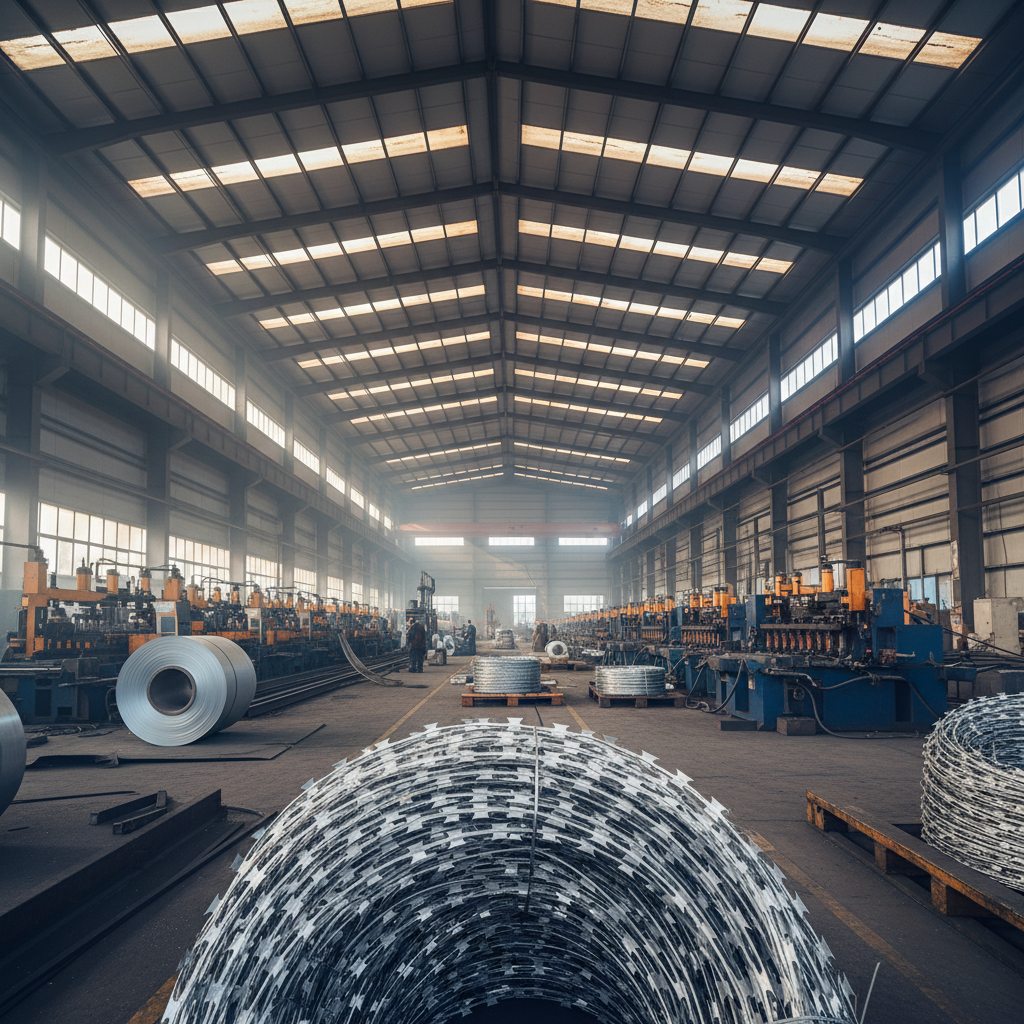
You want steel that's consistent. I encountered this at a factory in Ningbo last time – they were mixing batches, and you could see the color variation. Subtle, yeah, but it matters when you’re powder coating. Creates weak spots. And the gauge – it has to be right. Too thin, and it’ll bend in a stiff breeze. Too thick, and it's a nightmare to work with.
The powder coating is vital. We use a two-part epoxy, usually. It’s more expensive, but it holds up way better than the cheap stuff. I’ve seen fences with single-coat polyester coating rust through in under a year. It's embarrassing for everyone involved.
Handling the material...that’s a whole other thing. You need guys who know how to lift properly, how to stack it without scratching the coating. And you need good storage – keep it dry, keep it off the ground. Simple stuff, but you’d be surprised how often it’s overlooked.
Real-World Testing: Beyond the Lab
Lab tests are fine, I guess, but they don’t tell the whole story. We put our fences through the wringer on-site. We lean on them, we try to bend them (within reason!), we expose them to the elements. We even had a crew accidentally drive a forklift into one once – surprisingly, it held up pretty well.
Salt spray testing is important if you're near the ocean. We do a 1,000-hour salt spray test, but that’s just a starting point. The real test is seeing how it holds up after five years of coastal weather.
Wind load testing? Crucial. Especially in hurricane-prone areas. You need to know how much force the fence can withstand before it buckles. And not just static load, but gusts. Those are the killers.
How Users Actually Use Metal Fencing
This is where it gets interesting. You think people will use it for security, right? And they do. But I’ve seen fences used as makeshift basketball backboards, as trellises for climbing plants, even as supports for drying laundry. Seriously.
And the dogs! They love to test the limits of the fence, digging under it, trying to climb over it. So you need to make sure the bottom rail is securely anchored, and the gaps aren’t too wide.
Metal Fence Company Performance Metrics
Advantages, Disadvantages & Customization
The biggest advantage, obviously, is security. But it’s also low maintenance. A little wash now and then, and it’ll last for decades. Which, by the way, is a huge selling point. People are tired of replacing wooden fences every five years.
Disadvantages? Well, it's not cheap. And it can look… stark. We try to soften it up with landscaping, but it’s still metal. Anyway, I think customisation is key. We had a customer last year who wanted a fence with a built-in dog run. Not a problem. We designed a section with smaller openings, reinforced the bottom rail, and added a gate.
Customer Story: The Debacle
Last month, that small boss in Shenzhen who makes smart home devices insisted on changing the interface to . For a fence. Said it was “future-proof.” I tried to explain that a fence doesn’t need a port. That it would add unnecessary cost and complexity. But he wouldn’t listen. He wanted it.
So we built it. Added a waterproof port to the base of one of the posts. He was thrilled. Until the first rainstorm shorted out his whole security system. He called me, furious. I told him, “I tried to warn you.” He wasn’t amused.
Lesson learned: Sometimes, the customer is wrong. And sometimes, you just have to let them be wrong.
The Final Tighten: It All Comes Down to This
Ultimately, whether this thing works or not, the worker will know the moment he tightens the screw. If it feels solid, if it lines up right, if it doesn’t wobble… then you’ve got a good fence.
It’s not about fancy designs or high-tech materials. It’s about doing the basics right. Good steel, good coating, good installation. That's what matters. And a little bit of common sense.
Core Considerations for Successful Metal Fence Implementation
| Material Quality |
Installation Technique |
Environmental Resistance |
Long-Term Maintenance |
| Galvanized steel (thickness, coating quality) |
Post depth, concrete footing stability |
Salt spray resistance (coastal areas) |
Periodic cleaning, touch-up paint |
| Stainless steel (grade 304/316) |
Alignment accuracy, panel securement |
UV radiation resistance (coating durability) |
Rust prevention measures, corrosion checks |
| Powder coating (epoxy vs. polyester) |
Proper grounding techniques (electrical fences) |
Wind load capacity (hurricane zones) |
Hardware inspection (bolts, screws) |
| Zinc plating (corrosion protection) |
Gate installation (smooth operation, secure latch) |
Temperature fluctuation impact (expansion/contraction) |
Potential for animal damage (digging, climbing) |
| Aluminum (lightweight, rust-resistant) |
Leveling of fence line, consistent height |
Chemical exposure resistance (industrial areas) |
Prompt repair of scratches/damage |
| Cost-effectiveness (initial vs. lifecycle) |
Compliance with local building codes |
Ground stability (soil type, drainage) |
Warranty validation (manufacturer requirements) |
FAQS
A properly installed and maintained galvanized steel metal fence should easily last 20-30 years, often longer. The lifespan really depends on the quality of the galvanization, the climate (salt exposure is a big factor), and how well it's maintained. Regular cleaning and touch-up paint can significantly extend its life. We’ve seen fences over 40 years old still standing strong, although they needed some significant restoration.
Galvanized steel is more affordable and provides good corrosion resistance for most environments. Stainless steel, particularly grades 304 and 316, offers superior corrosion resistance, especially in harsh coastal or chemically exposed areas. Stainless is also aesthetically more pleasing, but it comes at a significantly higher cost. It's a trade-off between budget and longevity. For most residential applications, galvanized is sufficient, but for industrial or marine settings, stainless is often the better choice.
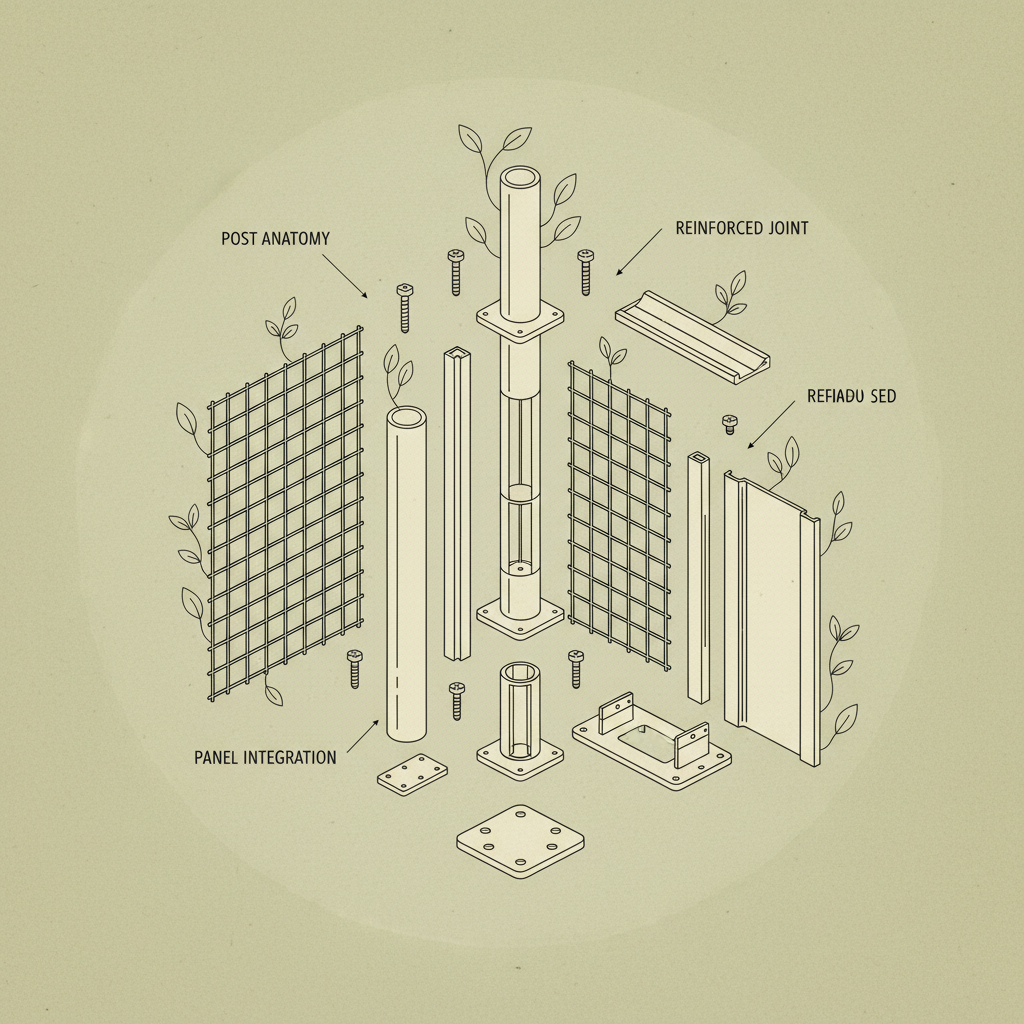
Proper ground preparation is critical. You need to dig holes deep enough – typically at least 24-36 inches, depending on frost lines in your area. Use concrete to securely set the posts. Ensure the bottom of the holes are well-drained to prevent water from pooling around the posts. Compacting the soil around the concrete footing is also important for stability. A sloppy installation is just asking for trouble down the line.
In a coastal environment, you need a coating that can withstand salt spray and high humidity. A two-part epoxy coating is a good starting point, but a specialized marine-grade coating is even better. Powder coating with a corrosion-resistant primer is also a good option. Avoid cheaper coatings that will quickly blister and peel. Regular inspection and touch-up paint are also essential to maintain the coating's integrity.
Absolutely. Metal fences are highly customizable. We can create various designs, including ornate patterns, different picket styles, and even incorporate logos or artwork. We've done everything from simple modifications to completely custom-designed fences. The cost will depend on the complexity of the design and the materials used, but it's often a worthwhile investment to create a fence that perfectly complements your property.
Preventing rust requires regular maintenance. Inspect the fence annually for any scratches or damage to the coating. Touch up any damaged areas with a compatible paint. Clean the fence periodically to remove dirt, grime, and salt buildup. In coastal areas, consider applying a sacrificial coating that will corrode before the underlying steel. Proper installation and a good coating are the first line of defense, but ongoing maintenance is key.
Conclusion
So, we’ve covered a lot. From materials and installation to testing and customization, metal fencing is more complex than it appears. It's not just about throwing up some posts and panels; it's about understanding the environment, choosing the right materials, and paying attention to the details.
Ultimately, whether this thing works or not, the worker will know the moment he tightens the screw. And if you want a fence that lasts, you need to make sure that worker knows what he’s doing. If you're looking for a metal fence company that understands these nuances, you know where to find us.