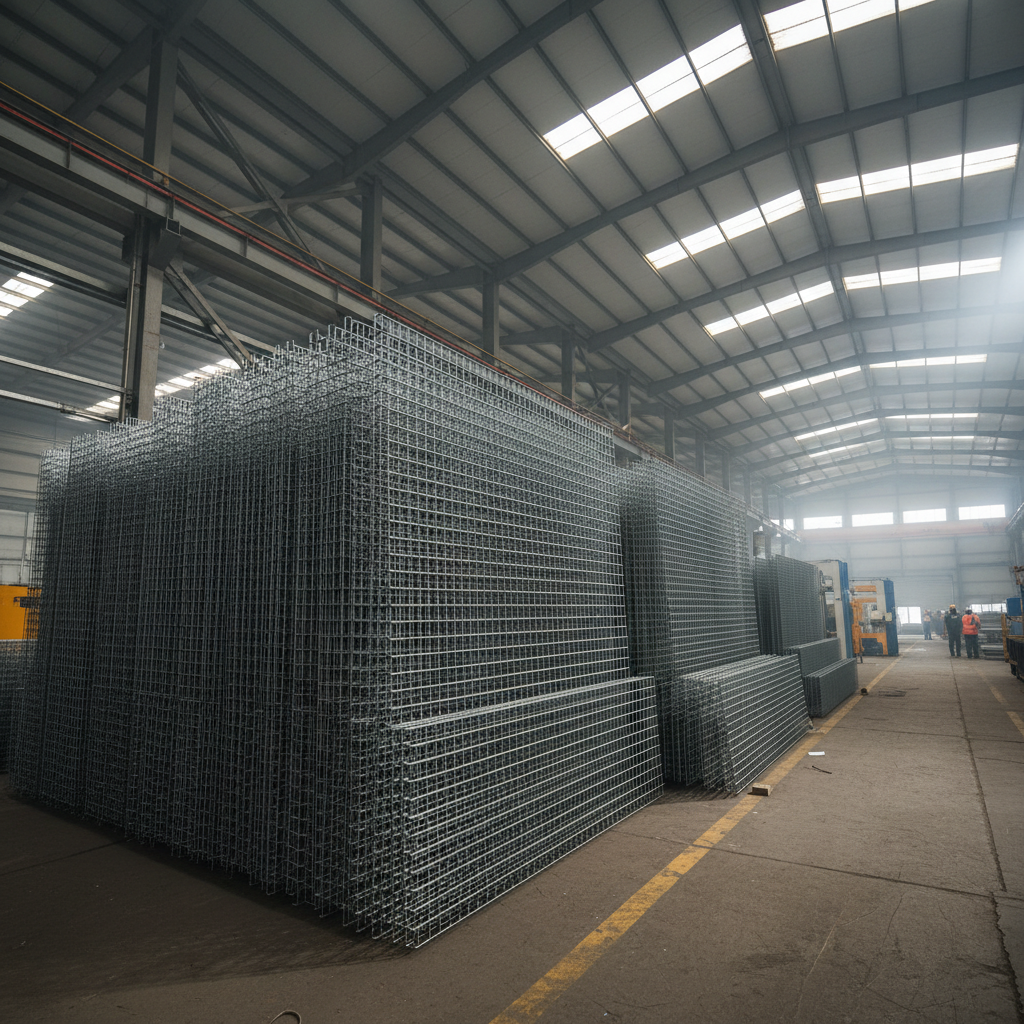
Metal mesh screen, a versatile material comprised of interwoven metal wires, is increasingly vital in numerous global applications. From architectural facades providing solar shading and security, to robust filtration systems purifying water and air, its impact is widespread. The demand for effective, durable, and adaptable screening solutions continues to grow, driving innovation in material science and manufacturing processes. Understanding the properties and potential of metal mesh screen is crucial for engineers, architects, and industries seeking sustainable and efficient solutions.
The global market for metal mesh screen is experiencing significant expansion, fueled by rapid urbanization, heightened security concerns, and growing environmental awareness. According to a recent report by Grand View Research, the global wire mesh market was valued at USD 13.8 billion in 2022 and is expected to grow at a CAGR of 4.5% from 2023 to 2030. This growth is particularly pronounced in developing nations where infrastructure development is accelerating.
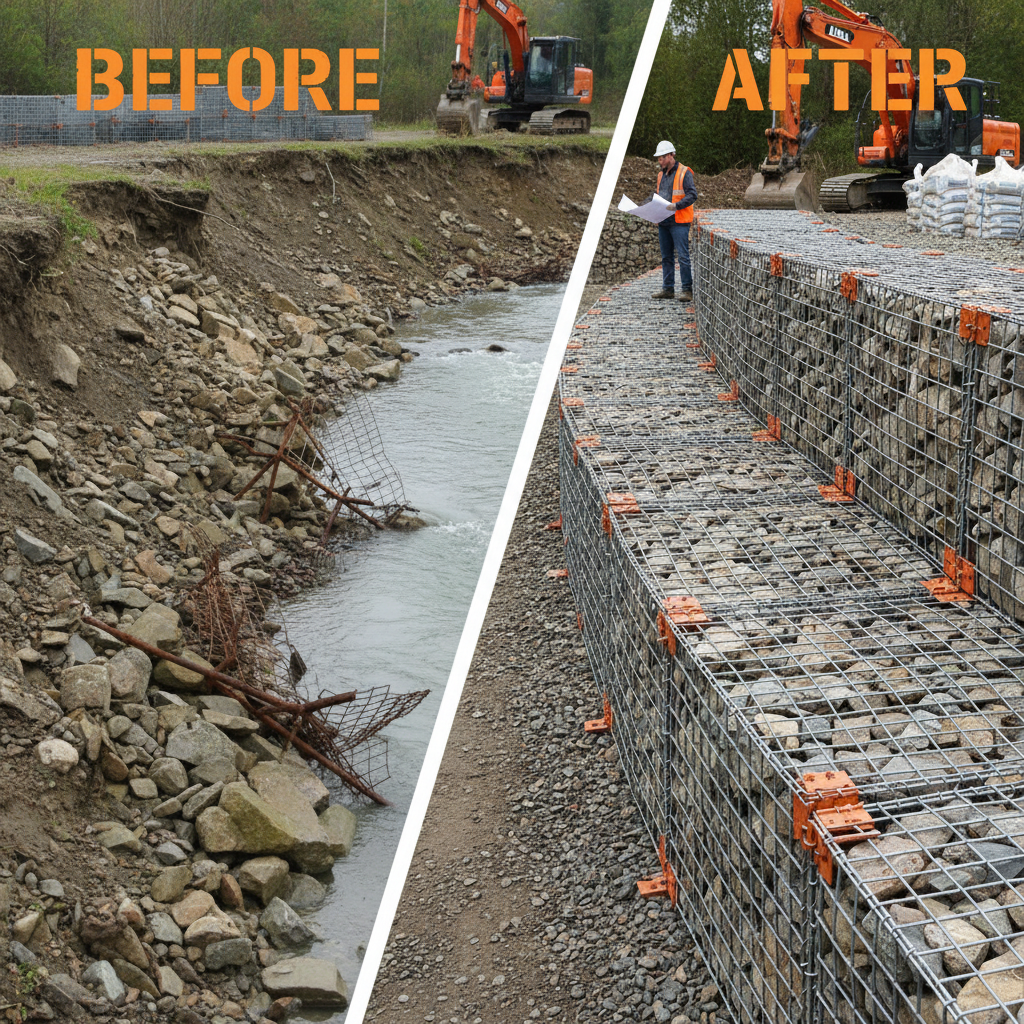
Addressing critical needs ranging from disaster relief housing to industrial safety, metal mesh screen offers a robust and adaptable solution. It provides a compelling alternative to traditional materials, often delivering superior performance, longevity, and cost-effectiveness, especially when considering lifecycle costs. Its inherent strength and flexibility are key factors driving its increasing adoption across diverse sectors.
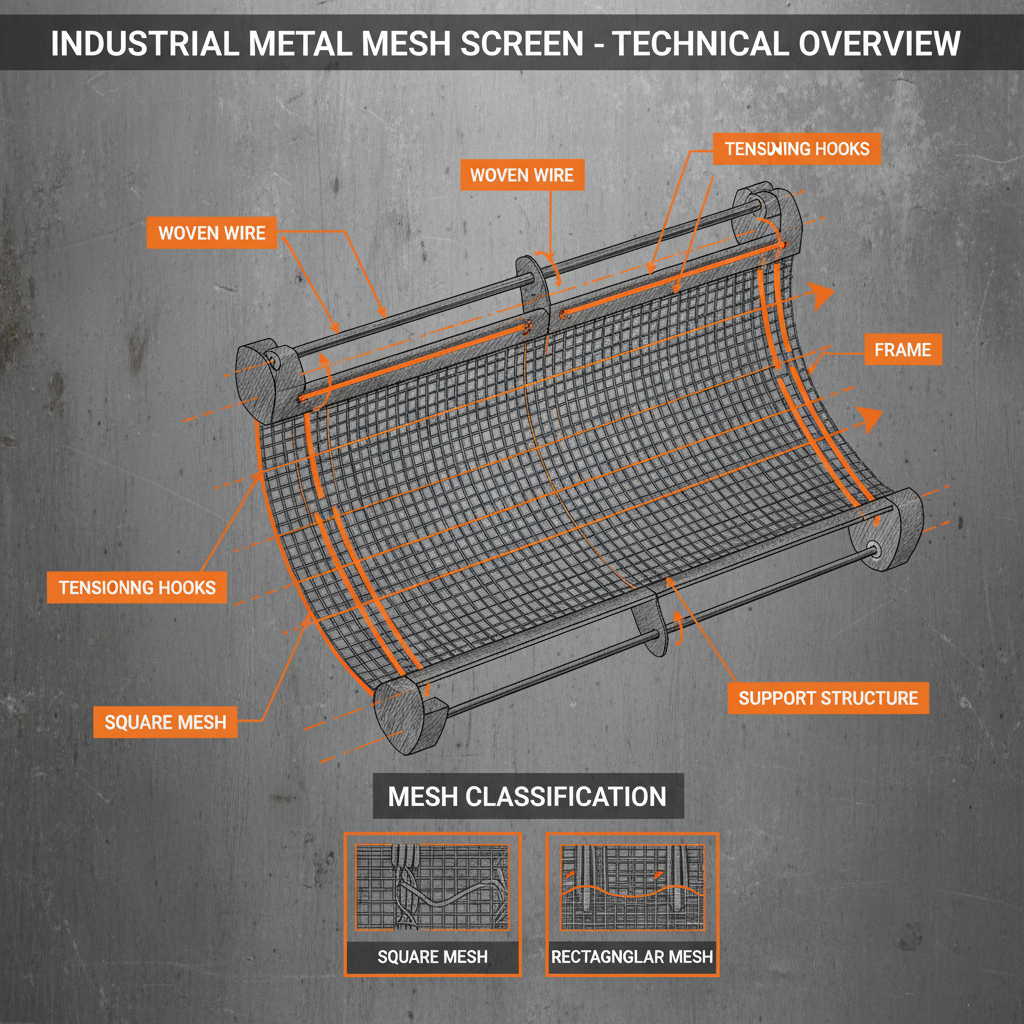
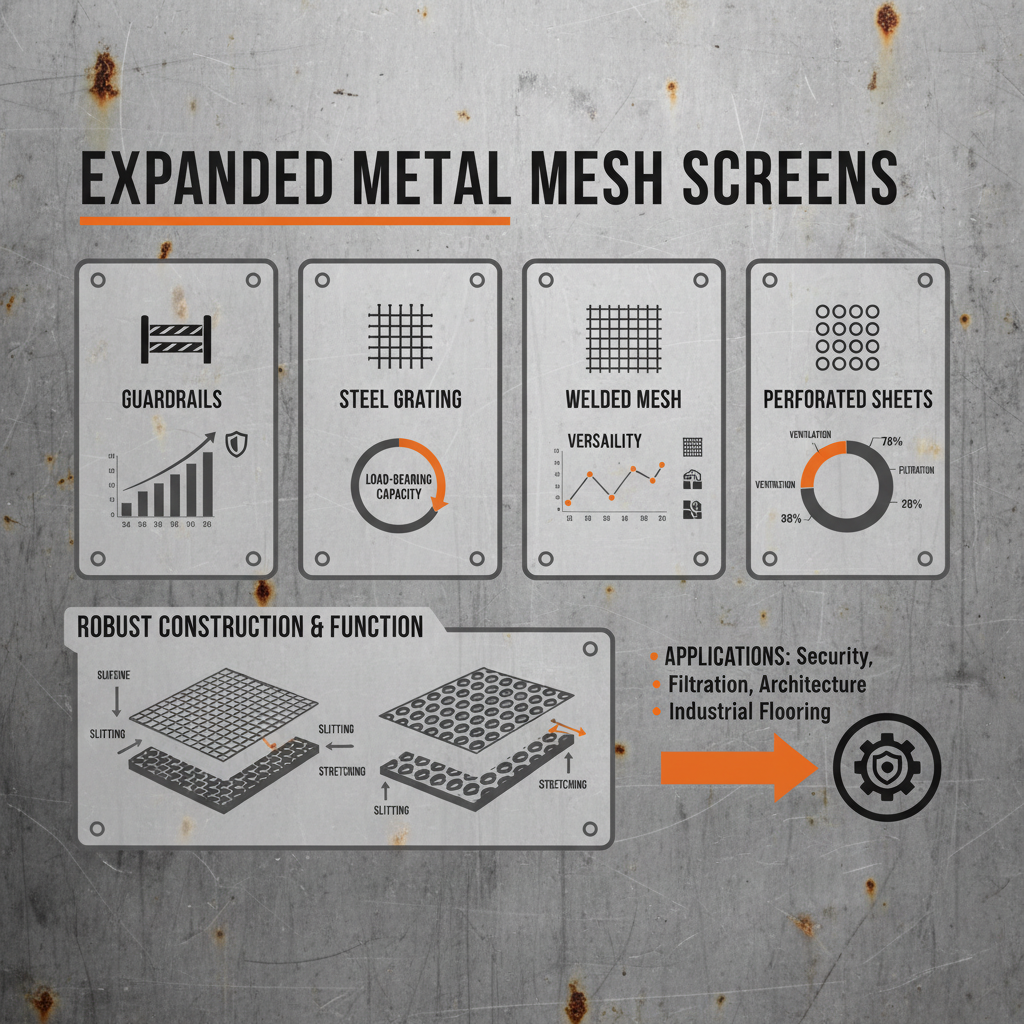
Metal mesh screen is not merely a physical barrier; it’s an engineered solution designed to address a wide array of challenges. Its adaptability allows for custom configurations in weave patterns, wire diameters, and material compositions, making it suitable for applications ranging from fine filtration to robust architectural features. The versatility stems from the fundamental principle of interlacing wires to create a structurally sound and visually appealing surface.
The adoption of metal mesh screen demonstrates a commitment to durability and longevity. Unlike many traditional materials susceptible to corrosion, rot, or degradation, properly treated metal mesh screens exhibit exceptional resistance to environmental factors, minimizing maintenance requirements and extending service life. This inherent resilience contributes to significant lifecycle cost savings.
The most common materials include stainless steel, offering superior corrosion resistance, aluminum, favored for its lightweight properties, and galvanized steel, providing a cost-effective solution with decent corrosion protection. Material selection depends heavily on the intended application and environmental conditions. Other alloys such as titanium and monel are used in specialized applications requiring exceptional strength and resistance to extreme conditions.
The weave pattern significantly influences characteristics like openness, strength, and filtration efficiency. Plain weave offers a balanced combination of properties, twill weave provides a denser structure, and Dutch weave is ideal for precise filtration. Selecting the appropriate weave pattern is crucial for optimizing performance based on specific application requirements. More complex weaves can also provide unique aesthetic qualities.
Architectural applications include façade cladding, solar shading systems, balustrades, and decorative screens. Its lightweight nature, design flexibility, and aesthetic appeal make it a popular choice for modern building designs. It can also be used to create unique visual effects while improving energy efficiency and enhancing building security.
Wire diameter and mesh count are critical parameters. A smaller wire diameter creates a finer mesh, ideal for filtration, while a larger diameter provides greater strength. Mesh count (the number of wires per inch) dictates the openness and flow rate. Consulting with a metal mesh screen specialist is recommended to determine the optimal combination based on your specific requirements and load calculations.
Maintenance depends on the environment and material. For stainless steel, periodic cleaning with mild detergent and water is usually sufficient. Galvanized steel may require occasional recoating to prevent corrosion in harsh environments. Regular inspection for damage and timely repairs are crucial for extending the lifespan of the screen. Avoid abrasive cleaning agents which could damage protective coatings.
Many metal mesh screen materials, particularly stainless steel and aluminum, are highly recyclable. Recycling reduces the need for virgin materials, conserving resources and minimizing environmental impact. Consider the lifecycle assessment of the material, including manufacturing, transportation, and end-of-life disposal, to ensure sustainable practices. Choosing alloys with lower environmental footprints also contributes to sustainability.
Metal mesh screen represents a powerful and adaptable material with a growing role across diverse industries. Its inherent strength, corrosion resistance, versatility, and long-term value make it an increasingly attractive alternative to traditional materials. From architectural applications to industrial filtration and disaster relief, its impact is significant and continues to expand.
Looking ahead, continued innovation in materials, manufacturing processes, and integration of smart technologies will unlock even greater potential for metal mesh screen. Embracing these advancements will allow industries to leverage its unique properties for sustainable solutions, improved efficiency, and enhanced safety. For more information and to explore our range of metal mesh screen products, visit our website at metal mesh screen.