Look, I’ve spent twenty years in the field, hands dirty, watching things get built. And let me tell you, when it comes to security and practical fencing, black wire mesh is a workhorse. It’s not glamorous, it’s not the fancy stuff, but it gets the job done, and it gets it done reliably. We’re talking about protecting sites, securing materials, keeping folks safe. That's the bottom line, and black wire mesh consistently delivers. I've seen too many projects delayed, budgets blown, and headaches created by cutting corners on basic security.
It’s easy to overlook something as fundamental as fencing. Engineers focus on the structure, architects on the design, but somebody has to think about keeping the bad actors out and the good materials in. And that's where black wire mesh shines. It’s a cost-effective, durable solution that provides a visible deterrent and a solid physical barrier. More importantly, it's often the fastest solution to get in place, which on a tight schedule can save you a fortune.
I've seen it used on everything from sprawling industrial complexes to smaller residential developments. Its versatility is a huge plus. It's not about aesthetics; it’s about function, and black wire mesh functions incredibly well in a wide range of environments. It’s the kind of material that just… works. And in my line of work, that's the highest compliment I can give.
The Foundational Role of Black Wire Mesh
Black wire mesh isn’t some cutting-edge technology, but it's a fundamental building block in a lot of what we do. Think about it – construction sites, agricultural fencing, industrial security… it’s always there, quietly doing its job. From a practical standpoint, it's about containing, protecting, and defining spaces. Without a reliable fencing solution, projects get chaotic, materials get stolen, and safety is compromised.
I’ve seen firsthand the domino effect of choosing the wrong fencing. Delays due to security breaches, increased insurance costs, even potential legal issues. Black wire mesh, when properly specified and installed, helps avoid those headaches. It's a preventative measure that pays for itself over and over.
Global Relevance and Industry Demand
The need for secure perimeters and containment solutions isn't limited to one country or industry. Globally, construction is booming, infrastructure projects are expanding, and the demand for reliable fencing is constantly increasing. The UN estimates that global infrastructure investment will reach $79 trillion by 2040 – and every single one of those projects will require some form of perimeter security.
What I’ve noticed traveling around is the consistency of the need. Whether it’s a remote mining operation in Australia, a large-scale housing development in the US, or a security perimeter around a vital facility in Europe, black wire mesh offers a cost-effective and readily available solution. It's a standardized product, meaning sourcing and installation are generally straightforward, regardless of location.
There’s also a growing demand driven by humanitarian efforts. In disaster relief scenarios, for instance, temporary fencing is crucial for establishing secure zones, protecting aid supplies, and maintaining order. The speed of deployment and relative affordability of black wire mesh makes it an ideal choice in these situations.
Defining Black Wire Mesh: Form and Function
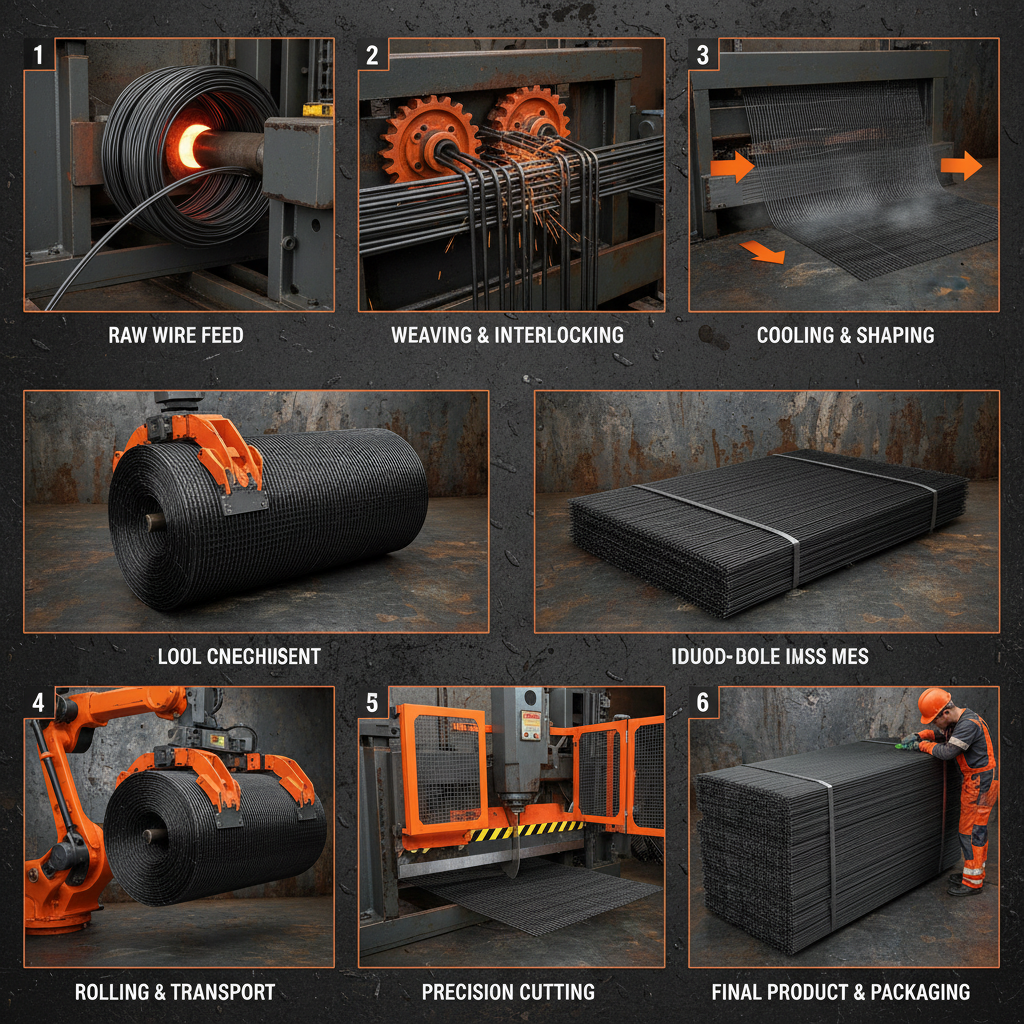
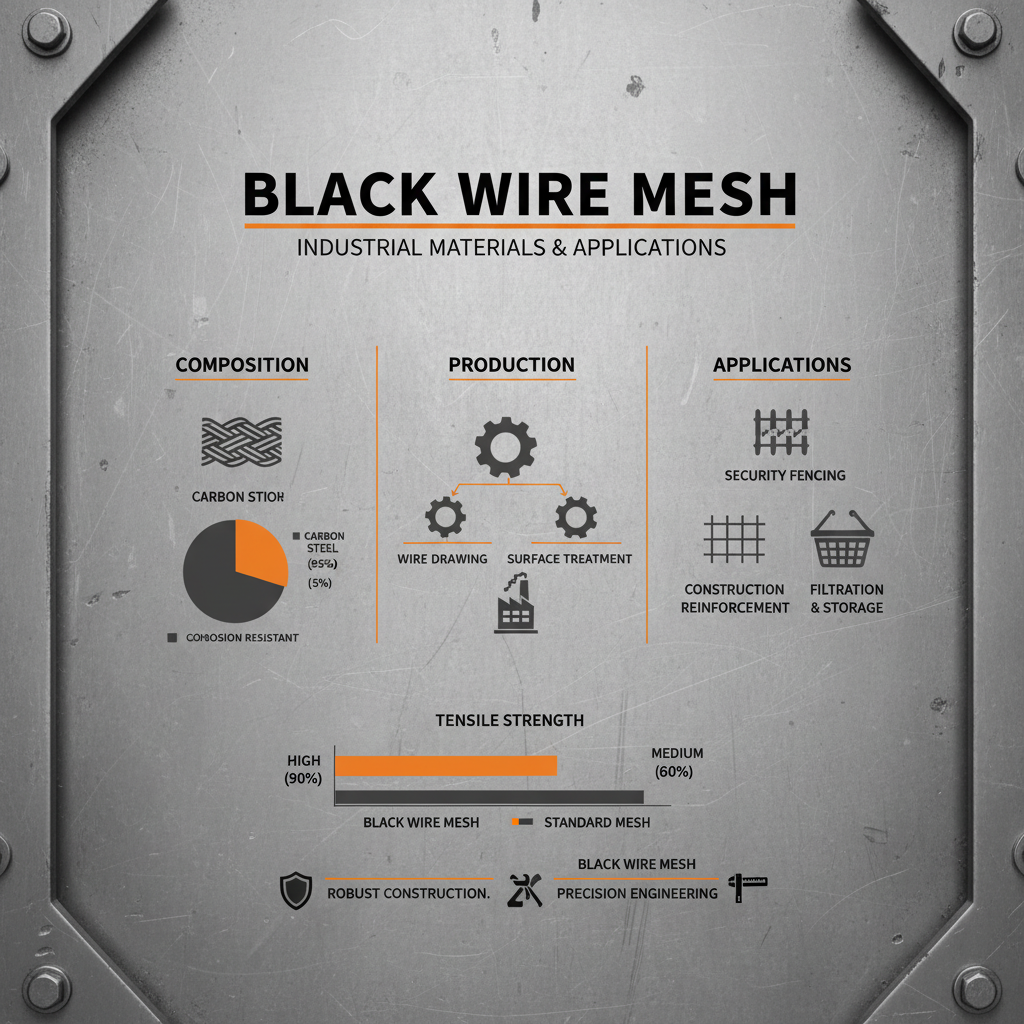
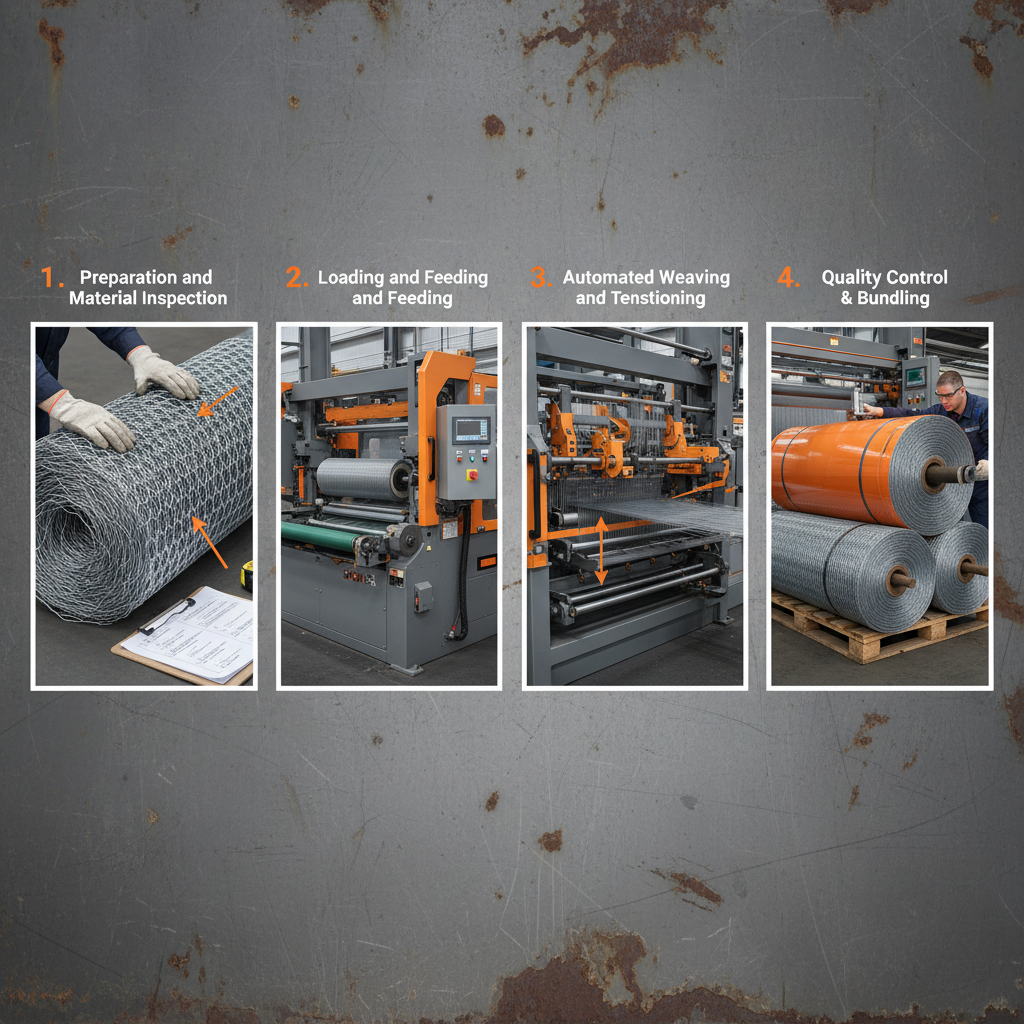
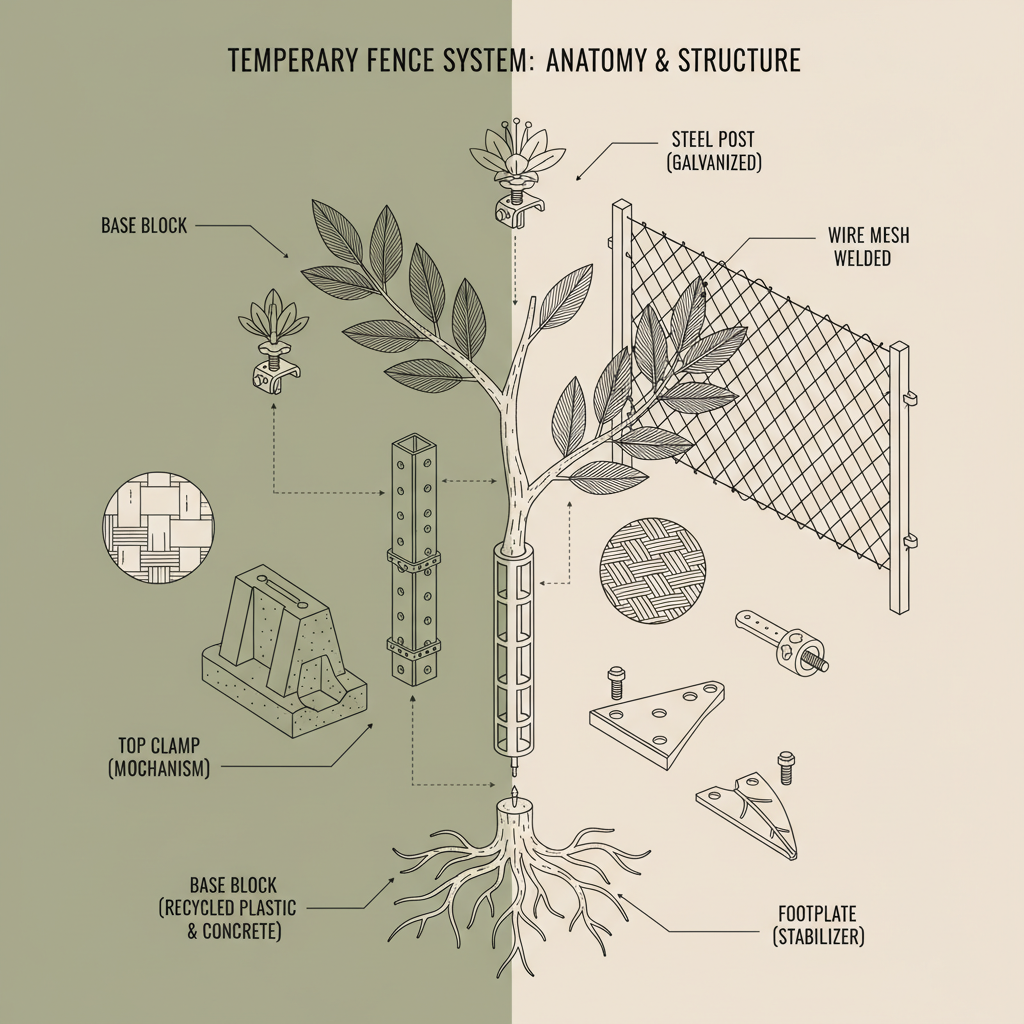
Essentially, black wire mesh is a woven grid made from steel wire, typically galvanized and coated with a black PVC or powder coating for corrosion resistance. The size of the mesh openings (aperture) and the gauge (thickness) of the wire vary depending on the intended application. It’s a relatively simple concept, but the manufacturing process and the quality of the materials are key to its performance.
The black coating isn't just for aesthetics – although it does blend in well with most environments. It provides an extra layer of protection against the elements, extending the lifespan of the mesh. And frankly, a black finish looks a lot more professional than bare galvanized steel. It demonstrates a level of care and attention to detail.
Its function is straightforward: to create a physical barrier. But it’s also about visibility – allowing for clear sightlines while still providing security. Unlike solid fencing, black wire mesh doesn't obstruct views, which can be important for surveillance and overall site awareness.
Key Characteristics of Superior Black Wire Mesh
Let’s talk about what separates good black wire mesh from the stuff that’ll fall apart after a season. First, the galvanization has to be robust. You want a heavy coating to prevent rust, especially in coastal environments or areas with harsh winters.
Second, the wire gauge matters. Thicker wire means a stronger fence. Don’t skimp on this; it’s a false economy. A flimsy fence is just asking for trouble. Then you have the mesh size, the aperture. Smaller apertures offer more security, but also reduce visibility. It's about finding the right balance for your specific needs.
Comparative Performance of Black Wire Mesh Types
Diverse Applications in Real-World Scenarios
You see black wire mesh everywhere. Construction sites, of course, it's a staple. But also agricultural fencing – keeping livestock in and predators out. Industrial facilities use it for perimeter security and to separate different areas within the complex. I even saw it used at a music festival last year to create crowd control barriers.
In post-disaster relief operations, it’s invaluable for creating temporary shelters and securing aid distribution points. I worked on a project after a hurricane where we used it to quickly establish a secure perimeter around a staging area for emergency supplies. It saved us a lot of time and hassle.
The Long-Term Value Proposition of Black Wire Mesh
People often focus on the upfront cost, but you have to look at the total cost of ownership. Black wire mesh is relatively inexpensive to purchase and install, especially compared to more elaborate fencing systems. And because it’s durable and requires minimal maintenance, it provides a good return on investment over the long run.
It’s also a sustainable choice. Steel is recyclable, and the longevity of the mesh means you’re not constantly replacing it. From a safety perspective, it provides a clear visual deterrent and a physical barrier, reducing the risk of accidents and unauthorized access. Those peace-of-mind benefits are priceless.
Ultimately, it comes down to reliability. I need materials that I can depend on, and black wire mesh consistently delivers. It’s a dependable solution for a wide range of applications.
Future Innovations and Sustainability in Black Wire Mesh
We’re starting to see some interesting developments in the black wire mesh space. Manufacturers are experimenting with new coating technologies to improve corrosion resistance and extend lifespan. There’s also research into using recycled steel to create more sustainable products.
I’m also keeping an eye on the integration of smart technology. Imagine a black wire mesh fence equipped with sensors that detect intrusion attempts and alert security personnel. That’s the kind of innovation that could really take fencing to the next level.
The drive for sustainability will continue to be a major factor. Expect to see more demand for eco-friendly materials and manufacturing processes. As regulations become stricter and environmental awareness grows, black wire mesh manufacturers will need to adapt and innovate to stay ahead of the curve.
Analysis of Factors Impacting Black Wire Mesh Performance
| Environmental Exposure |
Wire Gauge |
Mesh Aperture Size |
Coating Quality |
| Coastal/High Salinity |
12 Gauge |
1 inch |
Heavy Galvanization + PVC Coating |
| Mild Inland Climate |
14 Gauge |
2 inches |
Standard Galvanization |
| Industrial – Chemical Exposure |
10 Gauge |
0.5 inch |
Epoxy Coating |
| Agricultural - Animal Containment |
16 Gauge |
4 inches |
Light Galvanization |
| High Security – Perimeter Defense |
8 Gauge |
0.25 inch |
Double Galvanization + Powder Coating |
| Temporary Construction Fencing |
18 Gauge |
3 inches |
Minimal Galvanization |
FAQS
It really depends on the environment, but a well-maintained black wire mesh fence can easily last 10-15 years, sometimes even longer. Coastal areas with high salt content will shorten that lifespan, while inland areas with milder climates will see a longer service life. Proper galvanization and coating are key. Regular inspections for rust and damage can also extend its longevity.
Generally, repairs are pretty straightforward. Small holes or tears can be patched with wire ties or small pieces of mesh. Larger sections may require replacing a whole panel. The key is to address damage promptly to prevent it from spreading. It's a relatively simple DIY project for many, but for larger repairs, it’s best to consult a professional fence installer.
Black wire mesh can be effective for containing certain animals, but it depends on the species and their size and strength. For smaller animals like chickens or rabbits, it works well. For larger, more determined animals, you may need a heavier gauge wire and a smaller mesh size. You'll also want to ensure the fence is properly anchored to prevent digging or climbing.
The galvanization and coating are the primary rust preventatives. Regular inspections are crucial – if you spot any areas where the coating is damaged, repair them immediately with a rust-inhibiting paint or sealant. Avoid using harsh chemicals or abrasive cleaners, as these can damage the coating. In coastal areas, consider applying an additional layer of protective coating periodically.
Both PVC and powder coating provide corrosion resistance, but powder coating is generally considered more durable and environmentally friendly. It creates a thicker, more even coating that’s less prone to chipping or cracking. PVC coating is often more affordable, but it may not last as long in harsh conditions. The choice depends on your budget and the specific environmental factors.
The cost of black wire mesh varies depending on the gauge of the wire, the mesh size, the height of the fence, and the quantity you purchase. As a rough estimate, you can expect to pay anywhere from $2 to $8 per linear foot, but it's best to get a quote from a supplier for your specific needs. Installation costs will be additional.
Conclusion
Black wire mesh might not be the flashiest fencing option, but its practicality, durability, and cost-effectiveness make it a cornerstone of security and containment across a huge range of industries. From construction sites to agricultural fields, from disaster relief to industrial facilities, it consistently delivers a reliable and dependable solution.
Looking ahead, innovation in materials and coatings will continue to improve the performance and sustainability of black wire mesh. It’s a material that’s evolved alongside our needs, and it will undoubtedly continue to play a vital role in building and protecting our world. For straightforward security and containment, don’t overthink it – black wire mesh often provides the best value and the most reliable results. Visit our website at www.chchfence.com to learn more and get a quote.