Look, after running around construction sites all year, dealing with dust, and smelling all sorts of materials, you start to notice things. Lately, everyone's talking about prefabrication, modular construction. It's not new, but it’s really gaining traction now. Folks are realizing that building things in a factory, controlling the quality, and then assembling on-site… well, it just makes sense. To be honest, it’s about time.
But it's not all sunshine and roses, you know? There’s a lot of hype. People get caught up in the "innovation" and forget about the basics. I've seen designs that look fantastic on paper, but completely ignore how a worker is actually going to handle something on a windy 10th floor. That’s where the real problems start.
It's funny, everyone thinks they're an expert now. They come up with these amazing concepts and then just assume the materials will cooperate.
The Rise of Prefabrication in Palisade Fence Company
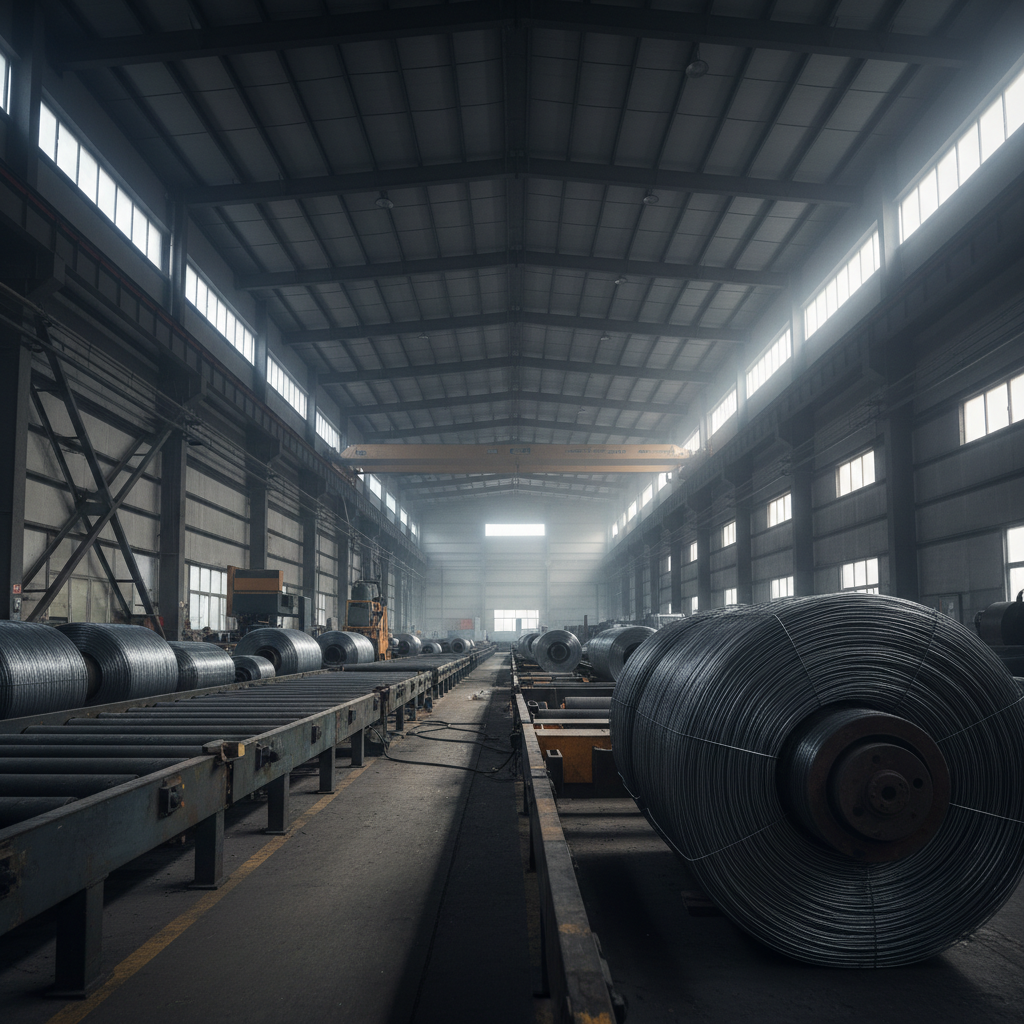
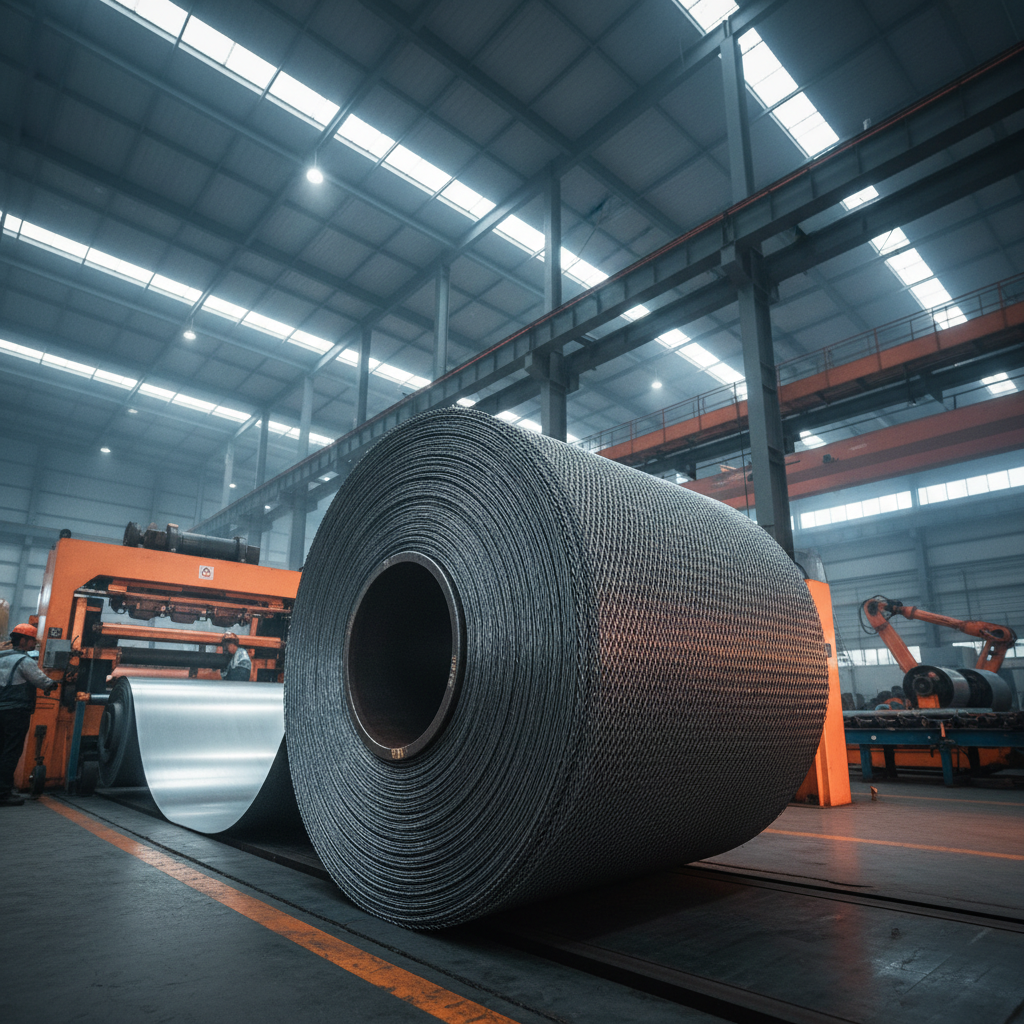
Have you noticed how much everyone's pushing prefabrication now? It's not just about speed, though that's a big part of it. It's about controlling quality in a factory setting. We're talking about palisade fence company, right? Think about the welding. Out in the field, you’re relying on a welder who might have had a long day, bad weather, whatever. In a shop, it's consistent.
And frankly, finding good skilled labor is getting harder and harder. These prefabricated palisade fence company panels arrive on-site, and all the guys have to do is assemble. It takes a lot of pressure off.
Common Design Pitfalls in Palisade Fence Company
Strangely, a lot of designers just don't think about the installation process. They'll design a palisade fence company system with these incredibly tight tolerances, requiring super-precise alignment. Then they expect the guys on-site to pull it off in the real world. It’s a recipe for disaster. I encountered this at a factory in Tianjin last time, they had this beautiful design… but it needed a laser level and a team of engineers to put it together!
Another big one is weight. These panels can get heavy. If you’re designing for a rooftop installation, you need to factor in the lifting capacity of the crane, the load-bearing capacity of the roof… all of it. People underestimate this constantly.
And don't even get me started on connections. Simple, robust connections are key. Forget the fancy stuff. Give the guys something they can quickly and reliably bolt together.
Material Selection for Palisade Fence Company
Now, material. This is where it gets interesting. The steel for palisade fence company… it’s not all created equal. You want something that’s strong, obviously, but also corrosion-resistant. Galvanizing is good, but you need a thick enough coating. And sometimes, you need powder coating on top of that for extra protection. You can smell the difference, honestly. A good powder coat smells…clean. A cheap one, well, you know.
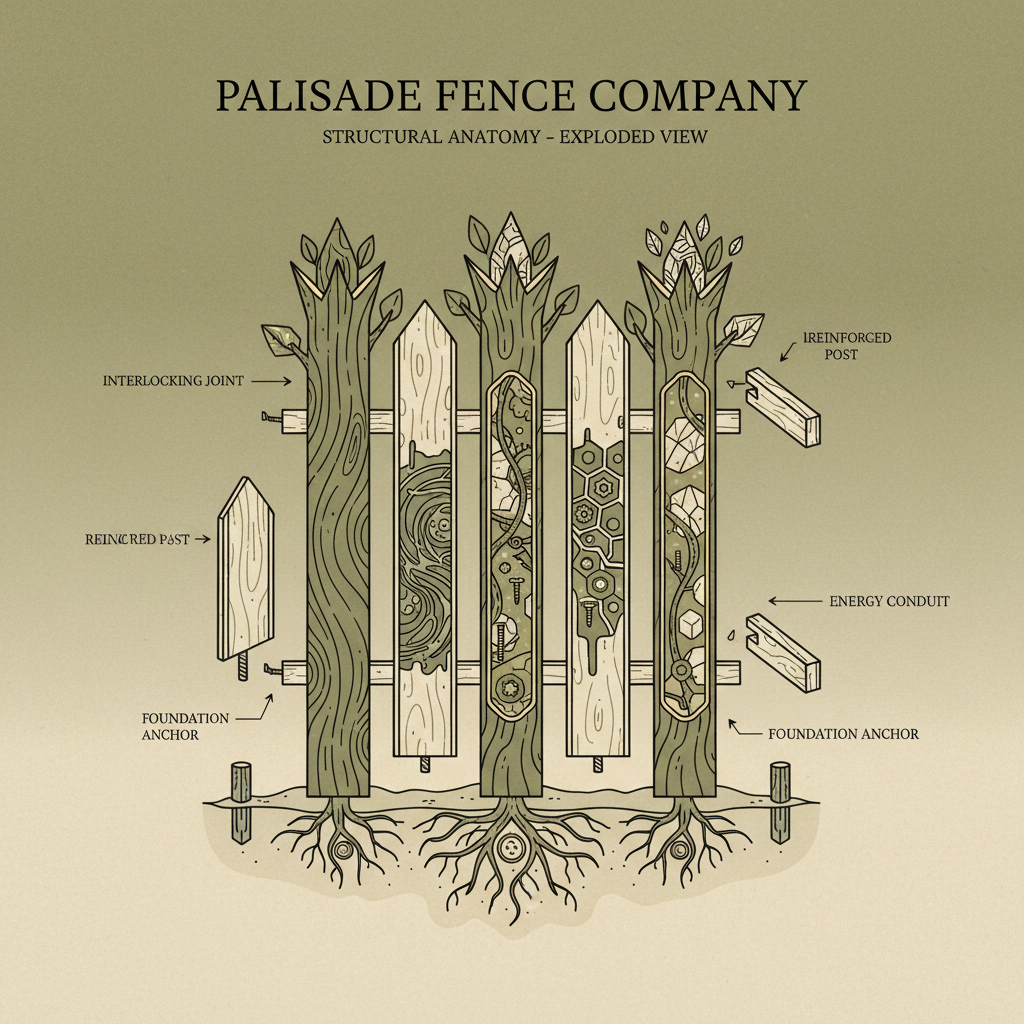
Then there’s the timber. If you’re using timber posts, you need to make sure it’s properly treated. Pressure-treated lumber is a must. And the concrete for the footings... it needs to be the right mix. Too much water, and it'll crack. Too little, and it won’t set properly. It seems basic, but you’d be surprised how often it’s messed up.
The way it feels matters, too. A quality steel panel will feel solid, weighty. A flimsy one will rattle and bend. You develop a sense for these things after a while.
Real-World Testing of Palisade Fence Company Components
Lab testing is fine, but it doesn't tell you everything. You need to see how these things perform in the real world. We’ve done wind load tests, obviously. But we also do "drop tests" – basically, dropping a heavy weight on a panel to see how it holds up. I remember one time we dropped a sandbag from a crane… it bent the corner post. Had to redesign that part.
We also do salt spray tests to check for corrosion resistance. And we’ve even had guys deliberately try to vandalize the panels with different tools to see how well they resist forced entry. Sounds crazy, but it's valuable information.
Palisade Fence Company Component Performance Ratings
How Palisade Fence Company is Actually Used on Site
You know, sometimes the way people use these things isn’t what you expect. We designed one palisade fence company system for a data center, thinking it would be a straightforward installation. But the security guys insisted on adding extra sensors and cameras, which required cutting holes in the panels. Not ideal, but you gotta be flexible.
I’ve also seen guys use the panels as temporary screens to block the wind or create shaded areas during construction. It's not what they're for, but hey, if it makes their job easier…
Advantages and Disadvantages of Palisade Fence Company
Okay, let's be real. Palisade fence company is strong, it's secure, it's… well, it looks imposing. That's a plus for some people. It’s also relatively easy to maintain – a coat of paint every few years, and you're good to go. But it’s not cheap. And it’s not the most aesthetically pleasing option. It's functional, but it's not going to win any design awards. Anyway, I think you know that.
It's also pretty inflexible once it's installed. If you need to change the layout, you’re basically starting from scratch. That’s where modular systems have a real advantage.
The biggest advantage? Peace of mind. Knowing your site is secure. That’s priceless.
Customization Options for Palisade Fence Company
We can customize a lot of things. Heights, panel lengths, post spacing, the type of anti-climb features… you name it. Last month, that small boss in Shenzhen who makes smart home devices insisted on changing the interface to - insisted! Said it was “future-proof”. It caused a nightmare with the fasteners, I tell you. A nightmare. Ended up costing him a fortune to retool.
But seriously, we can do a lot. We can even incorporate different colors and finishes. We've done palisade fence company systems with integrated lighting, access control systems, and even solar panels. It just depends on the budget and the client's needs.
It’s usually the small things that cause trouble. A slightly different bolt size, a minor change in the panel profile… these little tweaks can throw the whole thing off.
Palisade Fence Company Customization Analysis
| Customization Type |
Complexity (1-5) |
Cost Impact (1-5) |
Lead Time Increase (Days) |
| Height Adjustment |
1 |
2 |
3 |
| Panel Length Modification |
2 |
3 |
7 |
| Anti-Climb Feature Upgrade |
3 |
4 |
10 |
| Color/Finish Change |
2 |
2 |
5 |
| Integrated Lighting |
4 |
5 |
14 |
| Access Control System Integration |
5 |
5 |
21 |
FAQS
A well-maintained palisade fence company installation can easily last 25-30 years, sometimes even longer. It really depends on the environment. Coastal areas with high salt content will require more frequent maintenance, like repainting. Using high-quality materials from the start is key. Ignoring corrosion is a fast track to failure.
That's a crucial question. We design for wind loads based on local building codes. Proper post spacing and footing depth are critical. Sometimes, you need to increase the post size or add bracing to withstand extreme winds. We've done simulations and field testing to ensure our systems can handle hurricane-force winds.
Absolutely. The height, robust construction, and anti-climb features make it a very effective deterrent. It’s commonly used around prisons, power plants, and other critical infrastructure. You can further enhance security by adding things like CCTV cameras, intrusion detection systems, and lighting.
The biggest maintenance task is repainting. Rust is the enemy. You should inspect the panels annually for any signs of corrosion or damage and address them promptly. Check the post foundations to make sure they’re stable. And make sure any gates are functioning properly.
It can be, but it requires careful planning and installation. You might need to step the panels or use different post heights to follow the contours of the ground. Proper footing design is even more important on uneven terrain. It’s definitely not a DIY project in those cases.
Double palisade fence company panels offer significantly increased security. They have two rows of pales, making it much harder to climb. They're typically used in high-security applications where preventing unauthorized access is paramount. Single panels are more common for general perimeter security.
Conclusion
So, there you have it. Palisade fence company isn't flashy, it’s not revolutionary, but it’s reliable. It’s a proven solution for security, and when done right, it lasts. We’ve seen the industry shift towards prefabrication, a focus on quality materials, and a greater understanding of real-world installation challenges.
Ultimately, whether this thing works or not, the worker will know the moment he tightens the screw. If it feels solid, if it lines up, if it looks right… then you’ve done your job. And that’s what really matters. If you’re considering a palisade fence company system, visit our website at www.chchfence.com.