Stretched metal mesh, a versatile and robust material, is increasingly critical in addressing global challenges ranging from rapid shelter construction to industrial filtration and security. Its unique properties – strength, lightweight nature, and adaptability – make it an invaluable component in diverse applications. Understanding the intricacies of stretched metal mesh is paramount for engineers, architects, humanitarian organizations, and manufacturers seeking innovative and cost-effective solutions.
The global demand for stretched metal mesh is driven by factors like increasing urbanization, disaster relief efforts, and evolving industrial requirements. According to reports from the World Bank, the need for resilient infrastructure and temporary housing solutions is projected to rise significantly in the coming decades, particularly in developing nations. This underscores the importance of materials like stretched metal mesh that offer rapid deployment and durability. Furthermore, its use in sustainable building practices and resource management aligns with global environmental initiatives.
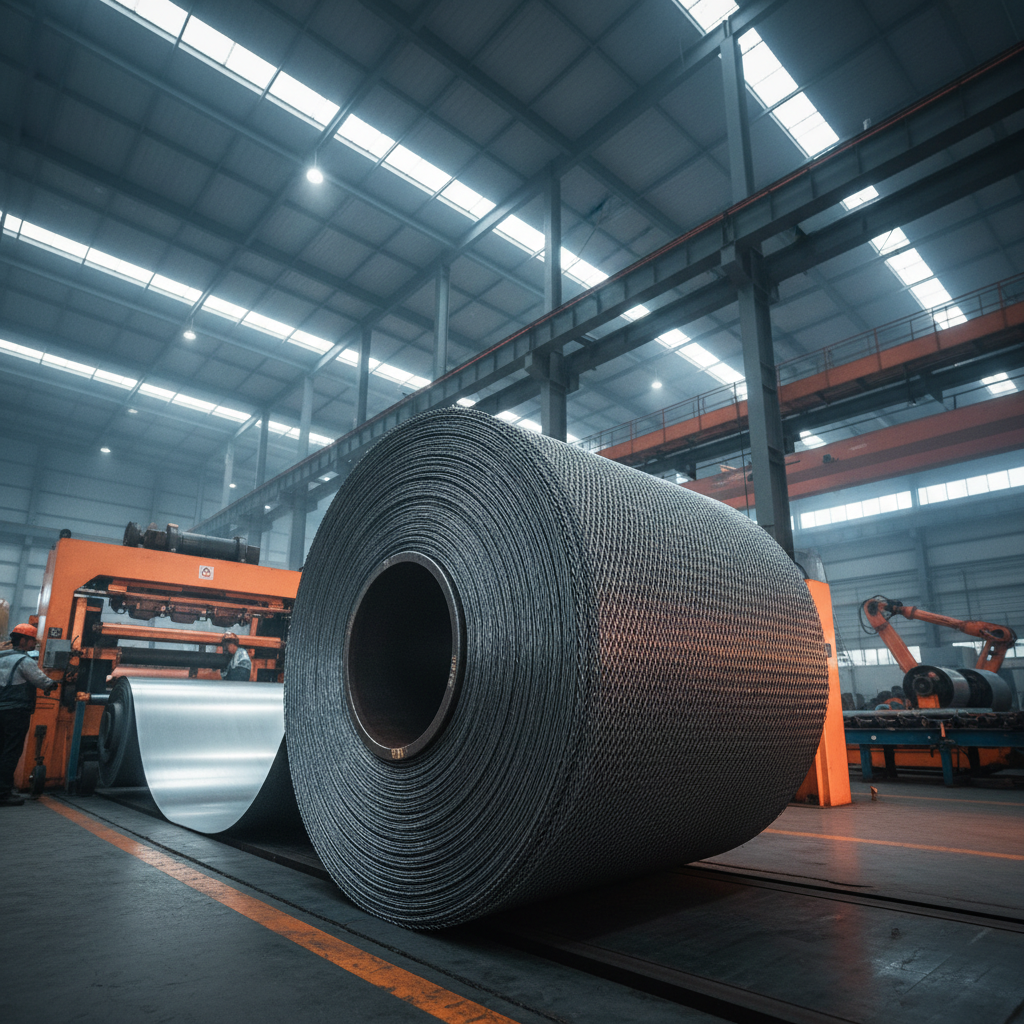
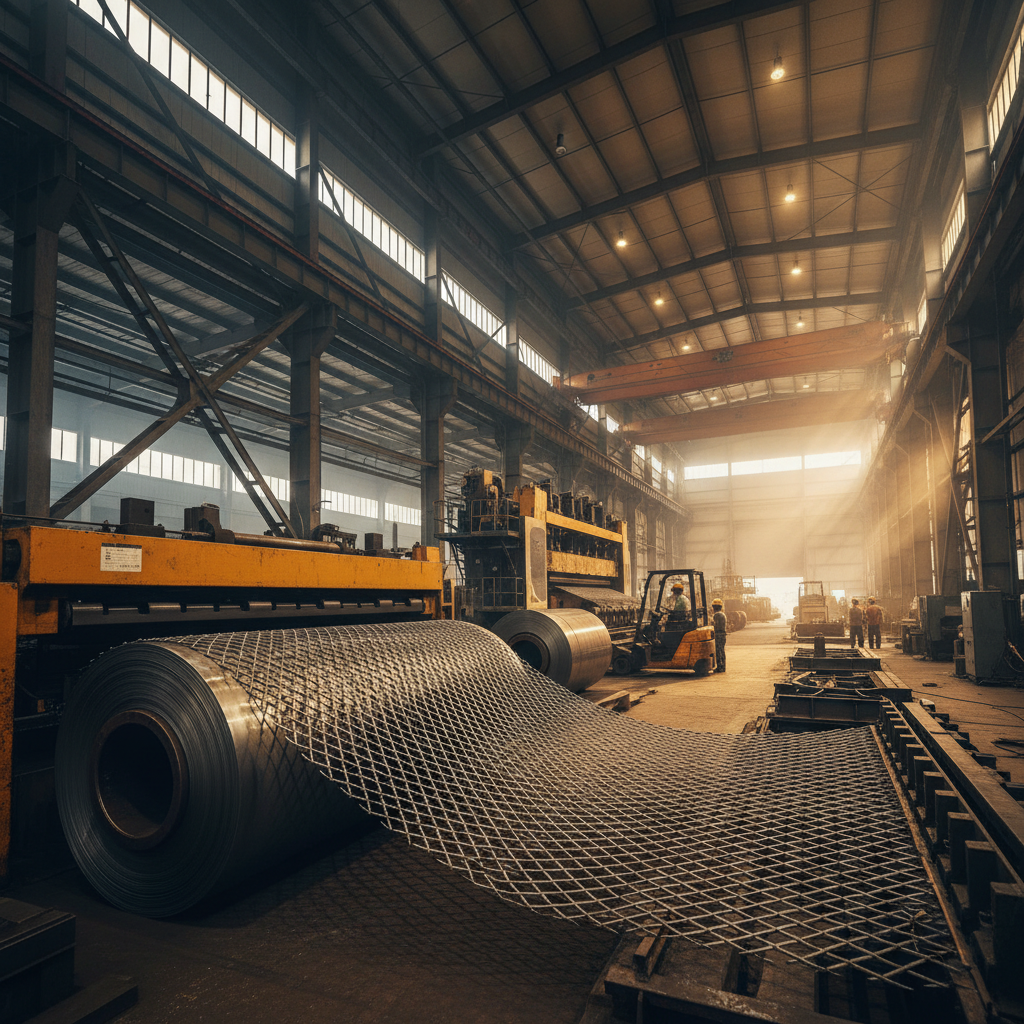
Essentially, stretched metal mesh is created by slitting and stretching a metal sheet, resulting in a diamond or square-shaped opening pattern. This process increases the material’s strength-to-weight ratio and creates a robust surface ideal for filtration, protection, and aesthetic applications. The adaptability of stretched metal mesh makes it a cornerstone in both modern industrial processes and urgent humanitarian responses, offering a unique blend of practicality and efficiency.
The Significance of Stretched Metal Mesh
Stretched metal mesh plays a crucial role in a wide array of industries, from construction and manufacturing to security and environmental protection. Its inherent strength and unique properties make it an ideal solution for applications demanding durability, airflow, and security. The growing adoption of stretched metal mesh demonstrates its effectiveness in meeting diverse needs.
The material’s increasing relevance stems from its sustainable profile and adaptability to innovative designs. As industries seek more environmentally responsible solutions, stretched metal mesh, often made from recycled materials, provides a compelling alternative to traditional materials. Its ability to be custom-fabricated further enhances its appeal, enabling tailored solutions for specific project requirements.
Defining Stretched Metal Mesh
Stretched metal mesh is a single-piece metal sheet that has been slit and then stretched, creating a distinctive diamond or square pattern of openings. Unlike woven wire mesh, which is assembled from individual wires, stretched metal mesh retains the original strength and integrity of the metal sheet. This inherent characteristic imparts exceptional durability and load-bearing capacity.
Its connection to modern industry is evident in its widespread use in filtration systems, speaker grills, safety guards, and architectural facades. In humanitarian contexts, stretched metal mesh serves as a vital component in rapid deployment shelters, offering a robust and secure structure. The ability to create custom patterns and gauges further expands its applicability.
The manufacturing process ensures a consistent and reliable product, differing from alternatives like perforated metal which can sometimes suffer from burrs or inconsistent hole sizes. The inherent properties of stretched metal mesh make it an exceptionally versatile solution for numerous industrial and practical applications.
Core Characteristics of Stretched Metal Mesh
Durability is a defining feature of stretched metal mesh. The single-piece construction ensures that there are no welds or joints to fail, resulting in a material that can withstand significant stress and impact. This characteristic is particularly important in applications where structural integrity is paramount.
Versatility is another key attribute. Stretched metal mesh can be fabricated into a wide range of shapes and sizes, making it suitable for diverse applications. The ability to customize the opening size, strand width, and metal type allows for tailored solutions to meet specific project requirements.
Lightweight yet strong, stretched metal mesh offers an excellent strength-to-weight ratio. This makes it ideal for applications where weight reduction is critical, such as aerospace and automotive components. The material's inherent stiffness also contributes to its overall performance and structural integrity.
Key Factors Influencing Stretched Metal Mesh Performance
Material selection profoundly impacts the performance of stretched metal mesh. Common materials include carbon steel, stainless steel, aluminum, and specialized alloys, each offering unique properties regarding corrosion resistance, strength, and weight. The choice of material should align with the intended application and environmental conditions.
The stretching ratio, defined as the extent to which the metal sheet is stretched, also significantly influences the mesh’s characteristics. A higher stretching ratio generally results in smaller openings and increased strength, while a lower ratio yields larger openings and greater flexibility. Optimizing the stretching ratio is crucial for achieving the desired performance.
Stretched Metal Mesh Performance Comparison
Global Applications of Stretched Metal Mesh
In post-disaster relief operations, stretched metal mesh is rapidly deployed for constructing temporary shelters, offering a secure and durable alternative to traditional tent structures. Organizations like the UNHCR utilize it in refugee camps for creating robust and secure living spaces.
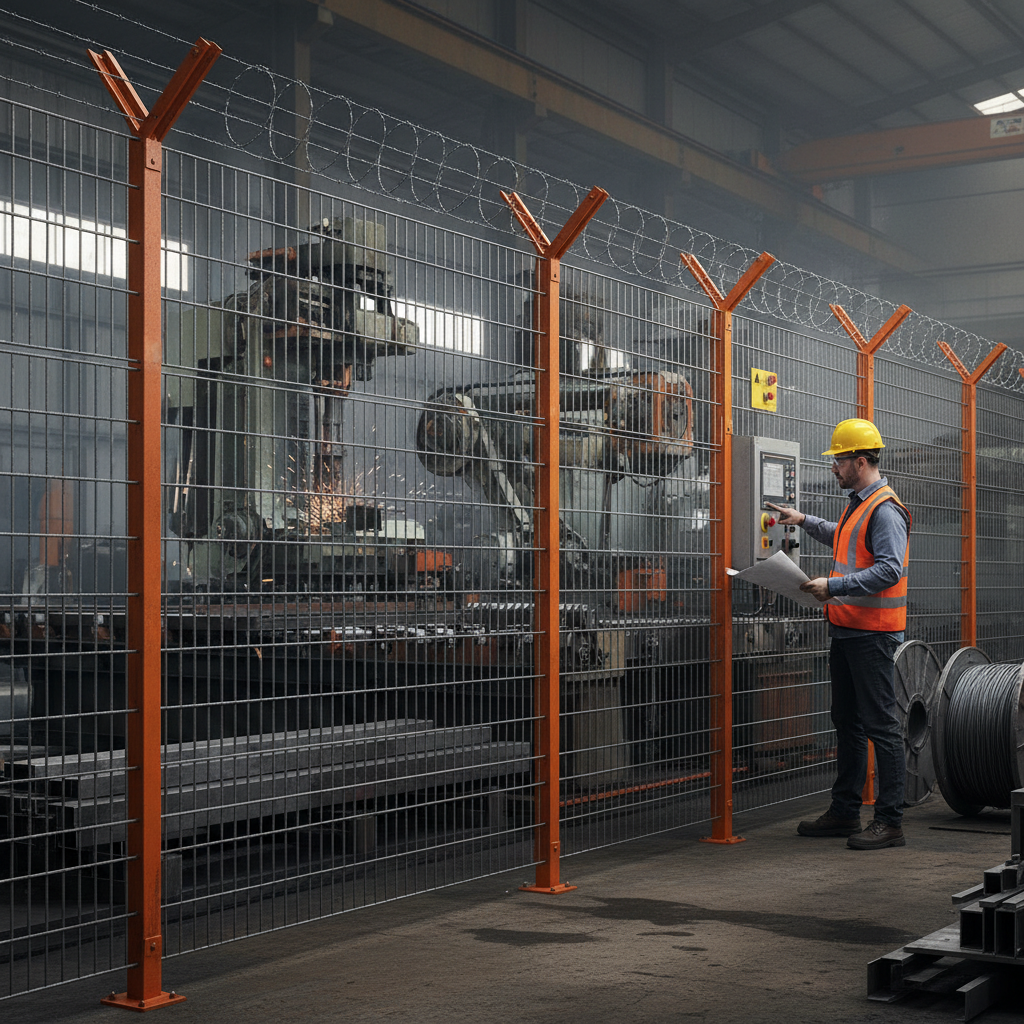
Within the industrial sector, stretched metal mesh serves as a critical component in filtration systems for air, water, and process fluids. It’s also extensively used in the manufacturing of speaker grills, machine guards, and architectural panels. In remote industrial zones, its durability and low maintenance requirements make it invaluable.
Architects and designers leverage the aesthetic qualities of stretched metal mesh to create innovative facades, shading systems, and interior design elements. The ability to customize patterns and finishes allows for striking visual effects, enhancing the aesthetic appeal of buildings and public spaces.
The Advantages of Utilizing Stretched Metal Mesh
The cost-effectiveness of stretched metal mesh is a significant advantage, particularly when compared to alternative materials like woven wire mesh or perforated metal. Its single-piece construction reduces material waste and manufacturing costs. Long-term maintenance costs are also lower due to its inherent durability and corrosion resistance.
From a sustainability perspective, stretched metal mesh often incorporates recycled materials and is fully recyclable at the end of its lifespan. This reduces its environmental footprint and aligns with circular economy principles. Its longevity further contributes to its sustainability by minimizing the need for frequent replacements.
Future Trends in Stretched Metal Mesh Technology
Advances in material science are leading to the development of new alloys and coatings for stretched metal mesh, further enhancing its performance characteristics. For example, incorporating self-healing coatings could significantly extend its lifespan and reduce maintenance requirements.
The integration of digital technologies, such as 3D scanning and parametric design, is enabling more complex and customized designs. Automated manufacturing processes are also increasing efficiency and reducing production costs. The application of stretched metal mesh in green energy technologies, like solar panel support structures, is also expected to grow significantly.
The increasing demand for sustainable and resilient infrastructure will likely drive further innovation in stretched metal mesh technology. Research into bio-based materials and alternative manufacturing methods could lead to even more environmentally friendly and cost-effective solutions.
Challenges and Solutions
One common challenge is achieving uniform stretching across large sheets, which can lead to inconsistencies in opening size and material thickness. Utilizing advanced stretching equipment and employing precise control parameters are crucial for mitigating this issue.
Another limitation is the potential for distortion during fabrication, particularly when working with thinner gauge materials. Implementing proper support structures and employing specialized forming techniques can minimize distortion and ensure dimensional accuracy.
The cost of specialized alloys can also be a barrier to adoption in some applications. Exploring alternative materials and optimizing design parameters can help reduce material costs without compromising performance.
Summary of Challenges and Solutions for Stretched Metal Mesh
| Challenge |
Impact on Performance |
Proposed Solution |
Implementation Cost (1-10) |
| Uneven Stretching |
Inconsistent Opening Sizes |
Advanced Stretching Equipment & Control |
7 |
| Material Distortion |
Dimensional Inaccuracies |
Support Structures & Forming Techniques |
6 |
| High Alloy Costs |
Increased Project Budget |
Alternative Materials & Design Optimization |
5 |
| Corrosion in Harsh Environments |
Reduced Lifespan |
Protective Coatings & Corrosion-Resistant Alloys |
8 |
| Limited Design Complexity |
Restricted Aesthetic Options |
Advanced Cutting & Forming Technologies |
7 |
| Surface Irregularities |
Reduced Smoothness |
Polishing & Finishing Processes |
4 |
FAQS
Stretched metal mesh offers superior strength and rigidity compared to woven wire, resulting in more consistent opening sizes and enhanced resistance to deformation under pressure. This translates to improved filtration efficiency and a longer lifespan, particularly in demanding environments. Furthermore, the single-piece construction eliminates potential weak points found in welded or crimped woven wire, reducing the risk of failure and costly downtime. The inherent stability makes it a preferred choice for applications where precise filtration and long-term reliability are critical.
The metal type is a crucial factor in determining corrosion resistance. Stainless steel, particularly grades 304 and 316, provides excellent resistance to a wide range of corrosive environments. Aluminum offers good corrosion resistance, especially in atmospheric conditions. Carbon steel, while strong, is susceptible to rust and requires protective coatings like galvanization or powder coating. Specialized alloys, like those containing nickel or chromium, can provide even greater corrosion resistance for highly aggressive applications. Careful selection of the metal is vital for ensuring the longevity and performance of the mesh.
While stretched metal mesh is remarkably strong, it can still be susceptible to damage from extremely high-impact forces. Concentrated impacts may cause localized deformation or fracturing, especially with thinner gauges. To mitigate this, thicker gauges or reinforcement structures can be employed. Furthermore, the selection of a high-strength alloy can improve its impact resistance. In applications involving severe impact risks, consider combining stretched metal mesh with energy-absorbing materials to distribute the force and prevent damage.
Absolutely. Stretched metal mesh is highly customizable in terms of pattern, opening size, metal type, and finish. Architects can specify unique patterns and textures to achieve desired aesthetic effects. The mesh can be formed into curves, angles, and other complex shapes to integrate seamlessly into building facades, shading systems, and interior design elements. Furthermore, it can be powder-coated or anodized in a wide range of colors to match project requirements.
The lifespan of stretched metal mesh in outdoor applications varies depending on the metal type, environmental conditions, and any protective coatings applied. Stainless steel generally offers a lifespan of several decades, even in harsh environments. Aluminum can last for 20-30 years with proper maintenance. Galvanized steel typically lasts 10-15 years, while carbon steel requires regular repainting or recoating to prevent rust. Regular cleaning and inspection can help extend the lifespan of any stretched metal mesh installation.
Yes, stretched metal mesh can be a highly sustainable material choice. Many manufacturers utilize recycled metal content in their production processes, reducing the demand for virgin materials. The material's durability and long lifespan minimize the need for frequent replacements, conserving resources and reducing waste. Additionally, stretched metal mesh is fully recyclable at the end of its life, contributing to a circular economy. Choosing stretched metal mesh supports environmentally responsible building practices and material selection.
Conclusion
Stretched metal mesh is a remarkable material with a broad spectrum of applications, stemming from its inherent durability, versatility, and cost-effectiveness. Its continued relevance is fueled by evolving industrial needs, a growing emphasis on sustainable solutions, and advancements in material science and manufacturing technologies. From critical infrastructure to architectural innovations, stretched metal mesh consistently delivers reliable and adaptable performance.
Looking ahead, investment in research and development related to new alloys, coatings, and manufacturing processes will further expand the capabilities of stretched metal mesh. As industries continue to prioritize sustainability and resilience, the demand for this versatile material is expected to grow. To explore the full potential of stretched metal mesh for your next project, visit our website: www.chchfence.com.