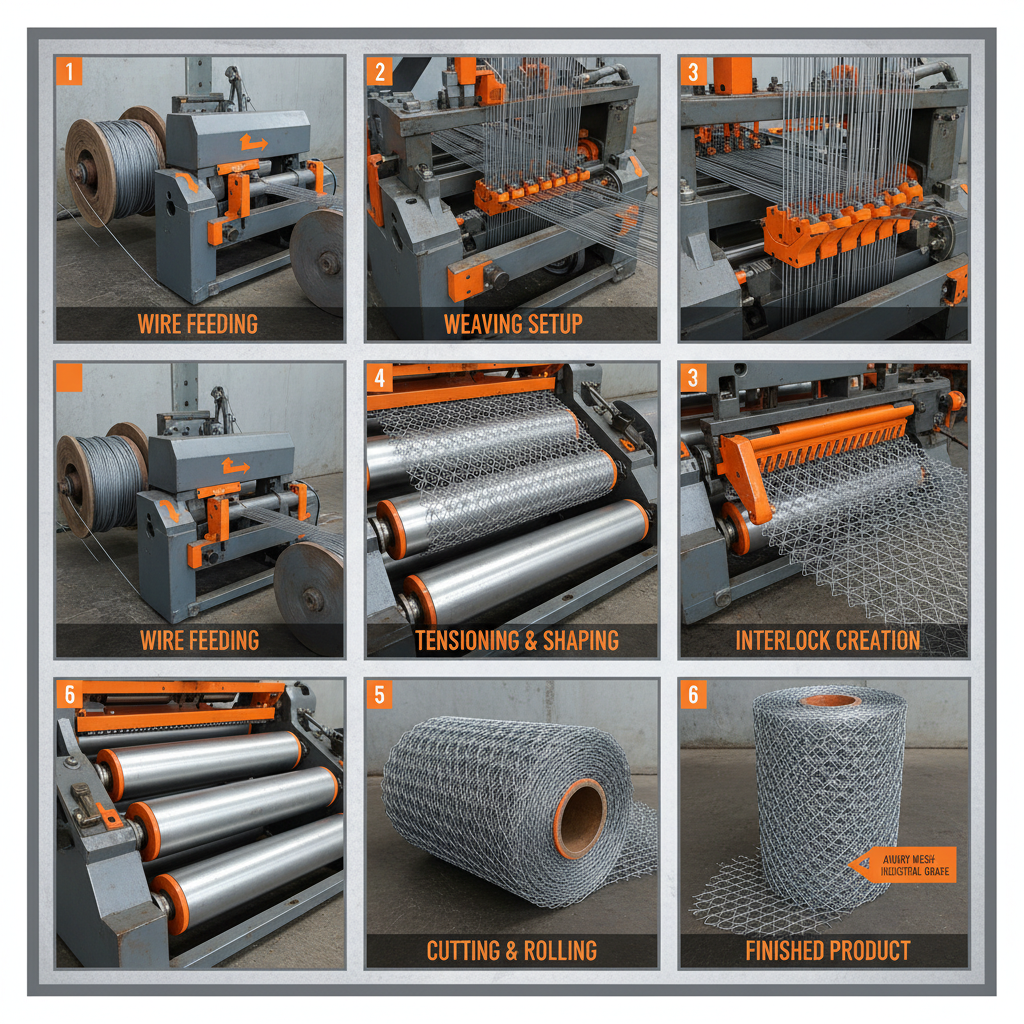
Selecting the right containment system is critical for the welfare of avian species and the security of professional facilities. High-quality aviary mesh serves as the primary structural barrier that balances visibility, airflow, and impenetrable security, ensuring that birds remain safe from predators while maintaining a natural environment.
Across the globe, the demand for specialized wire products has shifted toward materials that offer both high tensile strength and corrosion resistance. Whether for zoological gardens, private sanctuaries, or commercial breeding centers, the integration of advanced metallurgy in aviary mesh allows for larger spans and longer lifespans, reducing the overhead costs of frequent replacements.
Understanding the nuances of mesh gauge, coating types, and aperture sizes is essential for any project manager or facility owner. By prioritizing professional-grade materials over generic fencing, operators can guarantee a sustainable habitat that meets international animal welfare standards and rigorous safety protocols.
Global Industry Context of Aviary Mesh
The global market for specialized wire products, specifically aviary mesh, has seen a significant surge due to increased investments in biodiversity conservation and the expansion of exotic bird breeding. According to international trade standards and ISO guidelines for metal coatings, there is a growing emphasis on non-toxic, lead-free finishes to prevent avian poisoning, which has pushed manufacturers to innovate beyond basic galvanized steel.
Despite the availability of various fencing options, many facilities struggle with the balance between visibility and predator exclusion. The primary challenge lies in finding a material that can withstand extreme weather conditions—such as high humidity in tropical zones or salt spray in coastal areas—without compromising the structural integrity of the enclosure.
Defining Professional Aviary Mesh Standards
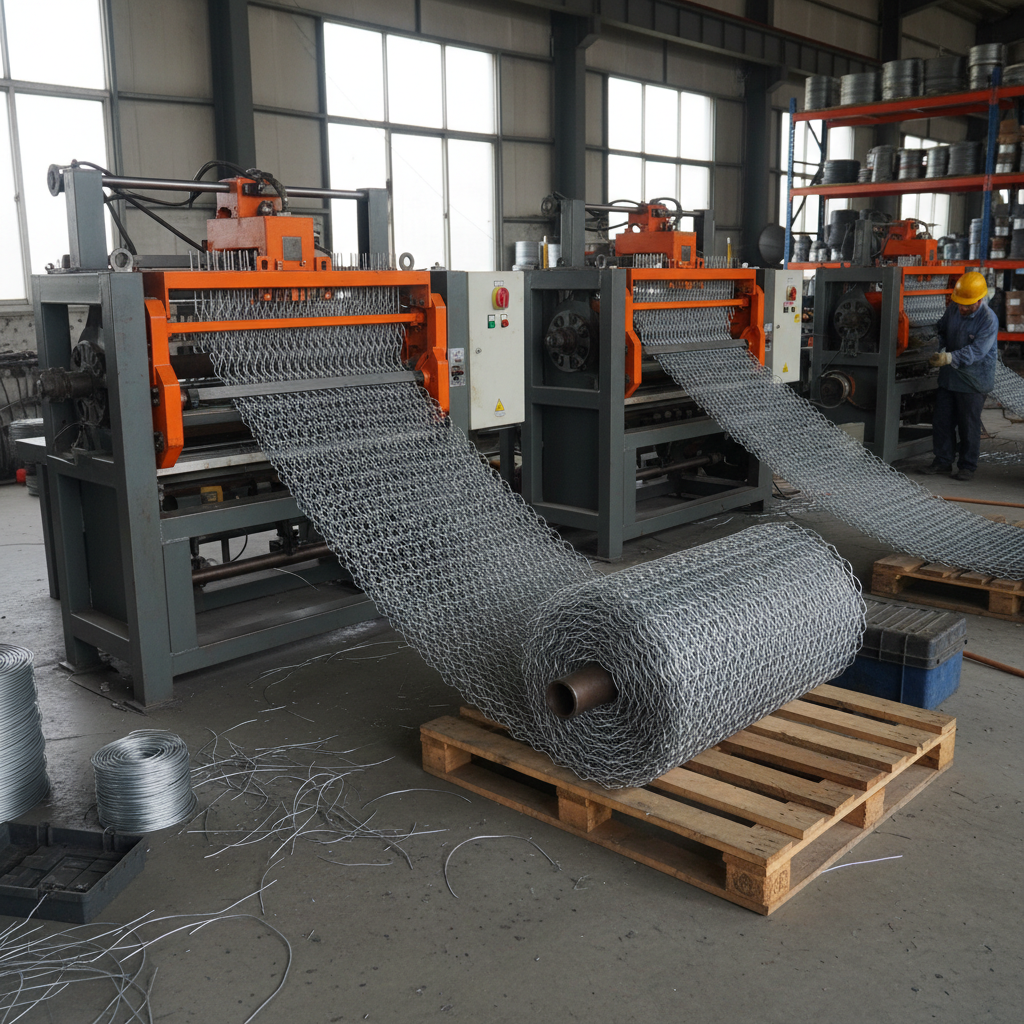
In simple industrial terms, aviary mesh is a high-precision woven or welded wire grid designed specifically to contain birds while preventing the entry of pests and predators. Unlike standard garden fencing, professional-grade mesh is engineered with specific aperture sizes that prevent birds from getting their heads or limbs caught, while ensuring the mesh remains virtually invisible to the human eye to enhance the aesthetic of the exhibit.
From a humanitarian and conservation perspective, this technology is vital for the protection of endangered species. Modern aviaries utilize these materials to create "flight cages" that mimic natural environments, providing the necessary space for exercise and social interaction, which are critical for the psychological health of the birds.
The connection to modern metallurgy is evident in the transition from simple iron wires to stainless steel and PVC-coated options. These advancements allow the mesh to withstand the corrosive nature of bird droppings and environmental moisture, ensuring that the containment remains secure for decades rather than years.
Core Components for Maximum Durability
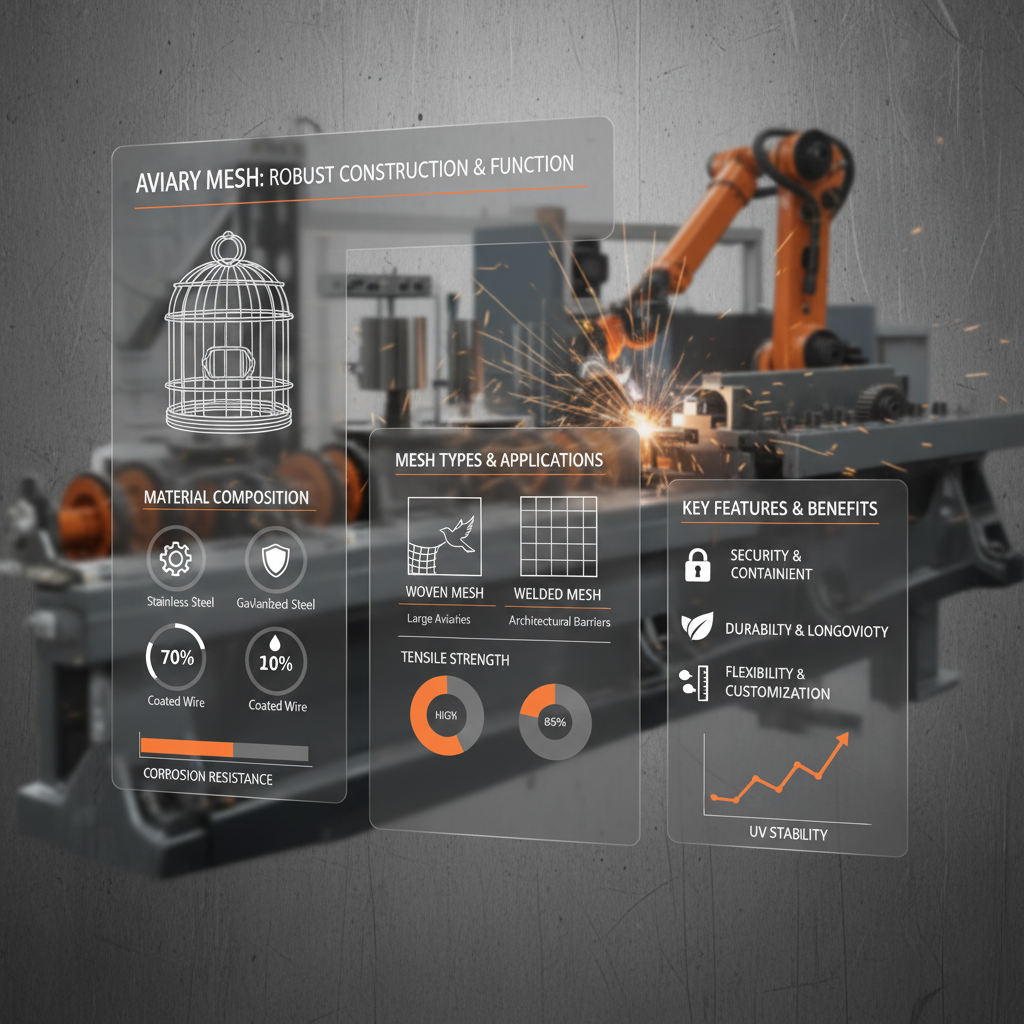
The first critical factor in aviary mesh performance is Material Composition. The choice between hot-dipped galvanized steel and 304/316 stainless steel determines the system's resistance to oxidation. For high-humidity environments, stainless steel is the gold standard, offering an inert surface that does not react with the atmosphere.
Coating and Finish represent the second pillar of durability. PVC or powder coatings not only provide an extra layer of protection against rust but also allow the mesh to blend into the foliage. A high-quality polymer coating prevents the wire from becoming abrasive, which is essential for preventing injuries to birds that may fly into or climb the mesh.
Tensile Strength and Knot Integrity are the final components. Professional mesh is tested for "break-load" capacity to ensure that predators, such as raccoons or stray cats, cannot tear through the barrier. The precision of the welds or the tightness of the weave ensures that the aperture remains consistent across the entire roll, eliminating weak points.
Performance Analysis of Mesh Materials
When evaluating different options for bird containment, it is important to compare how various material types perform across key metrics such as corrosion resistance, bird safety, and ease of installation. While galvanized options are cost-effective for short-term projects, stainless steel variants offer unparalleled longevity.
The following data illustrates the relative performance ratings of different aviary mesh configurations, helping facility managers make an informed decision based on their specific environmental needs.
Aviary Mesh Material Performance Comparison
Global Applications and Real-World Use Cases
In zoological parks across Europe and North America, aviary mesh is utilized to create immersive "walk-through" experiences. These large-scale installations require mesh with high visibility and extreme stability to span vast distances without sagging, allowing visitors to feel as though they are sharing the space with the birds.
In remote conservation zones in Southeast Asia and Africa, this mesh is deployed for the rehabilitation of wild raptors. These projects often involve creating temporary but secure enclosures that can be quickly transported and assembled in the field, providing a safe haven for injured birds to recover before being released back into the wild.
Long-Term Value and Sustainability Benefits
The long-term value of investing in premium aviary mesh extends beyond simple containment. By reducing the frequency of repairs and replacements, facility owners significantly lower their lifetime operational costs. Moreover, the use of sustainable, recyclable stainless steel minimizes the environmental footprint of the facility.
Beyond the financial logic, there is an emotional and ethical dimension to high-quality mesh. Providing a secure, predator-proof environment offers peace of mind to keepers and dignity to the animals. The reliability of the barrier ensures that the focus remains on conservation and education rather than emergency repairs.
Furthermore, the innovation in coating technologies has led to the development of UV-resistant polymers. This means that even in high-exposure regions like Australia or the Middle East, the mesh does not become brittle or fade, maintaining its protective qualities and aesthetic appeal for decades.
Future Innovations in Bird Containment Technology
The future of aviary mesh is trending toward "smart" materials and bio-integrated designs. We are seeing the emergence of nano-coatings that are self-cleaning, reducing the amount of manual scrubbing required to remove organic waste and preventing the growth of harmful molds and fungi on the wire surface.
Additionally, the industry is moving toward modular, rapid-deployment systems. These utilize pre-fabricated mesh panels that click together with industrial-grade fasteners, drastically reducing installation time and eliminating the need for specialized welding on-site, which can be dangerous in sensitive wildlife habitats.
As sustainability becomes a global priority, the shift toward "green" galvanization processes—which eliminate toxic chemicals from the production line—is becoming the new industry standard. This ensures that the very materials used to protect wildlife do not harm the surrounding ecosystem during their manufacture.
Technical Specifications and Comparison of Aviary Mesh Types
| Mesh Material |
Corrosion Resistance |
Predator Security |
Typical Lifespan |
| Hot-Dipped Galvanized |
Moderate |
High |
5-10 Years |
| PVC Coated Steel |
High |
Very High |
10-20 Years |
| Stainless Steel 304 |
Very High |
Extreme |
25+ Years |
| Stainless Steel 316 |
Maximum (Marine) |
Extreme |
40+ Years |
| Powder Coated Aluminum |
High |
Moderate |
15-20 Years |
| Electro-Galvanized |
Low |
Moderate |
3-5 Years |
FAQS
For coastal regions, Stainless Steel 316 is the highly recommended choice. Unlike other metals, 316 stainless steel contains molybdenum, which provides superior resistance to chloride-induced pitting and corrosion caused by salt spray, ensuring the mesh does not rust or degrade in salty air.
Aperture size should be based on the smallest bird species you intend to house. The rule of thumb is that the opening should be small enough to prevent the bird's head from passing through to avoid entrapment, yet large enough to allow optimal airflow and visibility for the visitors.
Yes, in many cases. PVC coatings provide a smooth, non-abrasive surface that reduces the risk of foot injuries and feather wear. Additionally, a high-quality coating acts as a barrier, preventing birds from coming into direct contact with the underlying metal, which is especially useful for sensitive species.
Absolutely. While designed for birds, the high tensile strength and small apertures of aviary mesh make it an excellent choice for keeping out squirrels, rats, and other small predators, providing a more durable and professional alternative to plastic netting.
Lifespan varies by material. Electro-galvanized options may last 3-5 years, whereas hot-dipped galvanized mesh usually lasts 10 years. For permanent installations, stainless steel is the best investment, often lasting 25 to 50 years depending on the environment and maintenance.
Yes, stainless steel is significantly harder than mild steel. You will need high-quality stainless steel cutting shears or a specialized angle grinder with a diamond blade. Using standard wire cutters can damage the tools and leave jagged edges on the mesh that could harm birds.
Conclusion
In summary, the selection of aviary mesh is a critical decision that impacts animal welfare, facility security, and long-term operational costs. By balancing material properties—such as the corrosion resistance of stainless steel and the safety of PVC coatings—with precise aperture sizing, operators can create enclosures that are both secure and humane.
Looking forward, the integration of sustainable manufacturing and smart materials will continue to elevate the standards of avian containment. We encourage facility managers and conservationists to prioritize high-grade, certified materials to ensure the longevity of their projects and the safety of the species they protect. For professional solutions, visit our website: www.chchfence.com