Selecting the right boundary solution is essential for any landowner, and the wire garden fence stands out as a premier choice for balancing security, aesthetics, and cost-effectiveness. Whether you are protecting a delicate vegetable patch from foraging animals or defining the perimeter of a sprawling estate, the versatility of wire mesh systems allows for a customized approach to landscaping and property management.
On a global scale, the demand for high-quality wire fencing has surged as urban gardening and sustainable agriculture become mainstream. The shift toward organic farming and the desire for "farm-to-table" living have pushed homeowners and professional growers alike to seek durable barriers that do not obstruct the natural beauty of the environment while providing a rigorous defense against external intrusions.
Understanding the technical nuances of wire materials, coating types, and installation methods is the key to maximizing the lifespan of your investment. By integrating modern metallurgical advancements with traditional fencing designs, a wire garden fence can offer long-term peace of mind, ensuring that your greenery thrives without the constant threat of pest damage or unauthorized access.
Global Relevance and Industry Context of Wire Garden Fencing
The global landscape of perimeter security has evolved significantly, with the wire garden fence becoming a critical component in both residential and commercial land management. According to industrial trends aligned with ISO quality standards, the move toward galvanized and PVC-coated steel has reduced maintenance costs by nearly 40% over the last decade, making it a sustainable choice for varying climates from humid tropical zones to arid deserts.
However, the industry faces a persistent challenge: the balance between structural rigidity and environmental integration. Many traditional fences are either too obstructive, ruining the visual appeal of a garden, or too flimsy, failing to stop determined pests. This gap has driven the innovation of specialized wire meshes that provide high-tensile strength while remaining virtually invisible from a distance.
Defining the Modern Wire Garden Fence System
At its core, a wire garden fence is a structured barrier composed of interlaced or welded metal wires, designed specifically to delineate boundaries and protect vegetation. Unlike heavy industrial fencing, garden-specific wire systems are engineered for flexibility and ease of installation, often utilizing lighter gauge steel that is treated for corrosion resistance to withstand constant exposure to soil moisture and rain.
In the context of modern industry, these systems are no longer just "wire on posts." They are integrated solutions that often include specialized anchoring systems and modular panels. This evolution reflects a broader humanitarian and ecological need to protect biodiversity and urban food sources, ensuring that small-scale agriculture can survive in densely populated areas without requiring massive concrete walls.
Furthermore, the definition extends to various configurations, including welded wire mesh, woven wire, and chain-link variants. Each serves a specific purpose—whether it is the tight apertures required to keep out rabbits or the higher, more robust structures needed to deter larger wildlife—making the wire garden fence a cornerstone of adaptive land architecture.
Core Components and Technical Factors for Durability
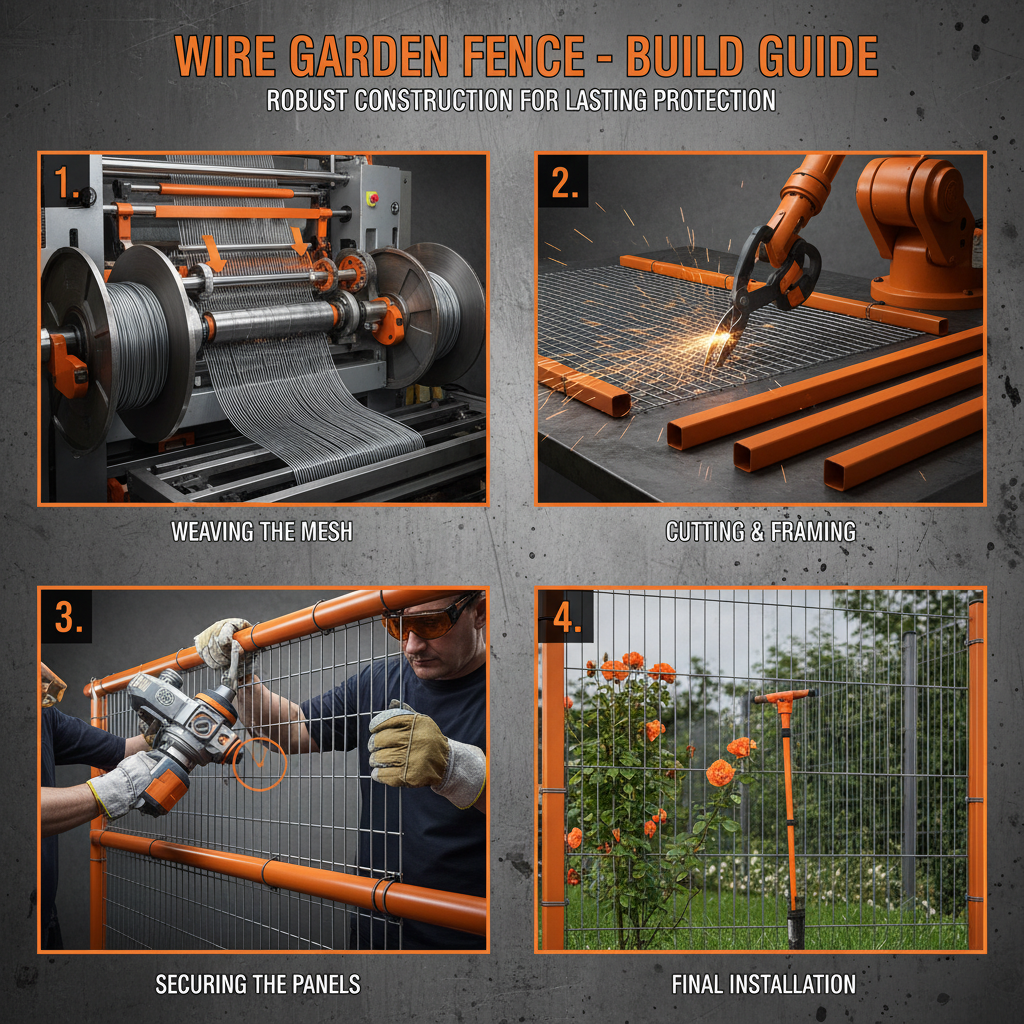
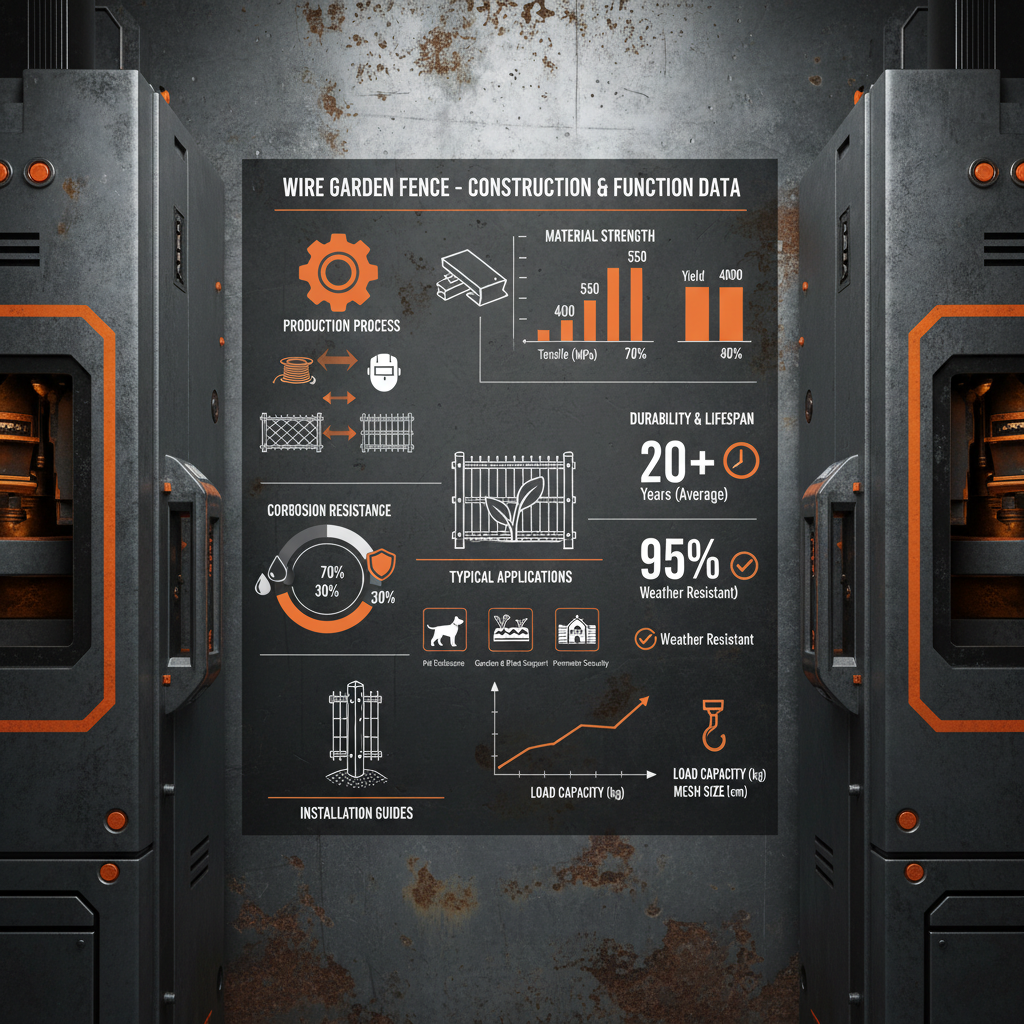
The longevity of a wire garden fence depends primarily on the quality of the raw materials and the coating process. Galvanization, the process of applying a protective zinc coating to steel, is the first line of defense against oxidation. High-grade fences often utilize a "double-dip" galvanization process to ensure that even the edges of the wire are fully protected from the elements.
Another critical factor is the tensile strength of the wire. By utilizing high-carbon steel, manufacturers can create a wire garden fence that resists sagging and stretching over time. This structural integrity is vital when the fence is used as a trellis for climbing plants or when it must withstand the pressure of wind and leaning vegetation.
Finally, the choice of aperture size and weld strength determines the fence's effectiveness. Precision welding ensures that joints do not snap under pressure, while customized mesh sizes allow users to target specific pests. From 1-inch grids for small rodents to larger openings for aesthetic boundary marking, the technical specifications are tailored to the user's exact biological and security requirements.
Global Applications and Strategic Use Cases
The application of the wire garden fence extends far beyond simple backyard plots. In professional viticulture across Europe, specifically in France and Italy, these fences are used to support grapevines while protecting the crop from wildlife. The use of lightweight, high-strength wire allows vineyard owners to maintain neat rows that are easy to navigate with harvesting machinery.
In other contexts, such as community gardens in North American urban centers, wire fencing provides a necessary psychological and physical boundary that prevents vandalism while maintaining a sense of openness. In remote industrial zones or research stations, these fences are often deployed to protect sensitive botanical experiments from local fauna, proving that a simple wire solution can be critical for scientific progress.
Performance Comparison of Wire Garden Fence Types
Tangible Advantages and Long-Term Value
One of the most significant advantages of installing a wire garden fence is the immediate return on investment regarding crop yield. By eliminating the loss of plants to deer, rabbits, or stray animals, gardeners often find that the cost of the fence is recouped within a single growing season. This logical financial benefit is paired with the emotional satisfaction of creating a safe haven for nature and food production.
From a sustainability perspective, wire fences are far more eco-friendly than solid concrete or treated wood barriers. They allow for the free movement of air and light, preventing the creation of "dead zones" in the garden. Furthermore, the recyclability of steel ensures that at the end of its long life cycle, the materials can be repurposed, aligning with global goals for a circular economy.
Future Trends in Fencing Materials and Automation
The future of the wire garden fence is being shaped by "smart" materials. We are seeing the emergence of nano-coatings that are not only rust-proof but also hydrophobic, meaning they repel water and dirt entirely, virtually eliminating the need for cleaning. These advancements ensure that the fence remains visually unobtrusive and structurally sound for decades.
Digital transformation is also hitting the fencing industry. Integration with IoT sensors is becoming a reality, where wire fences can be equipped with vibration sensors to alert landowners of perimeter breaches via a smartphone app. This marriage of traditional metalwork and modern electronics transforms a passive barrier into an active security system.
Additionally, there is a growing trend toward "green-integrated" fencing. This involves designing wire meshes that specifically encourage the growth of native hedging plants, effectively creating a "living wall." This approach blends the security of a metal fence with the ecological benefits of a natural hedge, promoting urban biodiversity.
Overcoming Common Challenges in Fence Installation
Despite the benefits, many users struggle with the "ground-gap" issue, where small animals burrow under the wire garden fence. The professional solution is the implementation of an "L-footer" or an underground apron. By extending the mesh 12 inches into the ground or bending it outward at the base, you create a physical barrier that prevents burrowing pests from entering the garden.
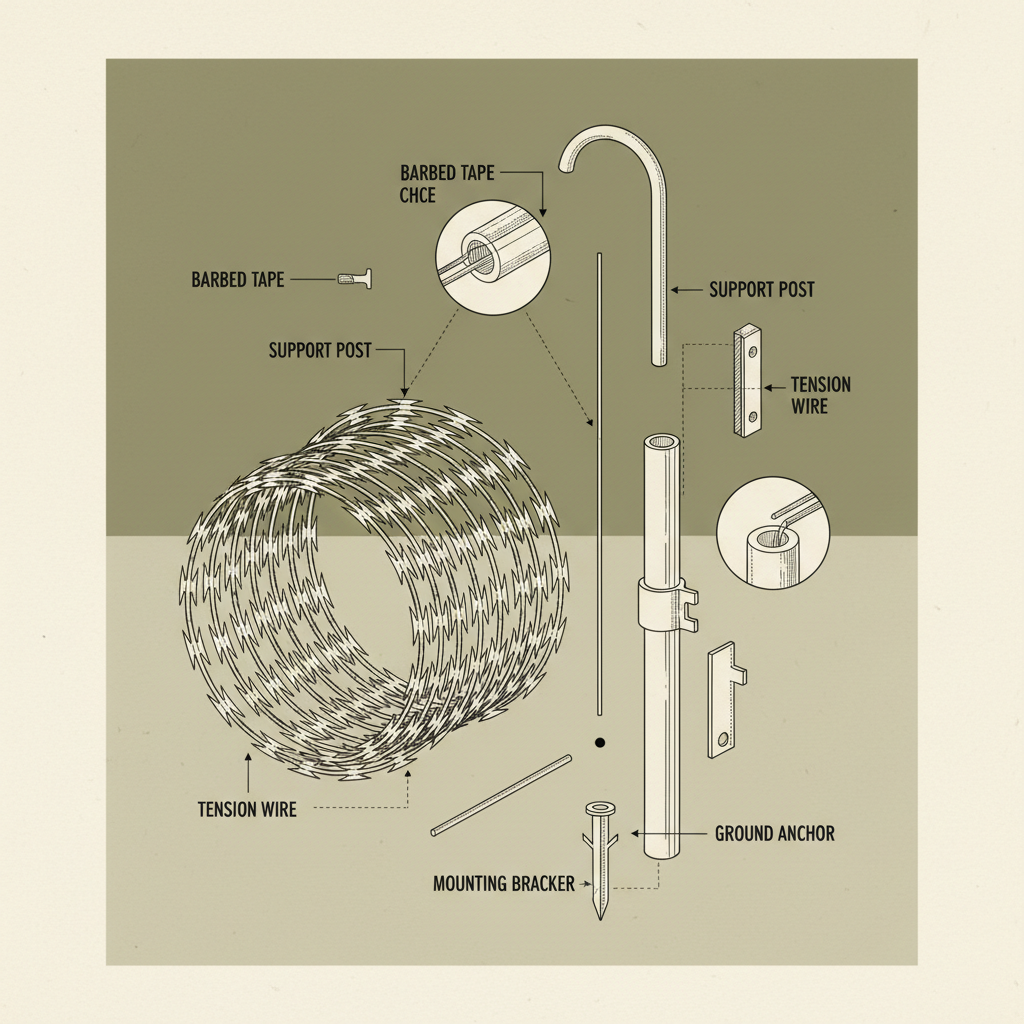
Another common challenge is the tensioning of the wire. Improperly tensioned fences often sag in the middle, compromising both aesthetics and security. The use of high-quality tensioners and corner bracing is essential. Expert installers recommend a staggered post-placement strategy to distribute the load evenly across the entire length of the fence.
Finally, dealing with undulating terrain can be difficult for rigid panels. The solution lies in using flexible woven wire or modular segments that can be contoured to the land. By adapting the fence to the natural topography rather than forcing a straight line, you maintain the structural integrity of the wire and avoid unnecessary stress points.
Comparative Analysis of Wire Garden Fence Installation Methods
|
Installation Method
|
Difficulty Level (1-10)
|
Lifespan (Years)
|
Security Rating
|
| Direct Burial Mesh |
3 |
5-8 |
Medium |
| Concrete Post Anchoring |
7 |
20+ |
Very High |
| Modular Panel Clip |
4 |
10-15 |
High |
| Tension-Wire System |
6 |
12-18 |
High |
| Freestanding Stakes |
2 |
2-5 |
Low |
| hybrid L-Footer Setup |
5 |
15-20 |
Extreme |
FAQS
For maximum longevity, we recommend PVC-coated galvanized steel. The galvanization prevents the core steel from rusting, while the PVC layer provides an extra shield against UV rays and chemicals. This combination is ideal for humid or coastal environments where salt air would otherwise corrode a standard metal fence quickly.
The most effective method is installing an "apron" or "L-footer." This involves burying the bottom 6-12 inches of the wire garden fence vertically or bending it outward horizontally along the ground. When an animal attempts to dig at the base of the fence, they immediately encounter the mesh, discouraging them from continuing.
It depends on your goal. Welded wire is stiffer and provides a cleaner, more architectural look, making it great for supports and small gardens. Woven wire is more flexible and generally stronger against heavy impact (like larger livestock), making it better for sprawling rural boundaries where flexibility is required to handle terrain changes.
Simple modular or stake-based fences are very DIY-friendly. However, for permanent installations involving concrete footings, high-tension wires, or large perimeters, professional installation is recommended. Proper tensioning is a technical skill; if done incorrectly, the fence may sag or fail prematurely, leading to higher costs in the long run.
Preventing sag requires three things: high-tensile wire, sturdy corner bracing, and the use of a tensioning tool. Ensure your end posts are deeply anchored (preferably in concrete) and use "H-braces" at the corners to take the pull of the wire. Periodically checking and re-tensioning the wire every few years can also maintain the fence's tautness.
Not if you choose the right gauge and coating. Thin-gauge galvanized wire is virtually invisible from a few meters away. For an even more seamless look, choosing a green PVC coating helps the wire garden fence blend into the surrounding foliage, providing security without sacrificing the open feel of your garden.
Conclusion
In summary, the wire garden fence represents the perfect intersection of industrial durability and horticultural necessity. By focusing on key technical factors such as galvanization, tensile strength, and proper installation methods like L-footers, landowners can create an impenetrable yet invisible barrier that protects their investment and promotes ecological health. From the financial gains of crop preservation to the aesthetic benefits of a well-defined boundary, the value of a high-quality wire system is undeniable.
As we look toward a future of smarter materials and integrated green technologies, the role of wire fencing will only grow in importance. Whether you are a professional farmer or a weekend gardener, investing in a robust, sustainable fencing solution is the first step toward a thriving outdoor space. We encourage you to evaluate your specific boundary needs and choose a system that offers both immediate security and long-term reliability. Visit our website for professional solutions: www.chchfence.com