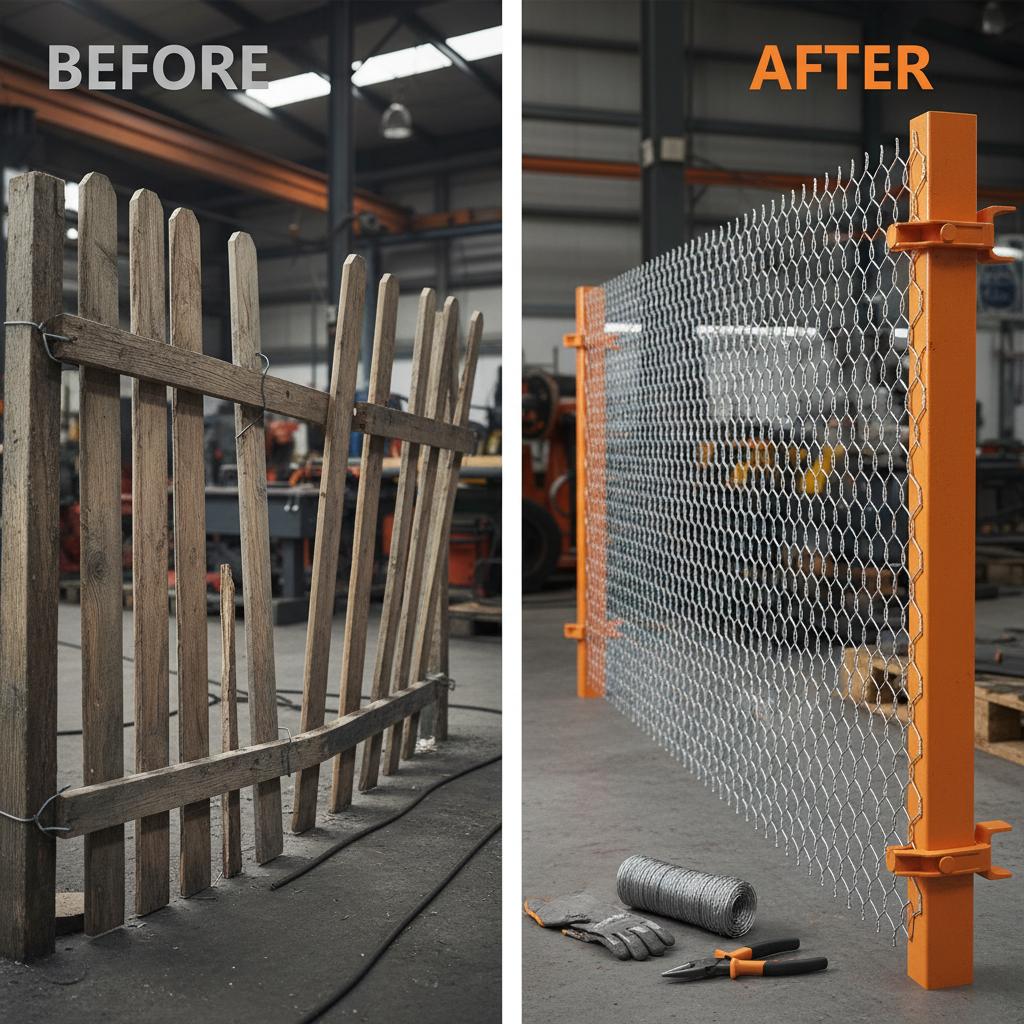
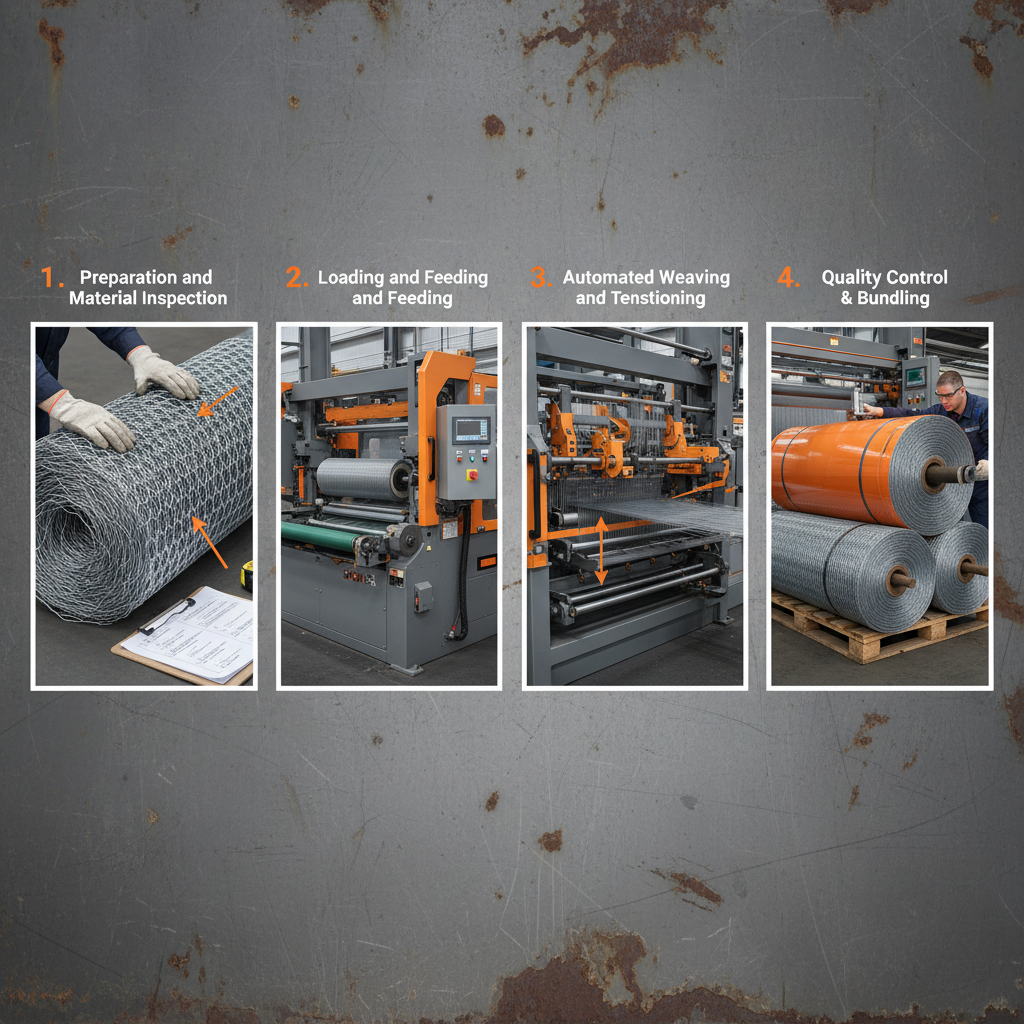
Chicken wire garden fence is a versatile and cost-effective solution for protecting gardens, containing livestock, and creating defined boundaries. Globally, the demand for fencing solutions is consistently high, driven by agricultural needs, property security concerns, and the growing trend of home gardening. This simple yet effective fencing option provides a balance between affordability, ease of installation, and adequate protection against small animals and casual trespassers. Understanding the nuances of chicken wire garden fence – from its material composition to its various applications – empowers homeowners and agriculturalists to make informed decisions that best suit their needs.
The increasing focus on sustainable living and local food production has further boosted the popularity of chicken wire garden fence. As more individuals and communities embrace gardening as a means of self-sufficiency, the need for accessible and adaptable fencing solutions intensifies. Moreover, the relative simplicity of chicken wire garden fence contributes to its widespread adoption, requiring minimal specialized skills or tools for installation. Data from the FAO (Food and Agriculture Organization of the United Nations) indicates a consistent global demand for agricultural fencing materials, highlighting the importance of solutions like chicken wire.
However, the increasing prevalence of garden pests and the desire for more aesthetically pleasing options are driving innovation in fencing materials and designs. Chicken wire garden fence, while functional, often requires supplemental measures for enhanced security or visual appeal, creating opportunities for hybrid solutions and complementary products within the broader fencing market.
The Core Principles of Chicken Wire Garden Fence
At its core, a successful chicken wire garden fence relies on a simple principle: creating a physical barrier that deters unwanted access. This is achieved through the interlocking weave of galvanized steel wires, forming a mesh that prevents animals from entering gardens or escaping enclosures. The effectiveness of this barrier is directly related to the gauge (thickness) of the wire, the size of the mesh openings, and the overall height of the fence. Proper installation, including secure anchoring and tensioning, is paramount to maintaining the integrity of the fence over time.
Beyond its primary function as a deterrent, a well-maintained chicken wire garden fence can contribute to the aesthetic appeal of a landscape. While often perceived as utilitarian, it can be creatively integrated into garden designs, serving as a support structure for climbing plants or a backdrop for decorative elements. The simplicity of its construction also lends itself to customization, allowing homeowners to adapt the fence to their specific needs and preferences.
Understanding the Global Relevance of Chicken Wire Garden Fence
Chicken wire garden fence isn’t simply a localized solution; its relevance extends globally, particularly in regions with significant agricultural activity. In developing nations, it frequently serves as an affordable means of protecting crops from livestock and wildlife, bolstering food security for local communities. The World Bank estimates that livestock contributes significantly to the agricultural GDP of many developing countries, making affordable fencing solutions like chicken wire essential for protecting livelihoods.
Furthermore, the increasing demand for organic and locally-sourced produce has spurred the adoption of chicken wire garden fence in developed nations as well. Home gardeners and small-scale farmers are utilizing it to create protected growing spaces, minimizing the need for pesticides and ensuring the quality of their harvests. The relative ease of installation and maintenance makes it an attractive option for individuals without extensive agricultural experience.
Across diverse climates and terrains, from the arid landscapes of Australia to the humid tropics of Southeast Asia, chicken wire garden fence provides a reliable and adaptable solution for a wide range of applications, demonstrating its enduring global relevance.
Defining Chicken Wire Garden Fence: A Practical Overview
Simply put, a chicken wire garden fence is a type of netting constructed from interwoven galvanized steel wires. The term “chicken wire” originates from its historical use in poultry farming – specifically, to construct enclosures for chickens. However, its applications have expanded far beyond this initial purpose. The mesh openings, typically ranging from 1/2 inch to 1 inch, are large enough to allow for air circulation and sunlight penetration, but small enough to deter most common garden pests.
The term “garden fence” in this context denotes its primary use: protecting gardens from animals such as rabbits, deer, and groundhogs. While it may not offer the same level of security as more robust fencing options like chain-link or wrought iron, its affordability and ease of installation make it a popular choice for homeowners and gardeners seeking a practical and budget-friendly solution.
Today, chicken wire garden fence is frequently used to create temporary enclosures, support climbing plants, and define garden boundaries. It represents a fundamental building block in many gardening and agricultural projects, offering a versatile and readily available material for a variety of applications.
Key Characteristics of Effective Chicken Wire Garden Fence
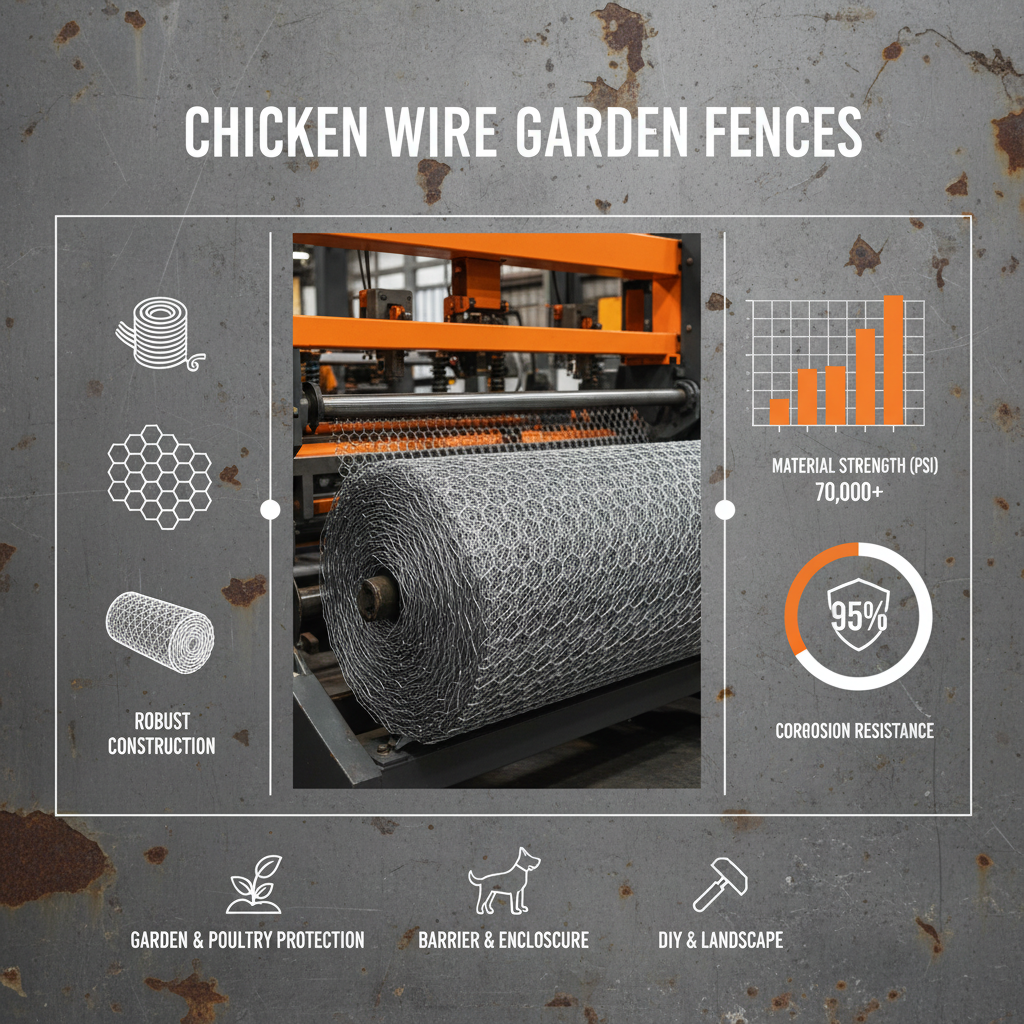
Several key characteristics contribute to the effectiveness of chicken wire garden fence. First and foremost is its material composition: galvanized steel provides corrosion resistance, extending the lifespan of the fence even in harsh weather conditions. Secondly, mesh size is crucial; smaller mesh openings offer greater protection against smaller pests, while larger openings are sufficient for deterring larger animals.
Another important factor is wire gauge – a thicker wire gauge provides greater strength and durability. The height of the fence is also critical, depending on the animals you’re trying to exclude; taller fences are necessary to deter deer, for example. Finally, the quality of installation dramatically affects its effectiveness; proper tensioning and secure anchoring are essential for preventing sagging and ensuring long-term stability.
Comparative Analysis of Chicken Wire Garden Fence Methods
Real-World Applications of Chicken Wire Garden Fence
The applications of chicken wire garden fence are remarkably diverse. In rural agricultural settings, it’s commonly used to create temporary paddocks for livestock, protecting grazing areas and preventing animals from straying. Small-scale farmers often employ it to safeguard vegetable gardens from rabbits, deer, and other wildlife, ensuring a bountiful harvest.
On a smaller scale, homeowners utilize it to protect flowerbeds, shrubbery, and newly planted trees. It’s also a popular choice for creating compost bins, providing a contained environment for organic matter to decompose. In more creative applications, it can be used to construct chicken coops, rabbit hutches, and other small animal enclosures.
The Long-Term Value and Benefits of Chicken Wire Garden Fence
The long-term value of chicken wire garden fence lies in its combination of affordability, durability, and versatility. While not the most aesthetically striking fencing option, its low cost makes it accessible to a wide range of users, allowing them to protect their investments without breaking the bank. The galvanized steel construction provides resistance to corrosion, extending its lifespan and reducing the need for frequent replacements.
Beyond the practical benefits, chicken wire garden fence contributes to peace of mind, knowing that gardens and livestock are protected from unwanted intrusions. Its ease of installation empowers homeowners and farmers to take control of their property security, fostering a sense of self-reliance and independence.
Future Trends and Innovations in Chicken Wire Garden Fence Technology
While the fundamental design of chicken wire garden fence has remained relatively consistent for decades, emerging trends are driving innovation in materials and construction techniques. The development of polymer-coated chicken wire offers enhanced corrosion resistance and a more aesthetically pleasing appearance.
Furthermore, the integration of smart technology – such as embedded sensors to detect breaches or automated gate systems – is opening up new possibilities for enhanced security and convenience. Sustainable manufacturing practices, including the use of recycled materials and reduced energy consumption, are also gaining traction, aligning with the growing demand for environmentally friendly products.
These advancements promise to further enhance the value and versatility of chicken wire garden fence, solidifying its position as a leading fencing solution for both agricultural and residential applications.
Comparative Analysis of Chicken Wire Garden Fence Performance Factors
| Material Composition |
Installation Complexity |
Long-Term Durability |
Cost-Effectiveness (1-10) |
| Galvanized Steel |
Low - Requires basic tools |
7/10 - Susceptible to rust over time |
9/10 |
| PVC Coated Steel |
Medium - Requires slightly more skill |
9/10 - Significantly improved rust resistance |
7/10 |
| Stainless Steel |
Medium-High - Requires specialized tools |
10/10 - Exceptional durability |
4/10 |
| Aluminum |
Low - Lightweight and easy to handle |
6/10 - Prone to bending and damage |
6/10 |
| High-Tensile Wire |
High - Requires specialized equipment and expertise |
8/10 - Extremely strong and durable |
5/10 |
| Galvanized Steel with UV Protection |
Low - Similar to standard galvanized steel |
8/10 - Enhanced resistance to UV degradation |
8/10 |
FAQS
Securing chicken wire to the ground effectively is crucial for keeping animals out. The most common method involves using metal stakes spaced every 6-8 feet. Drive the stakes deep into the ground and attach the wire using zip ties or hog rings. For added stability, you can also bury the bottom edge of the wire several inches below the surface. Ensure the stakes are firmly planted to withstand animal pressure and prevent the wire from lifting.
Animals like rabbits and rodents often dig under fences. To prevent this, extend the chicken wire underground by at least 6-12 inches, creating an "L" shape. Alternatively, you can attach a strip of hardware cloth (a more rigid wire mesh) to the bottom of the fence and bury it horizontally. This will create a barrier that deters digging. Regularly inspect the area for any signs of digging and reinforce as needed.
To effectively keep out rabbits, a mesh size of 1 inch or smaller is recommended. Rabbits can squeeze through larger openings, so it's crucial to choose a wire with a tight weave. Consider using hardware cloth instead of standard chicken wire for even greater protection, as it's more rigid and less likely to be pushed through. Ensure the bottom of the fence is securely fastened to the ground to prevent digging.
The lifespan of a chicken wire garden fence depends on the quality of the materials and the environmental conditions. Galvanized steel chicken wire typically lasts 5-10 years, but can be extended with proper maintenance. Factors like humidity, saltwater exposure, and soil acidity can accelerate corrosion. Regularly inspect the fence for rust and repair any damaged areas to prolong its lifespan. Consider a PVC-coated option for increased durability.
While generally safe, chicken wire can pose a hazard to pets if they become entangled. Ensure the wire is securely fastened and doesn't have any sharp edges or loose ends. Regularly inspect the fence for any potential hazards. Consider using a smoother fencing material if you have pets prone to getting caught in wire mesh. Supervision is always recommended.
Yes, you can paint chicken wire garden fence, but preparation is key. Thoroughly clean the wire to remove any dirt, rust, or grease. Use a metal primer before applying an exterior-grade paint designed for galvanized steel. Painting can enhance the aesthetic appeal and provide an extra layer of protection against corrosion, but ensure the paint doesn't interfere with the galvanized coating's effectiveness.
Conclusion
In conclusion, chicken wire garden fence remains a remarkably practical and versatile solution for a wide range of applications. Its affordability, ease of installation, and adaptability make it a popular choice for homeowners, gardeners, and agriculturalists alike. From protecting gardens and livestock to creating temporary enclosures and supporting climbing plants, the possibilities are nearly limitless. Understanding its strengths and limitations allows for informed decision-making and optimal utilization of this enduring fencing material.
Looking ahead, continued innovation in materials and construction techniques will further enhance the value and performance of chicken wire garden fence. Embracing sustainable practices and integrating smart technologies will pave the way for more efficient, durable, and environmentally friendly solutions. For those seeking a cost-effective and reliable fencing option, chicken wire remains a proven and enduring choice. chicken wire garden fence Visit our website today to explore our selection of chicken wire garden fence products and find the perfect solution for your needs.