


Durable and Stylish Metal Mesh for Balcony – Safety Meets Design
Metal Mesh for Balcony: A Practical and Stylish Solution
When you think about balconies, often what comes to mind is a small outdoor perch to breathe fresh air, grow plants, or maybe enjoy a coffee. But the humble balcony also demands safety, aesthetics, and durability. That's exactly where metal mesh for balcony enters the picture — a product that’s quietly transforming urban living spaces, offering a blend of robustness, design flexibility, and safety that resonates globally.
Why Metal Mesh for Balconies Matters Globally
Globally, urban populations are skyrocketing. According to UN Habitat (2022), over 56% of the world's population now lives in urban areas, a figure expected to reach 68% by 2050.[1] This urban boom means more vertical living, more balconies, and consequently, greater demand for reliable balcony barriers. Metal mesh provides a lightweight yet sturdy alternative to standard railings — reducing accidents and enhancing safety, especially in densely populated places like Tokyo, New York, or Mumbai. Plus, with growing concerns about sustainability and aesthetics in construction, metal meshes tick many boxes.
But here's a challenge: balconies need fencing solutions that can withstand weather and wear, allow airflow and light, and are easy to maintain. Metal mesh is addressing these in ways that old solid panels or glass barriers sometimes cannot.
What Exactly is Metal Mesh for Balcony?
Put simply, metal mesh for balcony consists of interwoven or welded metal strands—typically steel, aluminum, or stainless steel—crafted into patterns that act like protective netting. Unlike bulky bars or glass, metal mesh balances openness with security. Architecturally, it's not just a guardrail; it’s a design element that integrates with the building’s aesthetic, be it industrial chic or minimalist modern.
Its connection to modern industry goes beyond aesthetics. In humanitarian projects, such as urban housing for refugees or post-disaster rebuilding, these meshes offer a versatile, lightweight, and durable solution for balconies, ensuring safety without sacrificing light or ventilation.
Core Components and Factors to Consider
1. Durability
Since balconies face constant weather exposure—rain, sun, sometimes salty sea breezes—durability is paramount. Stainless steel meshes, for example, resist corrosion over decades. Powder coatings add an extra layer of protection and color flexibility.
2. Safety and Compliance
Regulations for balcony safety vary worldwide but generally require a barrier that can withstand pressure and prevents objects or children from falling. Metal meshes can meet or exceed these requirements, offering strength without blocking views.
3. Aesthetic Flexibility
From fine wire grids to bold diamond patterns, metal mesh can be customized to suit almost any architectural style. This versatility gives designers freedom while ensuring the functional aspects aren't compromised.
4. Maintenance and Cost Efficiency
Compared to wooden railings or glass, metal mesh requires minimal upkeep—no repainting every year, less risk of breakage, and easy cleaning. Upfront cost varies, but longevity often makes it economically wise in the long term.
5. Environmental Sustainability
Many manufacturers now focus on recyclable metals and eco-friendly coatings, aligning with global goals, like the ISO 14000 environmental standards.[2]
Mini Takeaway:
Choosing metal mesh is really about balancing safety, aesthetics, and sustainability—with durability being non-negotiable.
Where Metal Mesh for Balcony Is Putting Down Roots Worldwide
This solution has found a foothold across Asia, Europe, and parts of the Americas. For example, in Singapore’s urban renewal programs, metal mesh balconies complement sleek skyscrapers by providing ventilation without compromising safety. In southern Europe, coastal buildings use corrosion-resistant meshes to fend off salty air damage.
In industrial zones or high-rise social housing projects — often in emerging markets — metal mesh offers rapid installation and robust protection where budgets can be tight but safety is paramount. NGOs involved in rebuilding efforts after earthquakes, especially in places like Nepal or Turkey, appreciate how quickly these meshes install compared to brittle concrete balustrades.
Advantages and Long-Term Value of Metal Mesh Balconies
- Safety & Peace of Mind: Steel mesh barriers provide reliable protection for children and pets while maintaining openness.
- Longevity: Resistant to rust and wear, these meshes often last 20+ years with minimal upkeep.
- Cost-Effective: Lower maintenance means long-term savings, plus easy repair or replacement of individual sections.
- Eco-conscious: Metal meshes often use recyclable materials, aligning with green building practices.
- Visual Appeal: Mesh patterns can enhance the visual character of buildings — something tenants often mention appreciating.
Product Specification Table
| Specification | Typical Range | Notes |
|---|---|---|
| Material | Stainless steel, galvanized steel, aluminum | Aluminum mainly for lighter weight, stainless preferred outdoors |
| Mesh Aperture Size | 5x5 mm to 50x50 mm | Smaller apertures increase safety but reduce airflow |
| Wire Diameter | 0.8 mm to 3 mm | Thicker wires for added strength on higher buildings |
| Finish | Powder coating, electro-polishing, galvanizing | Finish affects corrosion resistance and aesthetics |
| Panel Size | Up to 2000x1000 mm standard | Custom sizes available on request |
Vendor Comparison: Choosing the Right Supplier
| Vendor | Material Quality | Customization Options | Delivery Time | Cost Range |
|---|---|---|---|---|
| ChChFence | Premium stainless steel | High (mesh pattern, color, size) | 3-5 weeks | $$$ |
| MetroMesh Ltd. | Galvanized steel | Medium (standard sizes) | 2-4 weeks | $$ |
| Global Wire Co. | Aluminum & stainless steel | High (custom finishes) | 4-6 weeks | $$$ |
Future Trends and Innovations in Balcony Metal Mesh
It's odd how something as 'old-school' as metal might get a tech upgrade, but here we are. The future of metal mesh for balconies is bright, thanks to innovations like:
- Smart coatings: Self-cleaning and corrosion-resistant coatings are coming to market, reducing maintenance even further.
- Eco-friendly alloys: Development of alloys with a smaller carbon footprint is a rising trend, useful for green buildings.
- Digital fabrication: Laser-cut and 3D-printed meshes allow unprecedented designs and precise cuts, combining beauty with function.
- Integrated solar tech: Some future meshes might support micro solar panels, enabling balconies to generate power.
None of these are just gimmicks—they truly address real needs around sustainability, resilience, and modern living.
Challenges and How Experts Are Solving Them
One persistent challenge is balancing airflow and visibility with privacy and safety. Finer mesh blocks visibility but can reduce ventilation. To counter this, layered mesh systems or adjustable infills are being trialed. Meanwhile, suppliers are working on faster lead times and modular panels for easier installation.
FAQ: Frequently Asked Questions About Metal Mesh for Balcony
- Q: How long does a typical metal mesh balcony railing last?
- A: With proper maintenance and high-quality materials like stainless steel, metal mesh railings can last 20 to 30 years or more, often outliving traditional wood or painted metals.
- Q: Is metal mesh safe for children and pets?
- A: Yes, depending on mesh aperture size and installation per local codes, metal mesh is a highly safe barrier that prevents accidental falls or paw escapes.
- Q: Can metal mesh balcony panels be customized?
- A: Absolutely. Vendors typically offer a range of mesh sizes, wire diameters, finishes, and panel dimensions tailored to architectural needs.
- Q: How weather-resistant is metal mesh? Does it rust?
- A: Stainless steel and powder-coated meshes resist rust and corrosion. Aluminum meshes also perform well but may dent more easily. Proper finishing is key.
Wrapping Up
In real terms, metal mesh for balcony offers a blend of safety, style, and sustainability that’s just hard to beat. It answers growing urban demands for secure, attractive, and low-maintenance balcony solutions worldwide. As technologies improve and designs diversify, expect it to only grow in popularity beyond just practical fencing — potentially becoming an iconic feature of modern cityscapes.
If you’re considering an upgrade or new build, exploring metal mesh alternatives could be a smart move.
Visit our website for more details: https://www.chchfence.com
References
Latest News About CHENG CHUANG
-
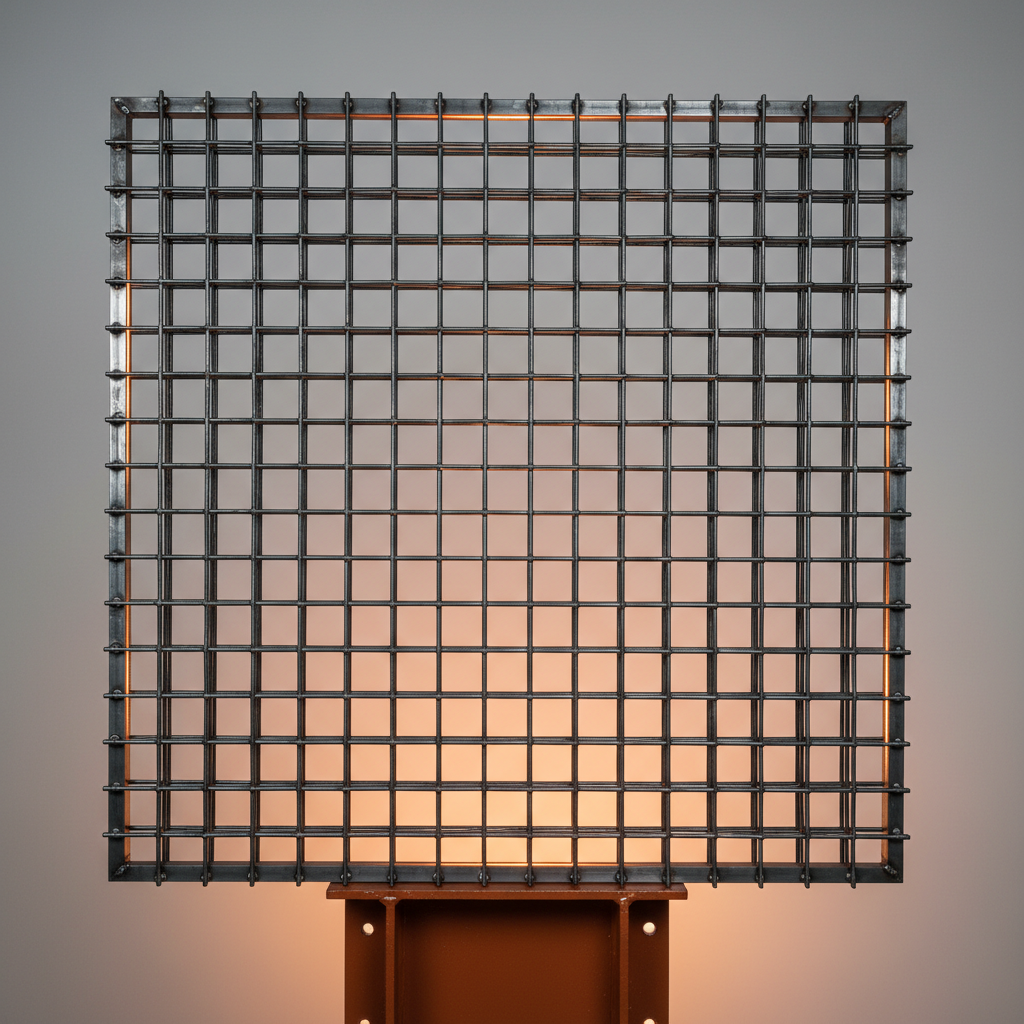 Heavy Duty 6 gauge welded wire mesh for Security and StrengthWhen it comes to heavy-duty containment, security, and structural reinforcement, choosing the right material is critical. The 6 gauge welded wire mesh stands as a premier choice for those requiring a balance of extreme rigidity and precise spacing. Whether you are securing a commercial perimeter, building industrial livestock panels, or creating reinforced concrete structures, this specific thickness provides the structural integrity needed to withstand significant pressure and impact. In this comprehensive guide, we will explore the technical specifications, primary applications, and why this mesh is the gold standard for high-security fencing solutions.Read more >
Apr 16 2026
-
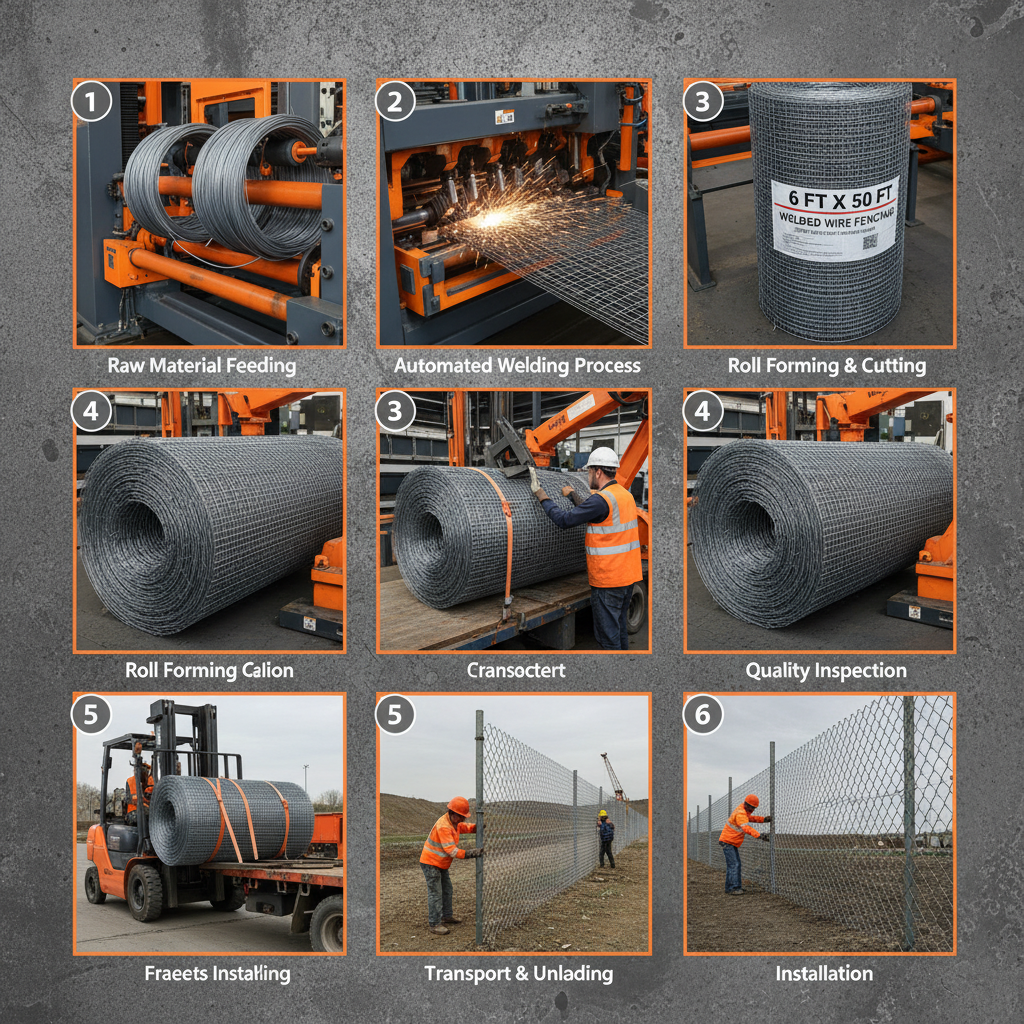 Durable 6 ft x 50 ft welded wire fencing for Security and GardensWhen it comes to securing a perimeter, whether for agricultural use, garden protection, or industrial boundaries, the dimensions and material of your fence matter. The 6 ft x 50 ft welded wire fencing offers an ideal balance of height and length, providing a robust barrier that is easy to install and maintain. Choosing a welded wire system ensures that the intersections are fused together, preventing the shifting and sagging often found in woven alternatives. In this guide, we will explore why this specific size is a preferred choice for property owners and how to maximize its effectiveness for your specific project.Read more >
Apr 09 2026
-
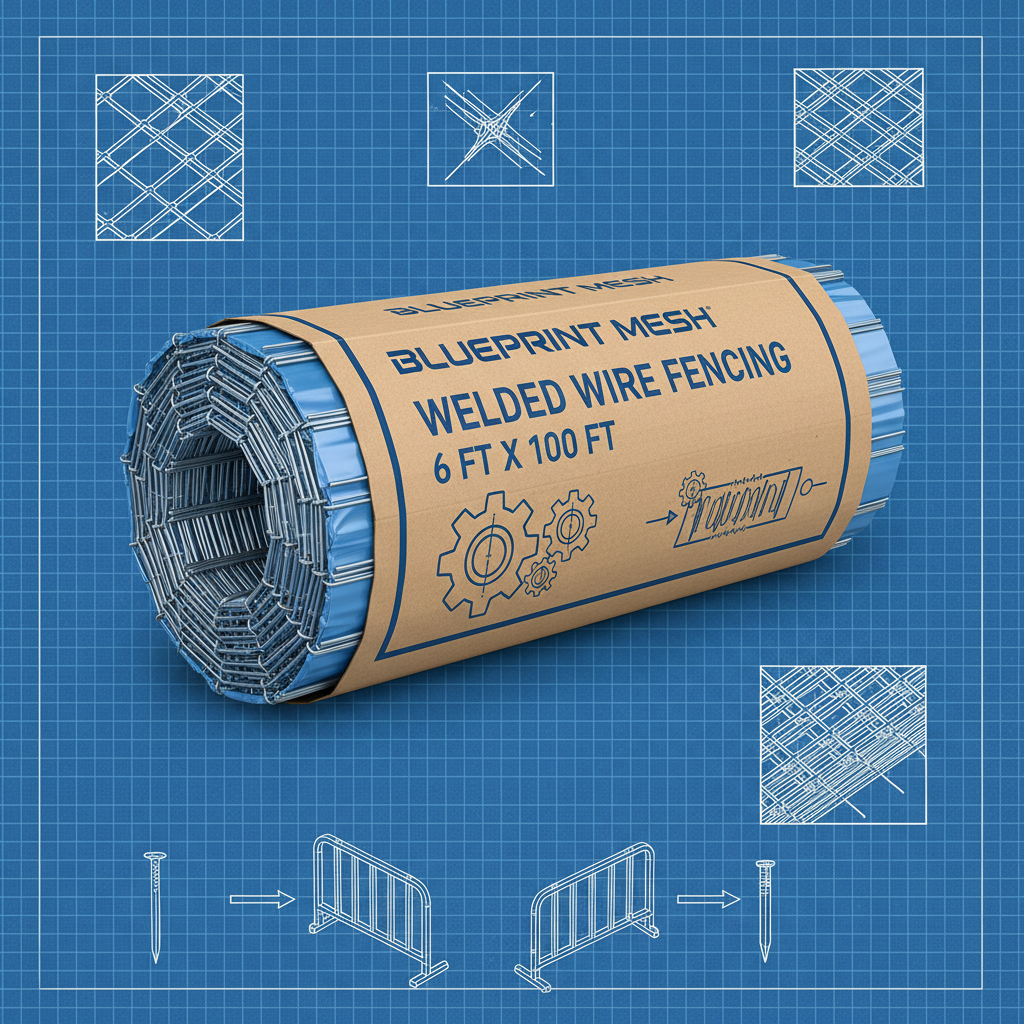 Comprehensive Guide to Choosing the Best 6 ft x 100 ft Welded Wire FencingWelded wire fencing is a versatile and cost-effective solution for a wide range of applications, from agricultural containment to residential security. Understanding the nuances of different types, especially when considering a size like 6 ft x 100 ft welded wire fencing, is crucial for making the right investment. This article will guide you through the essential factors to consider, helping you select the fencing that best suits your specific requirements.Read more >
Apr 07 2026
-
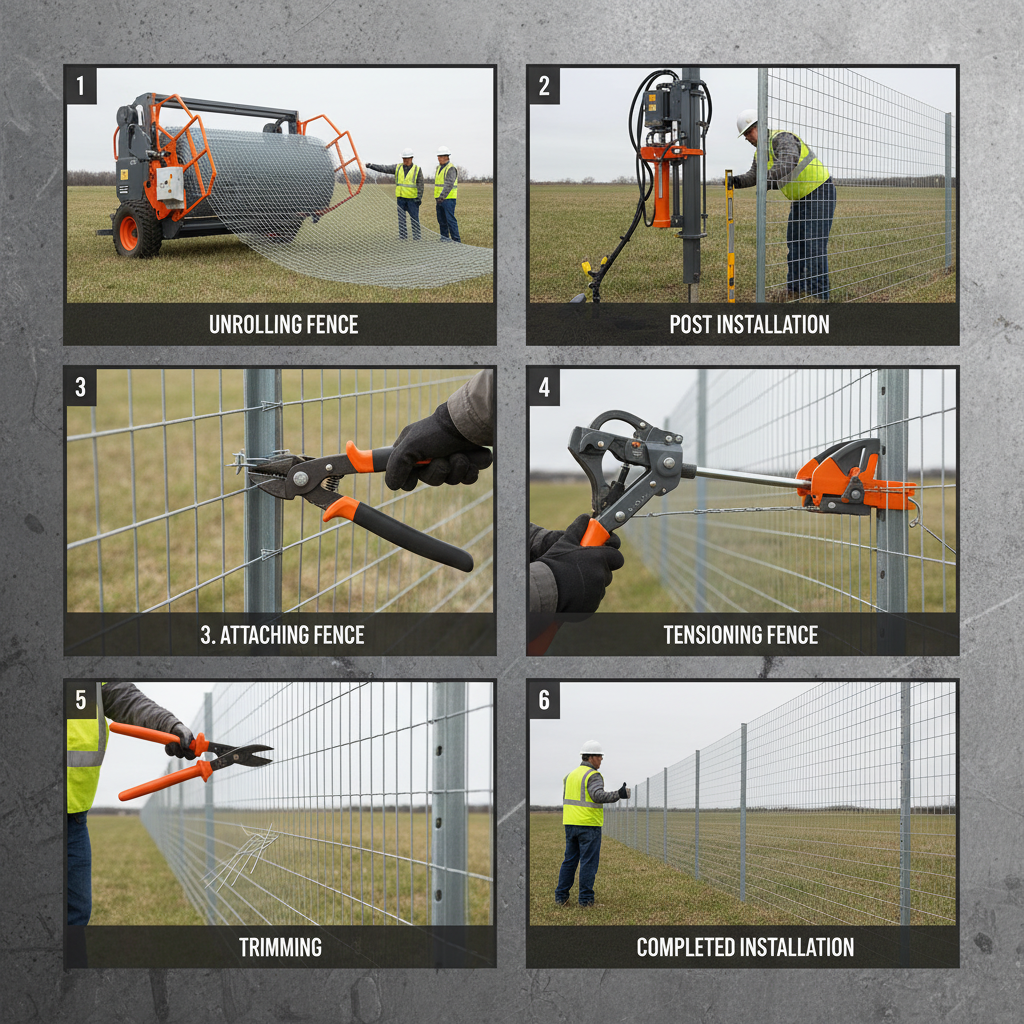 Comprehensive Guide to Choosing a 6 ft x 100 ft 12.5 Gauge Welded Wire FenceSelecting the appropriate fence for your property requires careful consideration. A 6 ft x 100 ft 12.5 gauge welded wire fence offers a robust and versatile solution for a variety of applications, from pet containment to garden protection and security. This guide will explore the benefits, applications, installation tips, and considerations when choosing this type of fencing. Understanding its construction and comparing it to other fencing options will help you make an informed decision.Read more >
Apr 04 2026
-
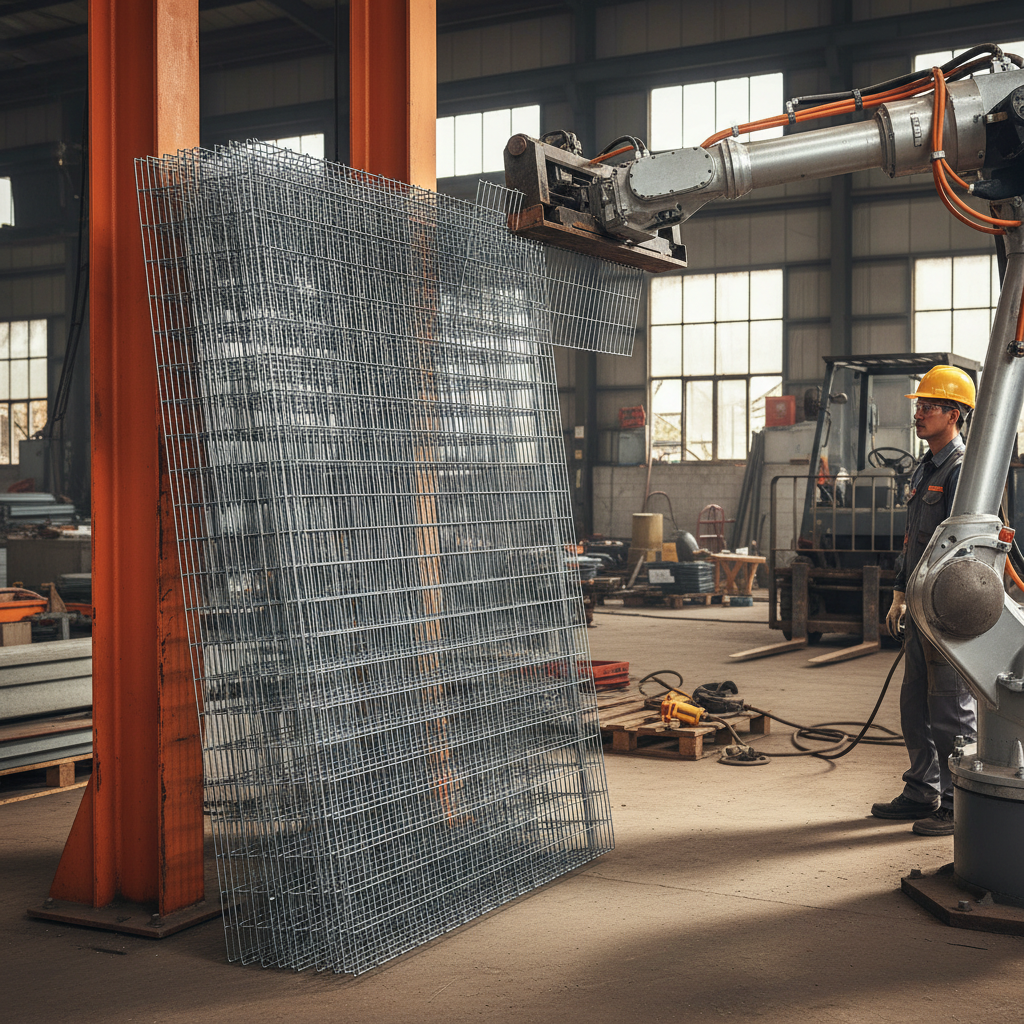 Comprehensive Guide to Durable 6 ft Welded Wire Fencing Panels and ApplicationsWhen selecting fencing for your property, 6 ft welded wire fencing panels offer a robust and versatile solution. These panels combine strength, security, and ease of installation, making them a popular choice for both residential and commercial applications. This article delves into the benefits, applications, installation, and maintenance of these panels, helping you make an informed decision.Read more >
Mar 31 2026