


Metal Mesh Filter Screen Technology | Durable & Custom Filters for Industry
Why Understanding Metal Mesh Filter Screens Matters Globally
Metal mesh filter screens are those often overlooked yet crucial components silently shaping industries as diverse as water purification, chemical processing, and even humanitarian relief efforts. On a planet where clean water scarcity affects billions and industrial waste management is more urgent than ever, these screens offer a vital solution — filtering impurities, protecting machinery, and ensuring safer environments. Grasping their role isn’t just plumbing or engineering jargon; it’s about understanding a small but powerful piece of infrastructure that quite literally helps keep society flowing.
Understanding the technology behind metal mesh filter screens equips industries, governments, and NGOs with tools to tackle pollution, improve manufacturing efficiency, or address post-disaster supply chain rigors. Plus, with sustainability climbing every global agenda – from UN Sustainable Development Goals (SDGs) to ISO environmental standards – the right filter technology means less waste, lower emissions, and smarter resource management.
The Global Context: How Metal Mesh Filter Screens Address Critical Challenges
Worldwide, industries spend billions annually battling contamination and ensuring standards compliance. According to the International Organization for Standardization (ISO), over 90% of manufacturing sectors rely on filtration systems that include metal mesh components. Meanwhile, the UN Water report estimates that nearly 2 billion people globally lack access to safely managed drinking water, a crisis where filtering technology plays a central role.
Challenges abound: inefficient filtering costs energy and resources and risks health when toxins pass through filters unimpeded. Metal mesh filter screens offer a robust, reusable way to meet these demands, standing up to high temperatures, corrosive fluids, and tough industrial environments. In short, they’re a frontline defense in several ongoing battles.
What Exactly Is a Metal Mesh Filter Screen?
In simplest terms, a metal mesh filter screen is a grid-like barrier made from interwoven or welded metal wires. It acts as a sieve, selectively allowing particles or fluids through based on size, while blocking unwanted debris. Unlike fabric or plastic filters, these metal screens bring durability and thermal resistance that modern industry and humanitarian needs demand.
They’re more than just screens. Think of them as the unsung workhorses for countless machines, water purification plants, and even emergency relief kits. By filtering out contaminants, they prevent wear on machinery, remove harmful substances from water, and ensure smooth operation of processes essential for daily life.
Key Factors Defining the Value of Metal Mesh Filter Screens
1. Durability and Material Quality
Metal mesh screens often use stainless steel, brass, or aluminum alloys, chosen for corrosion resistance and mechanical strength. Durability isn’t a spec on paper; it translates to fewer replacements and less downtime on the factory floor or in remote installations.
2. Precision and Mesh Size
The effectiveness depends heavily on how fine or coarse the mesh is — measured by “mesh count” or aperture size. Industries require specific gradations, from coarse filters trapping large debris in mining to ultra-fine filtration in pharmaceuticals.
3. Scalability and Customization
One size doesn’t fit all. Manufacturers supply metal mesh filter screens in diverse sizes and thicknesses to support small-scale laboratory setups through to massive industrial filters, making scalability and tailored solutions key.
4. Cost Efficiency Over Time
Investing in high-quality metal mesh screens may cost more upfront but pays off over long-term reliability and reduced maintenance.
5. Environmental Resistance
Resistance to heat, chemical corrosion, and abrasive particles is critical, especially in petrochemical plants or harsh climates.
Global Applications & Use Cases for Metal Mesh Filter Screens
Look around, and metal mesh filter screens quietly underpin many vital operations:
- Water Treatment Plants: Cities in Asia and Africa increasingly use these screens to remove particulates and pathogens, enhancing safe drinking water access.
- Oil & Gas Industry: Harsh environments in the North Sea or Gulf of Mexico rely on metal mesh filters to protect turbines and pipelines from corrosive materials.
- Pharmaceutical & Food Processing: In Europe and North America, stringent hygienic standards require stainless steel filters for sterilization and contamination control.
- Emergency Relief Operations: NGOs deploying water purification units post-natural disasters in the Caribbean or Southeast Asia depend on durable mesh screens that won’t clog or break under transport stress.
It’s telling that metal mesh filter screens show up in such varied contexts, from industrial giants to humanitarian aid — versatility is their middle name.
Advantages & Long-Term Value of Metal Mesh Filter Screens
Why bother switching to or investing in metal mesh filters? The clear benefits span practical and emotional spheres:
- Cost Savings: Longer lifespan means fewer replacements.
- Sustainability: Reusable and recyclable materials align with circular economy goals.
- Safety & Trust: Knowing filters won’t fail under pressure builds confidence across supply chains.
- Innovation Friendly: Adaptable to emerging technologies like IoT-enabled filtration monitoring.
Technical Specifications of a Typical Metal Mesh Filter Screen
| Specification | Details |
|---|---|
| Material | Stainless Steel 304 or 316 |
| Mesh Count | 20 – 400 meshes per inch |
| Wire Diameter | 0.05 mm – 1.0 mm |
| Thickness | 0.1 mm – 3 mm |
| Max Temperature | 800°C (varies by alloy) |
| Typical Uses | Liquid & Gas Filtration, Debris Screening |
Comparing Leading Metal Mesh Filter Screen Vendors
| Vendor | Material Options | Customization Level | Delivery Time | Average Price Range |
|---|---|---|---|---|
| MeshPro Filters | Stainless Steel 304/316, Brass | High (custom shapes/sizes) | 3-5 weeks | $$$ |
| CleanFlow Industries | Aluminum, Stainless Steel | Moderate | 2-4 weeks | $$ |
| FilterTech Solutions | Stainless Steel 316L Only | Low (standard sizes only) | 1-2 weeks | $ |
Emerging Trends & Innovations in Metal Mesh Filter Technology
Looking forward, many engineers are buzzing about integrating smart sensors directly into metal mesh filters. This could offer real-time clog detection and predictive maintenance — reducing downtime and unexpected failures.
On the materials front, research into corrosion-resistant coatings (like graphene-enhanced layers) promises even greater longevity and environmental resistance, especially for marine or chemical processing environments.
Finally, digital fabrication methods like 3D metal printing are beginning to allow bespoke mesh designs that optimize flow rates and filtration precision beyond conventional weaving or welding techniques.
Overcoming Challenges in Metal Mesh Filter Screen Applications
Despite their strengths, metal mesh filters aren’t perfect. They can clog rapidly if poorly maintained, and ultra-fine meshes sometimes face structural weakness. But clever engineering—like modular filter arrays and self-cleaning mechanisms—has helped those problems significantly.
In harsh or emergency settings, rapid deployment filters that fold or roll without damage are gaining traction — enabling faster field applications. Plus, improved metal alloys and surface treatments fight fouling and corrosion, extending useful life.
Frequently Asked Questions About Metal Mesh Filter Screens
- Q: How do I determine the right mesh size for my filtration needs?
A: Start by assessing the particle sizes you need to filter out and the fluid's viscosity. Consult with vendors who can advise based on your industry standards. For example, a pharmaceutical line might require 400 mesh for ultra-fine filtering, whereas wastewater treatment might use 60 mesh. - Q: How long does a metal mesh filter screen typically last?
A: Lifespan depends on the material, environmental conditions, and maintenance. Stainless steel screens can last years with proper care, sometimes a decade in less corrosive settings. - Q: Are metal mesh filter screens reusable?
A: Absolutely. One of their key advantages is cleanability by backflushing, ultrasonic baths, or manual cleaning, which makes them cost-effective compared to disposable filters. - Q: Can I use metal mesh filters in food processing?
A: Yes, stainless steel mesh compliant with hygiene standards is commonly used in food and beverage industries to meet contamination control needs.
Final Thoughts
Metal mesh filter screens might not be the flashiest part of industrial tech, but their impact? Immeasurable. From protecting critical infrastructure to ensuring safe drinking water across continents, these filters are small guardians of health, efficiency, and environmental stewardship. Investing in high-quality metal mesh technology today sets the stage for smarter, more sustainable operations tomorrow. Curious to explore your options or customize a solution? Visit https://www.chchfence.com — where technology meets tailored reliability, one mesh at a time.
Latest News About CHENG CHUANG
-
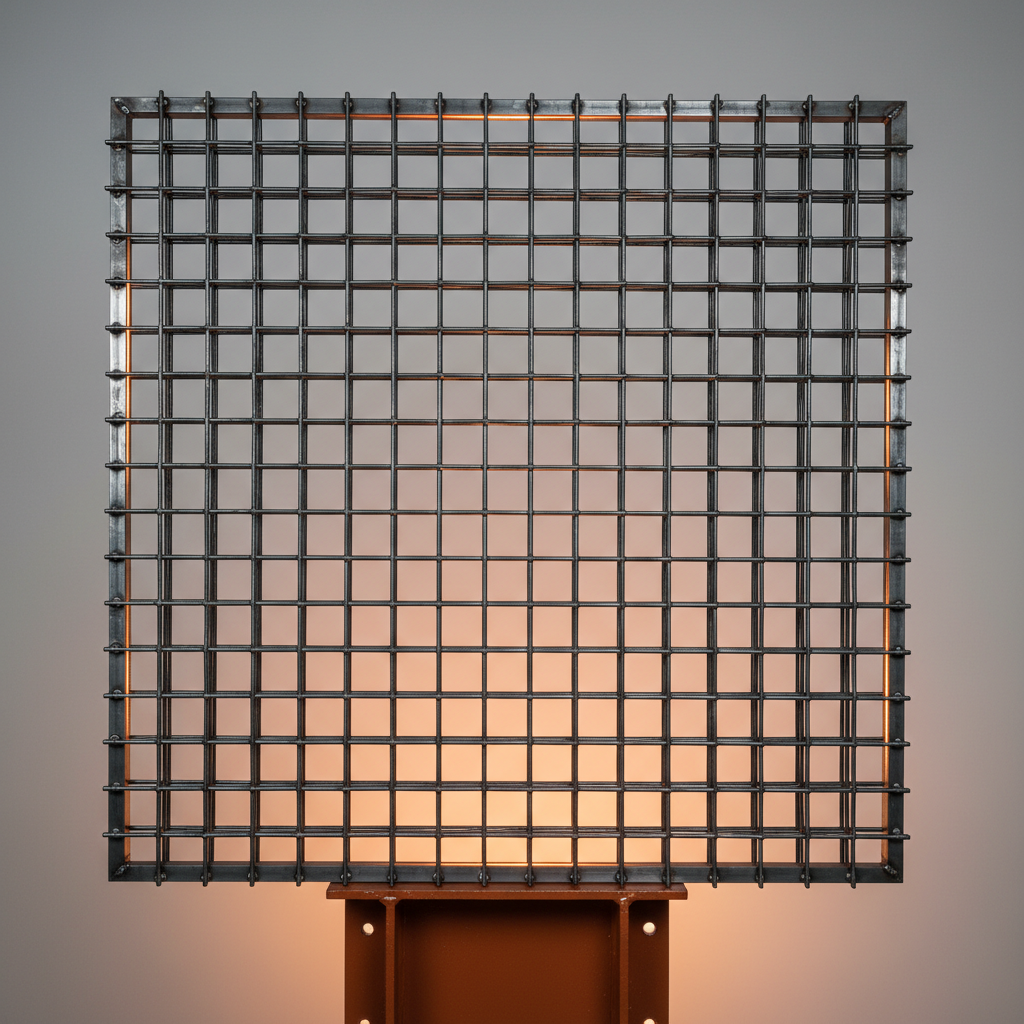 Heavy Duty 6 gauge welded wire mesh for Security and StrengthWhen it comes to heavy-duty containment, security, and structural reinforcement, choosing the right material is critical. The 6 gauge welded wire mesh stands as a premier choice for those requiring a balance of extreme rigidity and precise spacing. Whether you are securing a commercial perimeter, building industrial livestock panels, or creating reinforced concrete structures, this specific thickness provides the structural integrity needed to withstand significant pressure and impact. In this comprehensive guide, we will explore the technical specifications, primary applications, and why this mesh is the gold standard for high-security fencing solutions.Read more >
Apr 16 2026
-
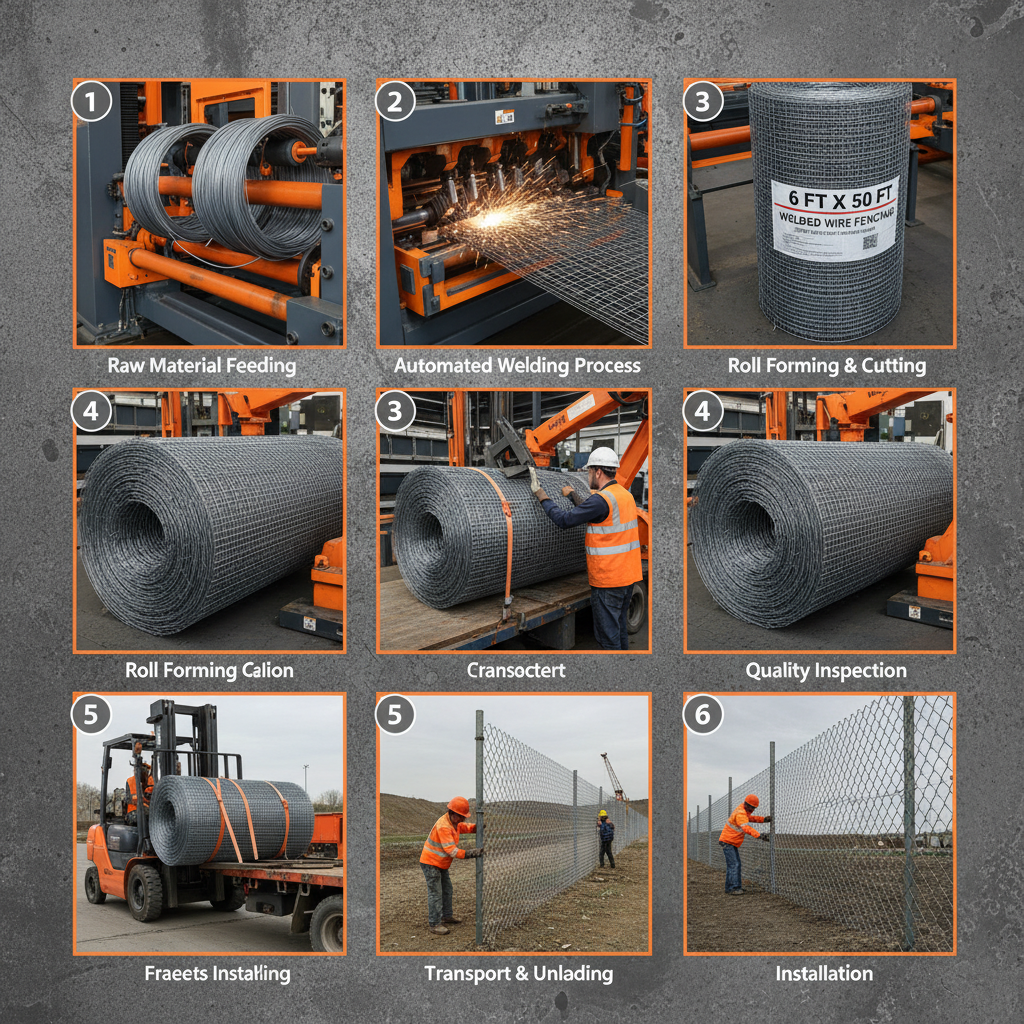 Durable 6 ft x 50 ft welded wire fencing for Security and GardensWhen it comes to securing a perimeter, whether for agricultural use, garden protection, or industrial boundaries, the dimensions and material of your fence matter. The 6 ft x 50 ft welded wire fencing offers an ideal balance of height and length, providing a robust barrier that is easy to install and maintain. Choosing a welded wire system ensures that the intersections are fused together, preventing the shifting and sagging often found in woven alternatives. In this guide, we will explore why this specific size is a preferred choice for property owners and how to maximize its effectiveness for your specific project.Read more >
Apr 09 2026
-
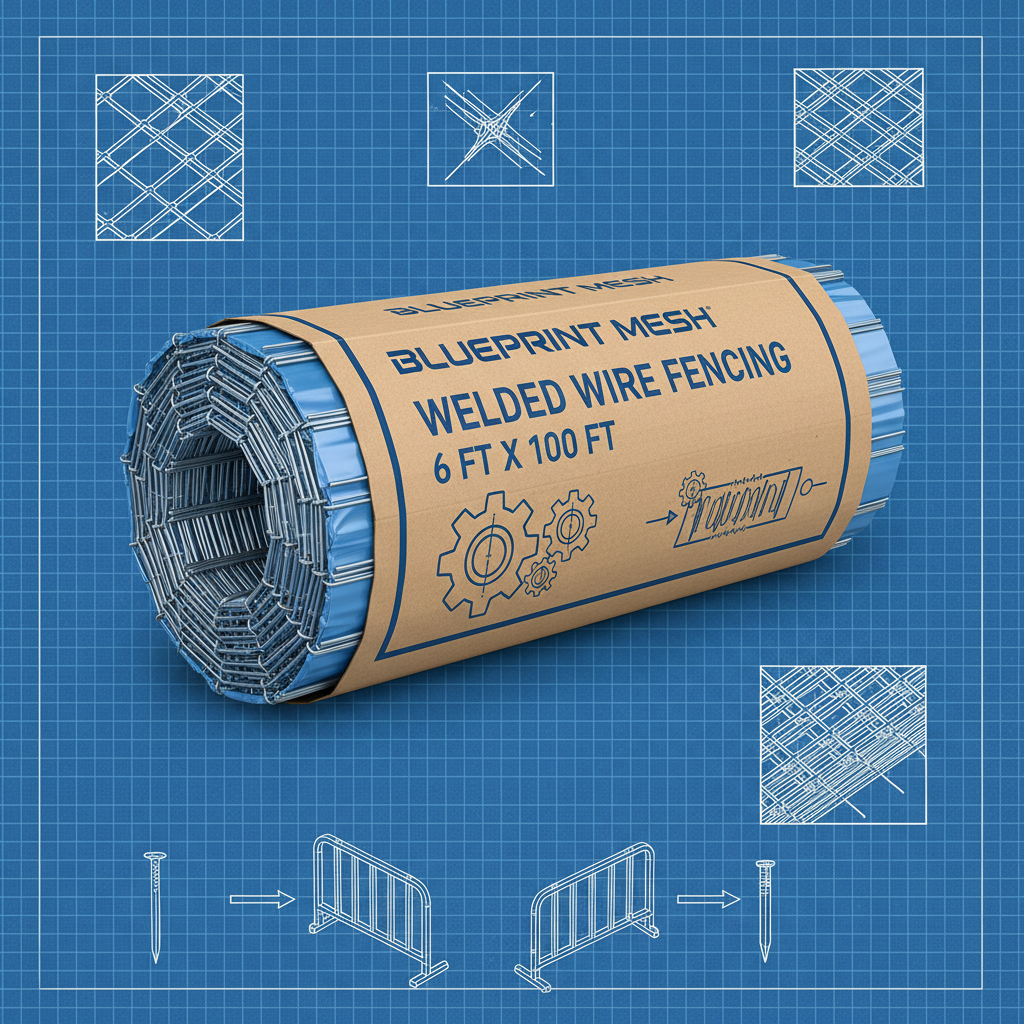 Comprehensive Guide to Choosing the Best 6 ft x 100 ft Welded Wire FencingWelded wire fencing is a versatile and cost-effective solution for a wide range of applications, from agricultural containment to residential security. Understanding the nuances of different types, especially when considering a size like 6 ft x 100 ft welded wire fencing, is crucial for making the right investment. This article will guide you through the essential factors to consider, helping you select the fencing that best suits your specific requirements.Read more >
Apr 07 2026
-
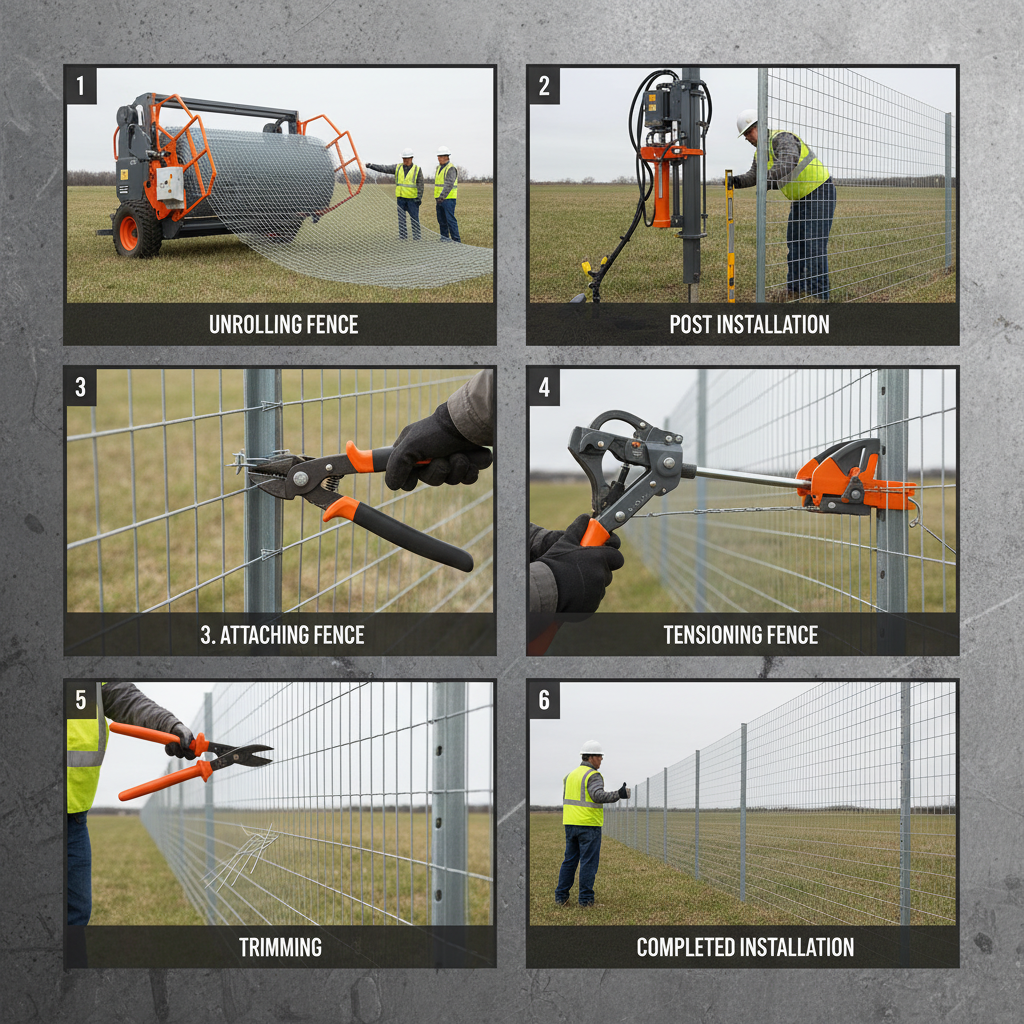 Comprehensive Guide to Choosing a 6 ft x 100 ft 12.5 Gauge Welded Wire FenceSelecting the appropriate fence for your property requires careful consideration. A 6 ft x 100 ft 12.5 gauge welded wire fence offers a robust and versatile solution for a variety of applications, from pet containment to garden protection and security. This guide will explore the benefits, applications, installation tips, and considerations when choosing this type of fencing. Understanding its construction and comparing it to other fencing options will help you make an informed decision.Read more >
Apr 04 2026
-
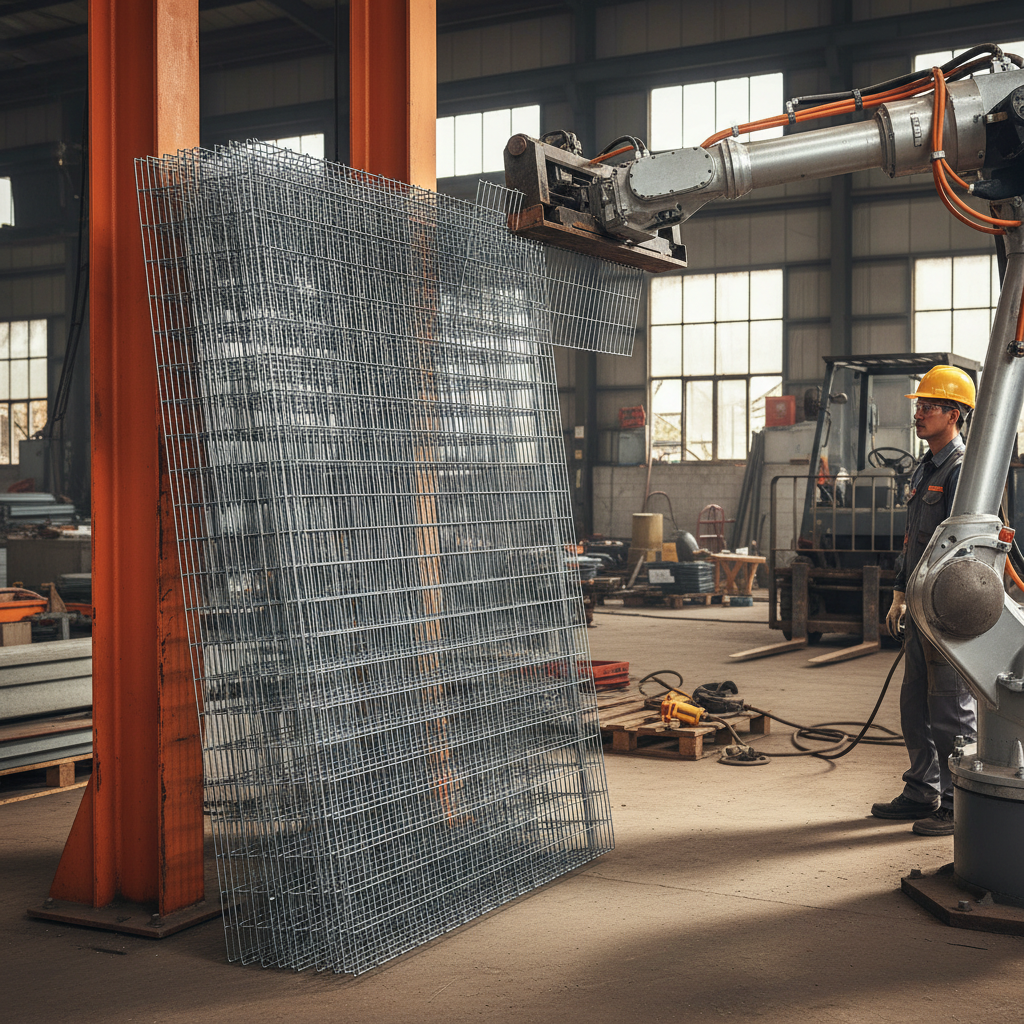 Comprehensive Guide to Durable 6 ft Welded Wire Fencing Panels and ApplicationsWhen selecting fencing for your property, 6 ft welded wire fencing panels offer a robust and versatile solution. These panels combine strength, security, and ease of installation, making them a popular choice for both residential and commercial applications. This article delves into the benefits, applications, installation, and maintenance of these panels, helping you make an informed decision.Read more >
Mar 31 2026