


Essential Guide to Metal Mesh for Concrete: Strength, Applications & Trends
Why Metal Mesh for Concrete Matters: A Quick Overview
Metal mesh for concrete—sounds dry and technical, right? But it’s really more like the unsung hero in modern construction and humanitarian efforts worldwide. At its core, this essential material strengthens concrete, preventing cracks, enhancing durability, and ultimately making buildings safer and longer-lasting. From skyscraper foundations in bustling cities to emergency shelters after disasters, understanding the role and benefits of metal mesh for concrete isn’t just for engineers—it’s vital for anyone who cares about infrastructure and sustainability.
Globally, urban populations are growing fast. The UN reports that by 2050, around 70% of people will live in cities—a massive demand for durable, cost-effective building materials. Metal mesh plays a quietly pivotal role in meeting these challenges.
Global Context: Why Is Metal Mesh for Concrete a Worldwide Gamechanger?
Concrete is everywhere—from bridges in developing nations to highways in Europe. But plain concrete can fail quickly under stress, weather, or seismic activity. According to the World Bank, infrastructure failures cost countries billions annually, impacting social and economic stability. Metal mesh embedded in concrete creates a composite material that drastically improves tensile strength and lifespan.
Interestingly, international building codes like ISO 13845 have increasingly recognized reinforced concrete mesh as a standard for resilience, especially in earthquake-prone or extreme climate zones. Beyond just engineering, metal mesh addresses critical challenges of urban growth, natural disaster mitigation, and sustainable development.
Without these reinforcing materials, entire structures risk failure—and with them, lives and livelihoods.
What Exactly Is Metal Mesh for Concrete?
Put simply, metal mesh for concrete is a grid of steel wires or rods woven or welded together and then embedded inside concrete slabs or walls. This mesh acts like a skeleton inside a body—it supports, holds tension, and prevents the concrete from cracking under pressure.
The steel used is often galvanized or coated to resist rusting, which is a key reason metal mesh extends the overall structure’s lifespan. This composite approach leverages the compressive strength of concrete and the tensile strength of steel mesh.
In the modern construction industry—and even in many humanitarian aid scenarios—this simple combination provides strength and reliability when it’s needed most. For example, in temporary shelters or bridges built swiftly post-disaster, metal mesh offers structural security that pure concrete can’t.
Core Components and What Makes Them Work
1. Durability
The longevity of any structure depends in large part on the resistance to environmental stress and mechanical load. Metal mesh embedded within concrete inhibits crack propagation, which often causes premature failure. As many engineers say, it’s like giving concrete a second layer of armor against nature’s worst.
2. Scalability and Flexibility
Whether you’re pouring a tiny sidewalk slab or a multi-story building’s foundation, metal mesh can be customized for size and density. This scalability means projects of vastly different sizes all benefit—nothing feels “too big or too small” for reinforced concrete mesh.
3. Cost Efficiency
It might surprise you, but while metal mesh adds upfront cost versus plain concrete, the savings over time are significant. Fewer repairs, longer service intervals, and reduced labor mean metal mesh is kind of a financial win in many scenarios.
4. Ease of Installation
Modern welded wire mesh sheets come ready to lay down, dramatically reducing installation time. Some meshes are even designed to integrate with automation in concrete pouring, helping speed up large-scale projects.
5. Corrosion Resistance
Since steel corrodes with moisture, coatings or galvanization are essential. This component is not just about stronger metal—it's about metal that lasts alongside concrete beneath rain, salt, or industrial pollution.
Mini Takeaway:
- Metal mesh blends strength, flexibility, and durability to reinforce concrete structures efficiently and cost-effectively.
- This reinforcement is customizable and essential in nearly every type of concrete application worldwide.
How Is Metal Mesh for Concrete Used Around the Globe?
The applications of metal mesh for concrete stretch over continents and industries:
- Urban Construction: Skyscrapers, bridges, parking structures—lasting strength in dense city environments.
- Disaster Relief: After earthquakes or floods, rapid build shelters and damaged infrastructure repairs often rely on reinforced concrete with metal mesh for sturdiness.
- Transportation Infrastructure: Roads, tunnels, and airport runways use mesh to resist traffic load stress and weather degradation.
- Agriculture and Water Management: Reinforced concrete equals resilient dams, canals, and containment walls, vital in drought or flood-prone areas.
- Remote and Industrial Zones: Mining facilities and energy plants often use metal mesh reinforced concrete for safe, long-lasting platforms and containment.
For example, in the 2010 Haiti earthquake aftermath, temporary shelters incorporating metal mesh reinforced concrete helped provide safer, stable housing quickly. Similarly, European countries with seismic codes mandate mesh reinforced concrete foundations to prevent disastrous collapses.
Advantages and Why They Really Matter
So what’s to love here? Aside from the obvious—strength and durability—metal mesh in concrete offers:
- Cost-Effectiveness: Avoid decades of maintenance costs and rebuilds.
- Environmental Sustainability: Stronger, longer lasting means fewer resources spent overall, aligning with global carbon goals.
- Safety and Social Stability: Long-term trust in infrastructure means communities can thrive without constant fear of collapse.
- Aesthetic Flexibility: Mesh allows thinner slabs without loss of strength, opening new design opportunities.
It’s not all nuts and bolts. There’s an emotional weight here: knowing that a school, hospital, or home can stand tall through storms and time—that carries dignity and peace of mind.
Looking Ahead: Future Trends Shaping Metal Mesh for Concrete
Frankly, the future looks smart and green. Some notable trends include:
- Advanced Materials: Fiber-reinforced polymer (FRP) meshes offer corrosion immunity and lighter weight.
- Digital Fabrication: Automated mesh bending and laying integrated with concrete 3D printing techniques.
- Recycling and Sustainability: Using scrap steel meshes and recycled concrete to shrink environmental footprints.
- Performance Monitoring: Embedding sensors in mesh to track structural health in real time.
Oddly enough, this almost feels like concrete’s version of the “Internet of Things” — smart structures that detect stress before failure.
Major Challenges and How Experts Are Addressing Them
Sure, metal mesh for concrete isn’t perfect:
- Corrosion Risk: Even with coatings, moisture can cause rust that weakens structures over decades.
- Installation Variability: Improper placement or overlap reduces effectiveness in some projects.
- Upfront Costs: For small or informal builders, the higher initial investment can be a barrier.
Solutions are on the horizon—technologies like epoxy-coated or stainless steels, more rigorous worker training, and innovative financing models for developing regions. International agencies are also promoting standards via ISO and UN guidelines on resilient infrastructure.
Product Specification Table: Typical Metal Mesh for Concrete
| Specification | Description |
|---|---|
| Material | Galvanized steel wire / stainless steel |
| Mesh Size | Typically 50mm x 50mm to 150mm x 150mm |
| Wire Diameter | 3mm to 12mm depending on application |
| Sheet Size | 2m x 6m standard, customizable lengths |
| Corrosion Protection | Galvanization, epoxy coating, or stainless steel mesh |
| Weight | Varies 5–10 kg per sheet |
Vendor Comparison: Leading Metal Mesh for Concrete Providers
| Vendor | Material Quality | Customization Options | Global Reach | Typical Lead Time | Pricing |
|---|---|---|---|---|---|
| SteelGrid Co. | High-grade galvanized steel | Wide (mesh size & coating) | North America, Europe | 3-4 weeks | Mid-range |
| Global Mesh Ltd. | Stainless steel options | Custom dimensions | Asia, Africa, Europe | 4-6 weeks | Premium |
| BuildStrong Mesh | Galvanized steel, epoxy coated | Standard sizes, limited custom | Primarily USA | 2-3 weeks | Budget-friendly |
FAQ: Your Burning Questions About Metal Mesh for Concrete
Q1: Is metal mesh for concrete always necessary in construction?
A1: While plain concrete can be used for certain non-load-bearing or decorative elements, metal mesh significantly improves strength and crack resistance. For structural elements like slabs, walls, or foundations, using metal mesh is generally considered best practice for longevity and safety.
Q2: How does metal mesh compare against rebar?
A2: Rebar is a steel rod, while metal mesh is a grid of thinner wires. Mesh offers uniform stress distribution and is ideal for flat slabs or thin concrete sections. Sometimes they’re used together depending on engineering requirements for load-bearing capacity.
Q3: Can metal mesh for concrete be recycled after demolition?
A3: Yes. Steel mesh is recyclable and commonly reclaimed in demolition projects. Recycling mesh conserves resources and supports circular economy principles in construction.
Q4: How can I ensure corrosion protection for metal mesh in coastal regions?
A4: Using galvanized mesh or epoxy-coated steel is vital in salty environments. Additionally, proper concrete cover thickness and high-quality concrete mix reduce moisture ingress, further protecting the metal.
Q5: Where can I buy reliable metal mesh for concrete in bulk?
A5: Many suppliers serve global and regional markets. Vendors like SteelGrid Co. and Global Mesh Ltd. offer customization and export options. For smaller or localized orders, companies like BuildStrong Mesh provide budget-friendly options. Visit metal mesh for concrete for a curated selection.
Wrapping It Up: The Last Word on Metal Mesh for Concrete
To sum up, metal mesh for concrete is more than just a technical detail—it’s the backbone of resilient infrastructure that holds cities, communities, and industries together. Whether you’re building the next urban landmark or setting up a safe shelter in a crisis zone, this simple grid of steel makes all the difference for strength, sustainability, and peace of mind.
Interested to learn more or source the best metal mesh solutions? Check out metal mesh for concrete to explore options tailored for your project’s needs.
Mini Takeaway:
- Metal mesh fortifies concrete worldwide, with tangible benefits across economy, environment, and society.
- Innovation and sustainability trends ensure it’ll remain vital long into the future.
References:
Latest News About CHENG CHUANG
-
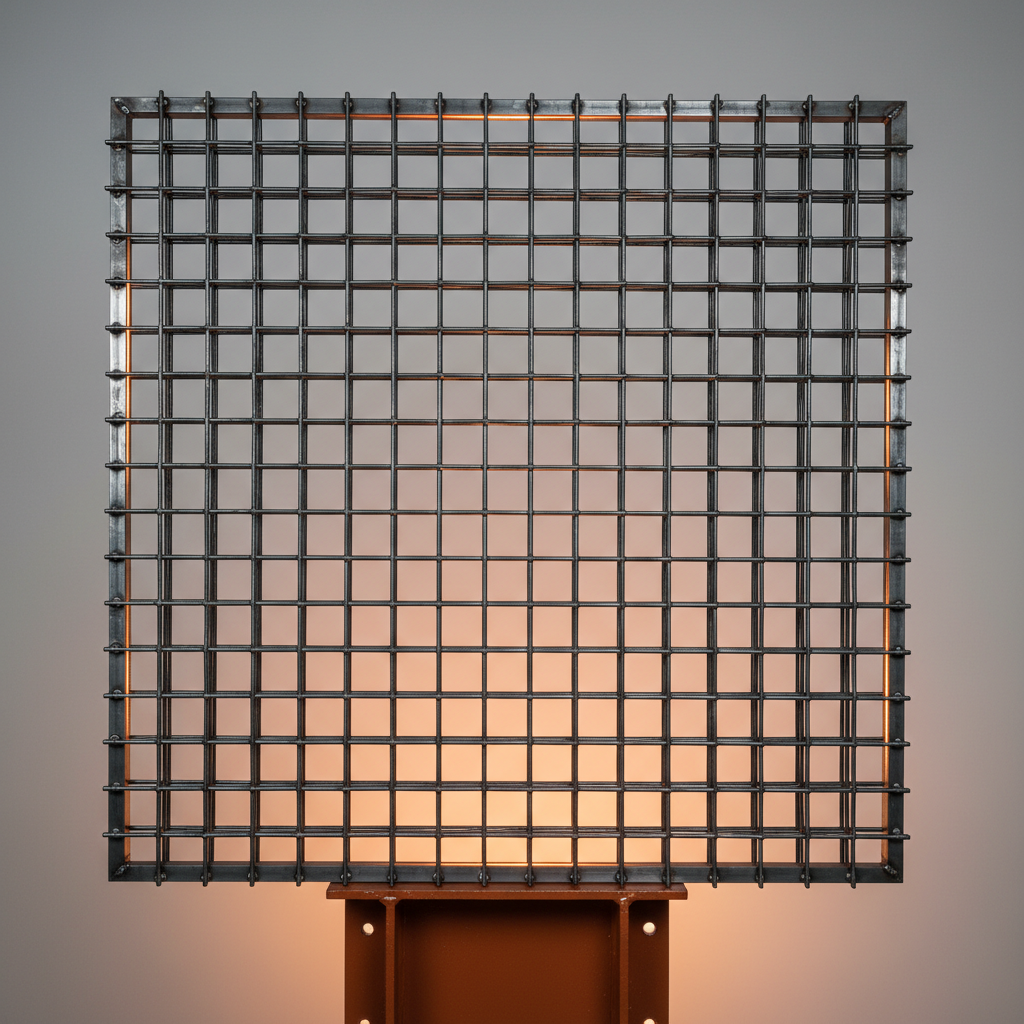 Heavy Duty 6 gauge welded wire mesh for Security and StrengthWhen it comes to heavy-duty containment, security, and structural reinforcement, choosing the right material is critical. The 6 gauge welded wire mesh stands as a premier choice for those requiring a balance of extreme rigidity and precise spacing. Whether you are securing a commercial perimeter, building industrial livestock panels, or creating reinforced concrete structures, this specific thickness provides the structural integrity needed to withstand significant pressure and impact. In this comprehensive guide, we will explore the technical specifications, primary applications, and why this mesh is the gold standard for high-security fencing solutions.Read more >
Apr 16 2026
-
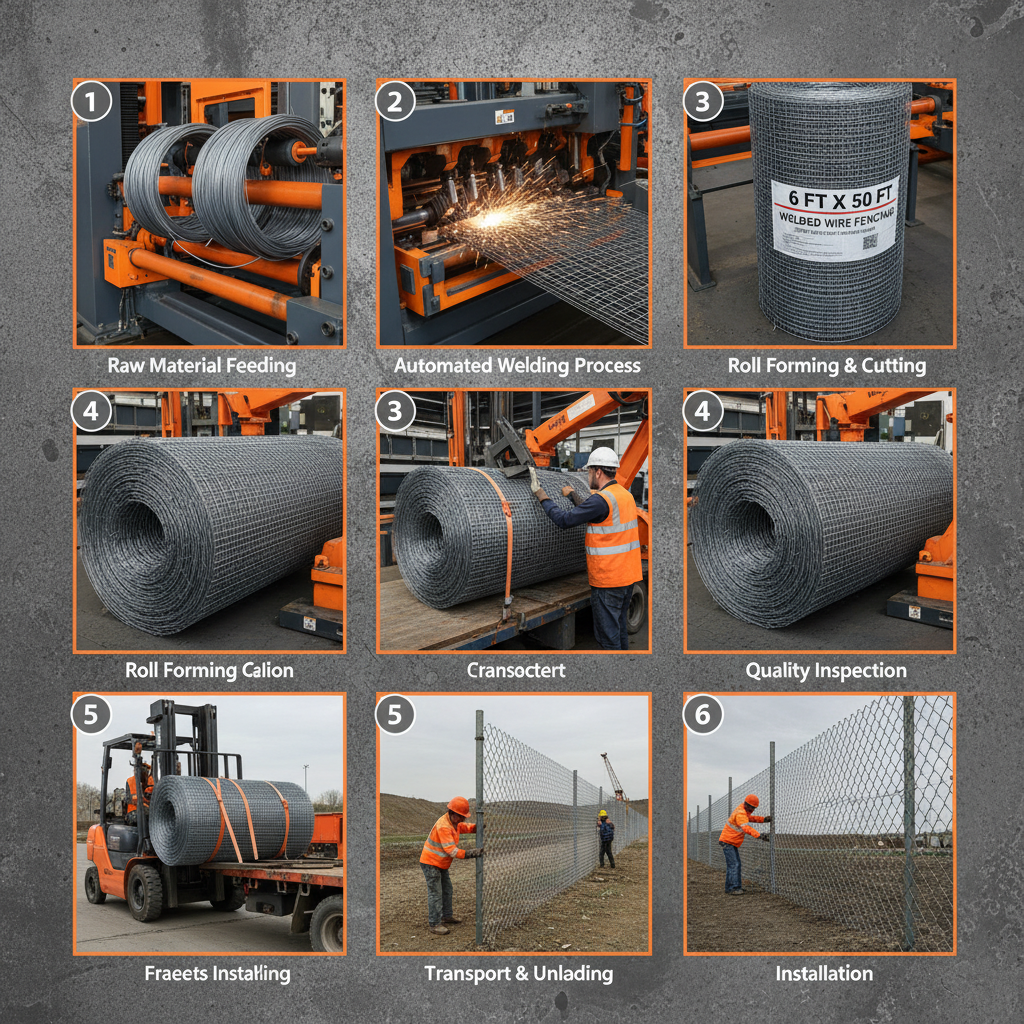 Durable 6 ft x 50 ft welded wire fencing for Security and GardensWhen it comes to securing a perimeter, whether for agricultural use, garden protection, or industrial boundaries, the dimensions and material of your fence matter. The 6 ft x 50 ft welded wire fencing offers an ideal balance of height and length, providing a robust barrier that is easy to install and maintain. Choosing a welded wire system ensures that the intersections are fused together, preventing the shifting and sagging often found in woven alternatives. In this guide, we will explore why this specific size is a preferred choice for property owners and how to maximize its effectiveness for your specific project.Read more >
Apr 09 2026
-
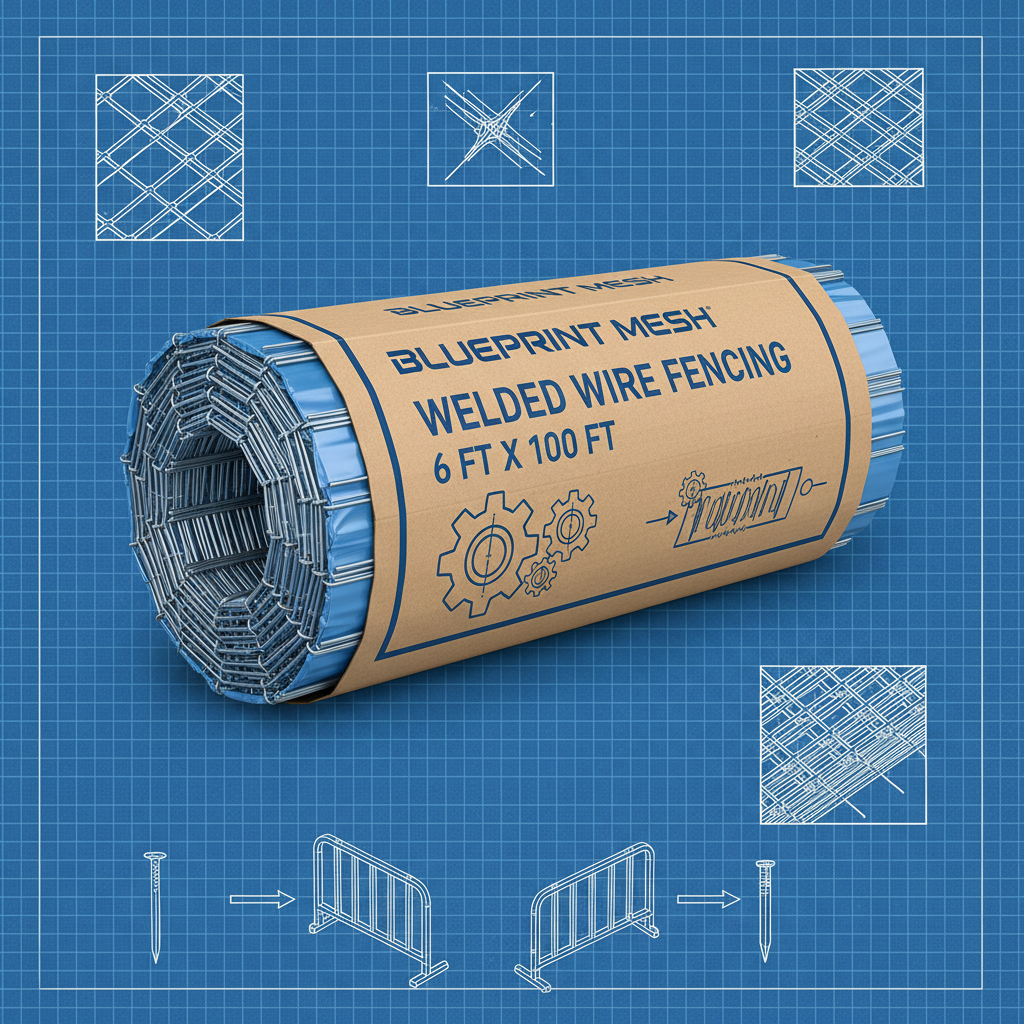 Comprehensive Guide to Choosing the Best 6 ft x 100 ft Welded Wire FencingWelded wire fencing is a versatile and cost-effective solution for a wide range of applications, from agricultural containment to residential security. Understanding the nuances of different types, especially when considering a size like 6 ft x 100 ft welded wire fencing, is crucial for making the right investment. This article will guide you through the essential factors to consider, helping you select the fencing that best suits your specific requirements.Read more >
Apr 07 2026
-
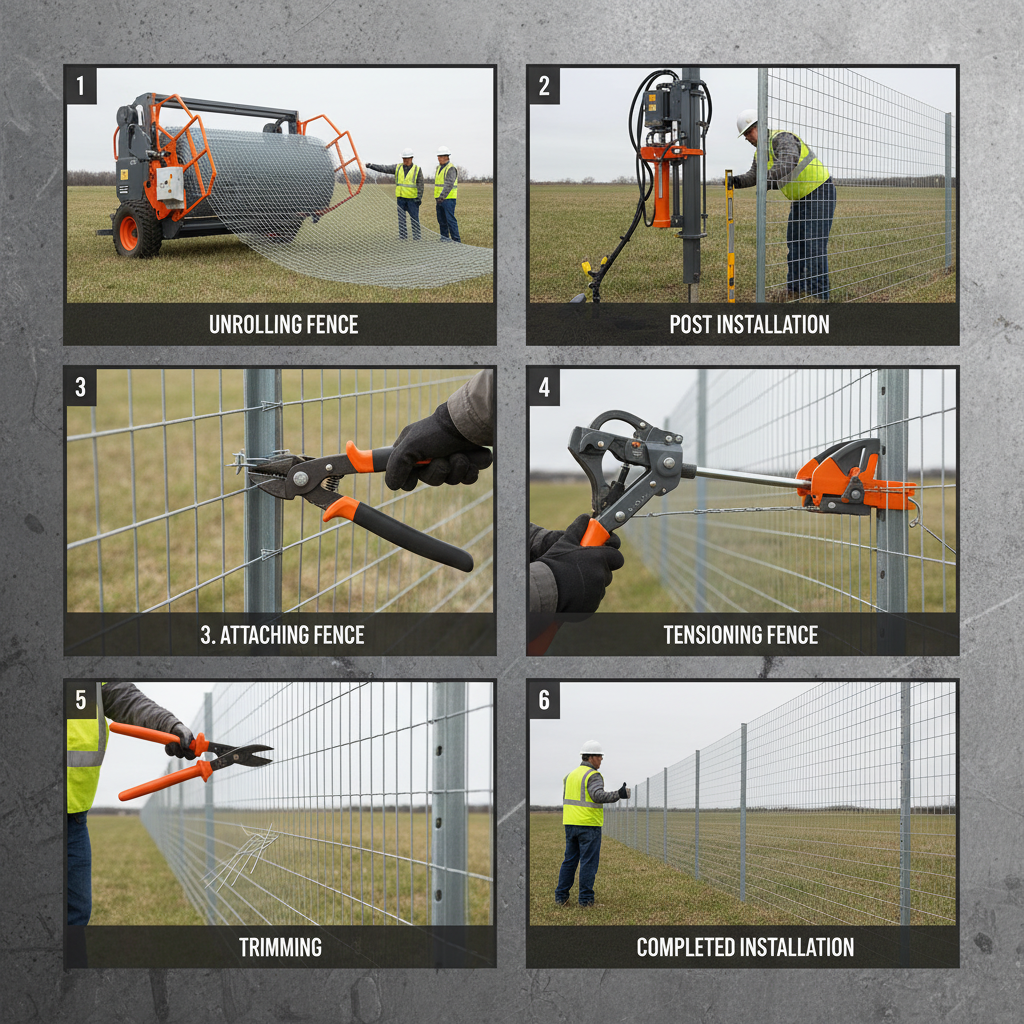 Comprehensive Guide to Choosing a 6 ft x 100 ft 12.5 Gauge Welded Wire FenceSelecting the appropriate fence for your property requires careful consideration. A 6 ft x 100 ft 12.5 gauge welded wire fence offers a robust and versatile solution for a variety of applications, from pet containment to garden protection and security. This guide will explore the benefits, applications, installation tips, and considerations when choosing this type of fencing. Understanding its construction and comparing it to other fencing options will help you make an informed decision.Read more >
Apr 04 2026
-
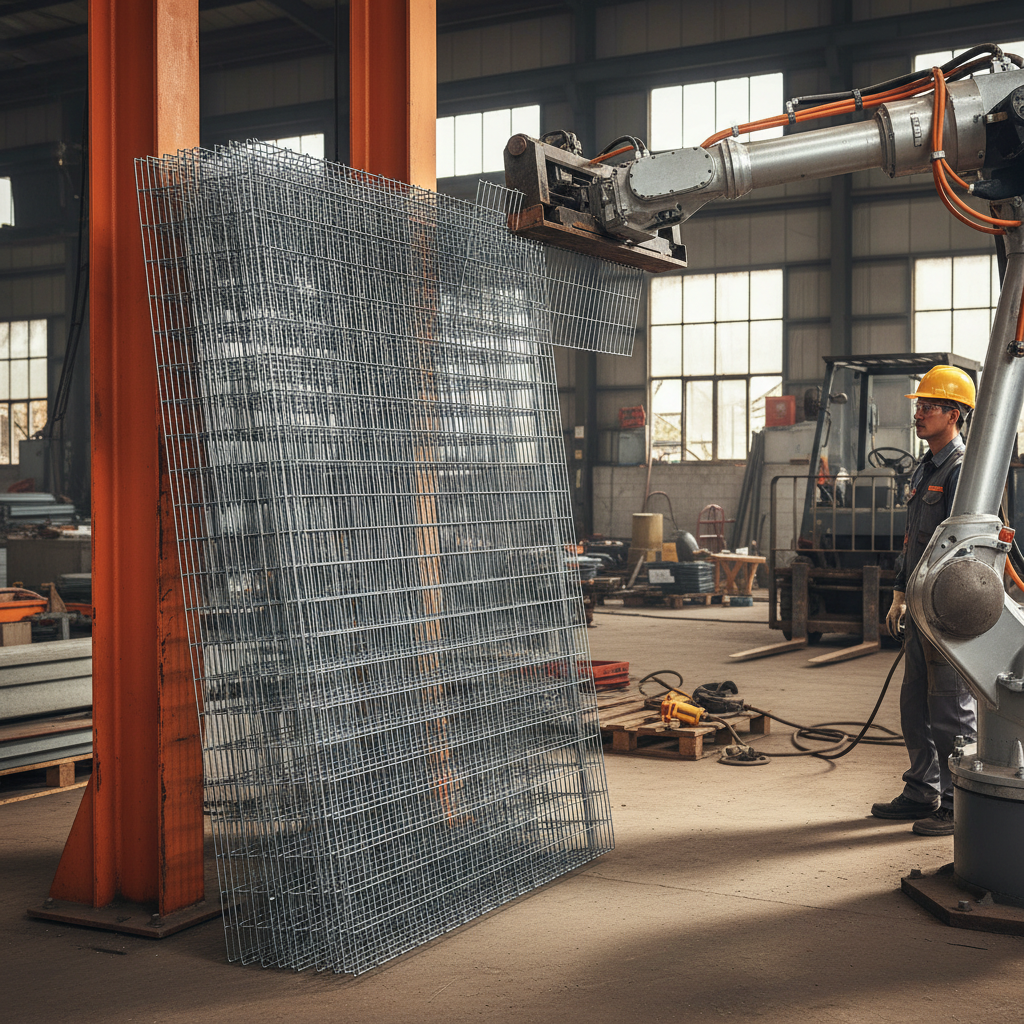 Comprehensive Guide to Durable 6 ft Welded Wire Fencing Panels and ApplicationsWhen selecting fencing for your property, 6 ft welded wire fencing panels offer a robust and versatile solution. These panels combine strength, security, and ease of installation, making them a popular choice for both residential and commercial applications. This article delves into the benefits, applications, installation, and maintenance of these panels, helping you make an informed decision.Read more >
Mar 31 2026