


Comprehensive Guide to Plastic Chicken Netting – Benefits, Uses & Future Trends
Understanding Plastic Chicken Netting and Its Growing Importance
If you’ve ever wondered about the mesh fences holding back flocks or securing gardens, plastic chicken netting might ring a bell. More than just a cheap backyard fixture, this flexible fencing solution plays a surprisingly vital role across the globe. It’s lightweight, weather-resistant, and cost-effective — a trifecta that matters especially in agriculture, humanitarian aid, and industrial settings.
Globally, access to affordable, durable fencing solutions affects food security, livestock management, and even post-disaster rebuilding efforts. For nations struggling with rural poverty or emergency response logistics, plastic chicken netting can be a quick deployable protector and boundary marker. So understanding this material’s nuances, benefits, and future trends is more than a niche interest — it has practical impacts on livelihoods and sustainability worldwide.
The Global Context: Why Plastic Chicken Netting Matters Now
Worldwide, agricultural land use accounts for roughly 37% of Earth's land area, according to the UN Food and Agriculture Organization (FAO). Protecting livestock and crops efficiently is a huge challenge, especially in developing countries and disaster-prone zones. Plastic chicken netting provides a simple tool addressing these challenges.
Consider this: the World Bank reports that over 80% of the world's food insecurity hotspots are in regions where fencing materials are either expensive or unavailable. Plastic netting is often easier to transport and quicker to install than metal or wire fences, offering a low-barrier solution.
In humanitarian contexts, NGOs use plastic netting for rapid enclosure of shelter camps, perimeter marking, or safety barriers — especially where rapid and inexpensive solutions count. It’s not perfect, but it’s flexible and accessible, which makes it invaluable when faced with pressing needs.
Mini takeaway:
- Plastic chicken netting serves crucial roles beyond farming—especially in food security and emergency relief.
- Its global relevance ties closely to affordability and rapid deployment where resources are limited.
What Exactly Is Plastic Chicken Netting?
Simply put, plastic chicken netting is a type of flexible, lightweight fencing made from polyethylene or polypropylene polymers. It features a diamond-shaped mesh pattern designed to confine small animals like chickens or rabbits, while allowing ventilation and light penetration.
Unlike traditional galvanized metal wire fencing, plastic netting won’t rust, weighs far less, and can be rolled up for easy transport. Sometimes called poultry netting or poly netting, it’s been adopted largely by small-scale farmers, hobbyists, and relief organizations due to these practical advantages.
On a technical level, it’s an extruded or woven synthetic mesh, designed for moderate tensile strength and weather resistance — but you’ll want to check material grades for UV protection if it’s for long-term use.
Mini takeaway:
- Plastic chicken netting is a polymer mesh fence, mainly polyethylene-based, used for animal containment.
- Its strength is tailored for small livestock, with design features prioritizing flexibility and resistance to elements.
Core Components of Plastic Chicken Netting
Durability & Weather Resistance
One major selling point is how plastic netting withstands moisture, UV rays, and mild chemical exposure without corroding. While metal wire suffers rusting and requires maintenance, plastic fences largely shrug off the elements. However, not all plastic nettings are created equal — those with UV stabilizers last longer, sometimes 3–5 years outdoors.
Mesh Size and Pattern
The diamond-shaped openings typically range from 1/2 inch to 1 inch, balancing containment security and ventilation. Smaller mesh sizes prevent rodents or chicks from escaping. The flexibility of mesh design also affects how easy it is to handle and install.
Scalability and Deployment
Plastic netting rolls come in lengths from 10 to 100 feet, making it scalable to various fencing projects. Lightweight rolls enable quick deployment even with few hands — a huge bonus for disaster sites or remote farms without heavy equipment.
Cost Efficiency
Plastic netting often costs less upfront than galvanized wire fencing and avoids future repainting or anti-rust treatments. Over time, replacing corroded metal is more expensive than expected, which gives plastic an edge in total cost of ownership.
Environmental Considerations
On the downside, plastic netting isn’t biodegradable. Yet advances in recycling and biodegradable alternatives are slowly emerging to reduce plastic waste, aligning with global sustainability goals (ISO 14000 series).
Mini takeaway:
- Durability, mesh design, and low weight make plastic netting a handy, fast-install method.
- Cost-wise and environmentally, it’s a tradeoff between longevity and recyclability — important to watch with innovation.
Practical Use Cases Around the World
From rural farms in Southeast Asia to emergency shelters in Sub-Saharan Africa, plastic chicken netting finds diverse applications:
- Agricultural Enclosures: Small-scale farmers use it to protect poultry and vegetable patches from predators.
- Humanitarian Camps: NGOs deploy netting to create safe play or livestock zones quickly after natural disasters.
- Industrial Sites: Temporary fencing for controlling work zones or keeping small animals away from machinery.
- Urban Gardening: Community gardens in Europe and North America use plastic netting as an affordable fencing alternative.
For instance, after cyclones in the Pacific Islands, relief teams have installed plastic chicken netting to quickly secure free-range poultry — a key protein source disrupted by flooding. The ability to air-drop rolls and set them quickly on uneven terrain without tools made all the difference, according to field reports.
Mini takeaway:
- Plastic chicken netting adapts well across climates and industries, prized for portability and speed of use.
- Its utility in crisis zones and low-resource farming underlines its global humanitarian importance.
Advantages & Long-Term Value
When you peel back the layers, plastic chicken netting offers more than temporary protection. It embodies a reliable, democratic fencing solution — low-cost, easy to source and install, and non-corrosive. This means fewer worries about maintenance, more time freed to focus on productivity.
Socially, it helps smallholders safeguard assets with dignity and creates boundaries that allow better biosecurity practices, leading to healthier flocks and safer food products. Emotionally, it provides peace of mind — an often overlooked but critical advantage when livelihoods depend on protecting small investments.
Plastic Chicken Netting Specifications at a Glance
| Specification | Details |
|---|---|
| Material | High-Density Polyethylene (HDPE) or Polypropylene |
| Mesh Size | 12mm - 25mm (approx. 0.5” to 1” diamond) |
| Roll Length | 10m to 30m (33ft to 100ft) |
| Roll Height | 0.5m to 1m (20” to 40”) |
| UV Stabilization | Yes / Optional (for long-term outdoor use) |
| Weight per Roll | 2 - 5 kg approx. |
Top Vendors Compared: What to Look For Before Buying
| Vendor | Product Range | UV Protection | Price Range (per roll) |
|---|---|---|---|
| Chch Fence Solutions | 10m - 30m rolls, custom mesh sizes | Standard with UV stabilizers | $20 - $35 |
| AgroFlex | Standard sizes, biodegradable options | Optional | $18 - $40 |
| FarmGuard Pro | Heavyweight meshes, fencing accessories | Yes, premium grade | $25 - $45 |
Looking Ahead: Innovations & Sustainability in Plastic Netting
Innovations swirl around improving polymer blends to extend lifespan while making items recyclable. Some suppliers experiment with biodegradable plastics or incorporating natural fibers to reduce plastic footprints.
Digitally, designs that optimize mesh strength-to-weight ratios using software modeling help drive material efficiency. Automated unrolling and installation robots, while early-stage, hint at a future where fencing goes up faster and more consistently.
Ambitious global sustainability agendas require products like plastic chicken netting to not just serve immediate needs but minimize ecological impact. It’s a tricky balance that the entire industry must watch carefully — because after all, cheap and easy shouldn’t mean disposable and wasteful forever.
Challenges You Should Know—and How to Overcome Them
Of course, plastic chicken netting isn’t a magic bullet. Its UV resistance can degrade over time, leading to brittleness. It can be less secure against larger predators and isn’t suitable for permanent heavy-duty fencing. Plus, improper disposal risks plastic pollution, especially in rural areas with weaker waste management.
Experts suggest combining netting with basic metal stakes, regular replacement schedules, and increased training on netting maintenance for users in developing areas. Awareness campaigns about recycling and using emerging biodegradable nettings can mitigate environmental concerns.
FAQ: Your Questions About Plastic Chicken Netting, Answered
- Q: How long does plastic chicken netting typically last outdoors?
- A: Usually 3–5 years if UV-stabilized. Exposure to harsh sunlight and rough handling reduces lifespan. Choosing a UV-protected variant extends usable life.
- Q: Is plastic chicken netting easy to install for beginners?
- A: Absolutely! It’s lightweight and flexible, ideal for DIY projects. Rolls can be cut to size, and stakes or ties secure the mesh quickly.
- Q: Can plastic chicken netting keep out larger animals like foxes or dogs?
- A: Not reliably. It’s intended mainly for poultry and small pets. For larger predators, reinforced fencing or metal wire is recommended.
- Q: Is plastic chicken netting recyclable or eco-friendly?
- A: Many types are recyclable, especially HDPE and polypropylene varieties, but facilities vary by region. Biodegradable alternatives exist but are less common and often pricier.
- Q: How do NGOs source plastic chicken netting for international relief efforts?
- A: Typically through bulk orders from regional suppliers or manufacturers like plastic chicken netting providers, prioritizing quick delivery, affordability, and quality assurance.
Wrapping It Up: Why Plastic Chicken Netting Is Still Worth Knowing About
To many, plastic chicken netting might seem like a humble product, but it packs a punch where affordability, flexibility, and speed matter most. For small farmers, emergency responders, and even urban gardeners, it’s a practical, trusted choice. Its evolving materials and growing sustainability focus show that even simple things can adapt and improve.
For those looking to buy or understand this product better, plastic chicken netting offers a dependable, versatile option that combines modern polymer tech with straightforward practicality. So next time you see those diamond meshes fluttering in the breeze, remember — there’s more utility and innovation woven in than meets the eye.
References
Latest News About CHENG CHUANG
-
 Heavy Duty 6 gauge welded wire mesh for Security and StrengthWhen it comes to heavy-duty containment, security, and structural reinforcement, choosing the right material is critical. The 6 gauge welded wire mesh stands as a premier choice for those requiring a balance of extreme rigidity and precise spacing. Whether you are securing a commercial perimeter, building industrial livestock panels, or creating reinforced concrete structures, this specific thickness provides the structural integrity needed to withstand significant pressure and impact. In this comprehensive guide, we will explore the technical specifications, primary applications, and why this mesh is the gold standard for high-security fencing solutions.Read more >
Apr 16 2026
-
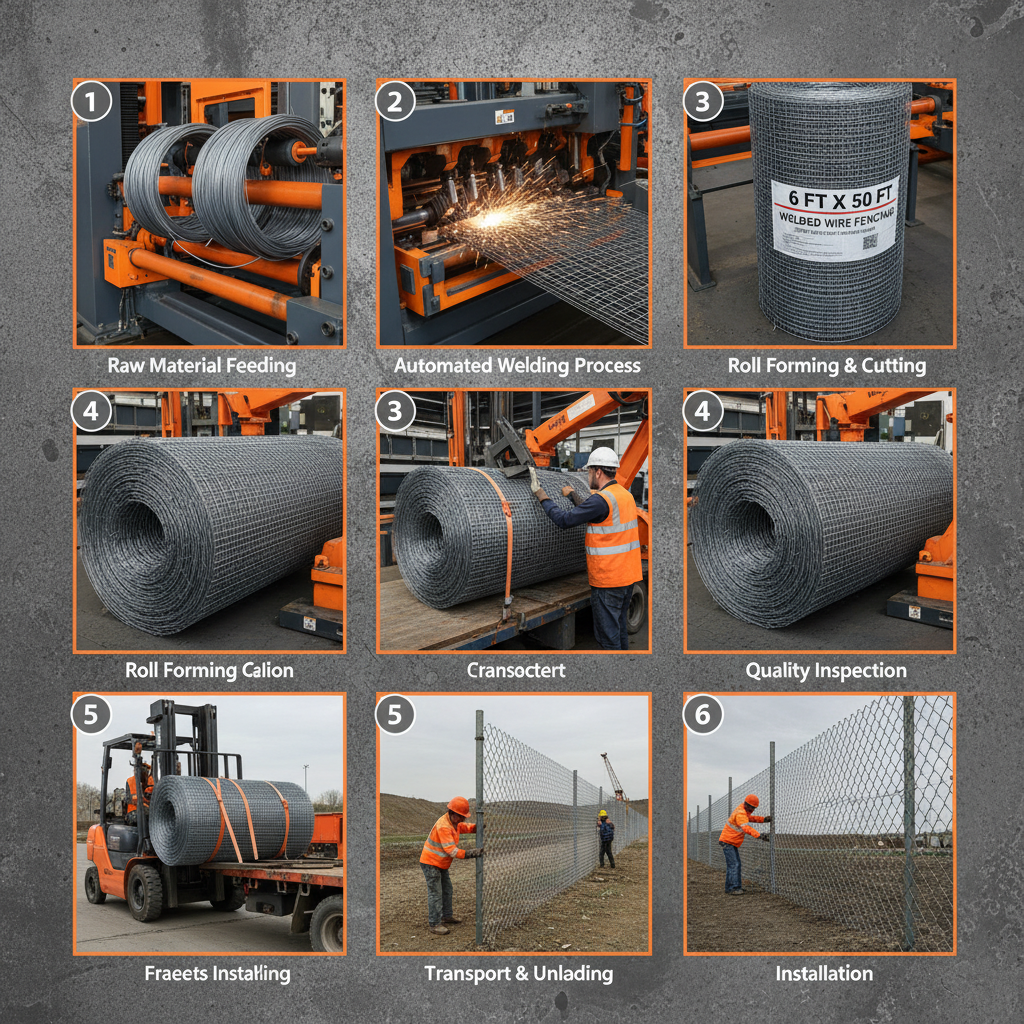 Durable 6 ft x 50 ft welded wire fencing for Security and GardensWhen it comes to securing a perimeter, whether for agricultural use, garden protection, or industrial boundaries, the dimensions and material of your fence matter. The 6 ft x 50 ft welded wire fencing offers an ideal balance of height and length, providing a robust barrier that is easy to install and maintain. Choosing a welded wire system ensures that the intersections are fused together, preventing the shifting and sagging often found in woven alternatives. In this guide, we will explore why this specific size is a preferred choice for property owners and how to maximize its effectiveness for your specific project.Read more >
Apr 09 2026
-
 Comprehensive Guide to Choosing the Best 6 ft x 100 ft Welded Wire FencingWelded wire fencing is a versatile and cost-effective solution for a wide range of applications, from agricultural containment to residential security. Understanding the nuances of different types, especially when considering a size like 6 ft x 100 ft welded wire fencing, is crucial for making the right investment. This article will guide you through the essential factors to consider, helping you select the fencing that best suits your specific requirements.Read more >
Apr 07 2026
-
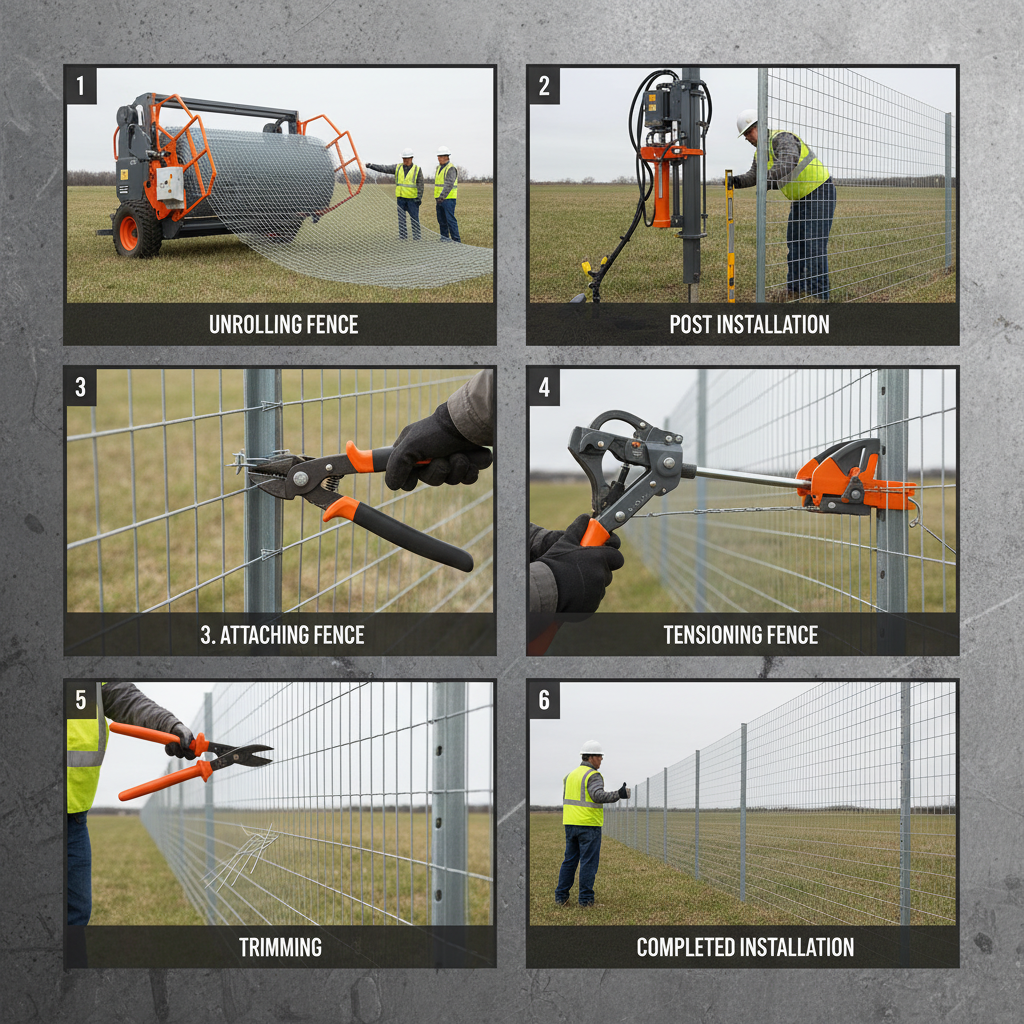 Comprehensive Guide to Choosing a 6 ft x 100 ft 12.5 Gauge Welded Wire FenceSelecting the appropriate fence for your property requires careful consideration. A 6 ft x 100 ft 12.5 gauge welded wire fence offers a robust and versatile solution for a variety of applications, from pet containment to garden protection and security. This guide will explore the benefits, applications, installation tips, and considerations when choosing this type of fencing. Understanding its construction and comparing it to other fencing options will help you make an informed decision.Read more >
Apr 04 2026
-
 Comprehensive Guide to Durable 6 ft Welded Wire Fencing Panels and ApplicationsWhen selecting fencing for your property, 6 ft welded wire fencing panels offer a robust and versatile solution. These panels combine strength, security, and ease of installation, making them a popular choice for both residential and commercial applications. This article delves into the benefits, applications, installation, and maintenance of these panels, helping you make an informed decision.Read more >
Mar 31 2026