


Plastic Chicken Wire Fence - Durable, Lightweight & Eco-Friendly Fencing Solutions
The Rise of Plastic Chicken Wire Fence: Why It Matters More Than You Think
You might think chicken wire is a simple backyard nuisance to keep your hens in check. But the plastic chicken wire fence has grown into a surprisingly significant construction material worldwide, crossing into industrial, agricultural, and humanitarian domains. Its layered benefits — from durability to cost-effectiveness — make it a genuine staple in modern fencing solutions.
Understanding this product’s global relevance opens doors to better livestock welfare, disaster relief innovation, and sustainable fencing that modern industries find indispensable.
Plastic Chicken Wire Fence in Global Context: More Than Just Mesh
Globally, fencing solutions have seen a shift. According to recent data from the ISO and industry reports, plastic-based fencing materials are rising steadily, expected to grow by nearly 8% annually over the next five years. This growth aligns with expanding agriculture, urban farming, and the need for rapid deployment fencing in emergencies.
Traditional galvanized wire is increasingly challenged by its weight, rusting, and environmental drawbacks. Plastic chicken wire fences answer those challenges by being lightweight, corrosion-resistant, and easy to install.
On a humanitarian level, agencies worldwide, such as the UN, recognize the need for quick, safe enclosures to protect livestock and crops during displacement or disasters — and that’s where plastic wire fencing has found a big role. So, it’s not just about your backyard hens anymore.
What Is Plastic Chicken Wire Fence? Breaking It Down Simply
At its core, a plastic chicken wire fence is a mesh fencing made from durable, UV-stabilized plastic strands woven into hexagonal patterns. Unlike traditional metal wire mesh, it uses polymers designed to resist rot, rust, and weather damage.
These fences serve the same function: containment and protection — but with added benefits that meet modern demands for sustainability and ease of use. It’s an example of how materials innovation is quietly reshaping a centuries-old fencing tradition.
Core Components That Make Plastic Chicken Wire Fence Stand Out
Durability & Corrosion Resistance
Plastic does not rust, unlike galvanized steel. This extends the fence lifespan substantially — often lasting 5–10 years longer outdoors. Moreover, many products come with UV additives that protect against brittleness.
Lightweight & Easy Installation
This fence can be rolled and moved with ease, reducing installation labor and transportation costs. Small teams or even individuals can handle setup, which matters greatly in remote or disaster-stricken areas.
Cost Efficiency
While the upfront price of plastic fencing might sometimes be slightly higher than traditional steel wire, the maintenance cost savings and longer lifespan tend to offset that. Plus, shipping less weight lowers logistics costs.
Safety & Animal Welfare
Plastic fencing has smoother edges and less risk of injury to animals — no sharp galvanized wire ends to worry about. For farmers, this means fewer vet visits and happier livestock.
Eco-Friendly Options
Depending on the resin and additives, some plastic wires are recyclable or made from recycled materials. This aligns fencing solutions with circular economy trends.
Mini Takeaway: The practical combination of durability, safety, and cost-efficiency is why plastic chicken wire fences have shifted from novelty to necessity.
Real-World Applications and Who Benefits Most
From farms in Canada’s prairies to refugee camps in East Africa, the plastic chicken wire fence is everywhere. In agriculture, it supports free-range poultry operations and penning animals safely in all climates.
In humanitarian aid — think post-disaster zones in Asia or Africa — rapid deployment fencing protects livestock from scavengers and keeps vital resources secure. NGOs prefer these due to their easy transport and set-up features.
Urban farmers and community gardens also find them attractive due to the lightweight and customizable sizes available.
Examples:
- Post-flooding Bangladesh: Agencies used plastic mesh to rebuild animal enclosures quickly, avoiding disease outbreaks.
- Australian outback farms: Replacing corroded wire fences has reduced maintenance cycles significantly.
- European urban rooftop farms: Lightweight fencing allows safe spatial zoning without adding structural load.
Quick Specs of Common Plastic Chicken Wire Fences
| Specification | Typical Range | Notes |
|---|---|---|
| Mesh Size | 12 mm to 25 mm hexagonal openings | Smaller mesh for chicks, larger for adult birds |
| Roll Width | 0.5 m to 1.5 m | Depends on application |
| Length per Roll | 10 m to 50 m | Variable by supplier |
| Material | Polyethylene, Polypropylene blends | UV stabilized, sometimes recycled content |
| Tensile Strength | 30–60 N/mm² | Enough for routine containment |
How Different Vendors Stack Up
| Vendor | Price per Roll | Eco Features | Warranty | Lead Time |
|---|---|---|---|---|
| FenceCo Plast | $45–$55 | Recycled plastics used | 5 years | 2 weeks |
| AgroMesh Solutions | $40–$50 | UV stabilized, non-recycled | 3 years | Immediate stock |
| EcoFence Direct | $50–$60 | 100% recycled & recyclable | 7 years | 3 weeks |
Why Plastic Chicken Wire Fence Makes Sense Long-Term
In practical terms, the fence ticks seven boxes: it's lighter, more durable, safer for animals, friendly to the environment, flexible in use, economical over time, and adaptable to diverse climates. Farmers feel secure knowing that the fences won’t rust away during wet seasons. Relief organizations sleep a bit easier, trusting rapid deployment solutions to maintain dignity and security among displaced populations.
Emotional benefits may sound fluffy in a technical article, but trust me — when your livestock are safe, your workload eases, and the environment suffers less, it really matters. It’s a quiet win for innovation in sustainability and community resilience.
Future Trends in Plastic Fencing
Looking ahead, expect to see even greener options: bio-based plastics and advanced UV and antimicrobial coatings. Some companies are experimenting with embedded sensors in fencing to monitor livestock behavior or detect breach attempts digitally — a glimpse into the "smart fence" concept.
Digital transformation isn't just about apps; it’s about materials and infrastructure adapting to modern challenges like climate change and food security. Plastic chicken wire fence is quietly part of that story.
Facing Challenges: Common Issues and How to Fix Them
Of course, plastic fencing isn’t perfect. It can suffer UV degradation if improperly manufactured. Some cheap alternatives are brittle and break under pressure. Additionally, disposal and recycling remain a challenge in many regions without established systems.
Experts recommend purchasing from reputable suppliers with third-party certifications (e.g., ISO 9001). Innovations in recycling and biodegradable plastics are promising, but infrastructure needs to catch up.
Practically? Combine plastic fences with good maintenance, protective coatings, and proper end-of-life processing to maximize lifespan and minimize waste.
FAQ: Quick Answers About Plastic Chicken Wire Fence
- Q: How long does a plastic chicken wire fence typically last outdoors?
A: Usually between 10 to 15 years, depending on UV exposure and quality of materials. Proper installation and maintenance can extend this lifespan considerably. - Q: Is plastic chicken wire fence safe for animals?
A: Yes, it’s safer than galvanized metal wire due to smoother edges and flexible material, reducing cuts or injuries to livestock and poultry. - Q: Can plastic chicken wire fences be recycled?
A: Many are made from recyclable plastics, but actual recycling depends on local waste management facilities. Opting for vendors offering recycling programs is advisable. - Q: Are plastic chicken wire fences suitable for harsh weather?
A: With proper UV stabilization and thick polymers, they hold up well in sun, rain, and snow — outperforming galvanized wire in corrosion resistance. - Q: Can I install plastic chicken wire fence myself?
A: Yes, the lightweight rolls and flexibility mean minimal tools and labor. Many farmers and relief workers set up fences solo or in small teams.
Wrapping Up: Why Make the Switch?
Plastic chicken wire fence isn’t just a niche product anymore — it’s a versatile, reliable tool with global relevance. Its ability to adapt across industries and climates makes it a real asset for anyone involved in animal husbandry, agriculture, or humanitarian aid.
If you want to explore options or source high-quality fencing that meets modern standards, visit plastic chicken wire fence suppliers today. Making informed choices now means better protection, sustainability, and savings down the line.
Mini takeaway: Investing in plastic chicken wire fence is not just about putting up a fence — it’s about future-proofing your operations.
References
Latest News About CHENG CHUANG
-
 Heavy Duty 6 gauge welded wire mesh for Security and StrengthWhen it comes to heavy-duty containment, security, and structural reinforcement, choosing the right material is critical. The 6 gauge welded wire mesh stands as a premier choice for those requiring a balance of extreme rigidity and precise spacing. Whether you are securing a commercial perimeter, building industrial livestock panels, or creating reinforced concrete structures, this specific thickness provides the structural integrity needed to withstand significant pressure and impact. In this comprehensive guide, we will explore the technical specifications, primary applications, and why this mesh is the gold standard for high-security fencing solutions.Read more >
Apr 16 2026
-
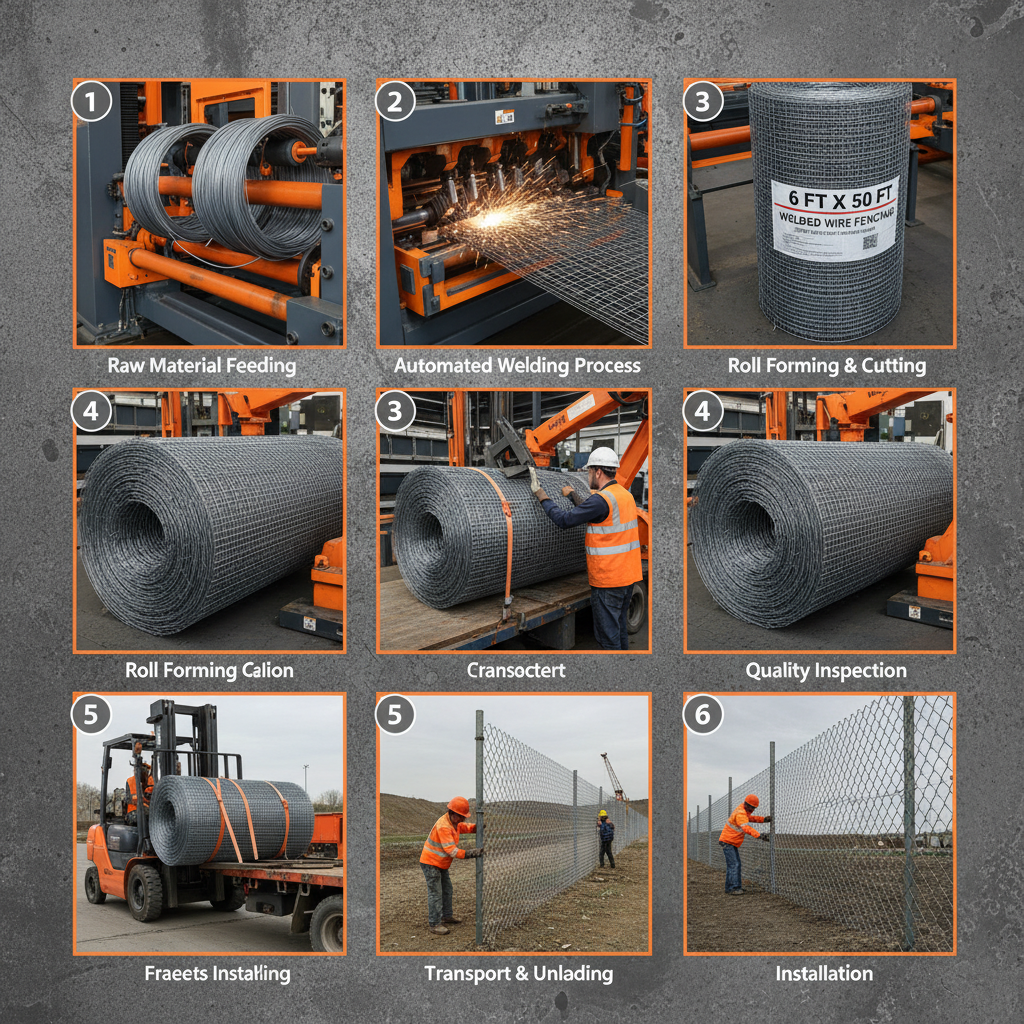 Durable 6 ft x 50 ft welded wire fencing for Security and GardensWhen it comes to securing a perimeter, whether for agricultural use, garden protection, or industrial boundaries, the dimensions and material of your fence matter. The 6 ft x 50 ft welded wire fencing offers an ideal balance of height and length, providing a robust barrier that is easy to install and maintain. Choosing a welded wire system ensures that the intersections are fused together, preventing the shifting and sagging often found in woven alternatives. In this guide, we will explore why this specific size is a preferred choice for property owners and how to maximize its effectiveness for your specific project.Read more >
Apr 09 2026
-
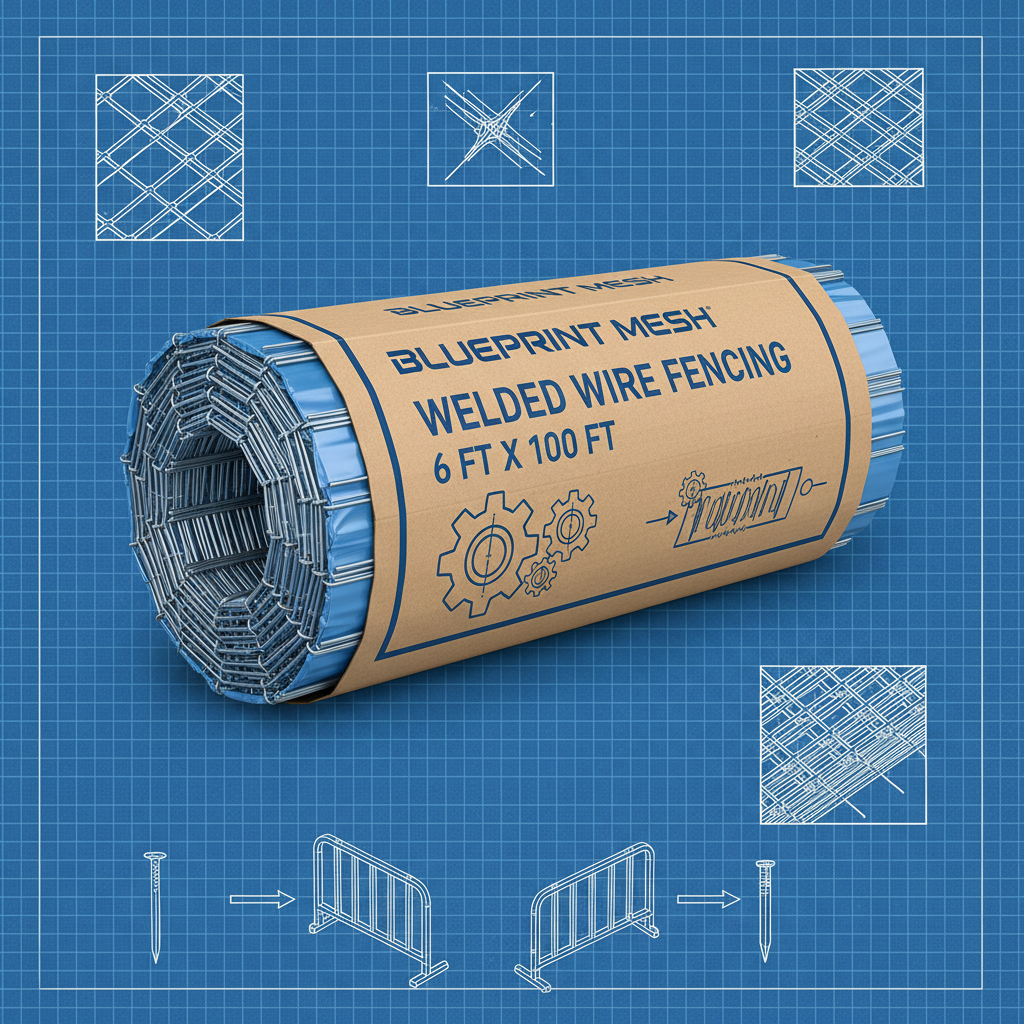 Comprehensive Guide to Choosing the Best 6 ft x 100 ft Welded Wire FencingWelded wire fencing is a versatile and cost-effective solution for a wide range of applications, from agricultural containment to residential security. Understanding the nuances of different types, especially when considering a size like 6 ft x 100 ft welded wire fencing, is crucial for making the right investment. This article will guide you through the essential factors to consider, helping you select the fencing that best suits your specific requirements.Read more >
Apr 07 2026
-
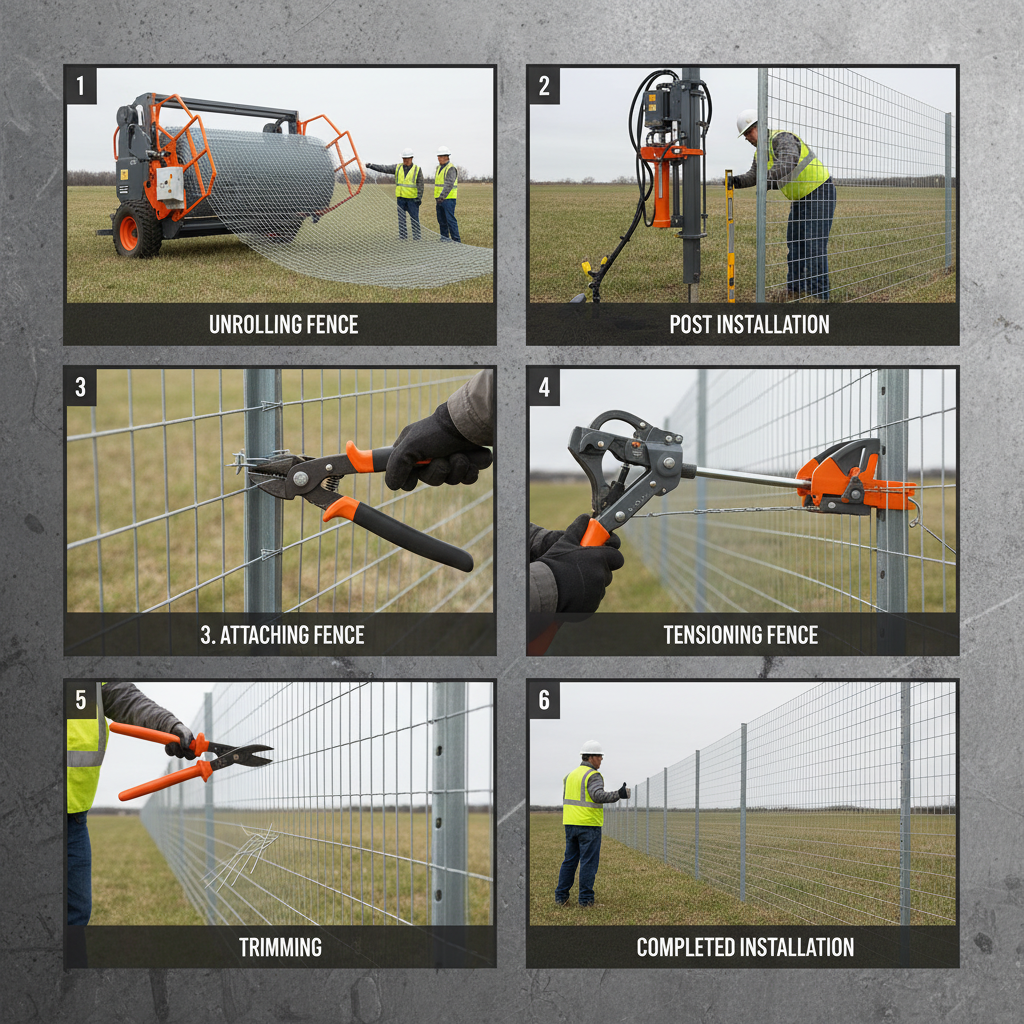 Comprehensive Guide to Choosing a 6 ft x 100 ft 12.5 Gauge Welded Wire FenceSelecting the appropriate fence for your property requires careful consideration. A 6 ft x 100 ft 12.5 gauge welded wire fence offers a robust and versatile solution for a variety of applications, from pet containment to garden protection and security. This guide will explore the benefits, applications, installation tips, and considerations when choosing this type of fencing. Understanding its construction and comparing it to other fencing options will help you make an informed decision.Read more >
Apr 04 2026
-
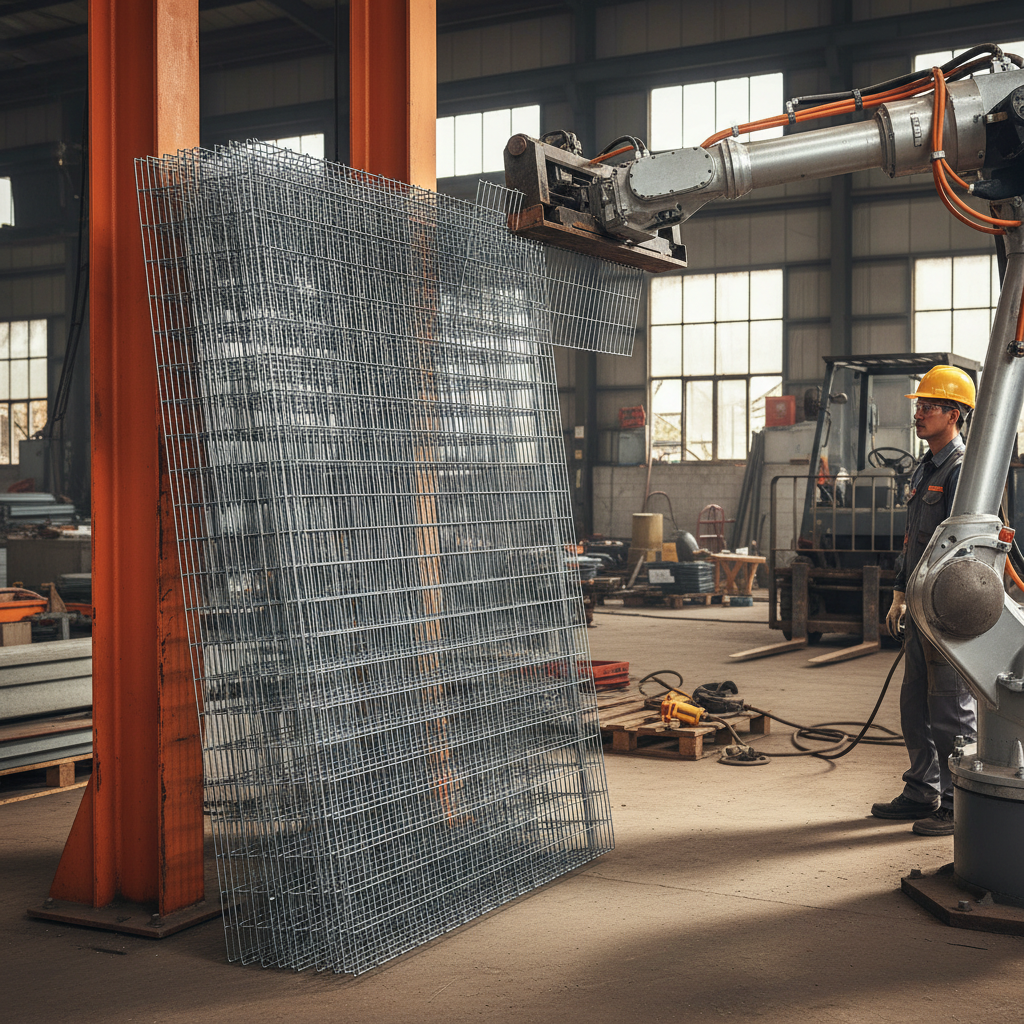 Comprehensive Guide to Durable 6 ft Welded Wire Fencing Panels and ApplicationsWhen selecting fencing for your property, 6 ft welded wire fencing panels offer a robust and versatile solution. These panels combine strength, security, and ease of installation, making them a popular choice for both residential and commercial applications. This article delves into the benefits, applications, installation, and maintenance of these panels, helping you make an informed decision.Read more >
Mar 31 2026