


Durable Plastic Chicken Mesh: Affordable, Safe, and Eco-Friendly Fencing Solutions
Understanding Plastic Chicken Mesh: A Small Product with a Global Impact
At first glance, plastic chicken mesh may seem like just another simple farming accessory, but its significance spans far beyond backyard coops and rural fences. Globally, this flexible plastic netting plays a key role in sustainable livestock management, disaster relief, and even environmental conservation efforts. Grasping why this seemingly ordinary item matters reveals a fascinating blend of innovation, cost efficiency, and social impact. Let’s dive in.
The Global Context: Why Plastic Chicken Mesh Matters Worldwide
According to United Nations reports, small-scale farming supports billions of people globally, especially in developing countries. Yet, such communities often face challenges securing livestock from predators, disease, and environmental damage. Plastic chicken mesh steps in as a lightweight, affordable, and easy-to-deploy fencing solution.
In addition, industries linked to poultry and small animal rearing contribute significantly to local economies. The World Bank estimates that over 70% of rural households in parts of Asia and Africa rely on poultry for nutrition and income, making the protection plastic chicken mesh offers essential. Traditional metal wire mesh fences can be costly, heavy, and prone to rust — thus, the plastic alternative gets increasing attention.
Oddly enough, although it’s rooted in agriculture, the versatility of plastic chicken mesh shines in other sectors too. Emergency shelters, environmental projects, and remote mining sites have found new uses for it, especially where quick, scalable fencing or containment is needed.
What Exactly Is Plastic Chicken Mesh?
Simply put, plastic chicken mesh is a grid-like netting made from polyethylene or polypropylene polymers. It mimics traditional metal chicken wire in function but is crafted from durable plastic, which makes it lightweight, rust-resistant, and flexible. Its small grid pattern is perfect for containing chickens, rabbits, and other small livestock without creating rigid barriers.
More than just a fence, think of it as a multi-purpose tool designed to keep animals safe, protect crops from wild animals, and even support soil erosion control in some cases. It aligns well with modern farming tech and humanitarian needs where speed, cost, and portability count.
Core Components That Make Plastic Chicken Mesh So Effective
1. Durability That Holds Up
While it’s plastic, the mesh is engineered to withstand harsh weather — UV-resistant additives help prevent cracking or brittleness after months outdoors. Many engineers I spoke to emphasize how this reliability makes it a worthy replacement for metal in certain climates.
2. Lightweight & Flexible Structure
Transporting rolls of chicken wire can be a pain, literally. Plastic mesh’s lighter weight makes setup more manageable and faster. Plus, it bends easily around odd shapes – perfect for garden beds, uneven terrain, or output cages in rural areas.
3. Cost-Effectiveness
Plastic mesh generally costs less upfront than galvanized metal, and savings multiply when you factor in lower transportation and installation costs. This financial accessibility helps smallholder farmers and NGOs stretch their budgets, a crucial factor in many global projects.
4. Safety & Environmental Advantages
Unlike using sharp metal wires, plastic mesh lowers injury risks for both humans and animals. Also, many manufacturers now use recyclable or eco-friendly plastics, making the product greener than its steel counterparts.
5. Scalability
You can find plastic chicken mesh in different sizes and roll lengths, making it ideal for anything from a backyard pen to a large agricultural reserve. It scales easily both up and down.
Mini takeaway: The mix of durability, flexibility, and affordability cements plastic chicken mesh as more than a simple product — it’s a practical, scalable fencing solution tailored for modern global needs.
Global Applications: Real-World Uses of Plastic Chicken Mesh
Plastic chicken mesh’s real strength lies in how it’s adopted worldwide:
- Rural Smallholder Farms: In Southeast Asia and Sub-Saharan Africa, farmers rely on plastic mesh to protect poultry from predators like foxes, snakes, and birds of prey.
- Post-Disaster Relief: Aid organizations use plastic chicken mesh to quickly create animal enclosures after floods or earthquakes, restoring livelihoods promptly.
- Construction & Industrial Zones: Temporary fencing for site safety is often done with plastic mesh due to its portability and ease of use.
- Environmental and Soil Conservation: In European hillside agriculture, plastic mesh barriers can prevent soil erosion around young plants.
Countries like India, Brazil, and Kenya have seen government programs subsidize plastic mesh purchase, recognizing its value in rural development. It’s fascinating to see a small bit of plastic mesh quietly boost economic resilience in some of the world’s most challenging environments.
Product Specification Table: Typical Plastic Chicken Mesh Features
| Feature | Specification | Notes |
|---|---|---|
| Material | HDPE / Polypropylene | UV stabilized options available |
| Mesh Size | 25mm × 25mm (standard) | Various sizes exist |
| Roll Length | 10 m to 50 m | Customized lengths possible |
| Weight | 300-500 g/m² | Lightweight for easy handling |
| Color Options | Green, White, Black, Orange | Color often indicates use case |
Vendor Comparison: Leading Plastic Chicken Mesh Suppliers
| Vendor | Price per roll | Material Quality | Customization | Shipping Regions |
|---|---|---|---|---|
| FenceTech Ltd. | $30 | High UV Resistance | Roll length & color | North America, Europe |
| AgriNet Supplies | $25 | Standard Quality | Mesh size options | Asia, Africa |
| GreenMesh Corp. | $35 | Eco-Friendly Material | Full customization | Global |
Advantages & The Long-Term Value of Choosing Plastic Chicken Mesh
When you think in terms of money saved, ease of use, and environmental impact, plastic chicken mesh checks a lot of boxes:
- Cost savings on installation and maintenance over metal wire fences.
- Reduced safety hazards thanks to the absence of sharp edges and rust.
- Social benefits by empowering small farmers to improve yield and protect assets, which cascades to better food security.
- Trust in a material that’s proven resistant to weather conditions and wear.
- Innovation-friendly: manufacturers continuously improve UV stability and recycling options.
And frankly, there’s an emotional comfort knowing families have reliable, affordable ways to safeguard their hard-earned animals without fear.
Looking Ahead: Trends & Innovations in Plastic Chicken Mesh
The mesh industry isn’t standing still. Here are a few exciting directions:
- Biodegradable Materials: Research is underway to produce plastic meshes that break down safely, tackling microplastic pollution concerns.
- Smart Fencing: Integration of sensors embedded within mesh to monitor animal movement and security remotely.
- Automation in Production: Faster roll fabrication reduces costs and environmental footprint.
- Sustainability Policies: Governments worldwide encourage recycled content in products, pushing suppliers to innovate.
Challenges and How the Industry Is Overcoming Them
No product is perfect. With plastic chicken mesh, a few sticking points remain:
- Durability in Extreme Conditions: In very cold climates, plastics can become brittle, though additives are improving this.
- Microplastic Concerns: Continuous use can lead to degradation, releasing tiny particles — recycling and innovation help mitigate this.
- Strength Limits: Metal mesh still offers higher tensile strength for larger livestock, meaning plastic mesh isn’t a one-size-fits-all.
Industry leaders advise combining plastic mesh with other fencing types or structural supports. Also, better consumer education around lifespan and disposal is key.
Frequently Asked Questions About Plastic Chicken Mesh
- What are the main benefits of plastic chicken mesh over metal wire fencing?
- Plastic chicken mesh is lighter, rust-resistant, and safer to handle. It requires less maintenance and installation effort, making it popular for small-scale farming and temporary setups.
- How long does plastic chicken mesh typically last outdoors?
- Most UV-stabilized plastic chicken mesh products last between 5 to 8 years, depending on exposure and climate conditions. Harsh sunlight and cold may shorten this lifespan slightly.
- Is plastic chicken mesh recyclable?
- Yes, many types are made from recyclable polymers like HDPE. Check with suppliers for specific recycling programs or local waste processing options.
- Can plastic chicken mesh be used for animals larger than chickens?
- It’s best suited for poultry and small animals. For larger livestock, reinforced or alternative fencing solutions might be necessary to ensure containment and safety.
- Where can I buy high-quality plastic chicken mesh?
- Reliable suppliers include specialized agricultural suppliers or online marketplaces. Consider vendors that offer UV stability, product customization, and clear warranty policies.
Conclusion: Why Plastic Chicken Mesh Is More Than Just a Fence
In wrapping things up, it feels fair to say that plastic chicken mesh is a quietly transformational commodity—affordable, adaptable, and accessible to millions worldwide. Whether it’s protecting a small family’s flock in Kenya or securing a flood relief zone in the Philippines, it delivers tangible benefits with a gentle environmental footprint.
If you’re curious to explore the best options for your fencing needs or just want to learn more about plastic chicken mesh applications, don’t hesitate to visit our website at plastic chicken mesh. The world of modern fencing is evolving, and this little mesh has a larger story to tell.
Mini takeaway: Plastic chicken mesh proves that sometimes, a simple material innovation can make a big difference across economies, environments, and everyday lives.
References
Latest News About CHENG CHUANG
-
 Heavy Duty 6 gauge welded wire mesh for Security and StrengthWhen it comes to heavy-duty containment, security, and structural reinforcement, choosing the right material is critical. The 6 gauge welded wire mesh stands as a premier choice for those requiring a balance of extreme rigidity and precise spacing. Whether you are securing a commercial perimeter, building industrial livestock panels, or creating reinforced concrete structures, this specific thickness provides the structural integrity needed to withstand significant pressure and impact. In this comprehensive guide, we will explore the technical specifications, primary applications, and why this mesh is the gold standard for high-security fencing solutions.Read more >
Apr 16 2026
-
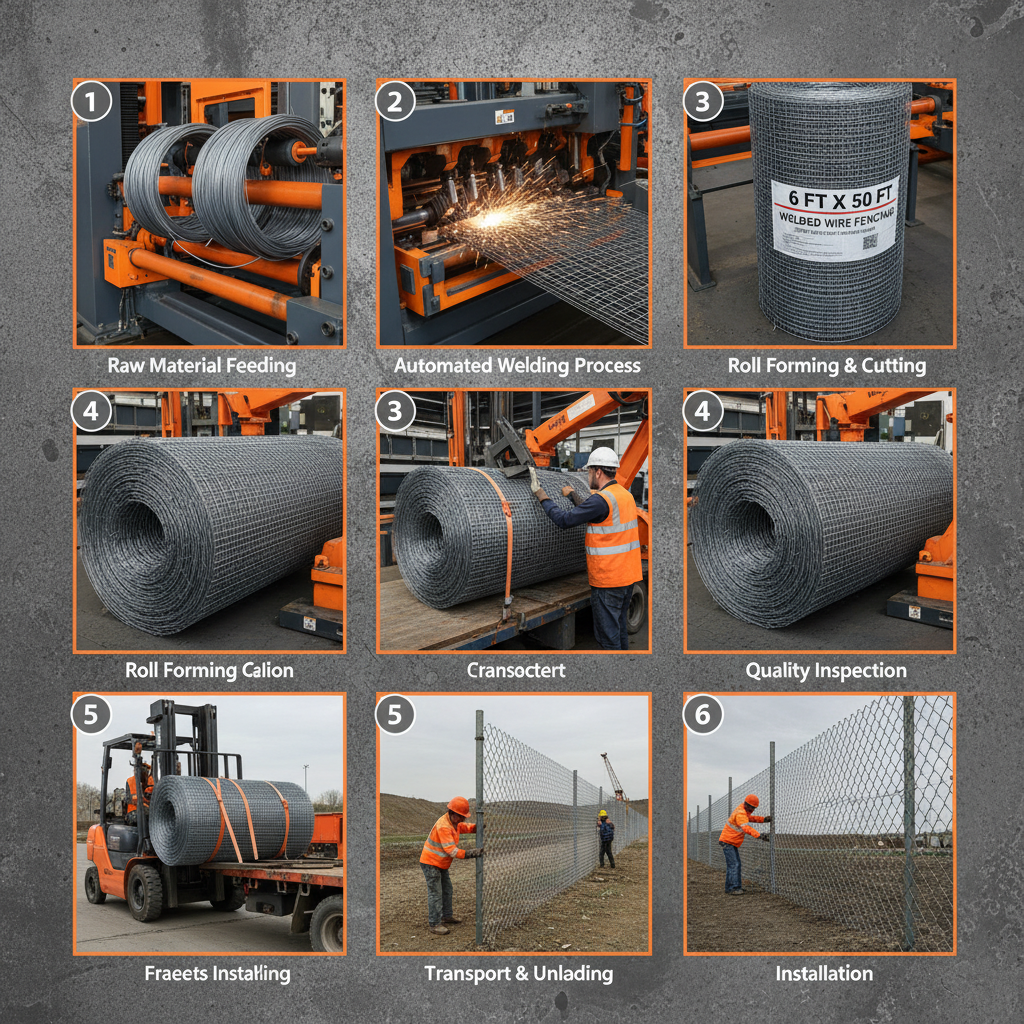 Durable 6 ft x 50 ft welded wire fencing for Security and GardensWhen it comes to securing a perimeter, whether for agricultural use, garden protection, or industrial boundaries, the dimensions and material of your fence matter. The 6 ft x 50 ft welded wire fencing offers an ideal balance of height and length, providing a robust barrier that is easy to install and maintain. Choosing a welded wire system ensures that the intersections are fused together, preventing the shifting and sagging often found in woven alternatives. In this guide, we will explore why this specific size is a preferred choice for property owners and how to maximize its effectiveness for your specific project.Read more >
Apr 09 2026
-
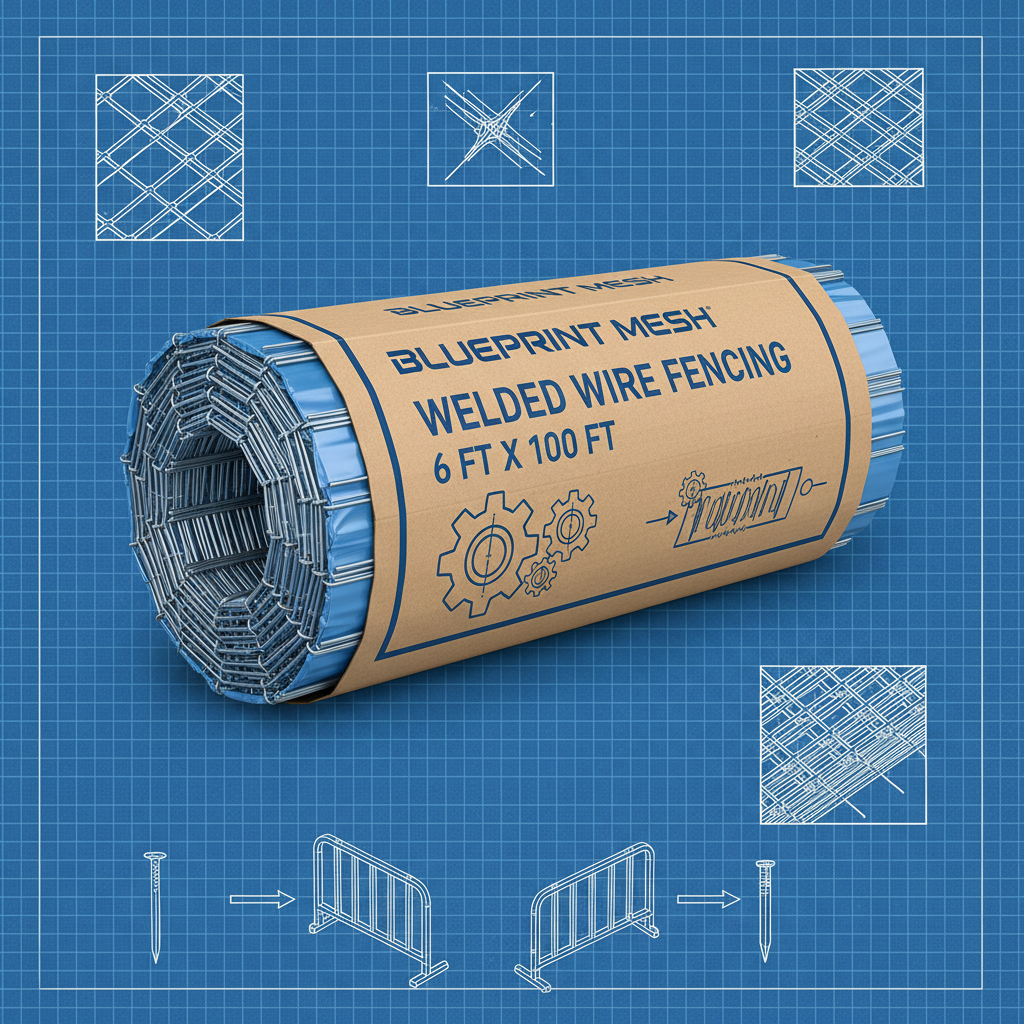 Comprehensive Guide to Choosing the Best 6 ft x 100 ft Welded Wire FencingWelded wire fencing is a versatile and cost-effective solution for a wide range of applications, from agricultural containment to residential security. Understanding the nuances of different types, especially when considering a size like 6 ft x 100 ft welded wire fencing, is crucial for making the right investment. This article will guide you through the essential factors to consider, helping you select the fencing that best suits your specific requirements.Read more >
Apr 07 2026
-
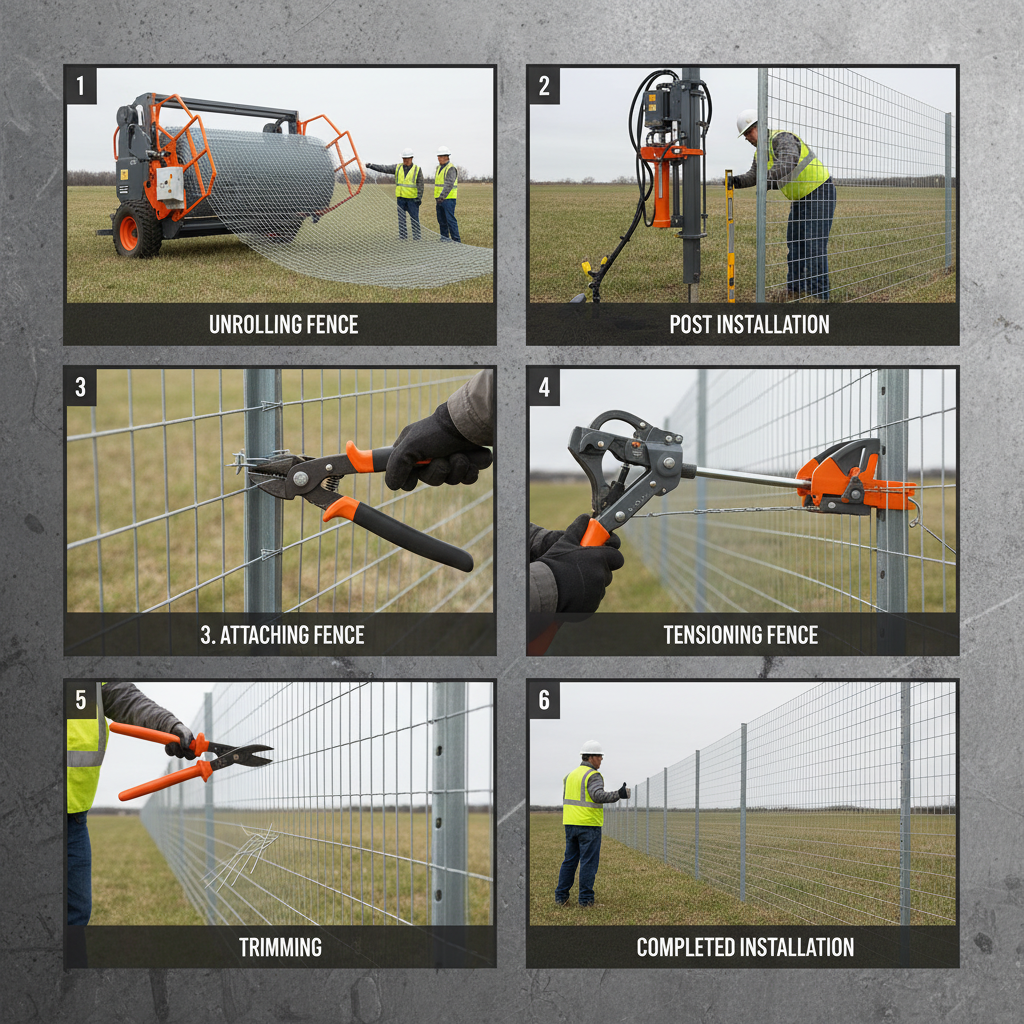 Comprehensive Guide to Choosing a 6 ft x 100 ft 12.5 Gauge Welded Wire FenceSelecting the appropriate fence for your property requires careful consideration. A 6 ft x 100 ft 12.5 gauge welded wire fence offers a robust and versatile solution for a variety of applications, from pet containment to garden protection and security. This guide will explore the benefits, applications, installation tips, and considerations when choosing this type of fencing. Understanding its construction and comparing it to other fencing options will help you make an informed decision.Read more >
Apr 04 2026
-
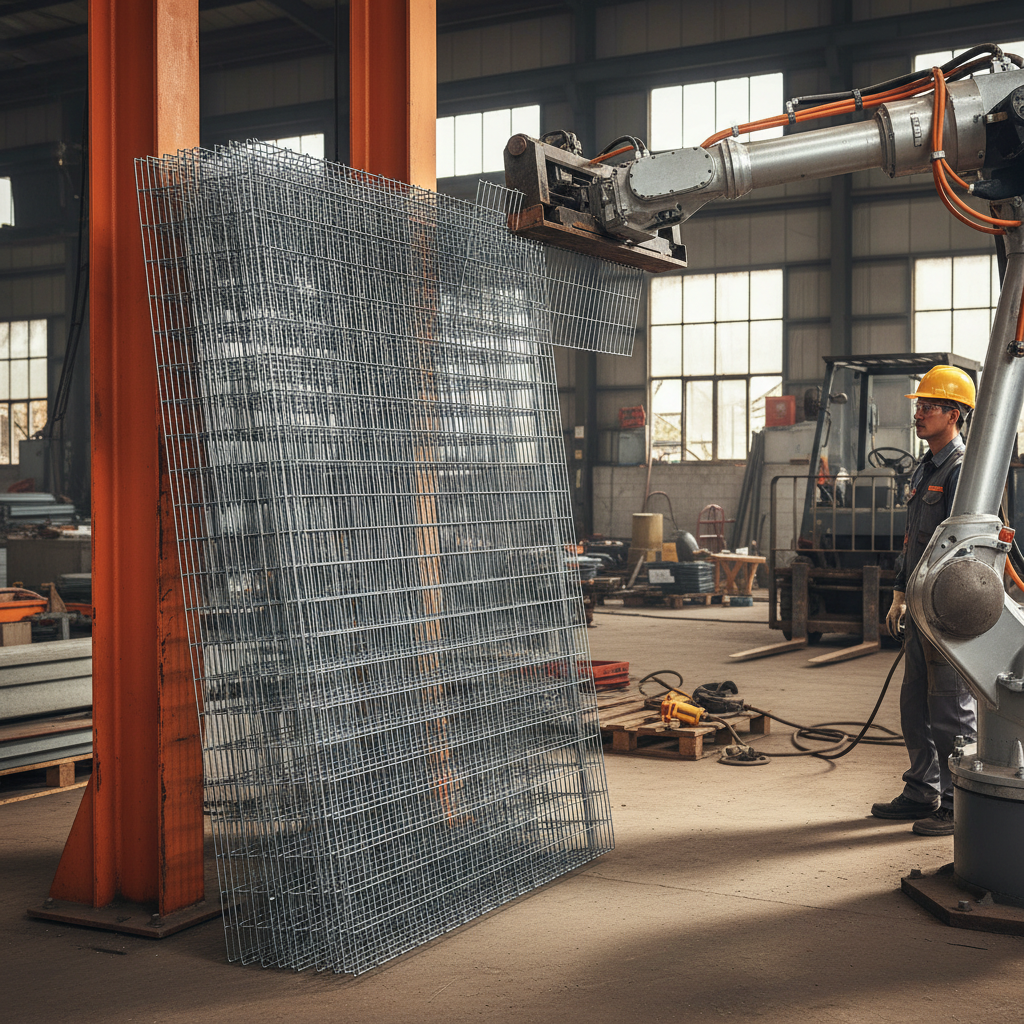 Comprehensive Guide to Durable 6 ft Welded Wire Fencing Panels and ApplicationsWhen selecting fencing for your property, 6 ft welded wire fencing panels offer a robust and versatile solution. These panels combine strength, security, and ease of installation, making them a popular choice for both residential and commercial applications. This article delves into the benefits, applications, installation, and maintenance of these panels, helping you make an informed decision.Read more >
Mar 31 2026