


Metal Mesh Net: Durable, Versatile Solutions for Global Industries
Unlocking the Potential of Metal Mesh Net: A Global Perspective
If you've ever paused to admire a finely woven fence or thought about the sturdy fabric behind industrial filtration, you’ve encountered the humble yet mighty metal mesh net. Beyond being just “wire stuff,” metal mesh nets play a surprisingly critical role globally—whether in construction, agricultural protection, or disaster relief. In fact, understanding this material’s capabilities and applications could shape the way industries approach safety, sustainability, and even humanitarian aid.
Globally, metal mesh netting provides resilience in environments demanding strength and flexibility. The World Bank estimates that infrastructure projects requiring durable barriers have grown by over 12% annually in developing regions (2022 data), often relying on metal mesh’s adaptability. Plus, with increasing environmental challenges, having reliable solutions like this isn’t just practical — it’s vital. So today, let’s take a stroll through what metal mesh net really means, why it’s valued worldwide, and how it’s evolving to meet tomorrow’s needs.
What Exactly Is Metal Mesh Net?
Simply put, a metal mesh net is a woven or welded sheet made primarily from metal wires — think steel, aluminum, or galvanized iron — arranged in a crisscross pattern. This structure creates openings of varied sizes between the wires, making it versatile for many uses. It’s not just a “net” like fishing gear but an engineered material designed for strength, breathability, and sometimes security.
In industrial terms, metal mesh nets act as filters, protective barriers, reinforcement, or partitions. Humanitarian agencies use them in makeshift shelters or fencing to safeguard communities in crisis zones. And let’s not forget their iconic use in everything from architectural facades to farming pens. The connection is clear: wherever strength meets openness, metal mesh nets often answer the call.
Core Components That Make Metal Mesh Net Work
Durability: Built to Last
Roughly 60-70% of metal mesh nets you’ll see are made from galvanized steel — resistant to rust, wear, and harsh weather. This durability is vital because many applications (think outdoor fencing or industrial sieves) experience constant stress from elements and mechanical forces.
Scalability: From Tiny Openings to Large Mesh
Whether it’s a fine mesh for screening sand or a wide grid intended for maximum visibility/security, metal mesh nets come in a wide range of sizes. This scalability lets engineers and designers tailor their uses — a neat feature that not many raw materials can boast.
Cost Efficiency: Durable Without Breaking the Bank
Compared to solid metal sheets, metal mesh nets often use less raw material and require less energy to manufacture, making them a budget-friendly choice, especially for large projects.
Environmental Resistance: Keeping Shape and Strength
Many varieties are treated or coated (for instance, with PVC or powder coating) to resist UV light, chemicals, and corrosion. This keeps them reliable in tricky environments like coastal regions or chemical plants.
Maintenance & Adaptability
Metal mesh nets demand minimal upkeep, particularly when well-coated. Plus, they’re easy to cut or modify on-site, adding to their practical charm.
Mini takeaway: Metal mesh nets are a curious blend of strength, flexibility, and cost-effective design — the Swiss Army knives of industrial materials.
The Many Faces of Metal Mesh Net: Global Applications That Count
- Construction & Architecture: Used for reinforcement in concrete, safety fences, and decorative facades in urban developments.
- Agriculture & Farming: Livestock enclosures, crop protection, and soil erosion control mesh.
- Industrial Use: Sieves for mining, filtration in factories, and security in warehouses.
- Disaster Relief and Humanitarian Aid: Temporary fencing and shelter reinforcement post-disaster, especially in regions prone to natural calamities like Southeast Asia and parts of Africa.
- Transport and Infrastructure: Roadside barriers, noise reduction screens, and runway fencing at airports.
For example, after the 2015 Nepal earthquake, humanitarian groups leveraged metal mesh nets to rebuild withstand shelters quickly — capitalizing on its strength and rapid deployability. Similarly, many oil rigs in the Gulf of Mexico use this material extensively for safety fencing and structural reinforcement.
Mini takeaway: Metal mesh net's applications aren’t just diverse — they’re often pivotal in high-stakes scenarios where lives and assets hang in balance.
Putting It All Together: Advantages & Long-Term Value
Why do so many trust metal mesh nets? It’s more than just the metal. To put it bluntly, it offers:
- Reliability: Proven to withstand tough environments and prolonged use.
- Safety & Security: Strong enough to deter intrusions but breathable enough to allow airflow and visibility.
- Sustainability: Recyclable metal and long lifespan reduce waste and environmental impact.
- Cost-Effectiveness: Low maintenance costs plus the potential for multipurpose use.
And from a more human perspective — there’s a dignity to having solid, trustworthy materials surround one’s home, factory, or field. It’s comforting, oddly enough, to know the barriers designed to protect won’t bend or fail when they’re needed the most.
Metal Mesh Net Product Specification Table
| Specification | Typical Range | Common Materials |
|---|---|---|
| Mesh Opening Size | 0.5 mm to 50 mm | Steel, Aluminum, Galvanized Iron |
| Wire Diameter | 0.2 mm to 5 mm | Stainless Steel, Copper |
| Coating | Galvanized, PVC, Powder Coating | N/A |
| Tensile Strength | 300 - 700 MPa | Steel variants |
| Weight per sqm | 1 - 10 kg | Varies by thickness & material |
Comparing Popular Metal Mesh Net Vendors
| Vendor | Quality Certification | Customization Options | Price Range | Lead Time |
|---|---|---|---|---|
| Global Mesh Inc. | ISO 9001, CE | Wire diameters, coatings, mesh sizes | $$$ | 3-4 weeks |
| SafeNet Solutions | ISO 14001, RoHS | Prefabricated panels, PVC coating | $$ | 2 weeks |
| EcoMesh Ltd. | ISO 50001, LEED | Recycled materials, biodegradable coatings | $$$$ | 4-6 weeks |
Looking Ahead: Emerging Trends and Innovations in Metal Mesh Net
It’s an exciting time for metal mesh technology. Researchers and manufacturers are exploring several fronts:
- Eco-friendly Materials: Using recycled metals and biodegradable coatings to reduce environmental footprints.
- Smart Mesh: Embedding sensors into metal mesh nets for real-time monitoring of structural integrity or contamination.
- Lightweight Alloys: Advanced aluminum and titanium alloys that offer strength without the extra weight.
- Automated Manufacturing: Robotics and AI drive precise, waste-minimized production lines.
All these trends hint at metal mesh nets not just staying relevant but becoming smarter and greener—good news for industries aiming for sustainability without sacrificing performance.
Common Challenges and Expert Solutions
Of course, metal mesh nets aren’t without their quirks and issues:
- Corrosion Risk: Even galvanization has limits. Coastal or chemically aggressive environments eat away at unprotected metal over years.
- Installation Hurdles: Large sheets need proper handling and anchoring, making DIY installations tricky.
- Customization Lead Times: Specialized sizes or coatings can bump up order time.
Experts recommend thorough site assessment—sometimes combining metal mesh with complementary materials like polymer coatings or stainless steel—to enhance longevity. For installation, many vendors offer prefab panels with integrated anchoring systems minimizing labor costs and error rates.
Frequently Asked Questions About Metal Mesh Net
Q1: What factors should I consider when choosing a metal mesh net for filtration?
A1: Key factors include mesh opening size relative to particles you want to filter, wire diameter for strength, corrosion resistance depending on the fluid or atmosphere, and ease of cleaning. Stainless steel meshes work well in harsh environments, while galvanized might suffice for dry, less corrosive conditions.
Q2: Can metal mesh nets be used for security fencing in high-risk areas?
A2: Absolutely. Heavy-gauge steel meshes with tight openings not only deter intrusions but also provide visibility and airflow, crucial for security without sacrificing monitoring capabilities. Adding coatings improves lifespan against tampering and weather.
Q3: How does metal mesh netting contribute to sustainable construction?
A3: It reduces material waste since it's lighter than solid panels, is highly recyclable, and frequently manufactured using energy-efficient processes. Its durability means less frequent replacements—cutting down overall resource use.
Q4: Are customized mesh panels available for unique architectural designs?
A4: Yes, many suppliers offer tailored mesh sizes, coatings, and panel shapes, enabling architects to fuse functionality with aesthetics — think patterned metal facades or sunshade screens.
Wrapping It Up: Why Metal Mesh Net Is a Smart Choice
From the heart of bustling construction sites to the remote corners of disaster relief camps, the metal mesh net quietly holds it all together. It embodies durability, versatility, and sustainable innovation in a single, adaptable form. Its global relevance keeps growing, propelled by advances in material science and a rising demand for reliable yet eco-conscious solutions.
Fancy a deeper dive? For quality products and tailored solutions, be sure to visit metal mesh net experts who know their craft and care about your specific needs.
Thanks for tagging along—if you’re curious, keep a lookout for new developments. There’s always more to unearth beneath these woven strands of metal.
References
Latest News About CHENG CHUANG
-
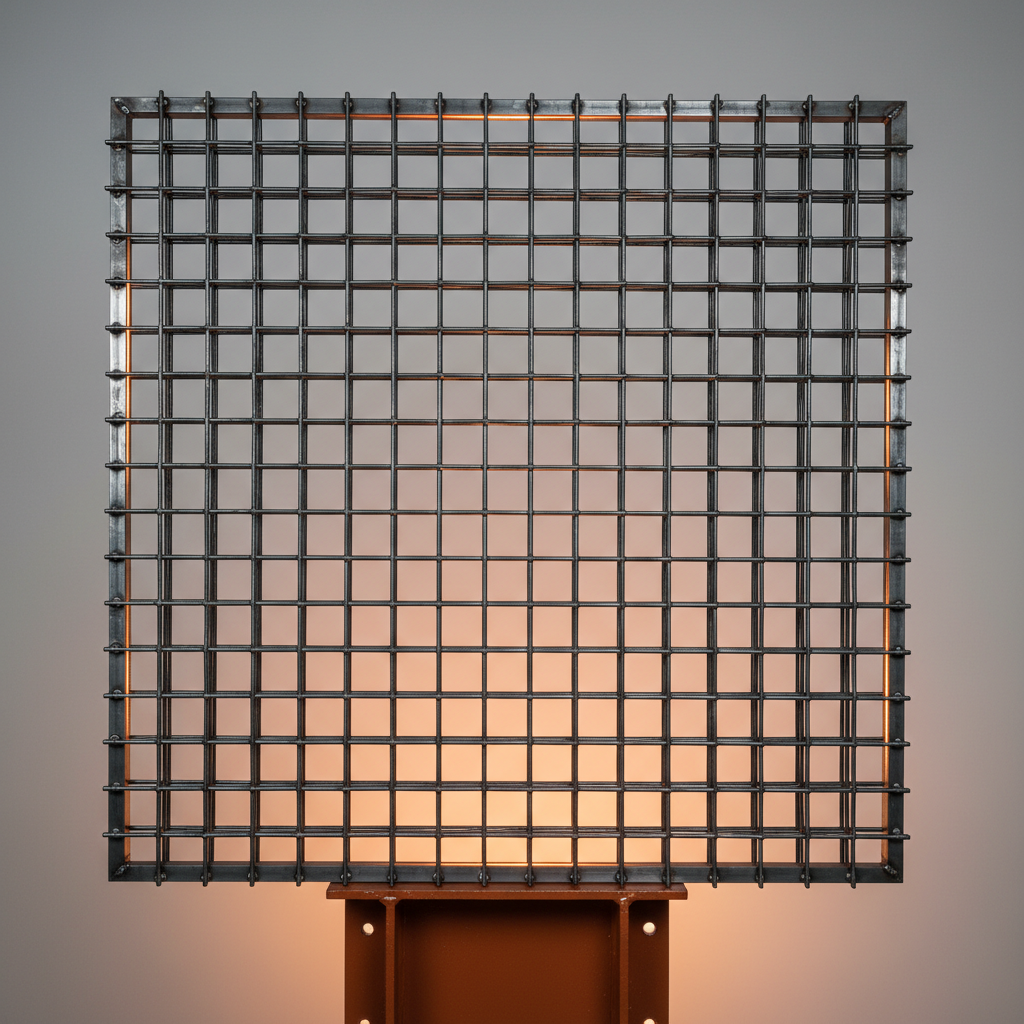 Heavy Duty 6 gauge welded wire mesh for Security and StrengthWhen it comes to heavy-duty containment, security, and structural reinforcement, choosing the right material is critical. The 6 gauge welded wire mesh stands as a premier choice for those requiring a balance of extreme rigidity and precise spacing. Whether you are securing a commercial perimeter, building industrial livestock panels, or creating reinforced concrete structures, this specific thickness provides the structural integrity needed to withstand significant pressure and impact. In this comprehensive guide, we will explore the technical specifications, primary applications, and why this mesh is the gold standard for high-security fencing solutions.Read more >
Apr 16 2026
-
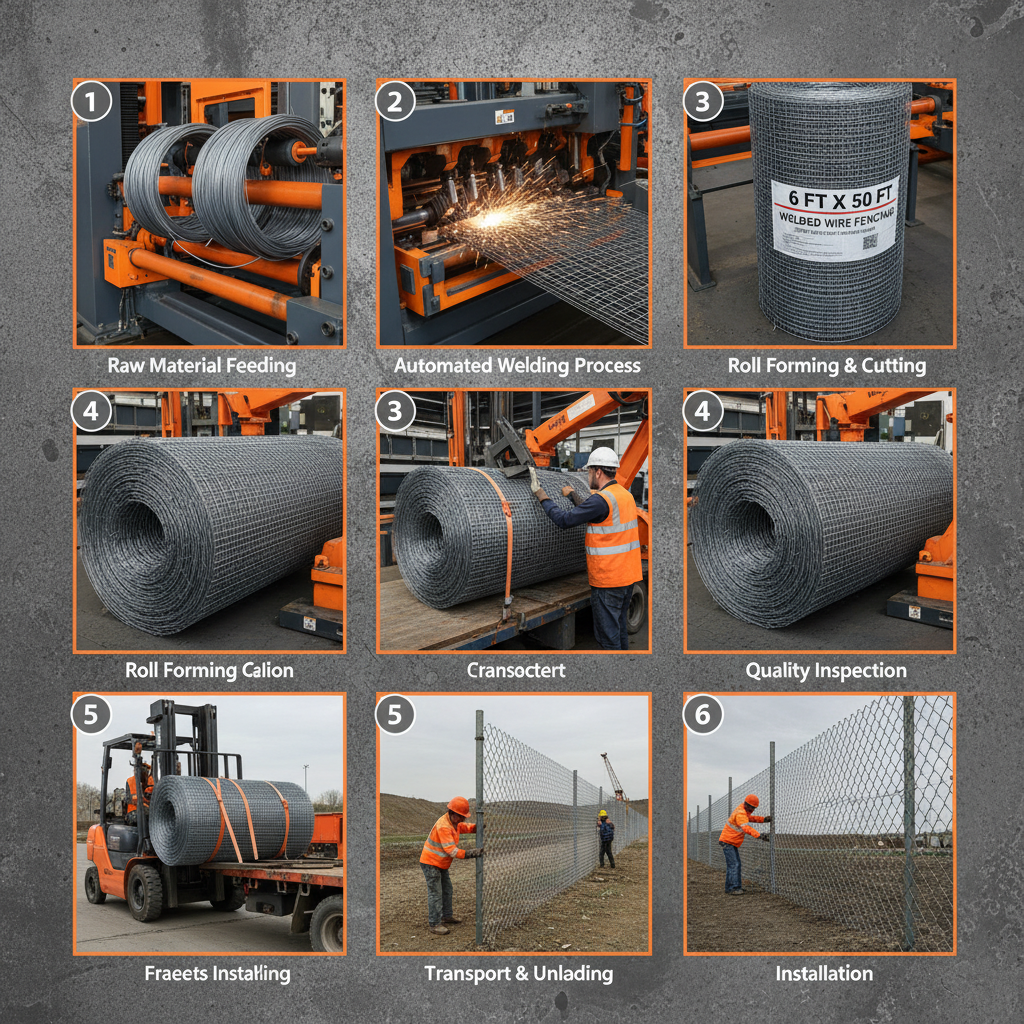 Durable 6 ft x 50 ft welded wire fencing for Security and GardensWhen it comes to securing a perimeter, whether for agricultural use, garden protection, or industrial boundaries, the dimensions and material of your fence matter. The 6 ft x 50 ft welded wire fencing offers an ideal balance of height and length, providing a robust barrier that is easy to install and maintain. Choosing a welded wire system ensures that the intersections are fused together, preventing the shifting and sagging often found in woven alternatives. In this guide, we will explore why this specific size is a preferred choice for property owners and how to maximize its effectiveness for your specific project.Read more >
Apr 09 2026
-
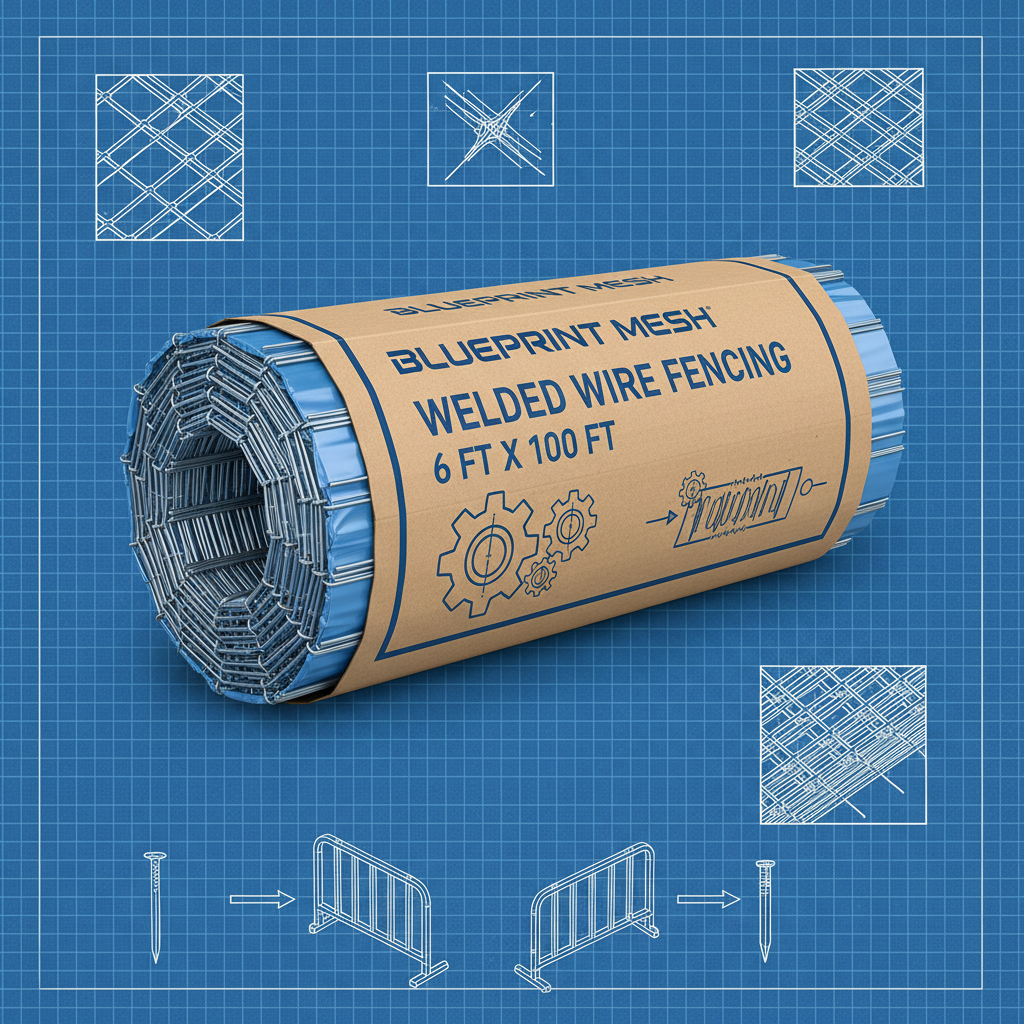 Comprehensive Guide to Choosing the Best 6 ft x 100 ft Welded Wire FencingWelded wire fencing is a versatile and cost-effective solution for a wide range of applications, from agricultural containment to residential security. Understanding the nuances of different types, especially when considering a size like 6 ft x 100 ft welded wire fencing, is crucial for making the right investment. This article will guide you through the essential factors to consider, helping you select the fencing that best suits your specific requirements.Read more >
Apr 07 2026
-
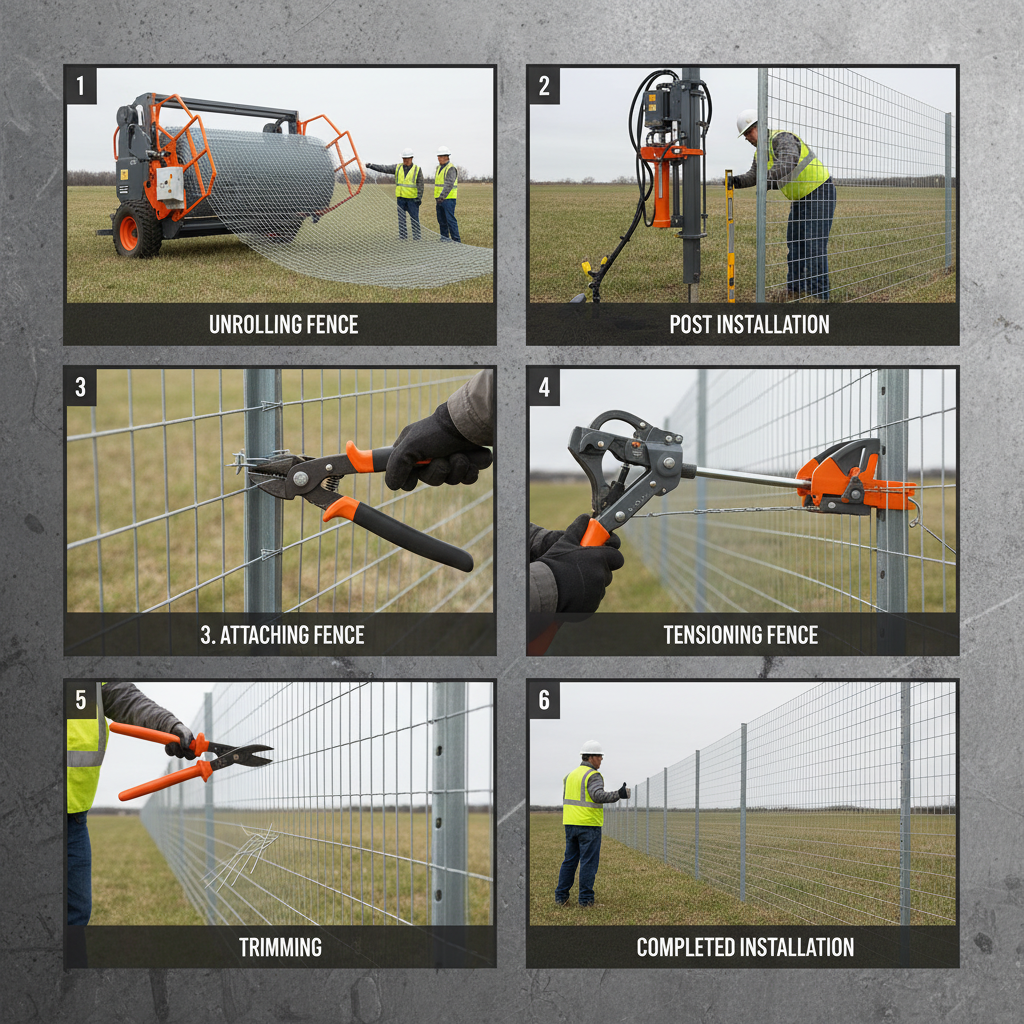 Comprehensive Guide to Choosing a 6 ft x 100 ft 12.5 Gauge Welded Wire FenceSelecting the appropriate fence for your property requires careful consideration. A 6 ft x 100 ft 12.5 gauge welded wire fence offers a robust and versatile solution for a variety of applications, from pet containment to garden protection and security. This guide will explore the benefits, applications, installation tips, and considerations when choosing this type of fencing. Understanding its construction and comparing it to other fencing options will help you make an informed decision.Read more >
Apr 04 2026
-
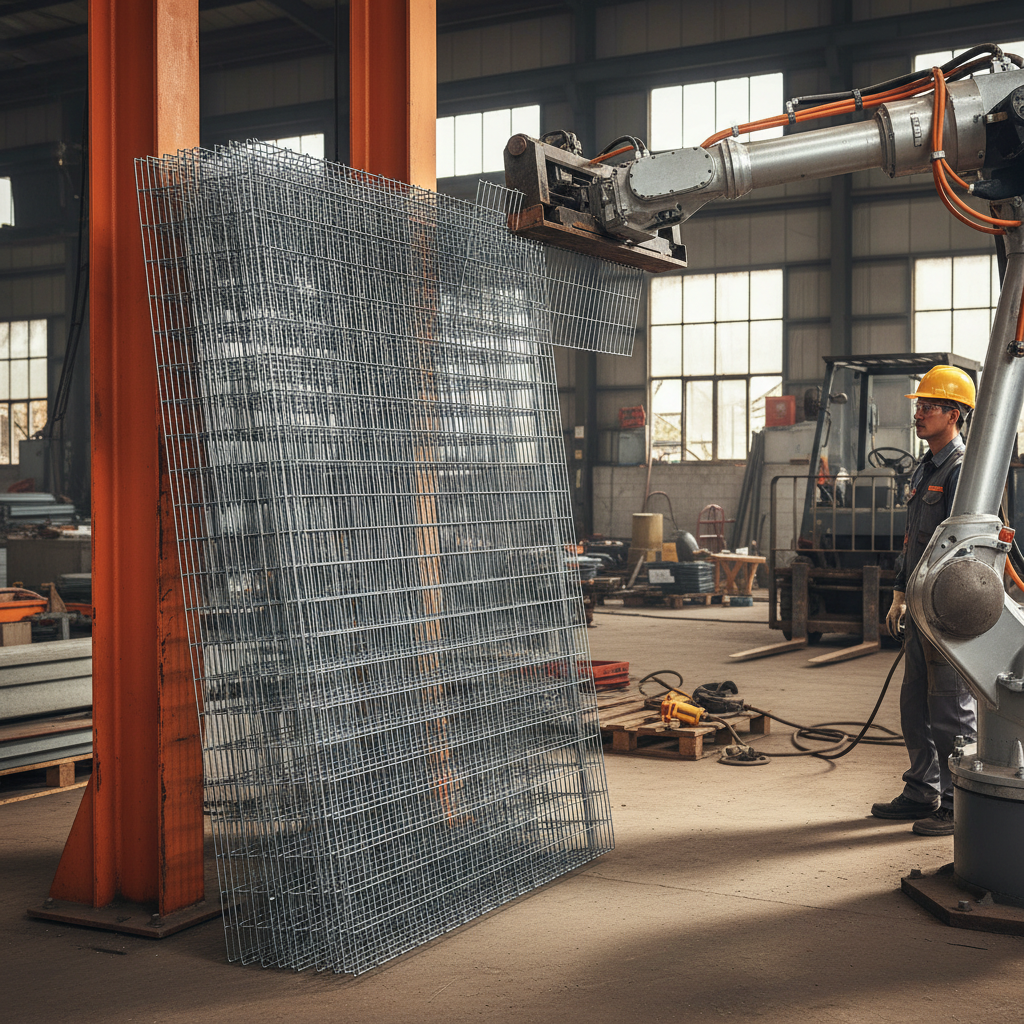 Comprehensive Guide to Durable 6 ft Welded Wire Fencing Panels and ApplicationsWhen selecting fencing for your property, 6 ft welded wire fencing panels offer a robust and versatile solution. These panels combine strength, security, and ease of installation, making them a popular choice for both residential and commercial applications. This article delves into the benefits, applications, installation, and maintenance of these panels, helping you make an informed decision.Read more >
Mar 31 2026