


Durable and Sustainable Metal Mesh Railing Solutions for Modern Infrastructure
Metal Mesh Railing: A Modern Solution with Global Impact
Metal mesh railing — it sounds straightforward, but in reality, it's a quietly transformative element in architecture, urban infrastructure, and industrial applications worldwide. Essentially, it’s a type of protective or decorative fence made from interlinked metal strands forming a mesh pattern, but its importance goes far beyond that simple description. With an eye on strength, aesthetics, and sustainability, understanding metal mesh railing carries benefits for builders, city planners, safety engineers, and even humanitarian agencies tackling challenges from urbanization to disaster recovery.
The Global Context: Why Metal Mesh Railings Matter Today
Did you know that according to the United Nations Department of Economic and Social Affairs, urban populations are expected to grow by nearly 2.5 billion people by 2050? That’s intense growth, demanding more infrastructure — and consequently, safer, more adaptable building materials like metal mesh railing.
Beyond booming cities, industries such as transportation, manufacturing, and energy sectors increasingly rely on durable safety barriers. They help reduce accidents, enable scalable fencing solutions, and support regulatory needs like OSHA and ISO safety standards. Yet, there's a bigger challenge too: In some disaster zones or remote areas, installing quick but reliable safety enclosures — often made with metal mesh railing — can literally save lives.
Mini takeaway: Global urbanization and industrial growth boost both the demand and the vital role for metal mesh railing as an essential, practical safety feature.
What Exactly Is Metal Mesh Railing?
At its core, metal mesh railing consists of metal wires or bars interconnected in a grid or woven pattern, forming a semi-transparent barrier. Unlike solid sheets or traditional bars, the mesh allows for airflow and visibility while providing physical protection — like balcony guards, stairwell enclosures, or perimeter fencing.
In modern terms, it’s a perfect blend of functionality and design, often galvanized or coated to withstand corrosion and harsh environments. For industries, it supports compliance with safety regulations. For humanitarian needs, it offers quick, reliable, and reusable barriers in reconstruction efforts or temporary encampments.
Core Components and Key Factors in Metal Mesh Railing
1. Durability & Corrosion Resistance
The metal used (usually steel or aluminum) is treated to resist rust and degradation, critical for long outdoor use.
2. Safety & Load Bearing
Designed to meet specific strength requirements that ensure they withstand force while preventing falls or breaches.
3. Design Flexibility & Aesthetic Appeal
Meshes come in a variety of patterns and can be powder-coated, allowing customization without sacrificing strength.
4. Installation & Scalability
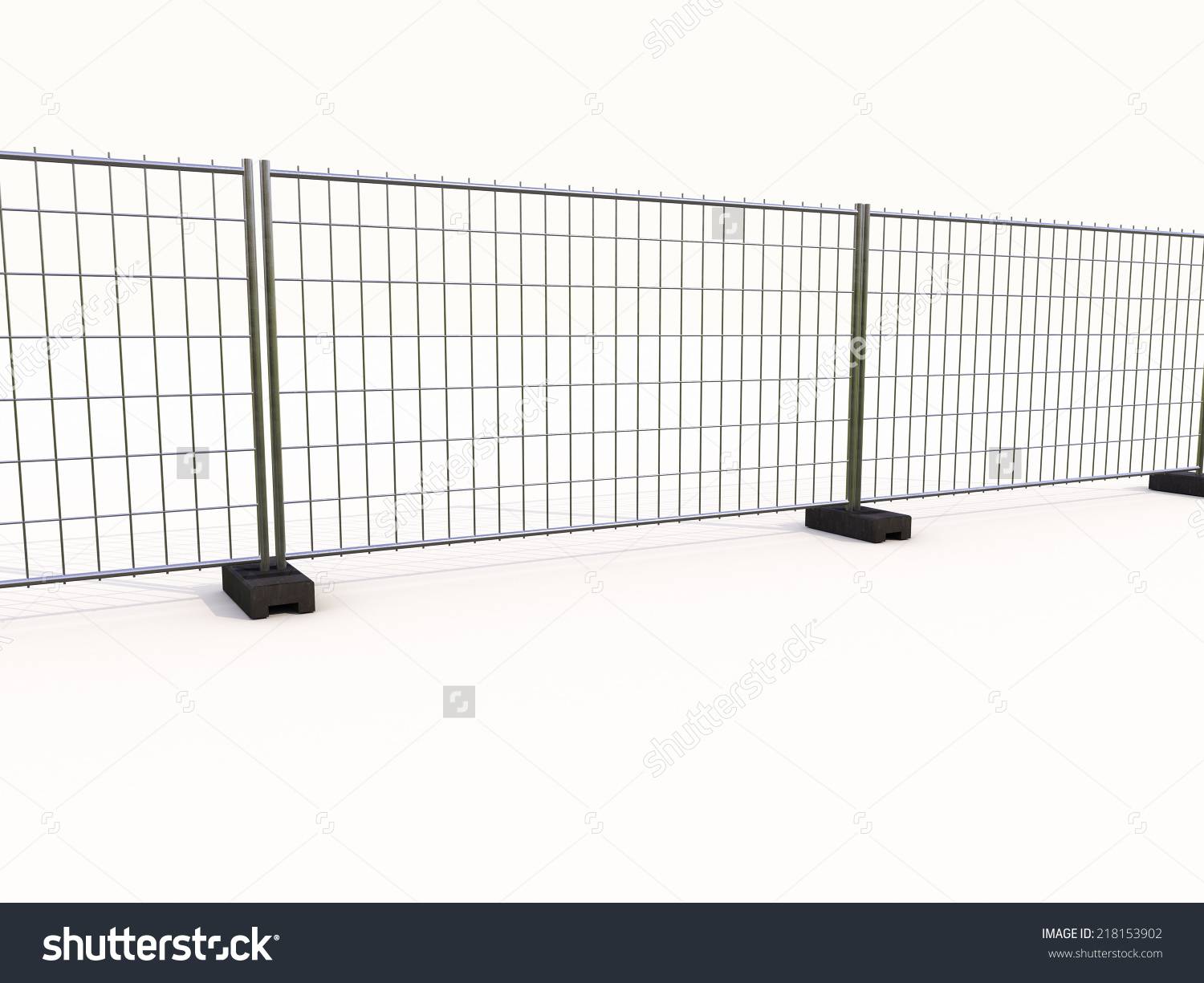
Modular panels make quick, scalable assembly possible—important in large construction sites or emergency setups.
5. Cost-Effectiveness Over Time
Though upfront costs vary, their long lifespan and minimal maintenance make them economical long-term.
How Metal Mesh Railing Is Changing the Game Worldwide
Picture this: In Tokyo’s bustling stations, metal mesh railing guides commuters safely, allowing both security and visual openness. In Scandinavian countries, it blends with minimalist architecture while meeting stringent safety codes. Meanwhile, NGOs operating in East Africa have turned to lightweight, galvanised mesh railings for temporary shelters and border control — quick to deploy yet reliable enough to reduce theft and intrusions.
And for the industrial sector? Think offshore oil platforms where corrosive salty air demands the toughest materials or mining operations requiring safety enclosures that won’t fail despite rough handling.
Mini takeaway: The adaptability of metal mesh railing makes it a trusted global player: urban infrastructures, humanitarian relief, and demanding industrial environments all benefit immensely.
The Tangible Advantages and Long-Term Value of Metal Mesh Railings
- Sustainability: Often recyclable and requiring less material than solid fencing, which lowers its carbon footprint.
- Safety Assurance: Proven efficacy in accident reduction, enhancing trust in public and private spaces.
- Aesthetic Adaptability: Ability to integrate with modern architectural designs without compromising functionality.
- Cost-Effectiveness: Low maintenance and durable, it promises value beyond installation costs.
- Social Benefits: By providing secure yet open spaces, it supports community engagement and dignity, especially in temporary or transitional contexts.
Product Specification Table
| Feature | Typical Value | Notes |
|---|---|---|
| Material | Galvanized Steel / Aluminum | Choice depends on environment & budget |
| Mesh Aperture | 10 x 10 mm to 50 x 50 mm | Varies based on airflow & safety needs |
| Panel Size | Up to 2m x 3m | Modular for easy installation |
| Finish | Powder-coated / Galvanized | Enhances corrosion resistance |
| Weight | 3-8 kg/m² (approx) | Depends on metal type & thickness |
Top Provider Comparison
| Vendor | Material Options | Lead Time | Customization | Warranty |
|---|---|---|---|---|
| ChchFence Co. | Steel, Aluminum | 2-3 weeks | High – custom sizes & coatings | 5 years |
| MetroMesh Solutions | Steel only | 3-4 weeks | Medium – standard panels only | 3 years |
| EcoFence Inc. | Recycled Steel, Aluminum | 4-5 weeks | High – eco-friendly finishes | 7 years |
Emerging Trends and Innovations in Metal Mesh Railing
Innovation is breathing new life into metal mesh railing all the time. For one, the push toward sustainability means more vendors are using recycled metals and environmentally friendly coatings. Imagine a railing that’s not only functional but actually helps reduce your project’s carbon footprint.
There's a growing integration of digital fabrication techniques like CNC cutting and automated welding, making precise, complex patterns that blend safety and style flawlessly. Plus, some companies are experimenting with smart mesh systems equipped with sensors — monitoring structural integrity or detecting unauthorized tampering.
And, honestly, it feels like these advancements will eventually turn the once purely practical metal mesh railing into a sort of smart architectural element — blending security, data collection, and distinctive design.
Common Challenges and How They're Tackled
Of course, no product is without its wrinkles. Installation in windy or uneven terrain can be tricky — but modular panel systems with adjustable mounts have largely solved the problem.
Corrosion remains a threat in some coastal or industrial environments; still, advanced coatings and routine maintenance protocols keep deterioration minimal.
Costs for premium finishes sometimes give budget-conscious buyers pause — but weighing initial investment against decades-long service rapidly shifts that equation towards value.
FAQ: Common Questions About Metal Mesh Railing
Q: Is metal mesh railing suitable for residential balconies?
A: Absolutely. Its strength and transparency make it an increasingly popular choice for balconies, offering safety without compromising the view or ventilation.
Q: How long does a typical metal mesh railing last outdoors?
A: With proper galvanization or powder coating, you’re looking at 15-25 years, sometimes more. Maintenance like cleaning and occasional touch-ups can extend lifespan.
Q: Can metal mesh railings be customized for unique building designs?
A: Yes, many manufacturers offer bespoke sizes, mesh patterns, and finishes — useful when matching architectural aesthetics or functional requirements.
Q: Are there eco-friendly metal mesh railing options?
A: Definitely. Some providers use recycled metals and low-impact coatings, aligning with green building certifications like LEED or BREEAM.
In Conclusion: Why Metal Mesh Railing Deserves Your Attention
In the big picture, metal mesh railing seems like a simple building component but quietly supports a lot of what makes modern architecture functional and safe. From bustling cities to rugged industrial sites and humanitarian relief zones, it balances form and function, safety and style, longevity and sustainability.
If you’re looking for a proven, global standard in safety fencing solutions, you really can’t overlook metal mesh railing. Whether you’re an architect, engineer, or project manager, it's worth checking out how this adaptable material could solve multiple challenges elegantly.
Feel free to explore more options and details at ChchFence Co. — they’re trusted by many industry leaders worldwide.
References
- United Nations Department of Economic and Social Affairs – Urbanization Prospects
- International Organization for Standardization (ISO) – Safety Standards
- Wikipedia – Fence
Latest News About CHENG CHUANG
-
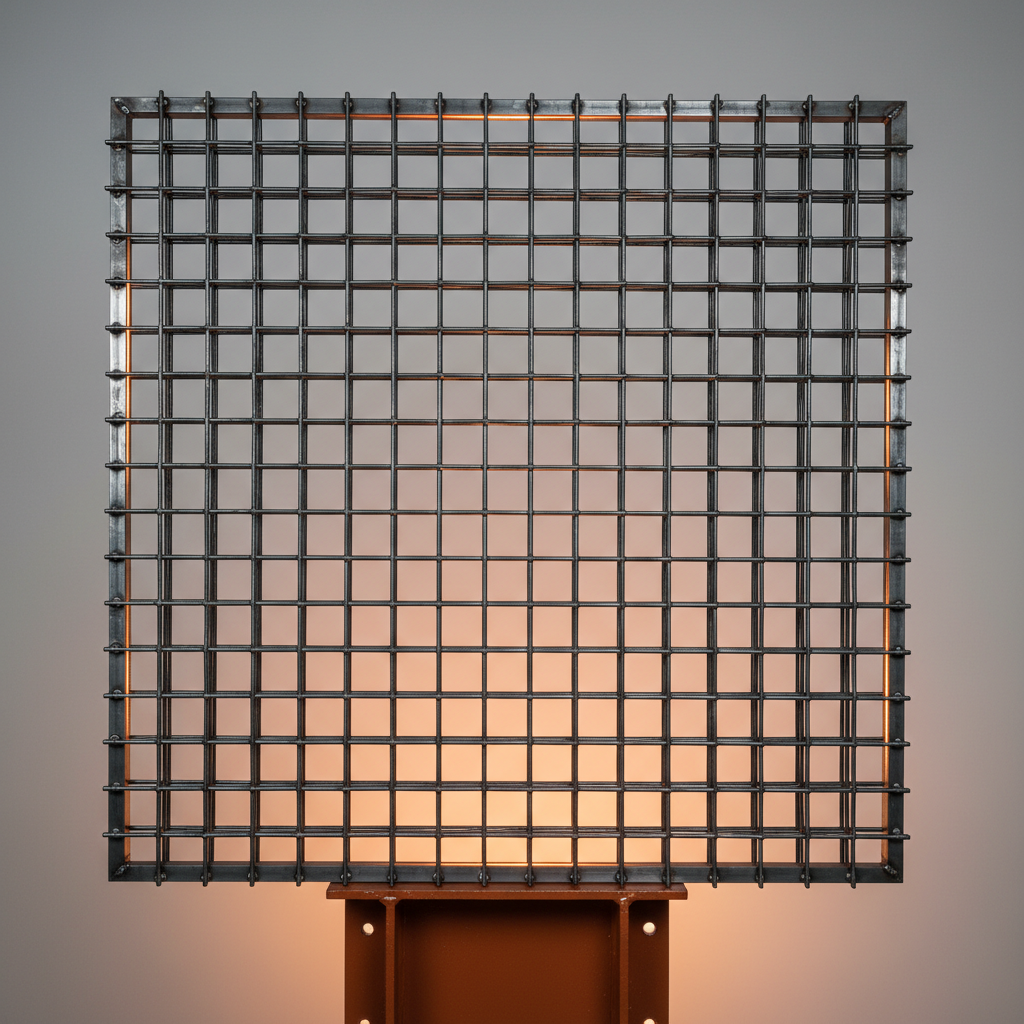 Heavy Duty 6 gauge welded wire mesh for Security and StrengthWhen it comes to heavy-duty containment, security, and structural reinforcement, choosing the right material is critical. The 6 gauge welded wire mesh stands as a premier choice for those requiring a balance of extreme rigidity and precise spacing. Whether you are securing a commercial perimeter, building industrial livestock panels, or creating reinforced concrete structures, this specific thickness provides the structural integrity needed to withstand significant pressure and impact. In this comprehensive guide, we will explore the technical specifications, primary applications, and why this mesh is the gold standard for high-security fencing solutions.Read more >
Apr 16 2026
-
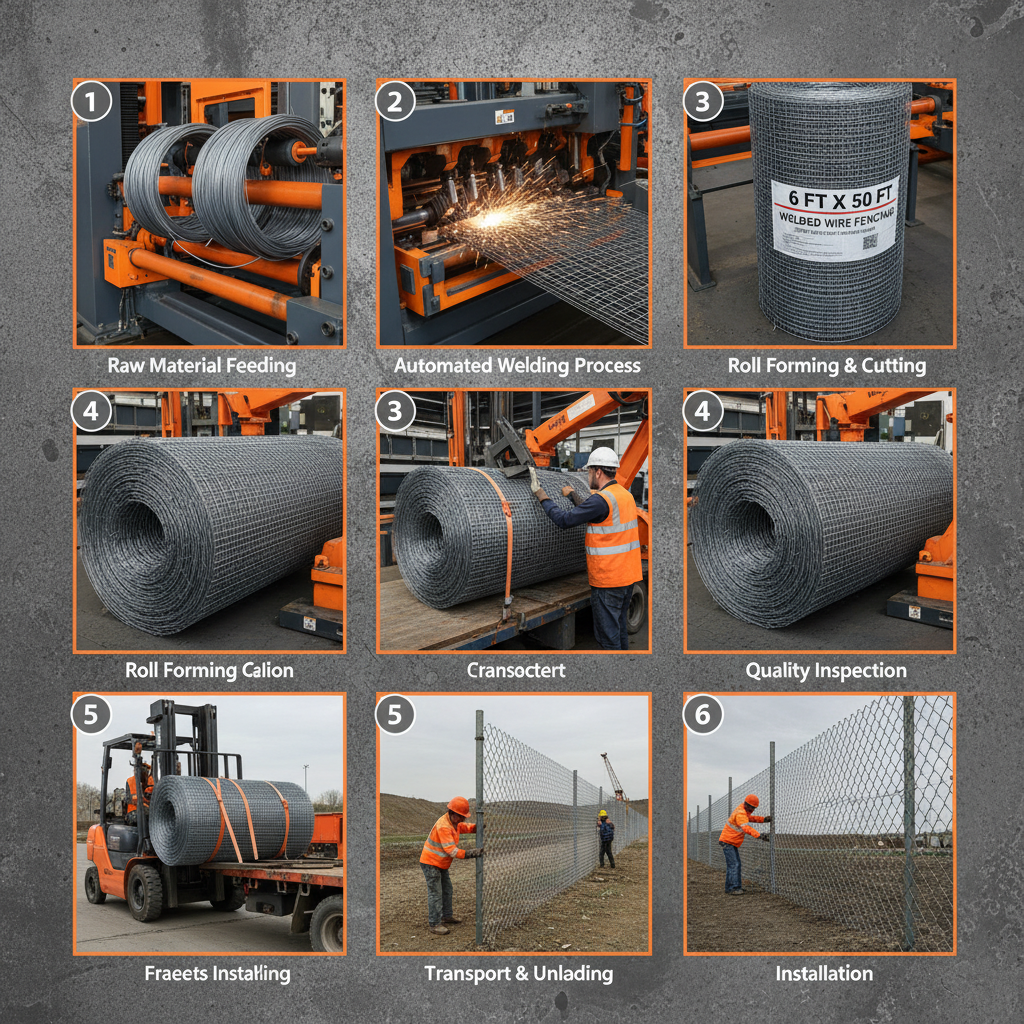 Durable 6 ft x 50 ft welded wire fencing for Security and GardensWhen it comes to securing a perimeter, whether for agricultural use, garden protection, or industrial boundaries, the dimensions and material of your fence matter. The 6 ft x 50 ft welded wire fencing offers an ideal balance of height and length, providing a robust barrier that is easy to install and maintain. Choosing a welded wire system ensures that the intersections are fused together, preventing the shifting and sagging often found in woven alternatives. In this guide, we will explore why this specific size is a preferred choice for property owners and how to maximize its effectiveness for your specific project.Read more >
Apr 09 2026
-
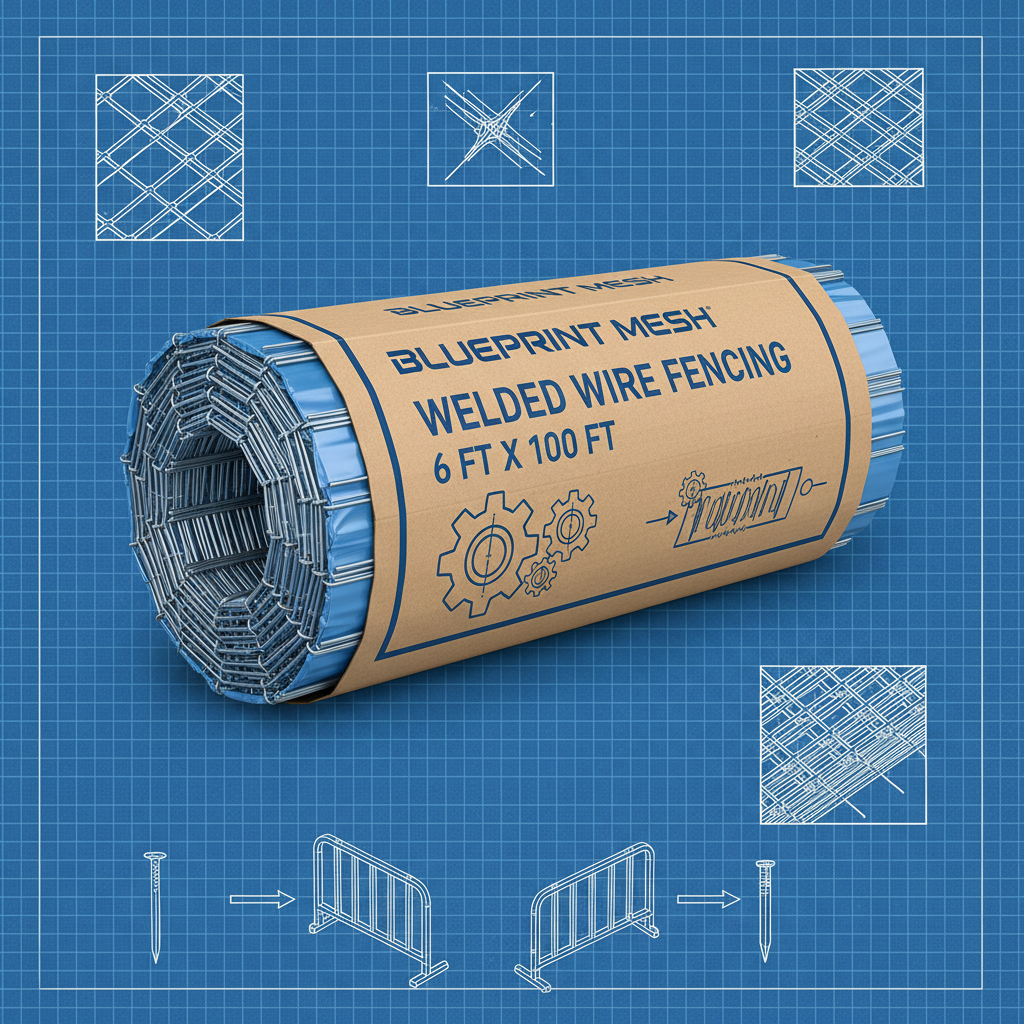 Comprehensive Guide to Choosing the Best 6 ft x 100 ft Welded Wire FencingWelded wire fencing is a versatile and cost-effective solution for a wide range of applications, from agricultural containment to residential security. Understanding the nuances of different types, especially when considering a size like 6 ft x 100 ft welded wire fencing, is crucial for making the right investment. This article will guide you through the essential factors to consider, helping you select the fencing that best suits your specific requirements.Read more >
Apr 07 2026
-
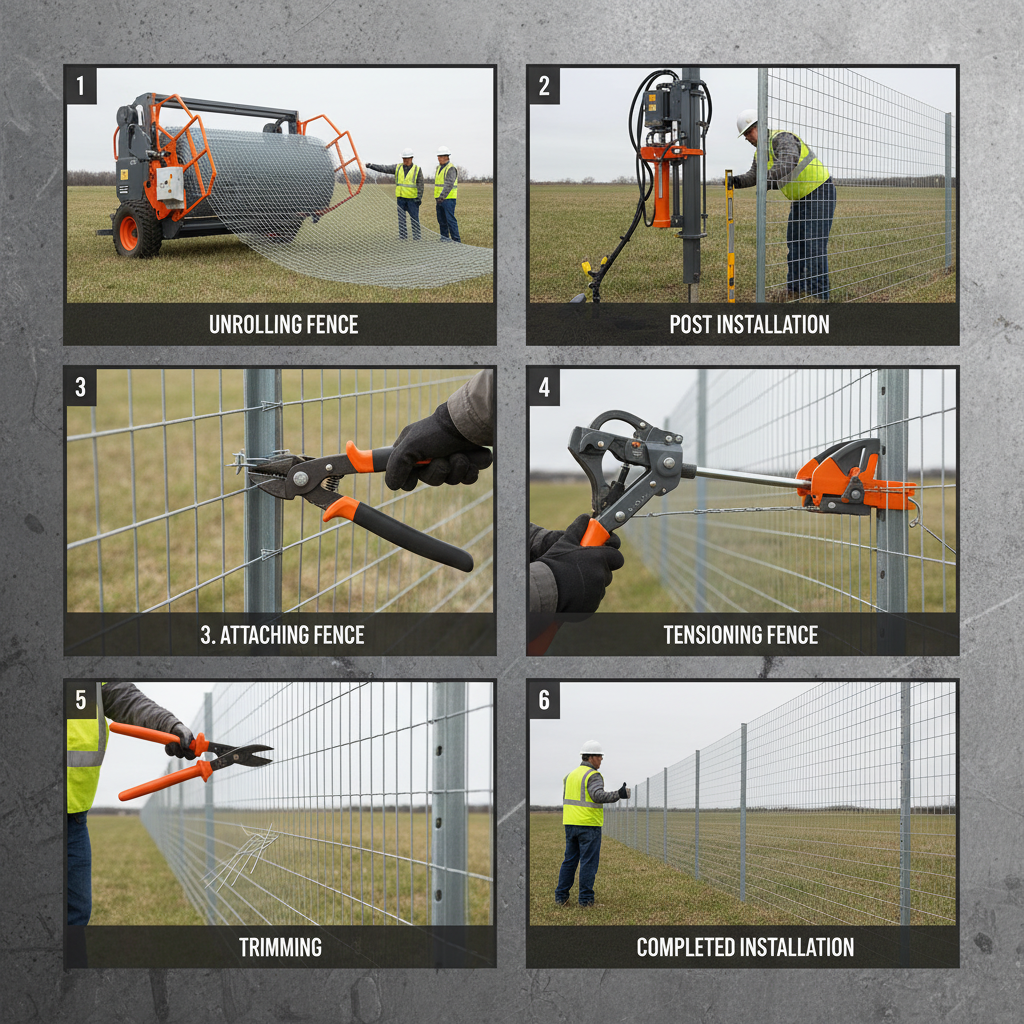 Comprehensive Guide to Choosing a 6 ft x 100 ft 12.5 Gauge Welded Wire FenceSelecting the appropriate fence for your property requires careful consideration. A 6 ft x 100 ft 12.5 gauge welded wire fence offers a robust and versatile solution for a variety of applications, from pet containment to garden protection and security. This guide will explore the benefits, applications, installation tips, and considerations when choosing this type of fencing. Understanding its construction and comparing it to other fencing options will help you make an informed decision.Read more >
Apr 04 2026
-
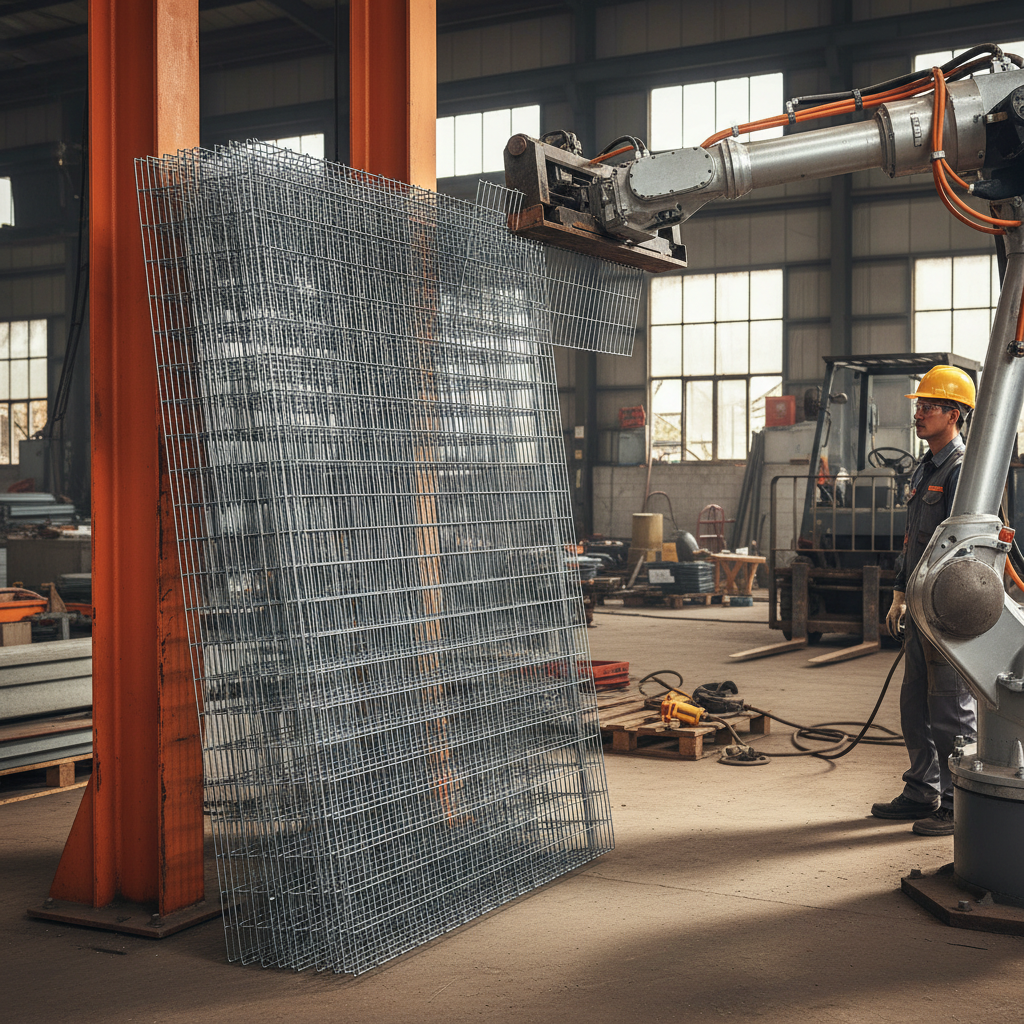 Comprehensive Guide to Durable 6 ft Welded Wire Fencing Panels and ApplicationsWhen selecting fencing for your property, 6 ft welded wire fencing panels offer a robust and versatile solution. These panels combine strength, security, and ease of installation, making them a popular choice for both residential and commercial applications. This article delves into the benefits, applications, installation, and maintenance of these panels, helping you make an informed decision.Read more >
Mar 31 2026