


Expanded Steel Mesh: Durable and Versatile Industrial Solution
Expanded Steel Mesh: A Veteran’s Take on Its Value and Versatility
Having spent well over a decade knee-deep in the industrial equipment sector, I’ve come across a ton of materials—some flashy, some plain, yet expanded steel mesh remains one of those quietly indispensable solutions that’s hard to beat. It’s oddly satisfying how something seemingly simple—a sheet of steel cut and stretched—ends up being such a backbone in industrial applications.
If you haven’t worked directly with expanded steel mesh, you might picture just a flat grid of metal, but in reality, it’s engineered to be much more versatile and sturdy. The pattern of diamond-shaped holes isn’t just eye candy—it makes for excellent weight-to-strength ratio, lends a natural grip surface, and allows for airflow or drainage without compromising integrity. Frankly, in my experience, few materials balance these traits so pragmatically.
In real terms, expanded steel mesh is usually made from carbon steel, sometimes galvanized or even stainless steel when corrosion resistance is critical. You’ll often see it used as walkways in factories, protective guards, ventilation covers, or fencing. One thing many engineers underline is its excellent load-bearing capacity without excessive weight, which frankly is a game-changer for large-scale industrial setups.
Customization options here are quite broad. Mesh size, thickness, and strand width can be tweaked depending on exact project requirements—which is important because the difference between a 3.0mm strand versus a 4.5mm one can mean the difference between decades of reliable use and frequent replacement. Honestly, I’ve lost count of how many clients first underestimated this detail, only to return asking for “heavier-duty” versions.
| Specification | Typical Range / Value | Notes |
|---|---|---|
| Material | Carbon Steel, Galvanized Steel, Stainless Steel | Depends on corrosion resistance & budget |
| Strand Thickness | 2.5 mm – 5 mm | Affects load capacity and durability |
| Aperture Size | 10 mm – 50 mm (approx.) | Controls visibility, ventilation, and weight |
| Sheet Dimensions | Typically 1m x 2m or custom | Custom sizes often requested |
| Finish | Raw, Hot-Dip Galvanized, Powder Coated | Influences lifespan and aesthetics |
From personal projects to large-scale industrial orders, another critical consideration is the supplier. I’ve seen cases where poorly crafted expanded steel mesh warped during installation or didn’t meet load requirements. So, who to trust? Here’s a quick vendor rundown based on my observations and user feedback over the years:
| Vendor | Material Quality | Customization Options | Lead Time | Price Range |
|---|---|---|---|---|
| CHCH Fence | High – carbon & galvanized steel | Broad – mesh sizes, finishes & thickness | 2-3 weeks typical | Mid to Premium |
| Generic Industrial Supplier | Medium – basic carbon steel | Limited | 1-2 weeks | Budget |
| Specialty Mesh Co. | Very High – stainless steel & custom alloys | Extensive | 4-6 weeks | Premium |
One anecdote that sticks with me about expanded steel mesh involves a major refurbishment of an industrial food processing plant where safety and hygiene standards were critical. The project specified galvanized expanded steel mesh walkways with a particular diamond pattern to maximize slip resistance. At the start, there was some skepticism about whether mesh walkways could stand up to the rigor of daily high-pressure washdowns. Spoiler alert: they lasted well beyond original expectations. That experience really cemented how the right specs combined with quality materials can solve complex operational challenges.
Oddly enough, despite being such an old and trusted material, expanded steel mesh is still adapting to new needs—think powder coatings with antimicrobial properties or combining it with composites for lighter weight. It’s a reminder that even materials with decades of history can quietly evolve and stay relevant. I suppose that’s a comforting thought if you’re working in industrial sectors where innovation often feels overwhelming.
To wrap up—if you’re on the lookout for a robust, adaptable, and cost-effective material for protective barriers, walkways, or enclosures, expanded steel mesh should be near the top of your list. It’s practical but not boring, and frankly, after years in the trenches, I trust it more than lots of flashier alternatives.
In short: reliable design, quality specs, and the right supplier make all the difference.
References:
1. “Expanded Metal Mesh – Basics & Applications,” Industrial Supply Journal, 2022.
2. Supplier quality reports: CHCH Fence & Specialty Mesh Co., 2023.
3. Field notes from industrial walkways refurbishment project, 2021.
Latest News About CHENG CHUANG
-
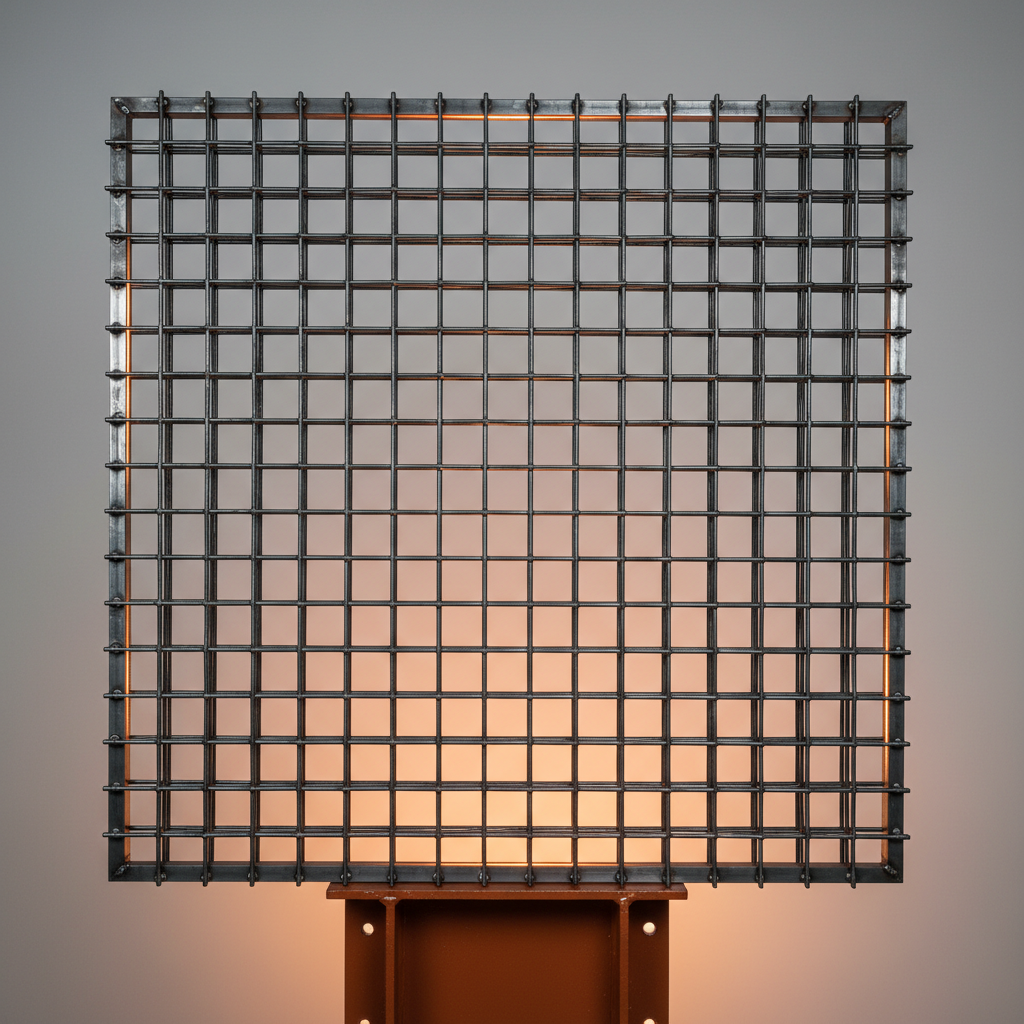 Heavy Duty 6 gauge welded wire mesh for Security and StrengthWhen it comes to heavy-duty containment, security, and structural reinforcement, choosing the right material is critical. The 6 gauge welded wire mesh stands as a premier choice for those requiring a balance of extreme rigidity and precise spacing. Whether you are securing a commercial perimeter, building industrial livestock panels, or creating reinforced concrete structures, this specific thickness provides the structural integrity needed to withstand significant pressure and impact. In this comprehensive guide, we will explore the technical specifications, primary applications, and why this mesh is the gold standard for high-security fencing solutions.Read more >
Apr 16 2026
-
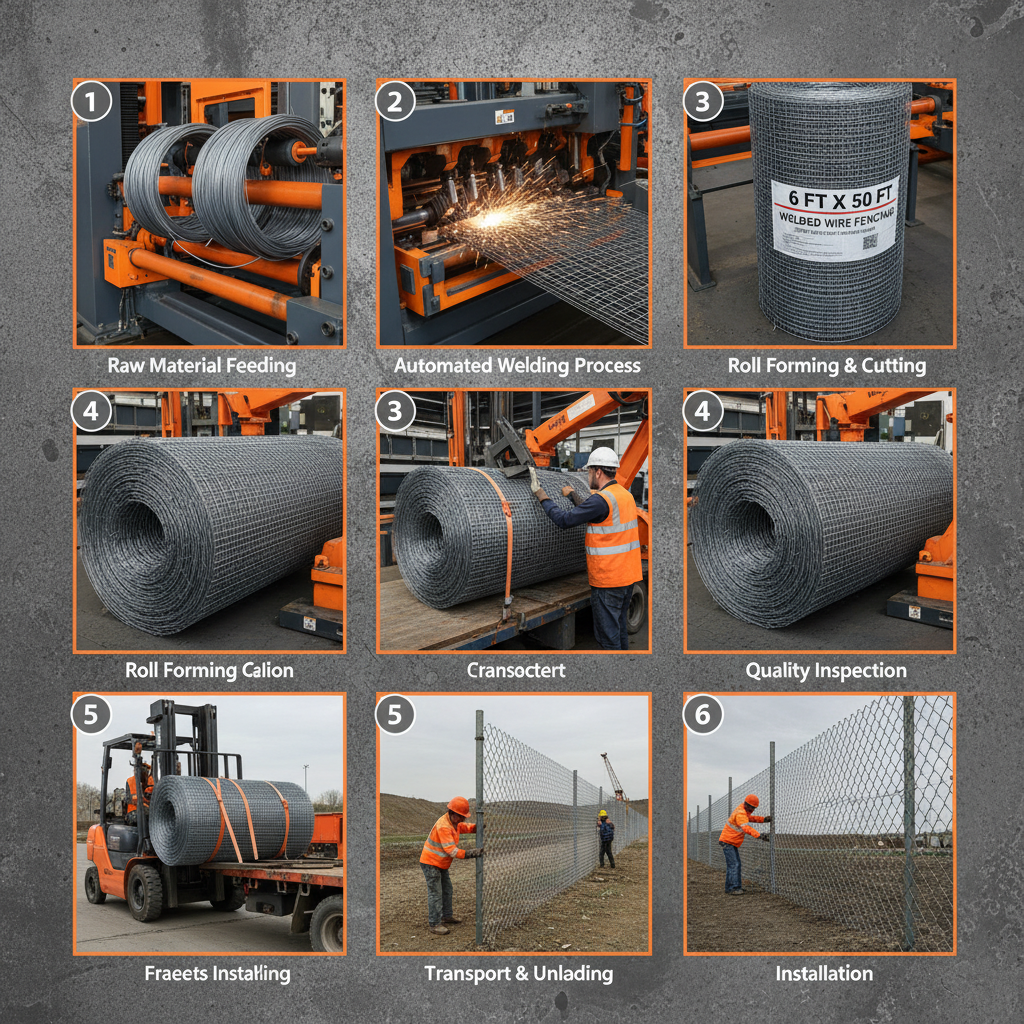 Durable 6 ft x 50 ft welded wire fencing for Security and GardensWhen it comes to securing a perimeter, whether for agricultural use, garden protection, or industrial boundaries, the dimensions and material of your fence matter. The 6 ft x 50 ft welded wire fencing offers an ideal balance of height and length, providing a robust barrier that is easy to install and maintain. Choosing a welded wire system ensures that the intersections are fused together, preventing the shifting and sagging often found in woven alternatives. In this guide, we will explore why this specific size is a preferred choice for property owners and how to maximize its effectiveness for your specific project.Read more >
Apr 09 2026
-
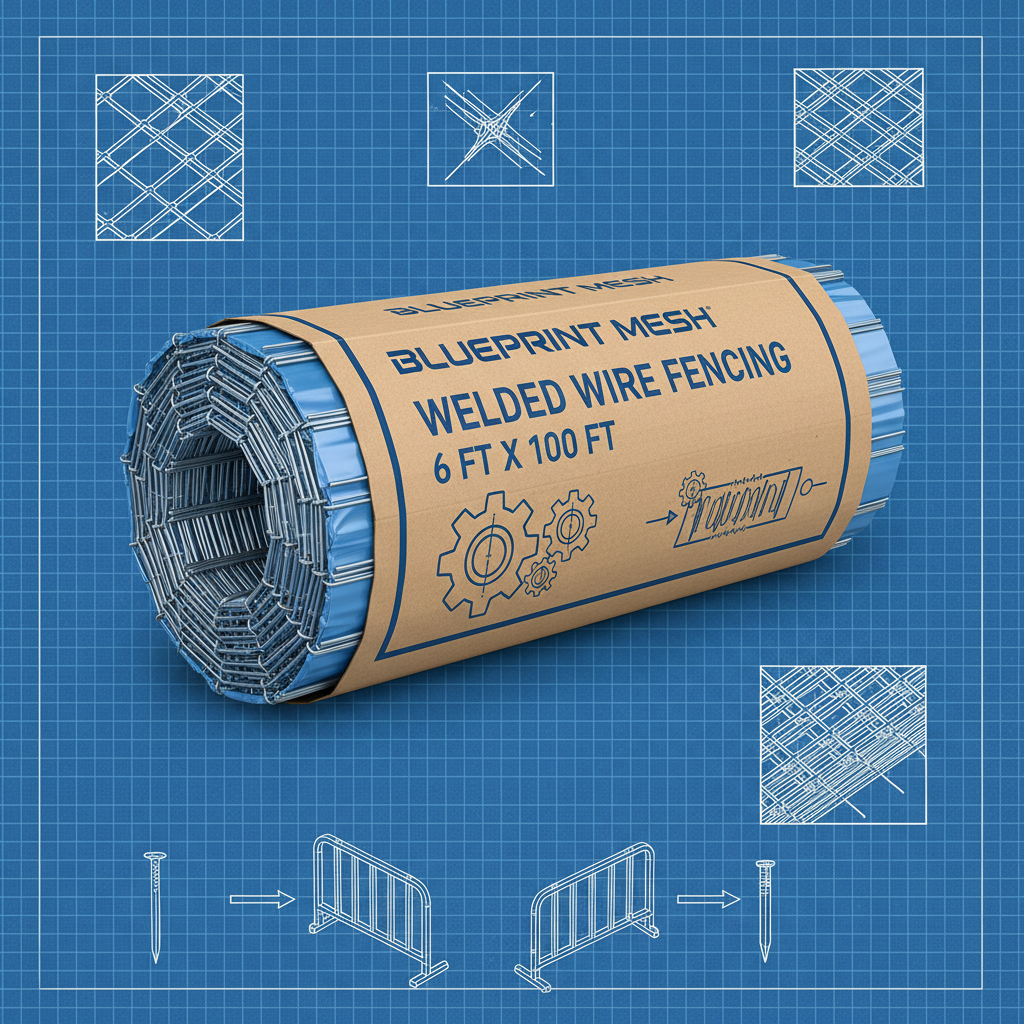 Comprehensive Guide to Choosing the Best 6 ft x 100 ft Welded Wire FencingWelded wire fencing is a versatile and cost-effective solution for a wide range of applications, from agricultural containment to residential security. Understanding the nuances of different types, especially when considering a size like 6 ft x 100 ft welded wire fencing, is crucial for making the right investment. This article will guide you through the essential factors to consider, helping you select the fencing that best suits your specific requirements.Read more >
Apr 07 2026
-
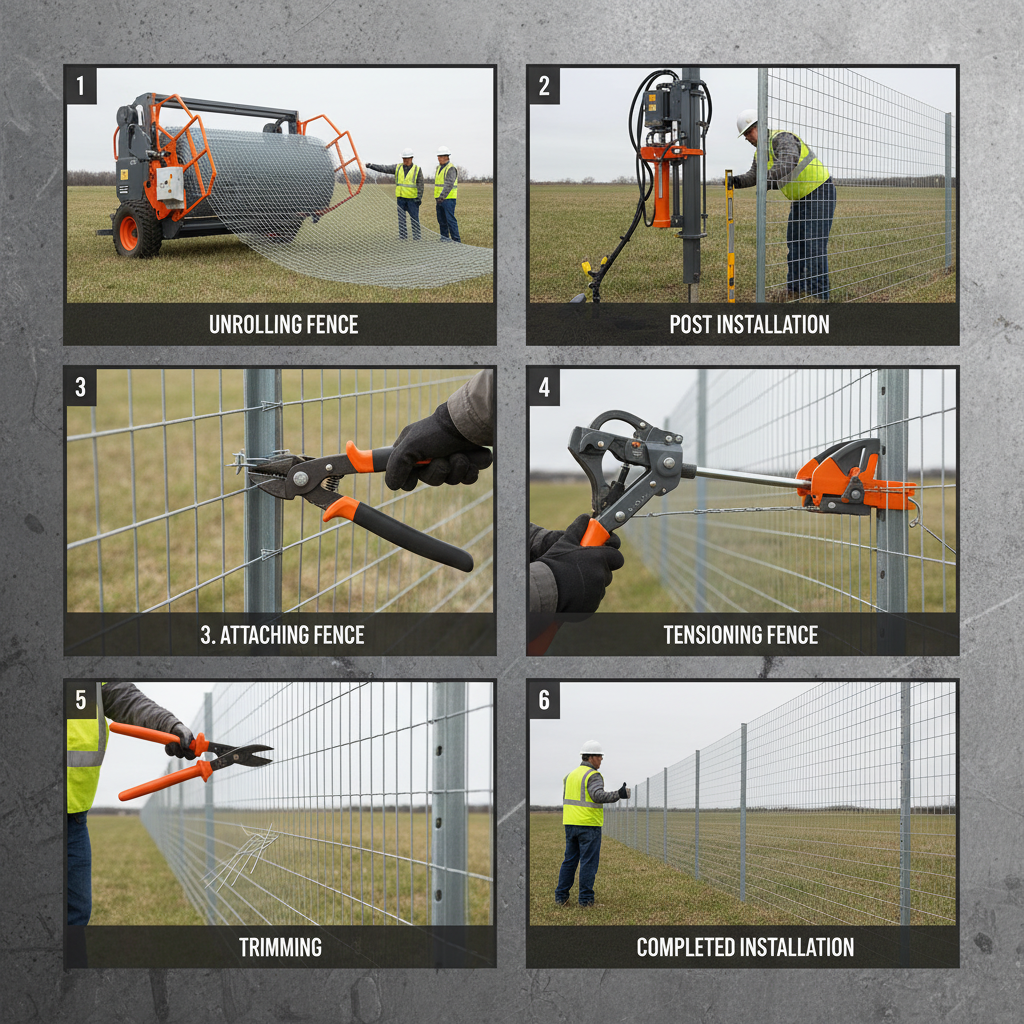 Comprehensive Guide to Choosing a 6 ft x 100 ft 12.5 Gauge Welded Wire FenceSelecting the appropriate fence for your property requires careful consideration. A 6 ft x 100 ft 12.5 gauge welded wire fence offers a robust and versatile solution for a variety of applications, from pet containment to garden protection and security. This guide will explore the benefits, applications, installation tips, and considerations when choosing this type of fencing. Understanding its construction and comparing it to other fencing options will help you make an informed decision.Read more >
Apr 04 2026
-
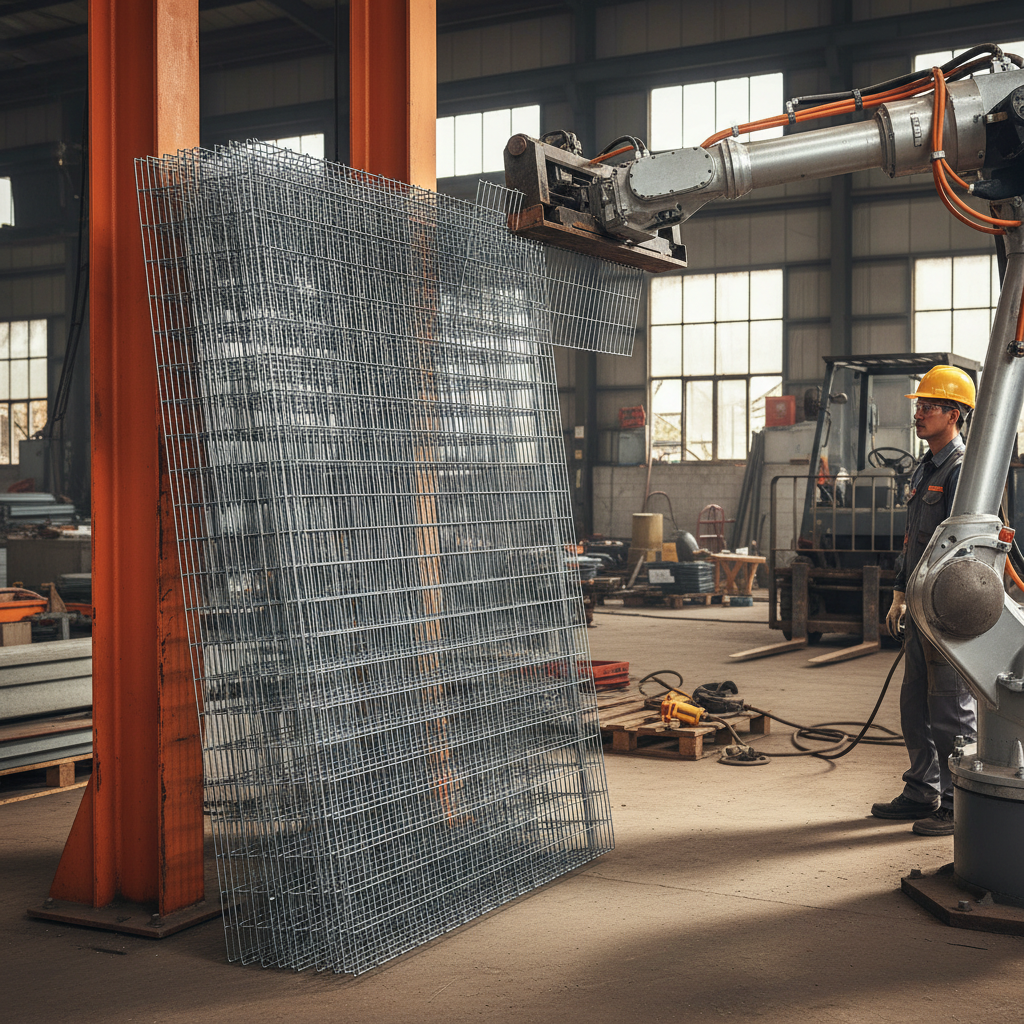 Comprehensive Guide to Durable 6 ft Welded Wire Fencing Panels and ApplicationsWhen selecting fencing for your property, 6 ft welded wire fencing panels offer a robust and versatile solution. These panels combine strength, security, and ease of installation, making them a popular choice for both residential and commercial applications. This article delves into the benefits, applications, installation, and maintenance of these panels, helping you make an informed decision.Read more >
Mar 31 2026