


Comprehensive Guide to 1 4 Expanded Metal Mesh: Industrial Uses & Benefits
Understanding 1 4 Expanded Metal Mesh: A Global Industrial Game-Changer
If you've ever wondered what makes certain construction materials both lightweight and remarkably strong, you're probably thinking along the lines of 1 4 expanded metal mesh. This particular material, a staple in industries spanning from civil engineering to security fencing, has quietly become essential worldwide. Oddly enough, despite its simplicity, the benefits it offers — versatility, strength, and cost efficiency — are nothing short of revolutionary. As global infrastructure grows more complex and environmental challenges mount, grasping the value of this mesh can inform smarter, more sustainable decisions.
Introduction: Why 1 4 Expanded Metal Mesh Matters Globally
The world doesn’t always notice the small things that keep structures safe and efficient — and expanded metal mesh is a perfect example. According to the International Organization for Standardization (ISO), safety and cost effectiveness in construction materials remain priorities across almost all countries1. With escalating urban populations and heightened concerns about supply chain resilience, industries are shifting towards materials that deliver durability without weight. That’s where the 1 4 expanded metal mesh shines; it cleverly reduces the use of raw metals while delivering high tensile strength, critical in sectors like construction, agriculture, and even humanitarian relief.
What Is 1 4 Expanded Metal Mesh?
To put it simply, 1 4 expanded metal mesh refers to metal sheets cut and stretched to form diamond-shaped openings measuring roughly a quarter of an inch across. This process doesn’t involve welding or weaving; rather, the metal is "expanded" — which is why it holds polygons with no joints, granting impressive strength and rigidity. Because of this design, it often finds a key role in safety grilles, walkway platforms, and protective barriers — all while remaining lightweight and allowing airflow.
It’s a bit like giving metal a second life: the mesh’s configuration optimizes material efficiency and strength, much appreciated in fields requiring resilient but breathable or transparent barriers. This utility touches everything from factory flooring to prison fencing, and even to temporary shelters in disaster zones.
Key Factors Behind Its Popularity
Durability
The metal used for 1 4 expanded mesh is typically steel or aluminum — both known for corrosion resistance when coated properly. This means it sustains heavy wear, weathering, and impacts, ideal for both indoor and outdoor demands.
Cost Efficiency
Because expanding the metal creates openings without welding or additional materials, manufacturers save on metal consumption and labor. For clients, this translates to lower upfront costs and reduced maintenance.
Versatility
The mesh’s design accommodates different finishes and thicknesses, making it usable as fencing, filtering, decorative panels, or reinforcement. For instance, in the automotive industry, it’s often used to protect engine compartments while allowing airflow.
Safety & Security
Those diamond-shaped gaps are small enough to deter intrusion but large enough for visibility and ventilation — a balance critical in security panels or crowd control barriers.
Specifications of a Typical 1 4 Expanded Metal Mesh
| Attribute | Typical Value |
|---|---|
| Mesh Size (openings) | 1/4 inch diamond shape |
| Material | Galvanized steel / Aluminum |
| Thickness | 1.2 - 3.5 mm |
| Finish | Powder coat, galvanized, or plain |
| Weight | Approx. 2.5 kg/m² |
| Typical Use-Cases | Fencing, walkways, grills, filtration |
Global Applications & Real-World Use Cases
As practical as it sounds, 1 4 expanded metal mesh plays a role globally, from Atlanta to Ahmedabad. In Southeast Asia’s flood-prone regions, NGOs use this mesh to craft resilient, ventilated temporary shelters that withstand humidity while allowing airflow. Meanwhile, in Europe, construction firms depend on the mesh for scaffolding platforms that comply with strict safety regulations without excessive weight penalties.
In manufacturing hubs like Germany and Japan, its use in machine guards minimizes accidents without costly solid panels that obscure visibility. Oddly enough, even the aerospace sector incorporates expanded mesh in some cargo holds for ventilation and security.
You can also spot it in decorative architecture — think facades or garden fencing where light, strength, and aesthetic overlap.
Vendor Comparison of Popular 1 4 Expanded Metal Mesh Suppliers
| Supplier | Material Options | Customization | Lead Time | Price Range |
|---|---|---|---|---|
| SteelFlex Mesh Co. | Steel, Aluminum | Thickness, finish | 2-3 weeks | $$$ |
| Global Mesh Supplies | Galvanized Steel only | Limited | 1-2 weeks | $$ |
| EcoMesh Plus | Aluminum, recycled metals | Colors, thickness | 3-4 weeks | $$$ |
Advantages and Long-Term Value
- Cost Savings: Uses less raw material while maintaining structural integrity.
- Sustainability: Often made from recyclable metals and promotes lightweight construction.
- Social Impact: Strengthens shelter and infrastructure in vulnerable regions.
- Reliability: Proven over decades in diverse environments, trusted by engineers.
In real terms, the peace of mind that comes with choosing 1 4 expanded metal mesh is huge. It's not just about saving a buck; it's about building trust with clients, ensuring safety for workers, and leaving a smaller environmental footprint.
Looking Ahead: Trends & Innovations
Frankly, the future of expanded metal meshes is tied tightly to smart manufacturing advances and eco-conscious materials. New coatings that reduce rust without harsh chemicals are in trial phases, plus automation now lets producers tailor meshes more precisely for demanding specs. There's growing interest in combining expanded mesh with solar modules for light-permeable energy walls, a pretty neat green-tech frontier.
Challenges & Solutions
No product is perfect, and some challenges like installation complexity or susceptibility to corrosion remain. Yet innovation helps. For example, hybrid coatings and modular panel designs have simplified maintenance. Some firms collaborate with local experts to optimize installation in harsh climates, ensuring mesh longevity.
FAQ: Practical Questions About 1 4 Expanded Metal Mesh
- Q: How does 1 4 expanded metal mesh compare to welded wire mesh?
- A: Expanded metal mesh is formed by cutting and stretching metal sheets, which creates a continuous single piece without welds, making it stronger and less prone to breakage under stress than welded wire mesh, which relies on joints.
- Q: Is 1 4 expanded metal mesh suitable for outdoor fencing?
- A: Absolutely. When galvanized or powder-coated, it offers excellent resistance to weathering and corrosion, making it ideal for fences and barriers exposed to elements.
- Q: Can this mesh be customized to fit different project requirements?
- Yes, vendors often allow customization in thickness, material type, and finish. This flexibility makes it suitable for everything from industrial walkways to decorative panels.
- Q: How does the mesh aid in ventilation?
- The diamond pattern allows airflow while maintaining security and strength, so it's commonly used in machinery guards or filtration setups.
- Q: Are there eco-friendly options for sourcing 1 4 expanded metal mesh?
- Some suppliers offer mesh made from recycled aluminum or steel, combined with green coatings to reduce environmental impact, aligning with sustainability goals.
In Closing: Why 1 4 Expanded Metal Mesh Is a Smart Choice
Across industries and borders, the humble yet powerful 1 4 expanded metal mesh continues to prove itself as a versatile, cost-effective material. It’s a blend of engineering savvy and practical design that meets today’s challenges while considering tomorrow’s needs. If you want to explore more or source quality expanded meshes, visit our website — we’re happy to share insights and solutions.
Mini takeaway: Knowing the strengths of 1 4 expanded metal mesh empowers better structural and economic decisions, especially in a world focused on sustainability and resilience.
References
Latest News About CHENG CHUANG
-
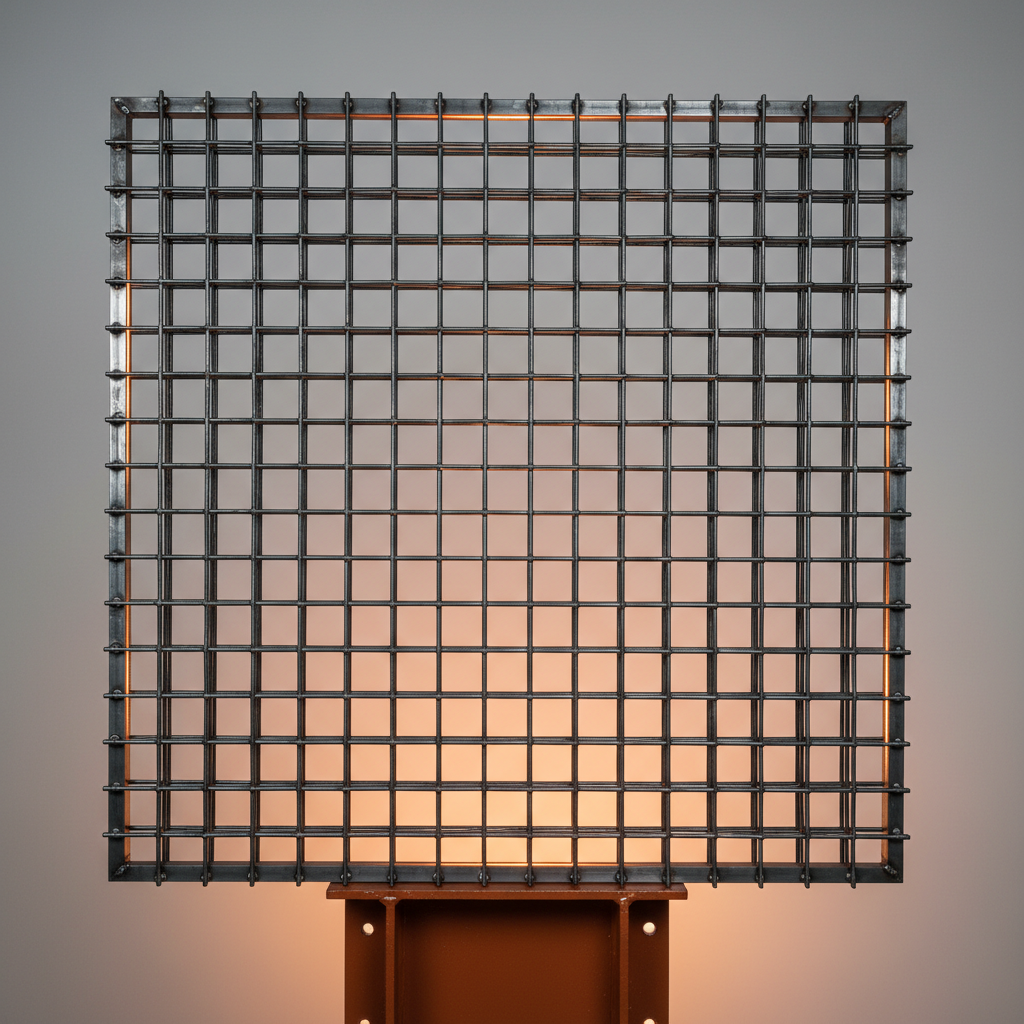 Heavy Duty 6 gauge welded wire mesh for Security and StrengthWhen it comes to heavy-duty containment, security, and structural reinforcement, choosing the right material is critical. The 6 gauge welded wire mesh stands as a premier choice for those requiring a balance of extreme rigidity and precise spacing. Whether you are securing a commercial perimeter, building industrial livestock panels, or creating reinforced concrete structures, this specific thickness provides the structural integrity needed to withstand significant pressure and impact. In this comprehensive guide, we will explore the technical specifications, primary applications, and why this mesh is the gold standard for high-security fencing solutions.Read more >
Apr 16 2026
-
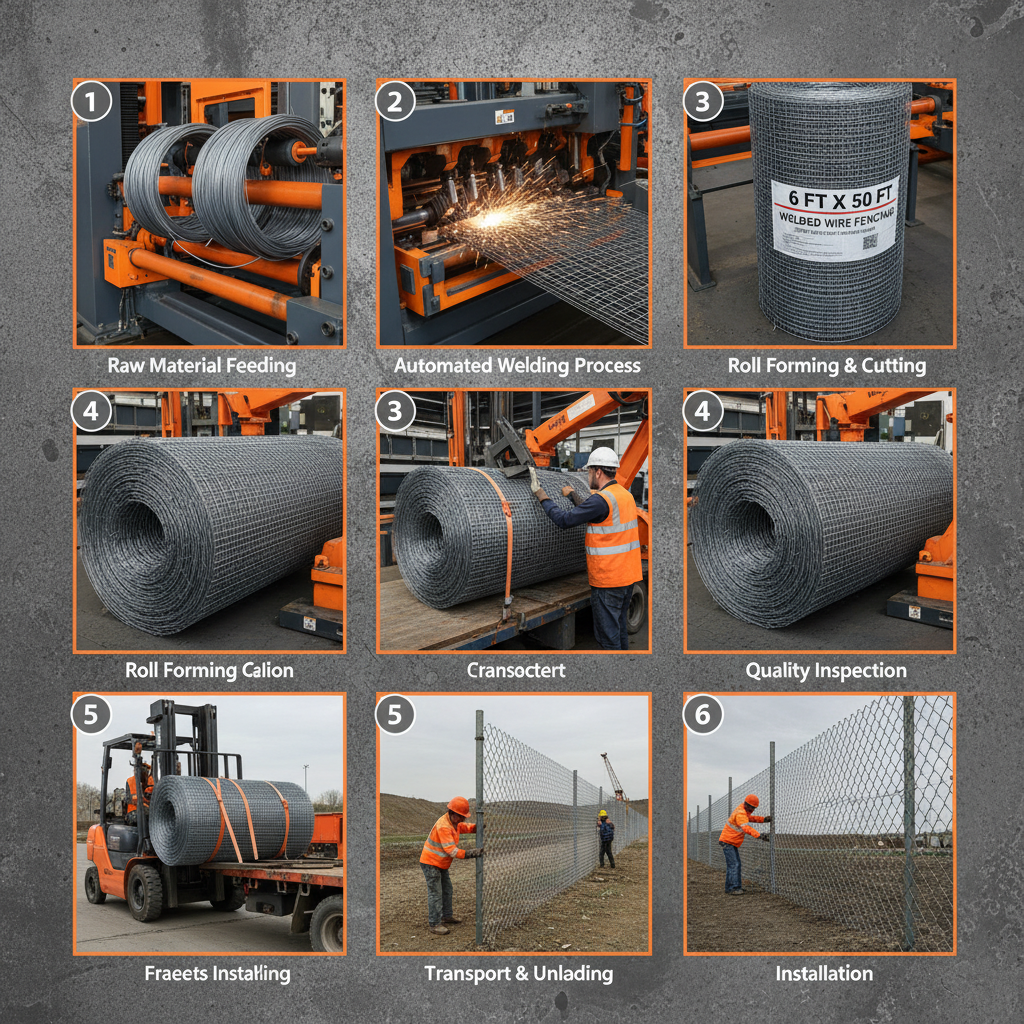 Durable 6 ft x 50 ft welded wire fencing for Security and GardensWhen it comes to securing a perimeter, whether for agricultural use, garden protection, or industrial boundaries, the dimensions and material of your fence matter. The 6 ft x 50 ft welded wire fencing offers an ideal balance of height and length, providing a robust barrier that is easy to install and maintain. Choosing a welded wire system ensures that the intersections are fused together, preventing the shifting and sagging often found in woven alternatives. In this guide, we will explore why this specific size is a preferred choice for property owners and how to maximize its effectiveness for your specific project.Read more >
Apr 09 2026
-
 Comprehensive Guide to Choosing the Best 6 ft x 100 ft Welded Wire FencingWelded wire fencing is a versatile and cost-effective solution for a wide range of applications, from agricultural containment to residential security. Understanding the nuances of different types, especially when considering a size like 6 ft x 100 ft welded wire fencing, is crucial for making the right investment. This article will guide you through the essential factors to consider, helping you select the fencing that best suits your specific requirements.Read more >
Apr 07 2026
-
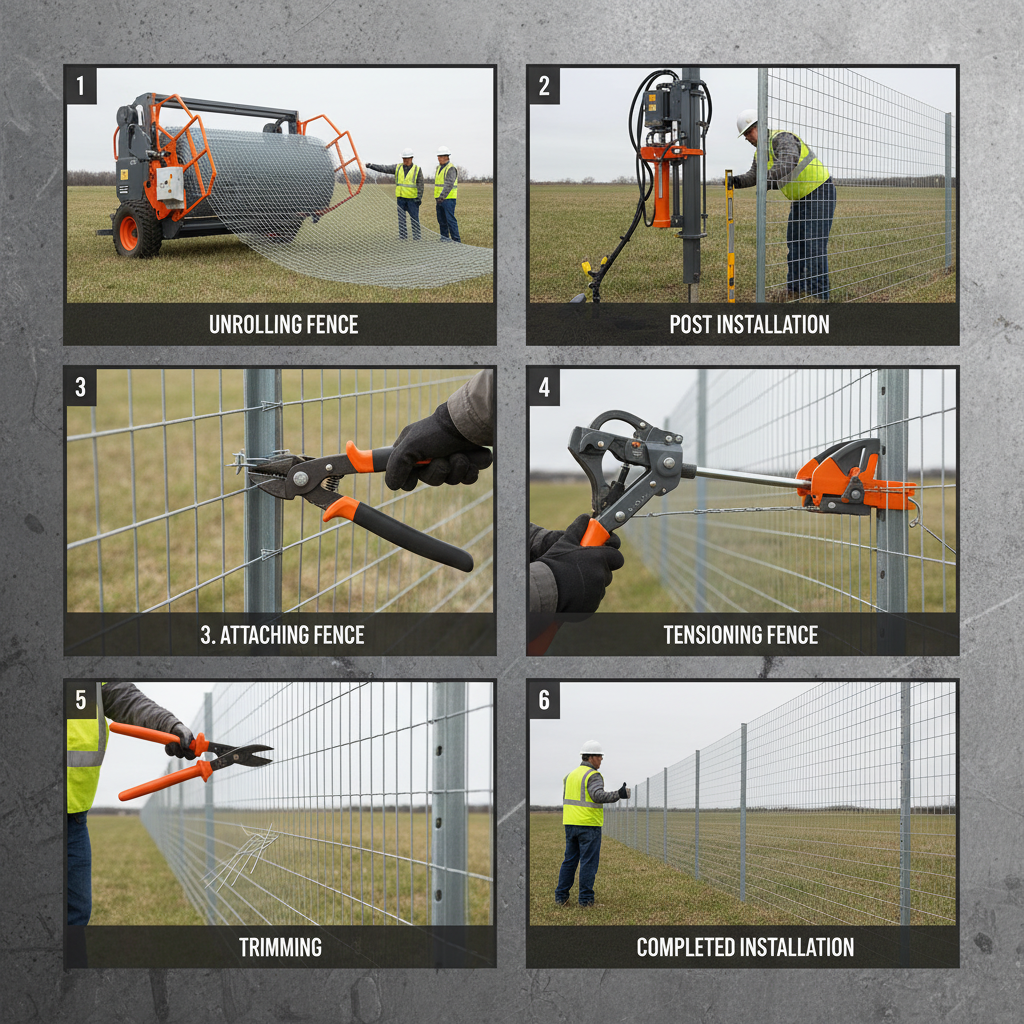 Comprehensive Guide to Choosing a 6 ft x 100 ft 12.5 Gauge Welded Wire FenceSelecting the appropriate fence for your property requires careful consideration. A 6 ft x 100 ft 12.5 gauge welded wire fence offers a robust and versatile solution for a variety of applications, from pet containment to garden protection and security. This guide will explore the benefits, applications, installation tips, and considerations when choosing this type of fencing. Understanding its construction and comparing it to other fencing options will help you make an informed decision.Read more >
Apr 04 2026
-
 Comprehensive Guide to Durable 6 ft Welded Wire Fencing Panels and ApplicationsWhen selecting fencing for your property, 6 ft welded wire fencing panels offer a robust and versatile solution. These panels combine strength, security, and ease of installation, making them a popular choice for both residential and commercial applications. This article delves into the benefits, applications, installation, and maintenance of these panels, helping you make an informed decision.Read more >
Mar 31 2026