


Expanded Metal Lath Sheet: Durable Solutions for Industrial Projects
Expanded Metal Lath Sheet: What You Need to Know
Having spent a fair share of years in the industrial equipment sector, I've come across countless materials – some perennial favorites, others more niche. Expanded metal lath sheet falls somewhere in between, though lately, it’s been popping up in more specs and projects I’ve reviewed. If you’re in construction or industrial applications, this versatile sheet might be exactly what you need, even if at first glance, it looks like nothing more than a metal webbing.
Oddly enough, the name “expanded metal lath” doesn’t tell you everything. It’s not a sheet that’s woven or perforated. Instead, the metal is slit and stretched – literally expanded – into a diamond-shaped mesh. This unique manufacturing technique not only makes the sheet lightweight but also remarkably strong for its weight. As a result, it’s highly favored as a base for plaster, stucco, or as reinforcement in concrete applications. In fact, many engineers I’ve chatted with over time emphasize how the mechanical bond between plaster and metal lath greatly outperforms plain wire mesh supports.
You might wonder if this is just another industrial fad, but in real terms, expanded metal lath has been a staple for decades. Its open pattern lets adhesives or concrete keys firmly grip, reducing cracking risks. Plus, it doesn’t trap moisture like some tightly woven meshes. This means better longevity for walls or ceilings, especially in environments prone to humidity.
From my experience, a significant advantage is its adaptability. Expanded metal lath sheets come in a variety of metals – galvanized steel being the most common because it resists corrosion without breaking the bank. Stainless steel or aluminum versions exist for more specialized, corrosive-prone environments. Thicknesses, strand widths, and mesh sizes vary, so you truly can pick the best match. And yes, there are custom sizes if you need something out-of-the-ordinary. For one job years back, we had to retrofit a historic building’s façade, and the ability to order non-standard mesh sizes saved us a ton of headaches (and time!).
Of course, quality varies by vendor. It pays to check specifics like tensile strength, weight per square foot, and galvanization method — because these details affect durability and installation ease. I’ll share a quick spec table below to give you a snapshot of common expanded metal lath characteristics.
| Specification | Typical Range | Notes |
|---|---|---|
| Material | Galvanized Steel, Stainless Steel, Aluminum | Galvanized most common |
| Thickness | 0.015" – 0.06" (approx.) | Varies by application |
| Mesh Size | 1" – 4" diamond openings | Affects plaster keying |
| Weight | 1.25 – 3.5 lbs/ft² | Depends on thickness & metal type |
| Coating | Hot-dip galvanizing, Electro-galvanizing | Hot-dip offers better corrosion resistance |
I’ve learned that choosing the right supplier is as important as choosing the product specs themselves. Some vendors focus on cost-efficiency but skimp on consistent galvanizing thickness — which can be a real pain in coastal or humid environments. Others offer strong warranties and better customer support but at a price premium.
| Vendor | Galvanizing Method | Lead Time | Price Range | Warranty |
|---|---|---|---|---|
| CHC Fence | Hot-dip galvanizing | 1-2 weeks | Mid-range | 5 years |
| Vendor B | Electro-galvanizing | 2-3 weeks | Lower-end | 2 years |
| Vendor C | Hot-dip galvanizing | 3-4 weeks | High-end | 10 years |
To be honest, I tend to lean towards suppliers like CHC Fence because their balance of quality and price is quite reliable. Plus, from firsthand experience, their consistency in material gauge and galvanizing made installation smoother and reduced callbacks. Frankly, that peace of mind is hard to put a price on in the industrial world.
One small anecdote: years ago, we were working on a retrofit project in a coastal city. Using an inferior expanded metal lath led to visible rust stains within 18 months, costing time and money to replace. Ever since, I've put galvanization quality at the top of my checklist.
Looking ahead, expanded metal lath sheets may also see innovations — like integrating lightweight composite layers or enhanced corrosion-resistant coatings. But for now, the classic galvanized steel expanded metal remains a trusted workhorse.
When selecting expanded metal lath sheet for your projects, keep in mind the environment, load requirements, and supplier reputation. It’s a straightforward product, but these details make all the difference between a subpar job and a durable, long-lasting installation.
In the end, it feels like a good expanded metal lath sheet isn’t just a product – it’s a foundation you’re trusting for years ahead.
- Tom S., Industrial Equipment Specialist
References:
- ASTM Standards on Expanded Metal Lath - ASTM International
- American Galvanizers Association - Hot-Dip Galvanizing Benefits
- “Structural Applications of Expanded Metal Mesh” - Journal of Construction Materials, 2019
Latest News About CHENG CHUANG
-
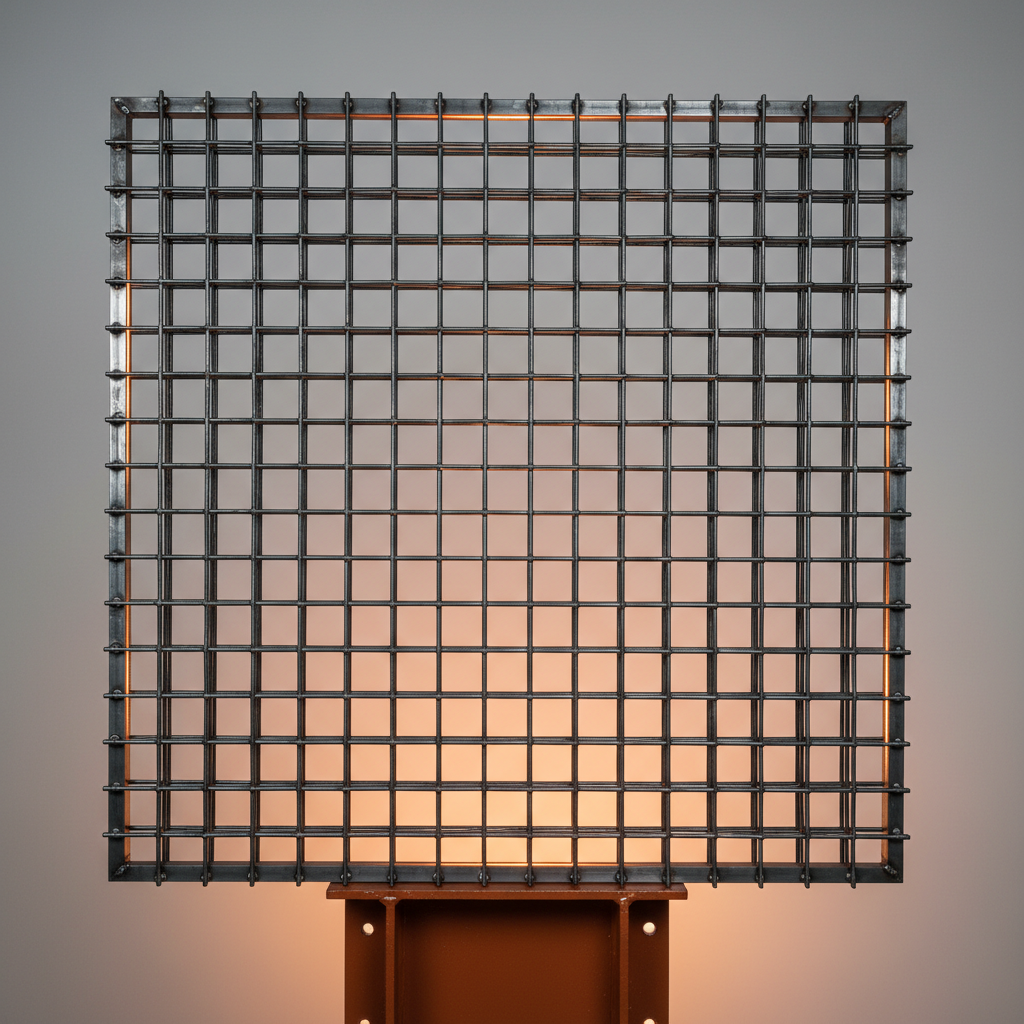 Heavy Duty 6 gauge welded wire mesh for Security and StrengthWhen it comes to heavy-duty containment, security, and structural reinforcement, choosing the right material is critical. The 6 gauge welded wire mesh stands as a premier choice for those requiring a balance of extreme rigidity and precise spacing. Whether you are securing a commercial perimeter, building industrial livestock panels, or creating reinforced concrete structures, this specific thickness provides the structural integrity needed to withstand significant pressure and impact. In this comprehensive guide, we will explore the technical specifications, primary applications, and why this mesh is the gold standard for high-security fencing solutions.Read more >
Apr 16 2026
-
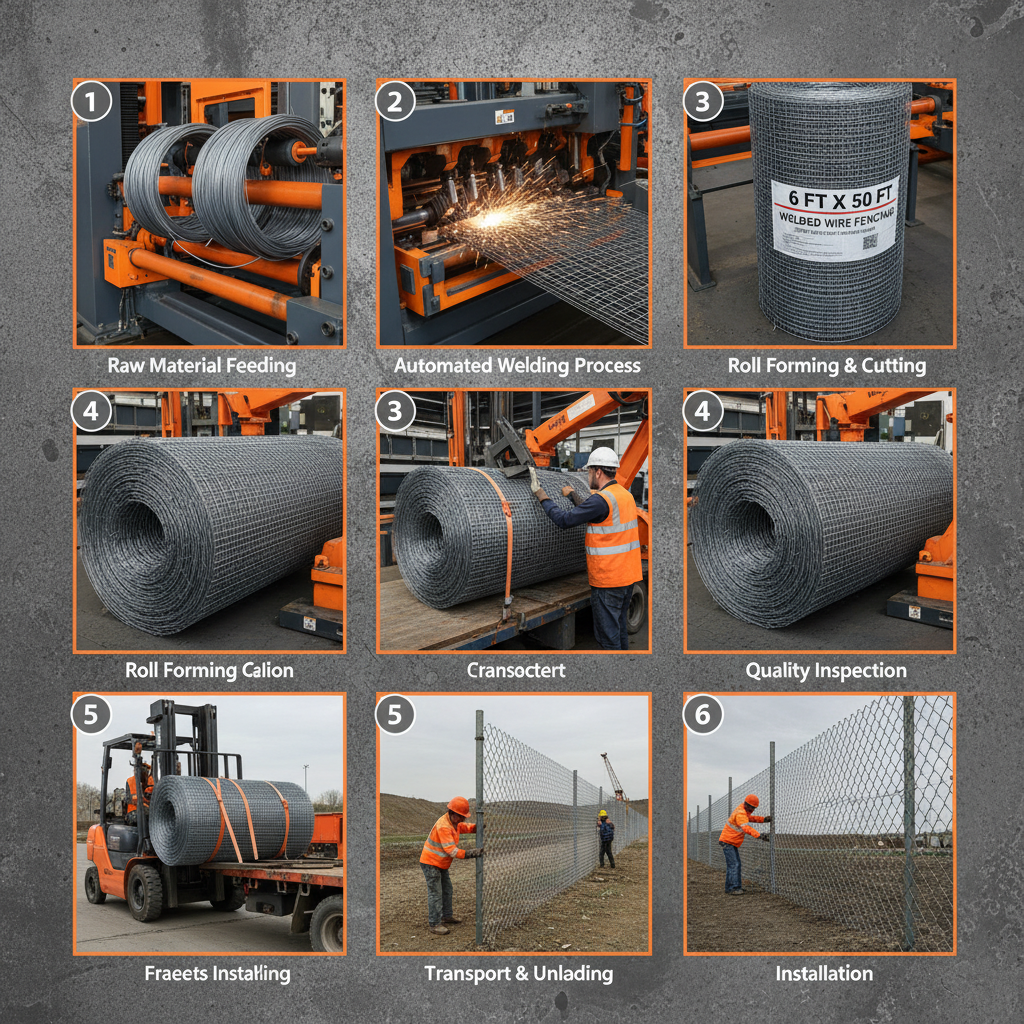 Durable 6 ft x 50 ft welded wire fencing for Security and GardensWhen it comes to securing a perimeter, whether for agricultural use, garden protection, or industrial boundaries, the dimensions and material of your fence matter. The 6 ft x 50 ft welded wire fencing offers an ideal balance of height and length, providing a robust barrier that is easy to install and maintain. Choosing a welded wire system ensures that the intersections are fused together, preventing the shifting and sagging often found in woven alternatives. In this guide, we will explore why this specific size is a preferred choice for property owners and how to maximize its effectiveness for your specific project.Read more >
Apr 09 2026
-
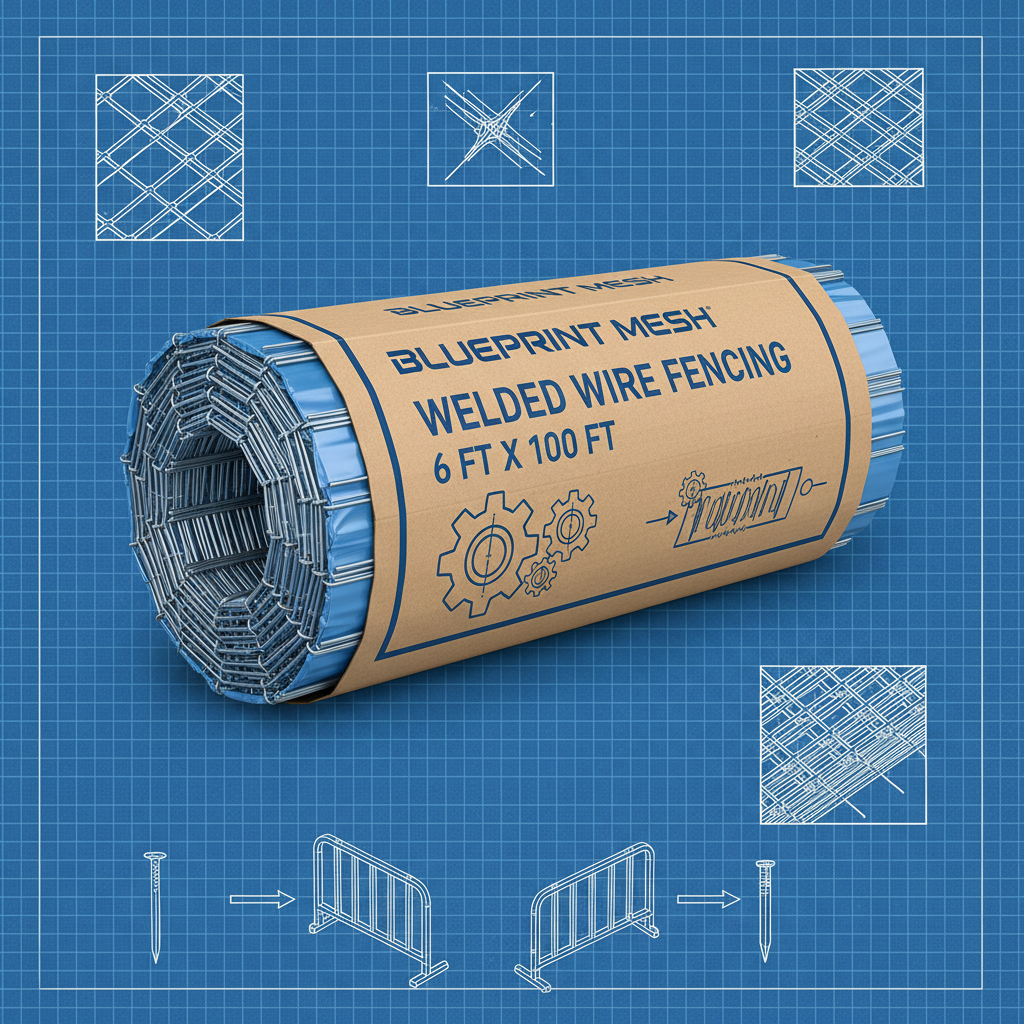 Comprehensive Guide to Choosing the Best 6 ft x 100 ft Welded Wire FencingWelded wire fencing is a versatile and cost-effective solution for a wide range of applications, from agricultural containment to residential security. Understanding the nuances of different types, especially when considering a size like 6 ft x 100 ft welded wire fencing, is crucial for making the right investment. This article will guide you through the essential factors to consider, helping you select the fencing that best suits your specific requirements.Read more >
Apr 07 2026
-
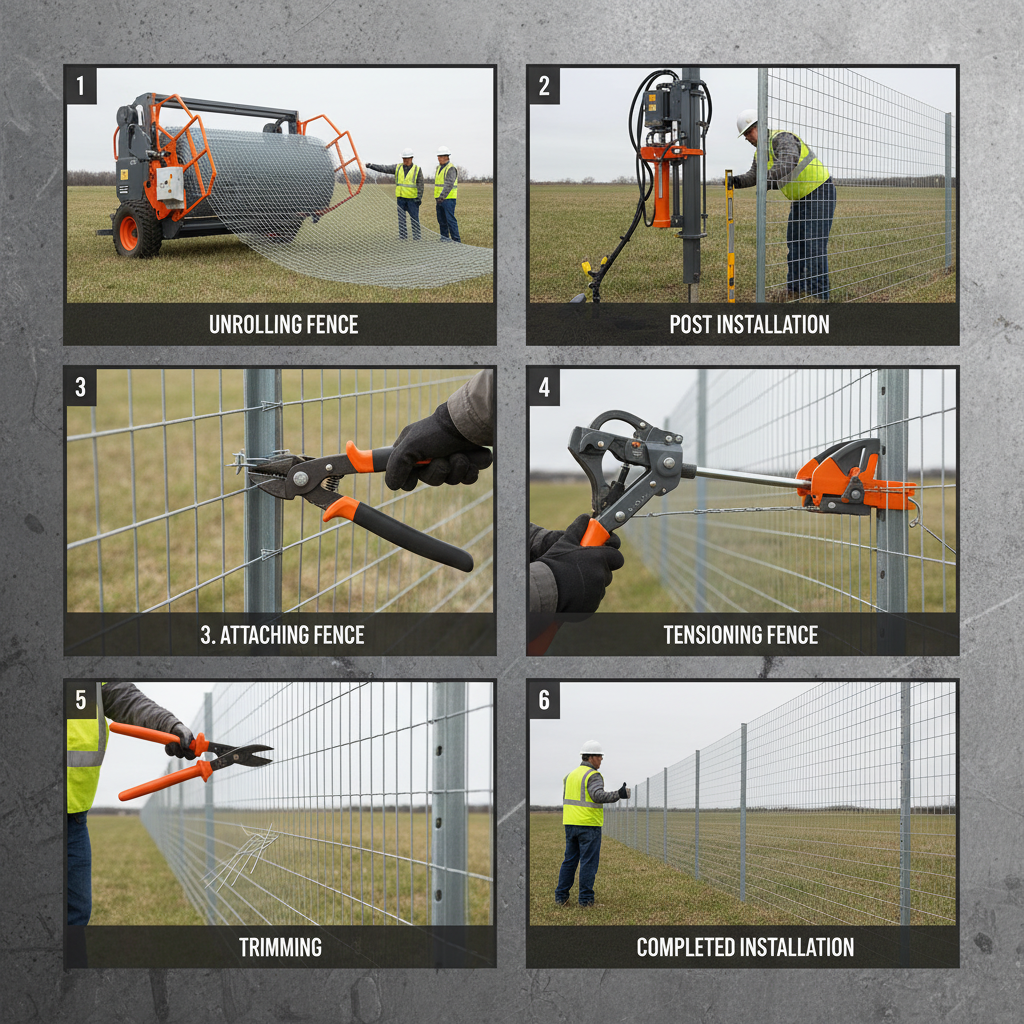 Comprehensive Guide to Choosing a 6 ft x 100 ft 12.5 Gauge Welded Wire FenceSelecting the appropriate fence for your property requires careful consideration. A 6 ft x 100 ft 12.5 gauge welded wire fence offers a robust and versatile solution for a variety of applications, from pet containment to garden protection and security. This guide will explore the benefits, applications, installation tips, and considerations when choosing this type of fencing. Understanding its construction and comparing it to other fencing options will help you make an informed decision.Read more >
Apr 04 2026
-
 Comprehensive Guide to Durable 6 ft Welded Wire Fencing Panels and ApplicationsWhen selecting fencing for your property, 6 ft welded wire fencing panels offer a robust and versatile solution. These panels combine strength, security, and ease of installation, making them a popular choice for both residential and commercial applications. This article delves into the benefits, applications, installation, and maintenance of these panels, helping you make an informed decision.Read more >
Mar 31 2026