


Expanded Metal Diamond Mesh: Strength, Versatility & Global Applications
Everything You Need to Know About Expanded Metal Diamond Mesh
Expanded metal diamond mesh — sounds niche, right? But this seemingly simple material plays an outsized role in industries worldwide. From construction and security to humanitarian projects, understanding what expanded metal diamond mesh is and why it matters unlocks doors to smarter, safer, and more cost-effective solutions globally.
Why It Matters On a Global Scale
Globally, infrastructure development is rapidly growing alongside increasing safety and sustainability standards. According to the United Nations Industrial Development Organization, over 60% of the world’s urban population now lives in cities where security and durable materials are critical.1 Expanded metal diamond mesh addresses these challenges by offering high strength, airflow, and visibility all at once — ideal for fencing, ventilation, and even architecture. Yet, many people still overlook the versatility of this mesh pattern. Frankly, there’s a lot more to it than meets the eye.
What Is Expanded Metal Diamond Mesh?
At its core, expanded metal diamond mesh is a single sheet of metal that’s been simultaneously cut and stretched to form a pattern of diamond-shaped holes. Unlike traditional wire mesh where wires are woven or welded together, expanded metal is a continuous sheet that maintains tensile integrity. Think of it as metal transformed into a sturdy, open lattice — offering strength and airspace at the same time.
This texture provides more than aesthetics. Applications range from enhancing safety in industrial settings (allowing visibility yet deterring intruders) to reinforcing humanitarian aid structures where ventilation and lightweight durability are essential.
Key Factors That Make Expanded Metal Diamond Mesh a Go-To Material
Durability and Strength
Expanded metal’s manufacturing process inherently increases stiffness. This makes the diamond mesh variant a tough candidate for fencing, walkways, or reinforcement. The continuous material resists breaking under impact better than comparable wire meshes.
Cost Efficiency
Because the metal sheet is cut and stretched — rather than welded or woven — waste gets minimized. That translates into lower raw material costs and faster production, which benefits projects working under tight budgets or timelines.
Airflow & Visibility
The diamond openings are sized to balance protection with airflow. This is why it’s widely used in ventilation grilles, secure windows, or perimeter fencing where visibility is needed without sacrificing security.
Versatility
This mesh type comes in various metals — steel, aluminum, stainless steel — and thicknesses. So whether you’re building a sleek architectural facade or rugged industrial barrier, it adapts.
Scalability and Ease of Installation
Large sheets cover substantial areas quickly. Plus, the mesh can be cut on-site with standard tools, making it ideal for remote or rapid deployment situations.
Applications Around the World
Countries with expanding urban centers and strict safety codes—like those in Europe, North America, and parts of Asia—rely heavily on expanded metal diamond mesh. In industrial plants in Germany, you’ll find it guarding machinery. In Australian mining sites, it serves as walkways to protect workers. And in humanitarian projects in Africa and the Middle East, mesh panels act as foundations for temporary shelters that require airflow and light but also privacy and security.
For example, during post-disaster relief operations, NGOs have adopted lightweight expanded metal diamond mesh panels to rapidly build protective fencing and secure storage with minimal logistics overhead. Check out more on such use cases at expanded metal diamond mesh.
Advantages & Lasting Impact
- Cost-effective and sustainable: Less waste and longer lifespan mean projects save money and the environment.
- Safe and reliable: The tough mesh deters intruders without creating blind spots.
- Emotionally reassuring: Communities feel safer and more dignified when their spaces are both secure and breathable.
- Innovative applications: Designers and engineers use it to blend security with aesthetics creatively.
Innovations on the Horizon
The future is looking greener. Eco-friendly metal coatings and recycled steel versions are beginning to emerge, aligning with global sustainability goals registered by ISO standards.2 There’s also growing interest in integrating embedded sensors into meshes for smart infrastructure—imagine fences that report damage or stress. Automation in cutting and custom shaping means even faster turnaround for bespoke applications.
Challenges and How Experts Are Tackling Them
Like any material, expanded metal diamond mesh faces challenges such as corrosion in harsh environments or the occasional difficulty in achieving ultra-fine mesh sizes. However, treatment methods like galvanization and powder coating mitigate rust effectively. Also, hybrid designs pairing diamond mesh with other materials provide tailored solutions for delicate or extremely secure zones.
Product Specifications: Typical Expanded Metal Diamond Mesh
| Specification | Details |
|---|---|
| Material | Steel (Galvanized or Stainless), Aluminum |
| Sheet Thickness | 0.5 mm to 6 mm |
| Opening Size | 3 mm to 50 mm (diamond shape) |
| Sheet Size | Custom, up to 2.5 m wide |
| Finish | Galvanized, Powder Coated, Anodized (Aluminum) |
Vendor Comparison: Expanded Metal Diamond Mesh Options
| Vendor | Material Options | Lead Time | Customization | Pricing |
|---|---|---|---|---|
| ChCh Fence Co. | Steel (various grades), Aluminum | 1–2 weeks | High (Cut to Size, Coating) | Competitive |
| Global Mesh Ltd. | Stainless Steel, Galvanized Steel | 3–4 weeks | Medium (Limited Cuts) | Moderate |
| EcoMetal Suppliers | Recycled Aluminum, Galvanized Steel | 2–3 weeks | High | Premium |
FAQ: Your Expanded Metal Diamond Mesh Questions Answered
- Q: What makes expanded metal diamond mesh better than traditional wire mesh?
- A: Expanded metal diamond mesh is a solid sheet cut and stretched, offering higher strength and durability without weld points that can break. It’s cost-efficient, easier to install, and provides consistent airflow.
- Q: How long can expanded metal diamond mesh last in outdoor environments?
- A: With proper coating like galvanization or powder coating, it can last 20+ years outdoors, resisting corrosion and wear — making it ideal for fencing or ventilation in harsh climates.
- Q: Is expanded metal diamond mesh recyclable and eco-friendly?
- A: Most meshes are made of steel or aluminum, both highly recyclable metals. Using recycled metal sheets or eco-friendly coatings further reduces environmental impact.
- Q: Can this mesh be customized for specific industry needs?
- A: Absolutely. Thickness, opening size, metal type, and finishes can all be tailored. Many vendors offer custom cutting for fit and function, great for architectural or industrial projects.
Final Thoughts: Why Expanded Metal Diamond Mesh Deserves Attention
The long-term benefits of expanded metal diamond mesh stretch well beyond its initial appearance. It’s a material that embodies strength, flexibility, and sustainability — vital for modern infrastructure challenges. If your projects demand durability paired with ventilation and security, this mesh is undoubtedly worth considering.
Curious to explore options and get expert advice? Visit our website: https://www.chchfence.com
Oddly enough, it feels like expanded metal diamond mesh quietly supports much of the world’s safety and ventilation — a humble hero worth noticing.
References
Latest News About CHENG CHUANG
-
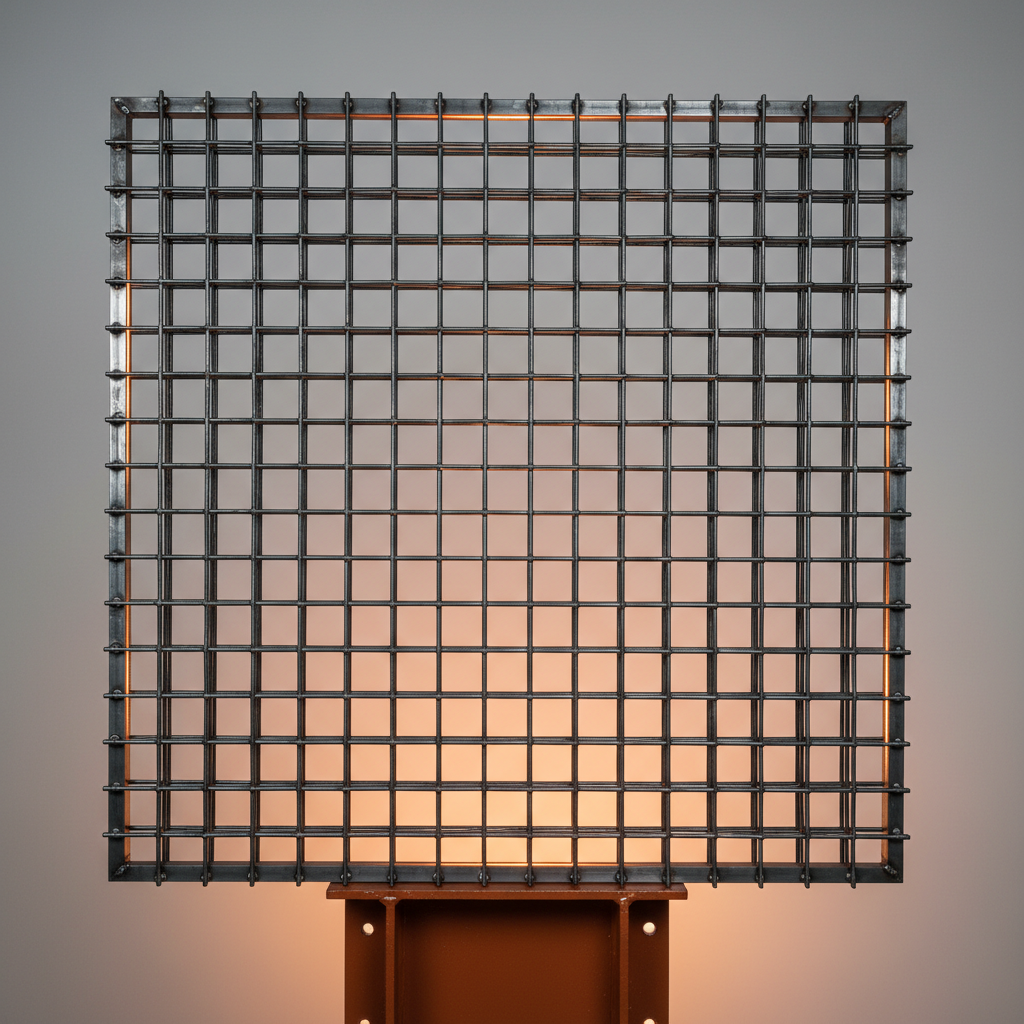 Heavy Duty 6 gauge welded wire mesh for Security and StrengthWhen it comes to heavy-duty containment, security, and structural reinforcement, choosing the right material is critical. The 6 gauge welded wire mesh stands as a premier choice for those requiring a balance of extreme rigidity and precise spacing. Whether you are securing a commercial perimeter, building industrial livestock panels, or creating reinforced concrete structures, this specific thickness provides the structural integrity needed to withstand significant pressure and impact. In this comprehensive guide, we will explore the technical specifications, primary applications, and why this mesh is the gold standard for high-security fencing solutions.Read more >
Apr 16 2026
-
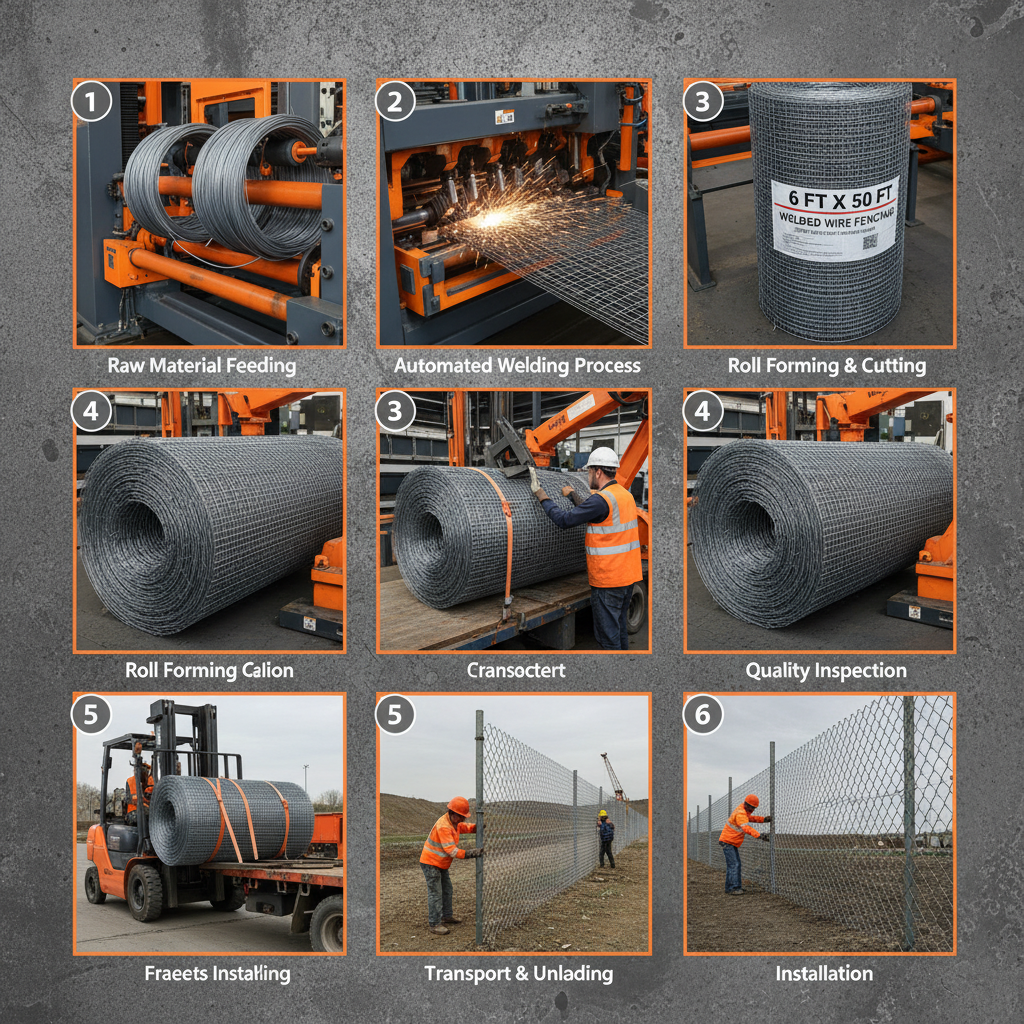 Durable 6 ft x 50 ft welded wire fencing for Security and GardensWhen it comes to securing a perimeter, whether for agricultural use, garden protection, or industrial boundaries, the dimensions and material of your fence matter. The 6 ft x 50 ft welded wire fencing offers an ideal balance of height and length, providing a robust barrier that is easy to install and maintain. Choosing a welded wire system ensures that the intersections are fused together, preventing the shifting and sagging often found in woven alternatives. In this guide, we will explore why this specific size is a preferred choice for property owners and how to maximize its effectiveness for your specific project.Read more >
Apr 09 2026
-
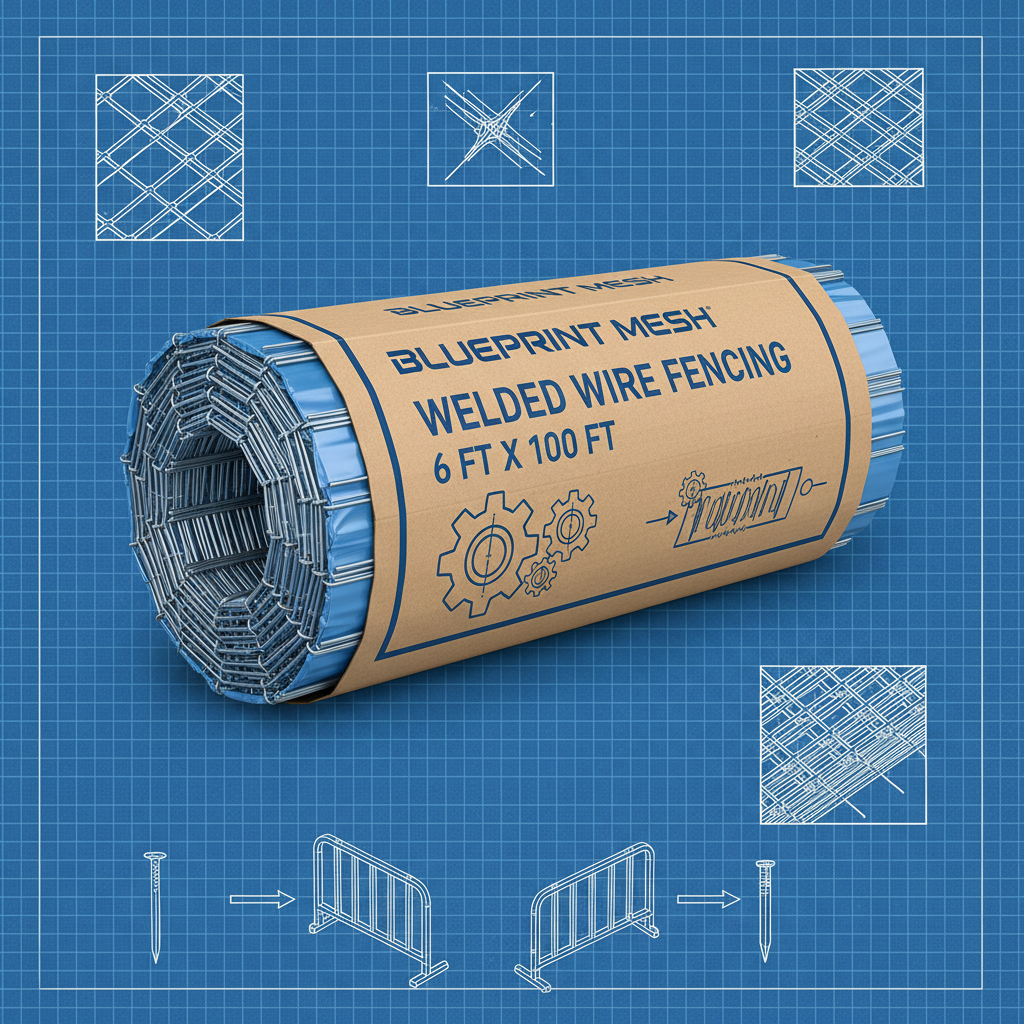 Comprehensive Guide to Choosing the Best 6 ft x 100 ft Welded Wire FencingWelded wire fencing is a versatile and cost-effective solution for a wide range of applications, from agricultural containment to residential security. Understanding the nuances of different types, especially when considering a size like 6 ft x 100 ft welded wire fencing, is crucial for making the right investment. This article will guide you through the essential factors to consider, helping you select the fencing that best suits your specific requirements.Read more >
Apr 07 2026
-
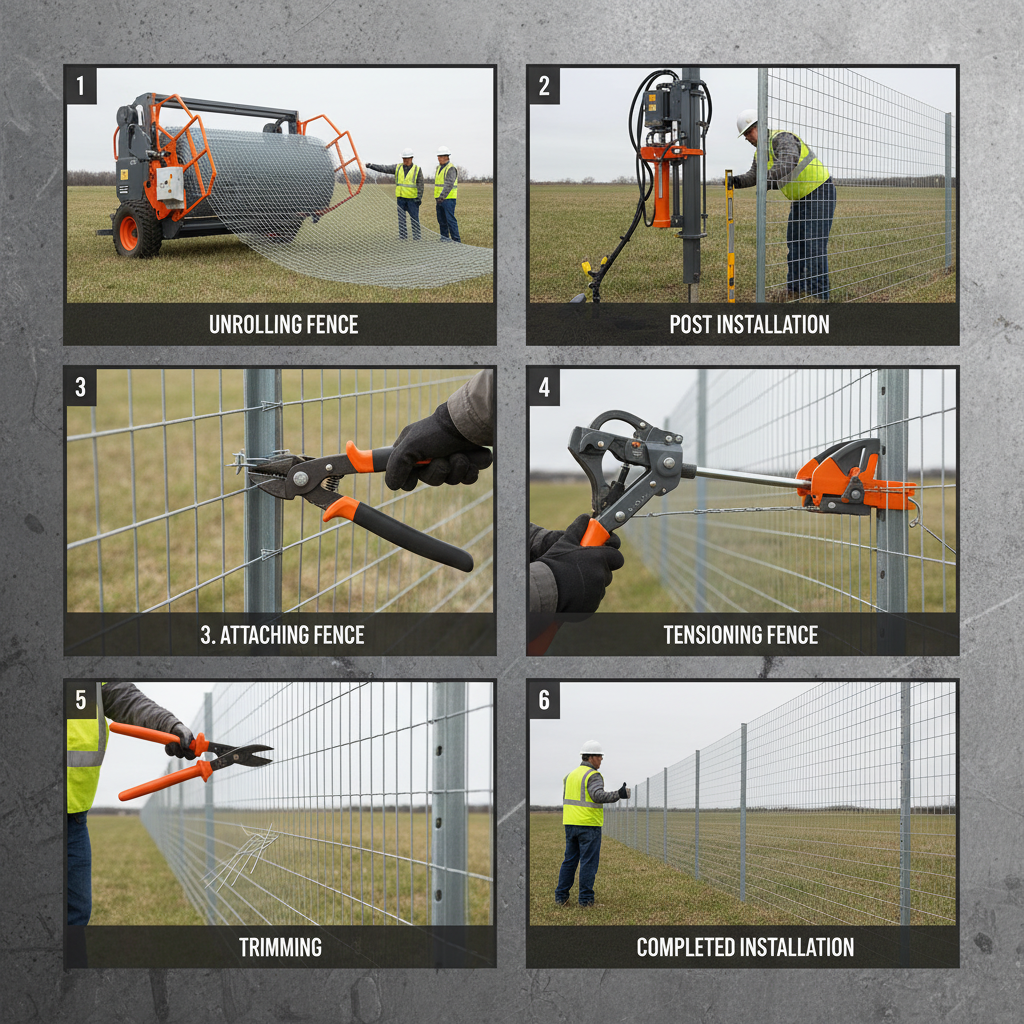 Comprehensive Guide to Choosing a 6 ft x 100 ft 12.5 Gauge Welded Wire FenceSelecting the appropriate fence for your property requires careful consideration. A 6 ft x 100 ft 12.5 gauge welded wire fence offers a robust and versatile solution for a variety of applications, from pet containment to garden protection and security. This guide will explore the benefits, applications, installation tips, and considerations when choosing this type of fencing. Understanding its construction and comparing it to other fencing options will help you make an informed decision.Read more >
Apr 04 2026
-
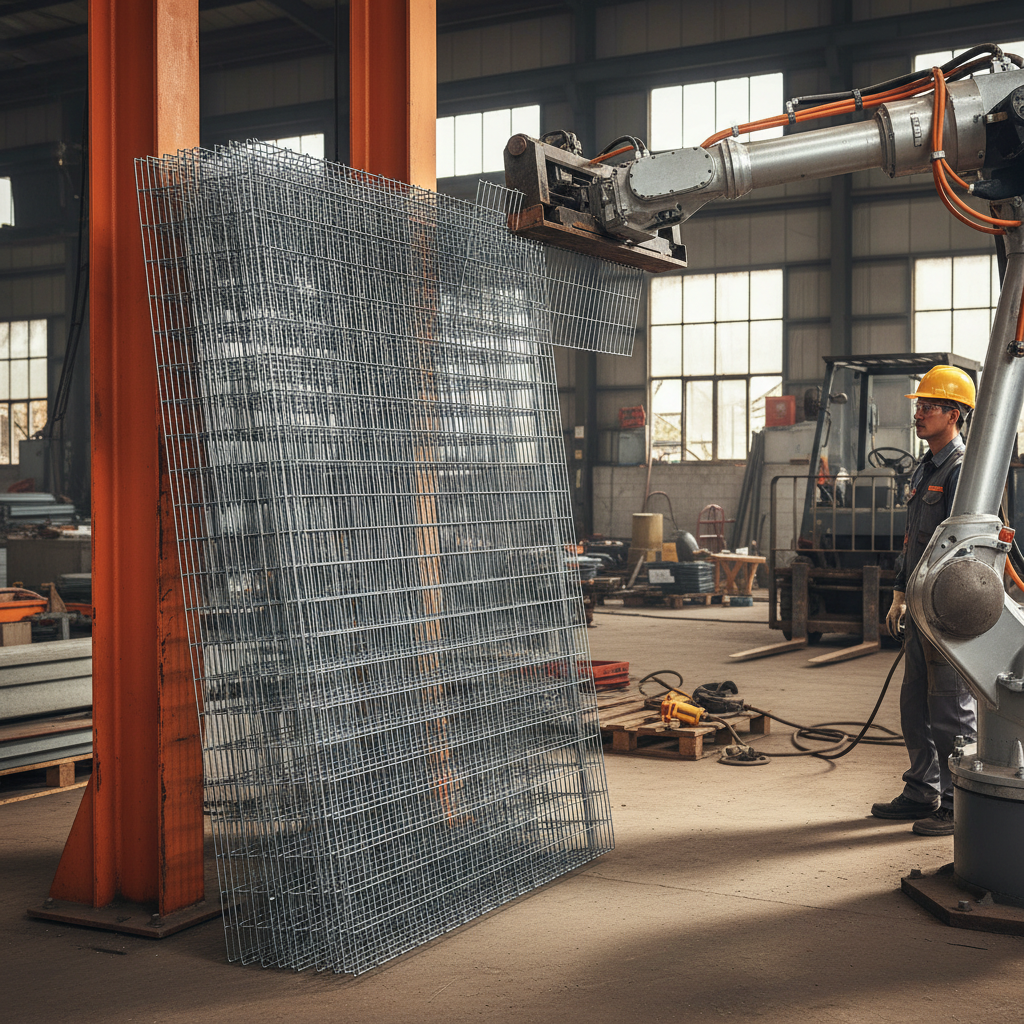 Comprehensive Guide to Durable 6 ft Welded Wire Fencing Panels and ApplicationsWhen selecting fencing for your property, 6 ft welded wire fencing panels offer a robust and versatile solution. These panels combine strength, security, and ease of installation, making them a popular choice for both residential and commercial applications. This article delves into the benefits, applications, installation, and maintenance of these panels, helping you make an informed decision.Read more >
Mar 31 2026