


Comprehensive Overview of Metal Screen Wire: Applications, Advantages & Vendors
The Essential Guide to Metal Screen Wire: Why It Matters Globally
If you’ve ever peered through a finely woven metal mesh, you might have glimpsed just how crucial metal screen wire is in both everyday life and large-scale industrial applications. From filtering dust in factories to securing humanitarian aid storage, metal screen wire is a quietly indispensable material. Understanding its properties and applications isn’t just for engineers or procurement specialists – it has real global significance. This material addresses key challenges like contamination, safety, and environmental protection.
The demand for reliable screening solutions is on the rise, especially considering growing industrialization, urbanization, and environmental regulations worldwide. That’s why exploring metal screen wire — its makeup, uses, and benefits — sheds light on a small but mighty hero in manufacturing, construction, and beyond.
Global Context: The Role of Metal Screen Wire in Industry and Infrastructure
It may surprise some to learn that according to ISO and World Bank data, effective screening and filtration contribute substantially to environmental compliance costs, a sector valued in the billions globally. Industries from mining, agriculture, water management, and even humanitarian logistics depend heavily on metal screen wire to keep things running smoothly.
One significant challenge that metal screen wire helps solve worldwide is mitigating particulate pollution. For instance, fine dust emissions from factories can cause respiratory illnesses in nearby communities -- a global health issue recognized by entities like the World Health Organization (WHO). By integrating metal screen wire into filtration and containment systems, industries reduce harmful emissions effectively.
Mini takeaway: Metal screen wire is a global unsung hero contributing to cleaner air, secure storage, and industrial efficiency.
What Exactly Is Metal Screen Wire?
At its core, metal screen wire refers to a mesh structure made by weaving or welding thin metallic wires into a grid pattern. These wires, typically stainless steel, galvanized steel, or other alloys, combine strength and flexibility to create a surface that filters materials while providing durability.
It’s closely linked to modern industrial processes – think of metal screen wire lining conveyor belts, screening construction aggregates, or even reinforcing fencing in harsh environments. Beyond industry, relief agencies use metal screen wire products for safe storage or makeshift fencing in emergencies, showcasing how versatile and critical it is.
Core Components of Metal Screen Wire
Durability
Stainless steel wire meshes resist corrosion and abrasion. In challenging environments—like chemical plants or marine settings—this longevity means less downtime and fewer replacements.
Mesh Precision
The weave tightness or aperture size determines what materials pass through or stay out. This precision allows applications ranging from fine filtration in pharmaceuticals to robust debris screening on construction sites.
Cost Efficiency
While premium stainless steel meshes cost more upfront, their lifespan and performance often justify initial investments. Cheaper meshes might save money short-term but need replacing instantly in harsh conditions.
Scalability and Customization
Whether you need tiny sieves or large fencing panels, metal screen wire products are wildly customizable to fit specific applications or dimensions.
Sustainability
Since most metal screen wire is recyclable, it aligns well with circular economy principles. Plus, many manufacturers are adopting greener production methods to minimize environmental footprints.
Mini takeaway: The metal screen wire market balances strength, precision, and adaptability – paramount for diverse industrial needs.
Global Applications & Real-Life Use Cases
- Mining and Quarrying: Metal screen wire sieves and sorts raw materials, ensuring consistency and reducing impurities.
- Agriculture: Screens protect crops by filtering irrigation water and preventing pest ingress.
- Water Treatment Plants: Meshes filter debris from incoming water, critical in both developed and developing regions.
- Humanitarian & Emergency Relief: In post-disaster scenarios, mesh fencing secures supply depots or partitions temporary shelters efficiently.
- Construction Industry: Meshes reinforce concrete or provide safety barriers on scaffolding.
For example, in remote industrial zones within Africa, durable metal screen wire fencing prevents wildlife encroachment and theft, supporting sustainable project operations without constant human oversight.
Advantages and Long-Term Value of Metal Screen Wire
Cost-wise, installing quality metal screen wire panels can mean fewer maintenance headaches and safer environments. Socially, it safeguards workers and communities—sometimes a literal barrier between safety and hazard.
From an emotional perspective, there’s reassurance in knowing your filtering system or security fencing won’t fail right when you’re counting on it most. Many engineers I know swear by the simple reliability of this material, saying it “just works.”
In terms of sustainability, its recyclability and the fact that it often outperforms plastic alternatives make it a forward-thinking choice.
Metal Screen Wire Specification Table
| Specification | Typical Values | Notes |
|---|---|---|
| Material | Stainless Steel 304 & 316 | Corrosion resistant grades |
| Wire Diameter | 0.1 - 5 mm | Depending on mesh aperture |
| Mesh Aperture | 0.05 - 25 mm | Opening size controls filtration |
| Tensile Strength | 500 - 1000 MPa | Varies with wire alloy |
| Surface Finish | Polished, Galvanized, PVC coated | For extra corrosion resistance |
Comparing Popular Metal Screen Wire Vendors
| Vendor | Key Materials | Special Features | Typical Lead Time | Price Range |
|---|---|---|---|---|
| Chch Fence Co. | 304 & 316 SS | Custom mesh sizes & coatings | 2-4 weeks | Mid to High |
| Global Mesh Solutions | Carbon Steel/Galvanized | Bulk orders, standard range | 1-3 weeks | Low to Mid |
| EcoMetal Wire | Recycled Stainless Steel | Sustainability-certified | 3-5 weeks | Mid to High |
Emerging Trends & Innovations in Metal Screen Wire
Frankly, the metal screen wire industry is quietly evolving with a nod towards sustainability and automation. Manufacturers are experimenting with hybrid coatings to increase corrosion resistance without sacrificing recyclability. Nanotechnology is beginning to influence mesh design, enabling ultra-fine filtration for biotech and electronics industries.
Digital transformation also plays a role — imagine smart screening systems with embedded sensors to monitor wear and alert users to maintenance needs before a failure. This sort of predictive tech is starting to show up in industrial setups, improving efficiency and safety.
Meanwhile, eco-conscious regulations push suppliers to reduce waste and energy during production; recycled stainless steel is gaining ground, allowing companies to meet green certifications while keeping products reliable.
Common Challenges & How Experts Address Them
One recurring issue with metal screen wire is balancing durability with flexibility. Heavier gauges can resist abrasion but may be less adaptable for complex shapes. On the other hand, very fine meshes are prone to clogging or damage in rugged environments.
Innovations like modular screening panels and hybrid materials combining metals with polymers offer promising solutions. Experts suggest close collaboration between end-users and manufacturers during design phases to tailor products fitting unique contexts.
Furthermore, supply chain constraints in the metals market can affect availability and price stability. Some vendors mitigate this by stockpiling common specifications or leveraging local sourcing where possible.
FAQ: Frequently Asked Questions About Metal Screen Wire
- What makes metal screen wire more durable than plastic alternatives?
- Metal screen wire, especially stainless steel grades, can withstand higher temperatures, resist UV damage, and endure mechanical impacts better than plastic meshes. This means longer service life, especially in industrial environments where wear and tear are constant.
- How do I choose the right mesh size for my filtration needs?
- Consider the particle size you need to filter or separate. Smaller mesh apertures catch finer particles but might reduce flow rate. Consulting with manufacturers or testing different mesh sizes against actual material samples helps find the ideal balance.
- Is stainless steel mesh recyclable?
- Yes, stainless steel metal screen wire is 100% recyclable. Scrap mesh is commonly melted down and reused without loss of quality, contributing to sustainable resource management.
- Can metal screen wire withstand outdoor weather conditions long-term?
- When made with appropriate alloys (e.g., 316 stainless steel) and finishes (galvanized or PVC-coated), metal screen wire can last decades outdoors, resisting corrosion from rain, salt, and UV radiation.
- How quickly can I get custom metal screen wire panels?
- Typical lead times for custom orders range from 2 to 5 weeks depending on complexity and vendor capacity. Planning ahead and clear communication with suppliers expedite delivery.
Wrapping Up: Why Metal Screen Wire Will Keep Being a Critical Material
Stepping back, it’s clear metal screen wire is more than just “wire mesh.” It’s an enabler of safety, quality, and sustainability in countless industries worldwide. From protecting communities from pollution to reinforcing critical infrastructure, its value stretches far beyond the obvious.
If you’re involved in industrial, agricultural, or humanitarian projects, considering the right metal screen wire could make your work more efficient and resilient. Curious to explore options or need custom specs? Head over to metal screen wire specialists for tailored guidance.
Feel free to poke around, ask questions, or simply marvel at how a little wire can hold so much importance.
References
Latest News About CHENG CHUANG
-
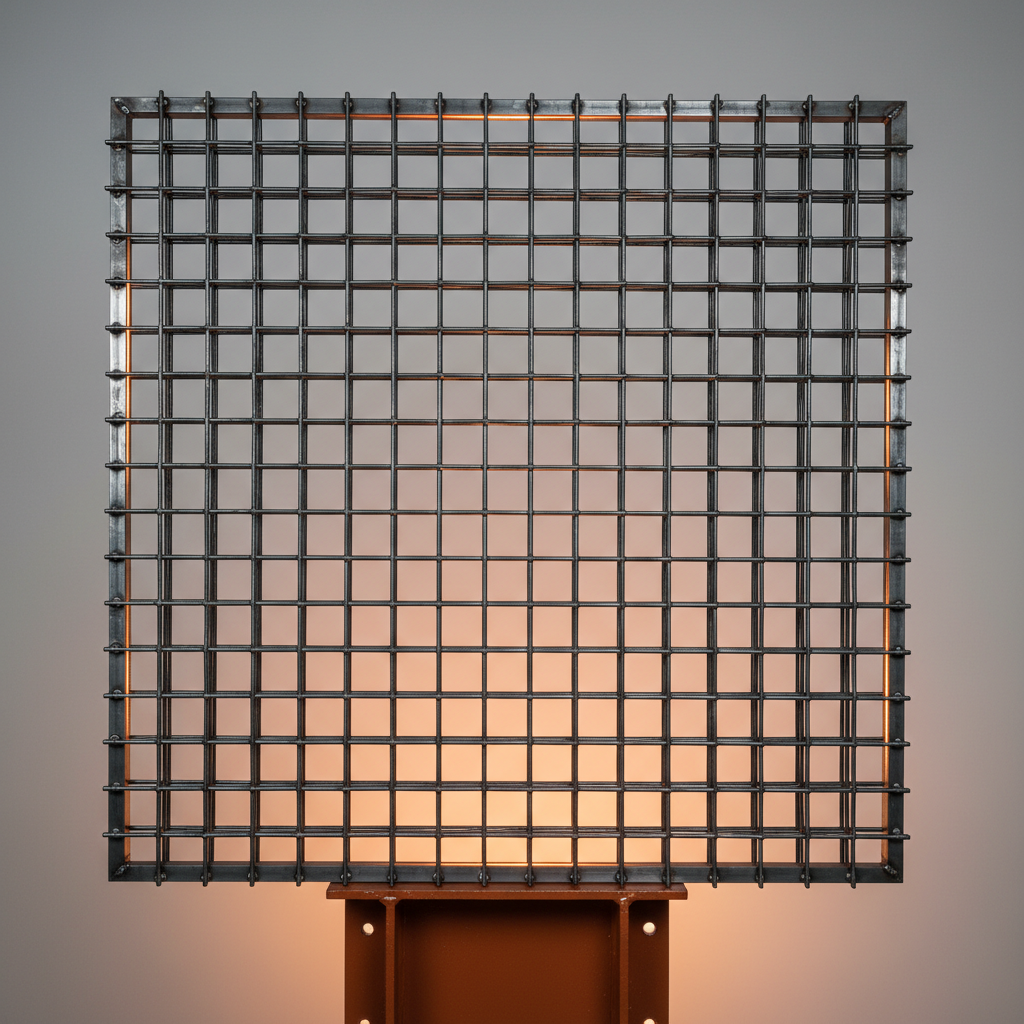 Heavy Duty 6 gauge welded wire mesh for Security and StrengthWhen it comes to heavy-duty containment, security, and structural reinforcement, choosing the right material is critical. The 6 gauge welded wire mesh stands as a premier choice for those requiring a balance of extreme rigidity and precise spacing. Whether you are securing a commercial perimeter, building industrial livestock panels, or creating reinforced concrete structures, this specific thickness provides the structural integrity needed to withstand significant pressure and impact. In this comprehensive guide, we will explore the technical specifications, primary applications, and why this mesh is the gold standard for high-security fencing solutions.Read more >
Apr 16 2026
-
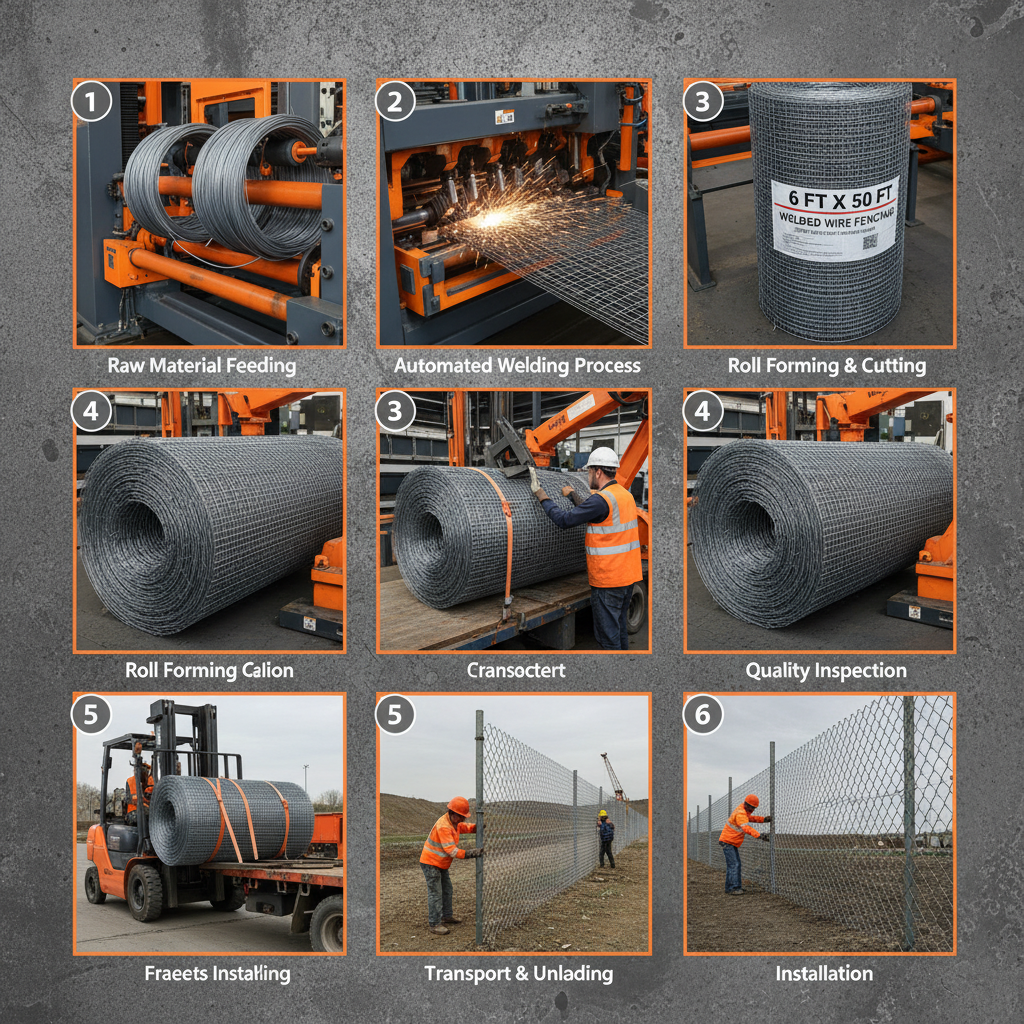 Durable 6 ft x 50 ft welded wire fencing for Security and GardensWhen it comes to securing a perimeter, whether for agricultural use, garden protection, or industrial boundaries, the dimensions and material of your fence matter. The 6 ft x 50 ft welded wire fencing offers an ideal balance of height and length, providing a robust barrier that is easy to install and maintain. Choosing a welded wire system ensures that the intersections are fused together, preventing the shifting and sagging often found in woven alternatives. In this guide, we will explore why this specific size is a preferred choice for property owners and how to maximize its effectiveness for your specific project.Read more >
Apr 09 2026
-
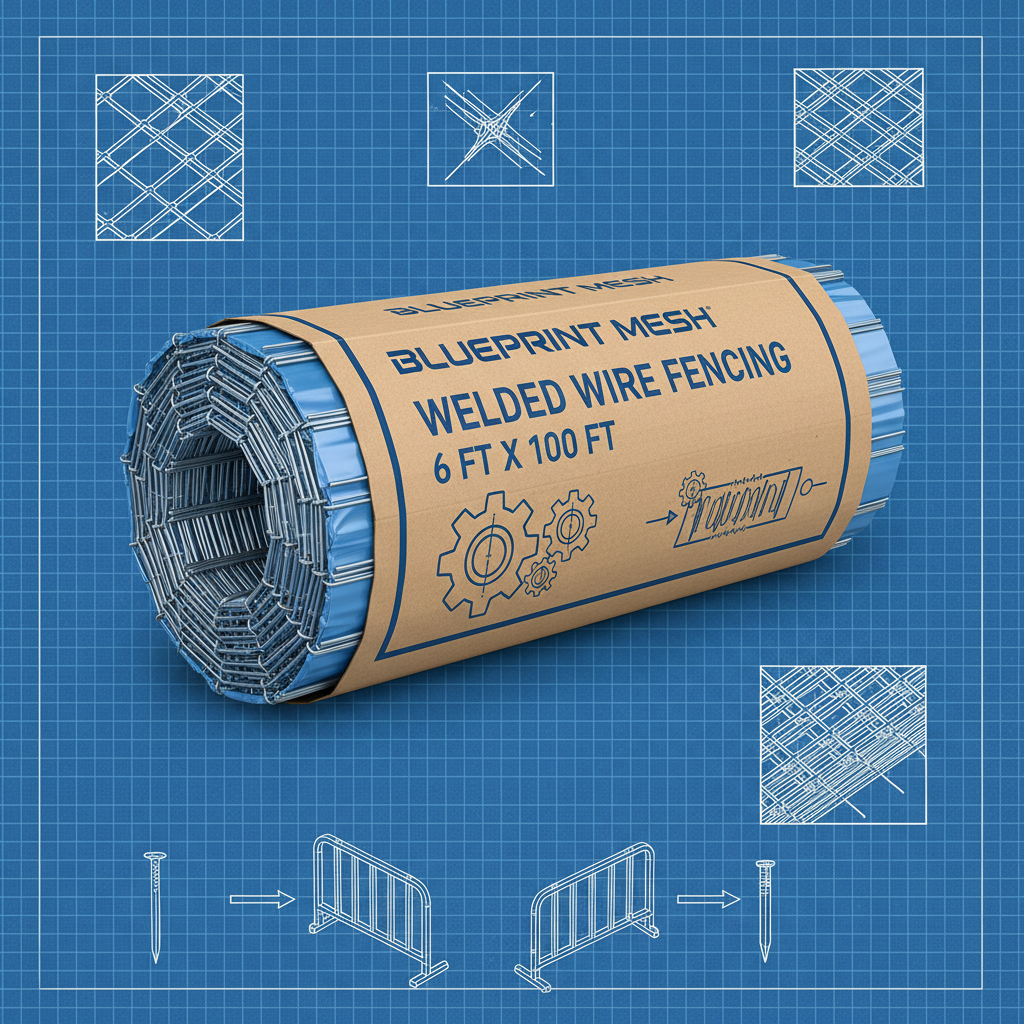 Comprehensive Guide to Choosing the Best 6 ft x 100 ft Welded Wire FencingWelded wire fencing is a versatile and cost-effective solution for a wide range of applications, from agricultural containment to residential security. Understanding the nuances of different types, especially when considering a size like 6 ft x 100 ft welded wire fencing, is crucial for making the right investment. This article will guide you through the essential factors to consider, helping you select the fencing that best suits your specific requirements.Read more >
Apr 07 2026
-
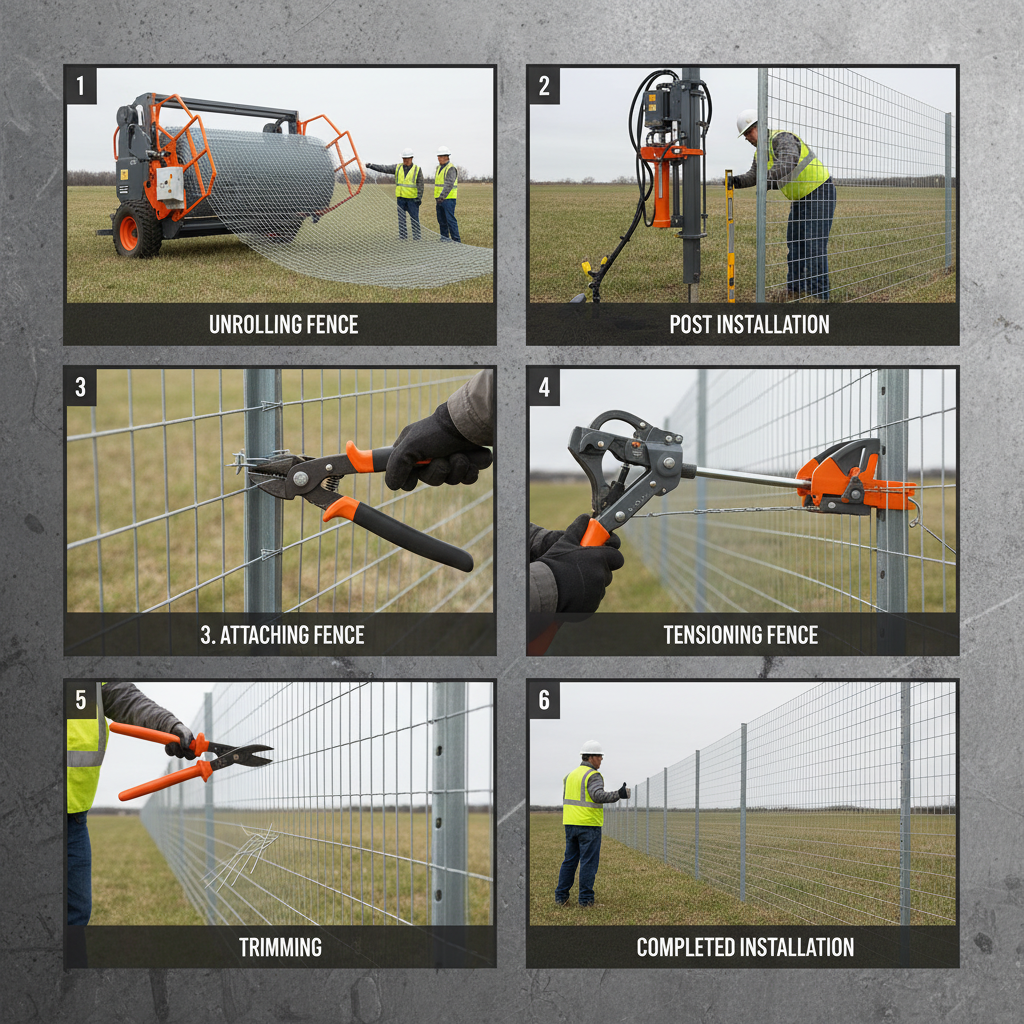 Comprehensive Guide to Choosing a 6 ft x 100 ft 12.5 Gauge Welded Wire FenceSelecting the appropriate fence for your property requires careful consideration. A 6 ft x 100 ft 12.5 gauge welded wire fence offers a robust and versatile solution for a variety of applications, from pet containment to garden protection and security. This guide will explore the benefits, applications, installation tips, and considerations when choosing this type of fencing. Understanding its construction and comparing it to other fencing options will help you make an informed decision.Read more >
Apr 04 2026
-
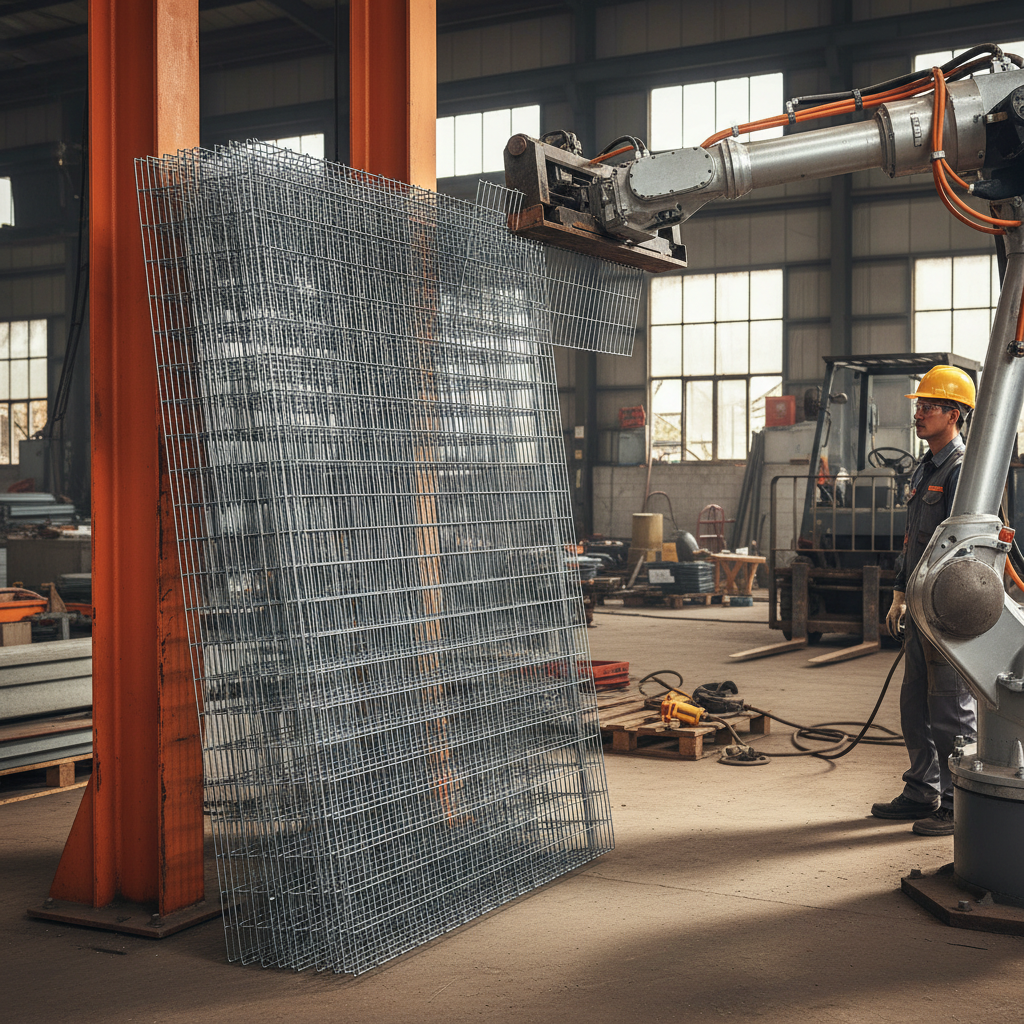 Comprehensive Guide to Durable 6 ft Welded Wire Fencing Panels and ApplicationsWhen selecting fencing for your property, 6 ft welded wire fencing panels offer a robust and versatile solution. These panels combine strength, security, and ease of installation, making them a popular choice for both residential and commercial applications. This article delves into the benefits, applications, installation, and maintenance of these panels, helping you make an informed decision.Read more >
Mar 31 2026