


Comprehensive Guide to Metal Netting Mesh – Uses, Benefits & Suppliers
Understanding Metal Netting Mesh: A Practical Overview
Metal netting mesh—it’s one of those materials that silently holds the modern world together, quite literally. If you’ve ever peeked behind a construction site fence, inspected a filtration system, or admired a security barrier, you likely encountered metal netting mesh. This versatile product isn’t just about metal wires twisted together; it’s a global staple with significance reaching far beyond its humble appearance. Whether in manufacturing, disaster relief, or high-tech industries, understanding metal netting mesh reveals how integral it is to safety, durability, and efficiency worldwide.
Let’s dive into why it matters so much, across continents and sectors.
The Global Context: Why Metal Netting Mesh Matters Today
Globally, industries increasingly lean on robust, adaptable materials, especially as infrastructure ages and new properties arise in tough environments. According to the International Organization for Standardization (ISO), metal meshes represent one of the fastest-growing categories in industrial materials for construction and environmental management.
Think about it: the United Nations estimates over 150 million people live in informal settlements where secure fencing or partitions are scarce. At the same time, industrial zones in Asia and Africa are booming, demanding scalable and cost-effective solutions for safety and containment.
Yet challenges persist—how to balance sustainability with strength, or rapidly deploy infrastructure after natural disasters? Metal netting mesh often addresses these problems head-on, combining durability with accessibility.
What Exactly Is Metal Netting Mesh?
In simplest terms, metal netting mesh is a grid of metal wires or rods woven, welded, or knitted into patterns to form a mesh framework. These can be made from stainless steel, galvanized steel, aluminum, or even specialty alloys, chosen depending on application needs like corrosion resistance or tensile strength.
The mesh can range from very fine, almost fabric-like screens used for filtering or screening, to coarse, heavy-duty grids for fencing or reinforcement. Essentially, it’s a material that offers separating, protecting, ventilating, or supporting functions.
Its role isn’t just industrial: Many humanitarian agencies rely on metal netting mesh for temporary shelters, perimeter controls, or storage solutions — proving its meaningful intersection between industry and social needs.
Core Components That Make Metal Netting Mesh Essential
1. Durability
One of the primary draws of metal netting mesh is its longevity. High-quality metals paired with protective coatings can withstand harsh weather, UV exposure, and mechanical stress. For example, galvanized coatings prevent rust, a must for coastal or humid environments.
2. Scalability & Flexibility
The mesh’s modular nature allows it to be cut, stretched, or connected to fit varying sizes and shapes. This makes it ideal from small-scale filtration systems to sprawling industrial partitions.
3. Cost Efficiency
Compared to solid panels, mesh provides strength with less material, reducing costs in production and transport. Plus, its adaptability means inventory management is simpler—one product can serve diverse purposes.
4. Security & Safety
Certain weaves and thicknesses offer intrusion resistance. Industries handling sensitive or hazardous materials often specify mesh that balances visibility with protection.
5. Environmental Compatibility
Many mesh products are recyclable and increasingly manufactured using eco-friendly processes, a crucial factor as industries adhere to stricter sustainability standards.
Mini takeaway:
Durability, flexibility, cost, security, and sustainability aren’t just buzzwords here — they’re the pillars that explain why metal netting mesh remains a top choice worldwide.
Real-World Applications: Metal Netting Mesh in Action
From the Himalayas to the Sahara, metal netting mesh finds itself underpinning critical functions.
- Construction: Reinforcing concrete, scaffolding fences, or erosion control barriers demonstrate its structural role.
- Security: Airports, factories, and detention centers adopt mesh fencing for controlled access.
- Environmental Management: Used in water filtration plants, sediment control, and waste management.
- Disaster Recovery: NGOs deploy metal netting mesh for quick setup of shelters or stockpiling sites.
- Agriculture: Animal enclosures and crop protection fences capitalize on its durability and ventilation.
In remote industrial zones of South America, for instance, expedited delivery of modular metal mesh components facilitates safer mining operations. In post-disaster relief settings, lightweight metal mesh supports temporary fencing, balancing rapid deployment with security.
Product Specifications At a Glance
| Specification | Detail |
|---|---|
| Material | Galvanized Steel / Stainless Steel |
| Mesh Opening Size | From 1mm to 50mm (customizable) |
| Wire Diameter | 0.25mm to 3mm |
| Max Roll Length | 50 meters |
| Coating Options | Zinc Galvanization, PVC Coating |
| Standard Compliance | ISO 9001, ASTM A392 |
Comparing Leading Vendors in Metal Netting Mesh Supply
| Vendor | Material Range | Customization | Price Level | Lead Time |
|---|---|---|---|---|
| Global Mesh Inc. | Steel, stainless, aluminum | High (custom sizes & coatings) | $$$ | 2-3 weeks |
| AeroNet Solutions | Stainless steel only | Moderate | $$$$ | 1-2 weeks |
| EcoMesh Network | Galvanized steel & PVC coated | Standard sizes only | $ | 3-4 weeks |
Why Invest in Metal Netting Mesh? The Long-Term Value
The benefits go beyond the obvious. In real terms, metal netting mesh means peace of mind. Take an engineer I met recently – she told me how switching to high-quality galvanized mesh cut corrosion-related downtime by nearly 40% at a major plant in Southeast Asia. That’s money saved and production maintained.
There’s also a social promise. In emergency zones, mesh fences provide more than security—they create a sense of order, safety, and dignity for displaced families. It’s innovation meeting empathy.
Sustainability is another biggie: Recyclability means less waste going to landfills. Meanwhile, lightweight design helps reduce shipping fuel consumption — impressive for environmentally conscious operations.
Looking Ahead: Future Trends & Innovations Shaping Metal Netting Mesh
Innovation never sleeps, right? Expect more smart mesh fabrics integrated with sensors for security monitoring, or adaptive meshes incorporating lightweight composites to improve strength-to-weight ratios.
The industry is also moving toward greener manufacturing methods—think energy-efficient electroplating or bio-based coatings replacing PVC. Digital transformation, via precise CAD modeling and automated weaving machines, is speeding up customization and reducing errors.
The rise of circular economy principles means more vendors now accept used mesh materials to be refurbished or melted down, a small but positive shift in waste management.
Challenges & Smart Solutions
We can’t ignore some hurdles. Corrosion can still sneak in if coatings fail, and costs for specialty alloys can sting budgets. Custom orders might involve lead times that delay projects inconveniently.
To tackle these, many experts recommend layered coatings or modular mesh systems that can be replaced piecemeal. Strategic stocking and sourcing from reliable suppliers help manage supply chain uncertainties, too.
FAQ: Practical Questions About Metal Netting Mesh
- Q: How do I choose the right metal netting mesh for outdoor use?
- A: Select corrosion-resistant materials like galvanized or stainless steel, with appropriate coatings to withstand your climate. Consider mesh size based on security or ventilation needs.
- Q: Can metal netting mesh be reused or recycled?
- A: Absolutely. Most metal meshes are recyclable, and many suppliers offer take-back programs to ensure responsible disposal or refurbishment.
- Q: What lead times should I expect for custom mesh orders?
- A: Typically between 1 to 4 weeks, depending on complexity and supplier. Planning ahead helps avoid delays.
- Q: Is metal netting mesh suitable for temporary fencing in disaster zones?
- A: Yes, due to its lightweight and modular nature, it’s ideal for rapid deployment, providing essential security and separation quickly.
Final Thoughts
So, metal netting mesh might seem modest, but its impact is anything but. Combining strength, adaptability, and sustainability, it’s a material that meets the challenges of today’s industries and humanitarian efforts alike. If you want to explore tailored solutions or stock durable products that just work, visit metal netting mesh for comprehensive options.
It’s one of those building blocks that keeps things not just secure—but smart.
References
Latest News About CHENG CHUANG
-
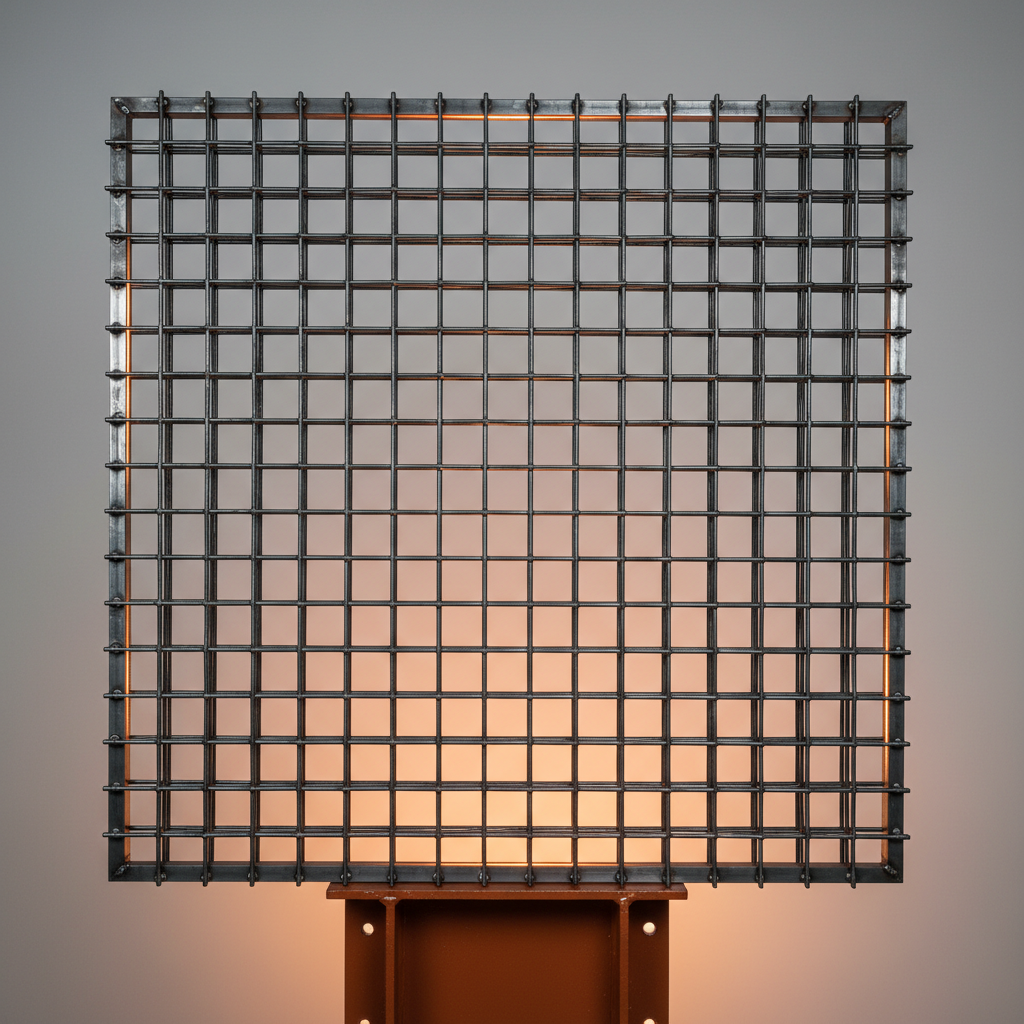 Heavy Duty 6 gauge welded wire mesh for Security and StrengthWhen it comes to heavy-duty containment, security, and structural reinforcement, choosing the right material is critical. The 6 gauge welded wire mesh stands as a premier choice for those requiring a balance of extreme rigidity and precise spacing. Whether you are securing a commercial perimeter, building industrial livestock panels, or creating reinforced concrete structures, this specific thickness provides the structural integrity needed to withstand significant pressure and impact. In this comprehensive guide, we will explore the technical specifications, primary applications, and why this mesh is the gold standard for high-security fencing solutions.Read more >
Apr 16 2026
-
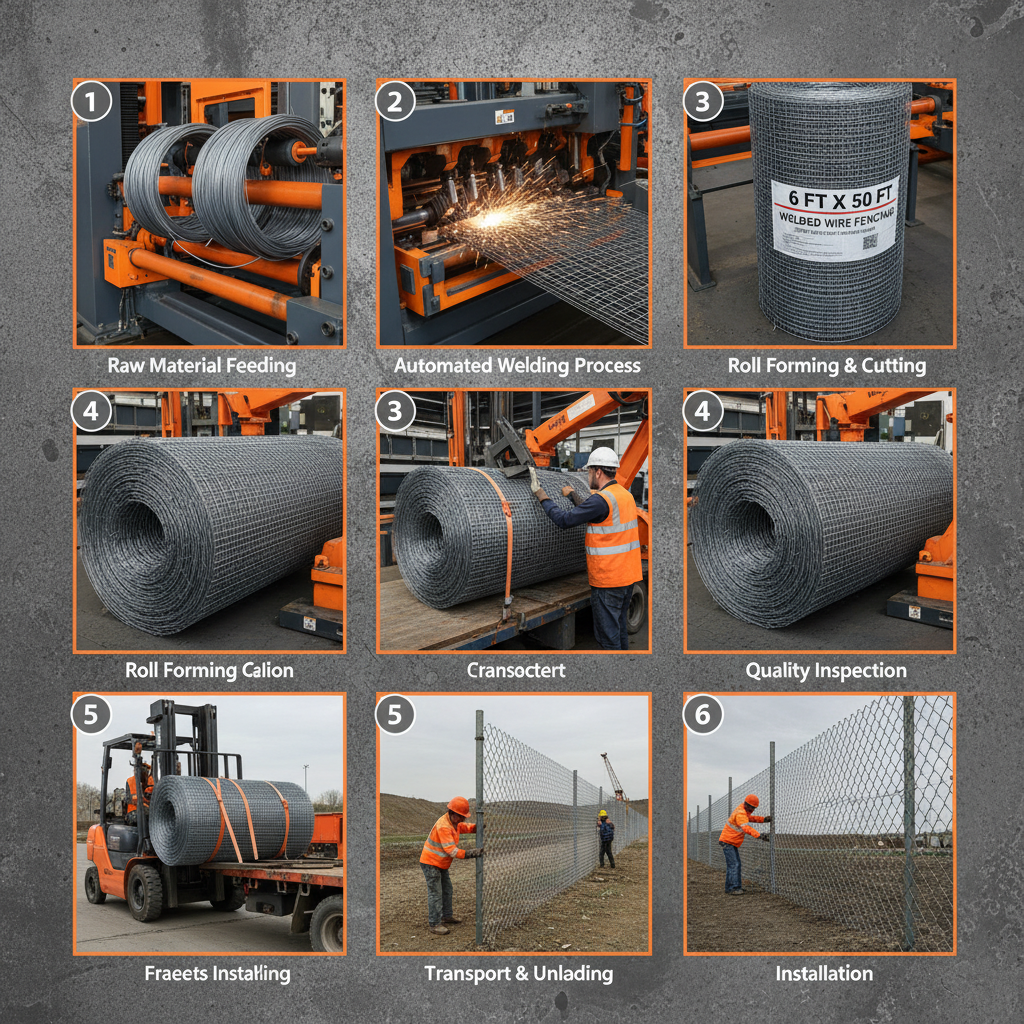 Durable 6 ft x 50 ft welded wire fencing for Security and GardensWhen it comes to securing a perimeter, whether for agricultural use, garden protection, or industrial boundaries, the dimensions and material of your fence matter. The 6 ft x 50 ft welded wire fencing offers an ideal balance of height and length, providing a robust barrier that is easy to install and maintain. Choosing a welded wire system ensures that the intersections are fused together, preventing the shifting and sagging often found in woven alternatives. In this guide, we will explore why this specific size is a preferred choice for property owners and how to maximize its effectiveness for your specific project.Read more >
Apr 09 2026
-
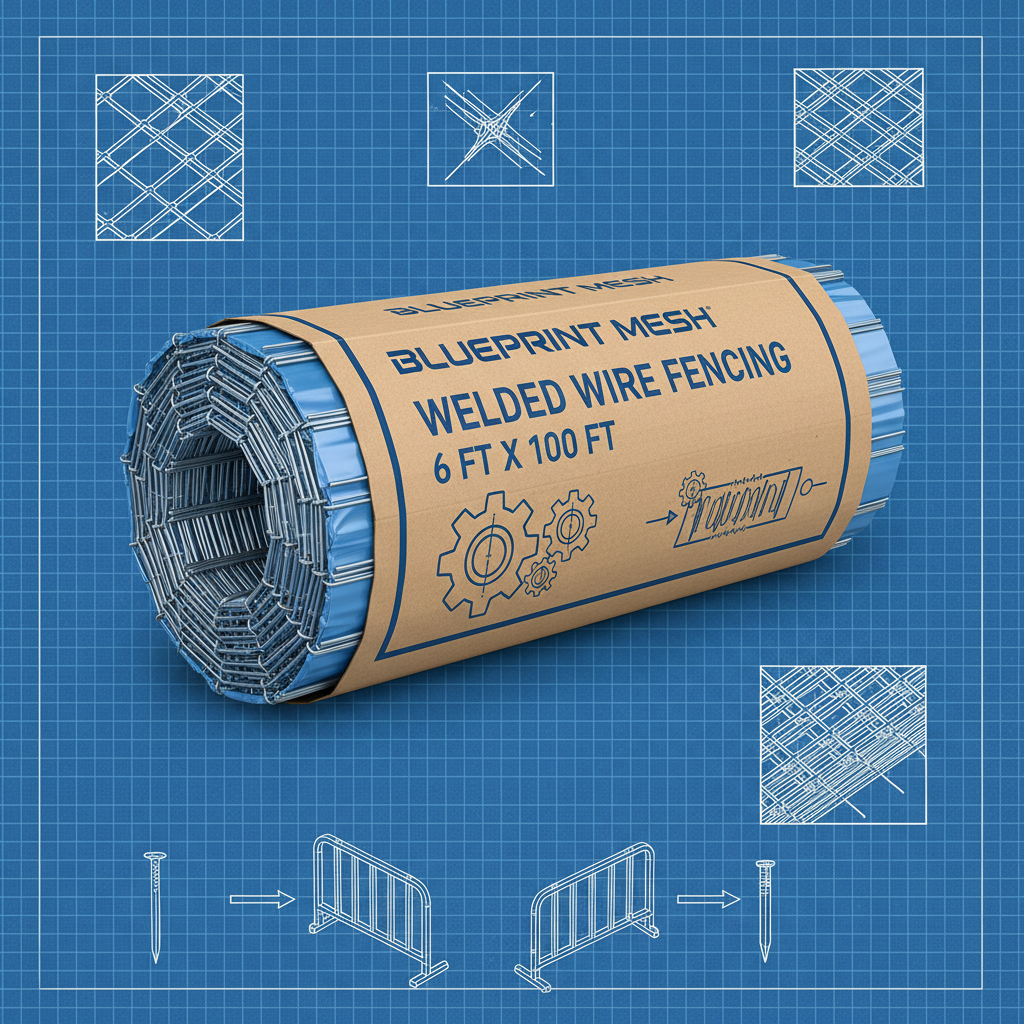 Comprehensive Guide to Choosing the Best 6 ft x 100 ft Welded Wire FencingWelded wire fencing is a versatile and cost-effective solution for a wide range of applications, from agricultural containment to residential security. Understanding the nuances of different types, especially when considering a size like 6 ft x 100 ft welded wire fencing, is crucial for making the right investment. This article will guide you through the essential factors to consider, helping you select the fencing that best suits your specific requirements.Read more >
Apr 07 2026
-
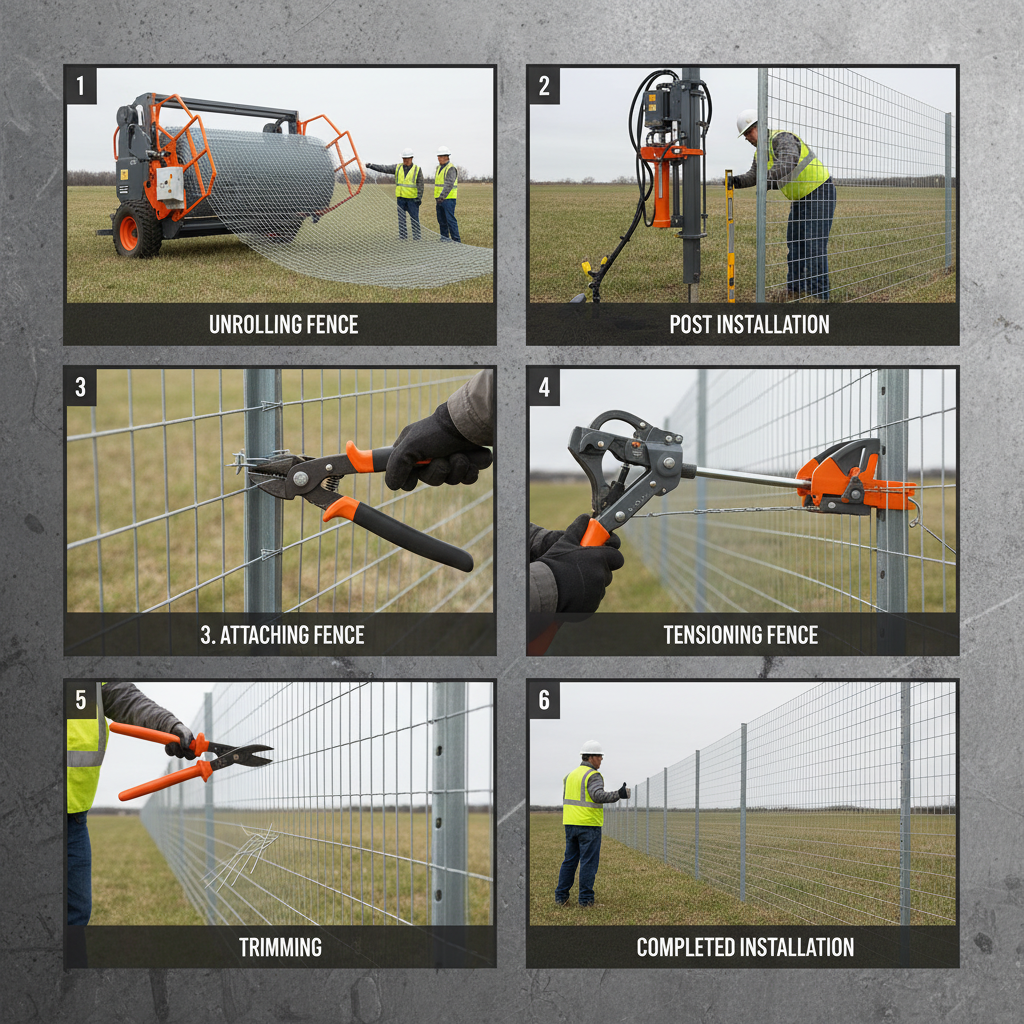 Comprehensive Guide to Choosing a 6 ft x 100 ft 12.5 Gauge Welded Wire FenceSelecting the appropriate fence for your property requires careful consideration. A 6 ft x 100 ft 12.5 gauge welded wire fence offers a robust and versatile solution for a variety of applications, from pet containment to garden protection and security. This guide will explore the benefits, applications, installation tips, and considerations when choosing this type of fencing. Understanding its construction and comparing it to other fencing options will help you make an informed decision.Read more >
Apr 04 2026
-
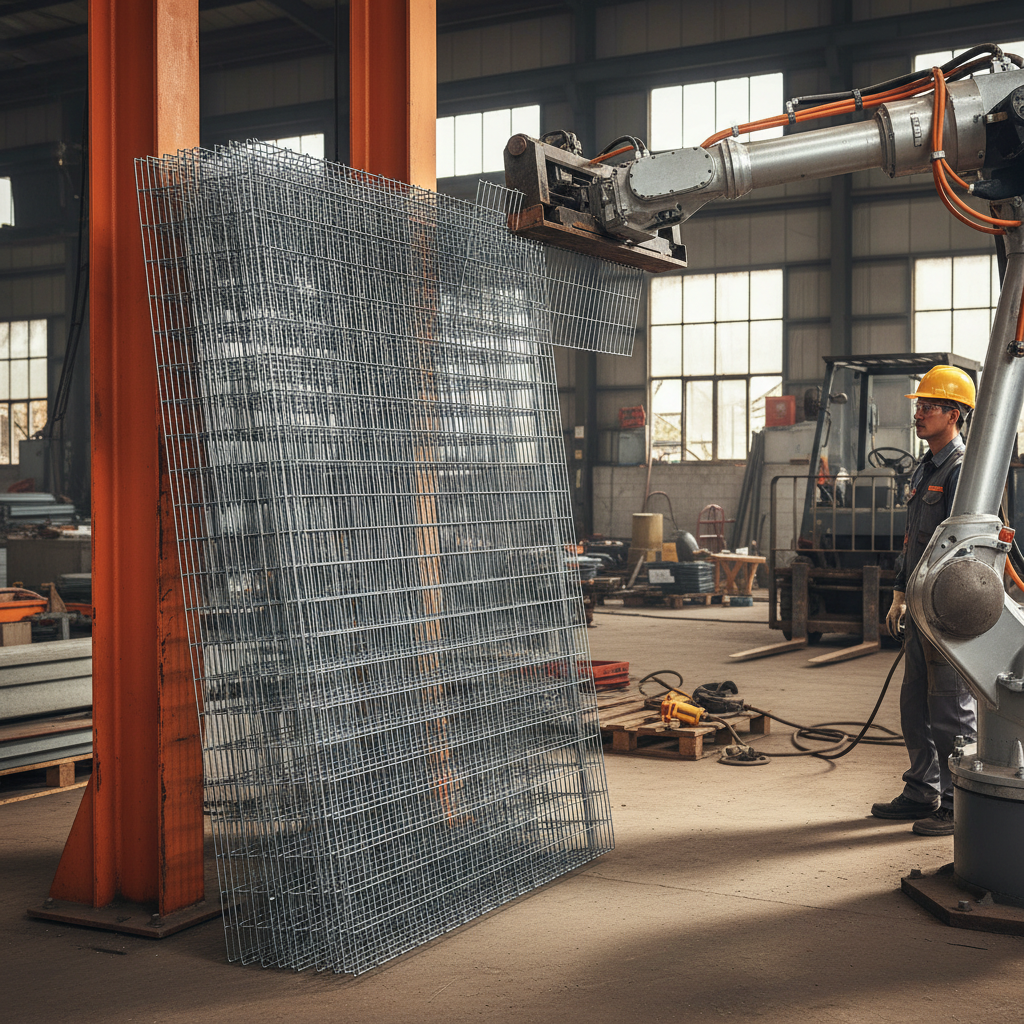 Comprehensive Guide to Durable 6 ft Welded Wire Fencing Panels and ApplicationsWhen selecting fencing for your property, 6 ft welded wire fencing panels offer a robust and versatile solution. These panels combine strength, security, and ease of installation, making them a popular choice for both residential and commercial applications. This article delves into the benefits, applications, installation, and maintenance of these panels, helping you make an informed decision.Read more >
Mar 31 2026