


Comprehensive Guide to Reo Steel Mesh: Applications, Benefits & Industry Insights
Understanding Reo Steel Mesh: The Backbone of Modern Construction
If you’ve ever walked past a construction site, or glanced at a new highway or bridge, chances are you’ve seen reo steel mesh silently doing its work. But what exactly is reo steel mesh, and why does it matter globally? I suppose it’s easy to take for granted, but this material is more than just metal tied together. It’s a fundamental component that supports everything from skyscrapers to emergency shelters, impacting economies, safety, and even humanitarian efforts around the world.
Globally, with urban populations expected to surpass 6 billion by 2045 according to UN data, the demand for reliable, scalable, and cost-effective construction materials is soaring. The resilience and flexibility of reo steel mesh help address challenges such as natural disaster recovery, infrastructure aging, and rapid urbanization, providing engineers and architects a trusted tool for building strong and lasting structures.
What Is Reo Steel Mesh?
Simply put, reo steel mesh (short for reinforced steel mesh) is a grid of steel rods or wires welded or tied together in a lattice pattern. This mesh is embedded in concrete to enhance its tensile strength, which concrete on its own lacks. It’s a little like giving concrete its own skeleton—making it sturdy but keeping flexibility under pressure.
Beyond construction, reo steel mesh has found a place in humanitarian and industrial contexts where rapid assembly and durability are crucial. For example, immediate infrastructure restoration in disaster zones often relies on prefabricated reinforced concrete slabs containing reo mesh, providing quick, dependable solutions where time is critical.
Core Components and Key Factors
- Durability: Steel’s natural strength and resistance to temperature fluctuations ensure that the mesh reinforces structures against cracking and wear over time.
- Flexibility: Depending on mesh size and wire gauge, reo can be customized for different applications—from light floor slabs to heavy-duty bridge decks.
- Corrosion Resistance: Often treated with coatings (like epoxy), the mesh handles moisture and chemical exposure, crucial for coastal or industrial environments.
- Cost Efficiency: Because it enables thinner concrete elements while maintaining strength, it reduces material use and overall construction costs.
- Ease of Installation: Prefabricated mesh panels speed up onsite assembly, a big boon in fast-paced projects or remote locations.
These factors aren’t just academic; they translate directly to safer buildings, longer lifespans, and smarter budgets on construction projects.
| Parameter | Common Range | Units |
|---|---|---|
| Wire Diameter | 4 - 12 | mm |
| Mesh Opening Size | 50 x 50 to 150 x 150 | mm x mm |
| Yield Strength (typical) | 500 - 600 | MPa |
| Panel Size | 2.4 x 6 or custom | m |
Global Applications & Use Cases
It’s fascinating how reo steel mesh embraces diversity—not just culturally but practically. In Europe and North America, it’s key to skyscraper frameworks and large-scale infrastructure like tunnels and highways. In Asia and Africa, tracking growth in urban centers means more affordable housing projects rely on reo mesh to make concrete more robust and safe without escalating costs.
Humanitarian organizations often call on reo steel mesh for temporary shelters or facilities post-disaster, where durability and speed of construction truly matter. For instance, after the 2015 earthquake in Nepal, rapid shell structures reinforced with steel mesh formed the backbone of newly rebuilt schools and clinics, underscoring its social impact.
In industrial zones, especially remote mining or energy extraction sites, concrete reinforced with reo steel mesh faces hostile conditions—extreme temperatures, chemical exposure, heavy loading. The mesh ensures longevity and protects expensive infrastructure investments.
Advantages & Long-Term Value
- Cost Saving: By enhancing tensile strength, reo steel mesh reduces the amount of concrete required—meaning lighter structures and less material waste.
- Sustainability: Improved durability extends service life, cutting down on the need for repair or replacement, which aligns with ISO standards for sustainable construction practices.
- Safety & Trust: People living or working inside reinforced structures experience greater peace of mind knowing the building can withstand stresses, from everyday loads to seismic forces.
- Design Freedom: Architects and engineers can craft bolder, thinner, or more intricate concrete designs without fear of structural compromise.
It feels like reo steel mesh quietly revolutionizes construction, delivering innovation layered with reliability.
Future Trends & Innovations
The future is smarter. Researchers are examining alloys with enhanced corrosion resistance or integrating fiber optics into reo mesh for real-time structural health monitoring. That’s right — embedded sensors can alert engineers if cracks form or loads exceed safe limits. Smart reo will be a huge leap forward particularly in seismic areas.
Additionally, green building certifications and net-zero initiatives drive demand for recycled steel mesh and eco-friendly coatings that minimize carbon footprint without sacrificing strength. Automation in mesh production is also improving quality control and cutting lead times — speeding projects from blueprint to reality.
Challenges & Solutions
Of course, there are challenges. Corrosion remains a pesky enemy in marine or highly humid zones, though innovations like zinc coatings and epoxy encapsulation help. Another hiccup is transportation — these panels aren’t always light or compact, complicating logistics for remote builds.
One solution some firms swear by is on-site mesh fabrication from coiled wire, balancing material supply and reducing shipping costs. Also, ongoing training for workers ensures mesh is installed correctly — otherwise, potential weak points could develop, undermining safety.
| Supplier | Customization | Delivery Speed | Price Competitiveness | Additional Services |
|---|---|---|---|---|
| SteelWorks Inc. | High | 2 weeks | $$ | Design support |
| Global Reinforce | Medium | 1 week | $$$ | Installation training |
| EcoMesh Fabricators | High (eco-coatings) | 3 weeks | $$$ | Consulting & certification |
FAQs About Reo Steel Mesh
- Q: How does reo steel mesh improve concrete strength?
A: Reo steel mesh adds tensile strength to concrete, which is naturally strong in compression but weak when stretched or bent. The mesh acts like a reinforcing skeleton, distributing loads evenly and preventing cracks. - Q: Can reo steel mesh be recycled?
A: Yes. Steel is highly recyclable, and many manufacturers use recycled steel to produce mesh. Recycling reduces environmental impact and aligns with sustainable construction practices. - Q: Is reo steel mesh suitable for coastal construction?
A: With proper coatings such as epoxy or galvanized layers, reo mesh performs well in salty, humid environments. Regular maintenance ensures long-term effectiveness. - Q: What installation challenges should I be aware of?
A: Correct placement is critical; misalignment or inadequate concrete cover can cause corrosion or reduce structural integrity. Training and supervision are recommended. - Q: How quickly can reo steel mesh speed up construction?
A: Prefabricated mesh panels can reduce onsite labor and pouring times by up to 30%, especially when combined with precast concrete elements.
Conclusion: Why Reo Steel Mesh Matters for Tomorrow’s Infrastructure
At the end of the day, reo steel mesh is more than just a construction material — it’s a cornerstone of safety, innovation, and sustainability worldwide. Whether rebuilding after disaster, expanding mega-cities, or pushing architectural boundaries, this humble mesh helps hold it all together. If you want to explore how reo steel mesh can enhance your next project, do visit our site for detailed specs and guidance. Because building strong is more than just erecting walls—it's about laying foundations for communities and futures.
Mini Takeaway: Reo steel mesh is an often unseen hero in construction, offering cost-effective durability, sustainability, and global versatility vital for modern infrastructure and humanitarian challenges.
References:
1. United Nations, World Urbanization Prospects, 2018 Revision
2. International Organization for Standardization (ISO 22965-1: Concrete; Part 1: Specification, performance, production and conformity)
3. Wikipedia contributors, “Reinforced concrete,” Wikipedia, The Free Encyclopedia
Latest News About CHENG CHUANG
-
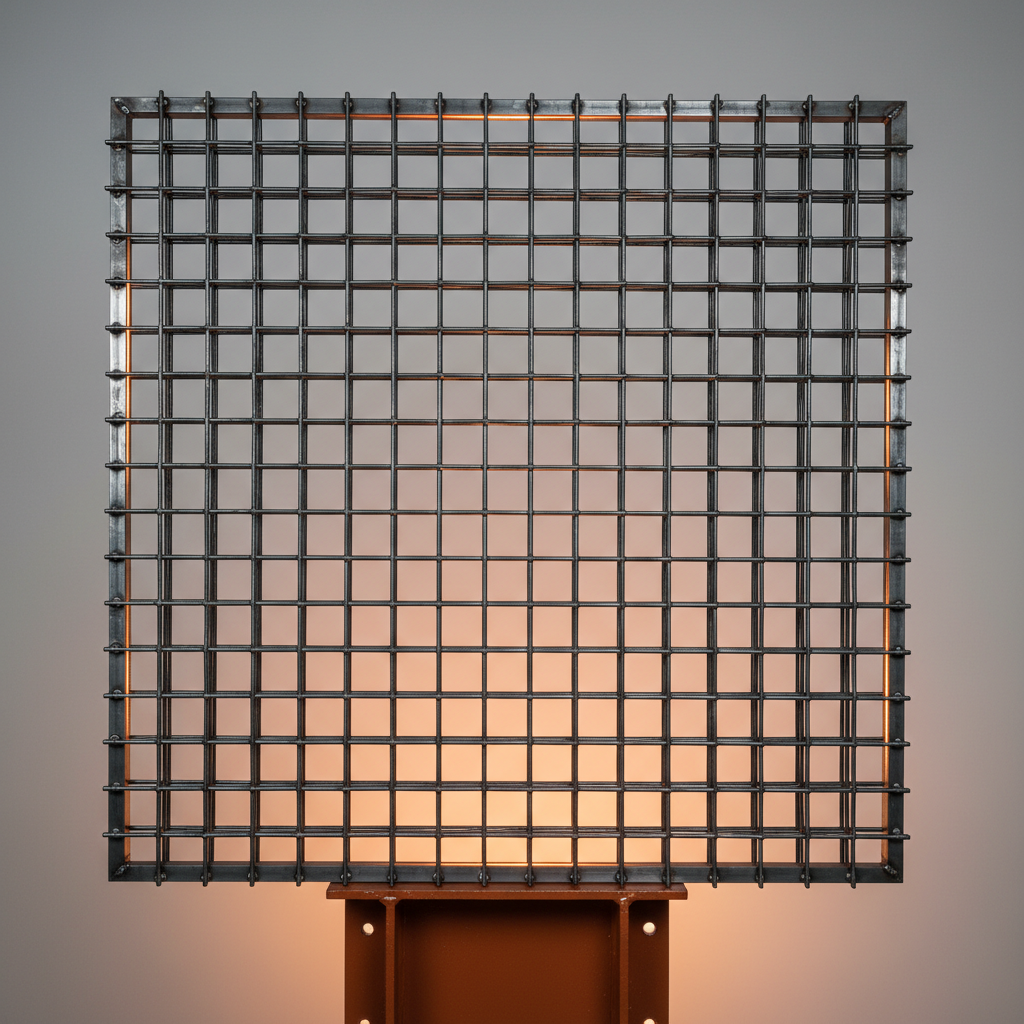 Heavy Duty 6 gauge welded wire mesh for Security and StrengthWhen it comes to heavy-duty containment, security, and structural reinforcement, choosing the right material is critical. The 6 gauge welded wire mesh stands as a premier choice for those requiring a balance of extreme rigidity and precise spacing. Whether you are securing a commercial perimeter, building industrial livestock panels, or creating reinforced concrete structures, this specific thickness provides the structural integrity needed to withstand significant pressure and impact. In this comprehensive guide, we will explore the technical specifications, primary applications, and why this mesh is the gold standard for high-security fencing solutions.Read more >
Apr 16 2026
-
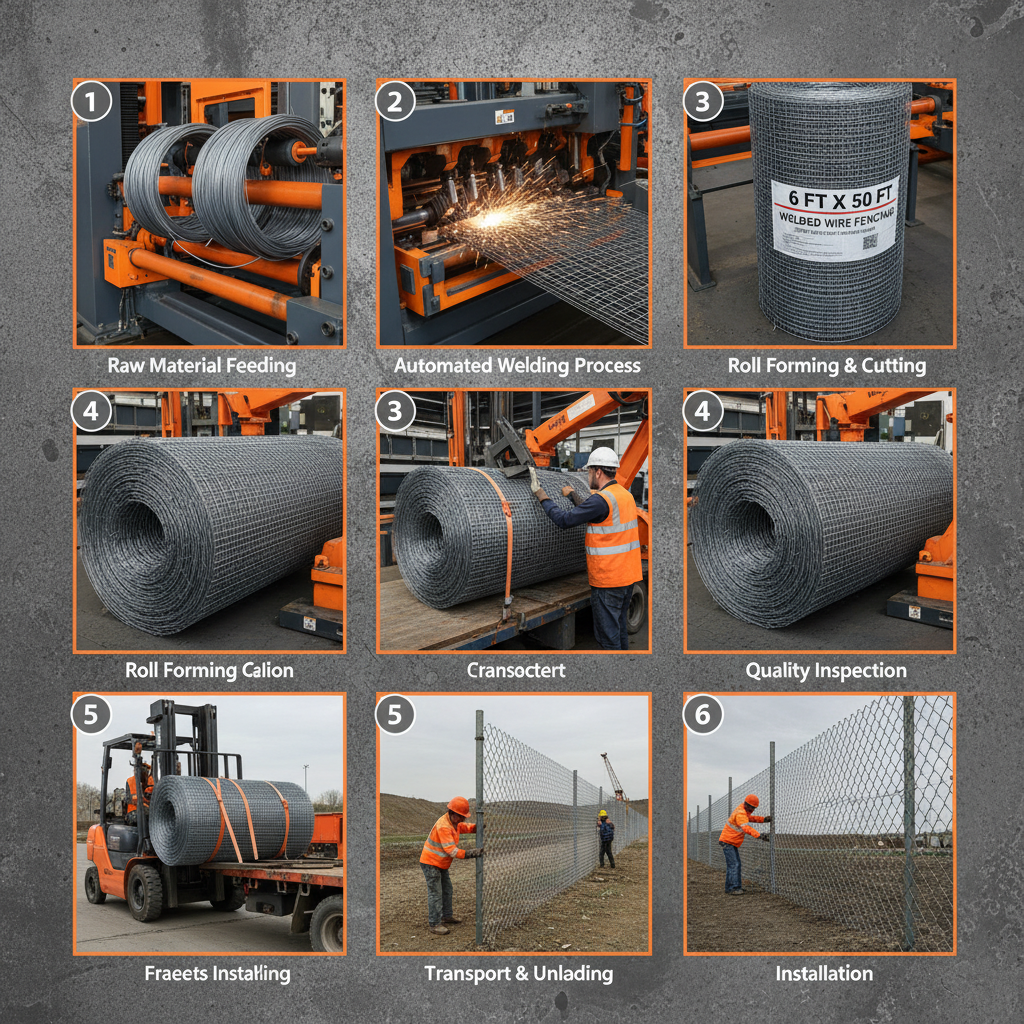 Durable 6 ft x 50 ft welded wire fencing for Security and GardensWhen it comes to securing a perimeter, whether for agricultural use, garden protection, or industrial boundaries, the dimensions and material of your fence matter. The 6 ft x 50 ft welded wire fencing offers an ideal balance of height and length, providing a robust barrier that is easy to install and maintain. Choosing a welded wire system ensures that the intersections are fused together, preventing the shifting and sagging often found in woven alternatives. In this guide, we will explore why this specific size is a preferred choice for property owners and how to maximize its effectiveness for your specific project.Read more >
Apr 09 2026
-
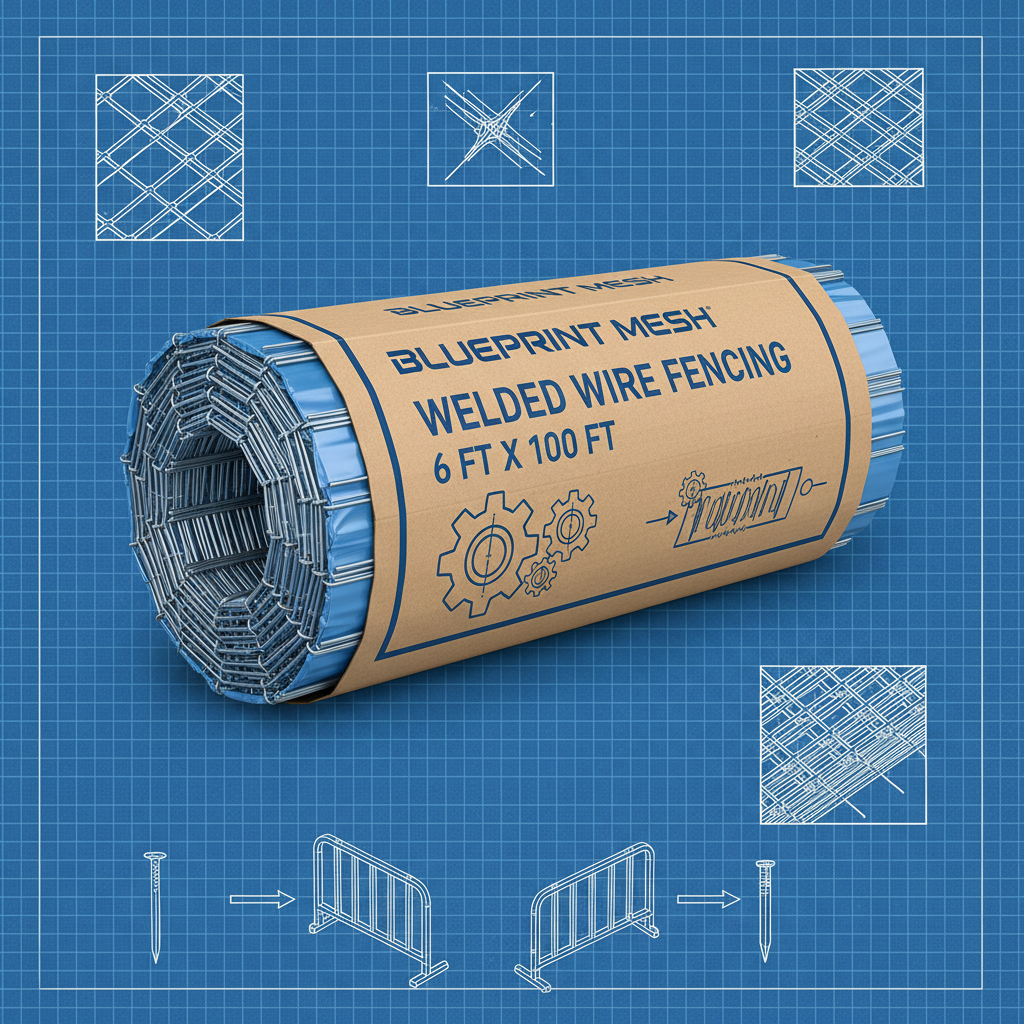 Comprehensive Guide to Choosing the Best 6 ft x 100 ft Welded Wire FencingWelded wire fencing is a versatile and cost-effective solution for a wide range of applications, from agricultural containment to residential security. Understanding the nuances of different types, especially when considering a size like 6 ft x 100 ft welded wire fencing, is crucial for making the right investment. This article will guide you through the essential factors to consider, helping you select the fencing that best suits your specific requirements.Read more >
Apr 07 2026
-
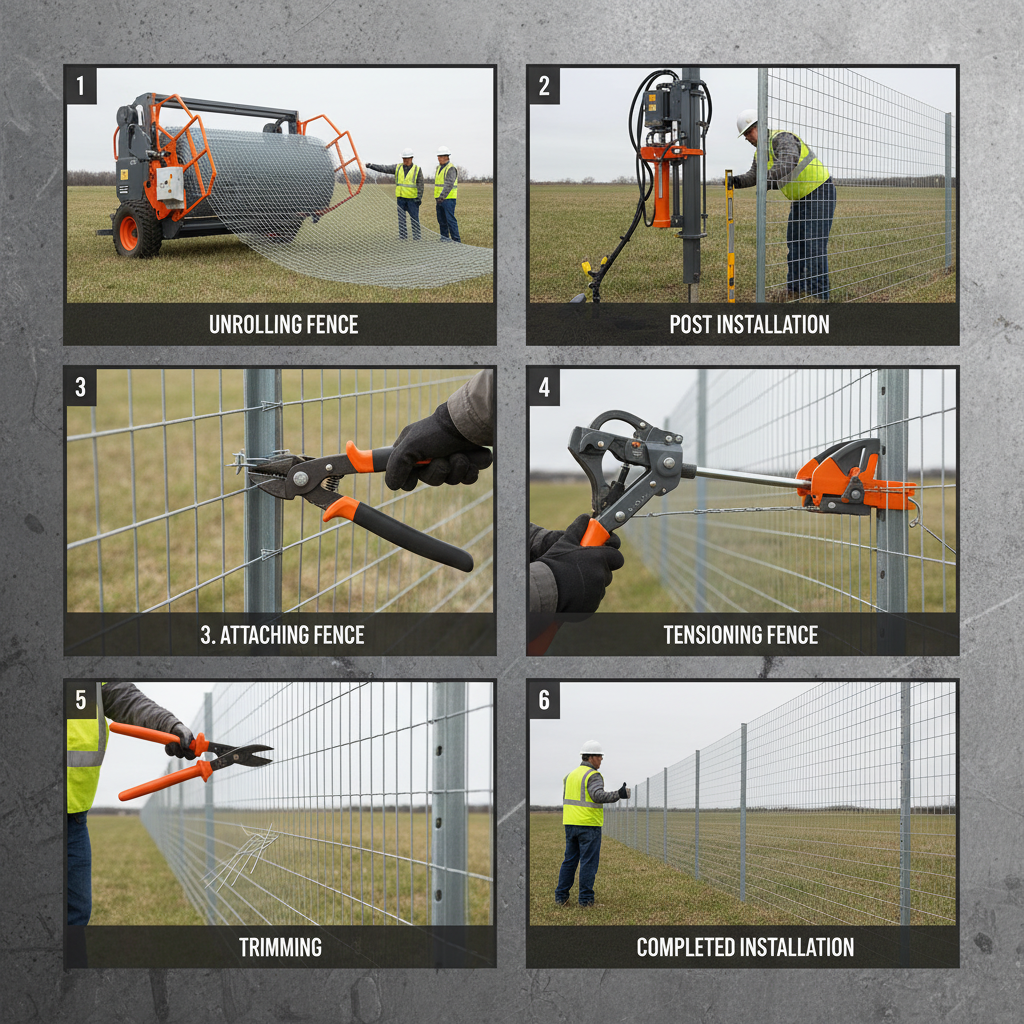 Comprehensive Guide to Choosing a 6 ft x 100 ft 12.5 Gauge Welded Wire FenceSelecting the appropriate fence for your property requires careful consideration. A 6 ft x 100 ft 12.5 gauge welded wire fence offers a robust and versatile solution for a variety of applications, from pet containment to garden protection and security. This guide will explore the benefits, applications, installation tips, and considerations when choosing this type of fencing. Understanding its construction and comparing it to other fencing options will help you make an informed decision.Read more >
Apr 04 2026
-
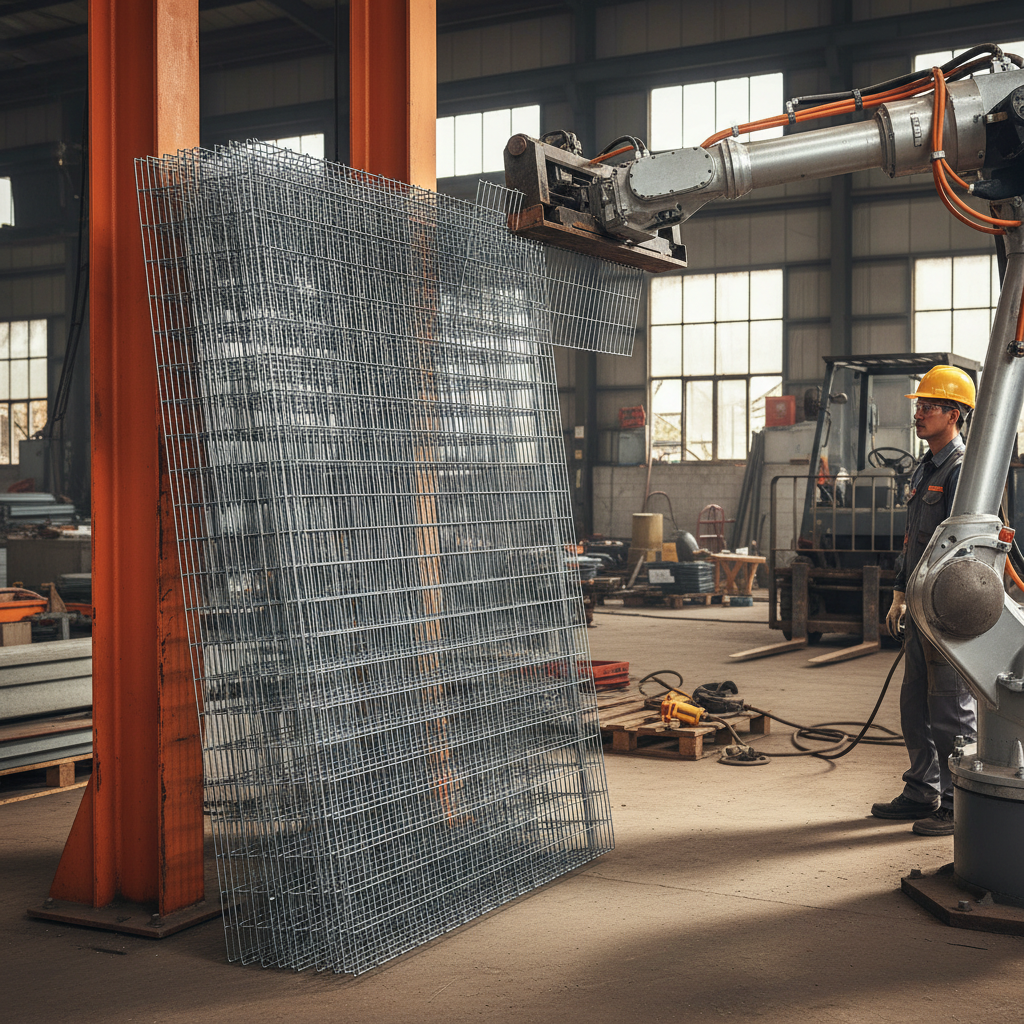 Comprehensive Guide to Durable 6 ft Welded Wire Fencing Panels and ApplicationsWhen selecting fencing for your property, 6 ft welded wire fencing panels offer a robust and versatile solution. These panels combine strength, security, and ease of installation, making them a popular choice for both residential and commercial applications. This article delves into the benefits, applications, installation, and maintenance of these panels, helping you make an informed decision.Read more >
Mar 31 2026