


Comprehensive Guide to Reinforcing Wire Mesh for Concrete: Applications & Innovations
Understanding Reinforcing Wire Mesh for Concrete: The Backbone of Modern Construction
Reinforcing wire mesh for concrete might sound like a mouthful, but honestly, it’s one of those unheralded heroes in the construction industry. Whether it’s soaring skyscrapers in Dubai, highways across the US, or rebuilding homes after a natural disaster, this mesh plays a quiet yet critical role in the safety and longevity of concrete structures worldwide.
Why does it matter globally? Concrete on its own is strong under compression but weak under tension and bending forces. Reinforcing wire mesh addresses that fundamental weakness, making our bridges sturdier, our runways safer, and even allowing innovative applications like rapid-deployment shelters. Frankly, without it, modern infrastructure as we know it wouldn’t exist.
Introduction: The Global Relevance of Reinforcing Wire Mesh for Concrete
The United Nations estimates that global urban population reached 56.2% in 2020 and is expected to climb to 68.4% by 2050 (UN Climate Change). That means more cities, more buildings, more infrastructure — and exponentially greater demands on materials like concrete.
Concrete usage worldwide already consumes billions of tons annually, and reinforcing materials like wire mesh ensure that this ubiquitous material stands the test of time and safety regulations. Yet the challenge has been that poorly embedded or inferior wire mesh compromises structural integrity, especially in seismic zones or extreme climates.
This issue is acute in disaster-prone regions where reconstruction speed and durability collide. So understanding the nuances of reinforcing wire mesh for concrete isn’t just academic—it’s a frontline concern that supports resilient communities and sustainable growth.
What is Reinforcing Wire Mesh for Concrete?
In simple terms, reinforcing wire mesh is a grid of interconnected steel wires laid within concrete slabs or walls to enhance tensile strength. Think of it as the “skeleton” beneath the concrete “skin” that helps the material deform but not fail under stress.
It’s widely used in building foundations, roadways, industrial floors, and even precast concrete elements—essentially anywhere concrete might crack or bend. Nowadays, innovations in the wire itself—galvanization, epoxy coating, or even stainless steel variants—cater to different environmental needs like corrosion resistance or higher tensile loads.
Interestingly, humanitarian organizations also rely on this mesh for building durable emergency shelters that meet safety standards without prohibitive cost or complexity, symbolism of practical innovation meeting social good.
Key Factors of Reinforcing Wire Mesh for Concrete
1. Durability
The durability of wire mesh correlates strongly with the type of wire used and protective coatings applied. Galvanized wire meshes resist rust, especially important in wet or marine environments. For harsh chemical exposures, epoxy coatings or stainless steel meshes are preferable. Long-lasting durability means fewer repairs and lower lifetime costs.
2. Load-Bearing Capacity
The mesh’s grid size and wire diameter affect how loads distribute through concrete. Finer meshes with smaller openings provide uniform stress distribution but might raise costs — it’s all about balancing structural demands with budget.
3. Ease of Installation
Wire mesh generally comes in rolls or prefab panels. Panels reduce installation time and ensure consistent quality, but rolls might better fit oddly shaped areas. Both save time compared to traditional rebar frameworks, especially on large slabs.
4. Cost Efficiency
While initially more expensive than plain concrete, reinforced concrete using wire mesh substantially reduces cracking and costly repairs or replacements over time. Plus, it enables thinner slabs or innovative architectural shapes, reducing material usage.
5. Sustainability
Steel wire mesh often contains recycled materials, and reinforcing concrete extends structural life, indirectly reducing resource consumption. Some suppliers now offer meshes produced with lower CO₂ footprints contributing to green building efforts.
Product Specifications at a Glance
| Specification | Typical Range | Impact |
|---|---|---|
| Wire Diameter | 3.0 mm – 5.0 mm | Stronger wires mean better load distribution but higher costs |
| Mesh Opening Size | 50 mm × 50 mm to 150 mm × 150 mm | Smaller openings provide uniform reinforcement |
| Material | Carbon steel, galvanized steel, epoxy-coated steel | Corrosion resistance varies significantly |
| Panel Size | 2 m × 3 m (common) | Standardized size simplifies transport and handling |
| Weight per m² | ~3 to 7 kg/m² | Influences handling ease and cost |
Mini takeaway: Choosing the right wire mesh specification is vital to balancing strength, durability, and cost in any concrete project.
Global Applications & Use Cases
Reinforcing wire mesh for concrete isn’t just “construction nerd stuff.” Its applications span continents and sectors. For example:
- Post-disaster relief: After earthquakes in Nepal or hurricanes in the Caribbean, NGO teams deploy wire mesh to rebuild homes and critical infrastructure quickly and safely.
- Infrastructure development: Countries like China and India use wire mesh extensively in sprawling highway projects and metro systems, enabling rapid urbanization with safer, longer-lasting concrete.
- Industrial floors: Warehouses and factories in Europe rely on wire mesh to reduce cracking under heavy machinery loads.
- Remote construction: In mining operations or research stations, pre-fabricated wire mesh panels support concrete in extreme environments, where traditional reinforcement is impractical.
Industries keep evolving, but this form of reinforcement remains foundational, proving its adaptability.
Vendor Comparison: Common Reinforcing Wire Mesh Suppliers
| Vendor | Material Options | Lead Time | Price Range | Global Reach |
|---|---|---|---|---|
| Chch Fence | Galvanized, epoxy-coated | 1–2 weeks | $$ (moderate) | Asia-Pacific, Americas |
| SteelTech Solutions | Carbon steel, stainless steel | 2–4 weeks | $$$ (premium) | Europe, North America |
| Global Reinforce | Galvanized steel | 3–5 weeks | $ (budget) | Global |
Advantages and Long-Term Value
Wire mesh reinforcement brings some pretty tangible advantages:
- Cost Savings: Reduced cracking means lower maintenance costs over the lifespan of a structure.
- Safety and Trust: Knowing buildings can withstand extra loading or seismic activity protects lives and builds public confidence.
- Sustainability: Extended structure life and availability of recycled steel contribute to eco-friendly building practices.
- Innovation: Facilitates creative architectural designs and precast methods.
- Social Impact: Supports resilient housing in vulnerable populations, preserving dignity after disasters.
Future Trends & Innovations
Oddly enough, as construction embraces digital transformation, the humble wire mesh is also evolving. Smart mesh embedded with sensors can transmit real-time data on stress or cracking to engineers — a proactive step for maintenance.
Materials science is paving the way for even lighter, stronger meshes made from composite fibers or coated with nanotechnology for remarkable corrosion resistance. And let’s not forget sustainability: lifecycle analyses increasingly influence supplier choices, pushing toward greener manufacturing methods.
Challenges & Solutions
No product is perfect. Wire mesh faces challenges like:
- Corrosion: Particularly in marine or industrial chemical environments, corrosion can ruin reinforcing steel’s integrity.
- Installation Errors: Poor placement or insufficient concrete cover reduces effectiveness.
- Cost Sensitivity: Some projects opt for cheaper alternatives, risking durability.
Experts recommend improved quality control, use of coated meshes, and training installers—steps that pay dividends. It also helps to collaborate with suppliers specializing in applications for extreme conditions.
Frequently Asked Questions About Reinforcing Wire Mesh for Concrete
- Q: How does reinforcing wire mesh compare with traditional rebar for concrete reinforcement?
- A: Wire mesh offers easier and faster installation, especially for slab reinforcement, whereas rebar provides custom configurations for complex loads. The choice depends on structural requirements.
- Q: Can reinforcing wire mesh be recycled after demolition?
- A: Yes, steel wire mesh is generally recyclable, contributing to sustainable construction practices by reducing waste and the need for virgin materials.
- Q: What precautions prevent corrosion of wire mesh in humid environments?
- A: Using galvanized, epoxy-coated, or stainless steel meshes, ensuring proper concrete cover, and applying corrosion inhibitors can significantly reduce rust risks.
- Q: Is it possible to order custom-sized mesh panels for unique projects?
- A: Absolutely. Many suppliers, including reinforcing wire mesh for concrete providers, offer customization options tailored to project specifications.
Conclusion
Reinforcing wire mesh for concrete remains a cornerstone of modern construction. Its significance stretches beyond structural integrity—it embodies safety, sustainability, and innovation in one. As urbanization and infrastructure demands increase, tapping into the right mesh solutions becomes ever more crucial. If your project needs reliable, high-quality wire mesh, don’t hesitate to visit https://www.chchfence.com for trusted suppliers and expert guidance.
Ultimately, if you ask me, it feels like reinforcing mesh is not just steel wires but threads weaving the future of resilient building worldwide.
References:
Latest News About CHENG CHUANG
-
 Heavy Duty 6 gauge welded wire mesh for Security and StrengthWhen it comes to heavy-duty containment, security, and structural reinforcement, choosing the right material is critical. The 6 gauge welded wire mesh stands as a premier choice for those requiring a balance of extreme rigidity and precise spacing. Whether you are securing a commercial perimeter, building industrial livestock panels, or creating reinforced concrete structures, this specific thickness provides the structural integrity needed to withstand significant pressure and impact. In this comprehensive guide, we will explore the technical specifications, primary applications, and why this mesh is the gold standard for high-security fencing solutions.Read more >
Apr 16 2026
-
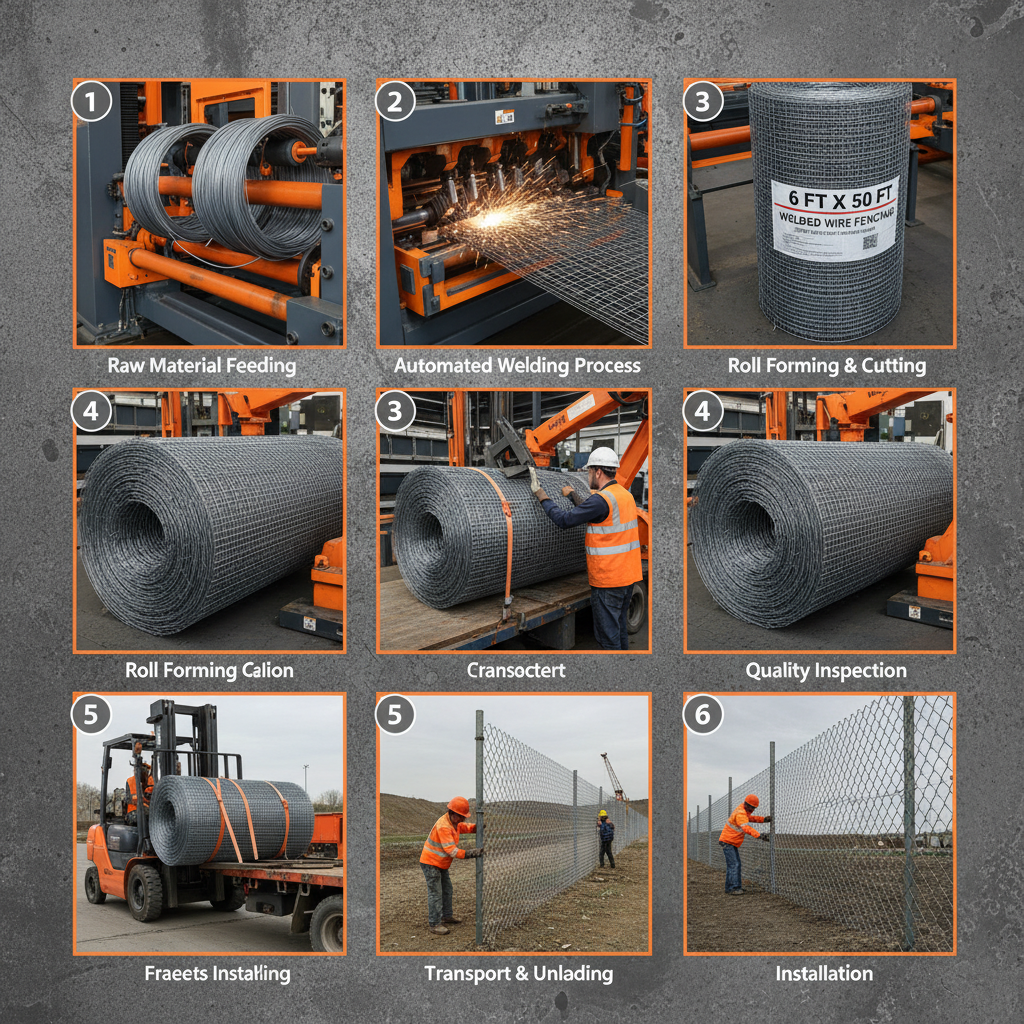 Durable 6 ft x 50 ft welded wire fencing for Security and GardensWhen it comes to securing a perimeter, whether for agricultural use, garden protection, or industrial boundaries, the dimensions and material of your fence matter. The 6 ft x 50 ft welded wire fencing offers an ideal balance of height and length, providing a robust barrier that is easy to install and maintain. Choosing a welded wire system ensures that the intersections are fused together, preventing the shifting and sagging often found in woven alternatives. In this guide, we will explore why this specific size is a preferred choice for property owners and how to maximize its effectiveness for your specific project.Read more >
Apr 09 2026
-
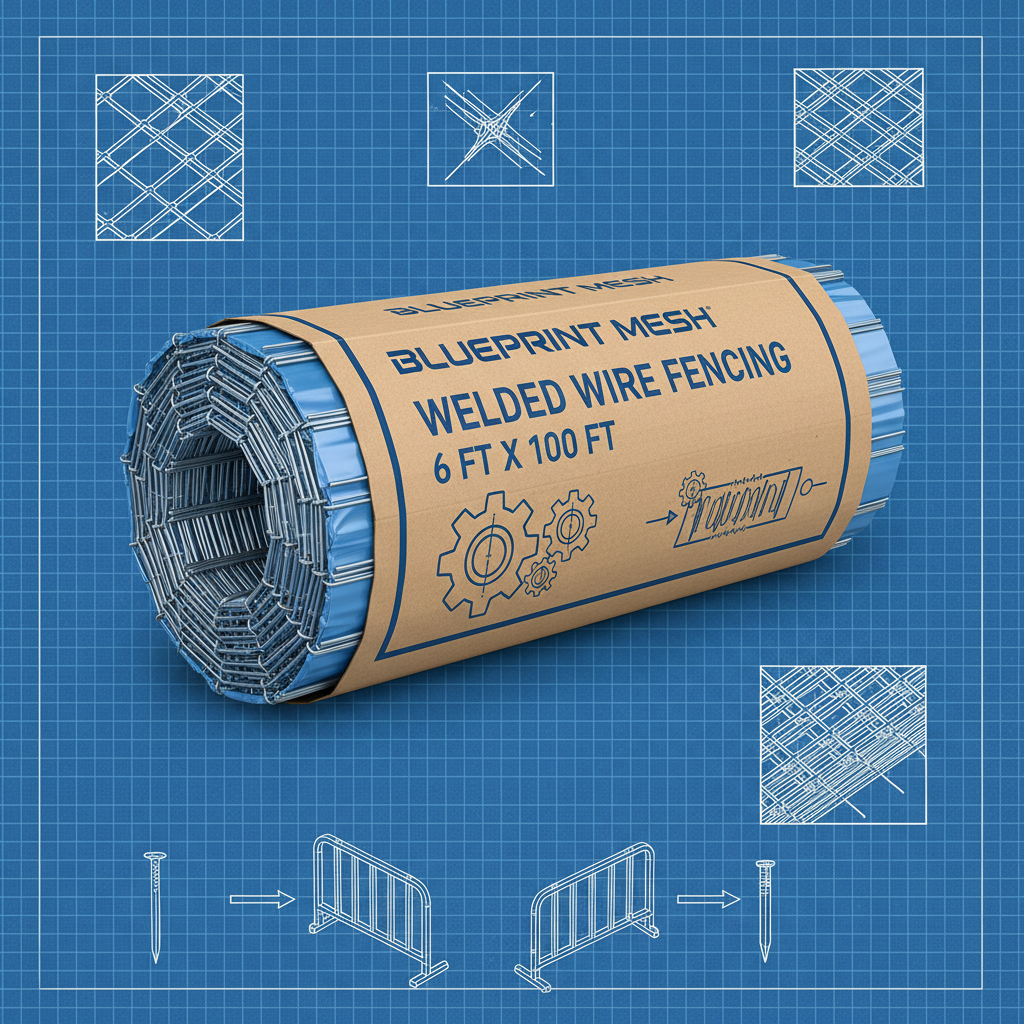 Comprehensive Guide to Choosing the Best 6 ft x 100 ft Welded Wire FencingWelded wire fencing is a versatile and cost-effective solution for a wide range of applications, from agricultural containment to residential security. Understanding the nuances of different types, especially when considering a size like 6 ft x 100 ft welded wire fencing, is crucial for making the right investment. This article will guide you through the essential factors to consider, helping you select the fencing that best suits your specific requirements.Read more >
Apr 07 2026
-
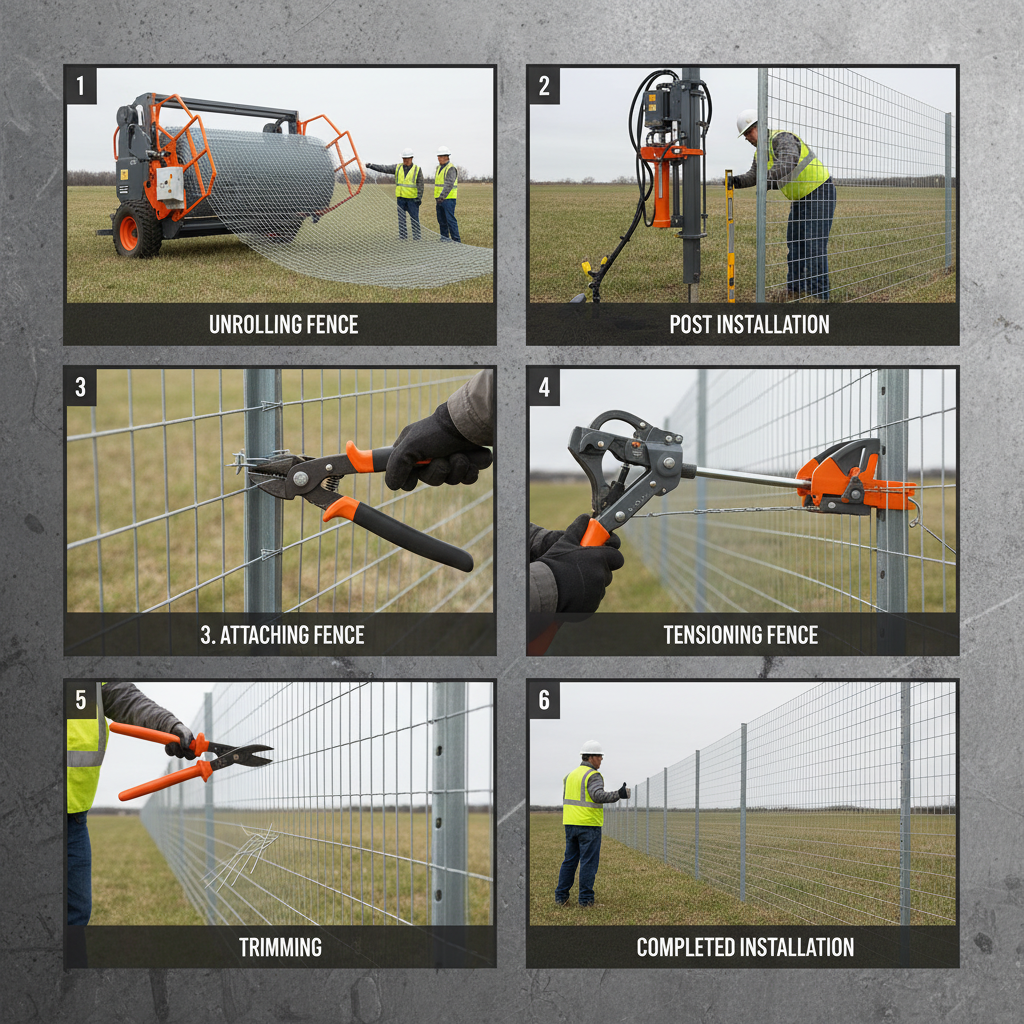 Comprehensive Guide to Choosing a 6 ft x 100 ft 12.5 Gauge Welded Wire FenceSelecting the appropriate fence for your property requires careful consideration. A 6 ft x 100 ft 12.5 gauge welded wire fence offers a robust and versatile solution for a variety of applications, from pet containment to garden protection and security. This guide will explore the benefits, applications, installation tips, and considerations when choosing this type of fencing. Understanding its construction and comparing it to other fencing options will help you make an informed decision.Read more >
Apr 04 2026
-
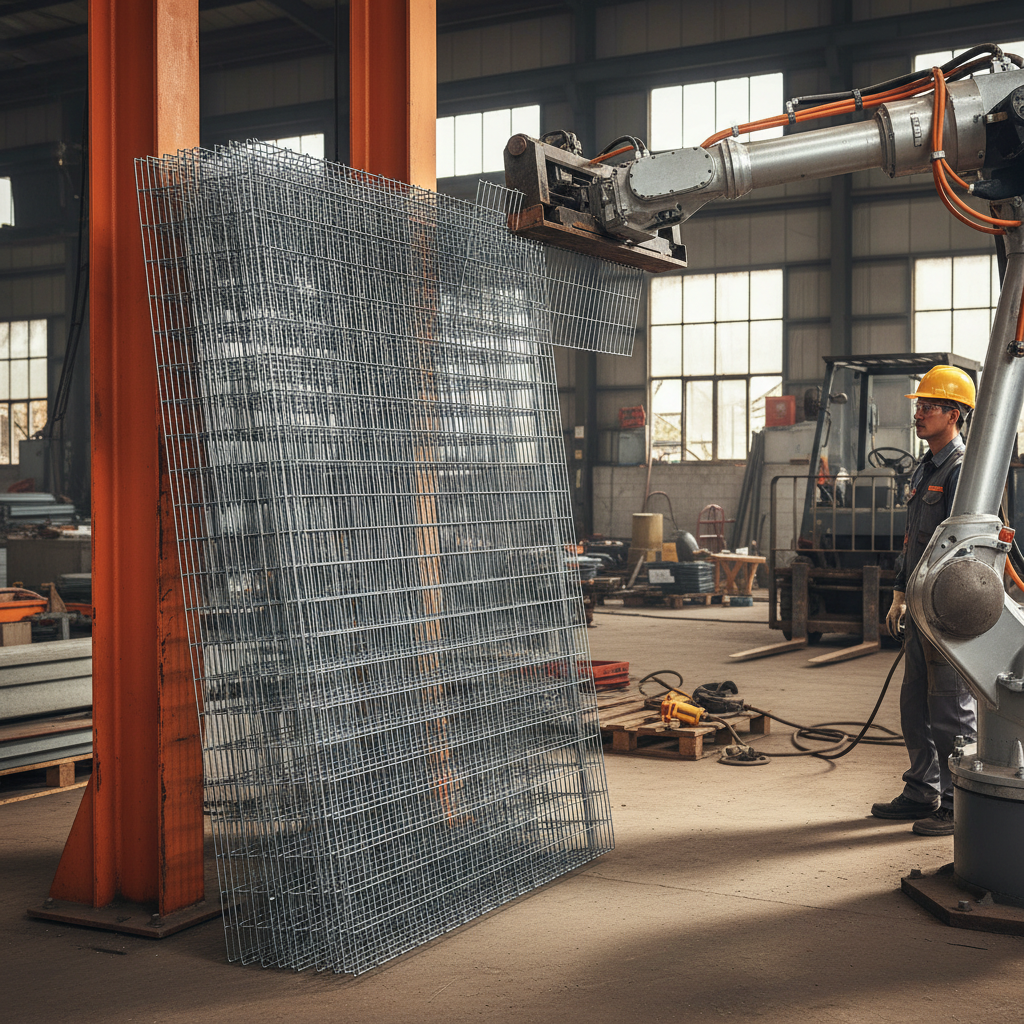 Comprehensive Guide to Durable 6 ft Welded Wire Fencing Panels and ApplicationsWhen selecting fencing for your property, 6 ft welded wire fencing panels offer a robust and versatile solution. These panels combine strength, security, and ease of installation, making them a popular choice for both residential and commercial applications. This article delves into the benefits, applications, installation, and maintenance of these panels, helping you make an informed decision.Read more >
Mar 31 2026