


Durable 6 ft x 50 ft welded wire fencing for Security and Gardens
The Ultimate Guide to 6 ft x 50 ft Welded Wire Fencing
When it comes to securing a perimeter, whether for agricultural use, garden protection, or industrial boundaries, the dimensions and material of your fence matter. The 6 ft x 50 ft welded wire fencing offers an ideal balance of height and length, providing a robust barrier that is easy to install and maintain. Choosing a welded wire system ensures that the intersections are fused together, preventing the shifting and sagging often found in woven alternatives. In this guide, we will explore why this specific size is a preferred choice for property owners and how to maximize its effectiveness for your specific project.
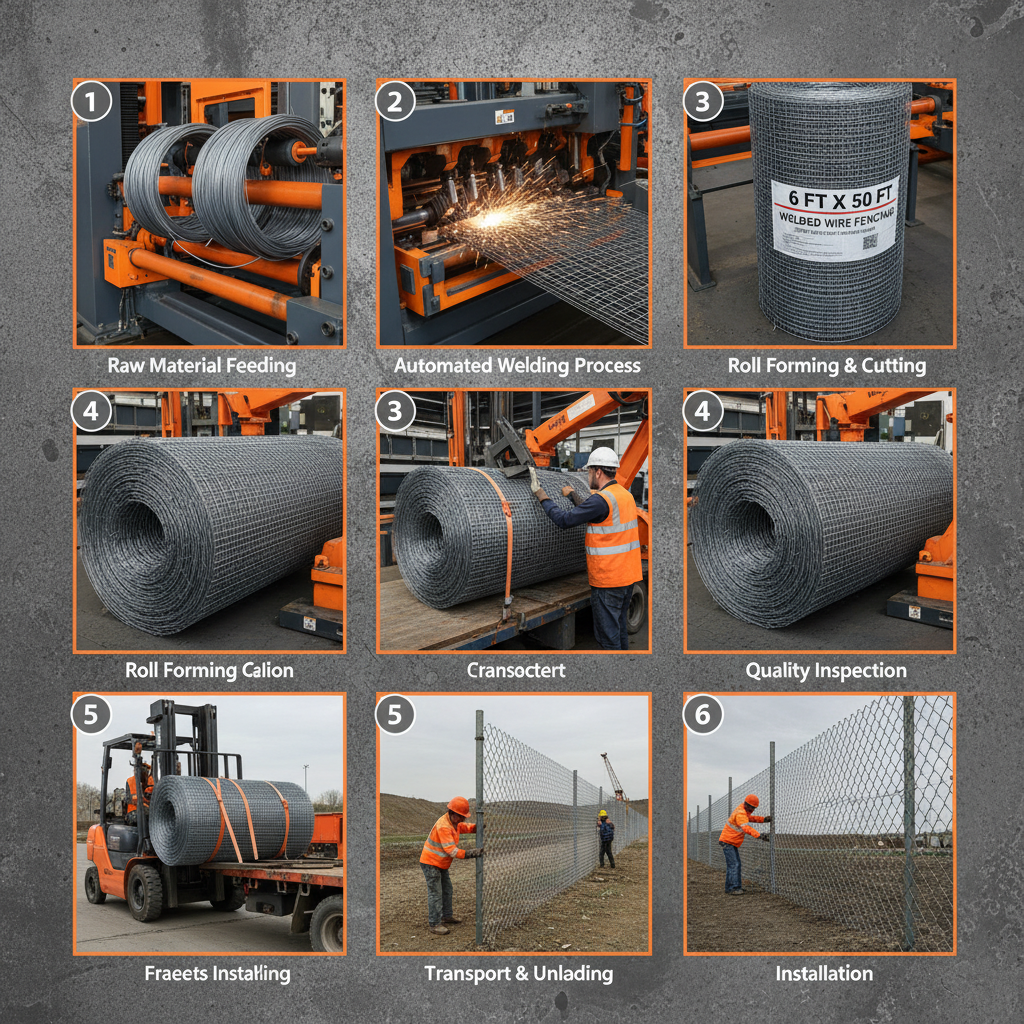
Why Choose 6 ft x 50 ft Welded Wire Fencing?
The primary advantage of 6 ft x 50 ft welded wire fencing is its structural integrity. Unlike traditional chain link or woven wire, welded wire is manufactured by welding the horizontal and vertical wires together at every intersection. This creates a rigid grid pattern that resists deformation. A 6-foot height is particularly effective for deterring larger animals or providing a psychological and physical boundary for residential properties. Furthermore, the 50-foot roll length is manageable for DIY enthusiasts while remaining efficient for larger professional installations, reducing the number of seams and joints in the fence line.
Pro Tip: To ensure maximum longevity, always check the galvanization thickness of your wire. Hot-dipped galvanized coatings provide the best protection against rust in humid or coastal environments.
Applications of Welded Wire Fencing
The versatility of 6 ft x 50 ft welded wire fencing makes it a staple in various sectors. In agriculture, it is frequently used to create secure pens for livestock or to keep predators away from poultry. In residential settings, it serves as an excellent trellis for climbing plants or a sturdy border for backyard gardens. Because the mesh is consistent, it provides a clean, professional look that doesn't obstruct the view of the landscape. Whether you are enclosing a utility area or creating a safe zone for pets, the stability of the welded joints ensures the fence remains upright and functional over time.
Comparing Welded Wire vs. Woven Wire Fencing
When selecting the right material, it is essential to understand the difference between welded and woven structures. While woven wire is often more flexible and better for extremely uneven terrain, 6 ft x 50 ft welded wire fencing provides superior rigidity and a more consistent aperture. This means there are no "gaps" that can open up over time, making it far more secure for containing small animals or creating a strict boundary. The installation process is also generally simpler because the fence maintains its shape during unrolling.
Installation Tips for 6 ft x 50 ft Welded Wire Fencing
To get the most out of your 6 ft x 50 ft welded wire fencing, proper installation is key. Start by clearly marking your boundary and installing sturdy corner posts. Because the fence is 6 feet high, these posts must be buried deep enough to resist wind load and pressure. Using T-posts every 8 to 10 feet is recommended to keep the wire taut. Unroll the fencing carefully and use heavy-duty fence staples or clips to secure the wire to the posts. Ensuring the bottom of the fence is flush with the ground—or slightly buried—will prevent animals from digging underneath.
Product Specifications for Welded Wire
When ordering your fencing, it is important to review the technical specifications to ensure the gauge and mesh size meet your needs. A heavier gauge wire offers more strength but may be harder to bend, while a lighter gauge is more flexible. The following table outlines the standard specifications for a high-quality 6 ft x 50 ft welded wire fencing roll.
Conclusion: Securing Your Space with Confidence
Investing in high-quality 6 ft x 50 ft welded wire fencing is one of the most effective ways to ensure the security and organization of your property. By combining durability, ease of installation, and a professional appearance, this fencing solution meets the demands of both homeowners and commercial operators. Whether you are protecting a garden from wildlife or establishing a clear boundary, the stability of welded wire provides peace of mind for years to come. Choose quality materials and follow proper installation techniques to create a lasting barrier.
Frequently Asked Questions (FAQs)
Is 6 ft x 50 ft welded wire fencing suitable for dogs?
Yes, it is highly suitable for dogs, especially larger breeds that require a taller barrier to prevent jumping. The welded intersections provide a sturdy surface that resists pushing and leaning. However, for very small dogs or puppies, you should check the mesh size (the gap between wires) to ensure they cannot squeeze through. If the gaps are too large, adding a layer of chicken wire at the bottom can provide the necessary extra security.
How do I prevent the fence from rusting over time?
Most professional-grade welded wire fencing is galvanized, meaning it is coated in zinc to prevent oxidation. To further extend the life of your fence, avoid using high-acid chemicals near the wire and inspect the fence annually for any scratches or cuts in the coating. If you find a damaged area, you can apply a cold-galvanizing spray or a rust-resistant outdoor paint to seal the metal from moisture and oxygen, preventing rust from spreading.
Can I use this fencing on sloped ground?
While welded wire is more rigid than woven wire, it can still be installed on sloped ground. The best method is to "step" the fence, where you maintain a level top across short sections, or "contour" it, where the fence follows the line of the land. Because the 6 ft x 50 ft welded wire fencing has fixed joints, you will need to ensure your posts are carefully placed to avoid creating excessive tension that could warp the grid.
What tools are needed for installation?
To install a roll of welded wire fencing, you will typically need a post-hole digger or auger for the corner posts, a post driver for the T-posts, a heavy-duty wire cutter or bolt cutters for trimming the roll, and a hammer or staple gun for securing the wire. Additionally, a level and string line are essential to ensure your fence runs straight and maintains a consistent height throughout the 50-foot span.
Latest News About CHENG CHUANG
-
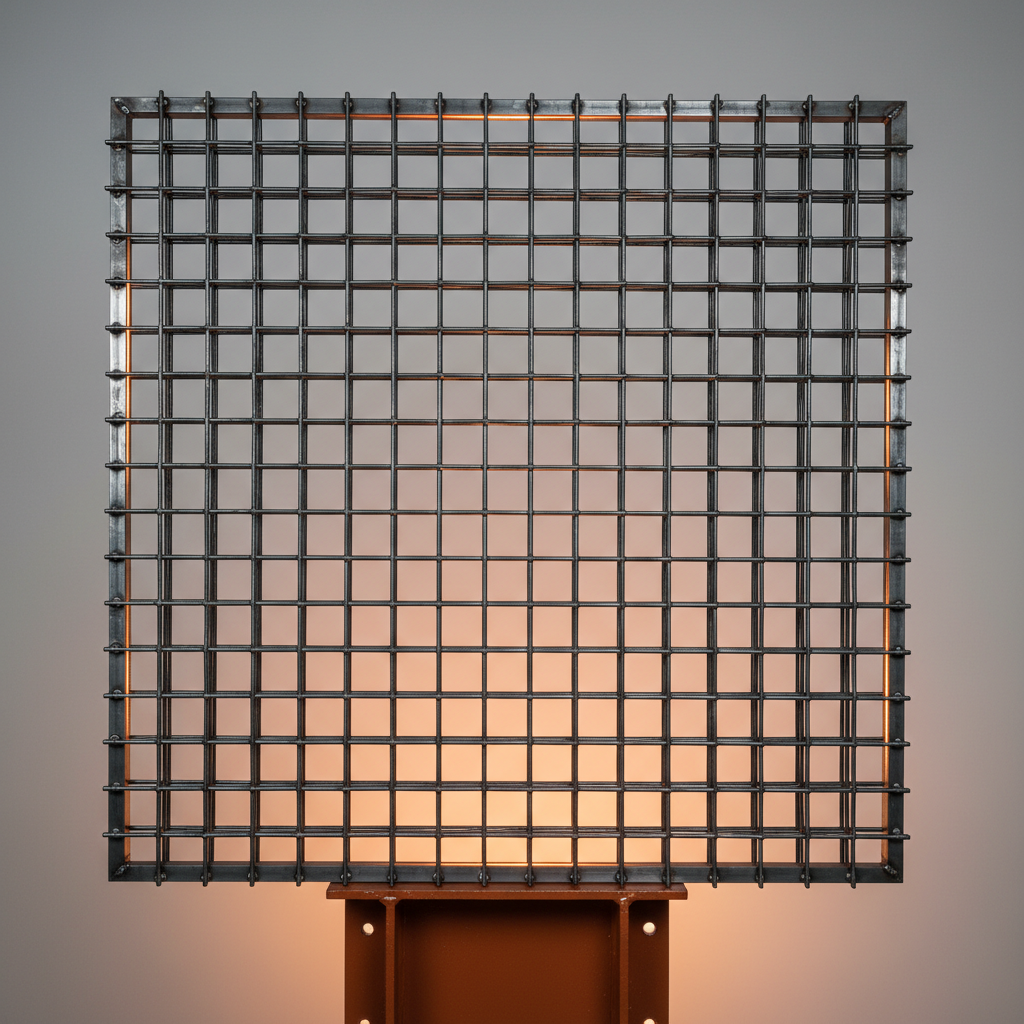 Heavy Duty 6 gauge welded wire mesh for Security and StrengthWhen it comes to heavy-duty containment, security, and structural reinforcement, choosing the right material is critical. The 6 gauge welded wire mesh stands as a premier choice for those requiring a balance of extreme rigidity and precise spacing. Whether you are securing a commercial perimeter, building industrial livestock panels, or creating reinforced concrete structures, this specific thickness provides the structural integrity needed to withstand significant pressure and impact. In this comprehensive guide, we will explore the technical specifications, primary applications, and why this mesh is the gold standard for high-security fencing solutions.Read more >
Apr 16 2026
-
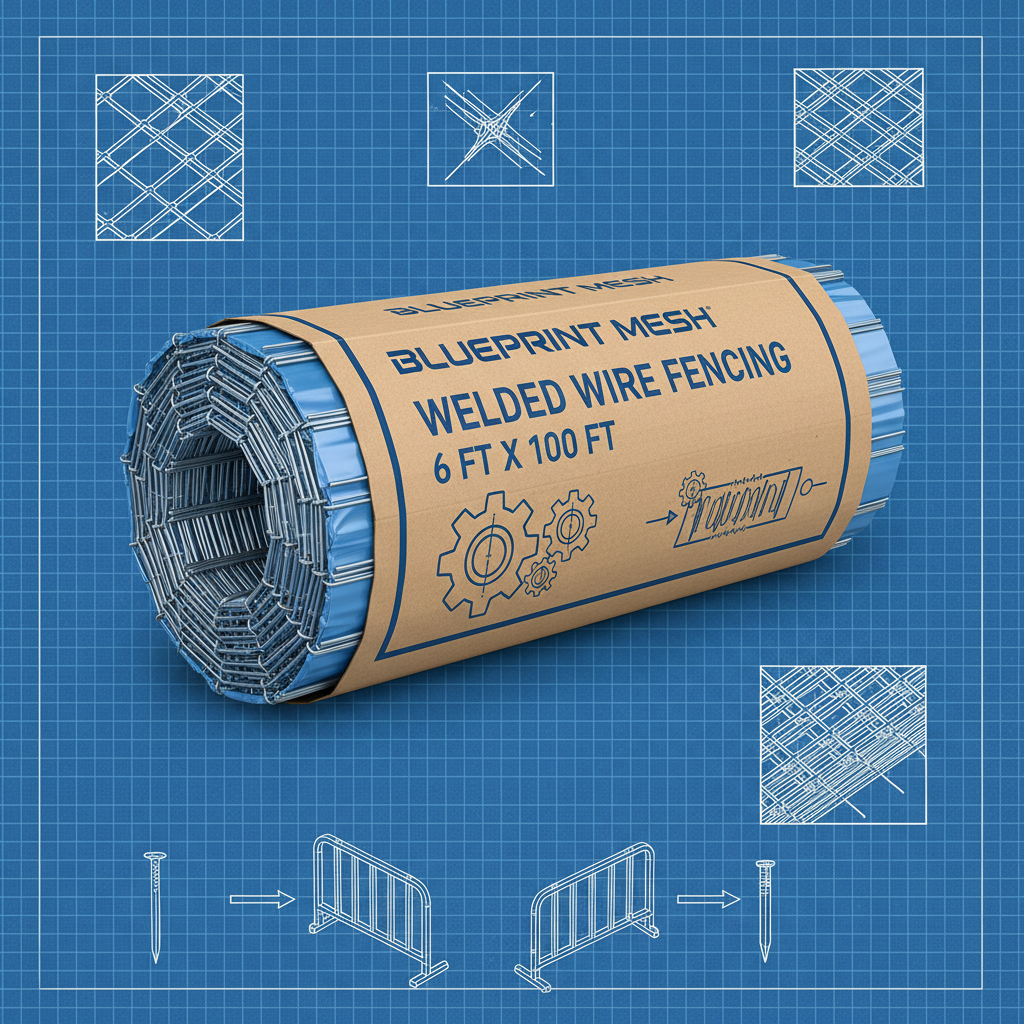 Comprehensive Guide to Choosing the Best 6 ft x 100 ft Welded Wire FencingWelded wire fencing is a versatile and cost-effective solution for a wide range of applications, from agricultural containment to residential security. Understanding the nuances of different types, especially when considering a size like 6 ft x 100 ft welded wire fencing, is crucial for making the right investment. This article will guide you through the essential factors to consider, helping you select the fencing that best suits your specific requirements.Read more >
Apr 07 2026
-
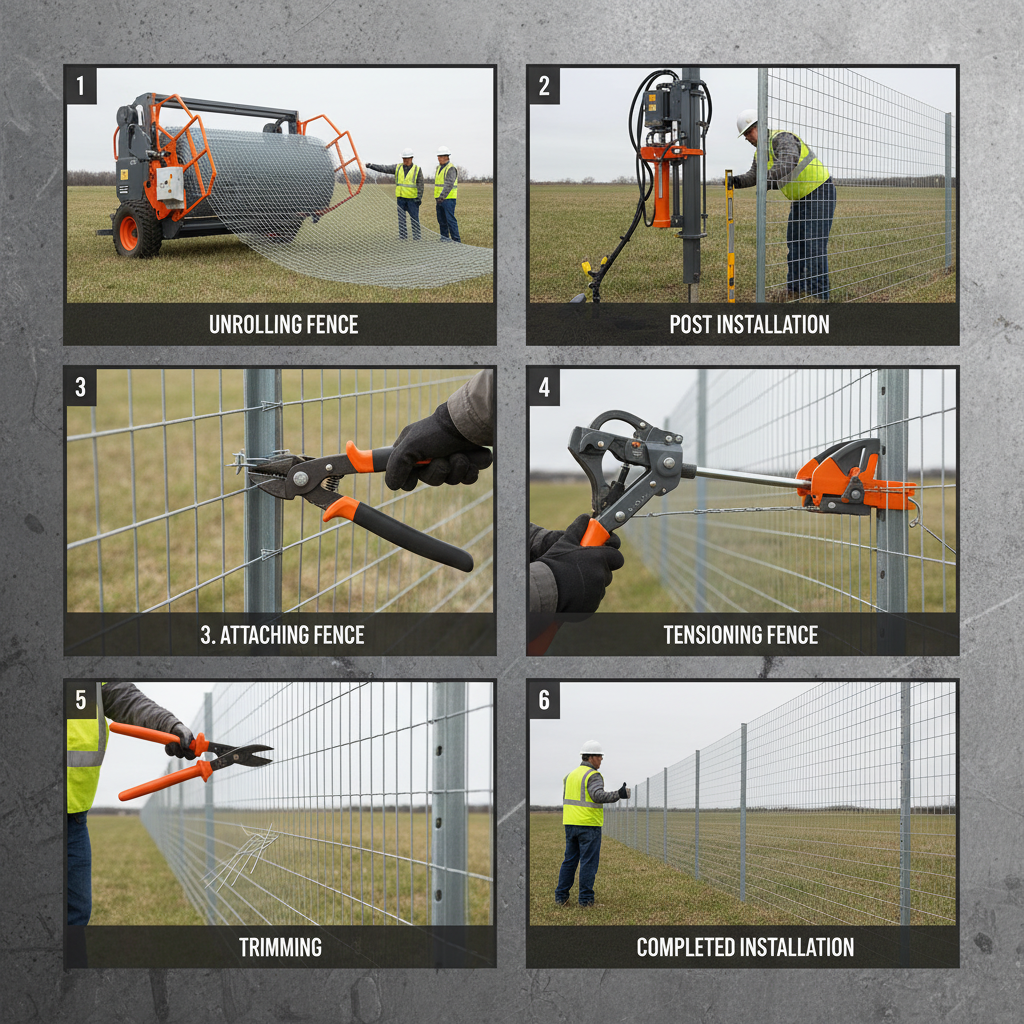 Comprehensive Guide to Choosing a 6 ft x 100 ft 12.5 Gauge Welded Wire FenceSelecting the appropriate fence for your property requires careful consideration. A 6 ft x 100 ft 12.5 gauge welded wire fence offers a robust and versatile solution for a variety of applications, from pet containment to garden protection and security. This guide will explore the benefits, applications, installation tips, and considerations when choosing this type of fencing. Understanding its construction and comparing it to other fencing options will help you make an informed decision.Read more >
Apr 04 2026
-
 Comprehensive Guide to Durable 6 ft Welded Wire Fencing Panels and ApplicationsWhen selecting fencing for your property, 6 ft welded wire fencing panels offer a robust and versatile solution. These panels combine strength, security, and ease of installation, making them a popular choice for both residential and commercial applications. This article delves into the benefits, applications, installation, and maintenance of these panels, helping you make an informed decision.Read more >
Mar 31 2026