


Comprehensive Guide to Choosing the Best 6 ft x 100 ft Welded Wire Fencing
Choosing the Right 6 ft x 100 ft Welded Wire Fencing for Your Needs
Welded wire fencing is a versatile and cost-effective solution for a wide range of applications, from agricultural containment to residential security. Understanding the nuances of different types, especially when considering a size like 6 ft x 100 ft welded wire fencing, is crucial for making the right investment. This article will guide you through the essential factors to consider, helping you select the fencing that best suits your specific requirements. Proper fencing not only provides security but also adds value and aesthetic appeal to your property. We’ll cover everything from gauge and mesh size to coating options and installation tips.
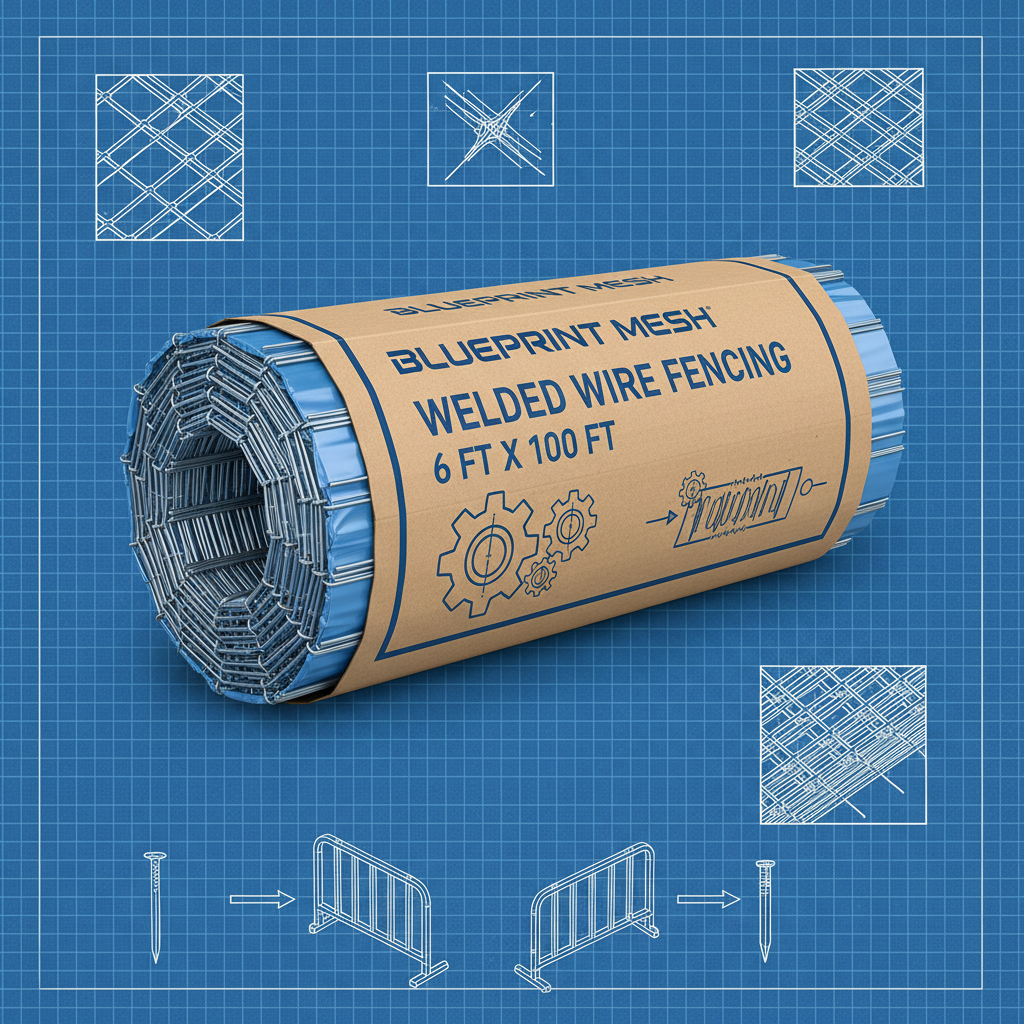
Understanding Welded Wire Fencing: Key Components
Welded wire fencing, as the name suggests, is created by welding pre-formed wire at each intersection. This results in a rigid and durable panel. Key components to consider include the wire gauge (thickness), mesh size (the size of the openings), and the overall dimensions. A lower wire gauge indicates thicker wire, providing greater strength. Mesh size determines what can pass through the fence – smaller mesh is ideal for containing smaller animals or increasing security, while larger mesh is suitable for larger animals or decorative purposes. The quality of the welds themselves is also paramount, ensuring long-lasting performance.
Key Takeaway: Wire gauge, mesh size, and weld quality are the foundational elements determining the strength and suitability of welded wire fencing.
Applications of 6 ft x 100 ft Welded Wire Fencing
The 6 ft x 100 ft dimension is incredibly versatile. Popular applications include: livestock containment (goats, sheep, poultry), garden protection from pests (rabbits, deer), creating pet enclosures, supporting climbing plants, and providing security boundaries. For animal containment, consider the specific needs of the animal – larger animals require heavier gauge wire and smaller mesh. In garden applications, the fencing can serve as a barrier against unwanted visitors while still allowing sunlight and airflow. The length of 100 ft offers considerable coverage for larger areas, reducing the need for multiple rolls and simplifying installation. CHCH Fence offers a variety of options tailored to these diverse needs.
Common Applications:
• Livestock Containment
• Garden Pest Protection
• Pet Enclosures
• Plant Support
6 ft x 100 ft Welded Wire Fencing: A Comparative Look at Wire Gauge and Mesh Size
Choosing the right wire gauge and mesh size is critical. Here's a comparison to guide your decision:
Coating Options & Longevity
Welded wire fencing is often coated to increase its lifespan and resistance to corrosion. Common coating options include galvanized (zinc coating), PVC coating, and a combination of both. Galvanized coating provides basic rust protection, while PVC coating offers superior durability and a more aesthetically pleasing finish. A galvanized core with a PVC coating provides the best of both worlds. The climate you live in significantly impacts the importance of a robust coating; coastal or humid environments demand greater corrosion resistance. CHCH Fence provides detailed information on coating options and their suitability for different environments.
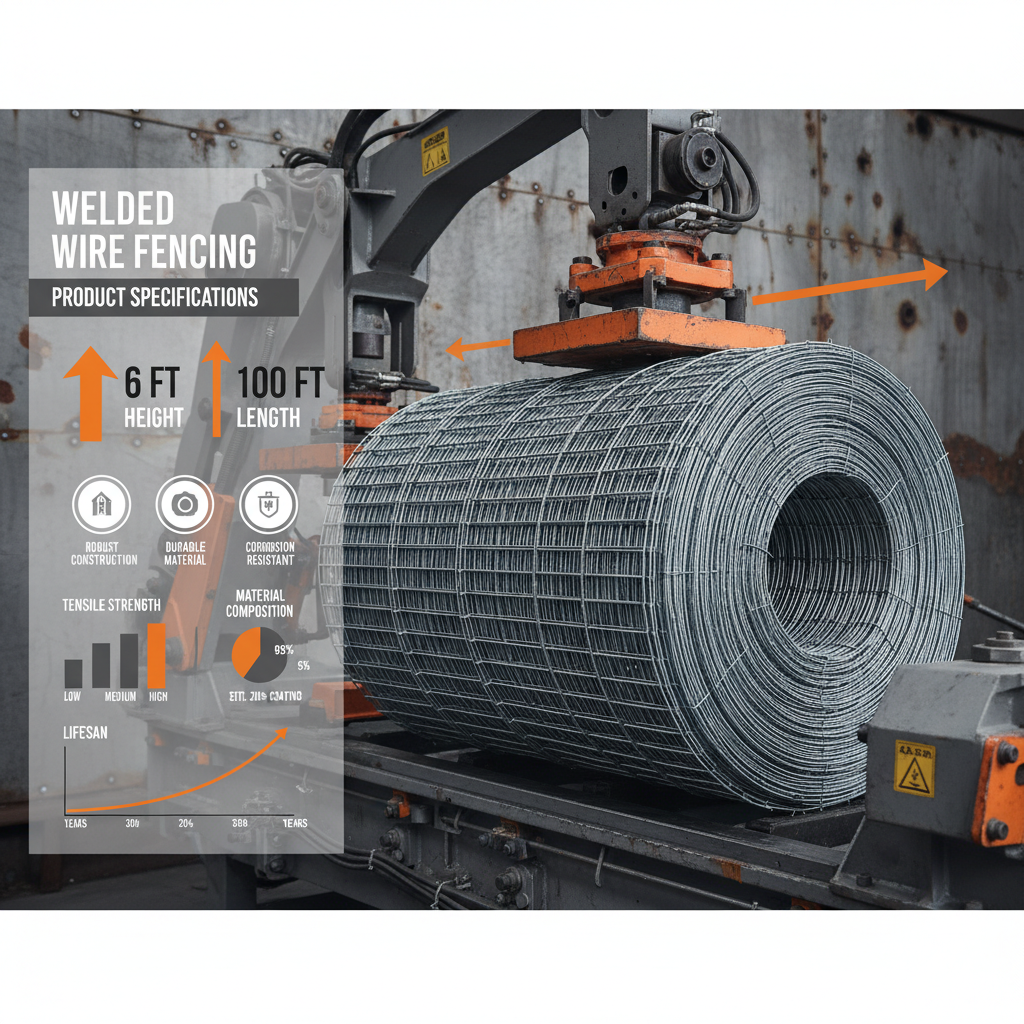
Installation Tips for 6 ft x 100 ft Welded Wire Fencing
Proper installation is essential for ensuring the longevity and effectiveness of your fencing. Start by marking the fence line and installing sturdy posts at regular intervals (typically 8-10 feet apart). Use appropriate post materials for your soil type and climate. Securely attach the fencing to the posts using wire ties, clips, or tension bands. Maintain consistent tension along the entire length of the fence to prevent sagging. For added stability, consider using a bottom rail or bracing. Always check local regulations regarding fence height and setbacks before beginning installation.
Conclusion: Making the Right Choice for Your Fencing Needs
Selecting the appropriate 6 ft x 100 ft welded wire fencing requires careful consideration of your specific application, budget, and environmental factors. By understanding the importance of wire gauge, mesh size, coating options, and proper installation, you can ensure a durable, effective, and long-lasting fencing solution. Invest in quality materials and consider consulting with fencing professionals for expert advice.
Frequently Asked Questions (FAQs)
What is the best wire gauge for containing goats?
For containing goats, a 14-gauge welded wire with a mesh size of 4" x 4" is generally recommended. Goats are known for their ability to test fences, so a heavier gauge wire provides greater strength and resistance to bending or breaking. The 4" x 4" mesh size will prevent them from getting their heads stuck. However, depending on the breed and temperament of your goats, you might consider a 12-gauge wire for added security. Always prioritize a sturdy and well-installed fence to ensure their safety and containment.
How often should I inspect my welded wire fence?
Regular inspections are crucial for maintaining the integrity of your welded wire fence. At a minimum, inspect the fence line monthly, and more frequently during harsh weather conditions (storms, heavy snow). Look for signs of damage such as broken wires, loose connections, rust, or sagging. Repair any damage promptly to prevent further deterioration and ensure continued effectiveness. Addressing minor issues early on can save you significant costs and effort in the long run.
Can I install welded wire fencing on sloping ground?
Yes, you can install welded wire fencing on sloping ground, but it requires careful planning. Follow the contour of the land as closely as possible to minimize the need for cutting and adjusting the fencing. You may need to use staggered posts or adjust the height of the fencing to maintain a consistent appearance. Ensure the bottom of the fence is close to the ground to prevent animals from crawling underneath. Consider adding additional support posts in areas with steep slopes. Proper ground preparation and careful installation are essential for a successful outcome.
Latest News About CHENG CHUANG
-
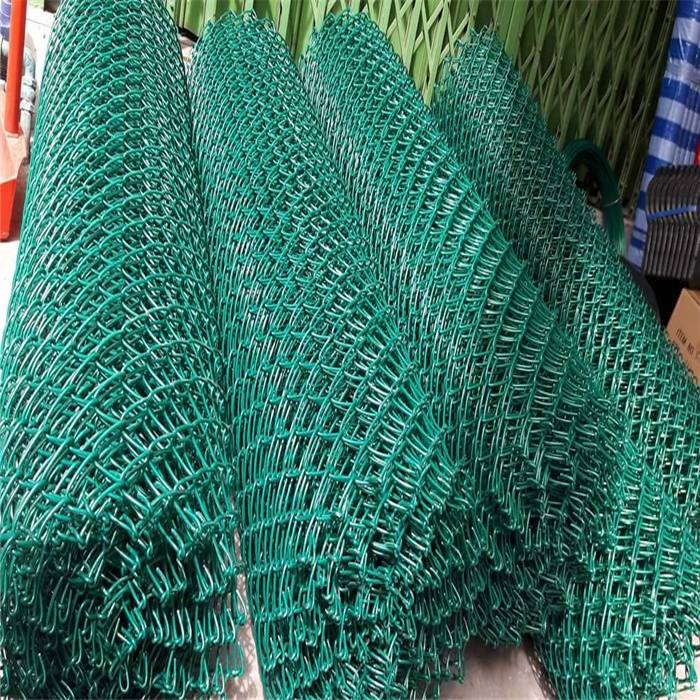
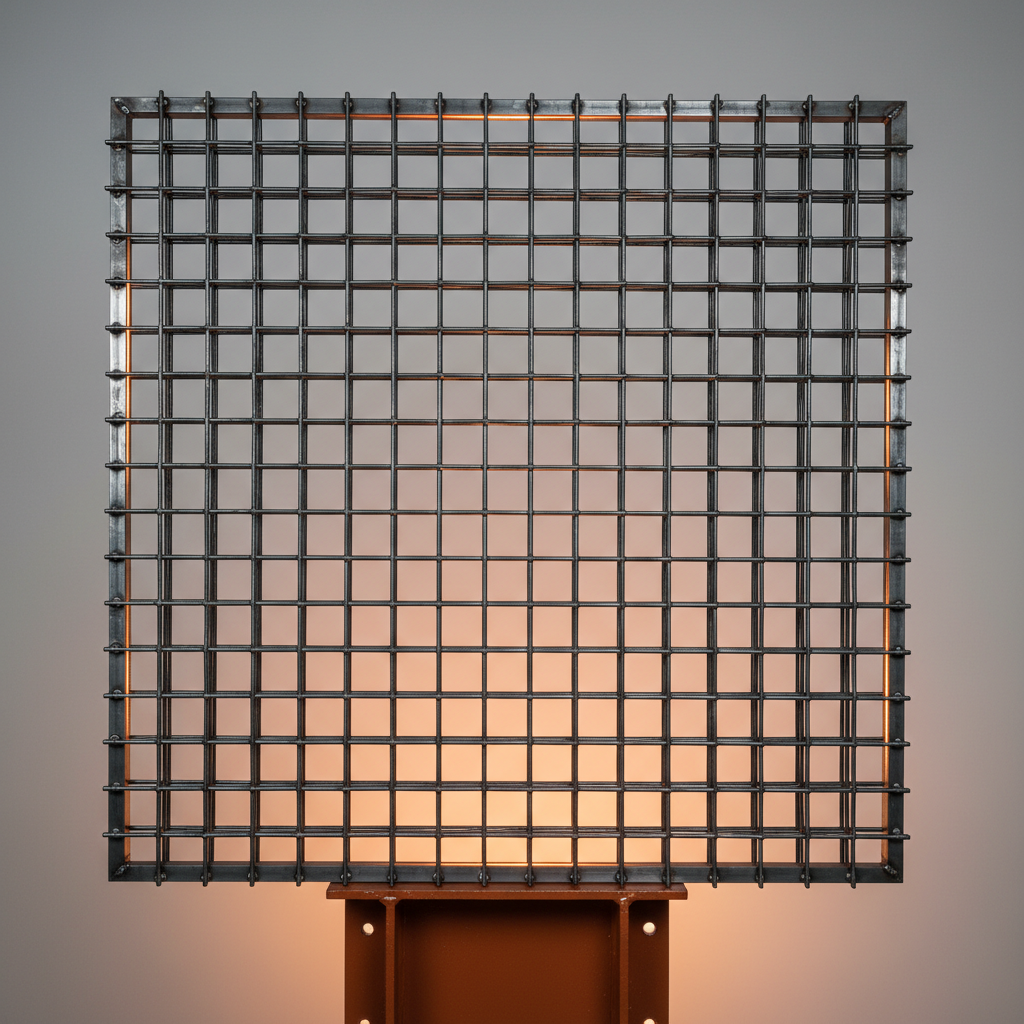 Heavy Duty 6 gauge welded wire mesh for Security and StrengthWhen it comes to heavy-duty containment, security, and structural reinforcement, choosing the right material is critical. The 6 gauge welded wire mesh stands as a premier choice for those requiring a balance of extreme rigidity and precise spacing. Whether you are securing a commercial perimeter, building industrial livestock panels, or creating reinforced concrete structures, this specific thickness provides the structural integrity needed to withstand significant pressure and impact. In this comprehensive guide, we will explore the technical specifications, primary applications, and why this mesh is the gold standard for high-security fencing solutions.Read more >
Apr 16 2026
-
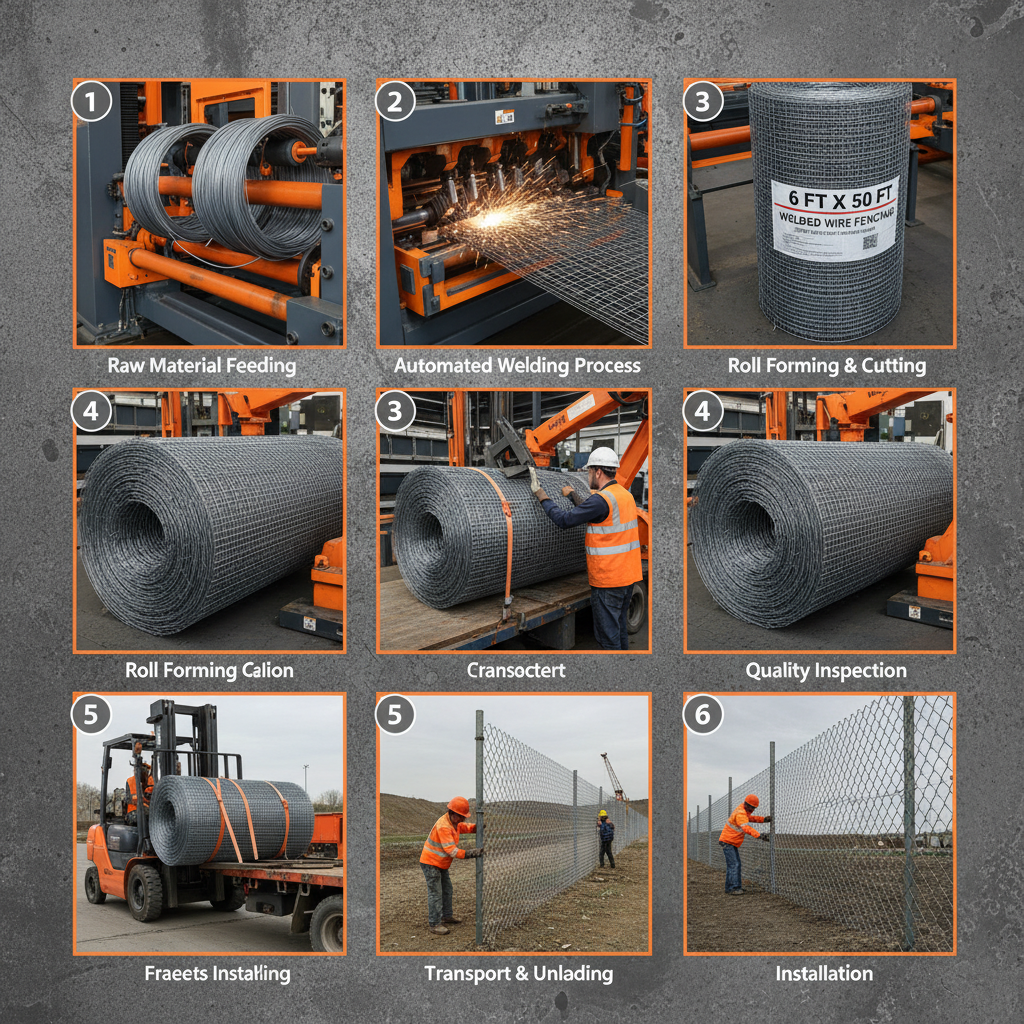 Durable 6 ft x 50 ft welded wire fencing for Security and GardensWhen it comes to securing a perimeter, whether for agricultural use, garden protection, or industrial boundaries, the dimensions and material of your fence matter. The 6 ft x 50 ft welded wire fencing offers an ideal balance of height and length, providing a robust barrier that is easy to install and maintain. Choosing a welded wire system ensures that the intersections are fused together, preventing the shifting and sagging often found in woven alternatives. In this guide, we will explore why this specific size is a preferred choice for property owners and how to maximize its effectiveness for your specific project.Read more >
Apr 09 2026
-
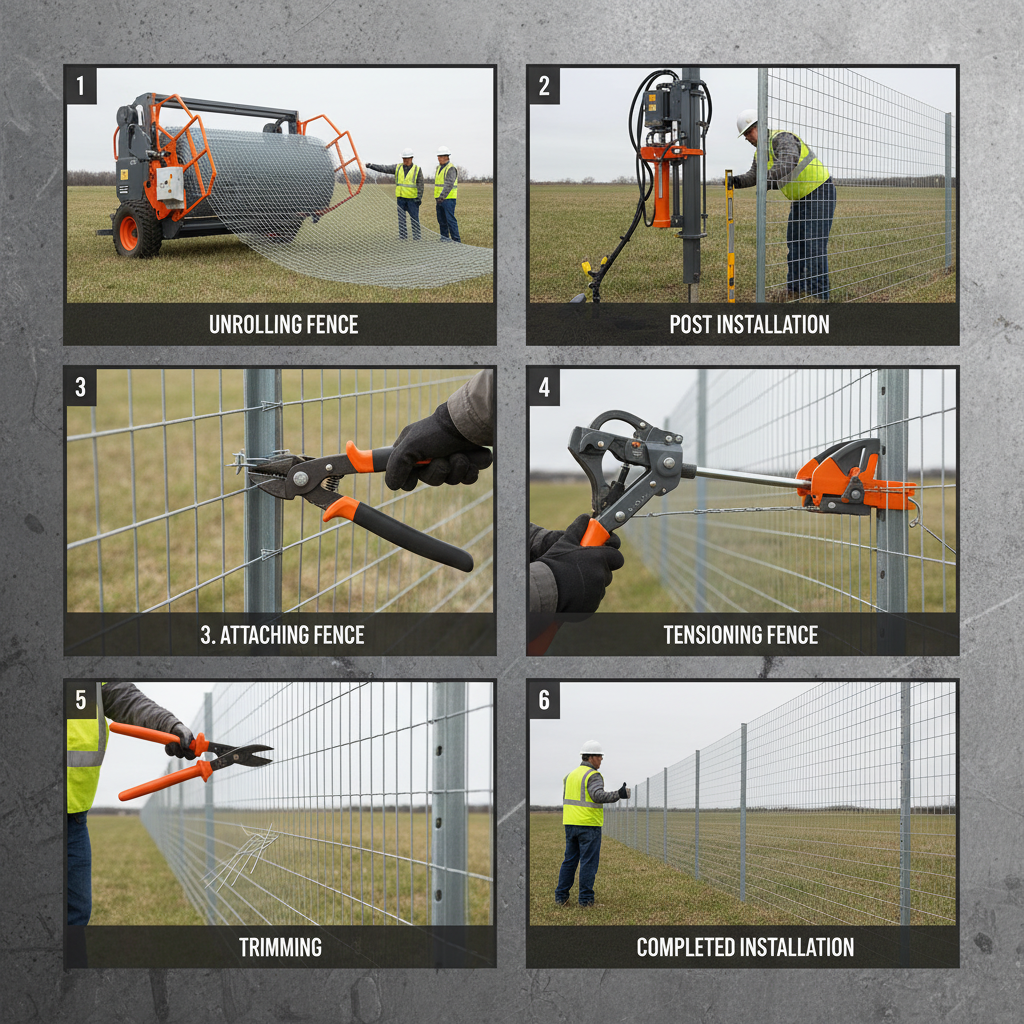 Comprehensive Guide to Choosing a 6 ft x 100 ft 12.5 Gauge Welded Wire FenceSelecting the appropriate fence for your property requires careful consideration. A 6 ft x 100 ft 12.5 gauge welded wire fence offers a robust and versatile solution for a variety of applications, from pet containment to garden protection and security. This guide will explore the benefits, applications, installation tips, and considerations when choosing this type of fencing. Understanding its construction and comparing it to other fencing options will help you make an informed decision.Read more >
Apr 04 2026
-
 Comprehensive Guide to Durable 6 ft Welded Wire Fencing Panels and ApplicationsWhen selecting fencing for your property, 6 ft welded wire fencing panels offer a robust and versatile solution. These panels combine strength, security, and ease of installation, making them a popular choice for both residential and commercial applications. This article delves into the benefits, applications, installation, and maintenance of these panels, helping you make an informed decision.Read more >
Mar 31 2026