


Comprehensive Guide to 5x100 Welded Wire Fence Applications and Selection
Understanding 5x100 Welded Wire Fence: A Comprehensive Guide
Welded wire fence is a versatile and cost-effective fencing solution used across a wide range of applications, from agricultural enclosures to security barriers. The “5x100” designation specifically refers to a mesh size where openings are 5 inches tall and 100 feet long. This configuration offers a balance of strength, security, and cost-effectiveness. This article will delve into the features, benefits, applications, and considerations when choosing a 5x100 welded wire fence, providing valuable insights for homeowners, farmers, and contractors alike. Choosing the right fencing is critical for long-term durability and effectiveness.
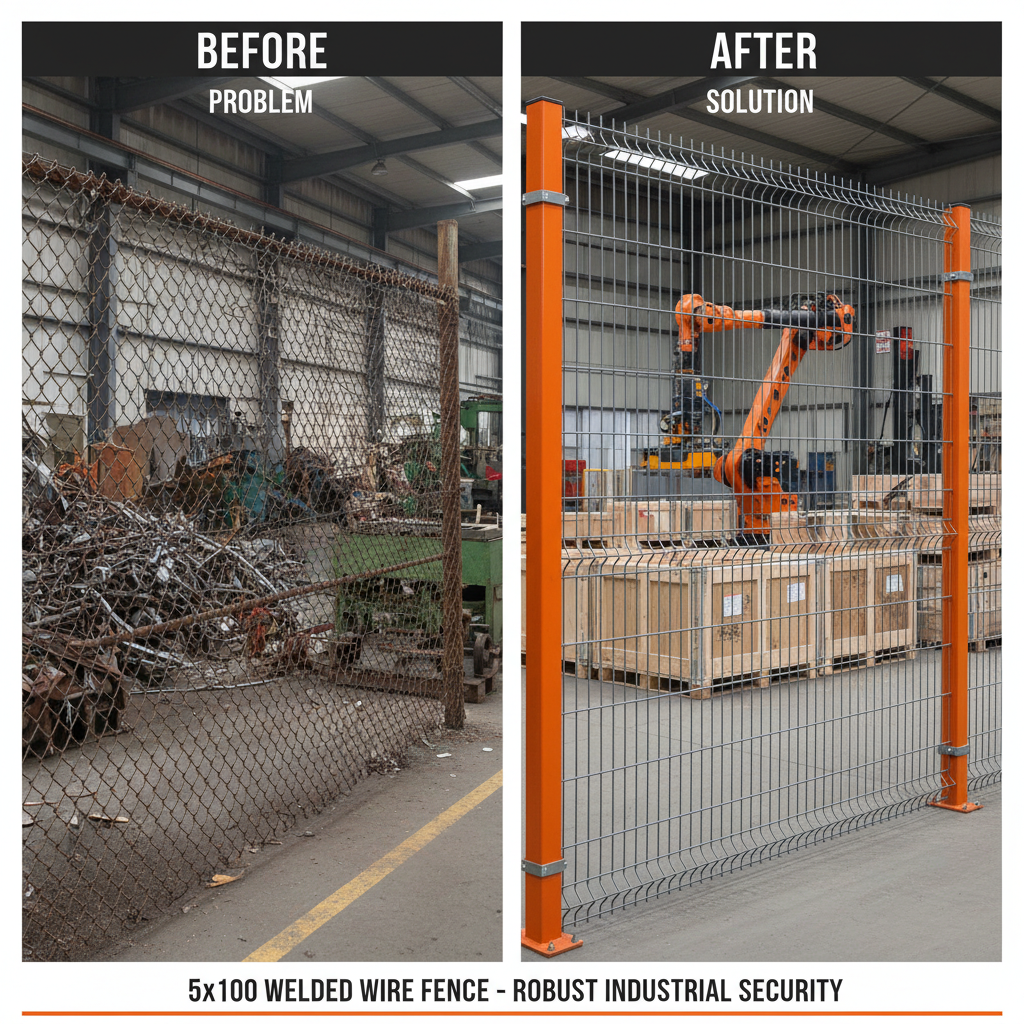
What is a 5x100 Welded Wire Fence?
A 5x100 welded wire fence is constructed from steel wires that are welded together at each intersection, forming a rigid mesh. The “5x100” refers to the opening size – 5 inches in height. The mesh is typically sold in rolls 100 feet long. This type of fencing is known for its durability, affordability, and ease of installation. It’s commonly available in various wire gauges (thickness) and coatings, such as galvanized or PVC coated, to enhance its resistance to corrosion and extend its lifespan. The consistent spacing provides a reliable barrier for containing animals or securing property. CHCH Fence offers a comprehensive range of 5x100 welded wire fence options.
Key Highlights: Durable construction, affordable pricing, easy installation, versatile applications, and various coating options available.
Applications of 5x100 Welded Wire Fence
The applications for 5x100 welded wire fence are broad. It’s a popular choice for agricultural fencing, effectively containing livestock such as cattle, sheep, and goats. It's also widely used for poultry enclosures, providing a secure barrier against predators. Beyond agriculture, this fencing is ideal for creating garden barriers, protecting plants from rabbits and deer. Additionally, it can be used for creating pet enclosures, temporary fencing for construction sites, or as a support structure for climbing plants. Its versatility makes it a practical solution for numerous fencing needs.
Application Benefits:
• Containment of livestock and poultry
• Garden and plant protection
• Pet enclosures
• Temporary site security
5x100 Welded Wire Fence: Gauges, Coatings, and Heights
Choosing the right specifications for your 5x100 welded wire fence is crucial. Wire gauge refers to the thickness of the wire, with lower numbers indicating thicker wire (e.g., 14 gauge is thicker than 16 gauge). Thicker wire provides greater strength and durability. Coatings, such as galvanized or PVC, protect the steel from rust and corrosion, extending the fence's lifespan. PVC coating also adds color and aesthetic appeal. Height is another important consideration. Common heights range from 36 inches to 72 inches, depending on the application and the size of the animals or items you need to contain or protect.
Installation Tips for Your 5x100 Welded Wire Fence
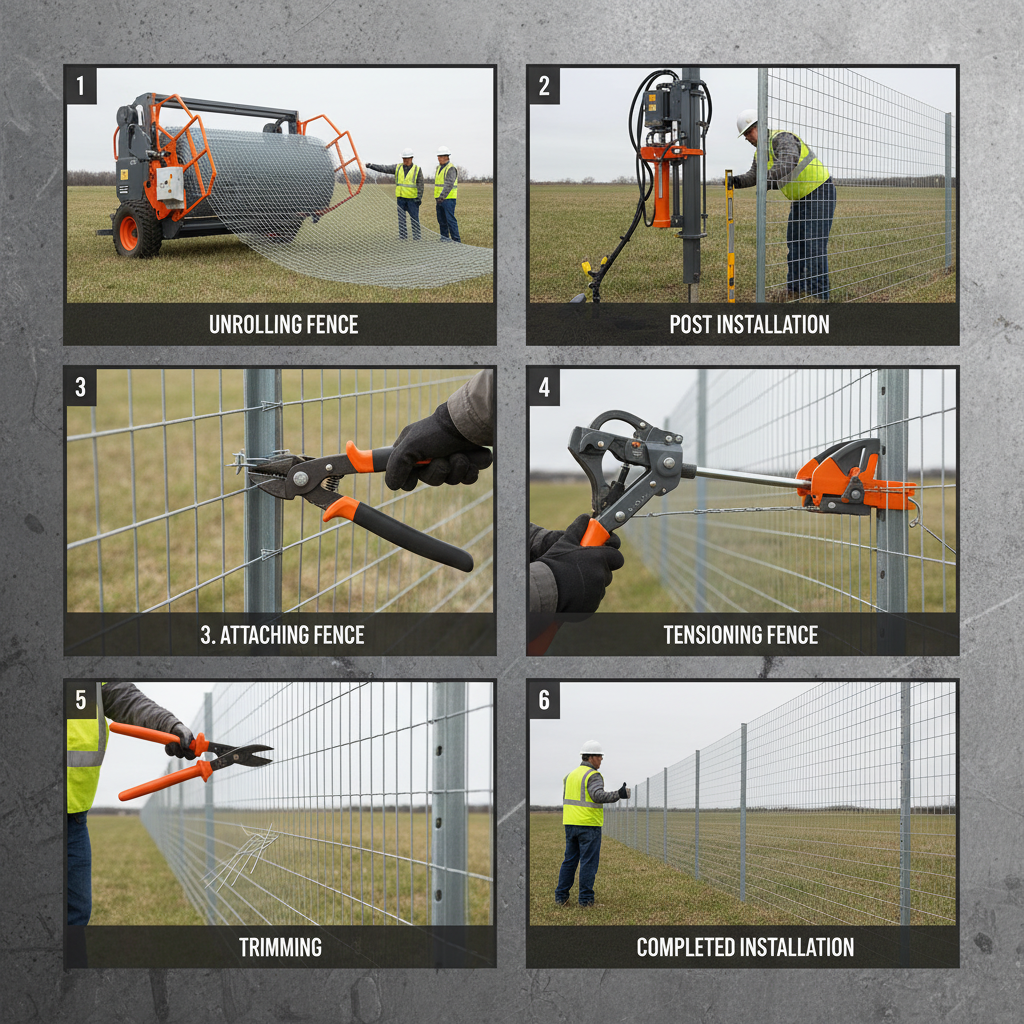
Installing a 5x100 welded wire fence is a relatively straightforward process. Start by setting posts at appropriate intervals – typically 8-12 feet apart. Use sturdy posts, such as wood, metal, or fiberglass, and ensure they are securely anchored in the ground. Unroll the fence and attach it to the posts using fence staples, wire ties, or clips. Maintain consistent tension as you go to prevent sagging. Consider adding a top rail for extra support, particularly for taller fences. Proper installation is vital for the longevity and effectiveness of your fence.
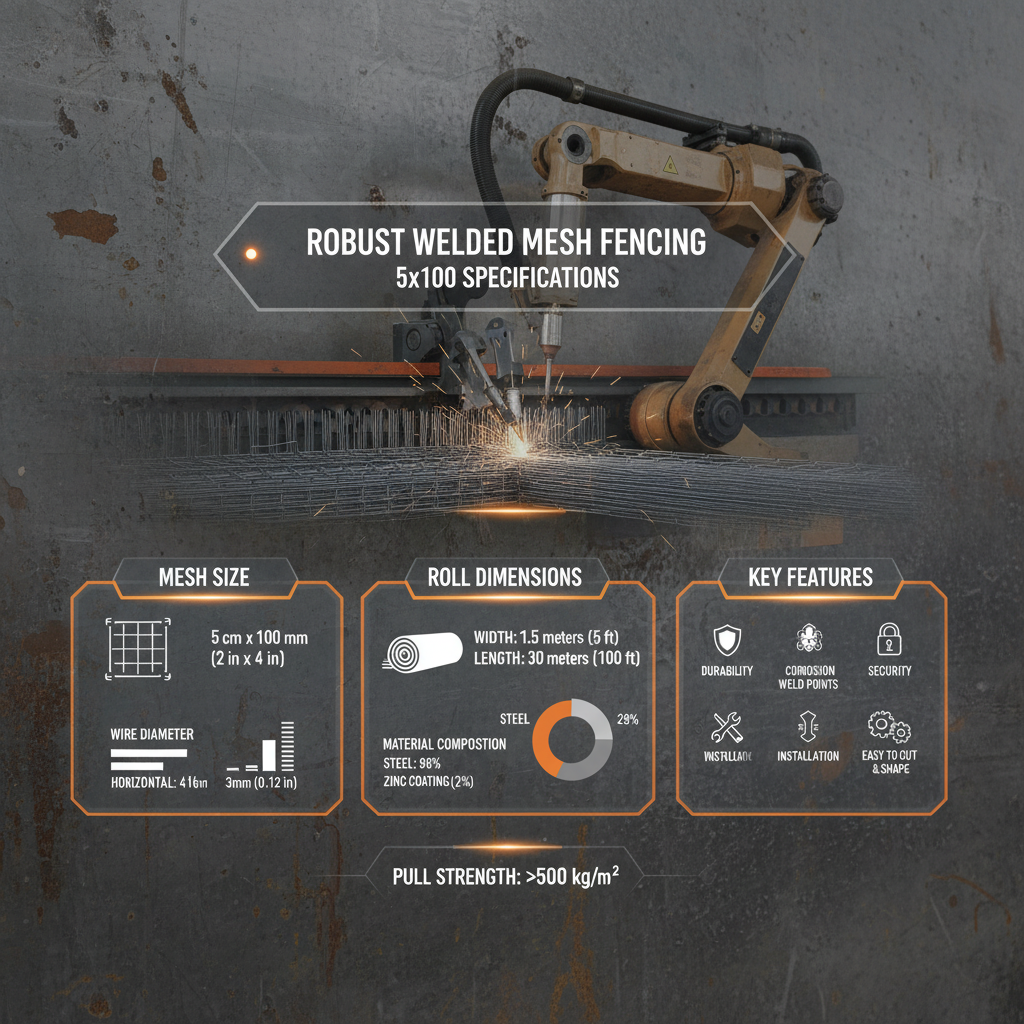
Cost Considerations for a 5x100 Welded Wire Fence
The cost of a 5x100 welded wire fence varies depending on the wire gauge, coating, height, and quantity purchased. Generally, prices range from $2 to $5 per linear foot, excluding the cost of posts, hardware, and installation labor. Galvanized wire tends to be less expensive than PVC-coated wire. Purchasing in bulk can often result in significant savings. Consider obtaining quotes from multiple suppliers to compare prices and ensure you're getting the best deal. CHCH Fence offers competitive pricing and excellent customer service.
Conclusion: Choosing the Right 5x100 Welded Wire Fence
Selecting the right 5x100 welded wire fence involves careful consideration of your specific needs, budget, and environmental factors. By understanding the different gauges, coatings, and installation techniques, you can ensure a durable, effective, and long-lasting fencing solution. Don’t hesitate to consult with fencing professionals to determine the best options for your project.
Frequently Asked Questions (FAQs)
What is the recommended post spacing for a 5x100 welded wire fence?
Typically, posts should be spaced between 8 and 12 feet apart. This ensures adequate support for the fence and prevents sagging. For taller fences or areas with heavy snow loads, closer post spacing may be necessary. The type of post material (wood, metal, or fiberglass) also influences the optimal spacing. It is crucial to securely anchor the posts to withstand wind and animal pressure. Consider terrain conditions when determining the post placement.
How long will a galvanized 5x100 welded wire fence last?
A galvanized 5x100 welded wire fence typically lasts 10-20 years, depending on environmental conditions and the thickness of the galvanization. Coastal areas with high salt content or regions with harsh winters may experience faster corrosion. Regularly inspect the fence for signs of rust and address any issues promptly. Applying a protective coating or sealant can extend the fence’s lifespan.
Is a top rail necessary for a 5x100 welded wire fence?
While not always required, a top rail adds significant strength and stability to the fence. It helps prevent the fence from sagging and provides a more secure attachment point for the wire mesh. A top rail is especially recommended for taller fences, fences used to contain larger animals, or fences installed in areas with strong winds. It will also provide a more finished look to the fence line.
Can 5x100 welded wire fence be used for security purposes?
While not as secure as some other fencing options (like chain link), 5x100 welded wire can deter casual intruders. Using a thicker gauge wire, a smaller mesh size, and potentially adding a top rail can improve its security. Integrating it with other security measures, such as motion sensors or cameras, can further enhance protection. It's often used as a perimeter fence to define property boundaries rather than providing high-level security.
Latest News About CHENG CHUANG
-
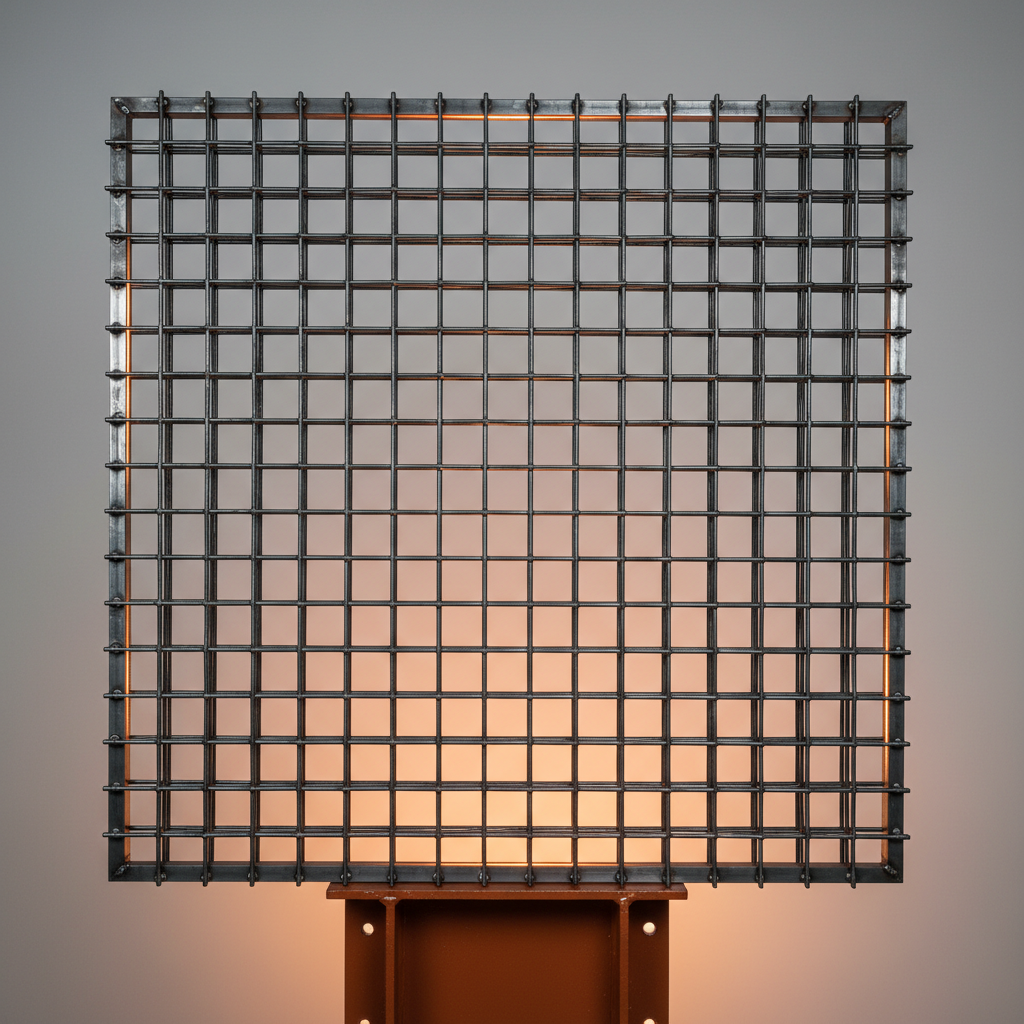 Heavy Duty 6 gauge welded wire mesh for Security and StrengthWhen it comes to heavy-duty containment, security, and structural reinforcement, choosing the right material is critical. The 6 gauge welded wire mesh stands as a premier choice for those requiring a balance of extreme rigidity and precise spacing. Whether you are securing a commercial perimeter, building industrial livestock panels, or creating reinforced concrete structures, this specific thickness provides the structural integrity needed to withstand significant pressure and impact. In this comprehensive guide, we will explore the technical specifications, primary applications, and why this mesh is the gold standard for high-security fencing solutions.Read more >
Apr 16 2026
-
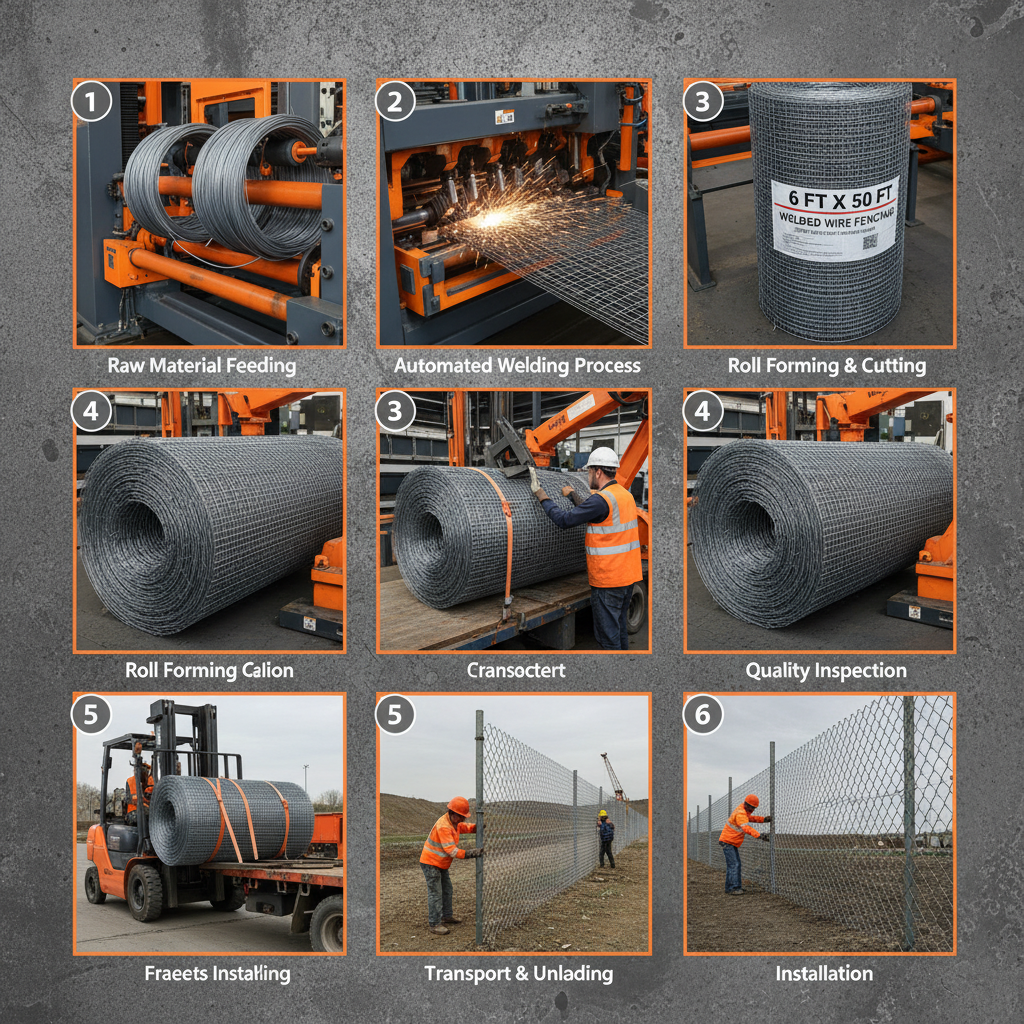 Durable 6 ft x 50 ft welded wire fencing for Security and GardensWhen it comes to securing a perimeter, whether for agricultural use, garden protection, or industrial boundaries, the dimensions and material of your fence matter. The 6 ft x 50 ft welded wire fencing offers an ideal balance of height and length, providing a robust barrier that is easy to install and maintain. Choosing a welded wire system ensures that the intersections are fused together, preventing the shifting and sagging often found in woven alternatives. In this guide, we will explore why this specific size is a preferred choice for property owners and how to maximize its effectiveness for your specific project.Read more >
Apr 09 2026
-
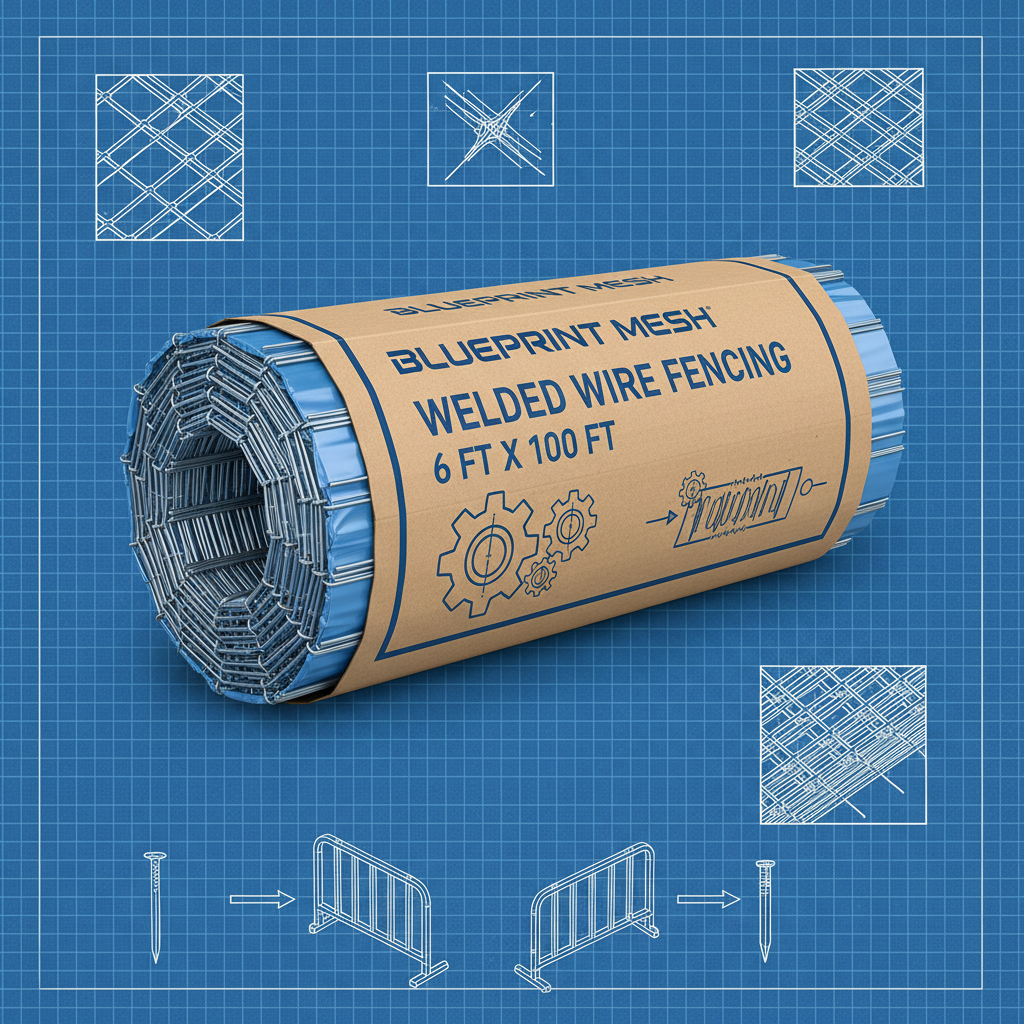 Comprehensive Guide to Choosing the Best 6 ft x 100 ft Welded Wire FencingWelded wire fencing is a versatile and cost-effective solution for a wide range of applications, from agricultural containment to residential security. Understanding the nuances of different types, especially when considering a size like 6 ft x 100 ft welded wire fencing, is crucial for making the right investment. This article will guide you through the essential factors to consider, helping you select the fencing that best suits your specific requirements.Read more >
Apr 07 2026
-
 Comprehensive Guide to Choosing a 6 ft x 100 ft 12.5 Gauge Welded Wire FenceSelecting the appropriate fence for your property requires careful consideration. A 6 ft x 100 ft 12.5 gauge welded wire fence offers a robust and versatile solution for a variety of applications, from pet containment to garden protection and security. This guide will explore the benefits, applications, installation tips, and considerations when choosing this type of fencing. Understanding its construction and comparing it to other fencing options will help you make an informed decision.Read more >
Apr 04 2026
-
 Comprehensive Guide to Durable 6 ft Welded Wire Fencing Panels and ApplicationsWhen selecting fencing for your property, 6 ft welded wire fencing panels offer a robust and versatile solution. These panels combine strength, security, and ease of installation, making them a popular choice for both residential and commercial applications. This article delves into the benefits, applications, installation, and maintenance of these panels, helping you make an informed decision.Read more >
Mar 31 2026