


Exploring the Strength and Versatility of a 48 Welded Wire Fence
Understanding the Strength and Versatility of a 48 Welded Wire Fence
When securing property, livestock, or creating a safe boundary, a robust and reliable fence is essential. The 48 welded wire fence is a popular choice for its strength, durability, and versatile applications. This article will explore the benefits, common uses, installation considerations, and different types of 48 welded wire fencing available, providing a comprehensive guide for anyone considering this fencing option. Choosing the right fence can significantly impact the safety and functionality of your property, and understanding the characteristics of a 48 welded wire fence is a great starting point.
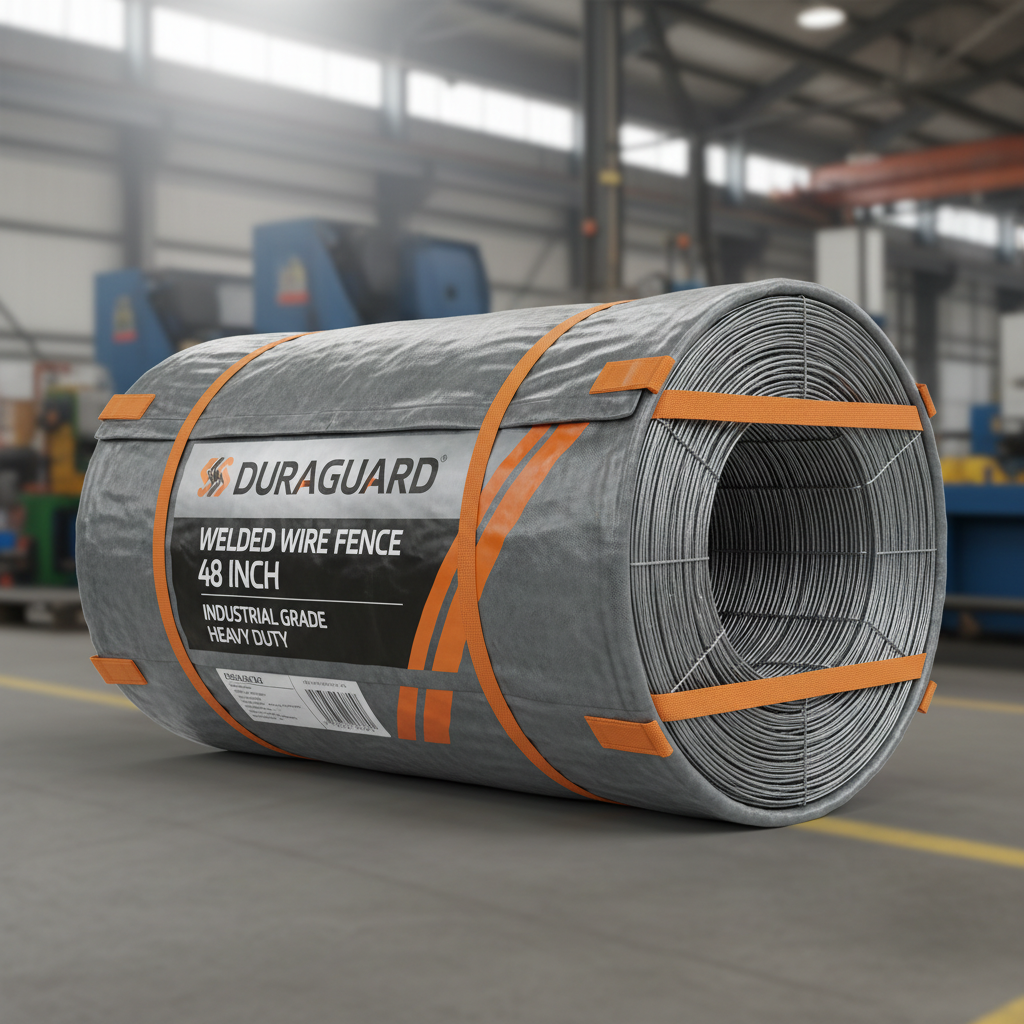
What Makes a 48" Welded Wire Fence So Effective?
A 48" welded wire fence, also known as 4-foot welded wire, gets its name from its height. The wires are precisely welded together, creating a rigid and durable mesh. This construction offers several advantages, including increased stability and resistance to stretching or sagging compared to woven wire fences. This is especially important in areas with livestock or where maintaining a consistent barrier is crucial. The welded joints provide superior strength, making it less susceptible to damage from animals leaning or pushing against the fence. Furthermore, the consistent spacing of the wires provides a uniform barrier, offering excellent containment for various animals. You can explore a wide variety of options at CHCH Fence.
Key Highlights: The welded construction provides a robust and stable barrier, resisting stretching and sagging. Consistent wire spacing offers uniform containment. Superior strength compared to woven wire fencing.
Common Applications for 48 Welded Wire Fencing
The versatility of a 48 welded wire fence makes it suitable for a wide range of applications. It’s frequently used in agricultural settings to contain livestock such as goats, sheep, and pigs. Its height is sufficient to deter many smaller animals, and the sturdy construction can withstand their pressure. Residential homeowners often use it for pet enclosures, garden protection from rabbits and deer, or to create a decorative boundary. Commercial applications include security fencing around industrial sites or storage facilities. The relatively affordable cost and ease of installation further contribute to its widespread use.
Application Benefits:
• Effective livestock containment
• Pet enclosure solutions
• Garden and plant protection
• Security fencing for various properties
48 Welded Wire Fence Variations: Choosing the Right Type
While all 48 welded wire fences share a similar construction, they come in different configurations to suit specific needs. Variations include different wire gauges (thickness), mesh sizes (spacing between wires), and coatings. Heavier gauge wire offers increased strength and durability, while smaller mesh sizes provide better containment for smaller animals. Coatings, such as galvanized steel or vinyl, provide corrosion resistance and extend the fence's lifespan. Consider your specific application and environmental conditions when selecting the appropriate type of 48 welded wire fence.
Installation Considerations for a Long-Lasting Fence
Proper installation is crucial for the longevity and effectiveness of a 48 welded wire fence. Start by setting sturdy posts at regular intervals (typically 8-10 feet apart). The posts should be deep enough to provide stability, especially in areas with strong winds or unstable soil. Use appropriate tensioning tools to stretch the wire tightly between posts, preventing sagging. Secure the wire to the posts using fence staples, clips, or tie wires. Consider adding a bottom rail or wire to prevent animals from digging underneath the fence. For more guidance, CHCH Fence offers expert advice and installation resources.
Cost and Maintenance of 48 Welded Wire Fencing
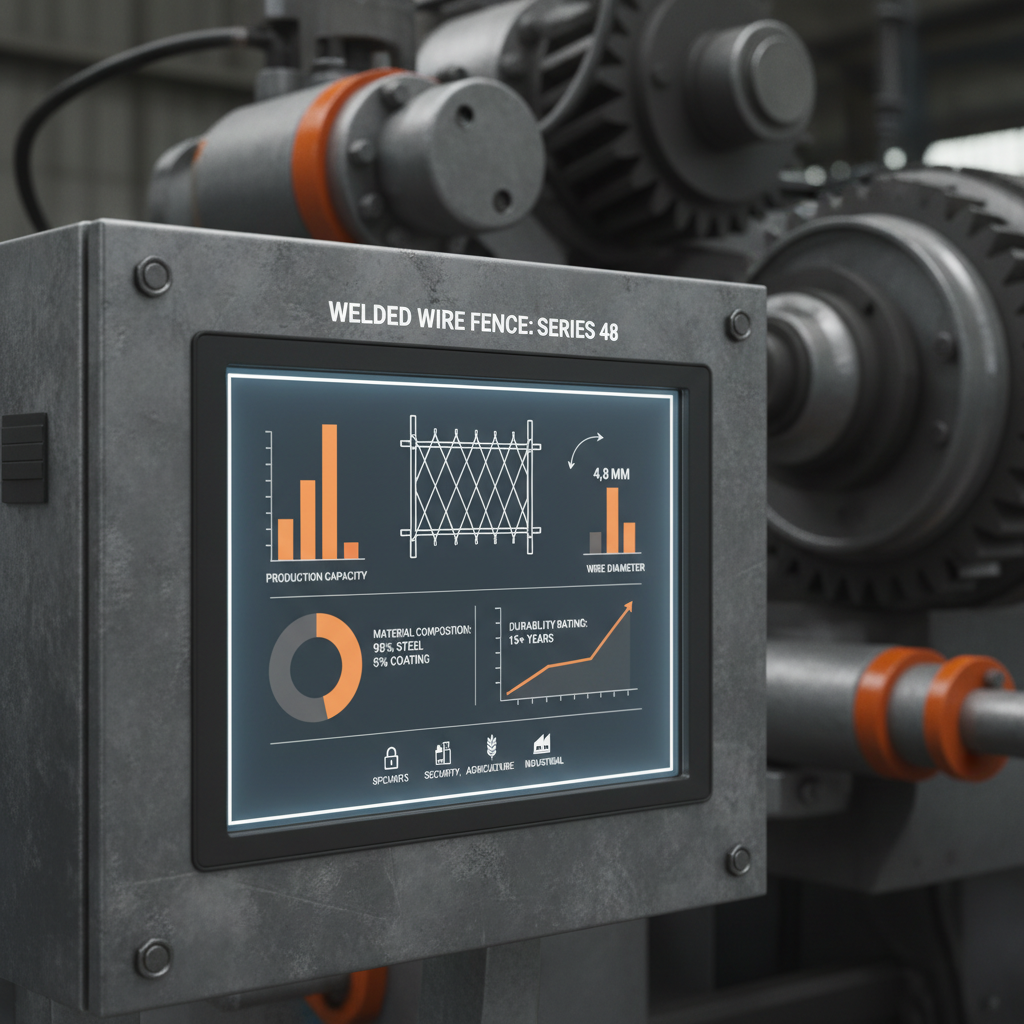
48 welded wire fencing is generally more affordable than other fencing options like wood or wrought iron. The cost varies depending on the wire gauge, mesh size, coating, and length of fencing required. Maintenance is relatively low, primarily involving occasional inspection for damage and repair of any broken wires or posts. Regularly clearing vegetation around the fence line can also help prevent corrosion and prolong its lifespan. A well-maintained 48 welded wire fence can provide years of reliable service.
Conclusion: A Reliable and Versatile Fencing Solution
The 48 welded wire fence offers a compelling combination of strength, durability, and versatility. Its numerous applications, affordable cost, and relatively low maintenance make it an excellent choice for a wide range of fencing needs. By carefully considering your specific requirements and following proper installation practices, you can enjoy a secure and long-lasting fence for years to come.
Frequently Asked Questions (FAQs)
What is the recommended post spacing for a 48" welded wire fence?
The recommended post spacing for a 48" welded wire fence typically ranges from 8 to 10 feet apart. However, this can vary depending on the terrain, soil conditions, and the type of animals you are containing. In areas with uneven ground or high winds, closer post spacing may be necessary to ensure stability. For larger animals or challenging conditions, consider using heavier-duty posts and reducing the spacing to 6-8 feet. The posts should be securely set in the ground to provide adequate support.
How do I prevent animals from digging under the fence?
To prevent animals from digging under the fence, you can install a bottom rail or wire along the ground. This creates a physical barrier that discourages digging. Alternatively, you can bury a section of the wire mesh horizontally underground, extending outwards from the fence line. Another option is to use gravel or other loose material along the base of the fence, making it more difficult for animals to dig. Regularly inspect the fence line for any signs of digging and address any issues promptly.
What is the difference between galvanized and vinyl-coated welded wire?
Galvanized welded wire is coated with a layer of zinc to protect against corrosion. It’s a more affordable option but can still rust over time, especially in harsh environments. Vinyl-coated welded wire has an additional layer of vinyl plastic over the galvanized coating, providing superior corrosion resistance and a longer lifespan. Vinyl coating also offers a more aesthetically pleasing appearance. While more expensive upfront, vinyl-coated wire is often the better long-term investment, particularly in coastal or humid climates. You can find a range of both options at CHCH Fence.
How often should I inspect my welded wire fence?
It’s recommended to inspect your welded wire fence at least twice a year – once in the spring and once in the fall. During these inspections, check for any broken wires, loose posts, damaged staples, or signs of digging. Address any issues promptly to maintain the fence's integrity and effectiveness. Pay close attention to areas prone to damage, such as gate openings and corners. Regular maintenance can significantly extend the lifespan of your fence.
Latest News About CHENG CHUANG
-
 Heavy Duty 6 gauge welded wire mesh for Security and StrengthWhen it comes to heavy-duty containment, security, and structural reinforcement, choosing the right material is critical. The 6 gauge welded wire mesh stands as a premier choice for those requiring a balance of extreme rigidity and precise spacing. Whether you are securing a commercial perimeter, building industrial livestock panels, or creating reinforced concrete structures, this specific thickness provides the structural integrity needed to withstand significant pressure and impact. In this comprehensive guide, we will explore the technical specifications, primary applications, and why this mesh is the gold standard for high-security fencing solutions.Read more >
Apr 16 2026
-
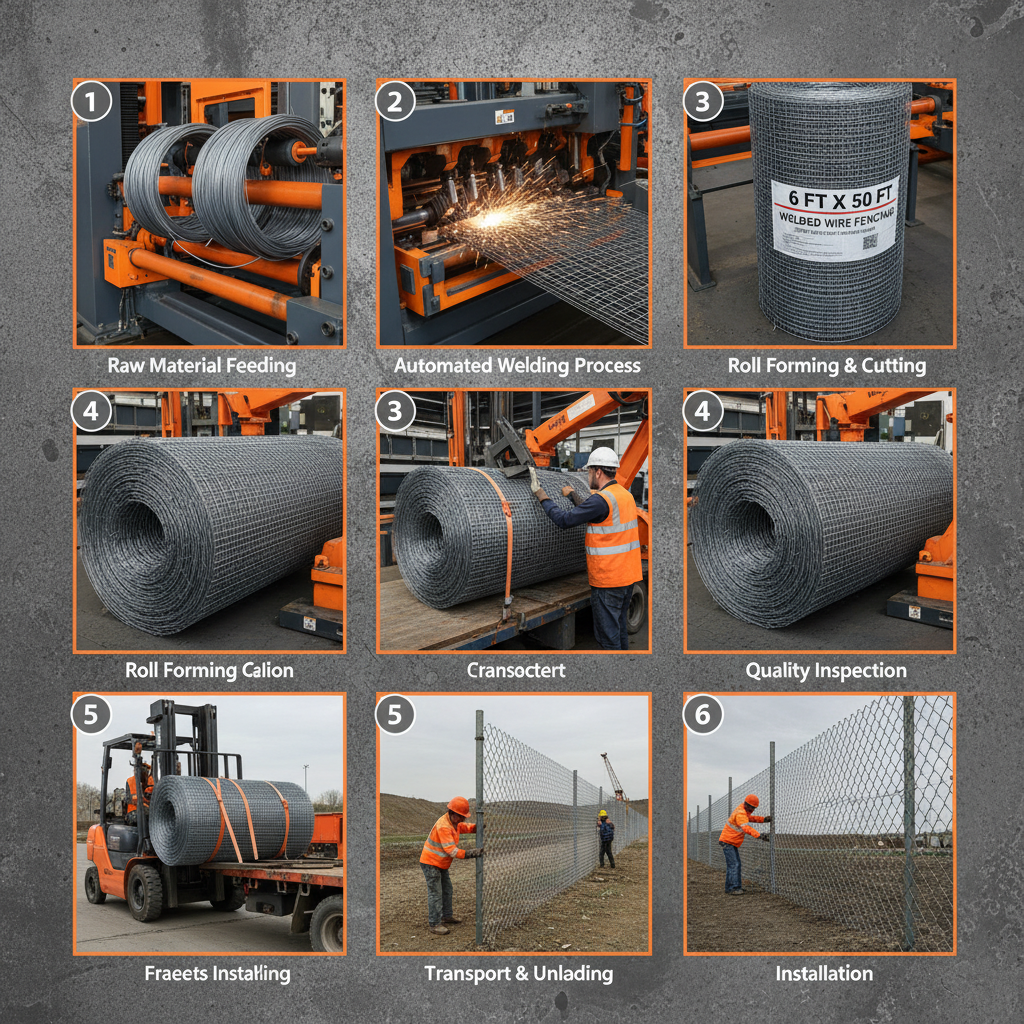 Durable 6 ft x 50 ft welded wire fencing for Security and GardensWhen it comes to securing a perimeter, whether for agricultural use, garden protection, or industrial boundaries, the dimensions and material of your fence matter. The 6 ft x 50 ft welded wire fencing offers an ideal balance of height and length, providing a robust barrier that is easy to install and maintain. Choosing a welded wire system ensures that the intersections are fused together, preventing the shifting and sagging often found in woven alternatives. In this guide, we will explore why this specific size is a preferred choice for property owners and how to maximize its effectiveness for your specific project.Read more >
Apr 09 2026
-
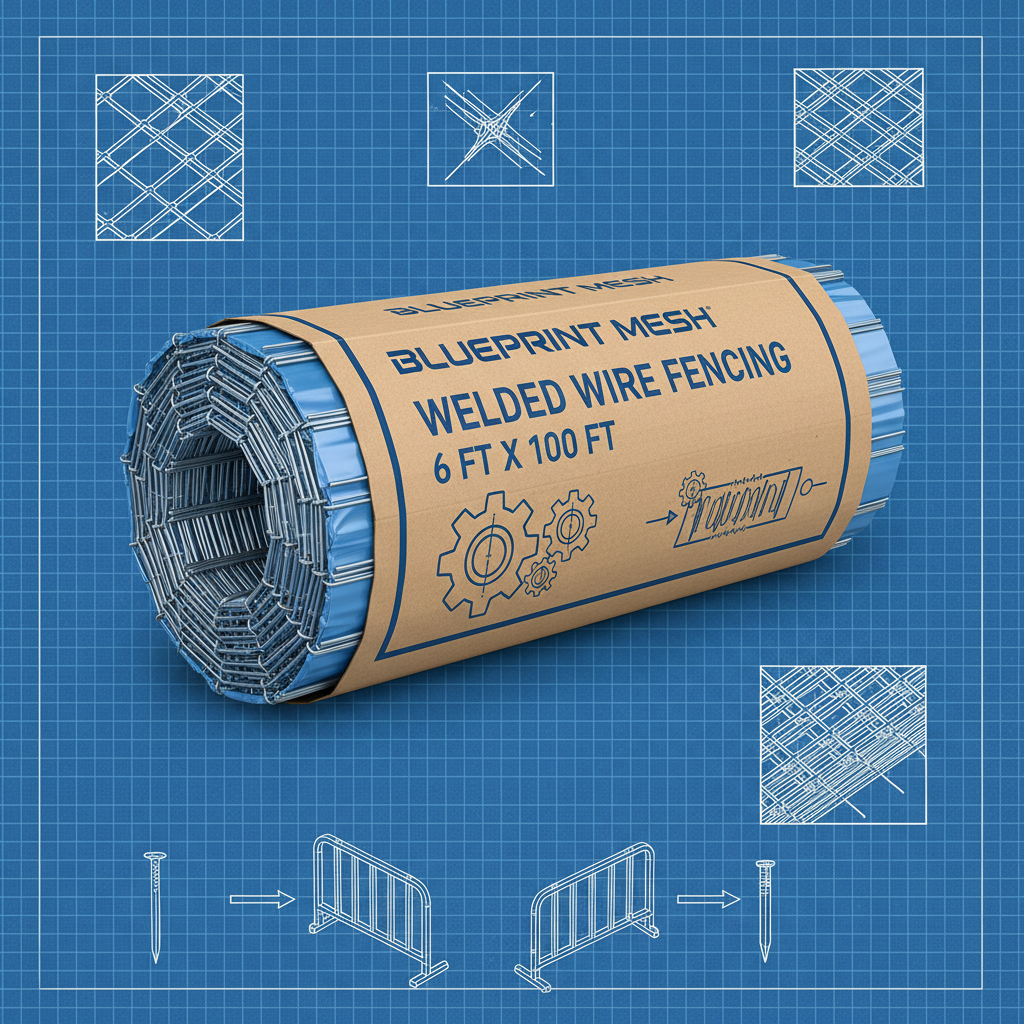 Comprehensive Guide to Choosing the Best 6 ft x 100 ft Welded Wire FencingWelded wire fencing is a versatile and cost-effective solution for a wide range of applications, from agricultural containment to residential security. Understanding the nuances of different types, especially when considering a size like 6 ft x 100 ft welded wire fencing, is crucial for making the right investment. This article will guide you through the essential factors to consider, helping you select the fencing that best suits your specific requirements.Read more >
Apr 07 2026
-
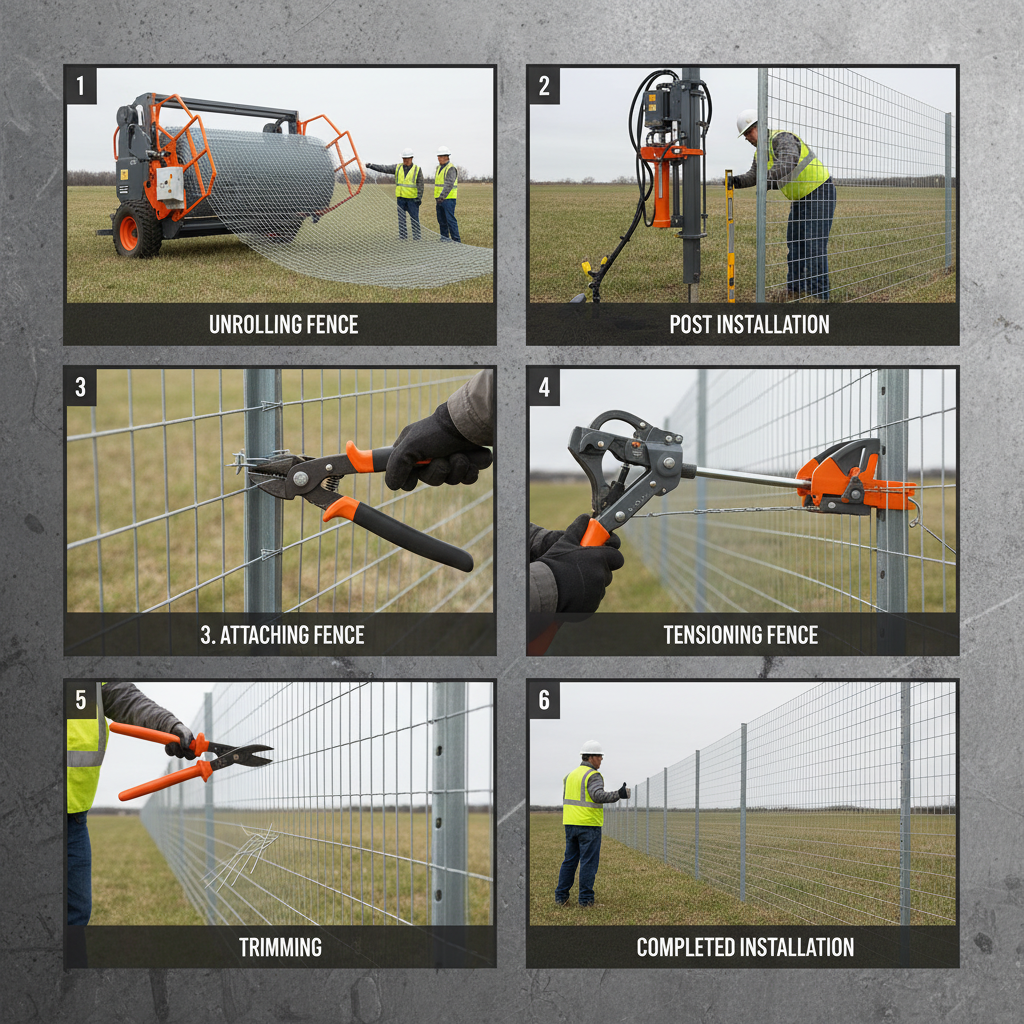 Comprehensive Guide to Choosing a 6 ft x 100 ft 12.5 Gauge Welded Wire FenceSelecting the appropriate fence for your property requires careful consideration. A 6 ft x 100 ft 12.5 gauge welded wire fence offers a robust and versatile solution for a variety of applications, from pet containment to garden protection and security. This guide will explore the benefits, applications, installation tips, and considerations when choosing this type of fencing. Understanding its construction and comparing it to other fencing options will help you make an informed decision.Read more >
Apr 04 2026
-
 Comprehensive Guide to Durable 6 ft Welded Wire Fencing Panels and ApplicationsWhen selecting fencing for your property, 6 ft welded wire fencing panels offer a robust and versatile solution. These panels combine strength, security, and ease of installation, making them a popular choice for both residential and commercial applications. This article delves into the benefits, applications, installation, and maintenance of these panels, helping you make an informed decision.Read more >
Mar 31 2026