


What Is Expanded Metal Mesh Thickness? Global Impact and Applications Explained
Understanding Expanded Metal Mesh Thickness: Why It Matters Globally
Expanded metal mesh thickness might sound like a niche industrial detail, but its importance stretches far beyond factory floors. Globally, this simple measurement impacts everything from construction safety and infrastructure durability to humanitarian efforts in disaster zones. Grasping the nuances of expanded metal mesh thickness helps engineers, architects, and supply chain experts choose the right materials for the job — balancing strength, flexibility, and cost. Whether it’s ensuring secure fencing in fragile regions or strengthening ventilation panels in high-tech applications, understanding this characteristic is key to innovation and sustainability worldwide.
Introduction: Why Expanded Metal Mesh Thickness Grabs Global Attention
Expanded metal mesh is a staple material worldwide — used extensively in architecture, industrial processes, and security. According to ISO standards and industry reports, global demand for metal mesh in construction and infrastructure projects has climbed steadily over the past decade. The thickness of the mesh directly impacts its mechanical strength and lifespan, shaping project viability and safety outcomes. For example, the World Bank’s data on infrastructure resilience highlights that choice of materials, including the correct mesh thickness, can reduce maintenance costs by up to 30% over a structure’s life.
Yet there’s a real challenge here: selecting the right thickness isn’t straightforward. Too thin, and the mesh lacks durability; too thick, and it adds unnecessary weight and cost. So, the global industry keeps refining standards and manufacturing techniques, balancing performance with affordability.
What Exactly Is Expanded Metal Mesh Thickness?
At its core, expanded metal mesh thickness refers to the gauge or depth of the metal sheet after it’s been slit and stretched into a mesh pattern — basically, how “thick” the physical strand is in the mesh. It’s different from wire mesh where wires are woven; here, the mesh is a single sheet expanded into the desired pattern. Thickness affects tensile strength, rigidity, and corrosion resistance. In modern industries — from aerospace to humanitarian shelter construction — the mesh’s thickness often determines if it will stand up to pressure, weather, or abrasion.
In real terms, a thicker expanded metal mesh can provide better security fencing or structural support, while thinner versions might be used for filtration or decorative cladding.
Key Factors Behind Expanded Metal Mesh Thickness
Durability & Strength
Thicker mesh strands resist deformation and wear better. This is critical in high-stress environments like manufacturing plants or exposed outdoor installations. For example, a 3 mm thick mesh will typically endure harsher conditions than a 1 mm sheet.
Flexibility & Weight
Thinner meshes are lighter and easier to handle but may sacrifice structural integrity. This makes thickness a balancing act between portability and performance, especially when used in remote or emergency relief contexts.
Cost Efficiency
Material costs increase with thickness, so businesses must weigh upfront expenses against long-term benefits. Optimizing thickness means less waste and better investment overall.
Corrosion Resistance & Coating Compatibility
Thicker metal allows more effective galvanization or powder coating, which extends the product’s usable life in corrosive environments.
Customization & Scalability
Different industries require mesh thickness variation. For example, the automotive sector might use precise thicknesses to meet safety codes, while agriculture might prioritize corrosion resistance over exact gauge.
Common Expanded Metal Mesh Thickness Specifications
| Mesh Thickness (mm) | Typical Application | Weight (kg/m²) | Tensile Strength (MPa) |
|---|---|---|---|
| 1.0 | Filtration, decorative | 3.5 | 320 |
| 2.0 | Safety fencing, ventilation | 7.0 | 450 |
| 3.0 | Structural supports, heavy security | 10.5 | 600 |
Global Applications & Use Cases for Expanded Metal Mesh Thickness
Expanded metal mesh sees use everywhere, but its thickness really tailors it to specific environments:
- Post-Disaster Relief: Lightweight, moderately thick expanded mesh supports temporary shelters, offering robust protection without cumbersome weight.
- Industrial Zones: In areas like the Middle East’s oil fields, thicker meshes guard machinery from debris and environmental damage.
- Urban Infrastructure: European cities increasingly incorporate expanded metal mesh with varied thicknesses into sustainable building facades and safety barriers.
- Agriculture: Mesh thickness here balances corrosion resistance with cost to fence livestock effectively.
These applications highlight how important choosing the right expanded metal mesh thickness is for functionality and longevity.
Advantages & Long-Term Value of Optimal Thickness
Choosing the right thickness isn’t just about immediate strength — it ties directly into sustainability and social impact.
- Cost Savings: Minimizes replacement and maintenance expenses due to durability.
- Safety & Trust: Provides reliable barriers that communities depend on.
- Environmental Stewardship: Thicker mesh enables longer life cycles, reducing waste.
- Innovation: Supports new designs that blend function with aesthetics.
It’s oddly reassuring to know that such a “small” factor — thickness — can cascade into so many benefits.
Future Trends & Innovations
We’re seeing exciting developments around expanded metal mesh thickness:
- Smart Coatings: Nano-technology enables coatings that actively resist corrosion, making thinner meshes just as durable as older thick variants.
- Eco-friendly Metals: Adoption of recycled aluminum and steel adjusted in thickness to meet stricter green building guidelines.
- Digital Fabrication: Automated precision tools allow customized thicknesses tailored to exact project specs rather than off-the-shelf options.
- Integration with IoT: Embedded sensors in meshes to monitor structural integrity over time, especially in critical infrastructure.
Vendor Comparison: Expanded Metal Mesh Thickness Options
| Vendor | Thickness Range (mm) | Material Types | Lead Time | Custom Services |
|---|---|---|---|---|
| CHCH Fence Co. | 0.8 – 3.5 | Steel, Aluminum | 2 weeks | Tailored sizing & coating |
| Global Mesh Solutions | 1.0 – 4.0 | Stainless Steel, Carbon Steel | 3 weeks | Custom patterns & finishes |
| Metal Matrix Inc. | 0.5 – 2.5 | Aluminum, Galvanized Steel | 1 week | Express delivery available |
Challenges & Solutions in Choosing the Right Expanded Metal Mesh Thickness
One recurring issue is balancing strength with cost — thinner metals unexpectedly underperform in harsh conditions, yet thick metals might bust budgets for large-scale projects. Plus, inaccuracies in thickness measurement can lead to installation errors, or worse, structural failures.
Experts suggest rigorous quality control, paired with on-site testing, to ensure specifications are met. New digital thickness gauges and IoT monitoring can detect early signs of wear, letting maintenance teams act before problems become critical.
FAQ: Common Questions About Expanded Metal Mesh Thickness
Q1: How does expanded metal mesh thickness affect its durability?
A thicker mesh generally provides greater strength and resistance to deformation, enhancing durability, especially in outdoor or industrial use. However, coatings and metal type also play crucial roles.
Q2: What thickness is ideal for temporary shelters in disaster zones?
Meshes ranging from 1.0 to 2.0 mm thickness strike a balance between lightness and durability, making them practical for rapid deployment and adequate protection.
Q3: Can I customize mesh thickness to project requirements?
Yes, many vendors offer custom thicknesses and coatings. It’s best to communicate project specs upfront — see expanded metal mesh thickness resources for tailored options.
Q4: How long can a thick expanded metal mesh last outdoors?
With proper protective coatings, a well-chosen thick mesh can last 15–25 years or more, depending on environmental factors like humidity, pollution, and mechanical stress.
Q5: Are thicker meshes always better?
Not necessarily. Thicker meshes add weight and cost and might reduce flexibility where needed. Optimal thickness depends on application needs, safety codes, and budget.
Conclusion: Why Investing in the Right Expanded Metal Mesh Thickness Pays Off
Understanding expanded metal mesh thickness isn’t just an industrial detail; it’s a cornerstone of building reliable, sustainable infrastructure worldwide. Whether you are designing secure fencing, building ventilation panels, or supporting disaster response, getting the thickness right means better strength, longer service life, and smarter budgets. Frankly, this kind of knowledge translates into real-world value — protecting communities, advancing industries, and safeguarding investments.
For more detailed specifications and custom options, don’t hesitate to visit our website: https://www.chchfence.com.
Mini takeaway: Thickness defines performance — but it’s the smart choice tailored to your needs that truly unlocks expanded metal mesh’s potential.
Latest News About CHENG CHUANG
-
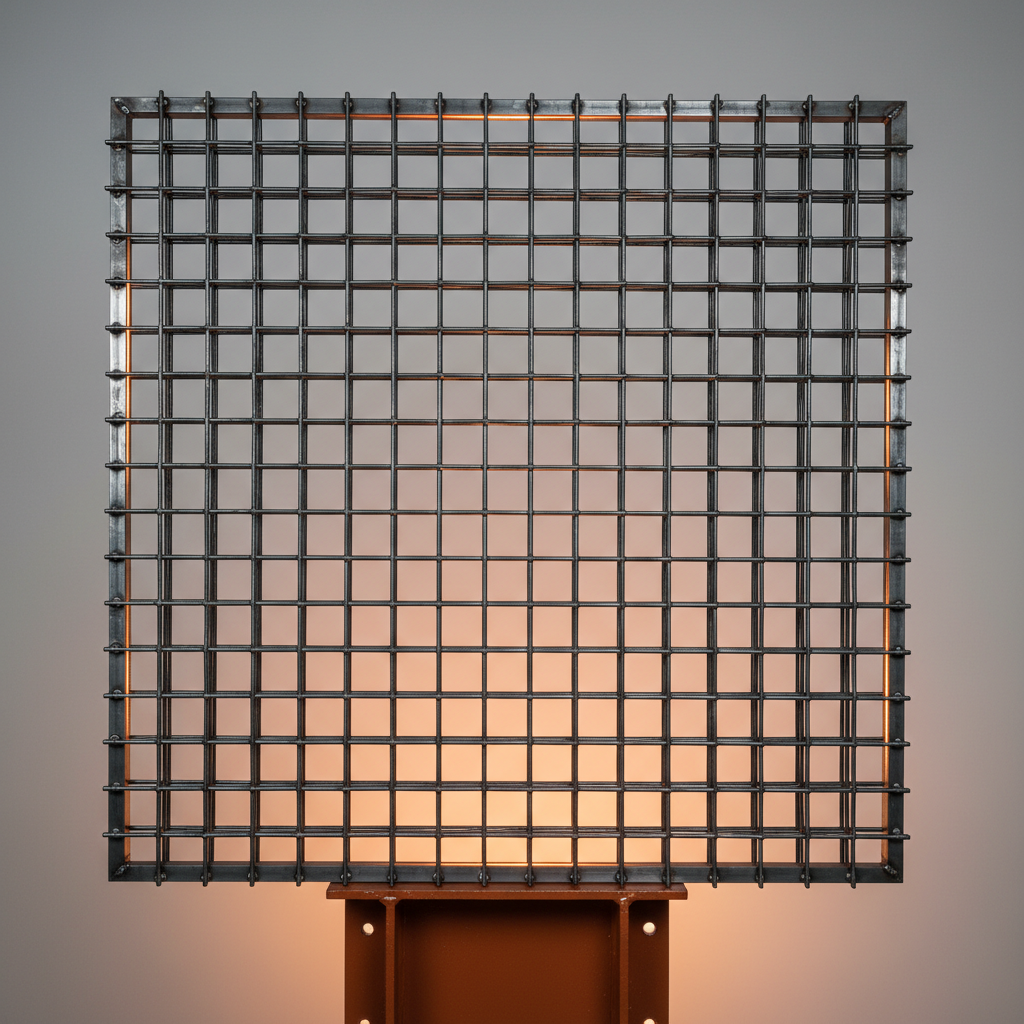 Heavy Duty 6 gauge welded wire mesh for Security and StrengthWhen it comes to heavy-duty containment, security, and structural reinforcement, choosing the right material is critical. The 6 gauge welded wire mesh stands as a premier choice for those requiring a balance of extreme rigidity and precise spacing. Whether you are securing a commercial perimeter, building industrial livestock panels, or creating reinforced concrete structures, this specific thickness provides the structural integrity needed to withstand significant pressure and impact. In this comprehensive guide, we will explore the technical specifications, primary applications, and why this mesh is the gold standard for high-security fencing solutions.Read more >
Apr 16 2026
-
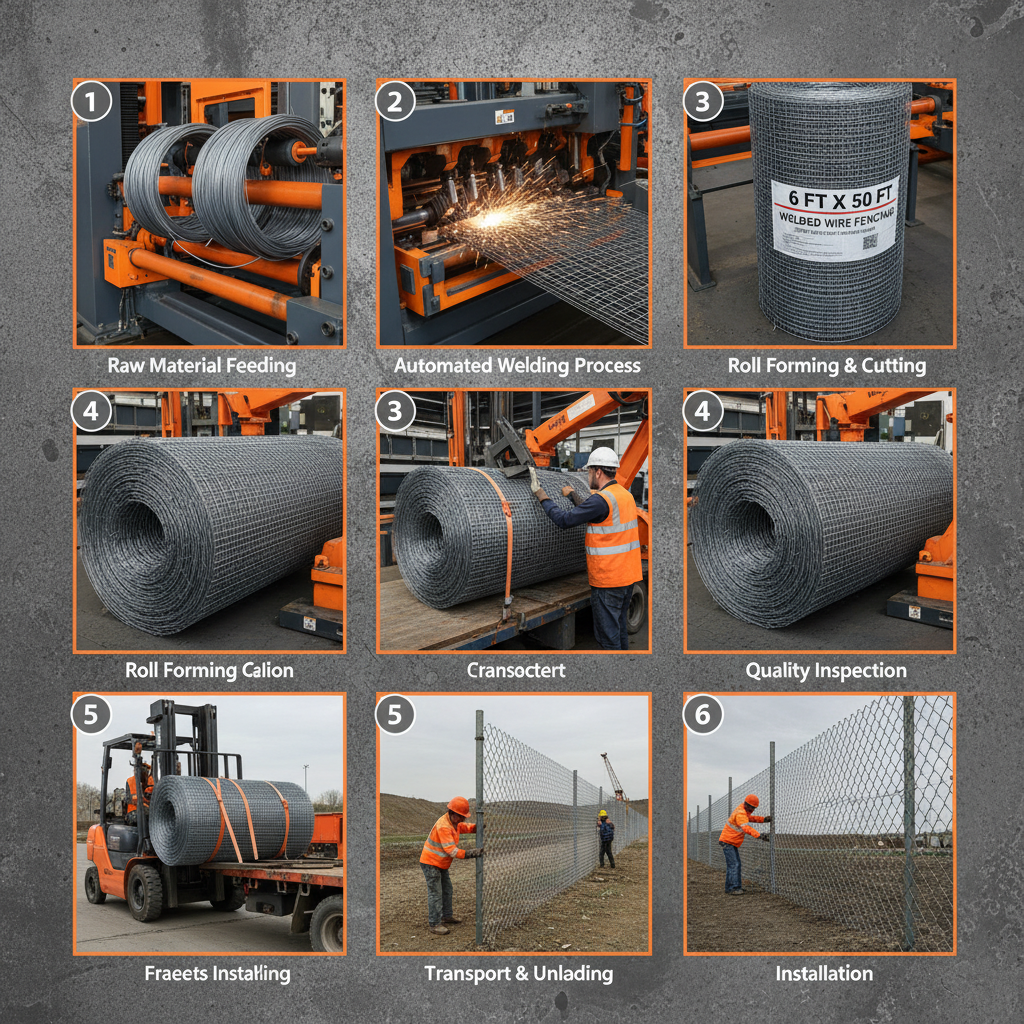 Durable 6 ft x 50 ft welded wire fencing for Security and GardensWhen it comes to securing a perimeter, whether for agricultural use, garden protection, or industrial boundaries, the dimensions and material of your fence matter. The 6 ft x 50 ft welded wire fencing offers an ideal balance of height and length, providing a robust barrier that is easy to install and maintain. Choosing a welded wire system ensures that the intersections are fused together, preventing the shifting and sagging often found in woven alternatives. In this guide, we will explore why this specific size is a preferred choice for property owners and how to maximize its effectiveness for your specific project.Read more >
Apr 09 2026
-
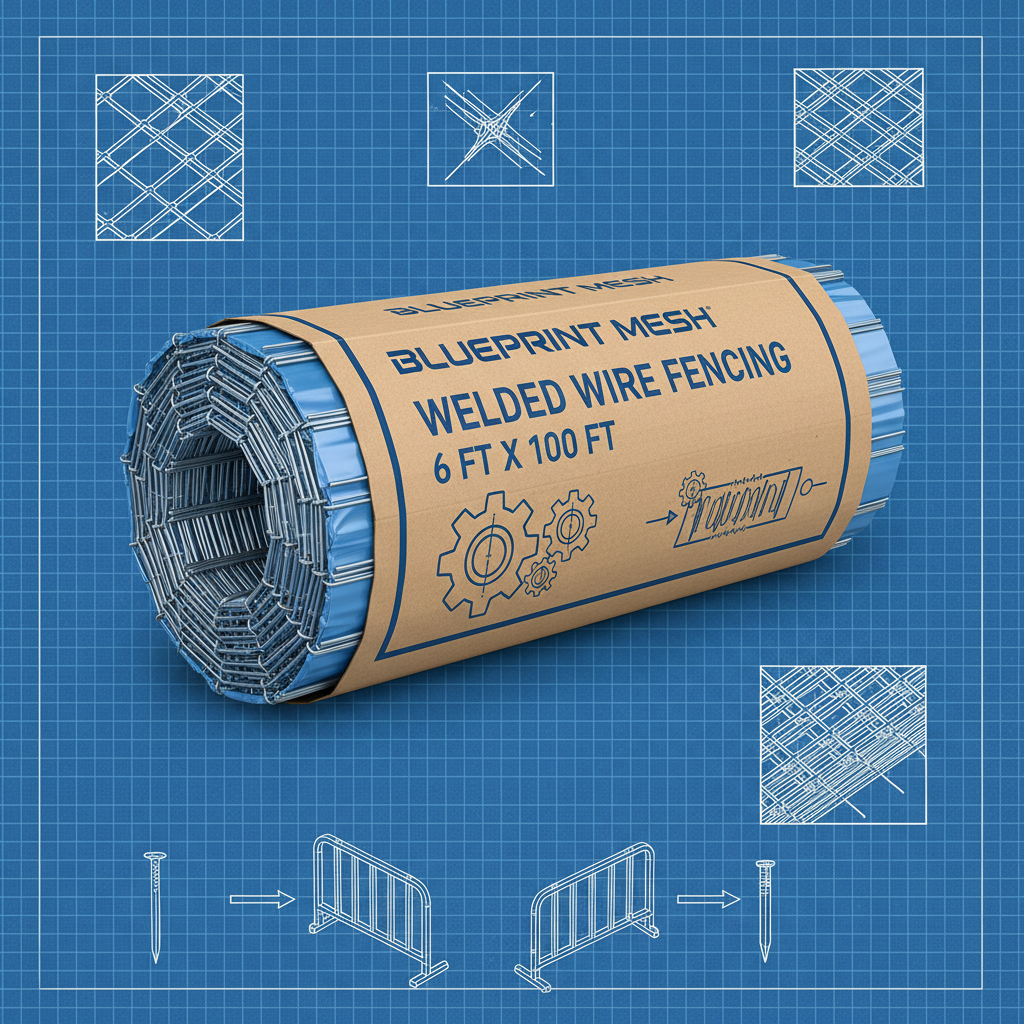 Comprehensive Guide to Choosing the Best 6 ft x 100 ft Welded Wire FencingWelded wire fencing is a versatile and cost-effective solution for a wide range of applications, from agricultural containment to residential security. Understanding the nuances of different types, especially when considering a size like 6 ft x 100 ft welded wire fencing, is crucial for making the right investment. This article will guide you through the essential factors to consider, helping you select the fencing that best suits your specific requirements.Read more >
Apr 07 2026
-
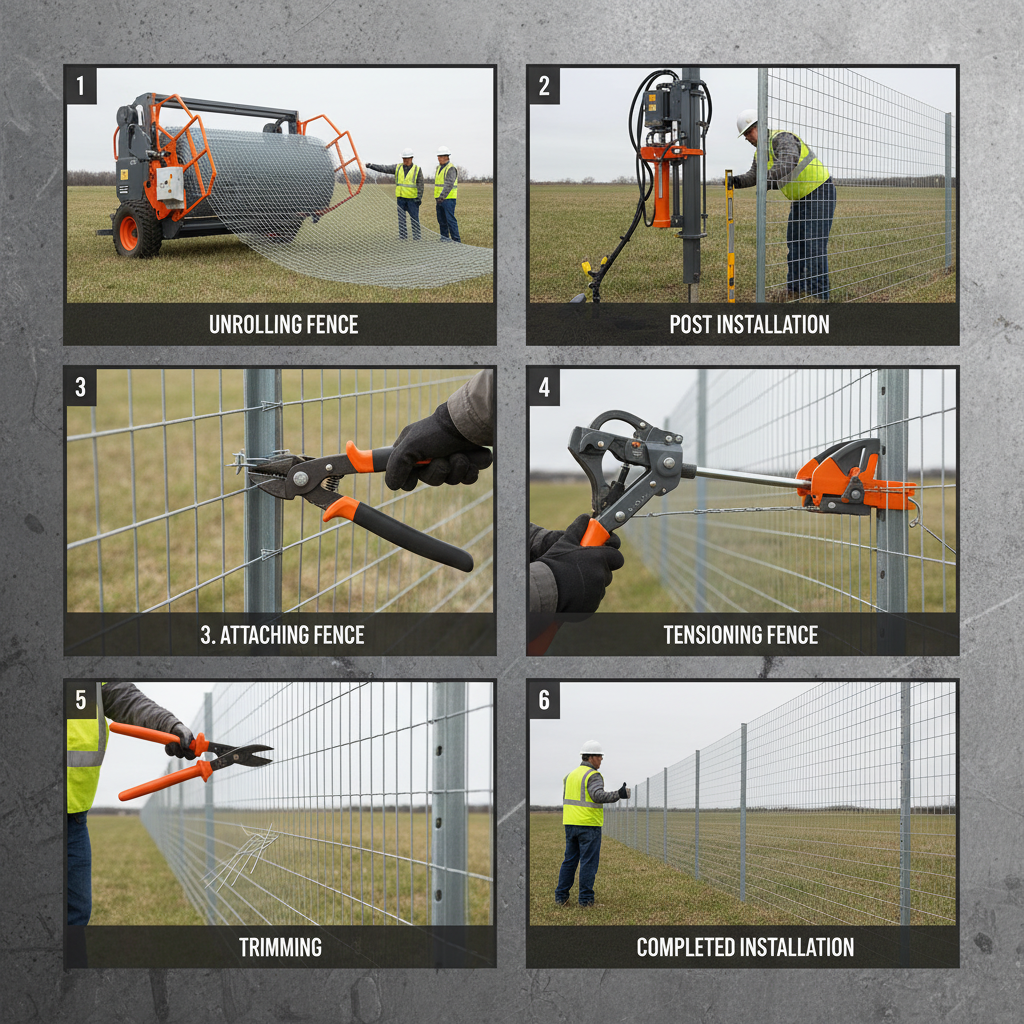 Comprehensive Guide to Choosing a 6 ft x 100 ft 12.5 Gauge Welded Wire FenceSelecting the appropriate fence for your property requires careful consideration. A 6 ft x 100 ft 12.5 gauge welded wire fence offers a robust and versatile solution for a variety of applications, from pet containment to garden protection and security. This guide will explore the benefits, applications, installation tips, and considerations when choosing this type of fencing. Understanding its construction and comparing it to other fencing options will help you make an informed decision.Read more >
Apr 04 2026
-
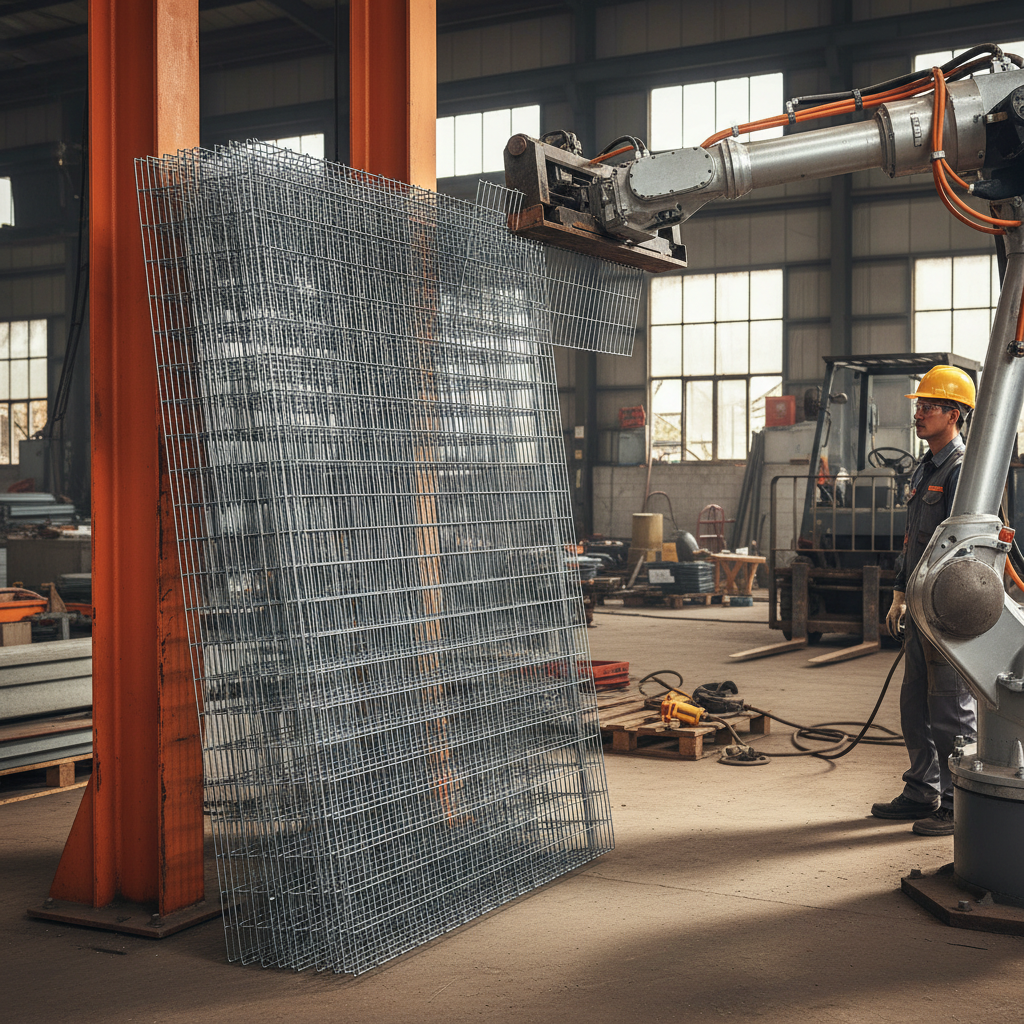 Comprehensive Guide to Durable 6 ft Welded Wire Fencing Panels and ApplicationsWhen selecting fencing for your property, 6 ft welded wire fencing panels offer a robust and versatile solution. These panels combine strength, security, and ease of installation, making them a popular choice for both residential and commercial applications. This article delves into the benefits, applications, installation, and maintenance of these panels, helping you make an informed decision.Read more >
Mar 31 2026