Selecting the right boundary solution often comes down to a trade-off between structural rigidity and installation speed. For industrial and commercial projects, the transition toward prefabricated systems has highlighted a critical need for precision in wire welding and coating consistency.
Many procurement managers struggle to differentiate between basic wire panels and high-performance security systems, leading to premature corrosion or structural failure in harsh environments. Understanding the manufacturing tolerances and material grades is essential to ensure the longevity of the installation.
This analysis examines the technical benchmarks and procurement strategies used when engaging with welded mesh fencing suppliers to secure high-traffic or high-security perimeters effectively.


Unlike woven wire, where the wires simply overlap, welded mesh is fused at every intersection using electrical resistance welding. This creates a rigid, non-shifting grid that maintains its geometry even under significant lateral pressure. The strength of the fence is not just in the gauge of the wire, but in the integrity of the weld point.
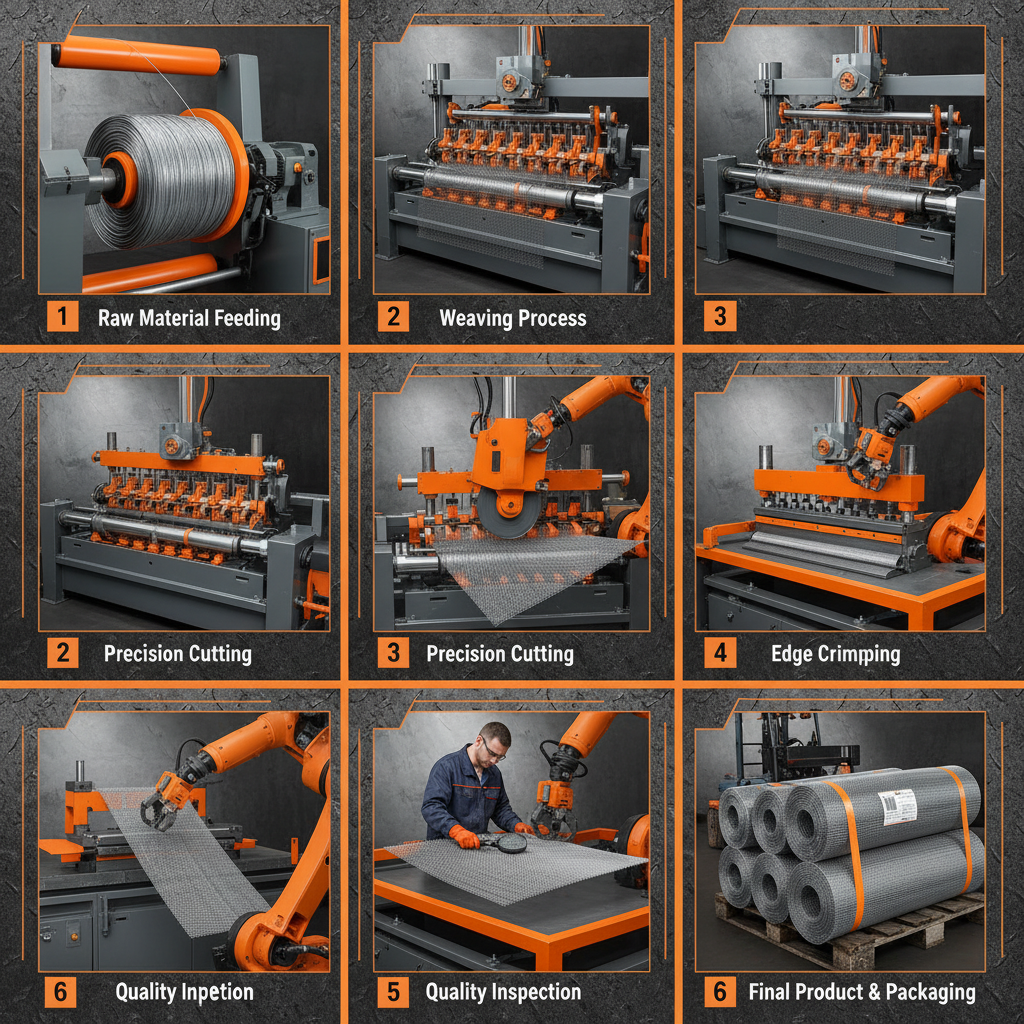
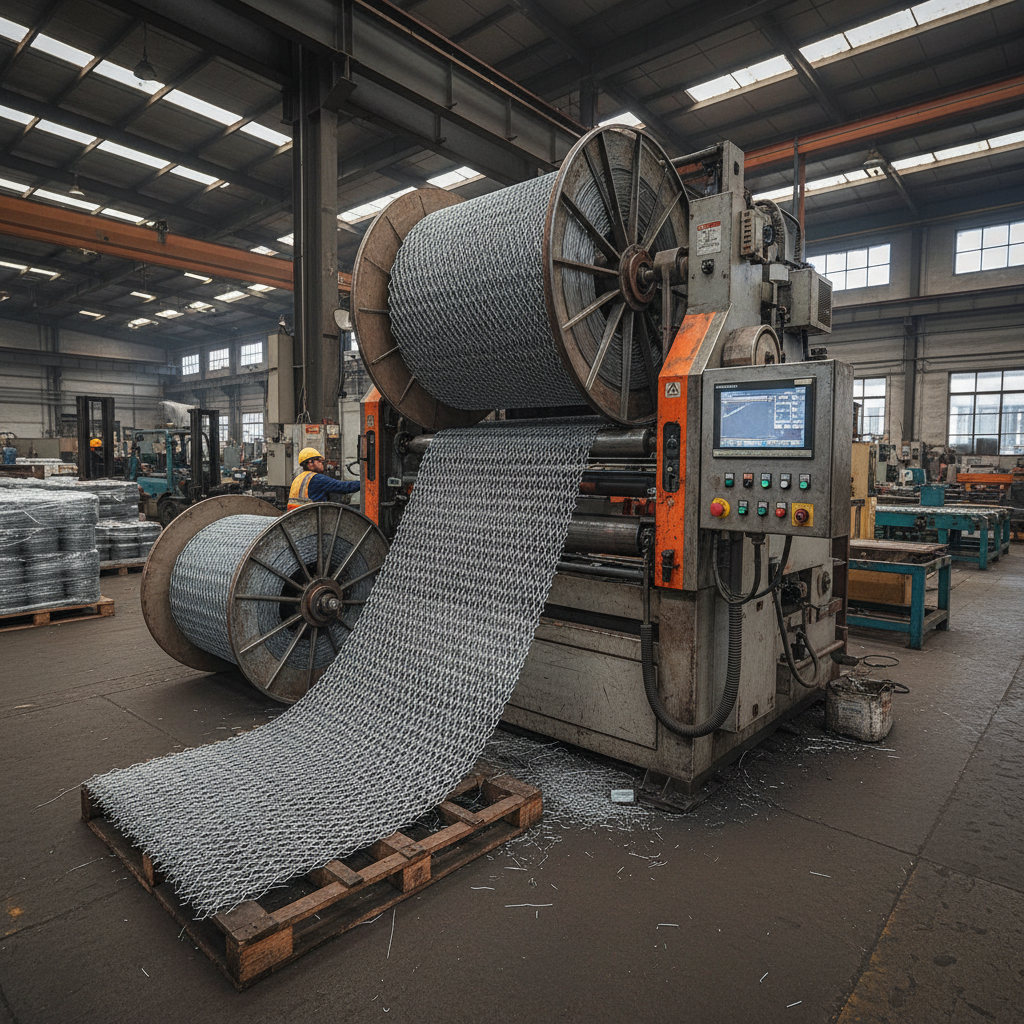
Professional manufacturers utilize automated straining and welding lines to ensure that the "squareness" of the mesh remains consistent across thousands of meters. Any deviation in the weld temperature can lead to brittle points, which are the first to fail during impact or attempted breaches.
The foundation of a durable fence lies in the raw material. Low-carbon steel is the industry standard for most welded mesh, but the specific grade determines how the metal reacts to the welding process and subsequent coating. High-ductility steel is preferred for security fences to prevent the wire from snapping under extreme tension.
Wire diameter and aperture size must be balanced against the intended use. For instance, Euro-style fences utilize specific wire gauges to optimize the weight-to-strength ratio, ensuring that the panels are manageable during installation without sacrificing the ability to deter intruders.
Furthermore, the consistency of the wire diameter is a key quality indicator. Variations in gauge can cause uneven welding currents, resulting in weak spots. Rigorous inspection of the raw material straining process is therefore mandatory for large-scale industrial output.
Environmental exposure is the primary cause of fence degradation. To combat this, a multi-stage protection strategy is employed, typically starting with a hot-dipped galvanized layer that provides a sacrificial zinc coating to prevent oxidation.
The synergy between hot-dip galvanization and PVC coating creates a dual-layer barrier; while the zinc prevents deep corrosion, the PVC layer shields the metal from UV radiation and chemical pollutants, significantly extending the service life in coastal or industrial zones.
Advanced coating processes involve thorough cleaning and phosphate treatment before the PVC or powder coating is applied. This ensures maximum adhesion, preventing the coating from peeling or cracking over time due to thermal expansion and contraction.
When auditing welded mesh fencing suppliers, production scale is often a proxy for technical capability. A facility capable of producing millions of square meters annually typically possesses the R&D infrastructure to handle complex OEM requirements and strict quality control protocols.
Integrated production—from raw material straining and welding to PVC coating and final assembly—reduces lead times and minimizes the risk of quality variance that occurs when outsourcing individual processes.
In high-security environments such as airports or prisons, the focus shifts toward high-security fences and razor wire integrations. These installations require panels with smaller apertures to prevent climbing and high-tensile strength to resist cutting tools.
Conversely, in municipal or garden settings, ornamental fences and Euro fences are preferred for their aesthetic appeal and ease of installation. In these scenarios, the priority is a balance between visibility, wind permeability, and a non-aggressive visual profile.
The industry is moving away from simple barriers toward "intelligent perimeters." This involves integrating physical mesh barriers with sensor technology, where the fence serves as the primary physical deterrent and a substrate for detection systems.
There is also a growing demand for sustainable materials. The use of HDPE in agricultural shade nets and the refinement of PVC coatings to be more eco-friendly reflect a shift toward reducing the environmental footprint of large-scale metal installations.
Modern standards now emphasize the "total cost of ownership" rather than initial purchase price. This means prioritizing suppliers who provide ISO-certified quality management and comprehensive installation guidance to reduce long-term maintenance costs.
Evaluating a supplier requires looking beyond the catalog. A professional manufacturer should be able to provide pre-production samples and evidence of final inspection protocols for every shipment to ensure that the specifications delivered match the design requirements.
Logistical capabilities are equally important. For international projects, the ability to provide efficient packaging (pallets, cartons) and flexible delivery terms (FOB, CIF) determines whether a project remains on schedule.
Ultimately, the choice should be based on a matrix of technical expertise, production capacity, and a proven track record of exporting to diverse regulatory markets, such as North America or Europe.
| System Type | Security Level | Installation Speed | Primary Use Case |
|---|---|---|---|
| Euro Fence | Moderate | Very High | Garden / Commercial |
| High Security Fence | High | Moderate | Prison / Airport |
| Chain Link Fence | Low to Moderate | High | Industrial / Sports |
| Double Wire Fence | Moderate to High | Moderate | Infrastructure / Road |
| Gabion Mesh | Low (Structural) | Low | Erosion Control |
| Temporary Fence | Low | Very High | Construction Sites |
Welded mesh is created by fusing perpendicular wires together at every intersection using electrical resistance welding, resulting in a rigid, stable structure that does not shift. Woven wire, conversely, is made by interlacing wires over and under each other. While woven wire is more flexible, welded mesh provides significantly higher structural integrity and is far more effective for security and boundary applications where rigidity is required.
Hot-dipped galvanization involves immersing the steel in a molten zinc bath, creating a thick, durable layer of zinc-iron alloy that offers superior long-term corrosion protection. Electro-galvanization uses an electric current to apply a much thinner layer of zinc. While electro-galvanized wire has a smoother finish, it lacks the longevity and protective thickness of hot-dipped products, making the latter essential for outdoor and harsh environment installations.
You must balance the required impact resistance with the project's weight limitations and budget. Thicker gauges provide more strength and are harder to cut but increase the overall weight and cost. Consider the intended deterrent level; for high-security zones, thicker wires with smaller apertures are necessary. Always verify that the supplier can maintain a consistent gauge across the entire production run to avoid structural weak points.
Technically yes, but for a professional finish, the mesh should be galvanized first. Applying PVC directly to raw steel provides some protection but is prone to peeling if the steel rusts underneath. A galvanized-then-PVC coated system is the industry standard, as the zinc layer prevents corrosion and the PVC layer adds an extra shield against UV rays and chemical exposure, while also allowing for various color options to match the environment.
Request a pre-production sample and perform a "pull test" or shear test on the weld points. A high-quality weld will not snap easily; the wire should ideally deform before the weld point fails. Additionally, inspect the weld area for burns or excessive slag, which indicate poor temperature control. A supplier with ISO-9001 certification and automated production lines is generally more reliable in maintaining these standards across mass production.
For most professional manufacturers, the lead time typically ranges from 15 to 30 days, depending on the complexity of the customization and the total volume. This includes the time for raw material straining, welding, coating, and final quality inspection. To reduce lead times, it is advisable to finalize all technical specifications (wire gauge, aperture, coating color) and provide a clear purchase order to avoid mid-production revisions.
Securing a perimeter is a long-term investment in safety and asset protection. The effectiveness of a welded mesh system depends entirely on the precision of its manufacturing—from the purity of the steel to the depth of the galvanization and the strength of every single weld.
By prioritizing integrated production capabilities and rigorous material standards, buyers can avoid the common pitfalls of premature corrosion and structural failure, ensuring a boundary that remains secure for decades.