Look, I've spent years out in the field, boots on the ground, seeing what really works and what doesn't. When it comes to keeping pests out of builds—especially mice—you need something reliable. We’re not talking about a quick fix; we’re talking about protecting materials, delaying projects, and ultimately, the bottom line. That’s where mouse mesh comes in. It's not glamorous, but it’s essential. A good mouse mesh solution prevents costly damage and keeps projects on schedule. It’s a small investment that pays dividends.
I’ve seen crews losing entire batches of insulation, wiring gnawed through, even equipment compromised because of rodent infestations. It's frustrating, and it's expensive. Traditional methods – traps, poisons – they're reactive. You’re dealing with the problem after it starts. Mouse mesh is proactive. It's about building a barrier from the start. It's a simple concept, but finding the right mesh – durable, correctly sized, easy to work with – that's where it gets tricky.
Honestly, most guys don’t think about this stuff until they have a problem. But smart project managers, they plan ahead. They build in preventative measures. They understand that the cost of a good mouse mesh solution is a fraction of the cost of repairing rodent damage and dealing with project delays. And trust me, delays kill budgets.
The Importance of Mouse Mesh in Construction
Look, every project site is an invitation for rodents. They’re looking for shelter, warmth, and a food source. Building materials offer all three. If you’re not proactively protecting your investment with mouse mesh, you’re asking for trouble. It's a universal problem, from high-rise construction in New York City to remote cabin builds in Montana.
The cost of inaction is significant. According to estimates from the National Pest Management Association, rodents cause billions of dollars in damage annually. That’s not just material costs; it's lost productivity, potential code violations, and even safety concerns. We're talking about preventing electrical fires, ensuring structural integrity, and maintaining a safe working environment. Mouse mesh is a key component of responsible construction practice.
Defining Mouse Mesh and Its Role
Mouse mesh, in its simplest form, is a barrier – typically a woven wire or plastic grid – designed to prevent rodents from accessing building cavities and materials. It's not about eliminating mice entirely (that’s a losing battle), it’s about denying them access to the things they can damage. Think of it as a physical security system for your construction project.
It's a vital connection between modern construction needs and proactive pest management. Historically, builders relied on less effective methods like caulking or filling gaps. These are easily breached by determined rodents. Mouse mesh offers a durable, reliable solution that integrates seamlessly into the construction process.
It’s more than just a product; it's a mindset. It’s about shifting from reactive pest control (dealing with the problem after it happens) to preventative pest exclusion (stopping the problem before it starts). And that shift saves time, money, and headaches.
Key Factors: Durability, Material, and Mesh Size
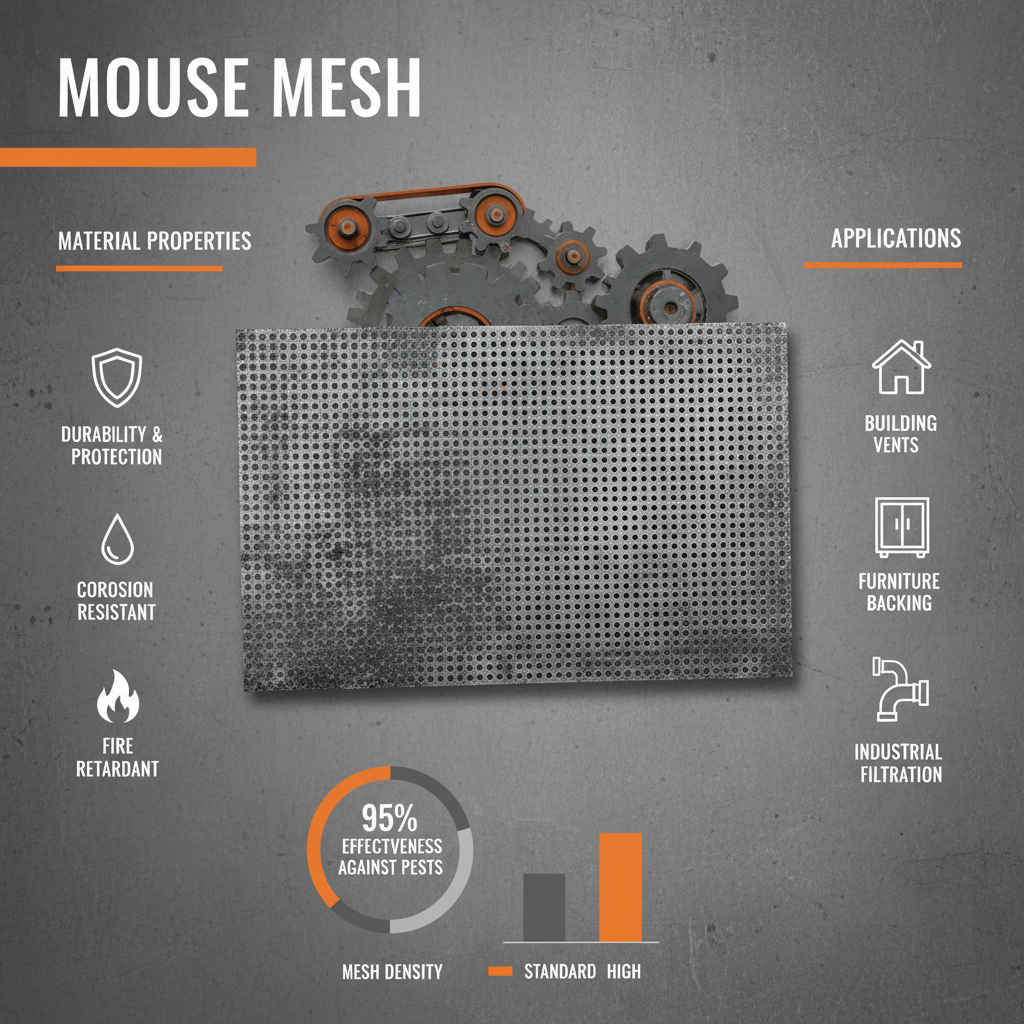
When I’m looking at mouse mesh, three things immediately stand out: durability, the material it's made from, and the mesh size. You need something that can withstand the harsh conditions of a construction site – rain, sun, foot traffic, and handling. Cheap mesh tears easily, rendering it useless.
The material matters too. Galvanized steel is a common choice, offering good strength and corrosion resistance. But plastic meshes are becoming increasingly popular—they're lighter, easier to cut and install, and won’t rust. Mesh size is critical. You need a small enough opening to prevent mice from squeezing through, but not so small that it restricts airflow or becomes difficult to work with. Generally, a 1/4 inch (6.35mm) mesh is a good standard.
Finally, consider the gauge of the wire. A heavier gauge wire means a stronger, more durable mesh. Don’t skimp here. Investing in a quality mouse mesh product will save you money in the long run.
Global Applications of Mouse Mesh
I’ve seen mouse mesh used in construction projects all over. From the high-tech manufacturing facilities in Germany to the rural housing developments in Brazil, the need to protect materials from rodents is universal. It's particularly critical in areas with strict building codes or where food safety is paramount.
In post-disaster relief operations, mouse mesh is essential for protecting temporary shelters and supplies. Rodents can quickly contaminate food and spread disease in these vulnerable situations. Similarly, in remote industrial zones, where access to pest control services is limited, proactive rodent exclusion is vital.
Effectiveness of Mouse Mesh Methods
Advantages and Long-Term Value
The advantages of using mouse mesh are tangible. Reduced material waste, fewer project delays, lower maintenance costs—it all adds up. But it’s not just about the immediate financial benefits. It’s about building a reputation for quality and reliability.
A well-protected project site demonstrates a commitment to best practices, which can be a major selling point for attracting clients and securing future contracts. And let’s not forget the peace of mind. Knowing that you’ve taken proactive steps to prevent rodent damage is a significant benefit.
Future Trends in Rodent Exclusion
We’re seeing a growing demand for more sustainable and eco-friendly rodent exclusion solutions. Biodegradable mesh materials are being developed, and there’s a lot of research going into smarter monitoring systems that can detect rodent activity early on.
Integration with Building Information Modeling (BIM) is also a trend to watch. By incorporating mouse mesh details into the BIM model, project managers can ensure that rodent exclusion is considered from the very beginning of the design process.
I also think we’ll see more automation in the installation process. Pre-fabricated mesh panels and robotic installation systems could significantly reduce labor costs and improve efficiency.
Challenges and Solutions in Mouse Mesh Implementation
One of the biggest challenges I see is improper installation. If the mouse mesh isn’t installed correctly—gaps, tears, or insufficient overlap—it won’t be effective. Training and supervision are key. Crews need to understand the importance of proper installation techniques.
Another challenge is adapting to different building designs. Every project is unique. Sometimes you need to customize the mesh to fit specific openings or irregular shapes. Flexibility and problem-solving skills are essential.
Finally, cost can be a concern. Some project managers are tempted to cut corners and use cheaper materials. But, as I’ve said before, investing in a quality mouse mesh solution is always the smarter long-term investment.
Summary of Mouse Mesh Implementation Factors
| Implementation Aspect |
Criticality (1-10) |
Potential Issues |
Mitigation Strategies |
| Material Quality |
9 |
Durability concerns, susceptibility to damage |
Select galvanized steel or high-grade plastic mesh |
| Installation Technique |
10 |
Gaps, tears, insufficient overlap |
Thorough training, quality control inspections |
| Mesh Size |
8 |
Rodent access, airflow restriction |
Standard 1/4 inch (6.35mm) mesh recommended |
| Cost Considerations |
7 |
Budget constraints, temptation to cut corners |
Life-cycle cost analysis, highlighting long-term savings |
| Building Design Adaptability |
6 |
Irregular shapes, custom openings |
Flexibility in installation, pre-fabricated panels |
| Long-Term Maintenance |
5 |
Potential for damage, need for repairs |
Regular inspections, prompt repairs |
FAQS
Around pipes and wiring, you’ll want to use a flexible mesh that can conform to the shape. A stainless steel or plastic mesh with a tight weave is ideal. Use a sealant like caulk or expanding foam to fill any gaps and ensure a tight seal. The key is to completely surround the entry point, leaving no room for rodents to squeeze through. Proper sealing is crucial for effective protection. Don’t forget to check for existing holes or gaps in the surrounding structure and seal those too.
Plastic mouse mesh is surprisingly durable, and it’s becoming increasingly popular. While steel offers superior strength, plastic is lighter, doesn’t rust, and is easier to cut and install. High-quality plastic meshes, especially those made from polypropylene, can withstand harsh weather conditions and UV exposure. For most applications, plastic mesh provides a good balance of durability and ease of use. Steel is still recommended for areas with high rodent pressure or where physical damage is a concern.
While mouse mesh is highly effective, it’s not a completely permanent solution. Over time, the mesh can become damaged, or rodents may find new entry points. Regular inspections are essential to identify and repair any breaches. Think of it as a long-term preventative measure that requires ongoing maintenance. Addressing the root causes of rodent attraction – food sources, shelter – is also important for a comprehensive pest management strategy.
Generally, a 1/4 inch (6.35mm) mesh size is considered the standard for preventing mouse entry. Mice can squeeze through surprisingly small spaces, so it’s important to choose a mesh with a tight weave. Avoid larger mesh sizes, as they may allow mice to gain access. However, consider the ventilation requirements of the area. A mesh that is too fine can restrict airflow. Balance rodent exclusion with adequate ventilation.
The cost of mouse mesh varies depending on the material (steel vs. plastic), the mesh size, and the quantity purchased. Generally, you can expect to pay between $0.50 and $2.00 per square foot. While it's tempting to go with the cheapest option, remember that quality matters. Investing in a durable mesh will save you money in the long run by reducing the need for repairs and replacements.
Mouse mesh can absolutely be used in existing structures, although it may require more effort. You'll need to identify potential entry points, remove existing materials (like insulation or siding), install the mesh, and then replace the removed materials. It’s often easier to install during new construction, but retrofitting is certainly possible. A thorough inspection and careful planning are essential for a successful retrofit.
Conclusion
To wrap things up, mouse mesh isn’t just a product; it's a proactive approach to protecting your construction projects from costly rodent damage. It’s about investing in durability, planning for the long term, and ensuring a safe and reliable build. Ignoring this step is a gamble you don’t want to take.
I highly recommend incorporating mouse mesh into your standard construction practices. It's a small investment that delivers significant returns, both financially and in terms of peace of mind. For more information and to explore our range of mouse mesh solutions, visit our website at www.chchfence.com.