


Steel Expanded Metal Mesh for Industrial Use | Durable & Customizable
Steel Expanded Metal Mesh: Durable Versatility for Industrial Applications
Having spent well over a decade tinkering and troubleshooting in the industrial equipment sphere, I can tell you one thing about steel expanded metal mesh: it’s one of those unsung heroes you hardly notice until it either saves the day or fails spectacularly. Oddly enough, it feels like such a simple product—just steel strands stretched and flattened into a mesh—but its applications and performance make a huge difference in everything from heavy machinery guards to architectural facades.
In real terms, steel expanded metal mesh is basically a sheet of steel that’s been slit and stretched to form diamond-shaped openings. This process retains structural strength without adding weight, which many engineers I know find invaluable. Frankly, it’s the kind of product where the details really matter: gauge thickness, strand width, and the shape of the apertures all influence performance. And, you know, not all expanded meshes are created equal. Material grade and quality control can make a business-critical impact.
Product Design & Material Considerations
Steel is the default choice for expanded metal mesh because of its strength and durability, but it also comes with a handful of finishes: galvanized, stainless, or even painted. For harsh outdoor environments, galvanized steel protects against corrosion, while stainless steel offers superior resistance to chemicals and extreme temperatures. I recall a customer—an industrial plant manager—who switched to stainless expanded mesh after repeated failures with mild steel, which saved them tens of thousands in downtime costs.
One subtlety that often goes unnoticed is the difference between flattened and unflattened expanded metal. Flattened mesh is easier to work with in fabrication settings and offers a smoother surface, which some architects and designers really appreciate for aesthetic purposes. Unflattened mesh can retain more rigidity but is a bit trickier to install. I tend to recommend flattened for most general industrial uses unless ultra-heavy-duty rigidity is essential.
Technical Specifications Snapshot
| Specification | Typical Range | Notes |
|---|---|---|
| Material Grade | A36 steel, Stainless 304/316 | Common industrial and corrosion-resistant options |
| Gauge (Thickness) | 12 to 22 gauge (2.7mm - 0.8mm) | Thinner for architectural, thicker for heavy-duty |
| Strand Width | ~1.6 mm to 6.4 mm | Affects strength and openness |
| Mesh Opening Size | 12mm x 25mm to 50mm x 100mm | Customizable to application needs |
| Finish | Galvanized, Painted, Raw, Stainless | Depends on environment and corrosion resistance |
How the Market Compares: Vendor Overview
Choosing a vendor can feel a bit overwhelming because everyone touts “premium quality” and rapid production. Based on years of hands-on experience and conversations with peers, here’s a straightforward snapshot comparing three typical vendor profiles in the U.S. expanded metal markets:
| Vendor | Material Quality | Customization Options | Lead Time | Pricing |
|---|---|---|---|---|
| CHCH Fence | High (certified steel, strict QC) | Broad range: gauge, finish, aperture | Typically 1-2 weeks | Competitive for quality |
| Generic Distributor A | Moderate (varied supply sources) | Limited to stock sizes/finishes | 3-4 weeks | Lower but quality varies |
| Custom Steel Fab Shop | Very high (specialty steel) | Highly customizable but costly | 3+ weeks | Premium pricing |
This quick comparison is not gospel, of course, but I do find that steel expanded metal mesh sourced from companies like CHCH Fence strikes a solid balance between quality, price, and turnaround time. That equilibrium is key when you’re sourcing for large projects or ongoing use. It’s frustrating when deadlines slip because a mesh order got tangled in logistic delays.
In Use: A Small Story
I remember one site visit where we had to retrofit safety guards on an aging conveyor system. The old mesh was rusty and had deformed, risking worker safety. We switched in some flattened galvanized steel expanded mesh from a reliable vendor. Installation was straightforward, the mesh held up well under impact, and the maintenance team reported it was easy enough to clean — a detail often overlooked. It’s moments like that where you realize how integral these materials are to smooth operations.
Many engineers say expanded metal mesh provides an unbeatable combination of visibility, airflow, and security, which aligns with my experience too. Whether it’s for machine guarding, screening, or even creative design elements, the strength-to-weight ratio can be a real asset. Plus, customization gives you the flexibility for specialized needs, which I suspect will only grow as industries demand more tailored solutions.
To wrap it up: steel expanded metal mesh might seem straightforward, but its variety and quality nuances matter — a lot. Trustworthy vendors who understand the technicalities and deliver solid product consistency? That’s where you want to be placing your bets.
— A veteran industrial equipment observer
References:
1. Smith, J., Expanded Metal Mesh Handbook, Industrial Press, 2018.
2. ASTM A1011/A1018 Standards for Steel Sheet and Strip.
3. Conversations with site engineers, 2019–2023.
Latest News About CHENG CHUANG
-
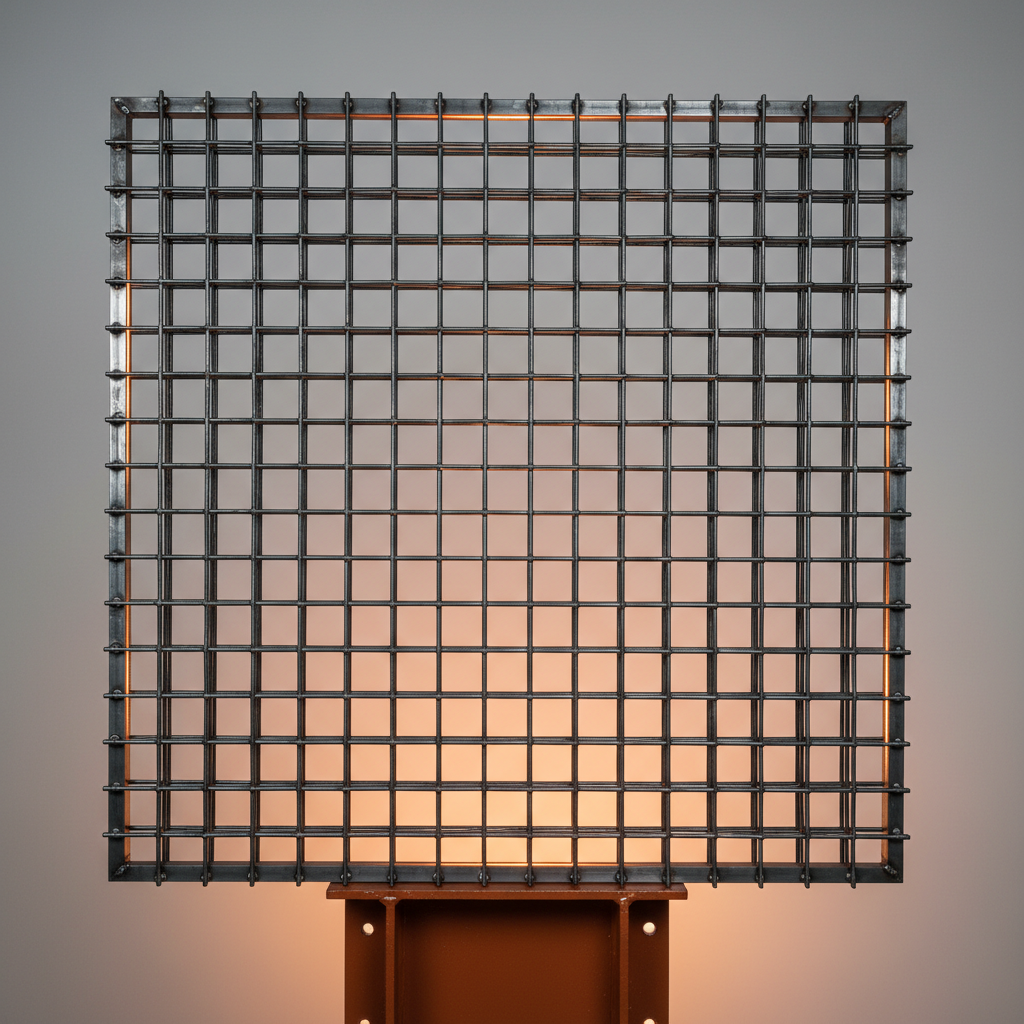 Heavy Duty 6 gauge welded wire mesh for Security and StrengthWhen it comes to heavy-duty containment, security, and structural reinforcement, choosing the right material is critical. The 6 gauge welded wire mesh stands as a premier choice for those requiring a balance of extreme rigidity and precise spacing. Whether you are securing a commercial perimeter, building industrial livestock panels, or creating reinforced concrete structures, this specific thickness provides the structural integrity needed to withstand significant pressure and impact. In this comprehensive guide, we will explore the technical specifications, primary applications, and why this mesh is the gold standard for high-security fencing solutions.Read more >
Apr 16 2026
-
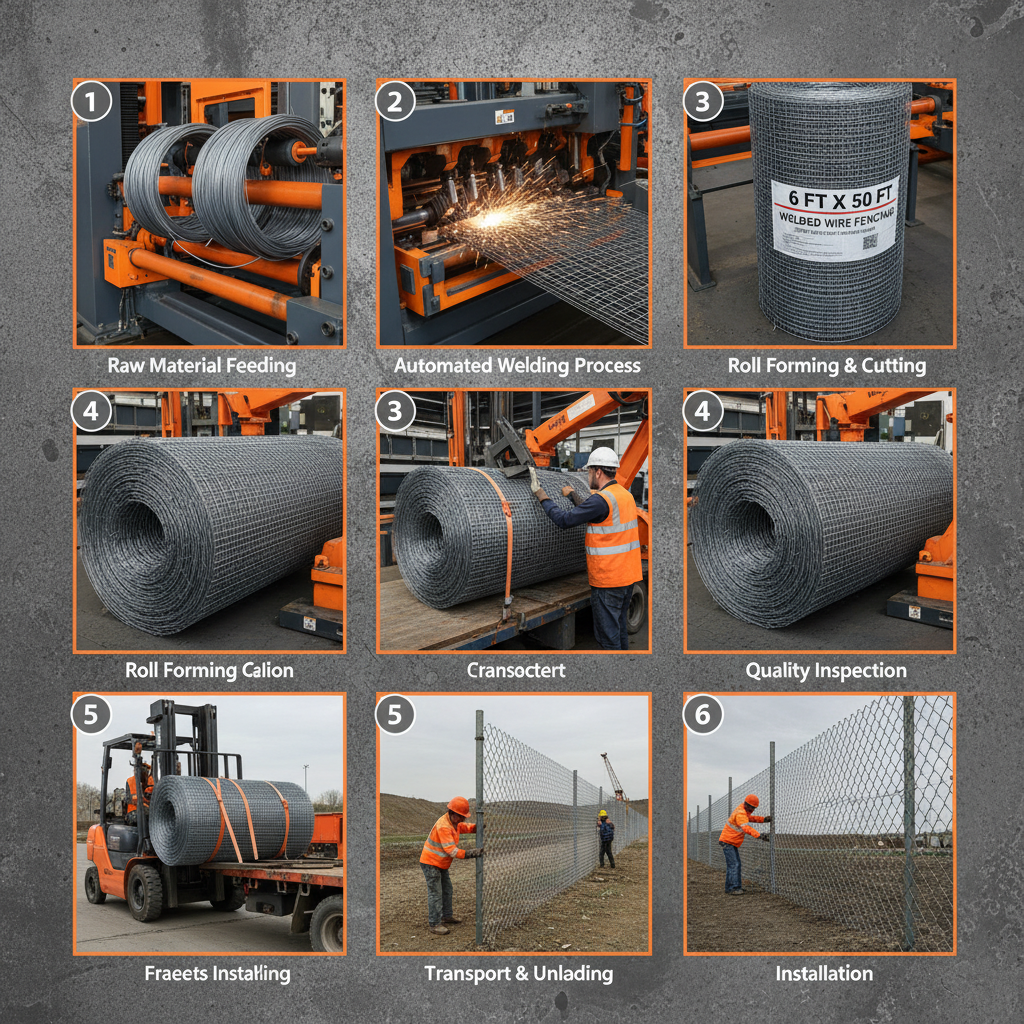 Durable 6 ft x 50 ft welded wire fencing for Security and GardensWhen it comes to securing a perimeter, whether for agricultural use, garden protection, or industrial boundaries, the dimensions and material of your fence matter. The 6 ft x 50 ft welded wire fencing offers an ideal balance of height and length, providing a robust barrier that is easy to install and maintain. Choosing a welded wire system ensures that the intersections are fused together, preventing the shifting and sagging often found in woven alternatives. In this guide, we will explore why this specific size is a preferred choice for property owners and how to maximize its effectiveness for your specific project.Read more >
Apr 09 2026
-
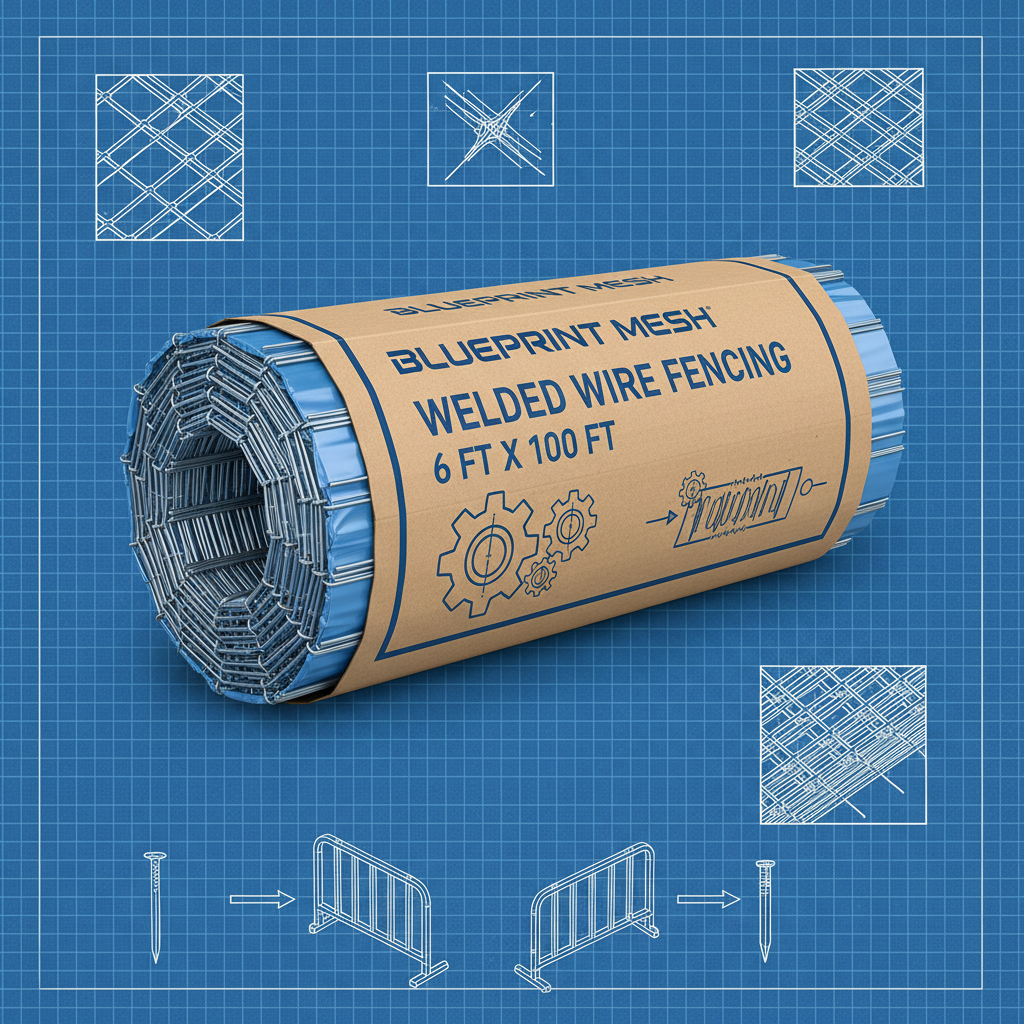 Comprehensive Guide to Choosing the Best 6 ft x 100 ft Welded Wire FencingWelded wire fencing is a versatile and cost-effective solution for a wide range of applications, from agricultural containment to residential security. Understanding the nuances of different types, especially when considering a size like 6 ft x 100 ft welded wire fencing, is crucial for making the right investment. This article will guide you through the essential factors to consider, helping you select the fencing that best suits your specific requirements.Read more >
Apr 07 2026
-
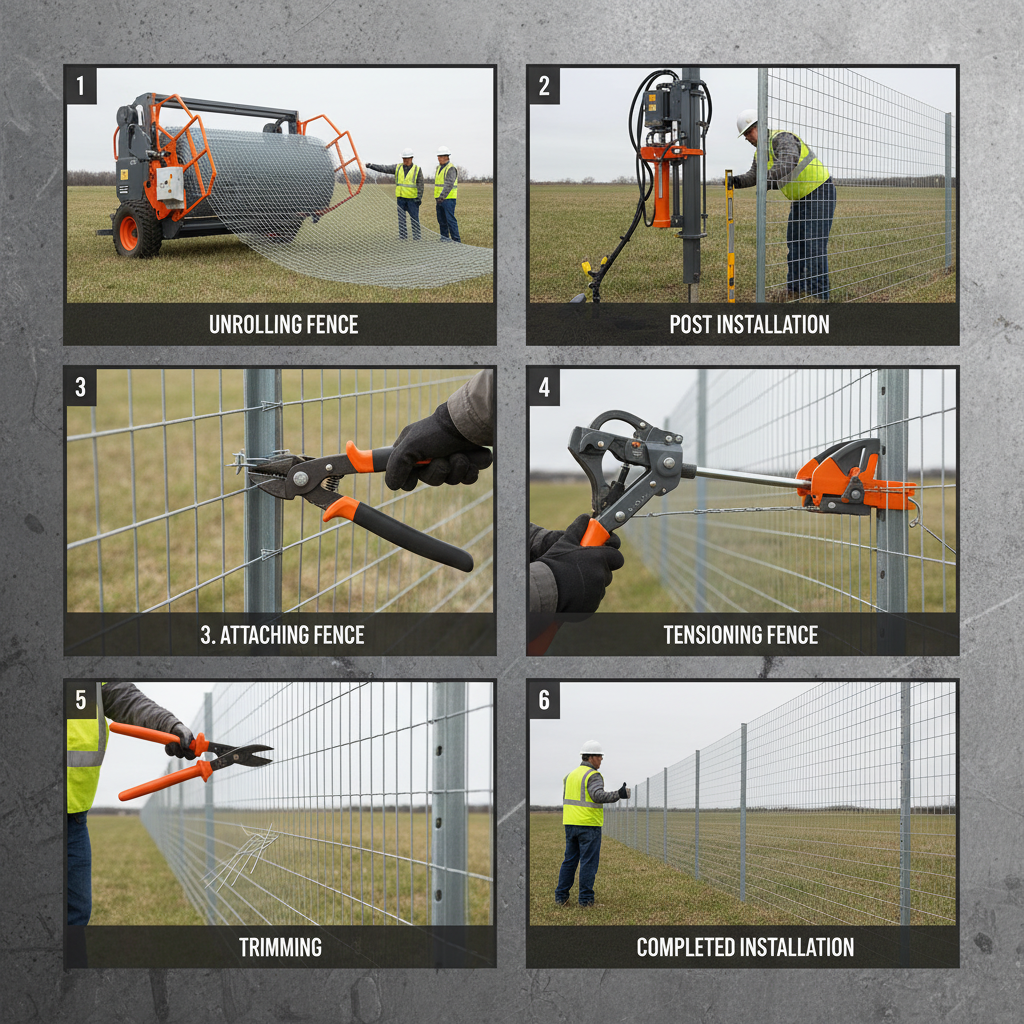 Comprehensive Guide to Choosing a 6 ft x 100 ft 12.5 Gauge Welded Wire FenceSelecting the appropriate fence for your property requires careful consideration. A 6 ft x 100 ft 12.5 gauge welded wire fence offers a robust and versatile solution for a variety of applications, from pet containment to garden protection and security. This guide will explore the benefits, applications, installation tips, and considerations when choosing this type of fencing. Understanding its construction and comparing it to other fencing options will help you make an informed decision.Read more >
Apr 04 2026
-
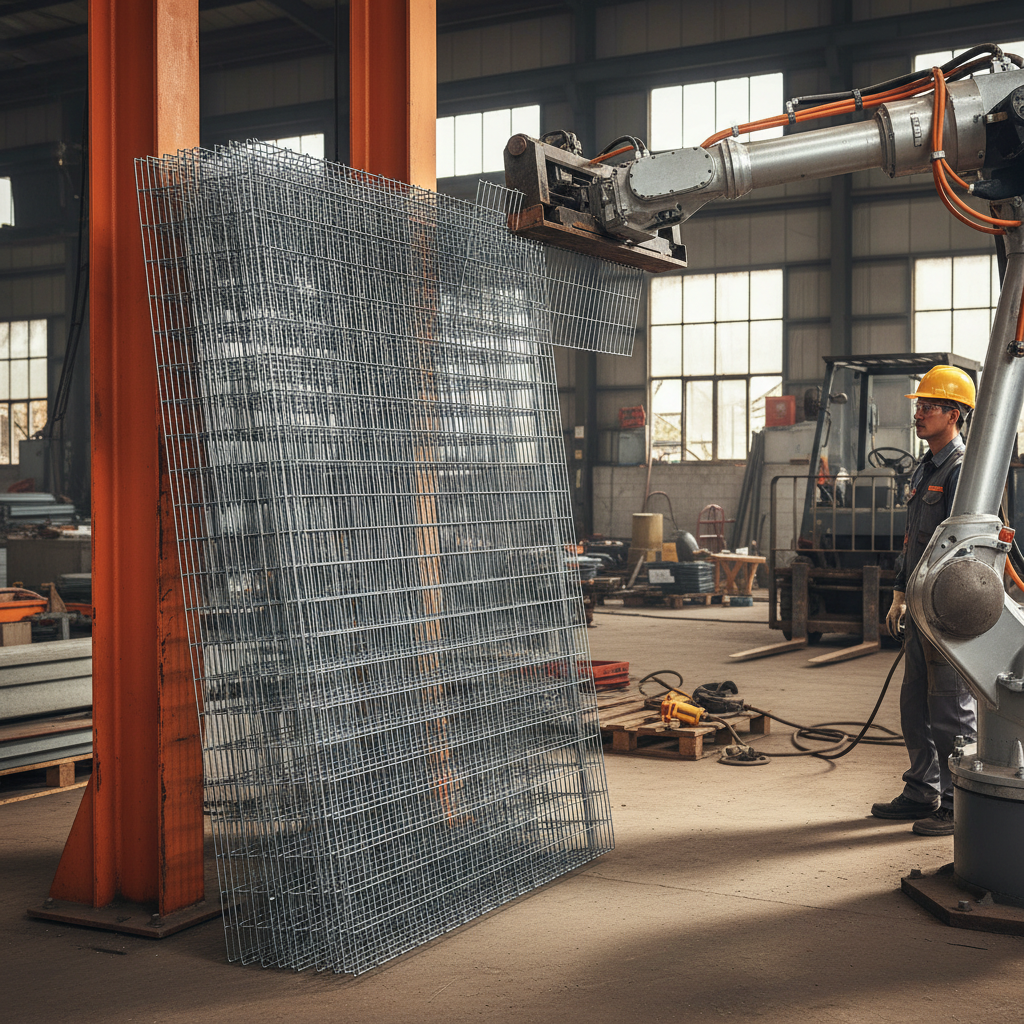 Comprehensive Guide to Durable 6 ft Welded Wire Fencing Panels and ApplicationsWhen selecting fencing for your property, 6 ft welded wire fencing panels offer a robust and versatile solution. These panels combine strength, security, and ease of installation, making them a popular choice for both residential and commercial applications. This article delves into the benefits, applications, installation, and maintenance of these panels, helping you make an informed decision.Read more >
Mar 31 2026