


Razor Mesh: The Essential Guide to Durable, Cost-Effective Security Fencing
Razor Mesh: Understanding Its Vital Role in Security and Beyond
If you spend any time around industrial sites, secure facilities, or even some community borders, you’ve probably seen razor mesh — those intimidating coils of sharp steel designed to deter trespassers with a distinctive, almost brutal aesthetic. Beyond just looking tough, razor mesh plays a significant global role in security, safety, and even humanitarian applications. From military bases in Europe to refugee camps in Africa, this toughened steel has become a go-to for creating physical boundaries that matter.
Why does razor mesh matter worldwide? Well, as globalization drives more complex security needs and humanitarian crises emerge, having reliable and efficient perimeter solutions is critical — and razor mesh answers many of those calls. In real terms, it offers protection, deterrence, and a flexible security solution that’s cost-effective and surprisingly adaptable.
Global Context: The Rising Need for Effective Physical Barriers
According to recent data from the International Organization for Migration, over 280 million people worldwide are displaced due to conflict and insecurity (1). This humanitarian challenge, combined with growing concerns over infrastructure protection and crime prevention, drives an increased demand for security solutions that balance robustness with rapid deployment.
Razor mesh fits snugly into this context: it’s cheap enough to be deployed widely, sharp enough to deter intruders, and versatile enough to adapt across different industries. Oddly enough, while technology races ahead in digital security, physical barriers like razor mesh remain the first critical line of defense on the ground.
What Exactly is Razor Mesh?
In the simplest terms, razor mesh is a type of barbed tape woven into coils or flat panels, made of galvanized or stainless steel. It features sharp blades stamped along the edges, designed not to cut deeply but to discourage and delay unwanted access. It’s different from typical barbed wire because of its sheer razor-sharp blades and dense configuration, which create a near-impenetrable barrier.
Industries ranging from construction sites to prisons and border control use razor mesh. In humanitarian efforts, its fast installation and effectiveness at securing temporary settlements make it invaluable.
Core Features of Razor Mesh
1. Durability
Manufactured with corrosion-resistant galvanized steel or stainless steel, razor mesh can withstand harsh weather conditions — from humid tropical climates to freezing zones. This durability makes it a favorite for long-term installations.
2. Scalability
Need three meters of fencing or a kilometer? Razor mesh components easily scale, either as coils stretched along fences or modular panels bolted together. This flexibility allows deployment in both small-scale and expansive security settings.
3. Cost Efficiency
Compared to sophisticated electronic security systems, razor mesh is surprisingly inexpensive to purchase, deliver, and install. Its physical nature reduces dependency on ongoing energy costs and maintenance.
4. Rapid Deployment
In emergency or military contexts, razor mesh’s coil form enables fast unspooling and setup, securing perimeters within hours — a crucial feature during crisis responses.
5. High Deterrence Factor
The visual impact of razor mesh is a major psychological barrier. Its appearance communicates seriousness, often preventing illegal entry before actual contact occurs.
Product Specification Table: Typical Razor Mesh Features
| Feature | Specification |
|---|---|
| Material | Galvanized Steel / Stainless Steel |
| Blade Thickness | 0.4 mm – 0.6 mm |
| Coil Diameter | 450 mm – 600 mm |
| Coil Length | 10 – 15 meters |
| Surface Finish | Zinc Coating ≥ 200 g/m² |
Global Applications & Use Cases
Razor mesh finds widespread application in diverse settings. In Europe and North America, it’s common around military installations and critical infrastructure such as power plants. In the Middle East and parts of Asia, razor mesh often secures conflict zones and refugee camps, balancing rapid deployment needs with safety.
Oddly, even industries far from direct security concerns can benefit. Mining companies in remote parts of Australia use razor mesh to protect machinery and secure perimeter areas against wildlife and vandals. Similarly, certain agricultural zones employ it to safeguard against theft or trespassing.
NGOs working with displaced people often deploy razor mesh as temporary fencing to secure camps while limiting harm to those within. It’s a nuanced tool that, when used responsibly, balances protection with humanitarian considerations.
Vendor Comparison Table: Razor Mesh Suppliers
| Vendor | Product Range | Lead Time | Additional Services |
|---|---|---|---|
| SteelSecure Ltd. | Standard & Heavy Duty Coils | 2-4 weeks | Custom Sizing, Installation Training |
| GlobalFence Corp. | Wide Range, Including PVC Coated | 1-3 weeks | Worldwide Shipping, Consulting |
| SafeBorders Inc. | Specialized Deployable Mesh Kits | 3-5 weeks | On-Site Support, Custom Solutions |
Advantages & Long-Term Value
The advantages of razor mesh extend beyond initial security. Cost savings can be significant over traditional fencing or advanced electronic monitoring because razor mesh requires minimal maintenance and no external power. It’s also a sustainable choice — typically made with recyclable steel — supporting circular economy goals.
On an emotional level, razor mesh provides peace of mind. Communities near secure zones often report feeling safer and more confident in their environment. Dignity is preserved when unwanted intrusion is effectively prevented, especially in sensitive humanitarian contexts.
Emerging Trends & Innovations
Manufacturers continue to innovate with razor mesh. For instance, integration with solar-powered lighting and surveillance cameras helps create more comprehensive security ecosystems. New coatings improve corrosion resistance, perfect for coastal or industrial environments.
Environmental sustainability is shaping innovation too, with designs focusing on lower steel weight and higher recycled content. Automation in installation — drone surveys combined with mechanical uncoiling — is slowly entering the field as well.
Challenges & How We’re Overcoming Them
Despite its advantages, razor mesh isn't without limitations. It’s physically imposing and can be perceived as aggressive, so there’s always a conversation about balancing deterrence with community relations. Installation in difficult terrain can sometimes be tricky, prompting vendors to develop modular and flexible solutions.
Experts suggest combining razor mesh with other, less intimidating security layers to offer graduated protection — this nuanced approach is gaining traction especially in civil environments.
FAQ: Razor Mesh Basics
- Q: How long does razor mesh typically last outdoors?
A: With proper galvanized or stainless steel materials, razor mesh can last 10–20 years, depending on climate and exposure. - Q: Can razor mesh be recycled?
A: Yes, most razor mesh is steel-based and fully recyclable, making it an environmentally friendly fencing option. - Q: Is razor mesh dangerous to handle?
A: Handling requires protective gloves and care due to sharp blades, but with proper safety protocols, installation is straightforward. - Q: What is the difference between razor mesh and barbed wire?
A: Razor mesh has sharp, wide blades arranged densely to maximize deterrence, whereas barbed wire has smaller, pointed barbs spaced apart. - Q: Can razor mesh be used for temporary fencing?
A: Absolutely, its coil form and rapid setup make it ideal for both temporary and permanent installations.
Conclusion & Call to Action
Razor mesh continues to be a fundamental tool in securing borders, protecting infrastructure, and supporting humanitarian efforts worldwide. Its blend of durability, cost efficiency, and psychological deterrence offers unparalleled value in a complex, ever-changing security landscape.
If you’re looking for reliable razor mesh solutions to secure your site or project, feel free to visit our website: https://www.chchfence.com for detailed product options and expert advice.
In the end, razor mesh isn’t just a fence — it’s a commitment to safety, innovation, and sustainable security.
In closing, understanding razor mesh means appreciating a simple yet critical technology that stands guard worldwide.
Latest News About CHENG CHUANG
-
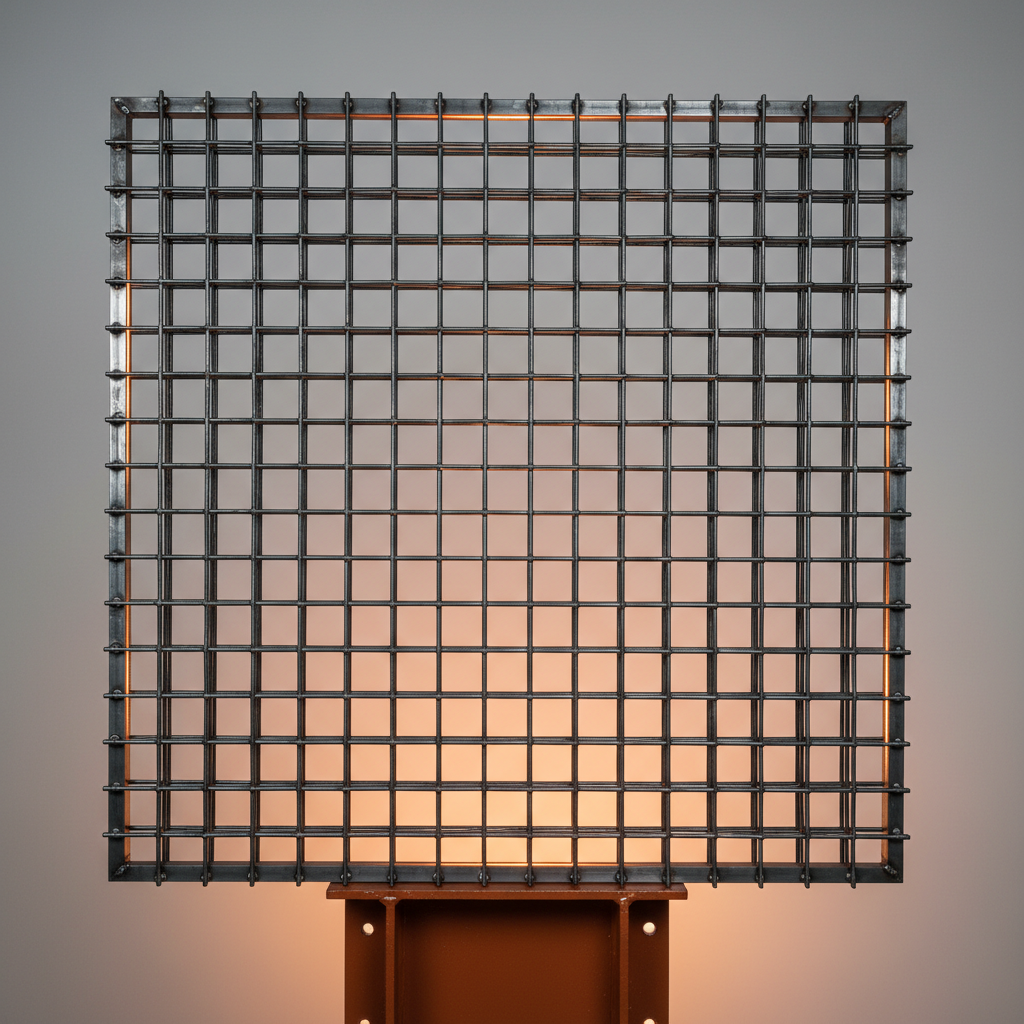 Heavy Duty 6 gauge welded wire mesh for Security and StrengthWhen it comes to heavy-duty containment, security, and structural reinforcement, choosing the right material is critical. The 6 gauge welded wire mesh stands as a premier choice for those requiring a balance of extreme rigidity and precise spacing. Whether you are securing a commercial perimeter, building industrial livestock panels, or creating reinforced concrete structures, this specific thickness provides the structural integrity needed to withstand significant pressure and impact. In this comprehensive guide, we will explore the technical specifications, primary applications, and why this mesh is the gold standard for high-security fencing solutions.Read more >
Apr 16 2026
-
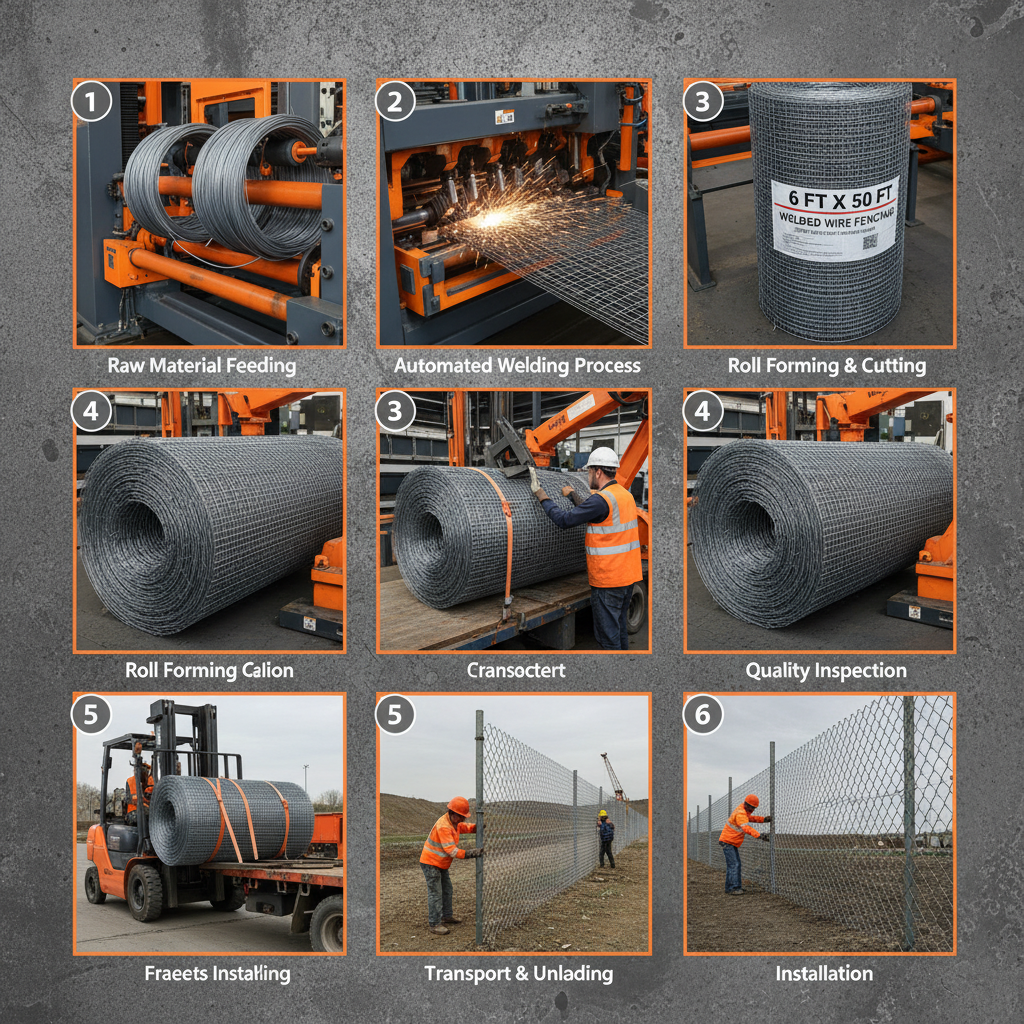 Durable 6 ft x 50 ft welded wire fencing for Security and GardensWhen it comes to securing a perimeter, whether for agricultural use, garden protection, or industrial boundaries, the dimensions and material of your fence matter. The 6 ft x 50 ft welded wire fencing offers an ideal balance of height and length, providing a robust barrier that is easy to install and maintain. Choosing a welded wire system ensures that the intersections are fused together, preventing the shifting and sagging often found in woven alternatives. In this guide, we will explore why this specific size is a preferred choice for property owners and how to maximize its effectiveness for your specific project.Read more >
Apr 09 2026
-
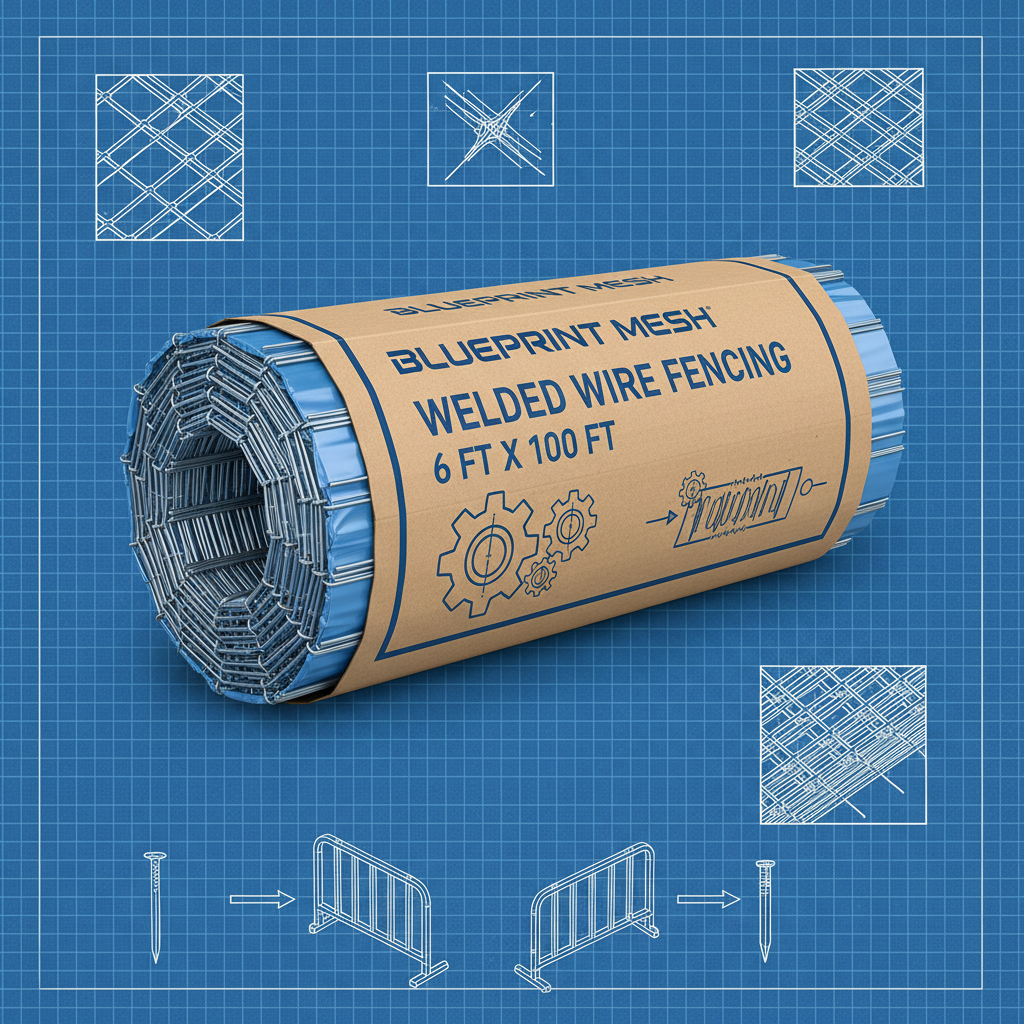 Comprehensive Guide to Choosing the Best 6 ft x 100 ft Welded Wire FencingWelded wire fencing is a versatile and cost-effective solution for a wide range of applications, from agricultural containment to residential security. Understanding the nuances of different types, especially when considering a size like 6 ft x 100 ft welded wire fencing, is crucial for making the right investment. This article will guide you through the essential factors to consider, helping you select the fencing that best suits your specific requirements.Read more >
Apr 07 2026
-
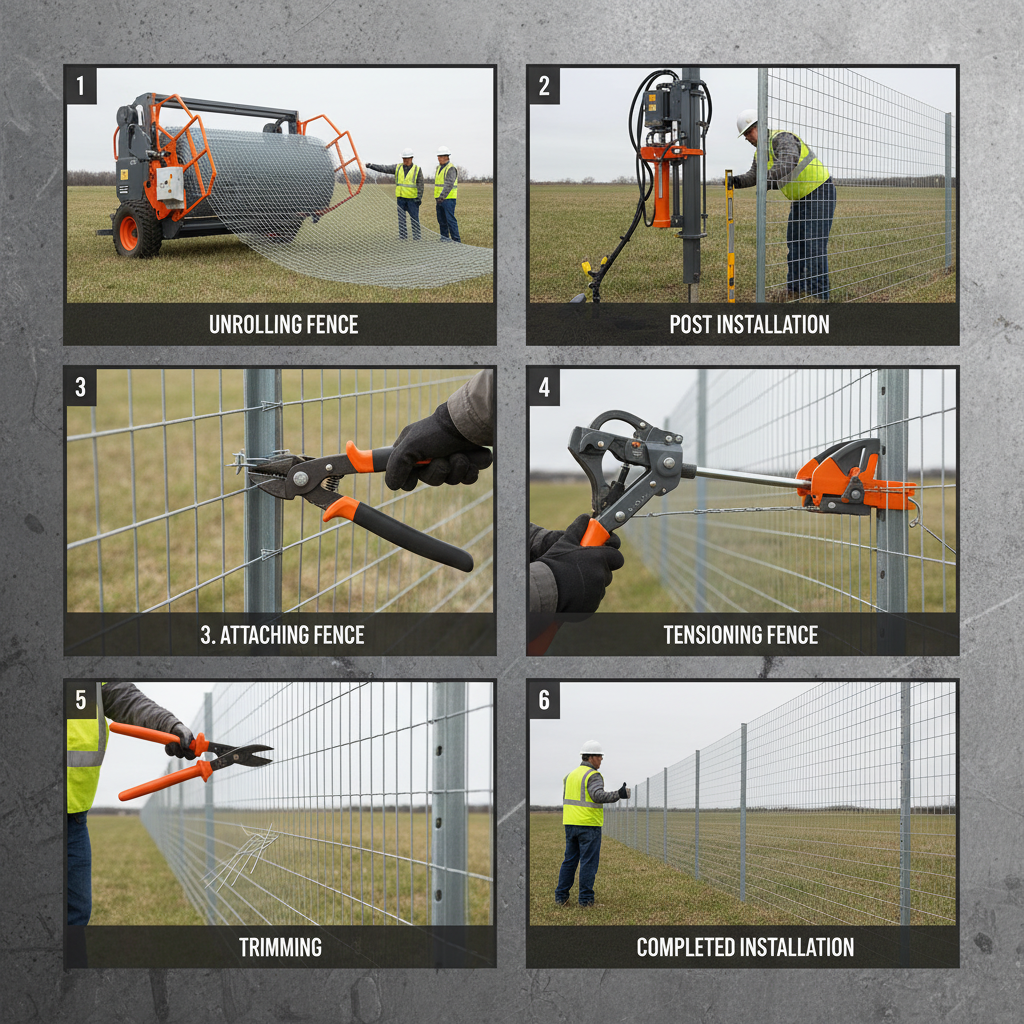 Comprehensive Guide to Choosing a 6 ft x 100 ft 12.5 Gauge Welded Wire FenceSelecting the appropriate fence for your property requires careful consideration. A 6 ft x 100 ft 12.5 gauge welded wire fence offers a robust and versatile solution for a variety of applications, from pet containment to garden protection and security. This guide will explore the benefits, applications, installation tips, and considerations when choosing this type of fencing. Understanding its construction and comparing it to other fencing options will help you make an informed decision.Read more >
Apr 04 2026
-
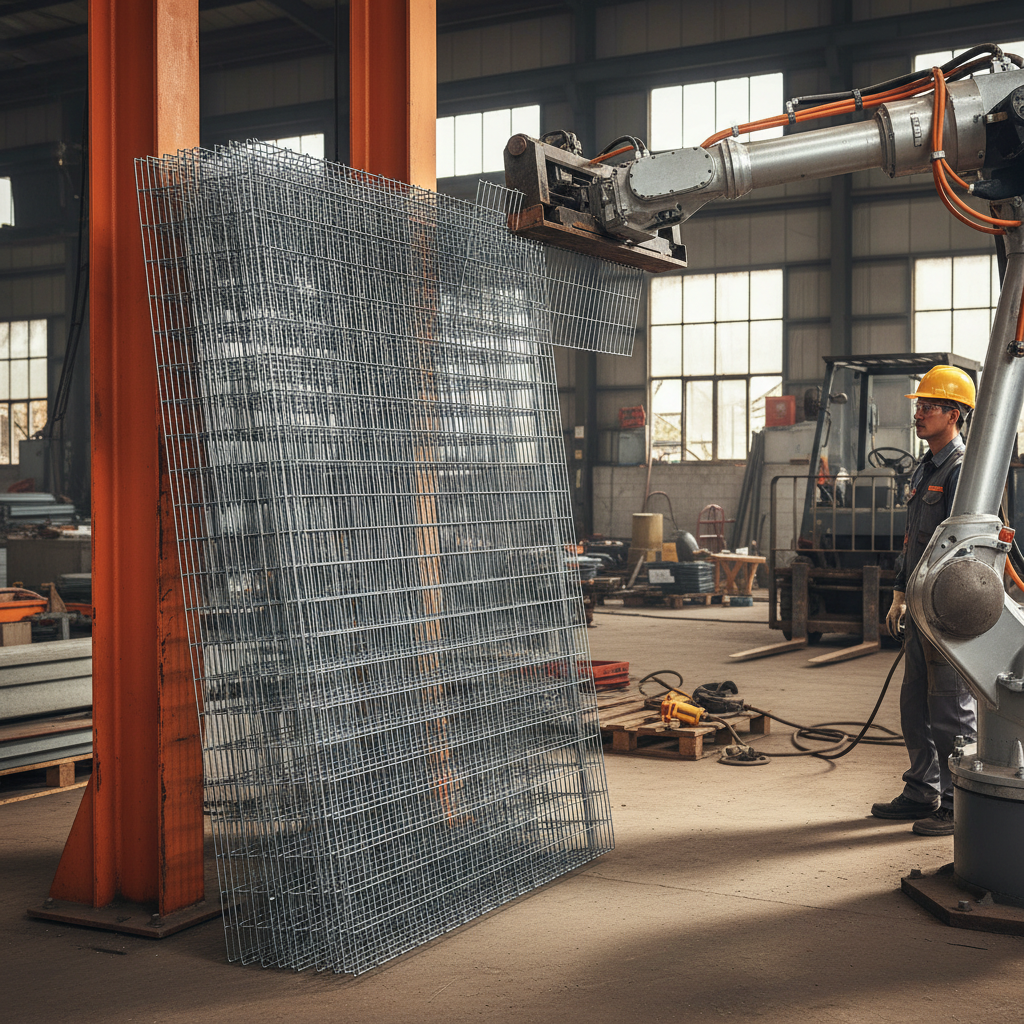 Comprehensive Guide to Durable 6 ft Welded Wire Fencing Panels and ApplicationsWhen selecting fencing for your property, 6 ft welded wire fencing panels offer a robust and versatile solution. These panels combine strength, security, and ease of installation, making them a popular choice for both residential and commercial applications. This article delves into the benefits, applications, installation, and maintenance of these panels, helping you make an informed decision.Read more >
Mar 31 2026