


Powder Coated Mesh: Durable, Stylish, and Sustainable Solutions for Modern Industry
Why Powder Coated Mesh Matters in Today’s World
At first glance, powder coated mesh might sound like a niche industrial product. But when you stop and think about where it shows up—from urban fencing to humanitarian relief efforts—it really hits home how important this material is globally. It’s not just about aesthetics or durability (though those are key); it's about safety, sustainability, and adaptability across industries.
The global market for protective and architectural mesh products is growing rapidly, driven by urbanization, infrastructure upgrades, and environmental demands. According to ISO standards, durable coatings like powder coating extend a product’s life by 30% or more compared to traditional paint. This matters when your wire mesh supports critical safety barriers, construction scaffolding, or even remote industrial operations.
Understanding powder coated mesh offers insights not just for engineers but for anyone interested in sustainable manufacturing and practical design solutions addressing real-world challenges.
Setting the Scene: Powder Coated Mesh in the Global Industry
Urban populations worldwide have quadrupled since 1950, according to UN reports. This surge means more demand for secure fencing, architectural shading, and lightweight but strong barriers. Powder coated mesh plays a pivotal role in meeting this demand because it’s resilient to weather, corrosion, and physical wear.
One problem: metal fencing and mesh systems traditionally degrade in harsh environments, particularly coastal or industrial zones. The challenge? How to maintain structural integrity without frequent replacement—ultimately saving resources and reducing waste.
Powder coating provides a solution by chemically binding a tough polymer layer to mesh surfaces, preserving functionality and appearance for years.
What Exactly Is Powder Coated Mesh?
Simply put, powder coated mesh is metal mesh that has been coated with a dry powder polymer finish, which is applied electrostatically and then cured under heat to form a hard, protective skin. Unlike traditional liquid paint, powder coating doesn’t run or drip. This results in an even, highly durable finish that resists scratches and corrosion.
In practical terms, powder coated mesh is used for fencing, ventilation grilles, filtration screens, and even decorative facades. It’s a bit of a silent hero in industries ranging from construction and agriculture to disaster relief and urban design.
Core Features That Make Powder Coated Mesh So Effective
Durability
One of the biggest draws of powder coated mesh is its resistance to wear and corrosion. When exposed to moisture, UV rays, or chemicals, the coating protects the underlying metal, often galvanized steel or aluminum. In coastal regions, this means fencing won’t rust away after a single season.
Scalability
Manufacturers can quickly produce large quantities of powder coated mesh, making it easy to meet demand from small private projects to infrastructure megaprojects. The process works well for custom sizes and patterns too.
Cost Efficiency
Although the upfront cost is slightly higher than plain mesh, long-term savings come from less maintenance, fewer replacements, and greater lifespan. Plus, powder coating uses less energy and waste compared to liquid painting methods, which fits well with green building trends.
Environmental Resistance
Powder coated mesh stands up well to harsh weather, extreme temperature swings, and pollution. This makes it ideal for industrial zones, highways, and even humanitarian shelters exposed to environmental extremes.
Aesthetics & Customization
Available in multiple colors and finishes, powder coated mesh isn’t just functional, it’s flexible for design projects. Urban planners and architects appreciate how it enhances spaces with clean, modern lines without sacrificing durability.
Low Maintenance
Finally, the smooth surface resists dirt buildup and is easy to clean, reducing time and cost spent on upkeep — a big plus for public installations like parks and schools.
Mini takeaway: Powder coated mesh blends strength, style, and sustainability to meet a range of industrial and architectural demands efficiently.
Specifications of a Typical Powder Coated Mesh Product
| Specification | Value |
|---|---|
| Material | Galvanized steel or aluminum |
| Mesh Aperture | From 1mm to 50mm (varies by application) |
| Coating Thickness | 60 - 120 microns |
| Color Options | RAL standard colors including green, black, white, and custom shades |
| Resistance | UV resistant, chemical resistant, water resistant |
| Typical Lifespan | 10+ years in outdoor environments |
How Powder Coated Mesh is Shaping Global Industries
Across continents, powder coated mesh finds itself in diverse scenarios. In Europe, it’s vital for secure infrastructure fencing — think highways, railway systems, and airports, where reliability is non-negotiable. In Asia-Pacific, booming urban centers use it extensively for balcony safety screens and architectural facades.
NGOs and disaster relief agencies use it too, albeit less obviously. In post-disaster zones, quickly erected fencing made of powder coated mesh keeps communities safe from unauthorized access to hazardous areas or sensitive setups. It’s light enough for shipping but tough enough to last months in the field.
And oddly enough, the agricultural sector benefits as well, with livestock enclosures and crop protection barriers that resist weather wear without constant repair.
| Vendor | Product Range | Customization | Lead Time | Price Tier |
|---|---|---|---|---|
| Vendor A | Standard & custom meshes, multiple coatings | High – bespoke color & sizes | 3-5 weeks | Mid-range |
| Vendor B | Limited range, focus on standard fencing mesh | Low – standard sizes/colors | 2-3 weeks | Budget |
| Vendor C | Wide range including architectural and industrial grades | Medium – mostly color options | 4-6 weeks | Premium |
The Long-Term Payoffs of Choosing Powder Coated Mesh
Why invest in powder coated mesh rather than plain galvanized mesh? The answer lies in the long game. Durability saves money, yes, but it’s more than just dollars. Imagine a school surrounded by strong, vibrant fencing that withstands seasonal storms — keeping children safe without constant worry for administrators. It builds community trust, really.
Additionally, from a sustainability standpoint, powder coating is more eco-friendly, generating less hazardous waste and often using recyclable materials. That kind of environmental responsibility resonates deeply with companies trying to meet green building certifications.
Emerging Trends and Innovations on the Horizon
The powder coating scene isn’t standing still. Nano-coatings and self-healing polymers promise meshes that repair minor scratches themselves—kind of like living skin for your fence! There’s also rising interest around incorporating smart sensors into mesh for security monitoring, adding digital layers to physical infrastructure.
Moreover, advances in powder coating materials are focusing on even lower VOC emissions and bio-based resins, aligning production lines with stricter environmental policies worldwide.
Challenges Faced and How Experts Are Tackling Them
Despite all these benefits, powder coated mesh isn’t a silver bullet. Some limitations include vulnerability to impact damage that can crack the coating, especially in high-traffic settings, or logistical delays in custom orders.
Innovations like multi-layer coatings and faster curing ovens aim to reduce these drawbacks. Plus, modular fencing designs now allow damaged sections to be swapped out without full replacement, a lifesaver for maintenance teams.
FAQ: Your Powder Coated Mesh Questions Answered
Q1: How long does powder coated mesh typically last outdoors?
A1: Typically, powder coated mesh can last over 10 years outdoors, depending on environmental conditions. Coastal or industrial areas may see shorter lifespans due to corrosive factors but still perform better than uncoated variants.
Q2: Can I customize the color and mesh size for my project?
A2: Yes! Most suppliers offer extensive customization options for both color (often using RAL color matching) and mesh aperture, allowing you to tailor products precisely to your needs.
Q3: Is powder coating environmentally friendly?
A3: Powder coating is considered more eco-friendly than traditional painting methods because it creates less hazardous waste and does not require solvents. Many manufacturers now produce bio-based powders improving green credentials further.
Q4: How do I maintain powder coated mesh best?
A4: Maintenance is generally minimal—regular washes with mild soap and water are sufficient to remove dirt or pollutants. Avoid abrasive tools that could scratch the coating.
Q5: Can powder coated mesh be used in disaster relief or temporary setups?
A5: Absolutely, it’s lightweight, strong, and easy to deploy, which makes it excellent for temporary fencing or infrastructure in disaster zones. Its weather resistance also supports longer use without frequent replacement.
Wrapping Up: Why Invest in Powder Coated Mesh?
At the end of the day, powder coated mesh is a testament to how material science and practical design come together to solve real-global challenges. It’s an investment in durability, safety, and sustainability—qualities that speak louder than price tags or quick fixes.
Thinking about upgrading your fencing or industrial barrier solutions? Don’t settle for less. Dive deeper and see the range of solutions available at powder coated mesh. It might just be the smartest choice yet.
Mini takeaway: Durable, customizable, and eco-friendly — powder coated mesh is quietly transforming multiple industries worldwide.
References
Latest News About CHENG CHUANG
-
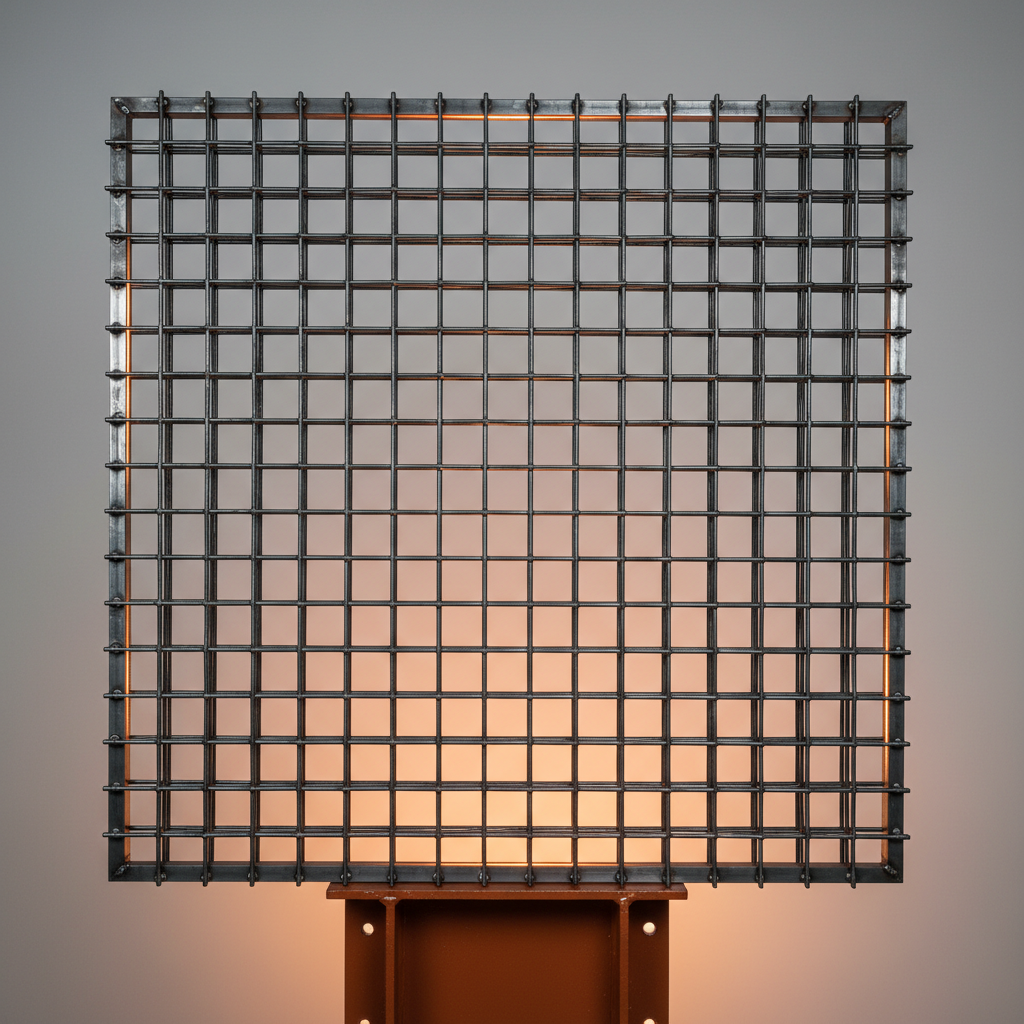 Heavy Duty 6 gauge welded wire mesh for Security and StrengthWhen it comes to heavy-duty containment, security, and structural reinforcement, choosing the right material is critical. The 6 gauge welded wire mesh stands as a premier choice for those requiring a balance of extreme rigidity and precise spacing. Whether you are securing a commercial perimeter, building industrial livestock panels, or creating reinforced concrete structures, this specific thickness provides the structural integrity needed to withstand significant pressure and impact. In this comprehensive guide, we will explore the technical specifications, primary applications, and why this mesh is the gold standard for high-security fencing solutions.Read more >
Apr 16 2026
-
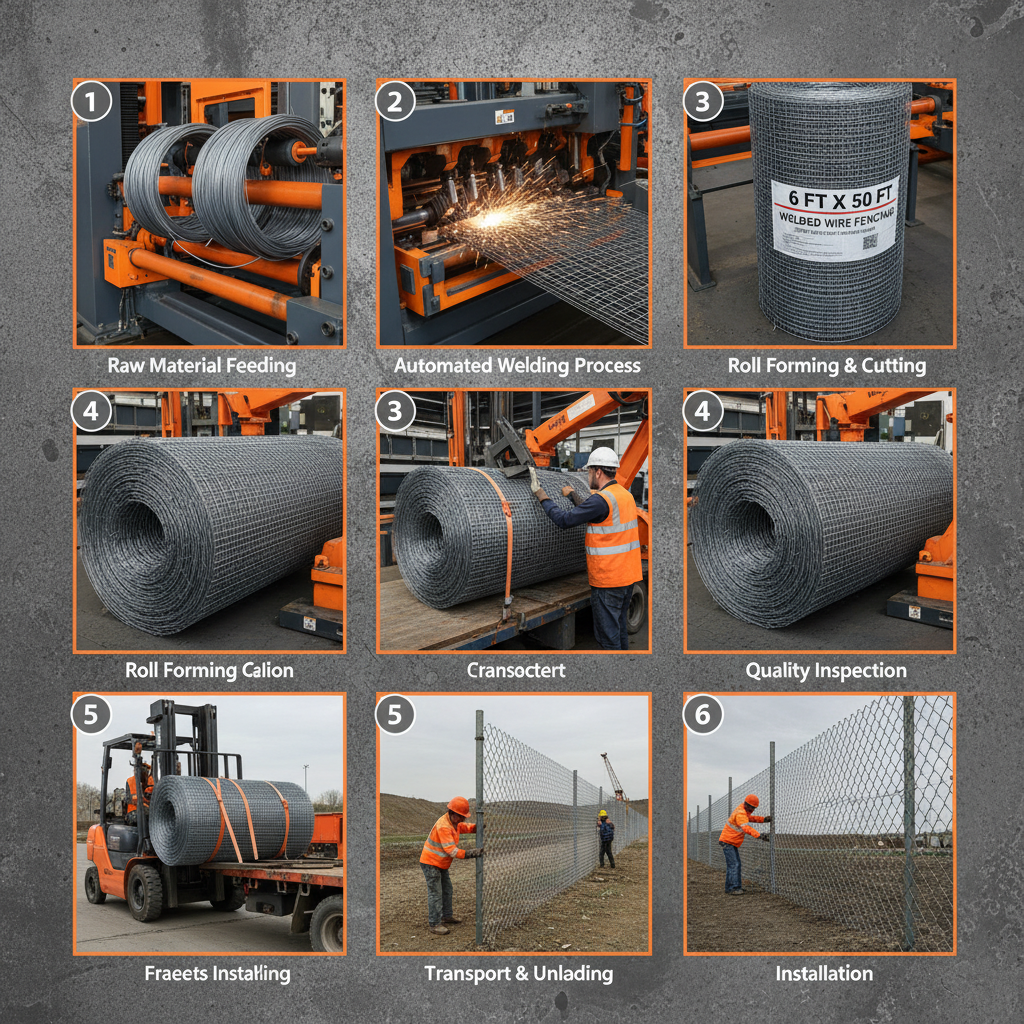 Durable 6 ft x 50 ft welded wire fencing for Security and GardensWhen it comes to securing a perimeter, whether for agricultural use, garden protection, or industrial boundaries, the dimensions and material of your fence matter. The 6 ft x 50 ft welded wire fencing offers an ideal balance of height and length, providing a robust barrier that is easy to install and maintain. Choosing a welded wire system ensures that the intersections are fused together, preventing the shifting and sagging often found in woven alternatives. In this guide, we will explore why this specific size is a preferred choice for property owners and how to maximize its effectiveness for your specific project.Read more >
Apr 09 2026
-
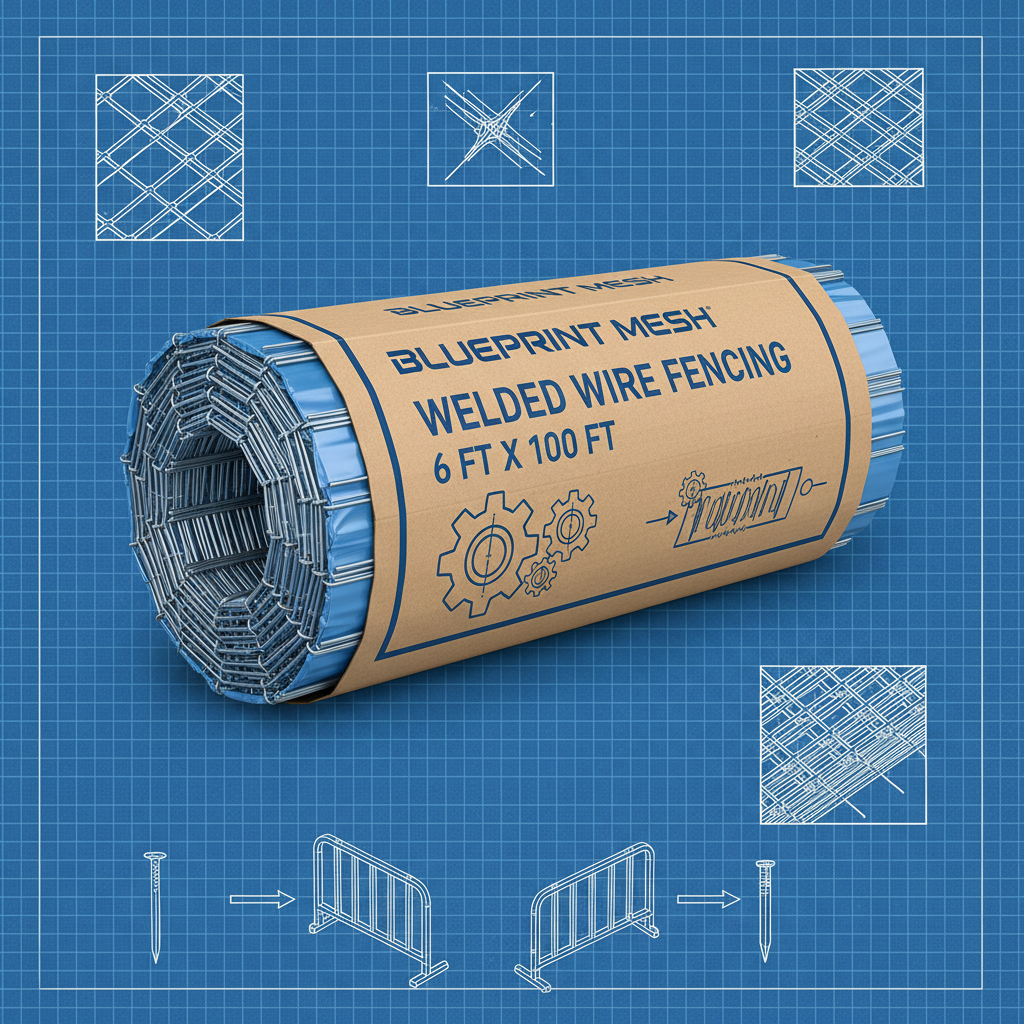 Comprehensive Guide to Choosing the Best 6 ft x 100 ft Welded Wire FencingWelded wire fencing is a versatile and cost-effective solution for a wide range of applications, from agricultural containment to residential security. Understanding the nuances of different types, especially when considering a size like 6 ft x 100 ft welded wire fencing, is crucial for making the right investment. This article will guide you through the essential factors to consider, helping you select the fencing that best suits your specific requirements.Read more >
Apr 07 2026
-
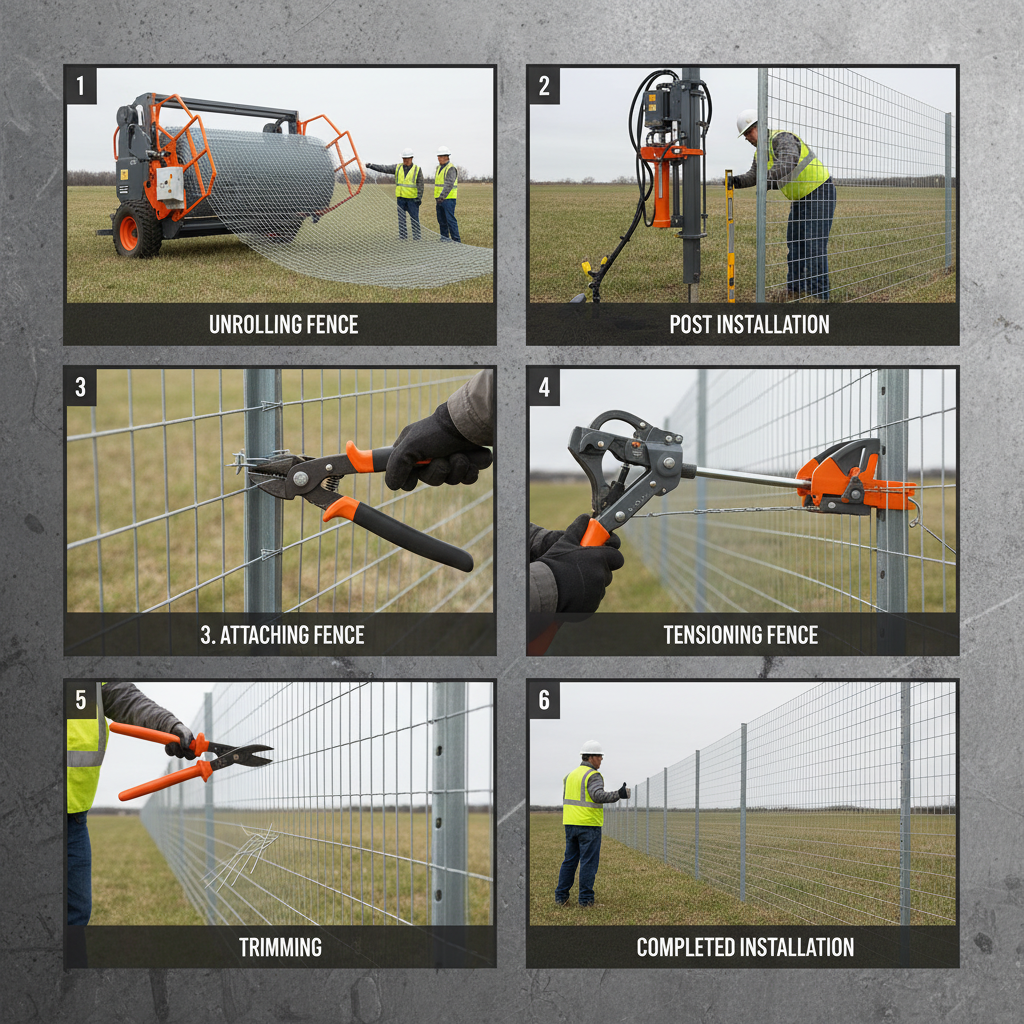 Comprehensive Guide to Choosing a 6 ft x 100 ft 12.5 Gauge Welded Wire FenceSelecting the appropriate fence for your property requires careful consideration. A 6 ft x 100 ft 12.5 gauge welded wire fence offers a robust and versatile solution for a variety of applications, from pet containment to garden protection and security. This guide will explore the benefits, applications, installation tips, and considerations when choosing this type of fencing. Understanding its construction and comparing it to other fencing options will help you make an informed decision.Read more >
Apr 04 2026
-
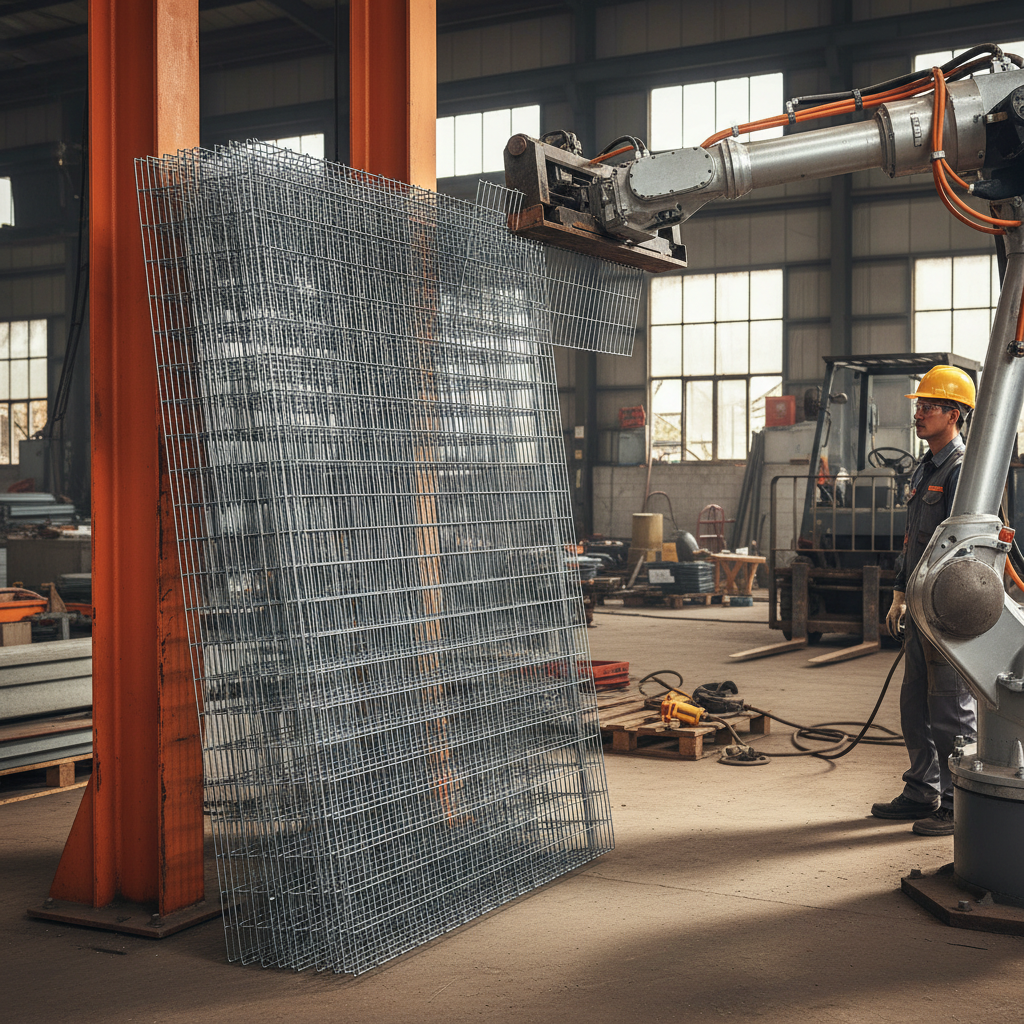 Comprehensive Guide to Durable 6 ft Welded Wire Fencing Panels and ApplicationsWhen selecting fencing for your property, 6 ft welded wire fencing panels offer a robust and versatile solution. These panels combine strength, security, and ease of installation, making them a popular choice for both residential and commercial applications. This article delves into the benefits, applications, installation, and maintenance of these panels, helping you make an informed decision.Read more >
Mar 31 2026