


Plastic Mesh Builders: Durable, Sustainable Solutions for Modern Construction
The Growing Role of Plastic Mesh Builders in Modern Construction
In today’s fast-evolving construction landscape, plastic mesh builders are carving out a unique niche — from addressing urgent humanitarian needs to reshaping industrial applications worldwide. But why does this matter? Well, consider that the UN estimates nearly 1 billion people live in inadequate housing, and increasing urbanization pushes building demands beyond traditional materials and methods. Plastic mesh solutions offer a blend of strength, flexibility, and speed that can radically change how structures come together in so many parts of the world.
Whether you're a contractor, an NGO working in disaster zones, or just curious about innovation in building tech, understanding plastic mesh builders helps you catch a glimpse of construction’s future — one that emphasizes sustainability, resilience, and cost-effectiveness in equal measure.
Plastic Mesh Builders: A Global Perspective
Right now, construction giants and humanitarian agencies reflect on the rising role of plastic mesh builders as a game-changer. According to data from ISO and the World Bank, the demand for eco-friendly and low-weight building materials has jumped by over 25% globally in the past decade. Why? Because traditional materials like steel and concrete aren’t always accessible — or affordable — especially in remote or disaster-stricken regions.
Plastic mesh builders address this gap by offering a modular, lightweight alternative that’s becoming indispensable for quick setup shelters, fencing, reinforcement frameworks, and temporary installations. Yet challenges such as environmental concerns and durability have pushed manufacturers to innovate further. This creates a thriving ecosystem of products tailored for today's fast-paced and resource-conscious build environments.
What Exactly Are Plastic Mesh Builders?
At its heart, plastic mesh builders involve prefabricated mesh panels or rolls made chiefly of durable polymers (often polyethylene or polypropylene) used as structural frameworks or reinforcement elements in various construction projects. Think of them as a flexible “grid” that can be shaped and fastened to form walls, fences, or scaffolding bases.
They combine the lightweight advantage of plastic with engineered integrity, offering an alternative to traditional metal mesh that rusts or adds weight. NGOs often deploy these meshes in temporary shelters after disasters to create quick, safe, and hygienic barriers or room dividers. In industry, they help stabilize soil embankments or reinforce concrete pours where quick, modular installation matters most.
Key Features That Make Plastic Mesh Builders Stand Out
Durability & Weather Resistance
The polymers used resist UV degradation, moisture, chemical exposure, and pests. Unlike metal meshes which corrode, plastic stays relatively maintenance-free for many years.
Lightweight & Easy Handling
Transporting large quantities of plastic mesh is far easier due to its low weight, which translates into faster installation times and lower labor costs. Many builders praise this aspect, especially on difficult terrain.
Cost Efficiency
Plastic mesh builders often come at a fraction of the cost compared to steel reinforcements, especially when factoring lifecycle expenses. This makes them attractive in budget-conscious projects.
Scalability & Modular Design
The modular nature means panels or rolls can be tailored to size requirements, adapted on-site, or combined creatively — a huge bonus for unpredictable project demands.
Eco-Friendliness
Most manufacturers now focus on recycled plastics or biodegradable materials, significantly lowering the environmental footprint relative to traditional building mesh alternatives.
Safety in Use
Because they don’t rust or form sharp edges like metal, safety on sites improves, reducing potential injuries during handling and installation.
Mini takeaway: Plastic mesh builders bring durable, lightweight, and eco-conscious characteristics that align perfectly with the varied needs of both industrial and humanitarian construction sectors.
Where Plastic Mesh Builders Are Making a Difference
Look globally and you’ll find interesting use cases — in South Asia, plastic mesh builders support rapid construction of flood barriers, while European greenhouses rely on them for stable yet flexible plant supports. In sub-Saharan Africa, NGOs use plastic mesh as fencing around safe-play zones for children displaced by conflict.
In post-disaster relief — after earthquakes or hurricanes — teams deploy plastic mesh-based shelters that are quick to set up, provide ventilation, and maintain structural integrity without the heavy logistics of steel girders or timber. In remote industrial zones like mining camps in Australia or oil rigs in the Arctic, these meshes anchor temporary structures built in harsh environments.
Product Specification Table: Typical Plastic Mesh Builder Panel
| Specification | Detail |
|---|---|
| Material | High-density polyethylene (HDPE) |
| Mesh Size | 25 mm x 25 mm (1" x 1") |
| Panel Dimensions | 2 m x 1 m (6.6' x 3.3') |
| Tensile Strength | 450 N / 5 cm |
| Weight | 0.3 kg per panel |
| Color Options | White, Green, Black |
Advantages & Long-Term Value
- Cost Savings: Reduced shipping and labor expenses mean projects stay leaner.
- Sustainability: The shift toward recyclable plastics lessens ecological harm.
- Social Impact: Quick, safe shelter construction supports dignity during crises.
- Reliability: Stable performance in diverse climates ensures long service life.
From an emotional viewpoint, these meshes bring a bit of trust in chaotic times — where safety and speed matter most — that feels increasingly valuable. And people remember ease of use when the pressure’s on, which frankly, is priceless.
Innovation & Future Trends in Plastic Mesh Building
Going forward, several smart shifts are underway: innovations include integrating sensor tech into mesh structures to monitor stress or weather exposure, and the rise of bio-based plastics to speed up decomposition after their practical use. Digital fabrication methods like 3D printing polymer mesh composites are also on the horizon, promising even faster customization and onsite adaptation.
Policy-wise, stricter environmental standards push vendors to adopt greener production processes (ISO 14000 series compliance) — encouraging a broader move toward circular economy principles in the building supply chain.
Challenges & How the Industry Is Responding
No solution is perfect, right? Plastic mesh builders face limits like UV resistance degradation over very long terms, and concerns about microplastic pollution during end-of-life disposal. Additionally, some regions still struggle with supply chain access for these relatively new materials.
Innovators try coating meshes with UV inhibitors, developing biodegradable options, and partnering with local manufacturers worldwide to improve availability and recycling infrastructure.
Vendor Comparison Table: Leading Plastic Mesh Builder Providers
| Vendor | Material Quality | Customization | Pricing | Eco-certifications |
|---|---|---|---|---|
| BuildMesh Pro | Premium HDPE | Custom panel sizes & colors | $$$ | ISO 14001 |
| EcoMesh Solutions | Recycled PP (post-consumer) | Limited sizes | $$ | Cradle to Cradle Certified |
| FlexiMesh Corp | Standard LDPE blend | Standard sizes only | $ | None |
FAQ: Common Questions About Plastic Mesh Builders
- How long does plastic mesh typically last in outdoor conditions?
- Good-quality polymer meshes can easily last 10-15 years outdoors, especially if UV-stabilized and properly maintained. Frequent exposure to harsh sun and chemicals may reduce lifespan slightly.
- Are plastic mesh builders suitable for heavy-duty reinforcement like concrete structures?
- They are mostly used for lightweight reinforcement. While plastic mesh provides good tensile support in certain concrete applications, it isn’t a full replacement for steel rebar in high-load buildings.
- Can these plastic meshes be recycled after use?
- Yes, many modern plastic meshes are made with recyclable polymers. It’s critical to work with suppliers who offer take-back or recycling programs to minimize environmental impact.
- How quickly can structures using plastic mesh be assembled?
- One of their biggest advantages is speed. Structures often go up within hours rather than days, which makes them popular in disaster relief or temporary fencing projects.
Wrapping Up: Why Plastic Mesh Builders Matter
All told, plastic mesh builders feel like a quiet revolution in construction’s toolbox — combining innovation, sustainability, and practicality with a dash of hope for quicker, safer shelters worldwide. If you want to dive deeper or explore real-world products, check out our robust selection at plastic mesh builders.
Whether you’re building a remote fence or managing emergency housing, these meshes are worth a good look. They’re changing the game one panel at a time.
References
Latest News About CHENG CHUANG
-
 Heavy Duty 6 gauge welded wire mesh for Security and StrengthWhen it comes to heavy-duty containment, security, and structural reinforcement, choosing the right material is critical. The 6 gauge welded wire mesh stands as a premier choice for those requiring a balance of extreme rigidity and precise spacing. Whether you are securing a commercial perimeter, building industrial livestock panels, or creating reinforced concrete structures, this specific thickness provides the structural integrity needed to withstand significant pressure and impact. In this comprehensive guide, we will explore the technical specifications, primary applications, and why this mesh is the gold standard for high-security fencing solutions.Read more >
Apr 16 2026
-
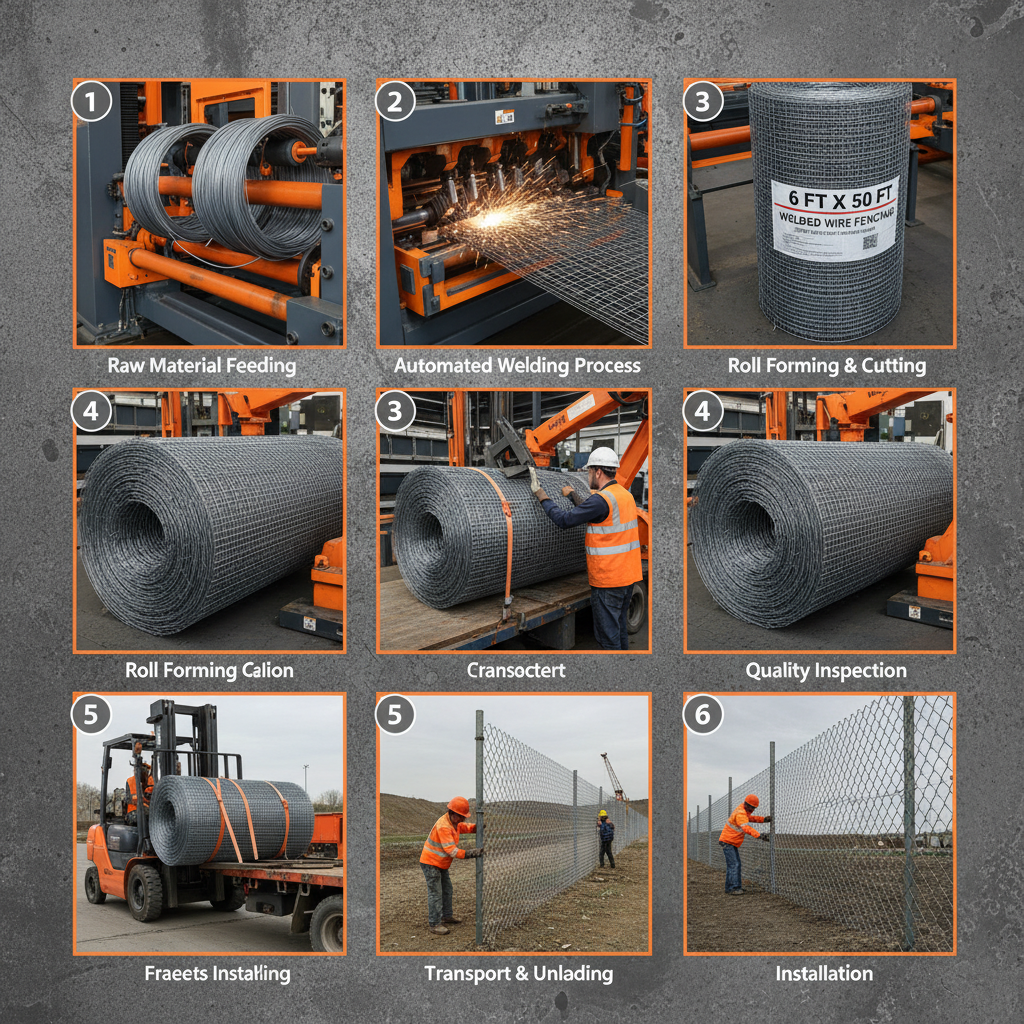 Durable 6 ft x 50 ft welded wire fencing for Security and GardensWhen it comes to securing a perimeter, whether for agricultural use, garden protection, or industrial boundaries, the dimensions and material of your fence matter. The 6 ft x 50 ft welded wire fencing offers an ideal balance of height and length, providing a robust barrier that is easy to install and maintain. Choosing a welded wire system ensures that the intersections are fused together, preventing the shifting and sagging often found in woven alternatives. In this guide, we will explore why this specific size is a preferred choice for property owners and how to maximize its effectiveness for your specific project.Read more >
Apr 09 2026
-
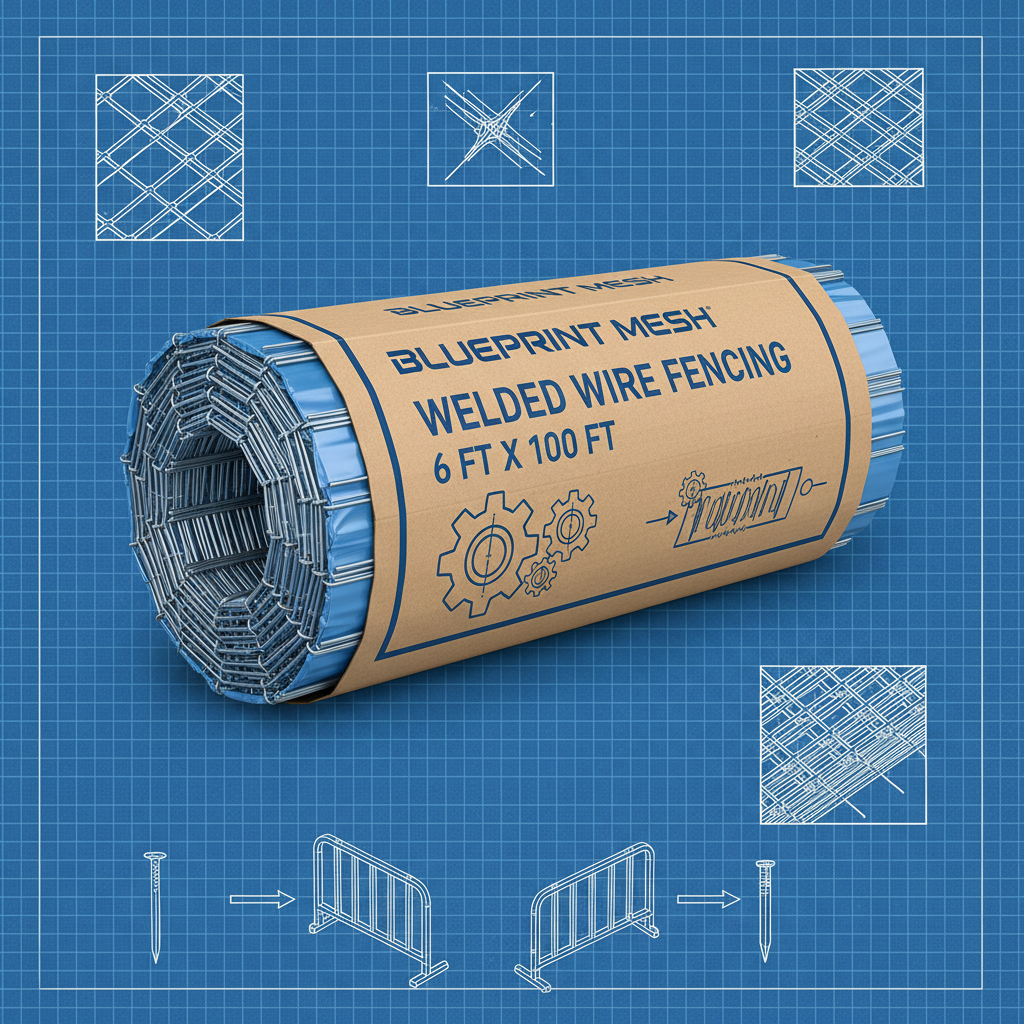 Comprehensive Guide to Choosing the Best 6 ft x 100 ft Welded Wire FencingWelded wire fencing is a versatile and cost-effective solution for a wide range of applications, from agricultural containment to residential security. Understanding the nuances of different types, especially when considering a size like 6 ft x 100 ft welded wire fencing, is crucial for making the right investment. This article will guide you through the essential factors to consider, helping you select the fencing that best suits your specific requirements.Read more >
Apr 07 2026
-
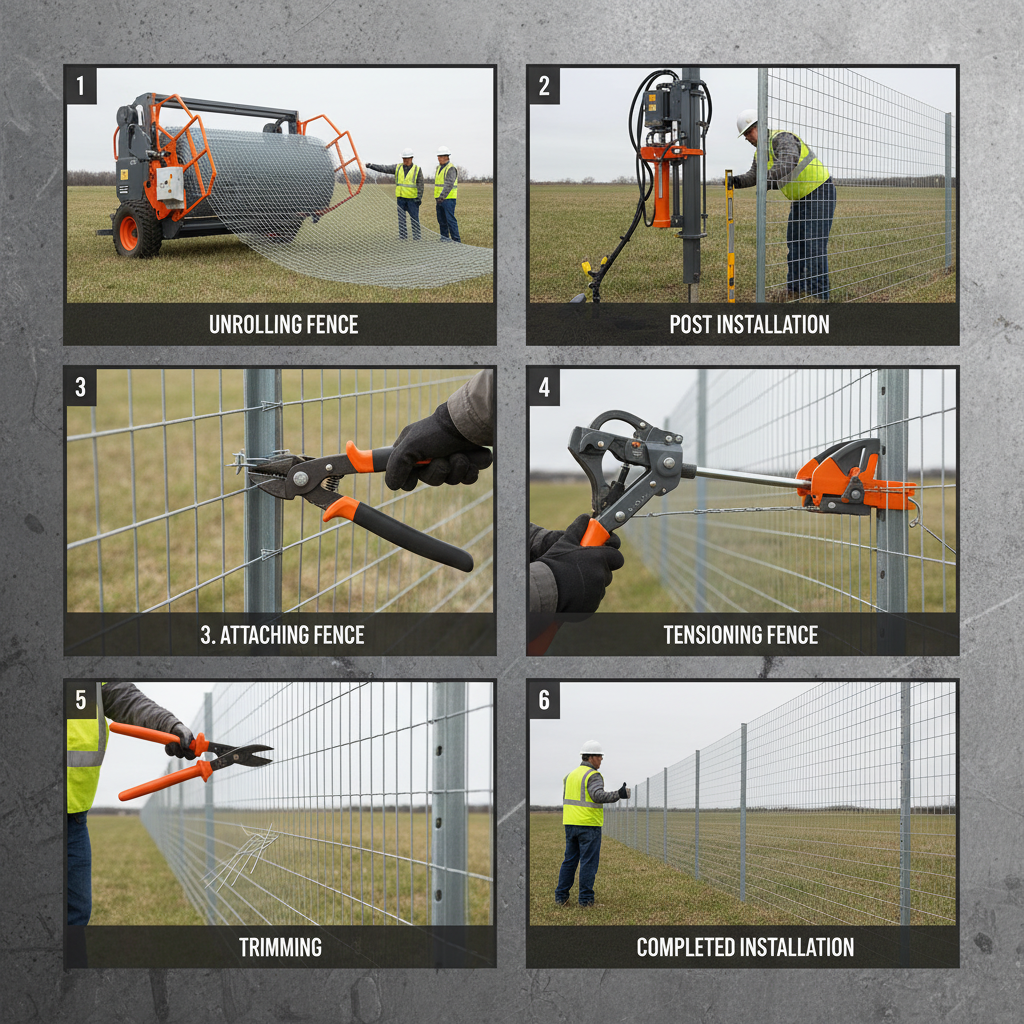 Comprehensive Guide to Choosing a 6 ft x 100 ft 12.5 Gauge Welded Wire FenceSelecting the appropriate fence for your property requires careful consideration. A 6 ft x 100 ft 12.5 gauge welded wire fence offers a robust and versatile solution for a variety of applications, from pet containment to garden protection and security. This guide will explore the benefits, applications, installation tips, and considerations when choosing this type of fencing. Understanding its construction and comparing it to other fencing options will help you make an informed decision.Read more >
Apr 04 2026
-
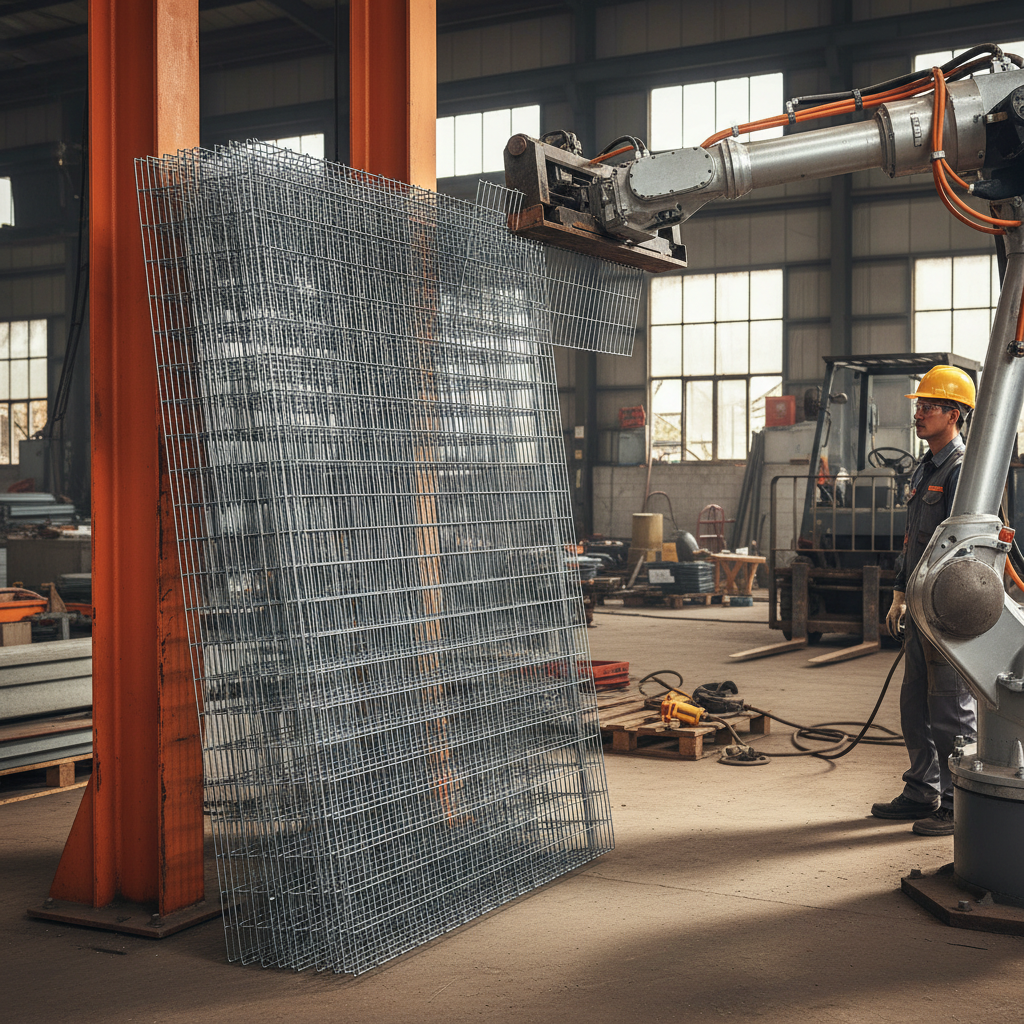 Comprehensive Guide to Durable 6 ft Welded Wire Fencing Panels and ApplicationsWhen selecting fencing for your property, 6 ft welded wire fencing panels offer a robust and versatile solution. These panels combine strength, security, and ease of installation, making them a popular choice for both residential and commercial applications. This article delves into the benefits, applications, installation, and maintenance of these panels, helping you make an informed decision.Read more >
Mar 31 2026